The Architect’s Role in Shaping Society
The relationship between power and architecture is an endless source of reflections and debate. It is a good example of a complex issue to which there are no simple answers, no easy separation between good and bad such as Daniel Libeskind would like to suggest, as recently reported in the Italian press. Personally I share the more comprehensive approach presented by Dejan Sudjic in his essay “The Edifice Complex: How the Rich and Powerful and Their Architects Shape the World” where he succeeds in setting every piece of architecture into the narrative of its own historical, professional and individual situation. The purpose is to allow the reader to make his own opinion, being aware that history is permanently rewritten.
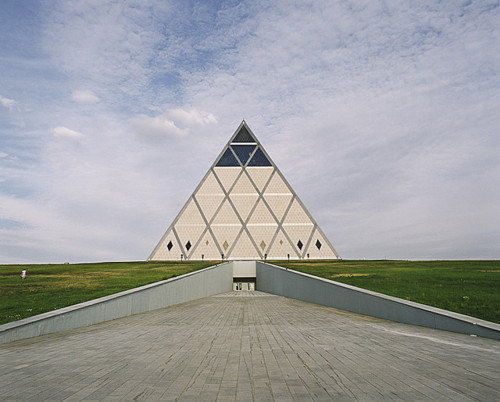
Norman Foster’s Pyramid of Peace in Astana
On the same line I find lot’s good food for thoughts in the point of view of artists reflecting on the role of the architects’ in shaping society, especially if they architects are architects themselves (Ai Weiwei) or when they reflect on their own role in shaping society (Adrian Paci). This video by Nir Evron shows the Nahal Raviv facility, a newly built detention center located in Israel three miles from the Egyptian border. This huge prison camp, along with others alike and a new border fence, was built to accommodate 4,000 African migrants as signal of the strong governmental determination to stop illegal immigration.
The artist cuts the images together with a quiet and polite conversation between an architect and a young artist on the social responsibility of architects. Reading the presentation of the video the architect being interviewed turns out to be the one who designed the camp. Understandably he does not want to appear with his name or the name of the office, but the video artist tells us he is an experienced professional working extensively for the Israeli government and having designed large scale projects including residential settlements and army basis. His answers are sensible and I largely agree on them. On the other side, apparently there is also something going wrong, but to which extent is the architect co-responsible for that?
Read the original article on creativetimereports.org | Here a sharp review of Dejan Sudjic “Edifice Complex”.
Five Easy Pieces – Vote Your Favorite One!

Since 1988 every two years the European Union awards the Mies Van Der Rohe Prize to outstanding architectural projects designed and built in the member States. The nominations are made by a pool of independent experts, the member organisations of the Architects’ Council of Europe (ACE-CAE), the accredited associations for contemporary architecture at national level and an ad hoc advisory committee. Following remote selection of a shortlist of projects among the nominations, the jury undertakes to visit the projects on site. That is a very important step that precedes the awarding, reflecting the ambition of awarding the design and building process instead of the single architectural object.
I appreciate the rational behind the award and think that the awarded projects are always of extraordinary architectural quality and societal relevance. However I do think that some kind of citizen’s participation and involvement could reinforce the cultural and social impact of the prize. Therefore I kindly ask you to express your preference about the five finalists of the Mies Van Der Rohe European Union Prize 2013.
Market Hall, Ghent, Belgium
Robbrecht en Daem architecten; Marie-José Van Hee architecten
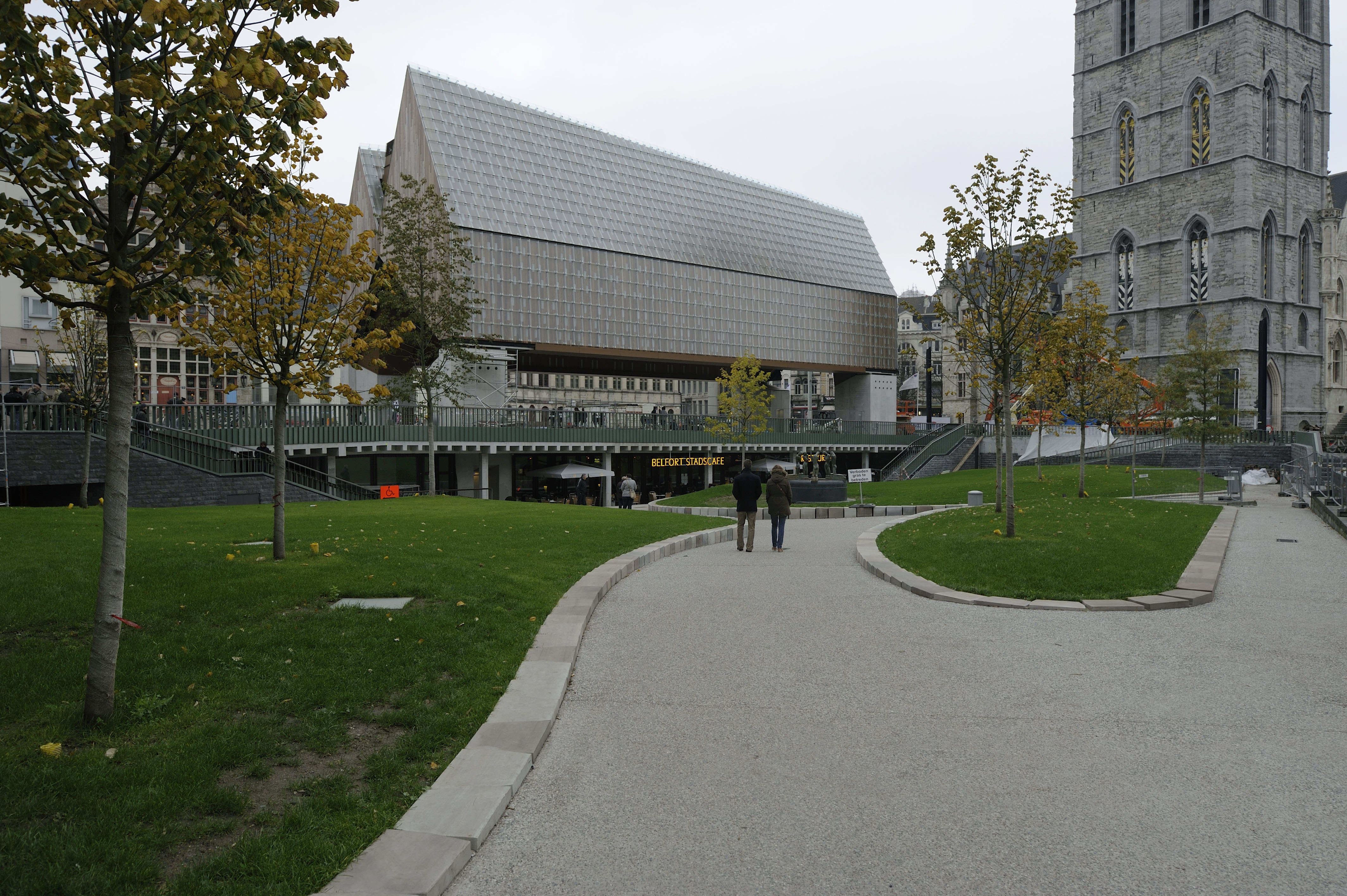
Photo © Petra Decouttere
Superkilen, Copenhagen, Denmark
BIG Bjarke Ingels Group; Topotek1; Superflex

Photo © Superflex
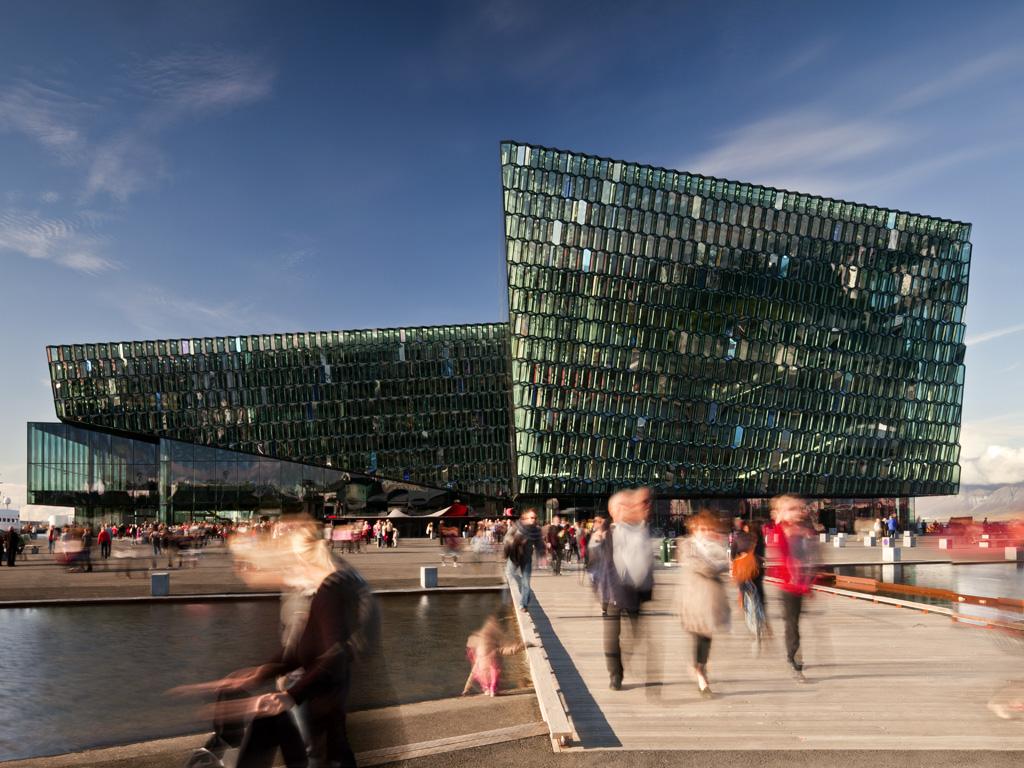
Harpa – Reykjavik Concert Hall & Conference Centre, Reykjavik, Iceland
Batteríid architects; Henning Larsen Architects; Studio Olafur Eliasson
House for Elderly People, Alcácer do Sal, Portugal
Aires Mateus Arquitectos
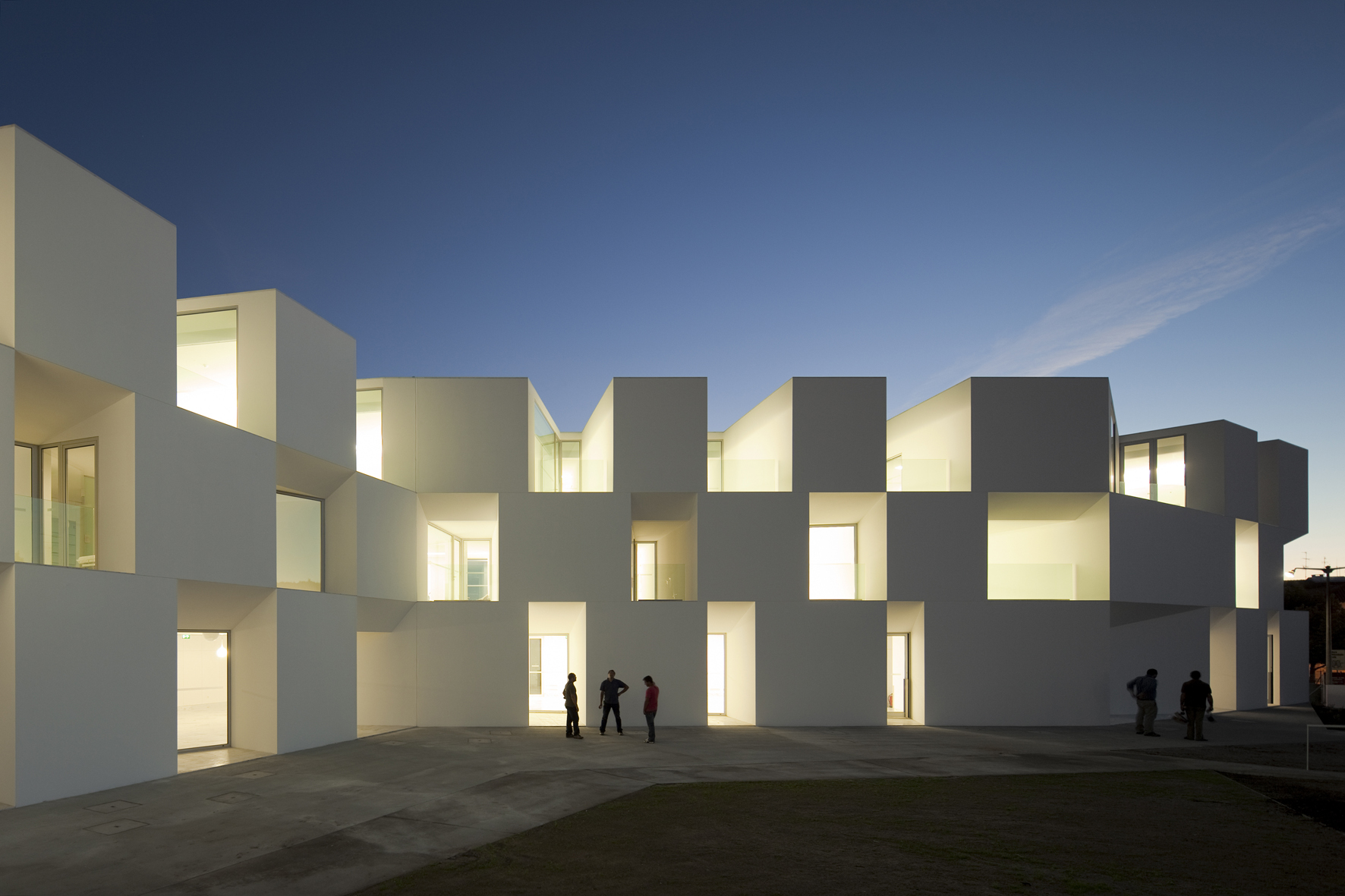
Photo © FG+SG
Metropol Parasol, Seville, Spain

Photo © David Frank
Related articles
- Mies van der Rohe Award 2013 shortlist announced (dezeen.com)
- EU Prize for Contemporary Architecture finalists announced (wired.co.uk)
A Blue House in the Heart of Brașov
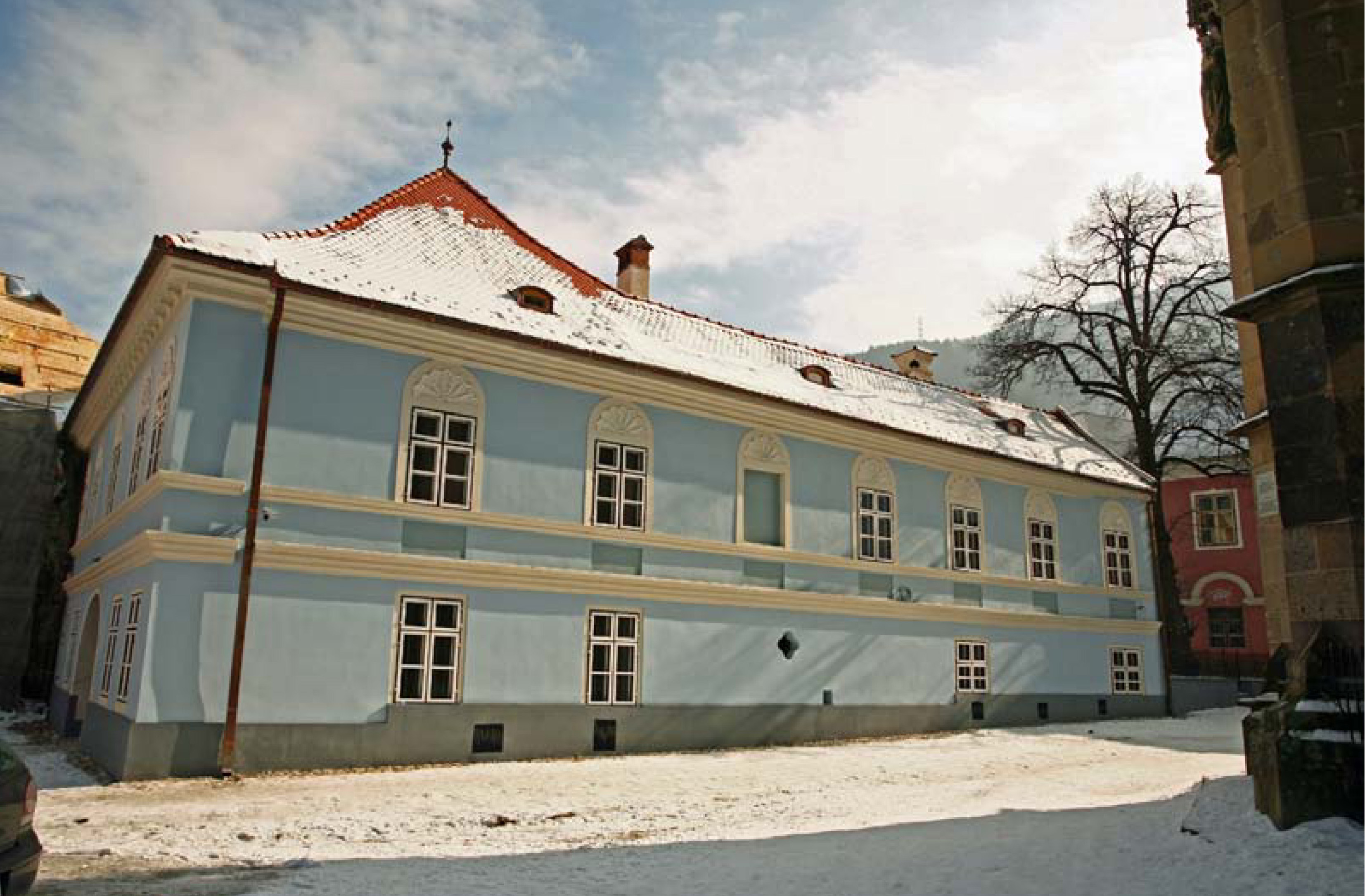
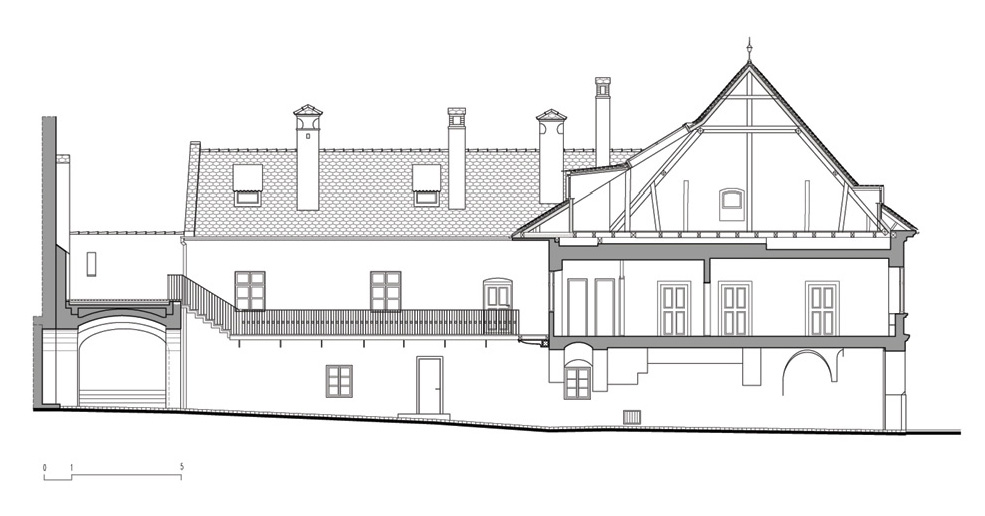
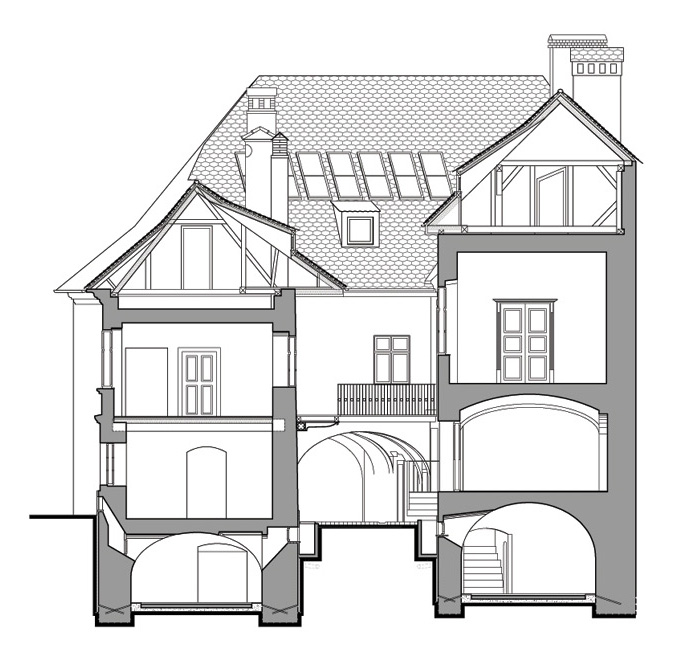
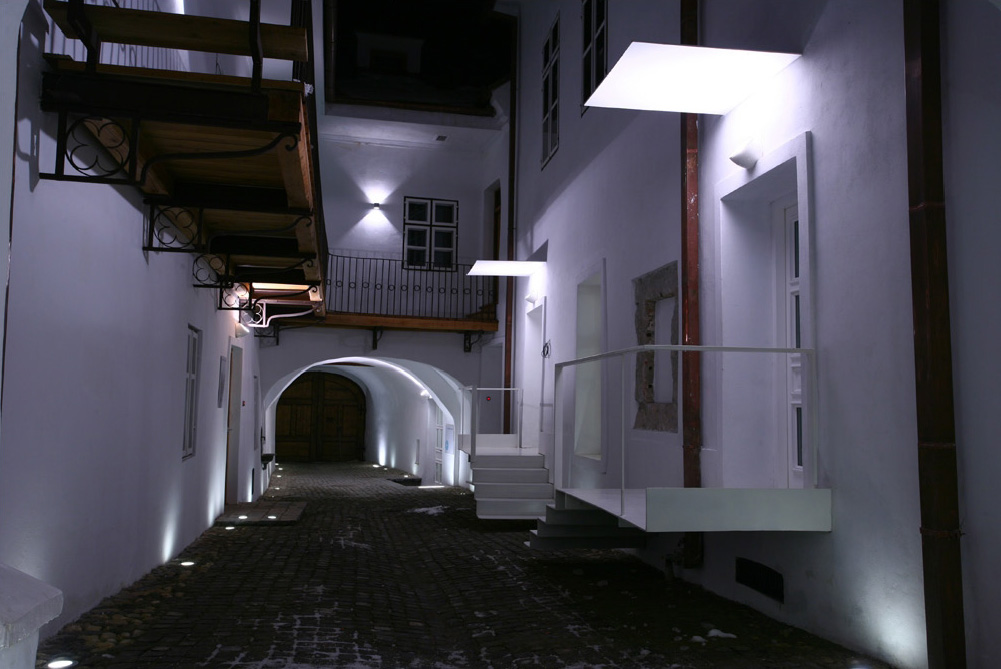
During our URBACT LINKS workshop in Brașov we had the opportunity of a site visit the Offices of the Evangelic Church in the so called Blue House, a retrofitting project by Exhibit Arhitectura (Johannes Bertleff, Dragos Oprea).
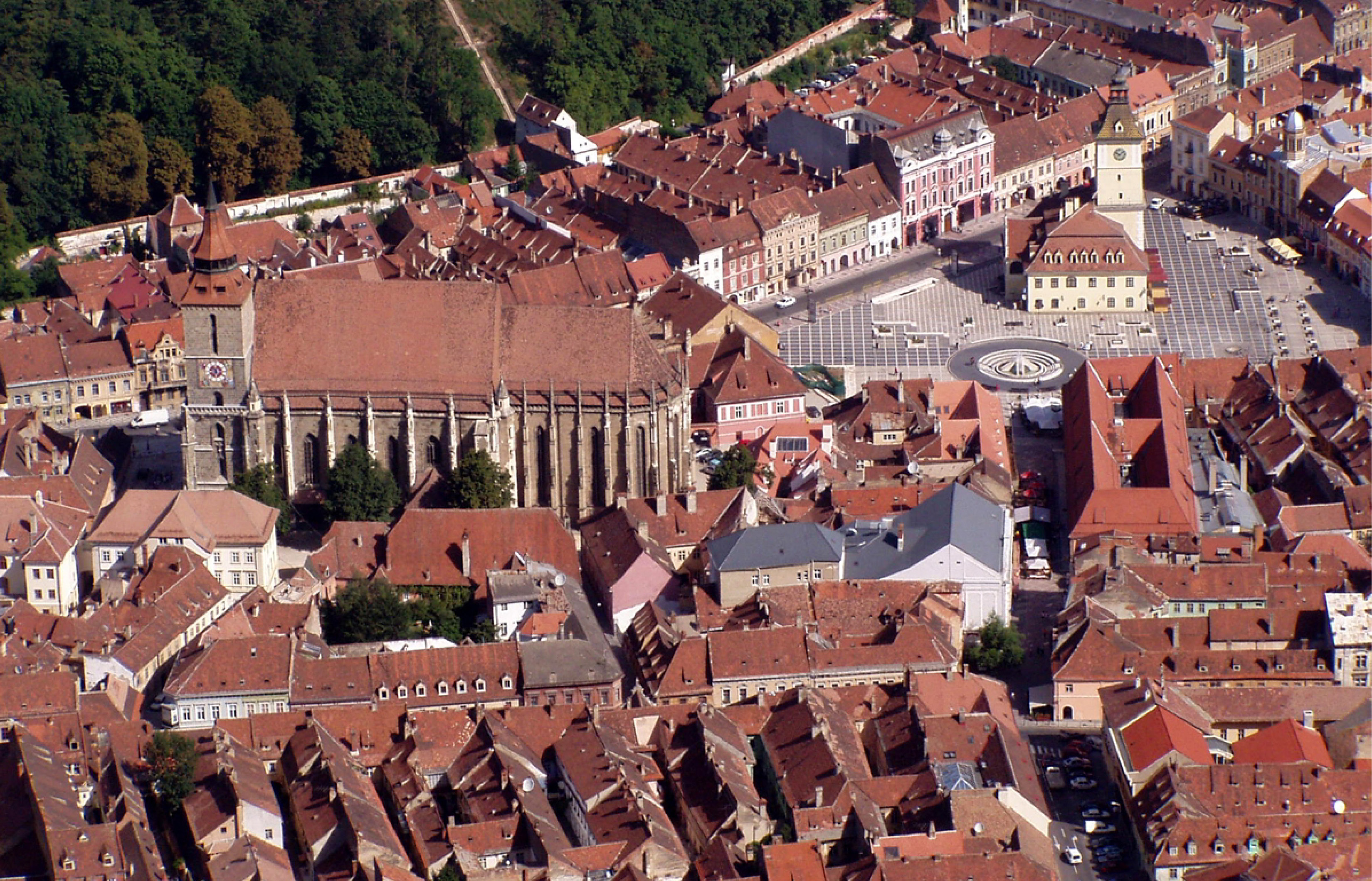
Located in the center of Brașov, nearby the famous Black Church, the house dates back to the 1st half of the 18th century and features three major construction phases along with other minor extensions and modifications. The current facade cavities and outside ornaments were built in 1820.
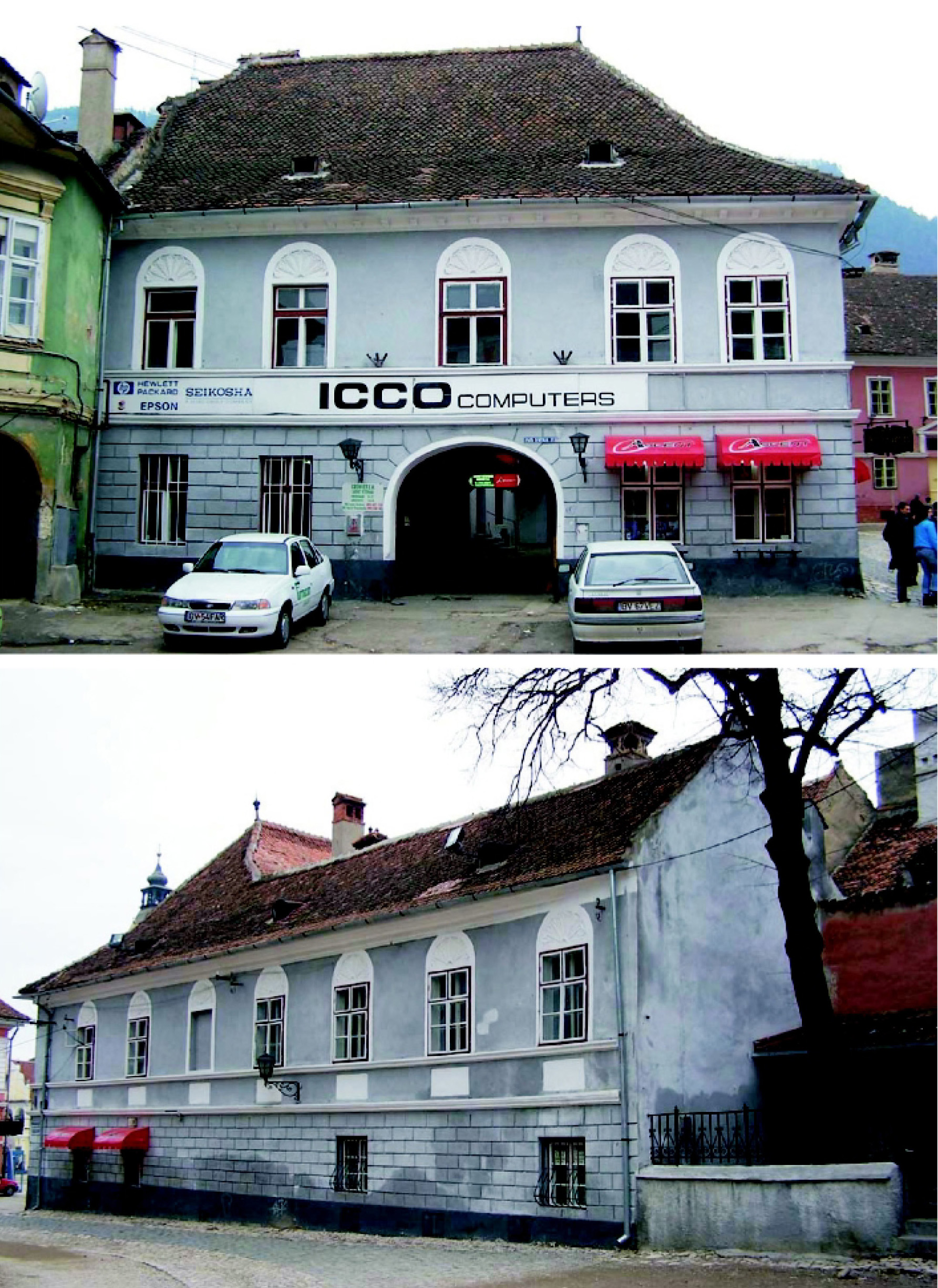
The building changed its owners several times until it became the property of the Evangelic Church at the beginning of the 20th century. 1950 it was then nationalised, during the communist regime and given back to the Church after the 1989 revolution. The restoration started in 2005 as the building was in quite a bad shape, with various structural damages and severe deterioration.
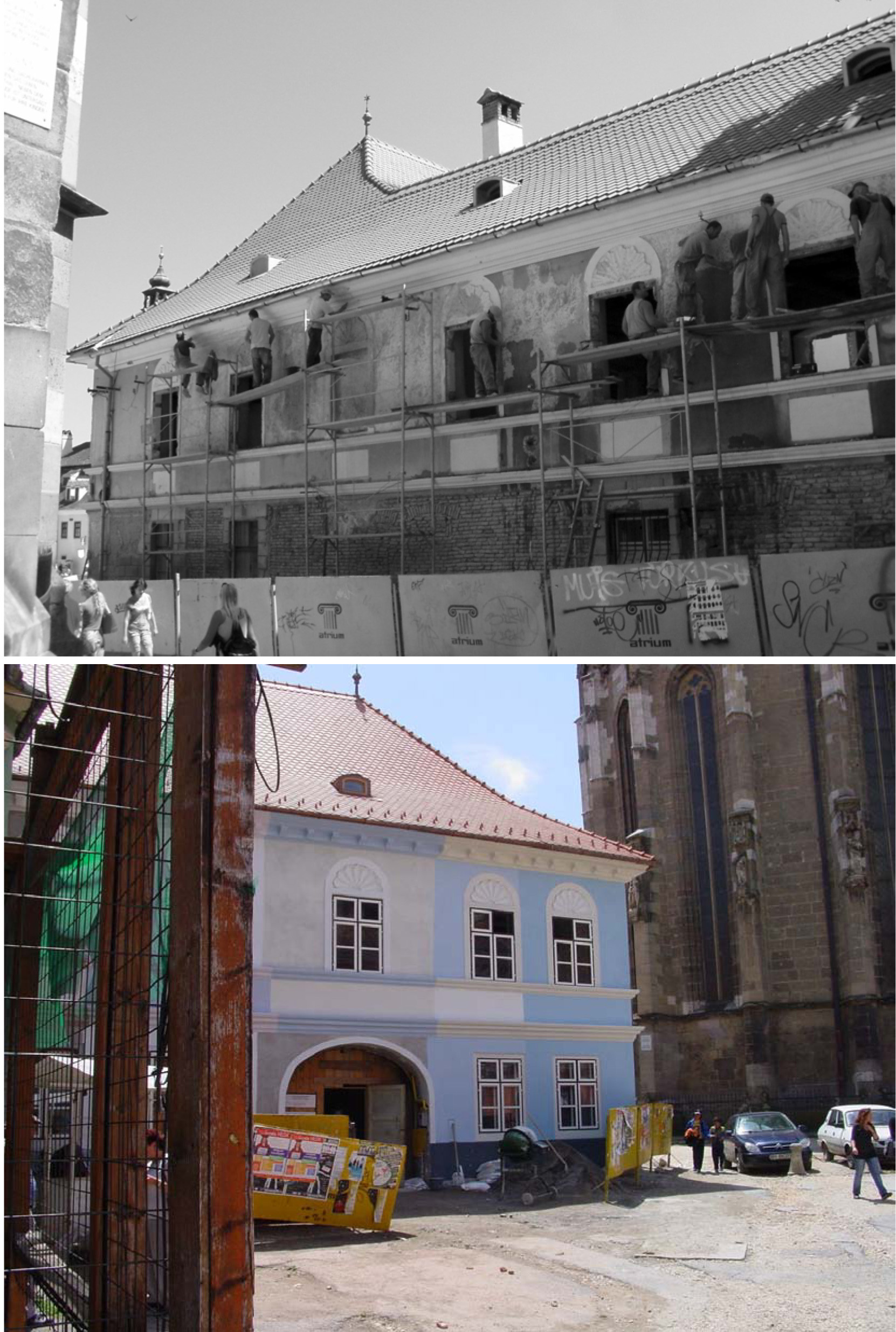
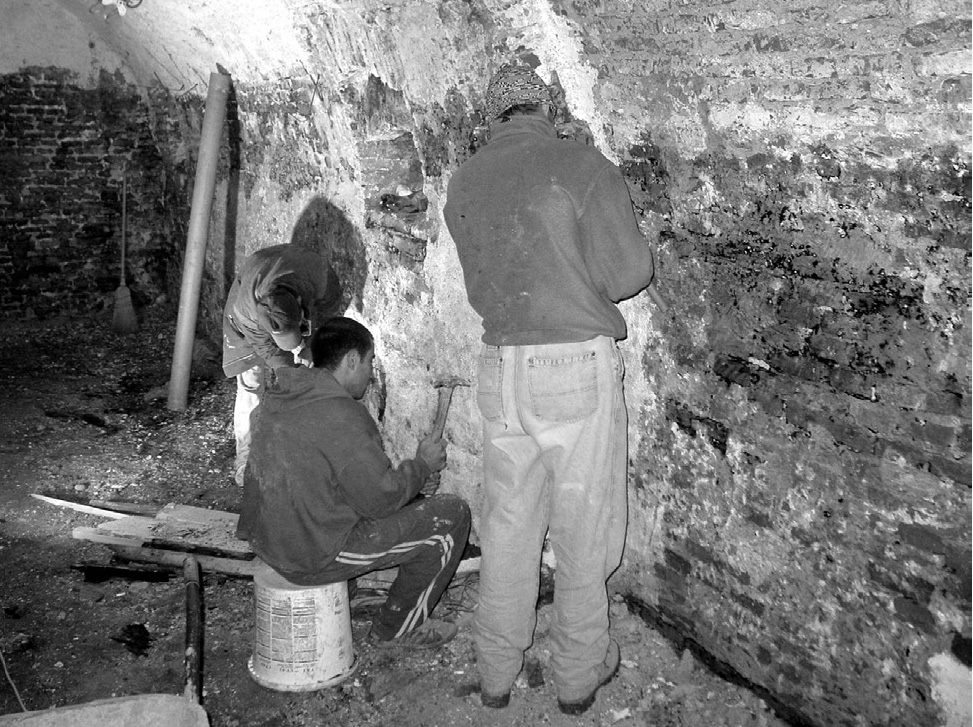
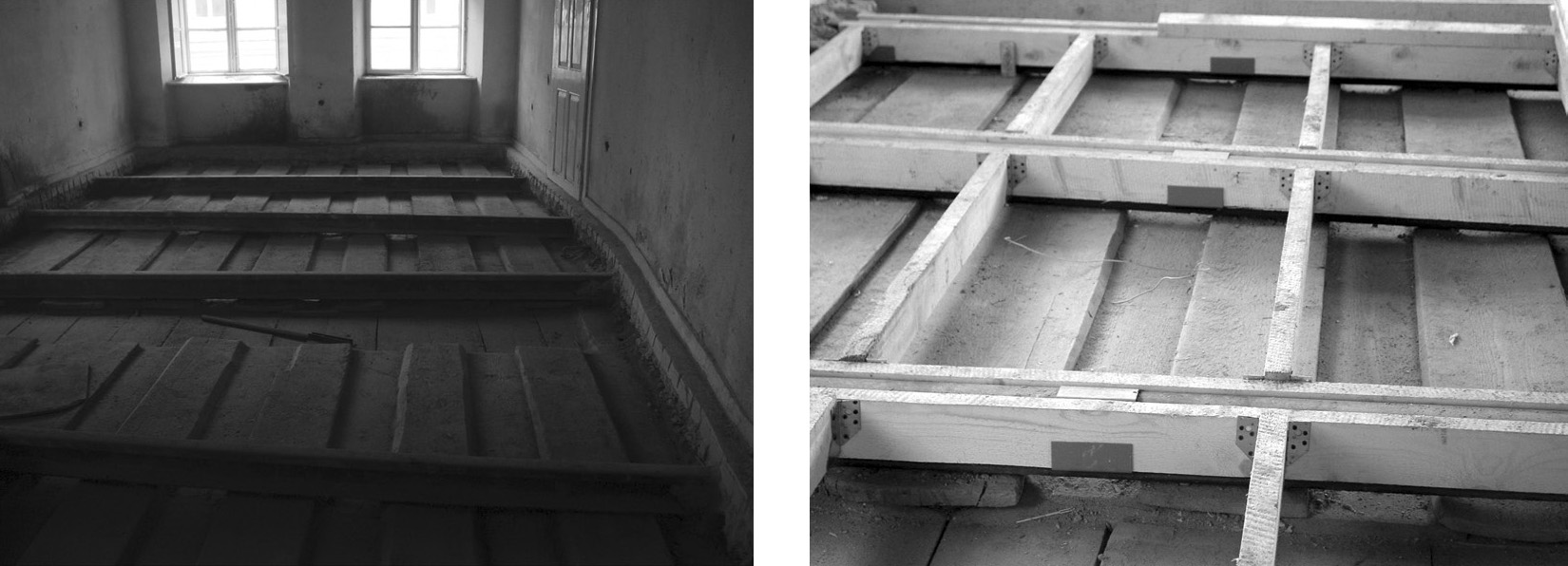
The initial assignment was not very ambitious, it was as an attempt to save the house. During the 4 years construction works the project evolved into a more comprehensive retrofitting, from the foundations to the space under the roof. All the extensions and improper compartments were taken down.
The valuable architectural elements were restored and given the deserved attention and value, based on the deep understanding of the building typology and functioning.
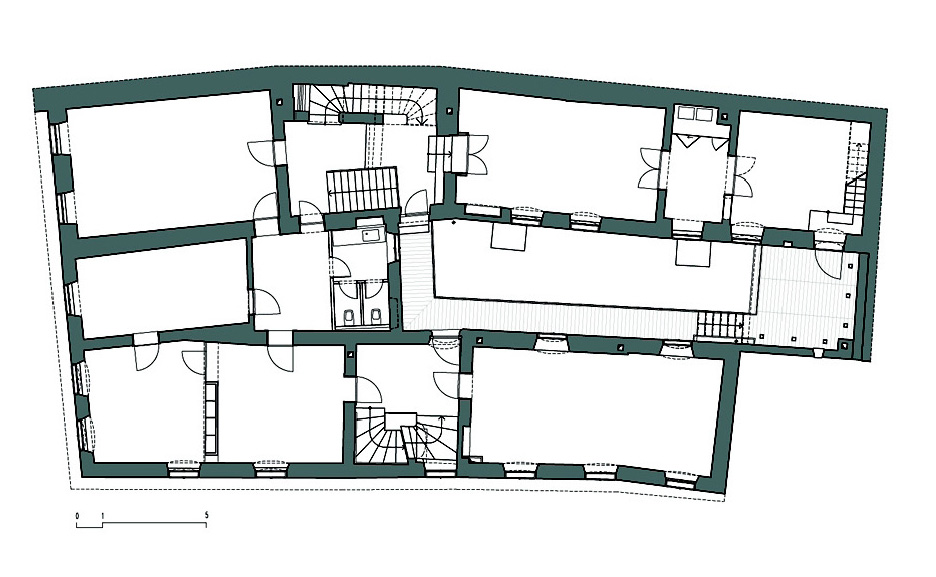
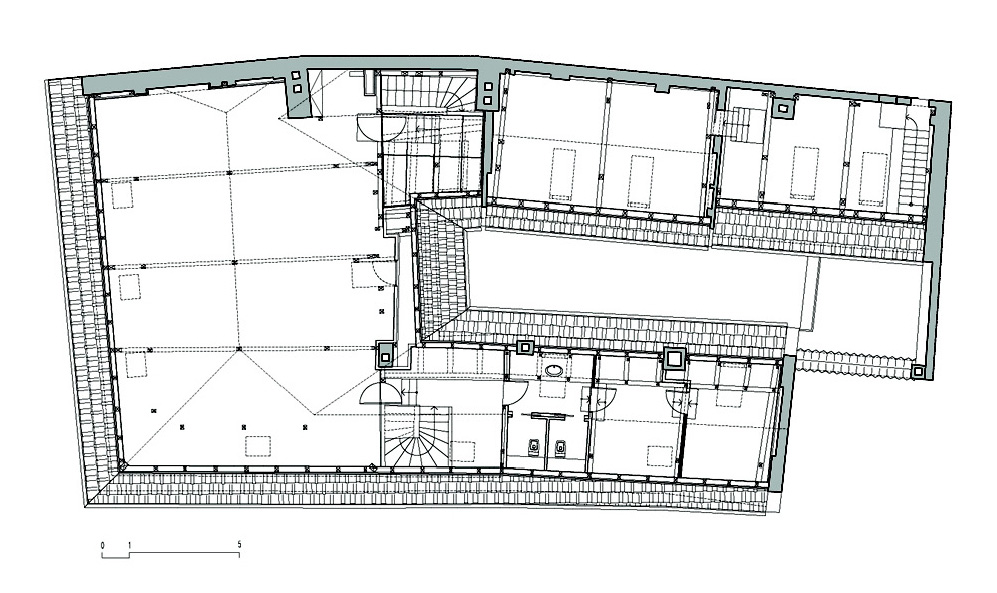
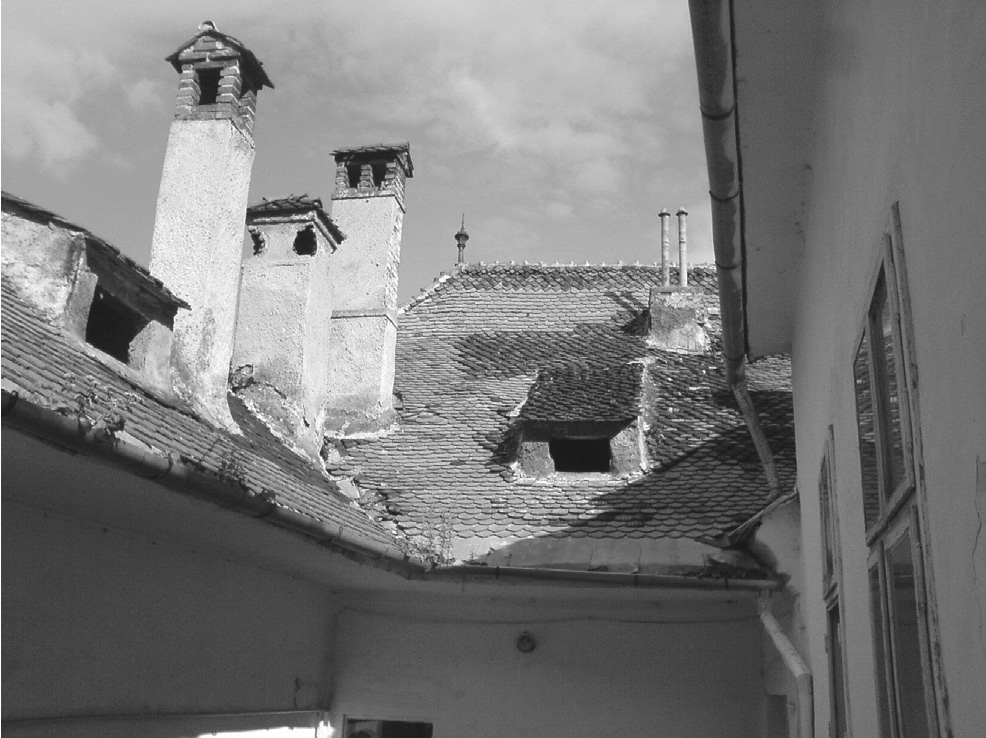
Below you can see the inner court before, during and after renovation.
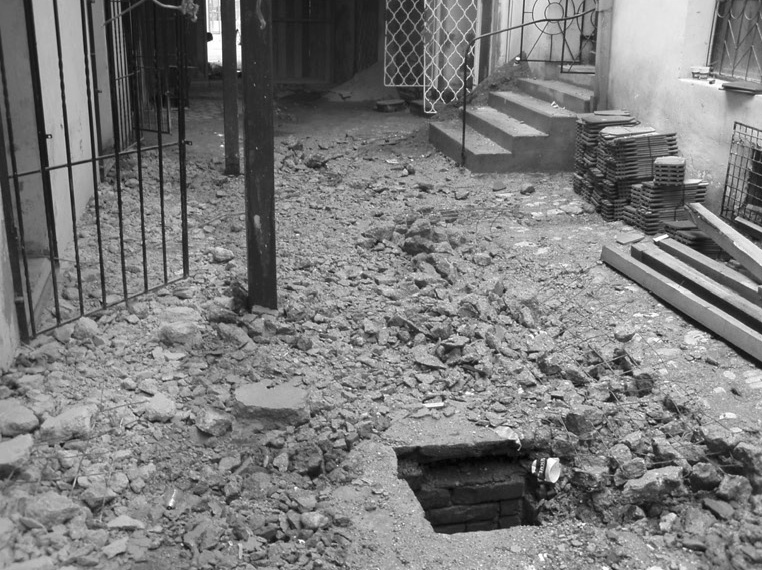
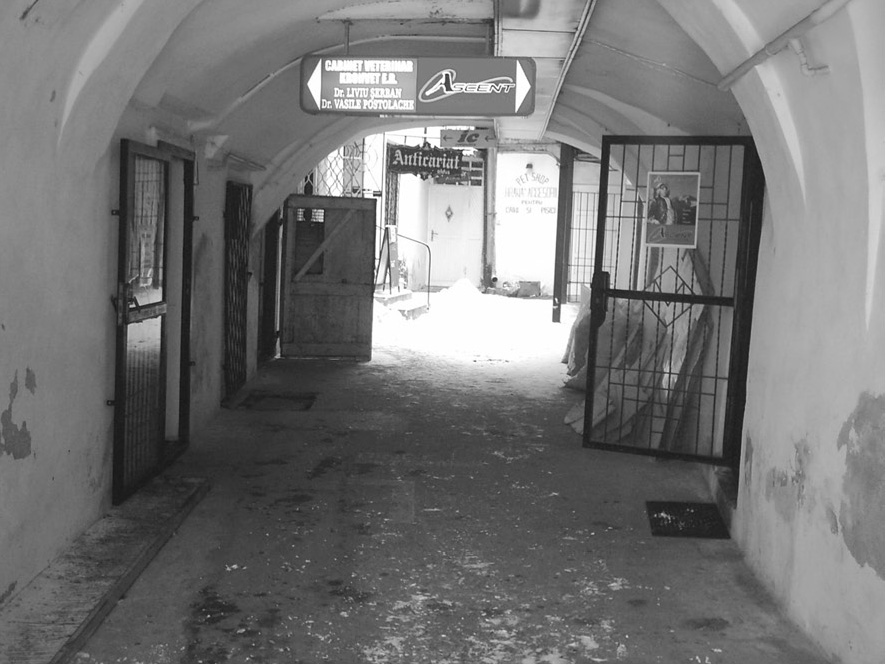
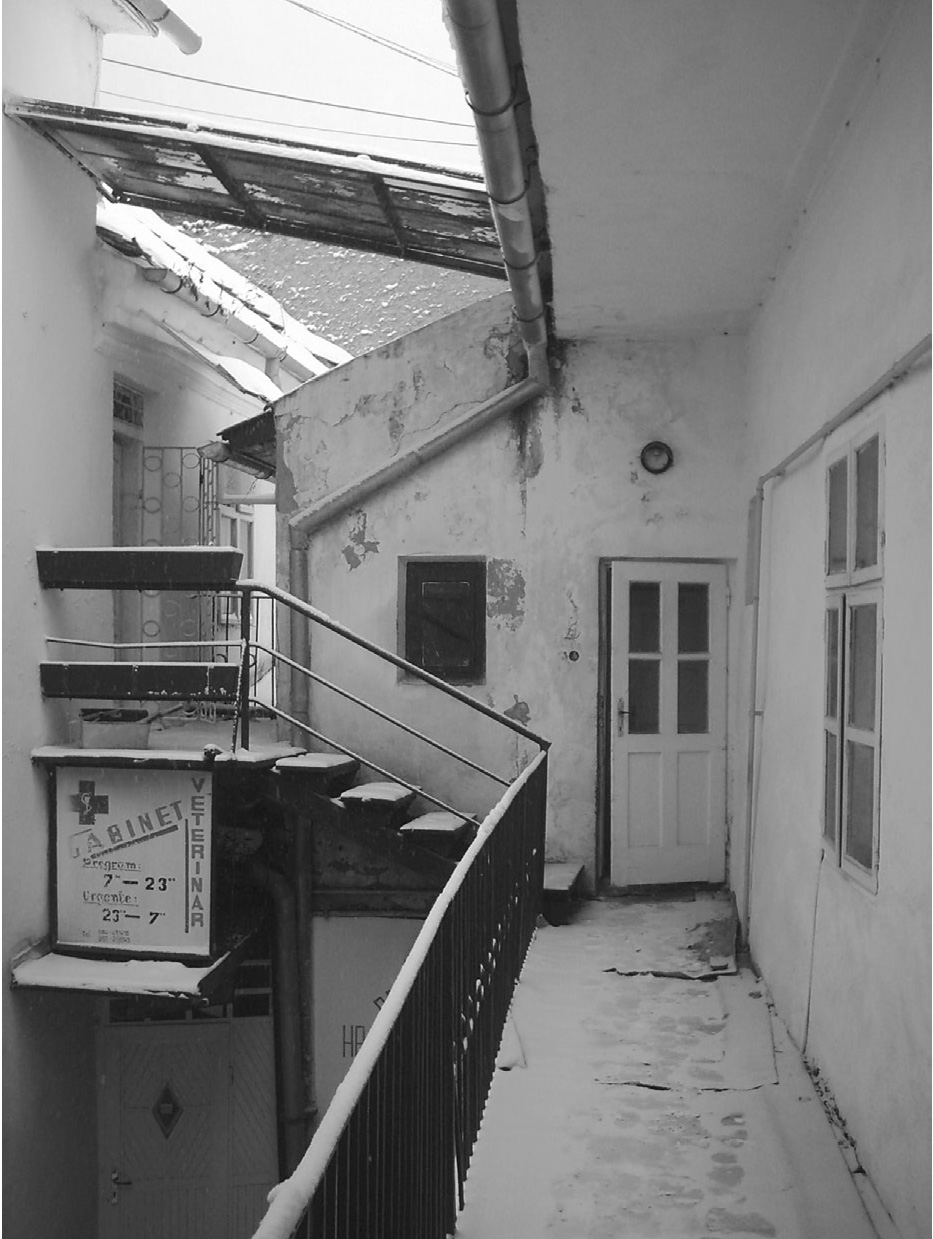
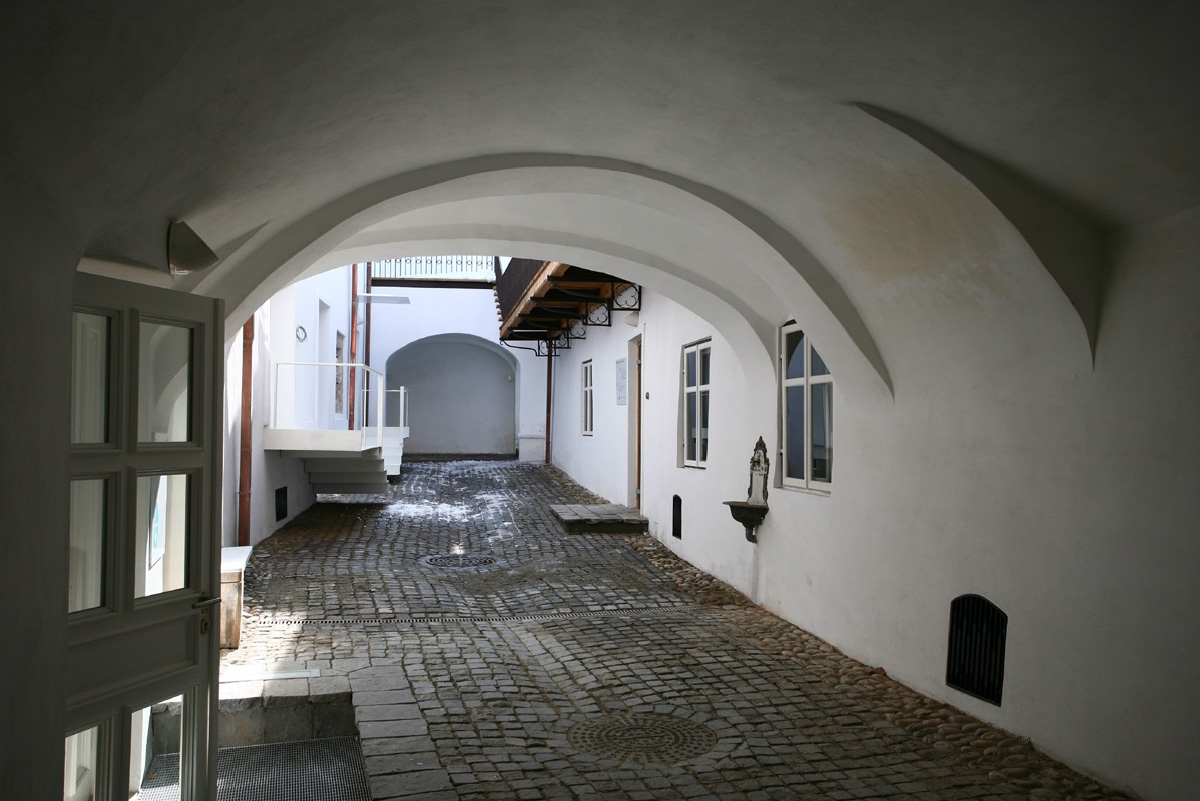
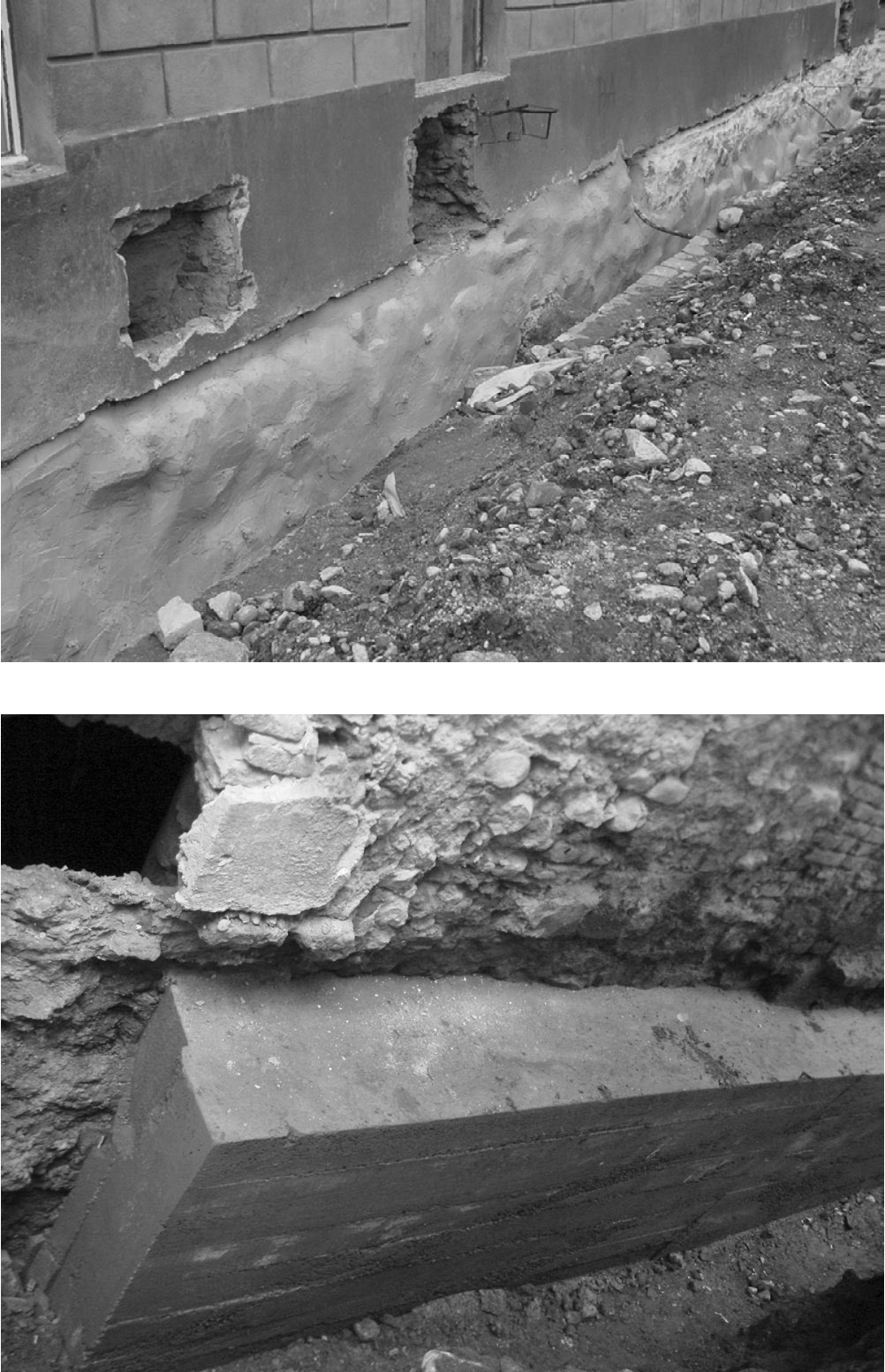
A major problem of the building, common to many historic buildings of the city center of Brașov, was the lack of proper foundations, with moisture climbing up the walls.
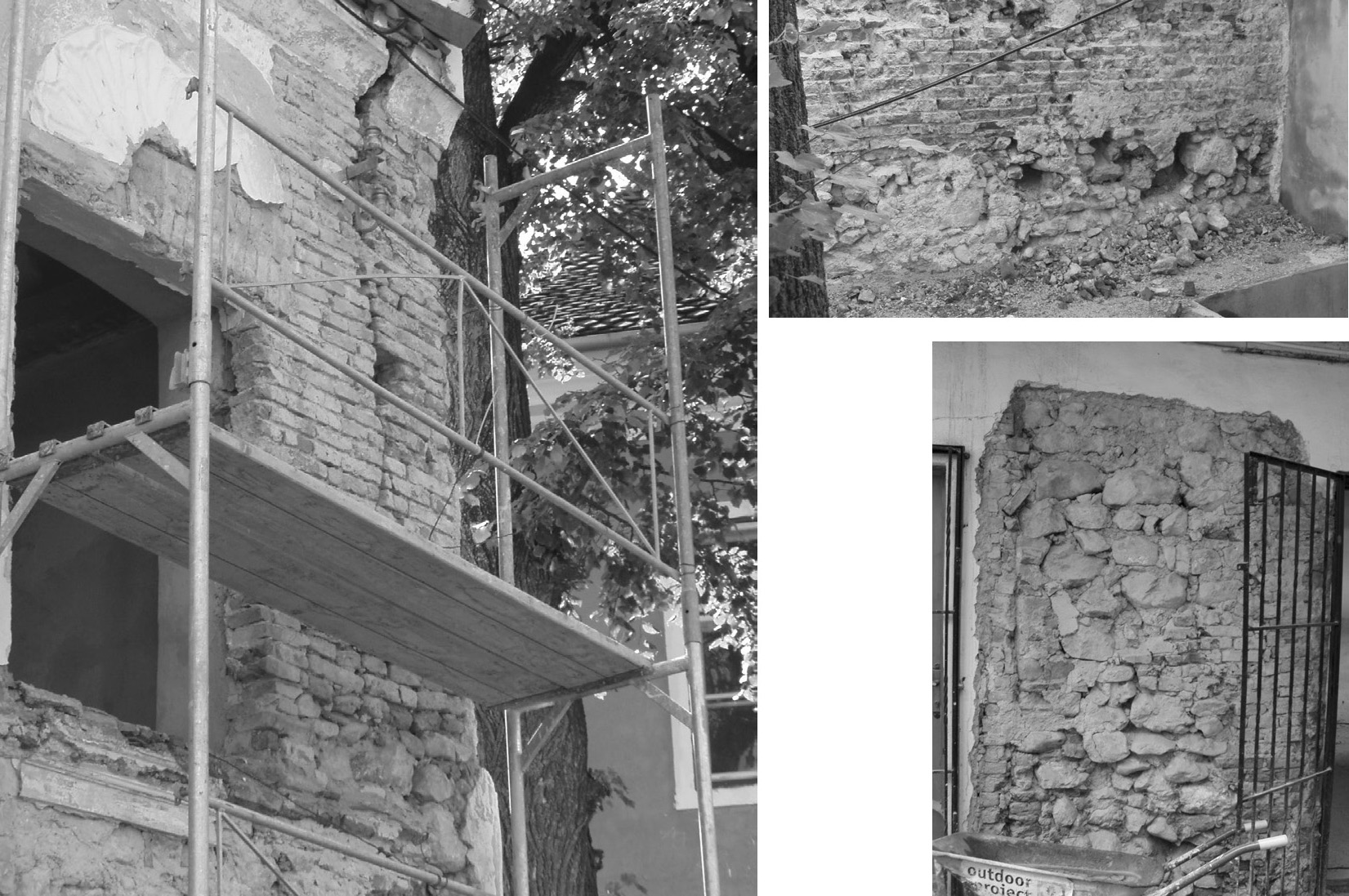
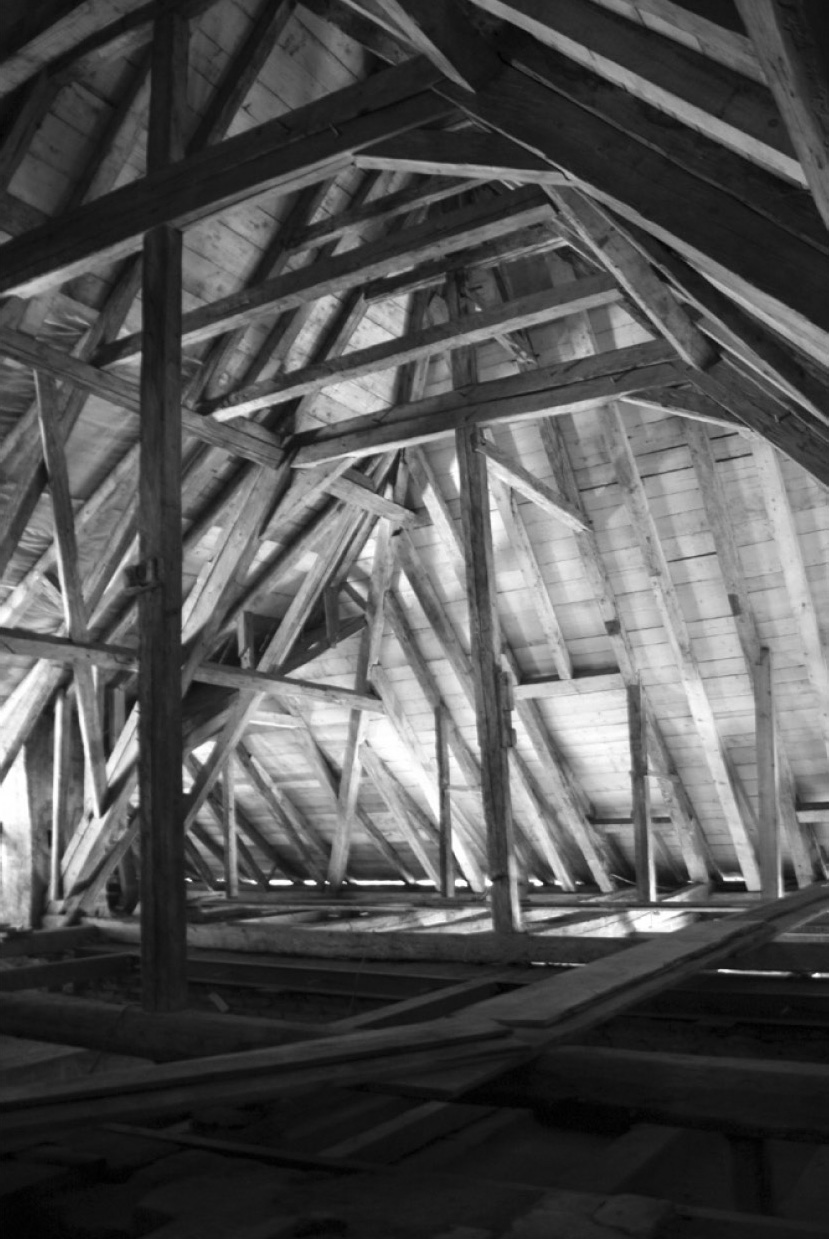
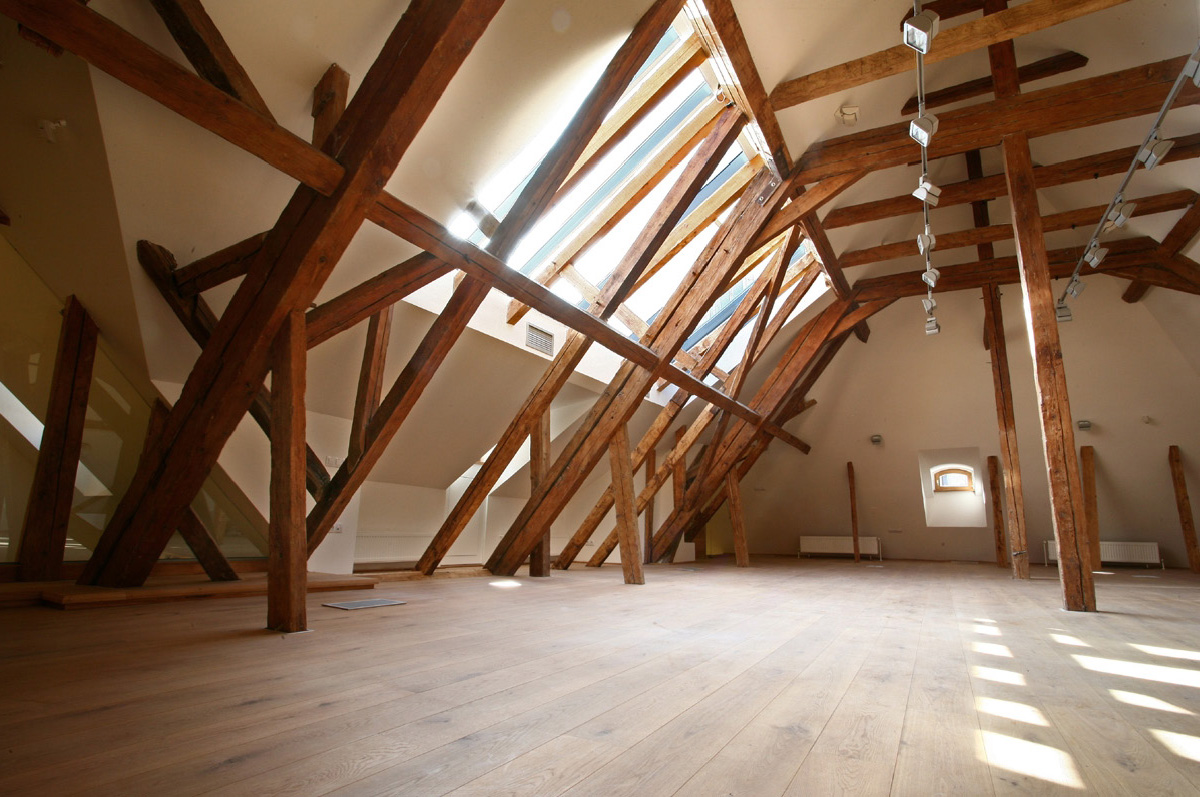
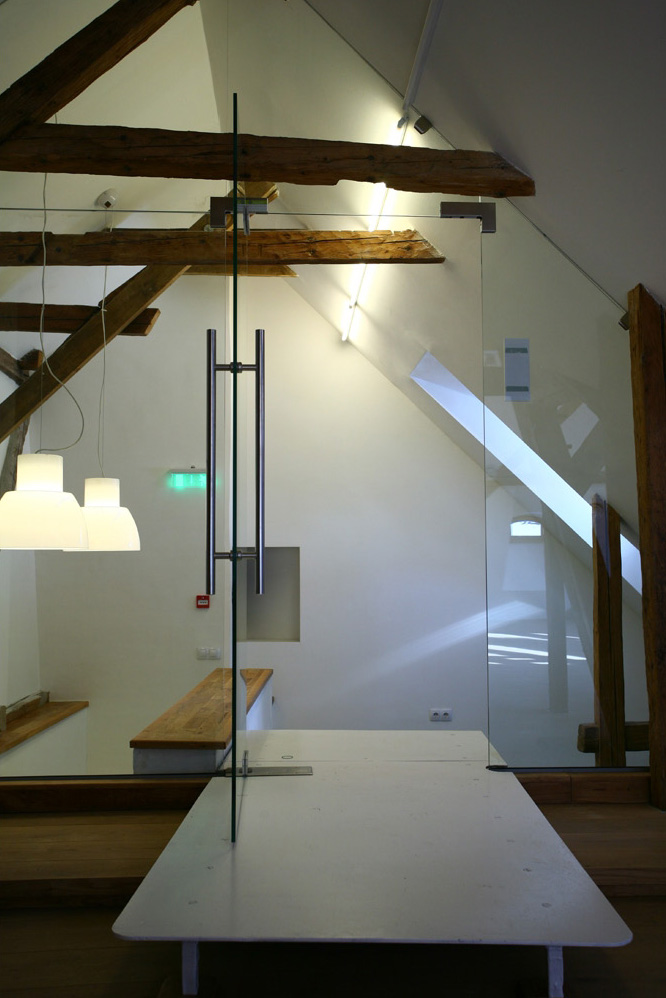
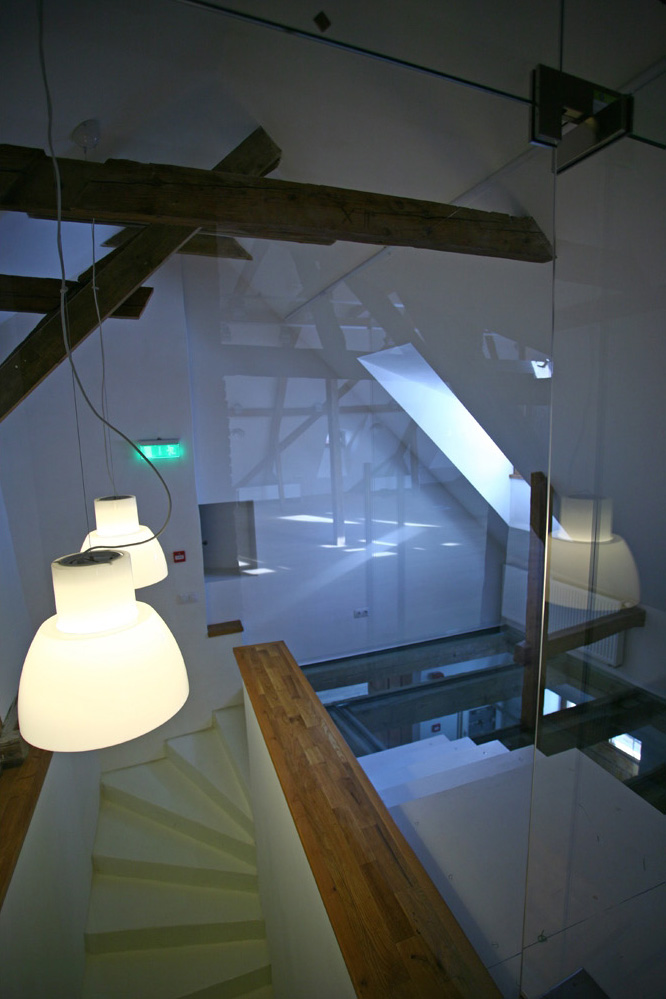
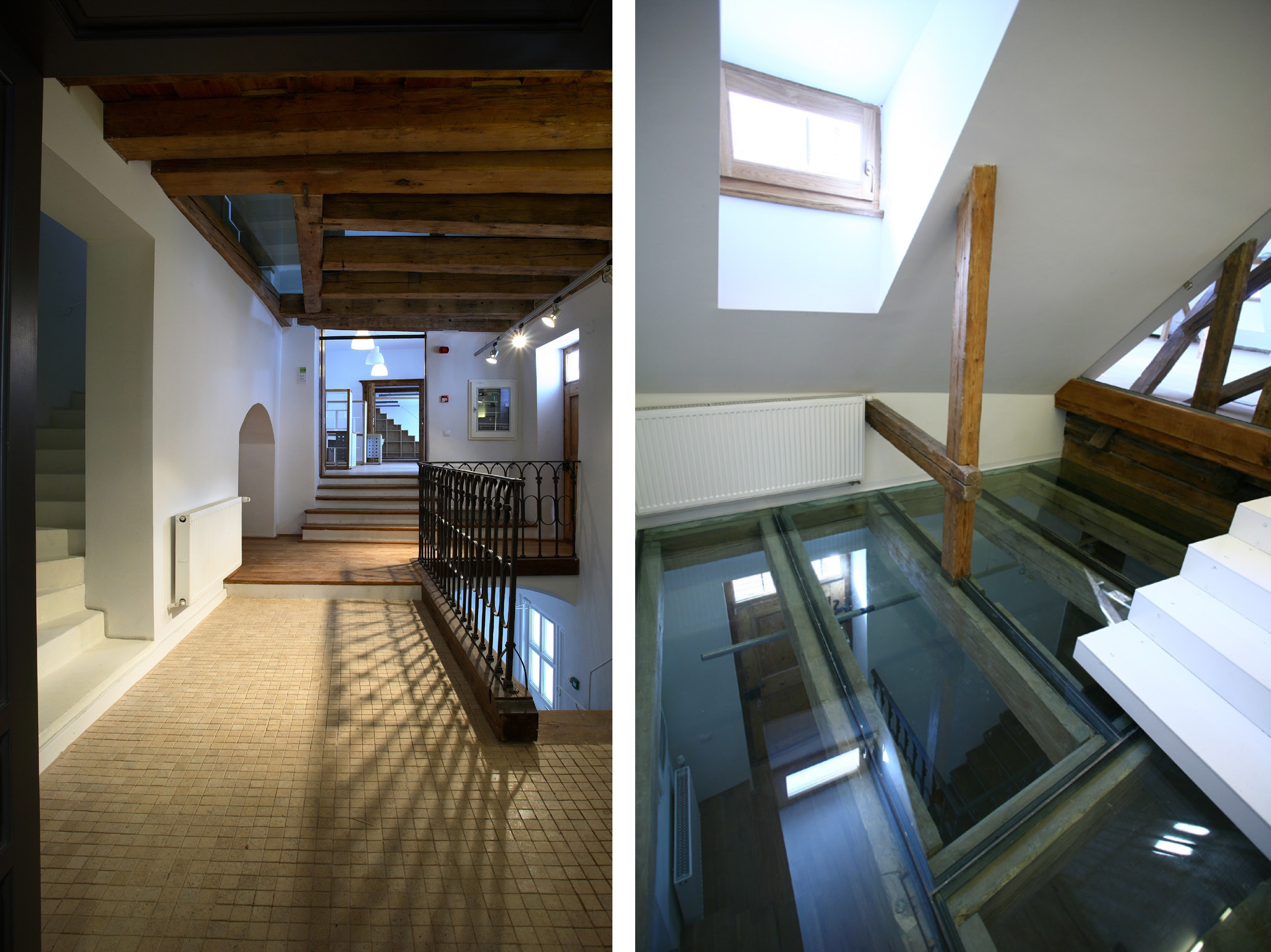
The renovation of the wooden roof structure was the occasion to use this large space, insulating the roof surface and opening windows on the backside of the building, invisible from the street.
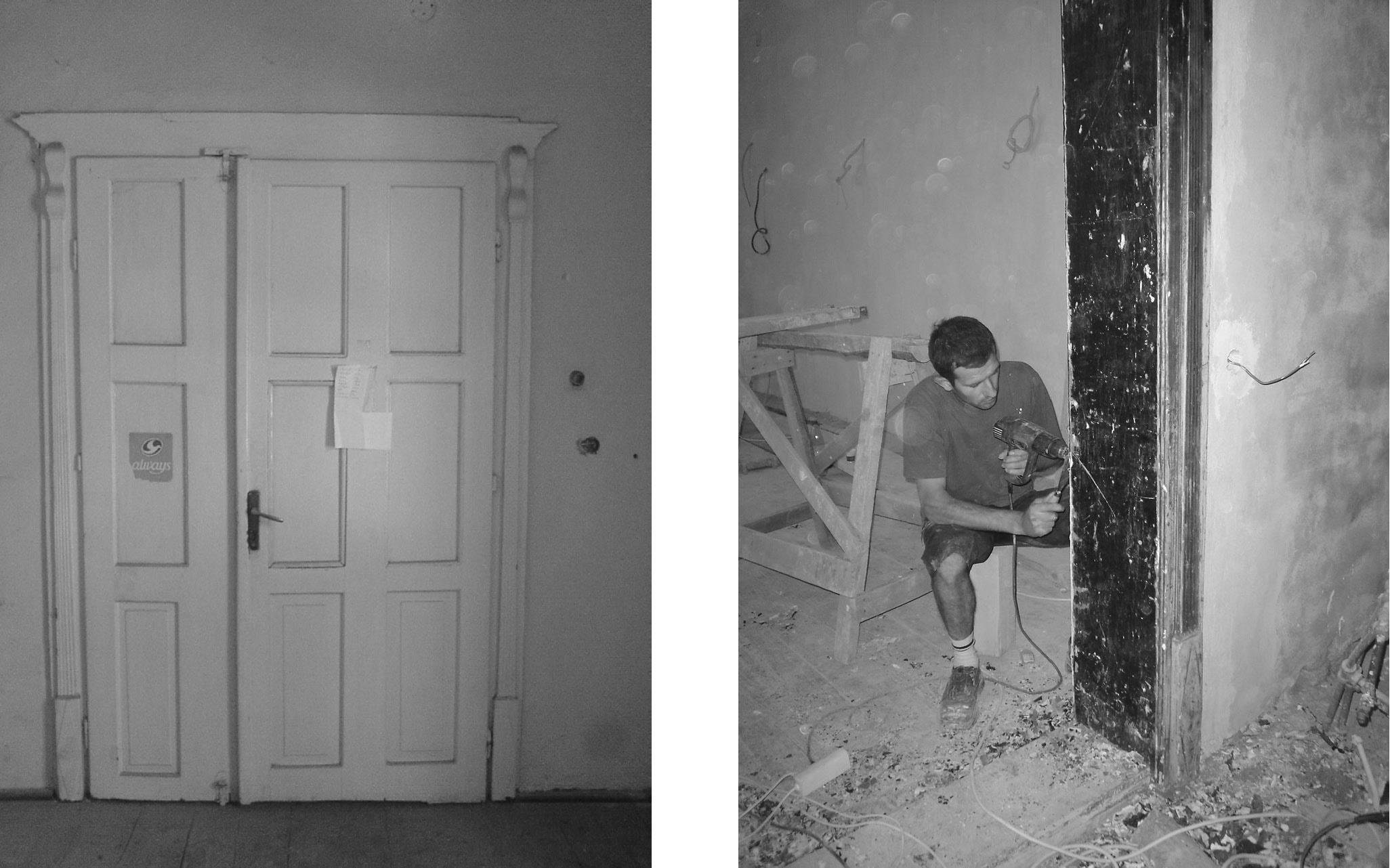
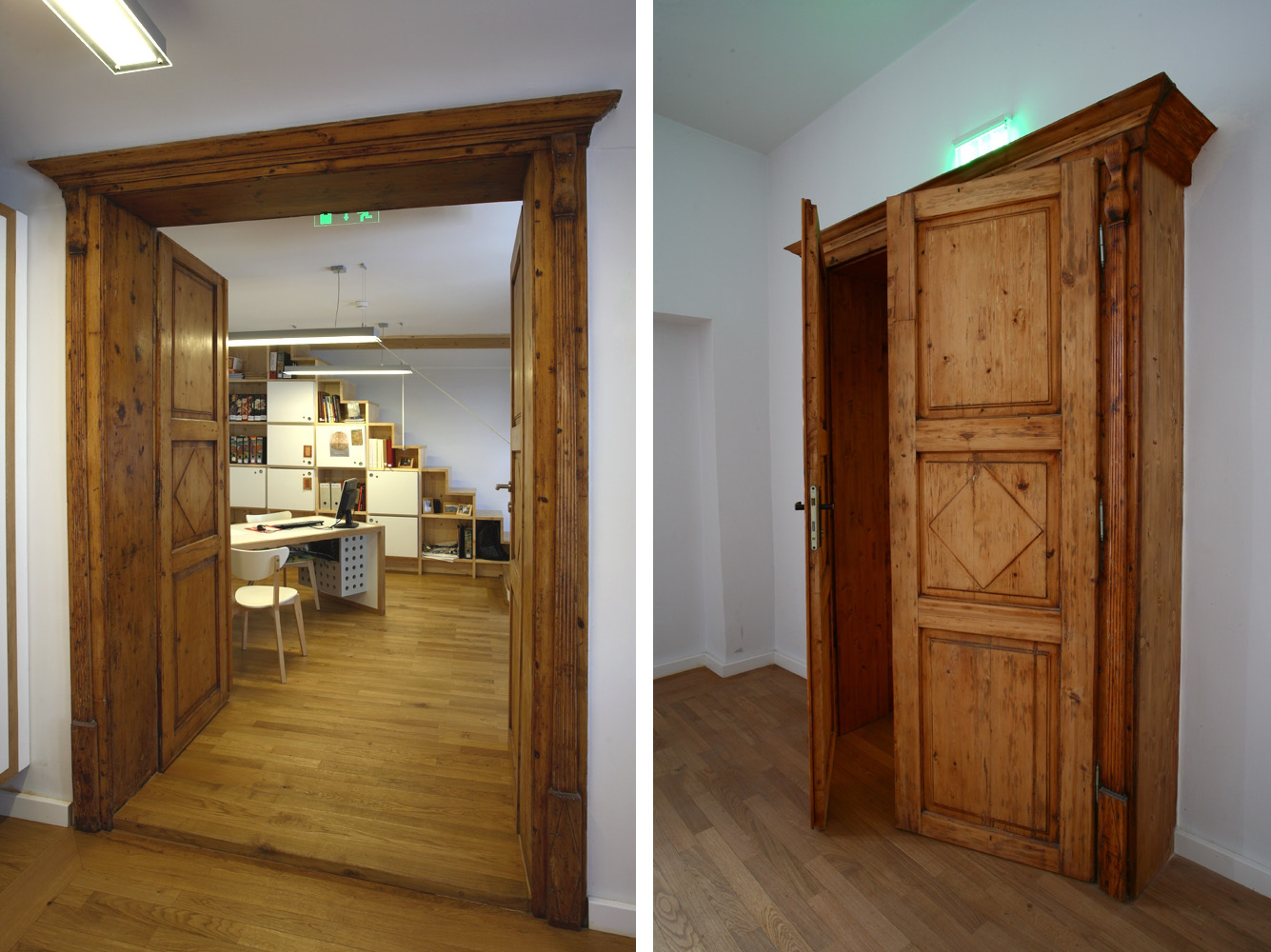
Locally sourced and well skilled workforce was necessary to restore the existing wooden doors and windows or replace them with similar ones.
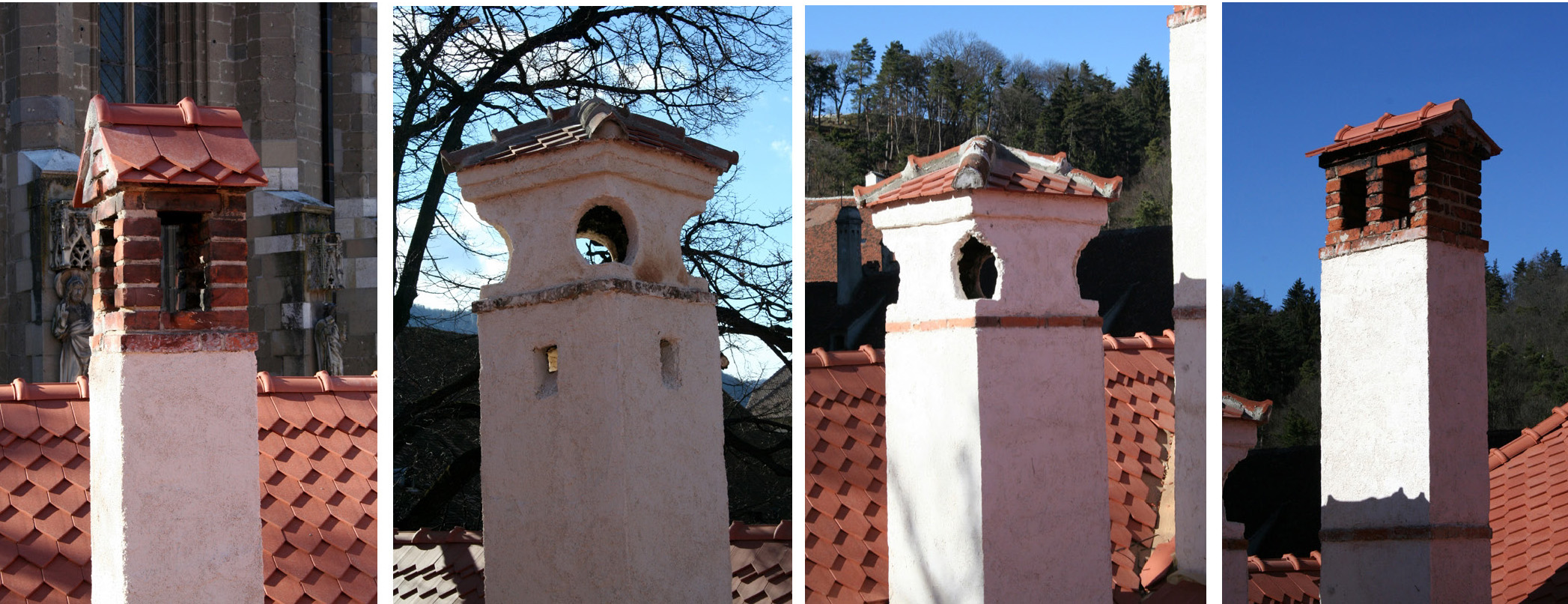
Even the chimneys were carefully re-built according to the original shape and techniques.
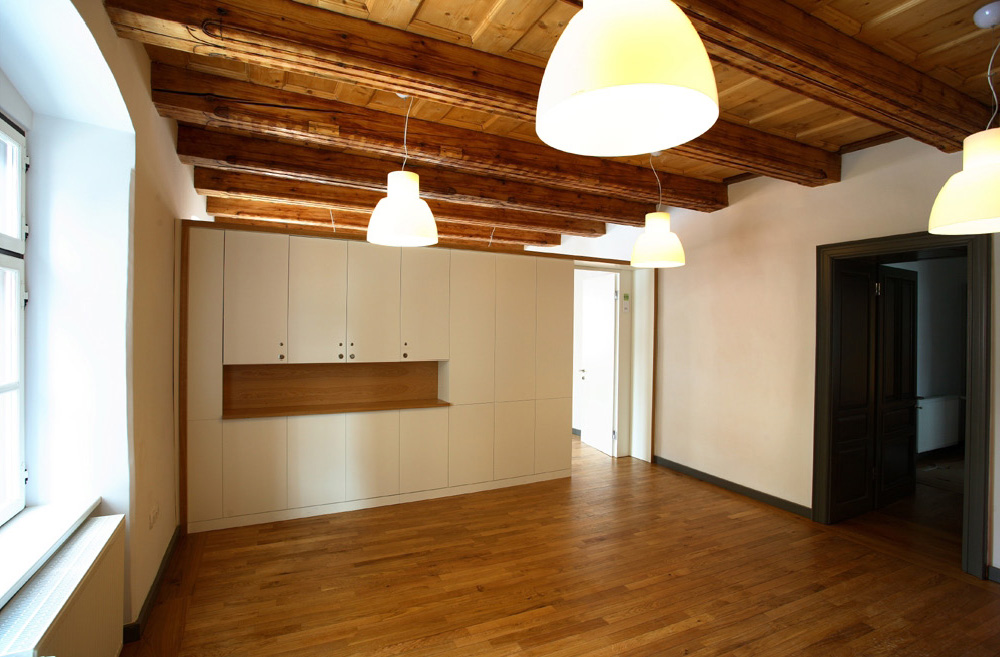
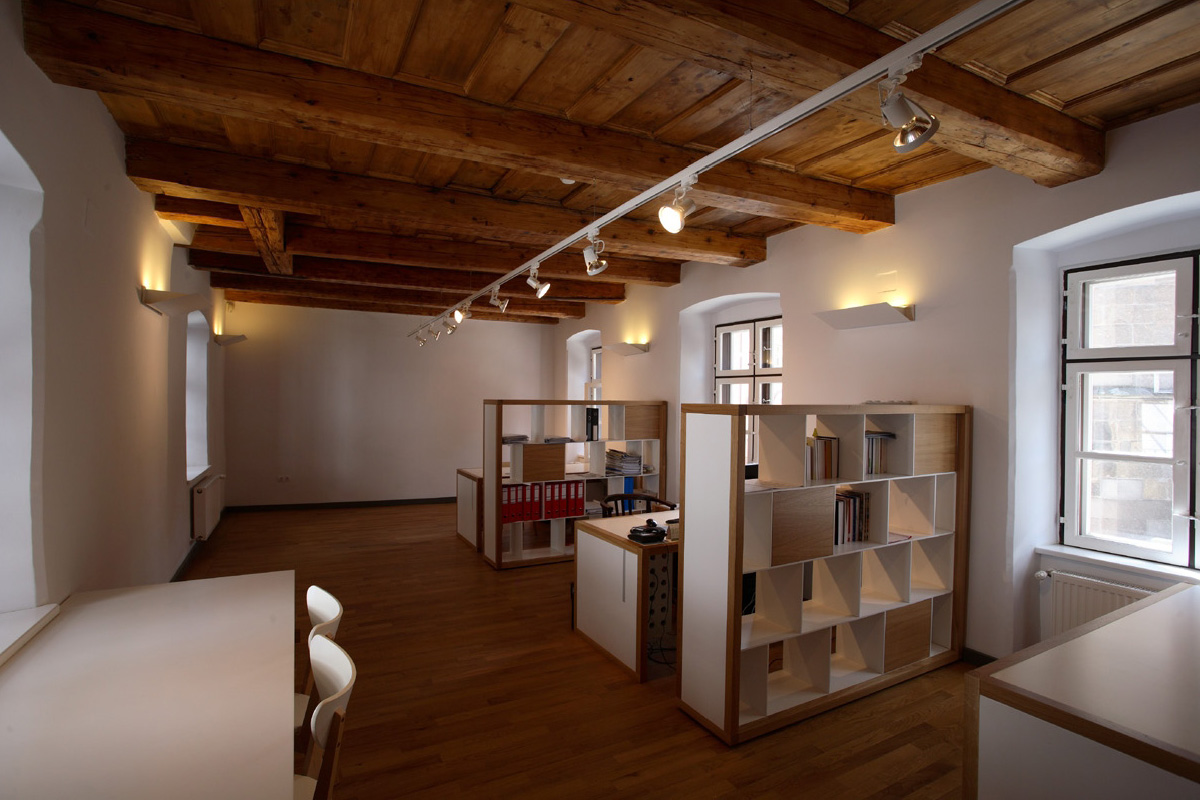
The result is a modern and essential interior fully in harmony with the historic spitir of the building and built environment.

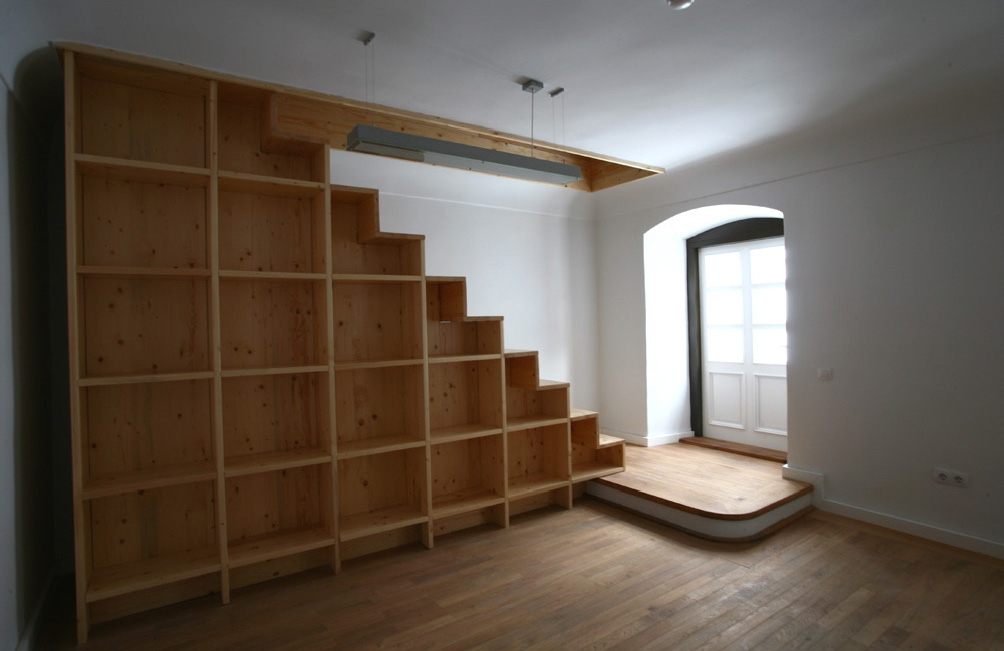
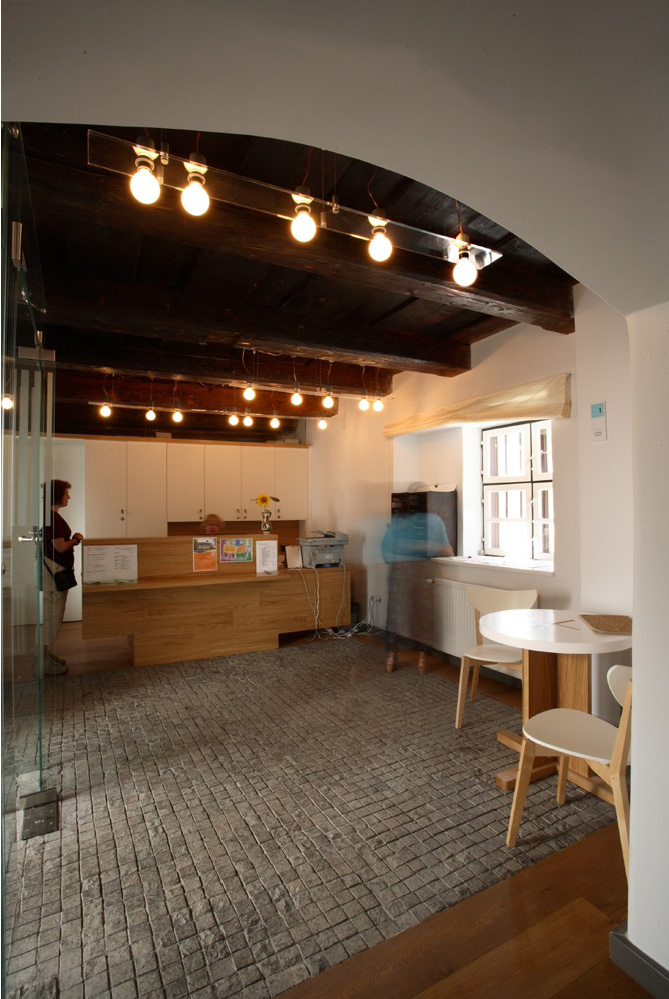
The tree that survived 4 years deep construction works in the small courtyard next to the building witnesses the sensitive approach with which the project has been designed and built.
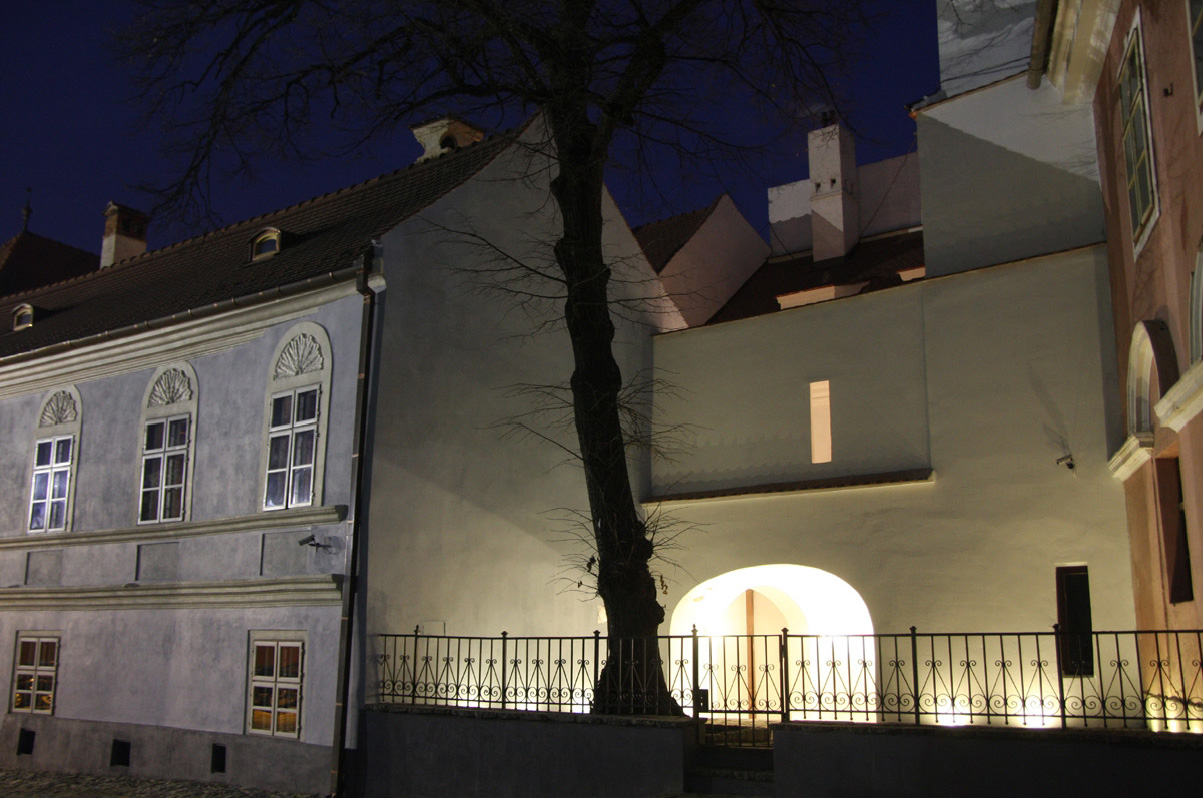
Thanks to Johannes Bertleff for the site visit and project documentation, including professional photographs © Vlad Slavic.
For more information and pictures see the project review on Archdaily
Brașov’s Fatzada Project by Depoul de Arta Urbana
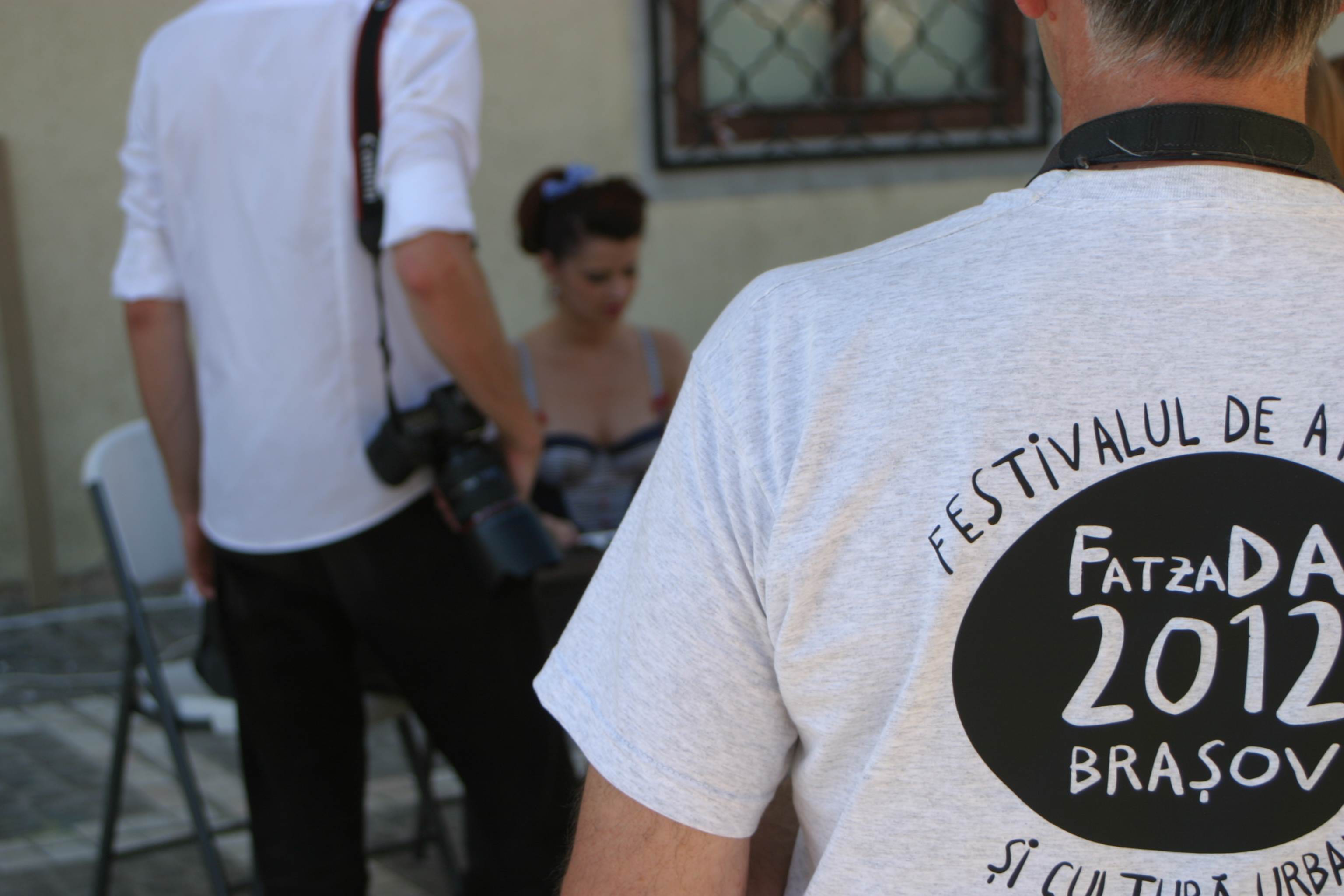
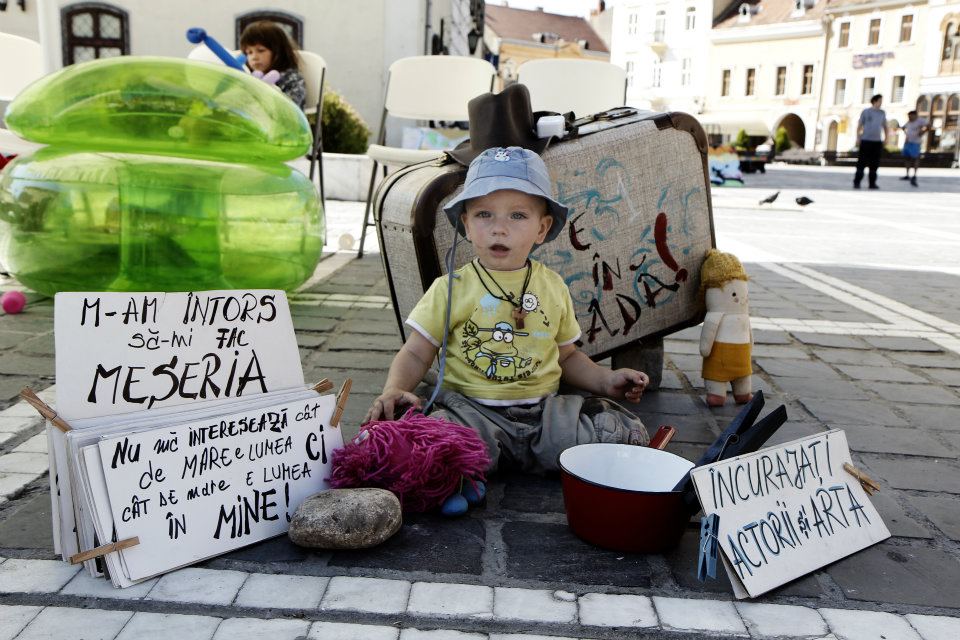
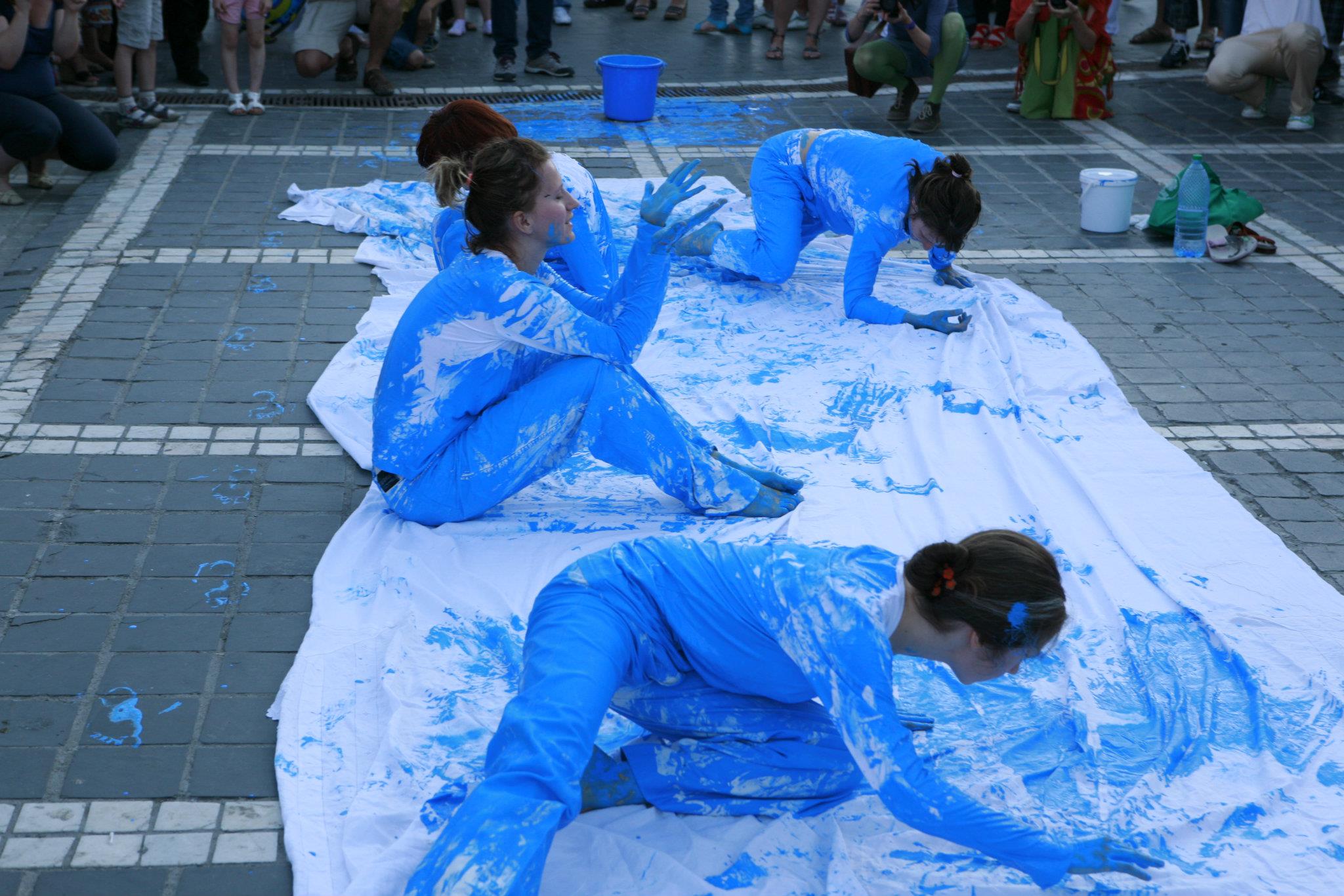
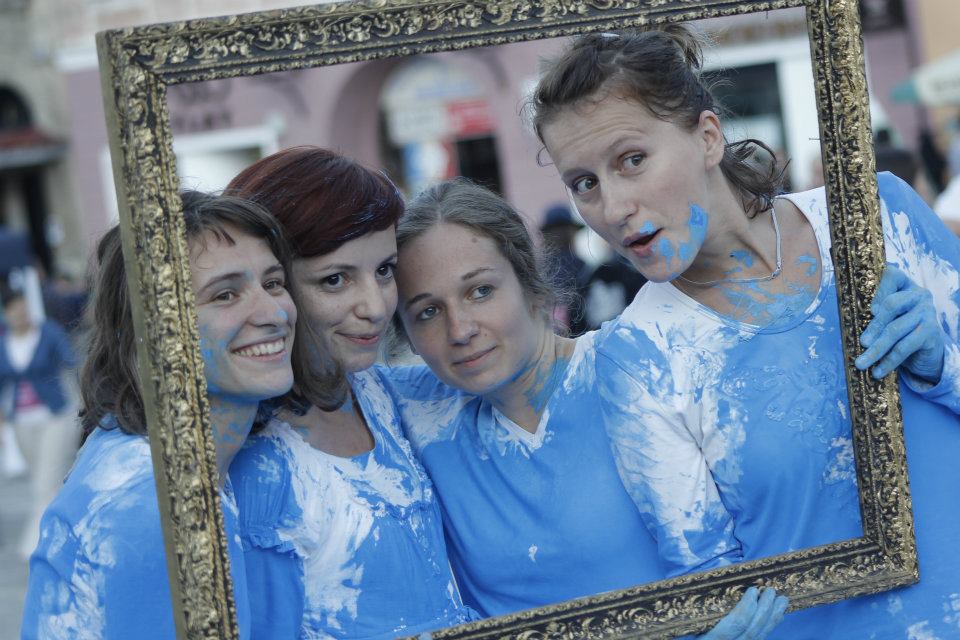
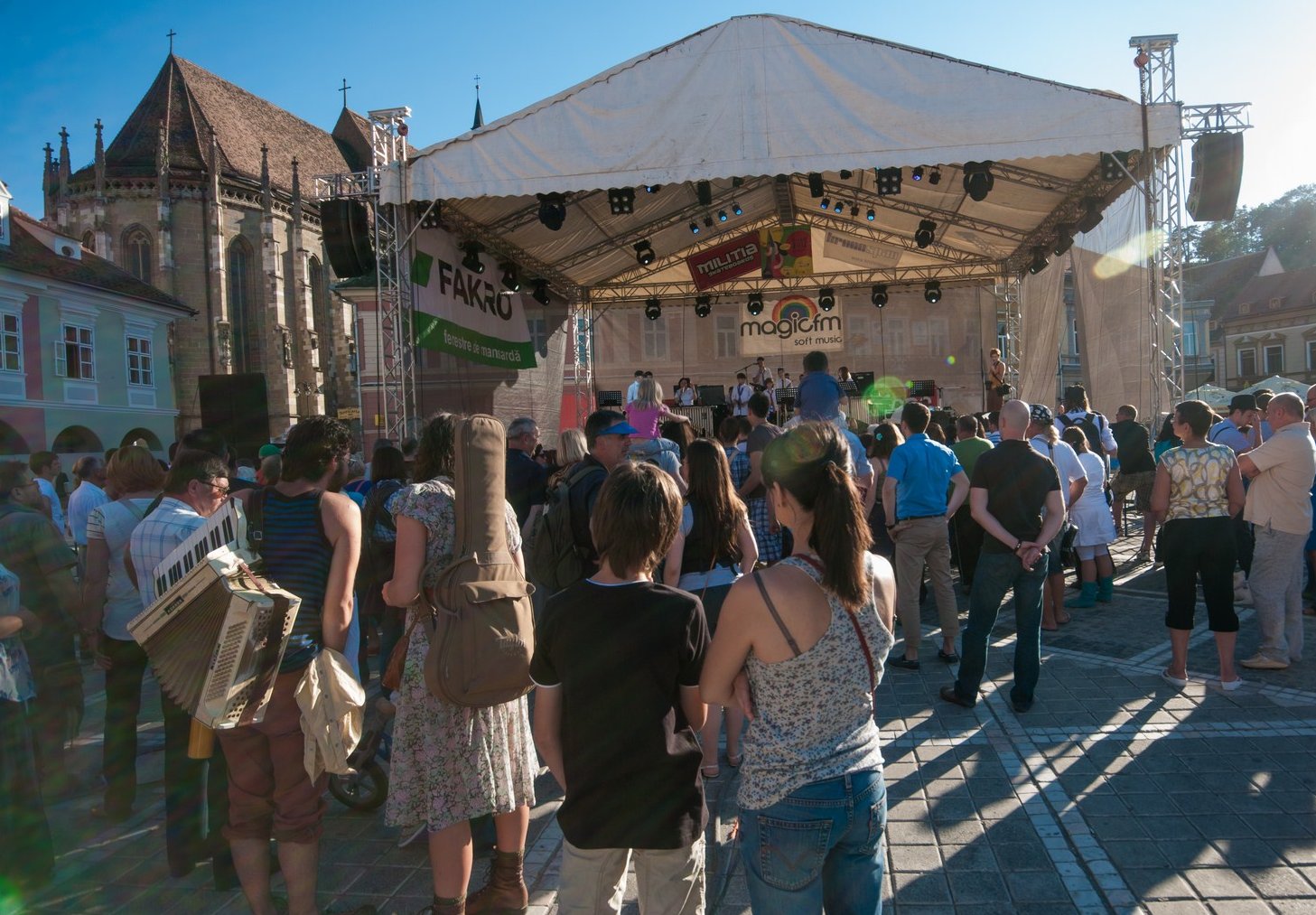
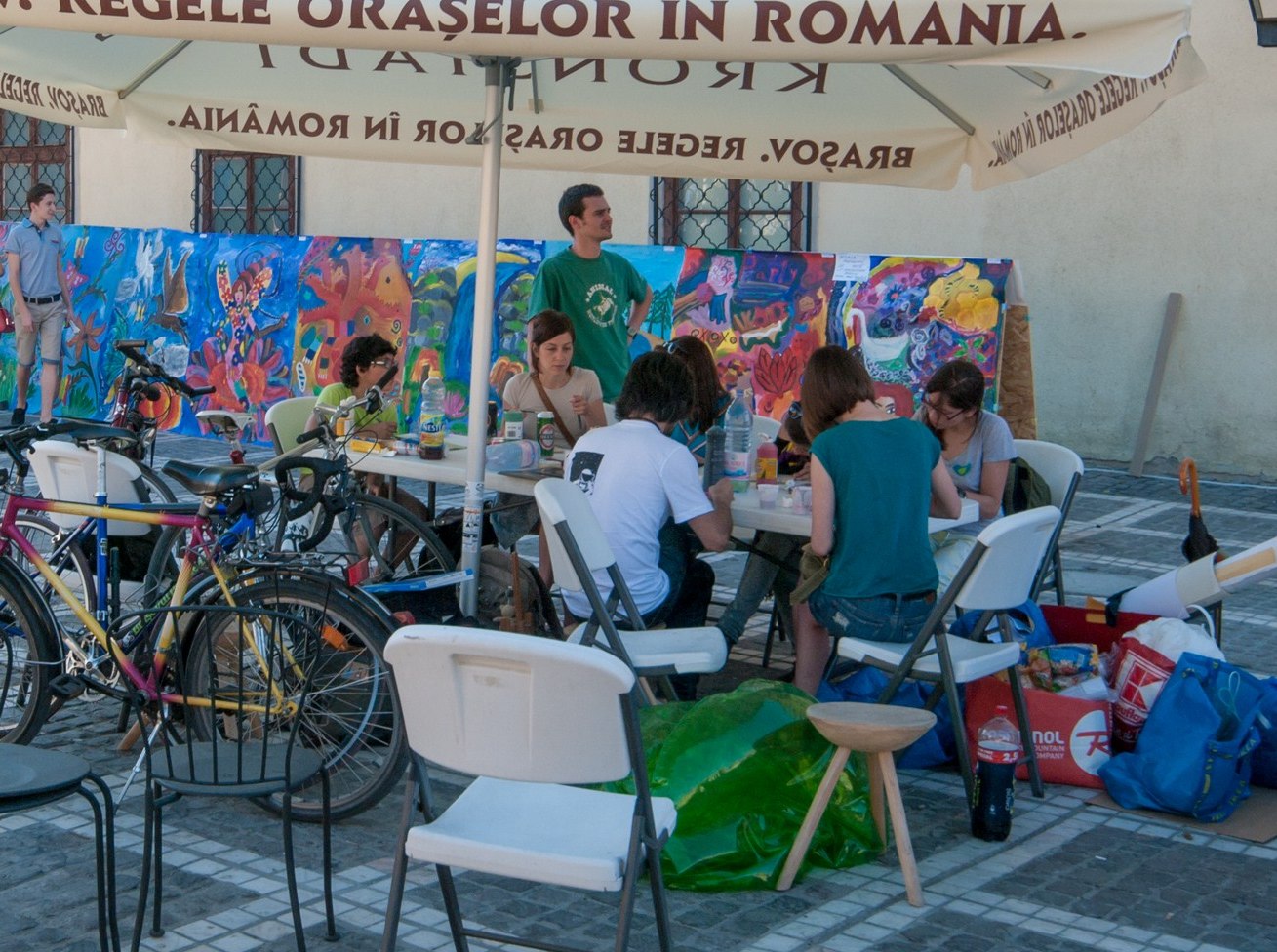
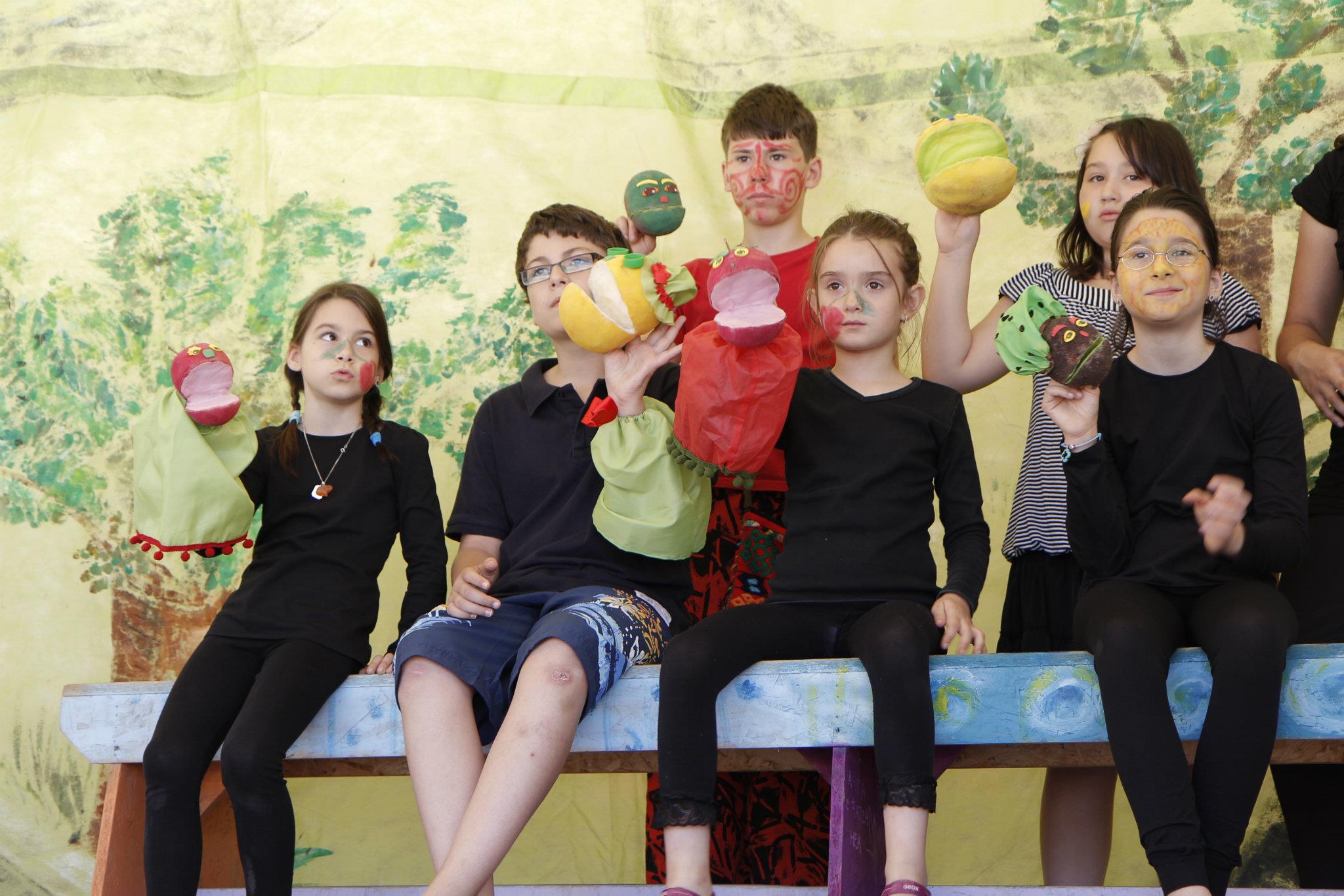
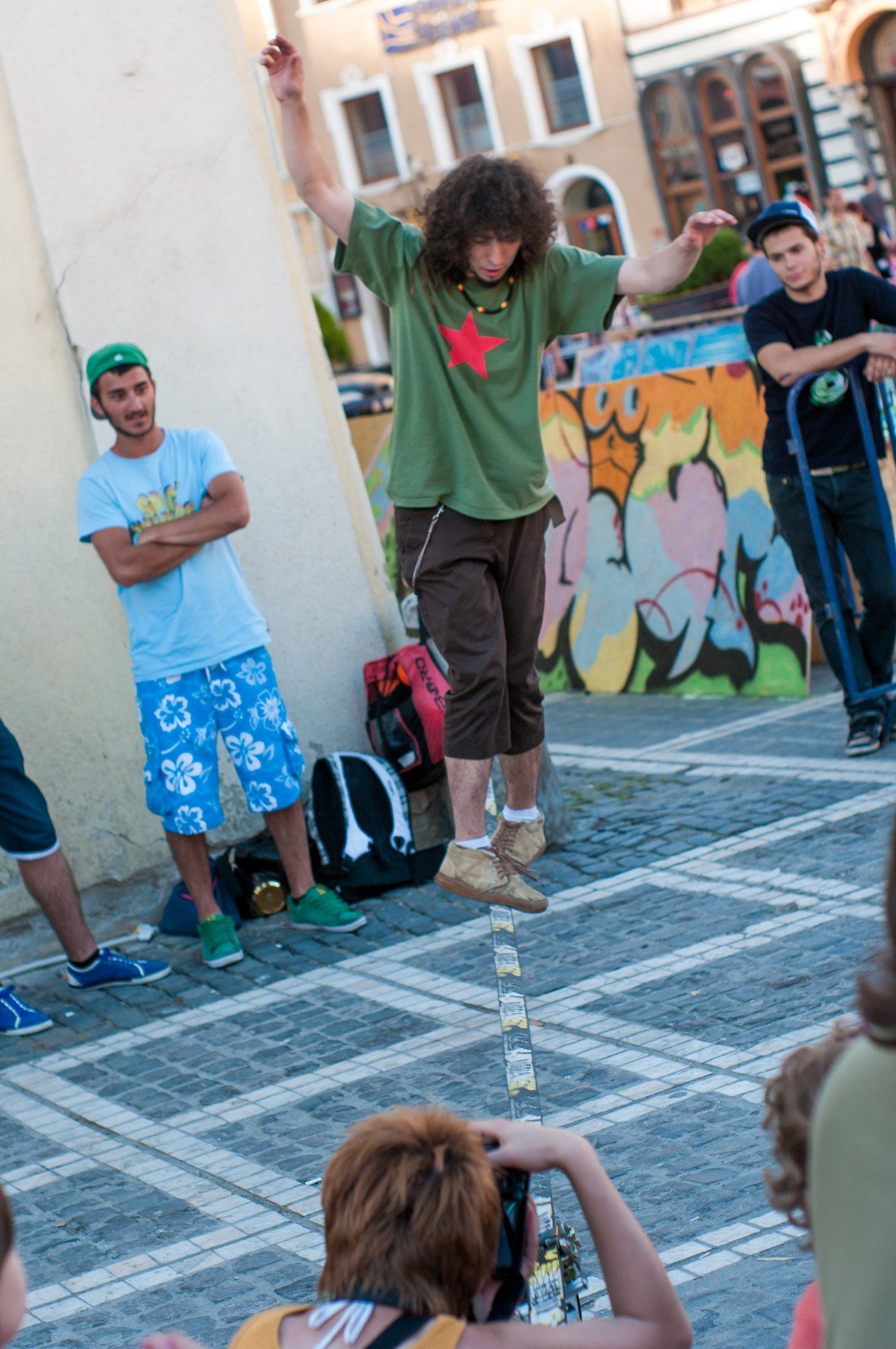
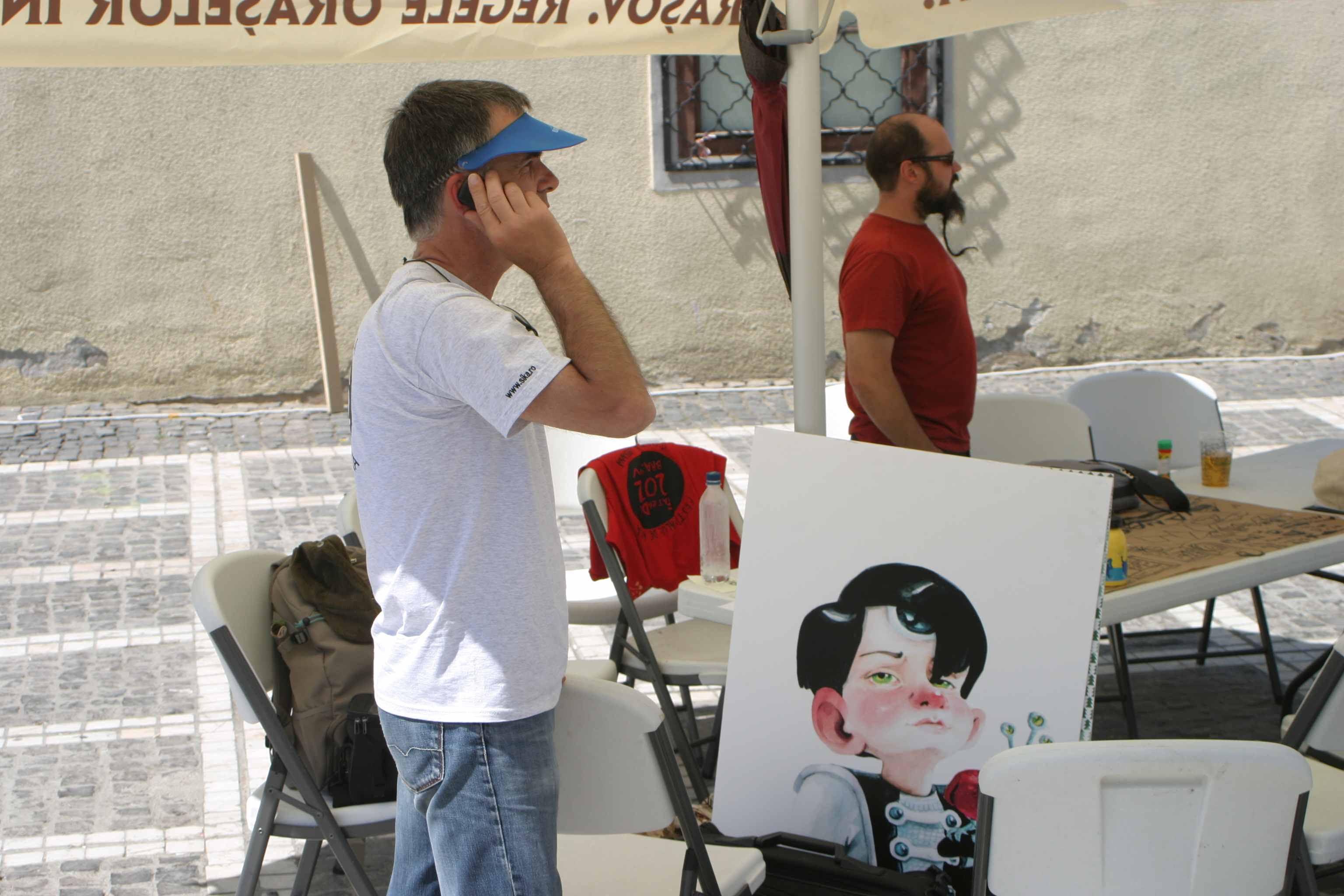
Brașov hosts every year a street art festival organised by Depoul de Arta Urbana. The founder of DAU Dan Oprea shared with me the ideas behind this festival, some notes about living in Brașov and a couple of pictures which reflect the spirit of the initiative.
You are and artist living in the city of Brașov and dealing with its urban realm in your professional activity. How would you describe in a few sentences “living in Brașov”?
For me, living in Brașov, means living in the historical centre, where I was born and where I have my house. I feel very fortunate to be a Brasovian, a perfect place to raise a family, to be out in nature that is present everywhere, the climate is perfect, in a 3 – 5min distance, I have all the stores, banks, institutions, restaurants, markets, schools, sport arenas, and sport trails, cultural events, clinics, hospitals,..etc. Most of the historical centre is pedestrian, so the kids can play without being supervised, just go out on the street and meet other kids, there is no noise and exhaust fumes from cars and the air is very clean. You don’t need air conditioning and you don’t need to buy bottled water, because the tap water is coming from a mountain spring. (100m from my house)
What are the aspects of urban life that are part of you and which one do you refuse?
Urban life inspires me and gives me lots of ideas, tools and audience. I like to discover people, discover places and collect stories about them. I don’t like the trends of restaurants owners, who are opening more and more noisy terraces
What kind of contribution would you like to give for a ‘better Brașov’ and how are you trying to do it?
I started to bring my contribution to Brașov, 8 years ago, when I first renovated the ROPE STREET – an emblematic street for Brașov and for Romania, which was in a very bad shape and needed immediate attention. Five years ago, I started FatzaDa Project, a social-cultural project, of urban art and culture, which in a very short time, became the most important festival of its kind. FatzaDa events take place during the entire year, involving artists from every art area and bringing thousands of people to the streets. I help to promote the local artists, raise the awareness about our cultural heritage, encourage community initiatives and find creative solutions to many community problems. So far, I have very good feedback about my projects.
Can you tell a positive experience you are having with an initiative you are promoting in the city?
I have many examples of people of all ages, who changed their attitudes and become more conscious citizens, who understand and appreciate our diverse cultural heritage and get involved in our efforts of rebuilding the historical canter of Brașov. I have many examples of artists, who became much better, after giving them the opportunity to participate in our projects.
You contributed to the URBACT LINKS Network workshop in February and now you are answering these questions. We owe you something. How can we help you in your mission?
We always worked on an extremely low budget and we would like to be more internationally involved, to share our positive and not so positive experiences, to create intercultural projects and promote our culture and artists. Any help in that direction, would be highly appreciated.
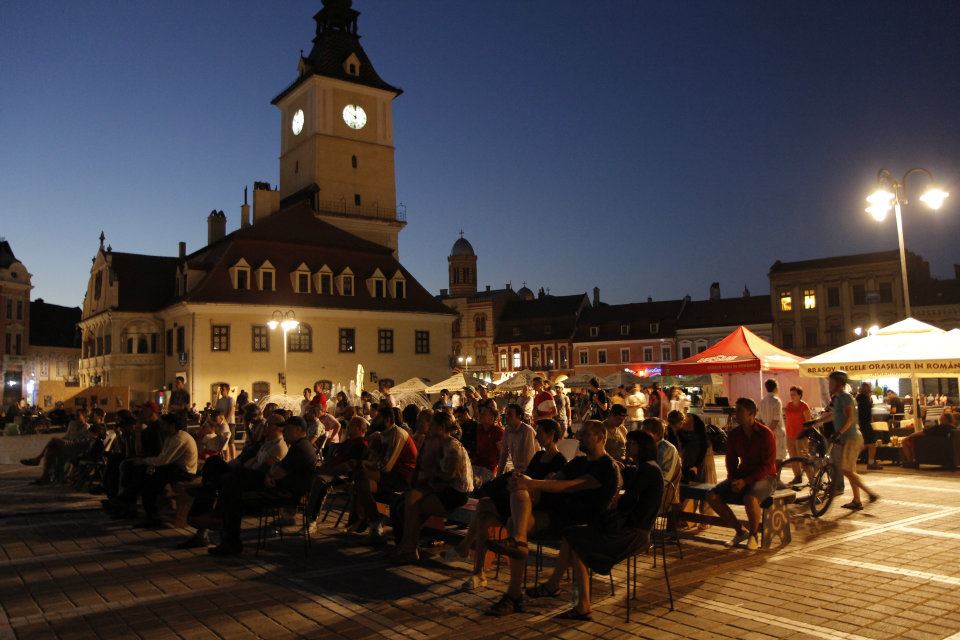
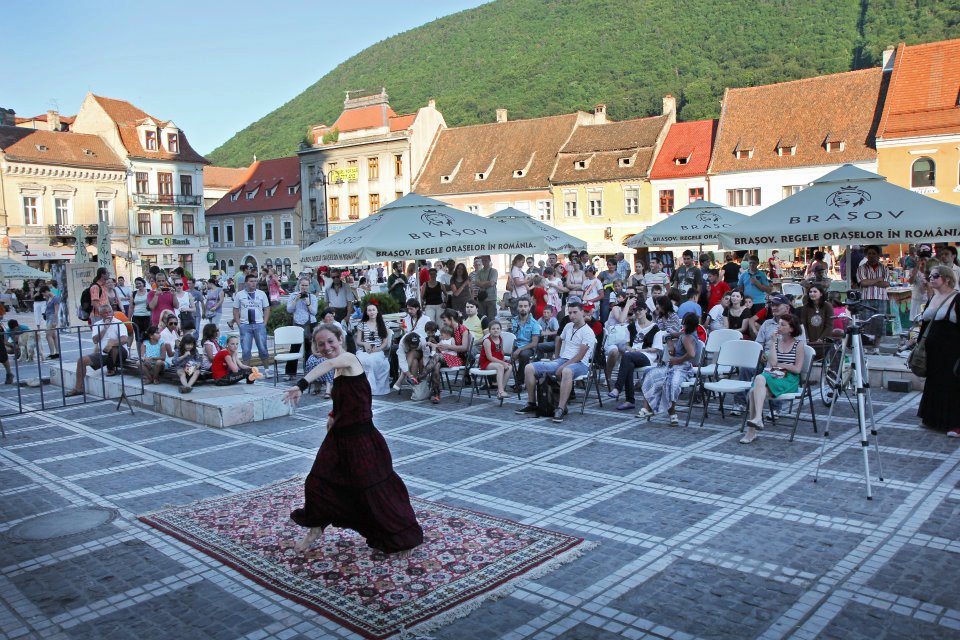
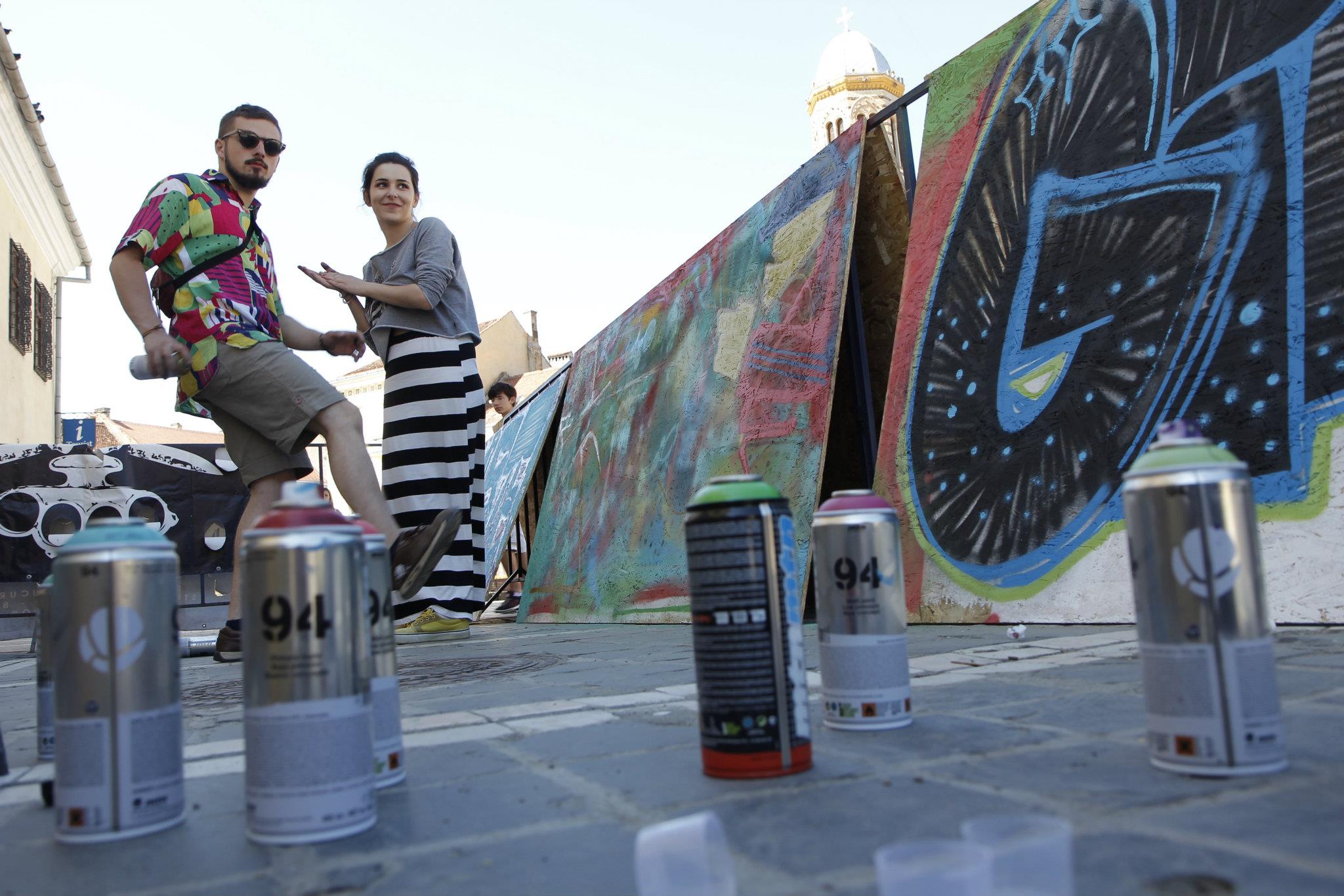
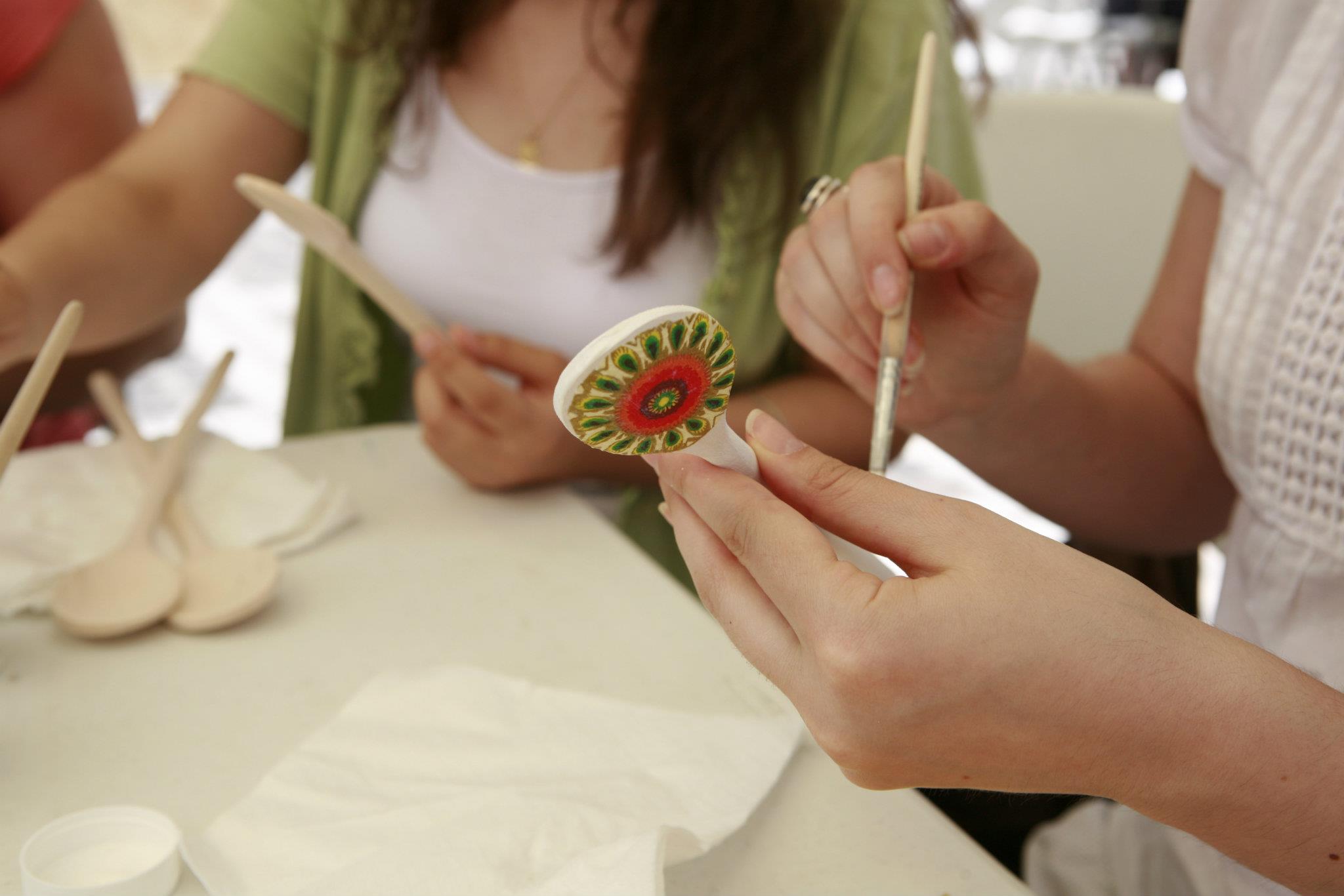
Brașov Transylvania

Time flies and it’s already been a year that I travelled to Brașov, for a workshop of the URBACT LINKS network.
For those who are interested in urban governance matters related to the preservation and management of historic city centres, the full report can be downloaded here. For the less professional readers here are a couple of pictures I took during the site visits in this beautiful town in Transylvania.
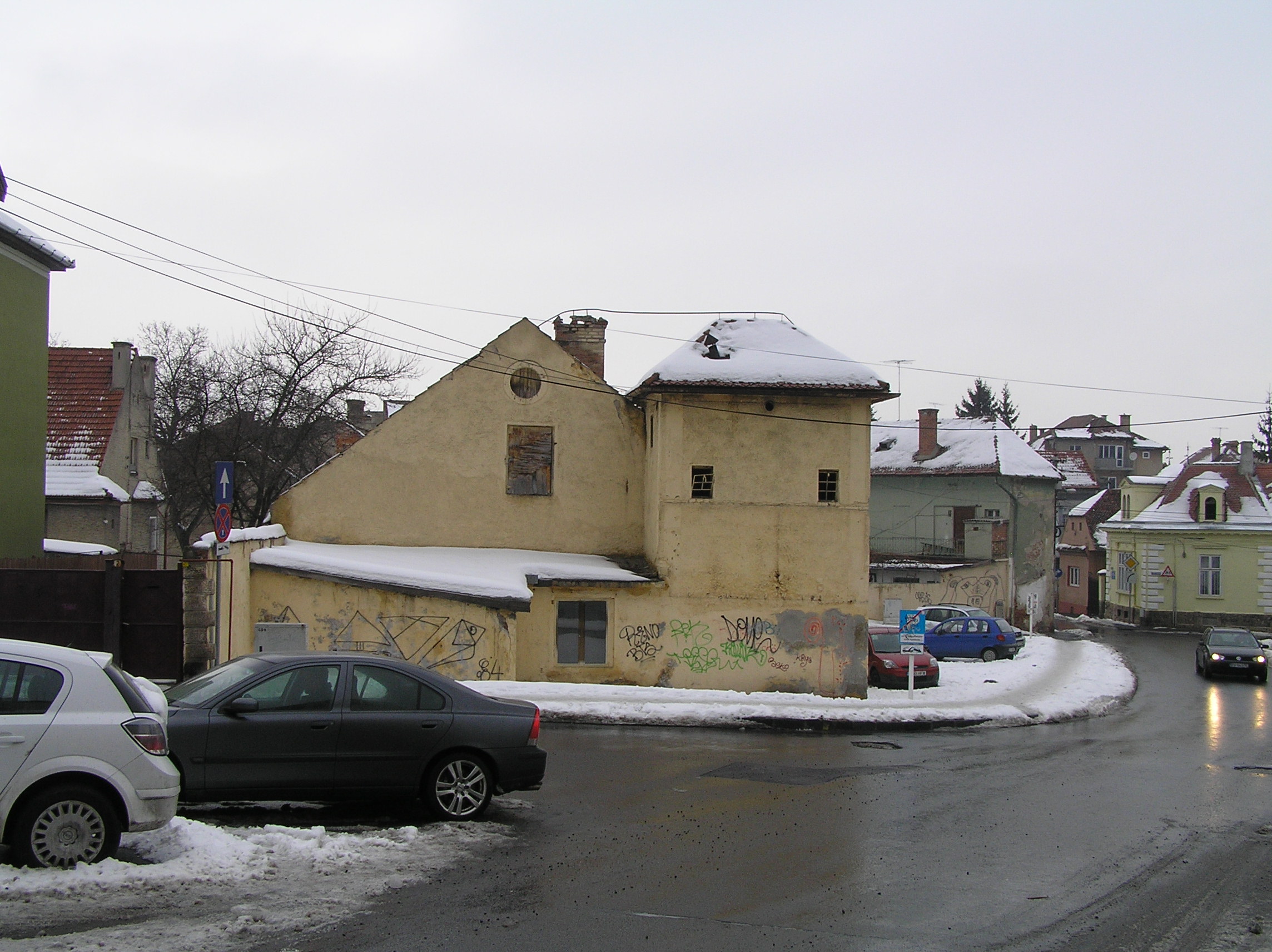
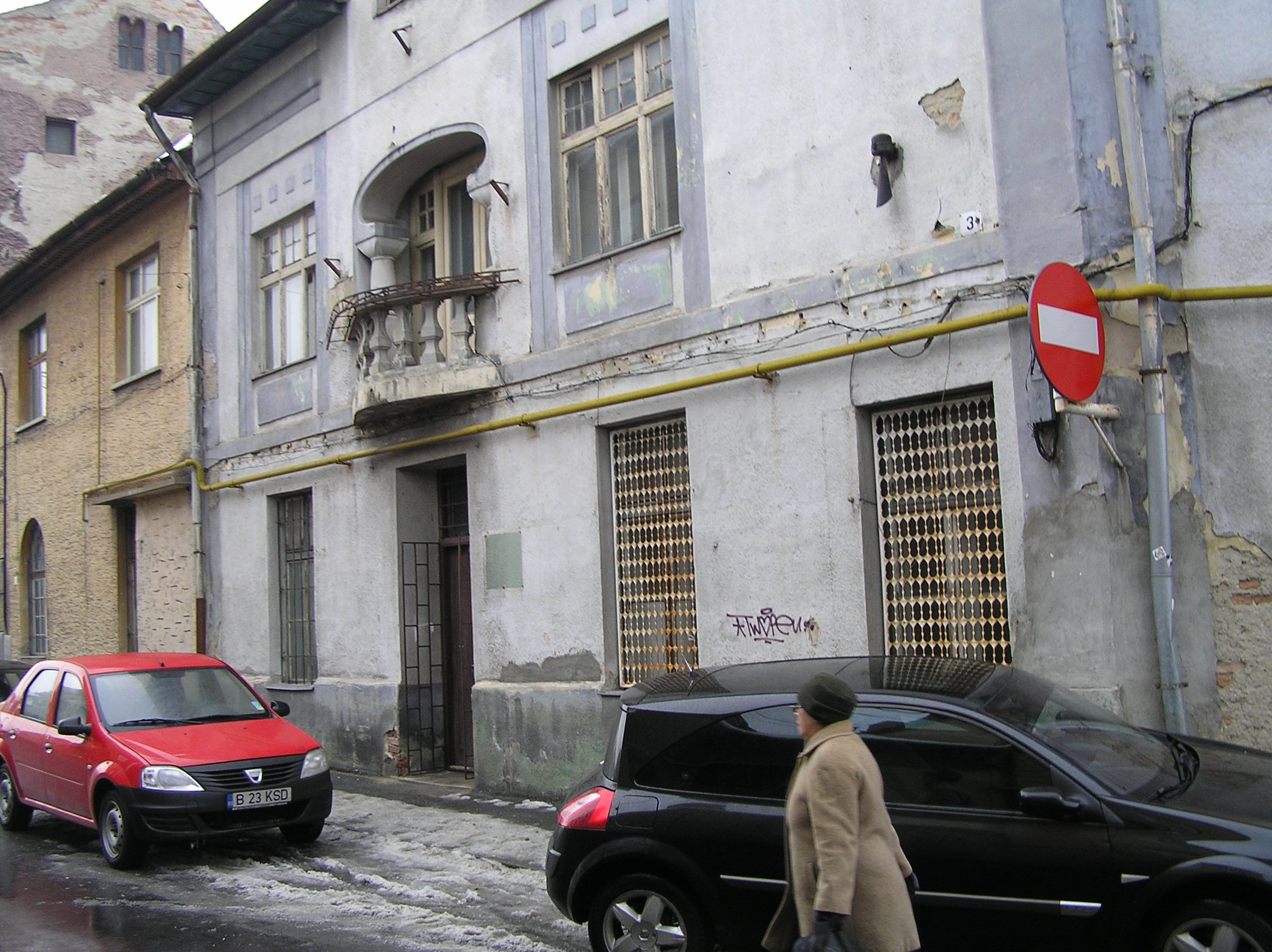
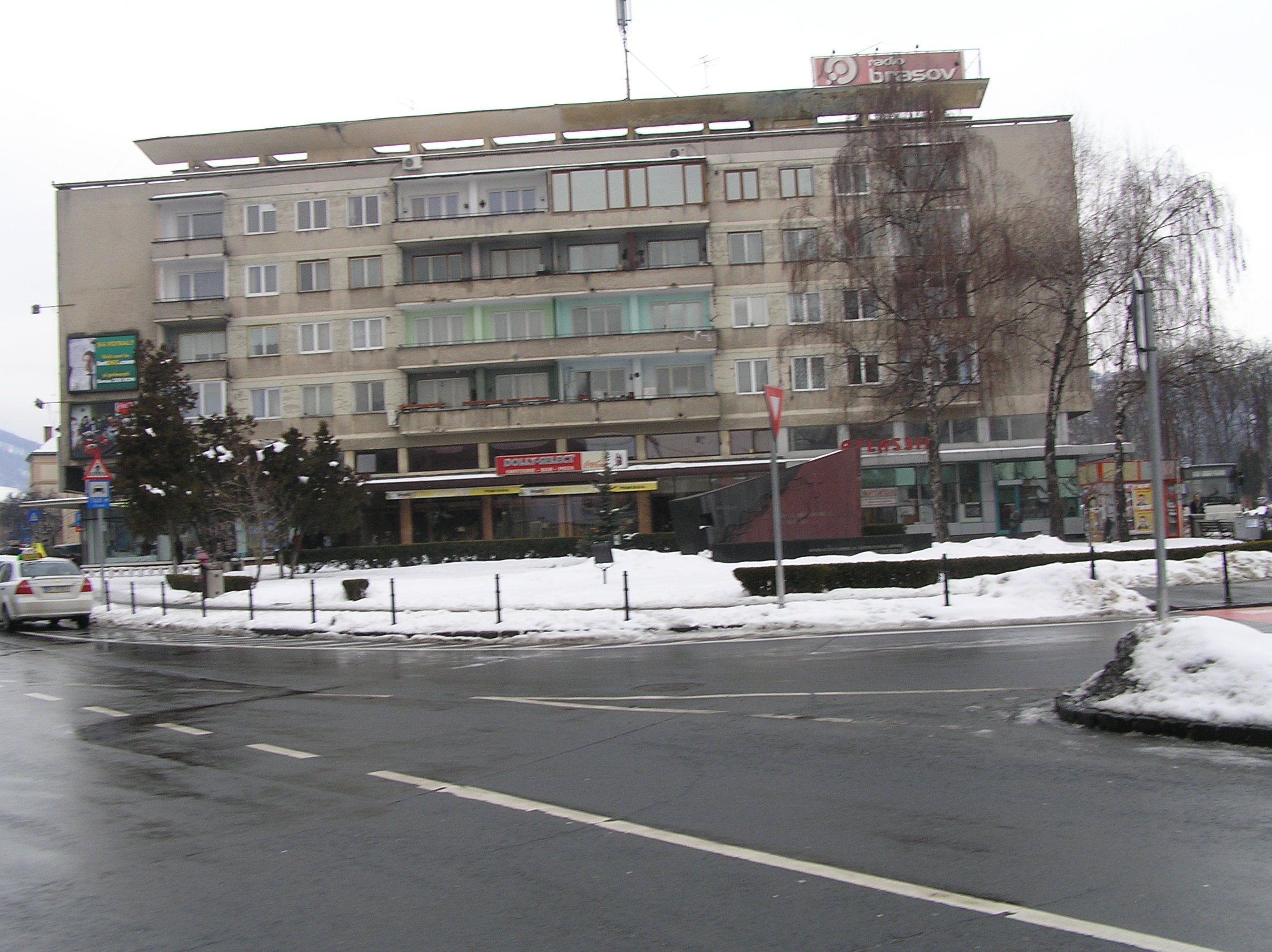
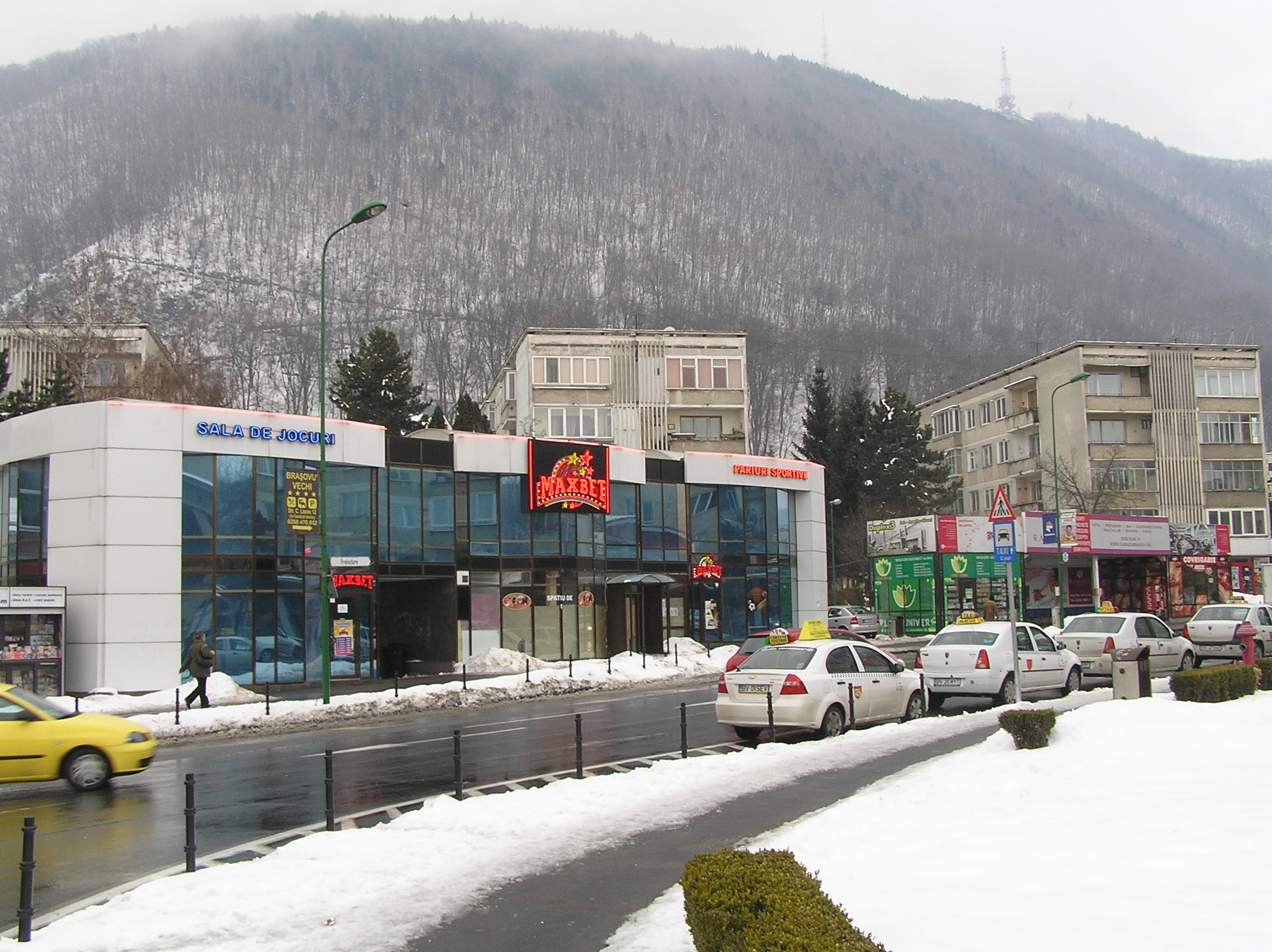
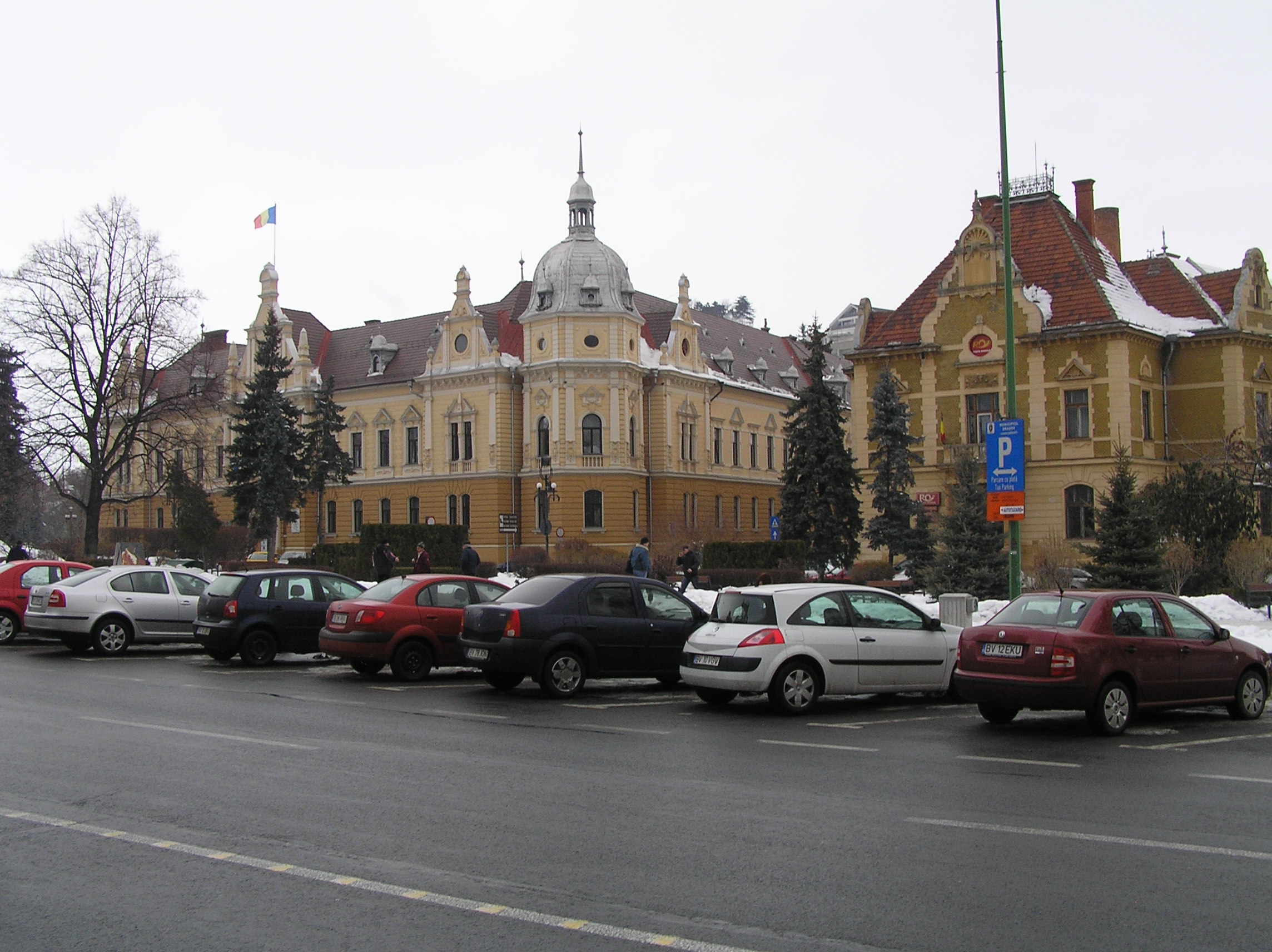
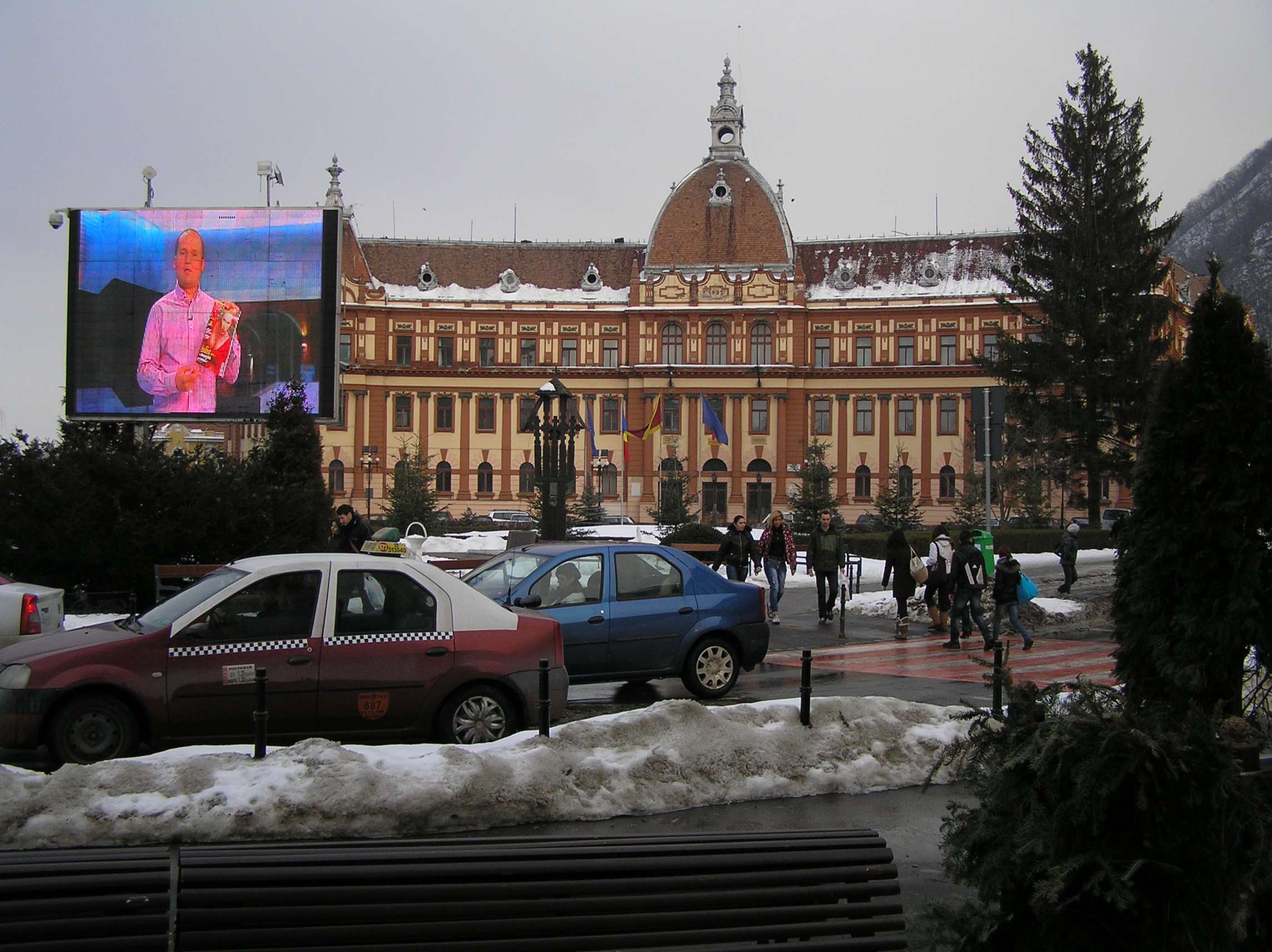
The town was not in best shape due to the cold winter and melting snow. As usual my pictures are very unprofessional streetviews, but hopefully able to capture some distinctive features of the place.
The proximity to a beautiful natural environment, the nearby ski resorts and the impressive routes upon the mountains are the main touristic attractions of the city. However the mix of rural architecture with valuable heritage buildings in Gothic, Neoclassis, Jugenstil, Baroque, Empire, but also with solid examples of modernist socialist architecture makes every walk through in town a discovery of surprising spots.
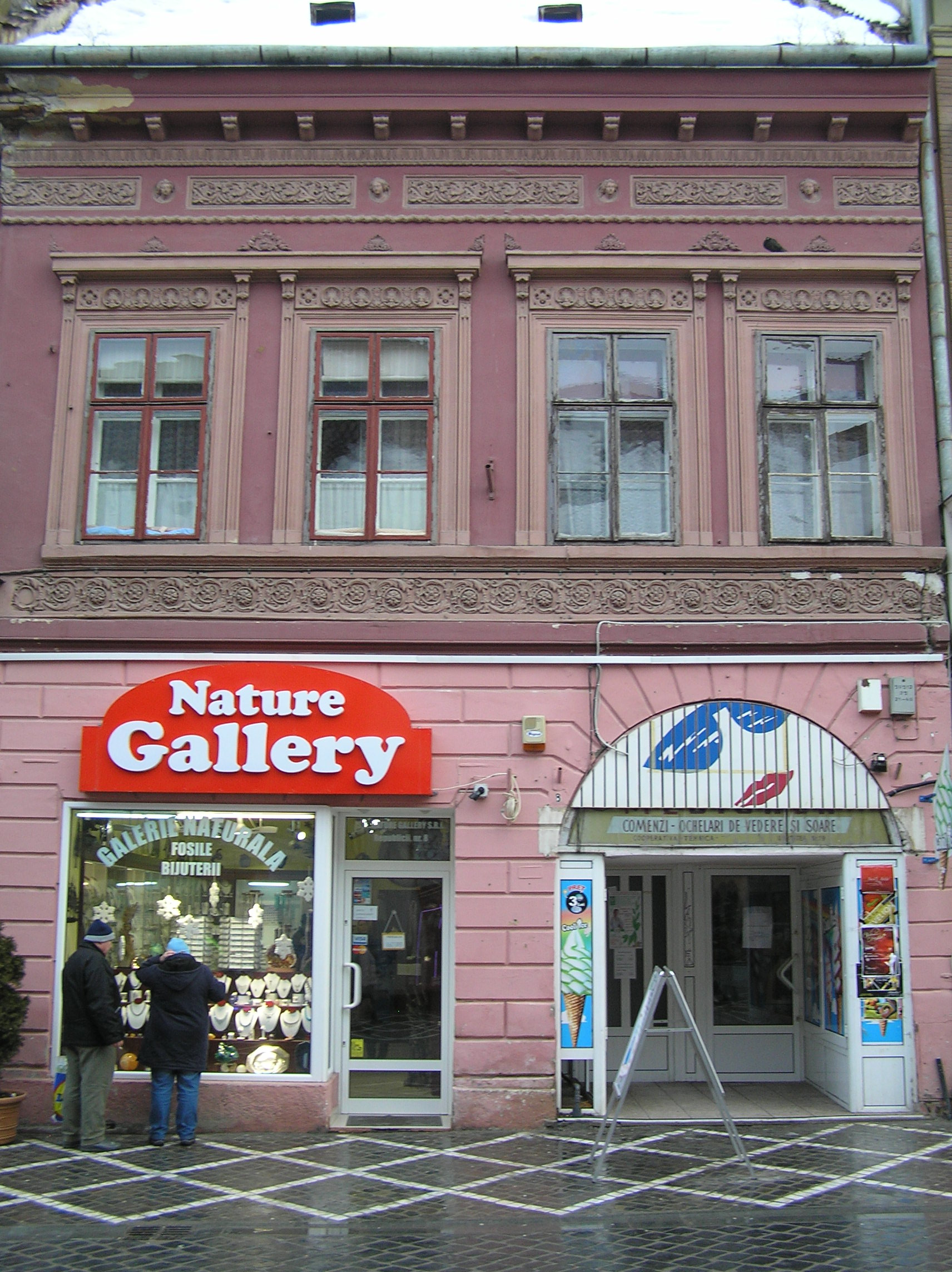
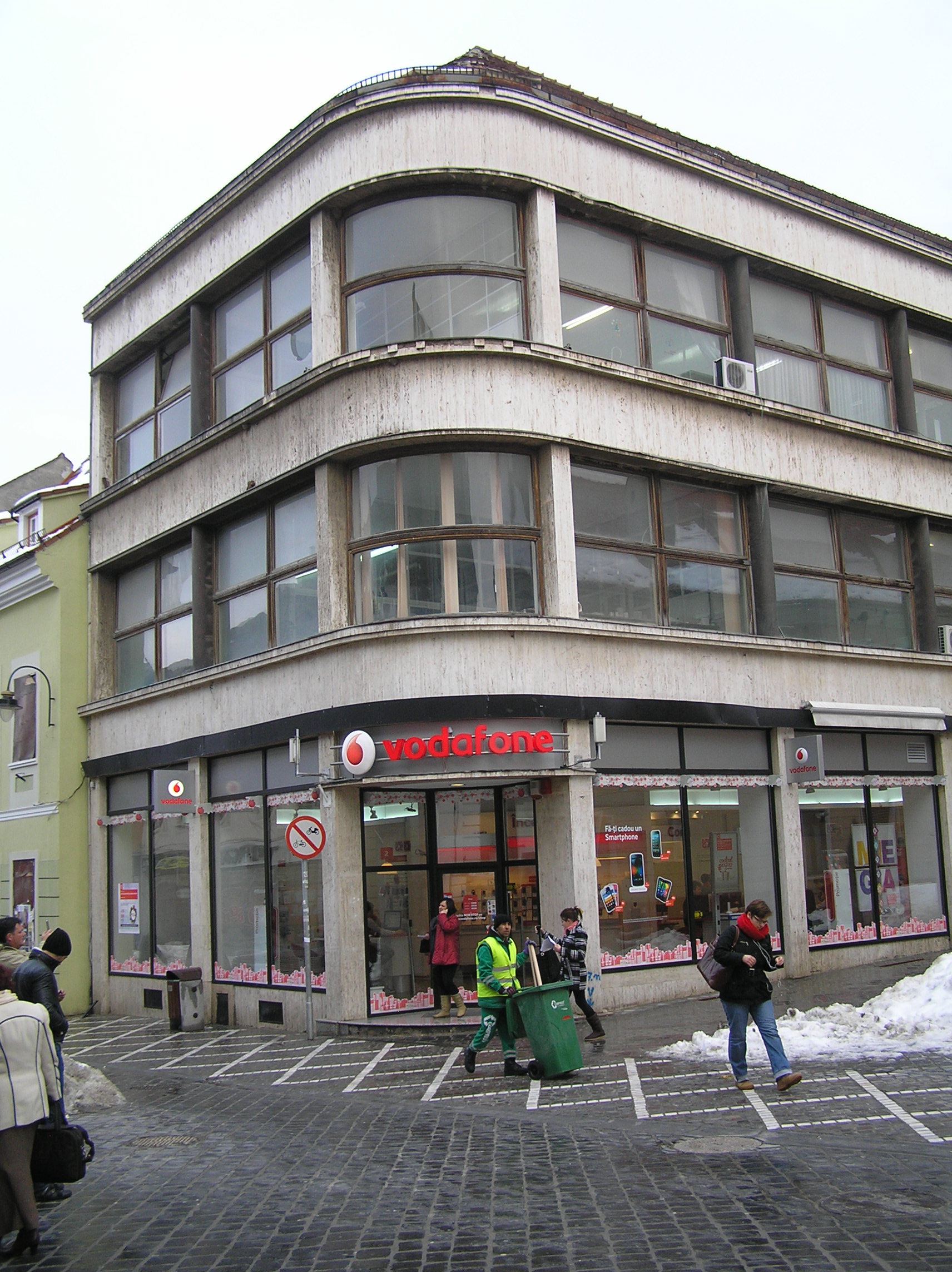
A sequence of high value eclectic buildings is placed along the main pedestrian street: some of them renovated, others badly in need of renovation. How to find a way to bring them back to life was among the topics in discussion in our workshop and some concern for the municipality in current times of scarcity. The difficult interaction of historic buildings and current use is made evident by advertisement outside and inside the compact city center. Some interventions are so unreasonable you may even like them.
The main square, renovated during the last period under Ceausescu in west European early post modernist style. The storefronts remind some early works of Hans Hollein in Vienna, not bad at all if retailers had some more sensitiveness with their signage…











 Well Designed and Built