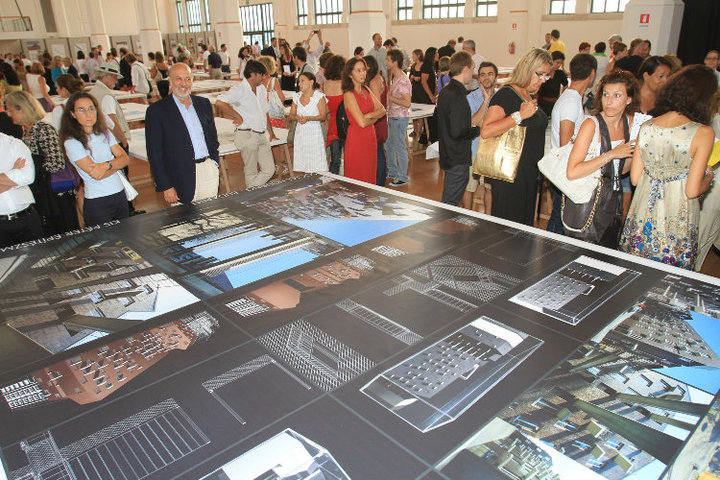
Festival dell'Architettura a Trieste Luglio 2010
The Architects Council of Europe (ACE) is tracking, every six months, the impact of the current economic crisis on the architectural profession in Europe. To assist the ACE in its work, European architects are requested to answer a short questionnaire on your opinion of the crisis.
The last survey on the impact of the crisis was published by the ACE in December 2010 and showed that the profession was reporting a “double-dip” recession and continues to be badly affected by the economic downturn. A moderate sense of optimism and a small recovery in terms of employment for architects is noted, but lack of confidence in the public sector and the awareness that the crisis is not a temporary one characterizes the outlook of a profession in great difficulty in most European countries.
The questionnaire is now available in 17 languages at the following address:
It should only take a few minutes to complete it before the 15th June.
I have been studying and practising architecture for over twenty years, but there are still a couple things I do not understand. One of them is Deconstuctivist Architecture. I saw works by Peter Eisenman, Frank Gehry, Zaha Hadid, Daniel Libeskind and Bernard Tschumi all around Europe and occasionally I listened to their conferences trying to understand buildings that were so lively debated in magazines and newspapers. Last bu not least I read some books and articles by the French philosophers Virilio, Foucault and Derrida whose theories where often mentioned in relationship to those buildings. But every effort was useless. I could never understand or feel the added value of deconstructivist architecture.
A couple of days ago, visiting the installation of elements taken from different Prada fashios show sets by Rem Koolhaas I found this was a sensible “deconstruction” exercise, showing the nature of building shapes and materials in a new context, under a new light, open for any kind of interpretation.
Below the official pictures of the installation and the press release, including a comment by curator Germano Celant.


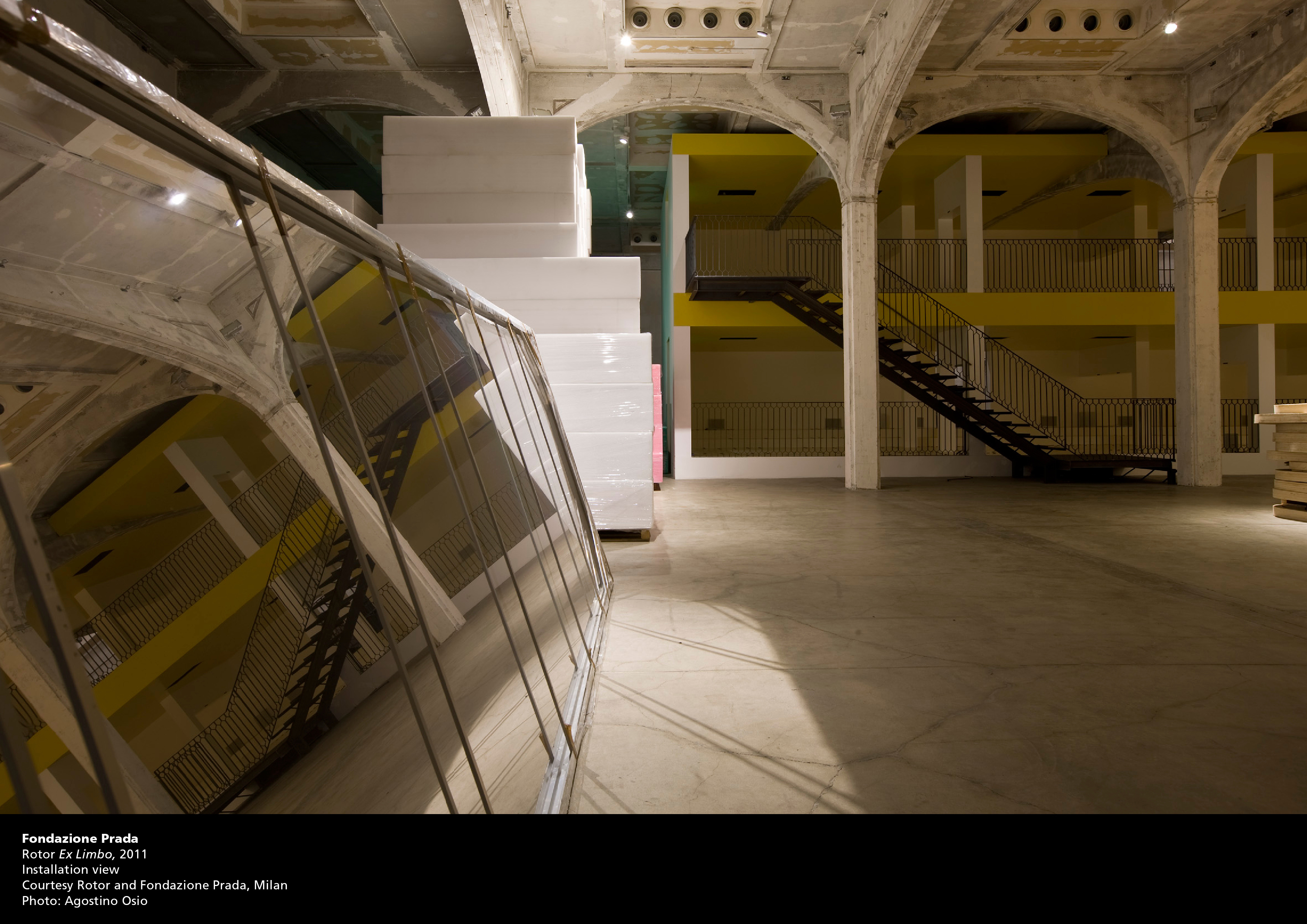


Ex limbo, the project presented by Rotor at the Fondazione Prada in Milan, is an investigation of the architectural and scenographic elements realized for the fashion show sets designed by Prada and OMA for more than a decade. After being used, they returned to a status of raw materials and were placed in storage at different locations.
The starting point of this project is a curiosity for the materials used, the reasons why they have been conserved, and how this was practically managed. Rotor’s work consists in bringing forth the ‘remnants’ of a world that after a moment of meaningful splendor is discarded and put in limbo, inviting a second look at the forgotten. The Fogazzaro exhibition space hosts a labyrinth of elements that bear witness, simultaneously, to the amount of work involved in producing each fashion show, and to the silent existence of its materialization beyond the event: ex limbo.
As Germano Celant writes: “these forms reveal structures and effects, behaviors and differences that reject their definition as useless ‘waste’ and ‘garbage,’ offering themselves as surprising forms of knowledge in the guise of tactile, sensory components. Such reinterpretation involves the discovery of a fleeting, fragile value in the process of ‘separation’ from industrial and architectural ruins. A reevaluation
of the chaotic and ruined, the degraded and decayed, which re-emerge, by virtue of a Duchampesque gesture, into the universe of design and architecture.”¹
Thus, in Milan piles of wood, polyethylene seats, metal structures, mirrors and walls, together with the denuded construction from the last show, return to fill the space in Via Fogazzaro with a transformed physicality. Among others, the metal structures made of steel tubes used to build the stands in the late nineties, the beige-painted plywood podium on which 40 photographers gathered for the FW 2011 fashion shows, the seats in pink and green polyethylene foam used during the SS 2008 and FW 2010 fashion shows, and a dismantled catwalk from the AI 2011 fashion shows with its white vinyl covering.
Rotor, founded in 2005, is a collective of six people (Tristan Boniver, Lionel Devlieger, Maarten Gielen, Michael Ghyoot, Benjamin Lasserre, Melanie Tamm), based in Brussels, sharing a common interest in the material flows in industry and construction. On a practical level, Rotor handles the conception and realization of design and architectural projects. On a theoretical level, Rotor develops critical positions on material resources, waste, and reuse strategies through research, publications, writings and conferences.
In 2008, Rotor made the exhibition ‘Deutschland im Herbst’ at the Ursula Blickle Stiftung, an inquiry into the moment waste comes into being in the context of a series of different industrial processes. For the past two years, Rotor has realized the temporary headquarters for the KunstenfestivaldesArts in Brussels: in 2009 in Les Brigittines, and in 2010 in the Koninklijke Vlaamse Schouwburg. During the 12th Venice Biennale of Architecture, in the Belgian Pavilion, their exhibition “Usus/Usures” explored wear in architecture as a reaction to and signs of use. For this project, Rotor worked with Ariane d’Hoop, dramaturge, and Benedikte Zitouni, sociologist. In Milan, on the occasion of Rotor’s exhibition ex limbo, the Fondazione Prada published a catalogue. The cover of the bilingual book is made of a cutting from the vinyl covering of the catwalk used during the fashion shows for Men and Women AI 2011 (2/2011). The book includes interviews of Rotor with Germano Celant and Miuccia Prada, as well as a technical description of the materials on display and a bio-bibliography of Rotor.
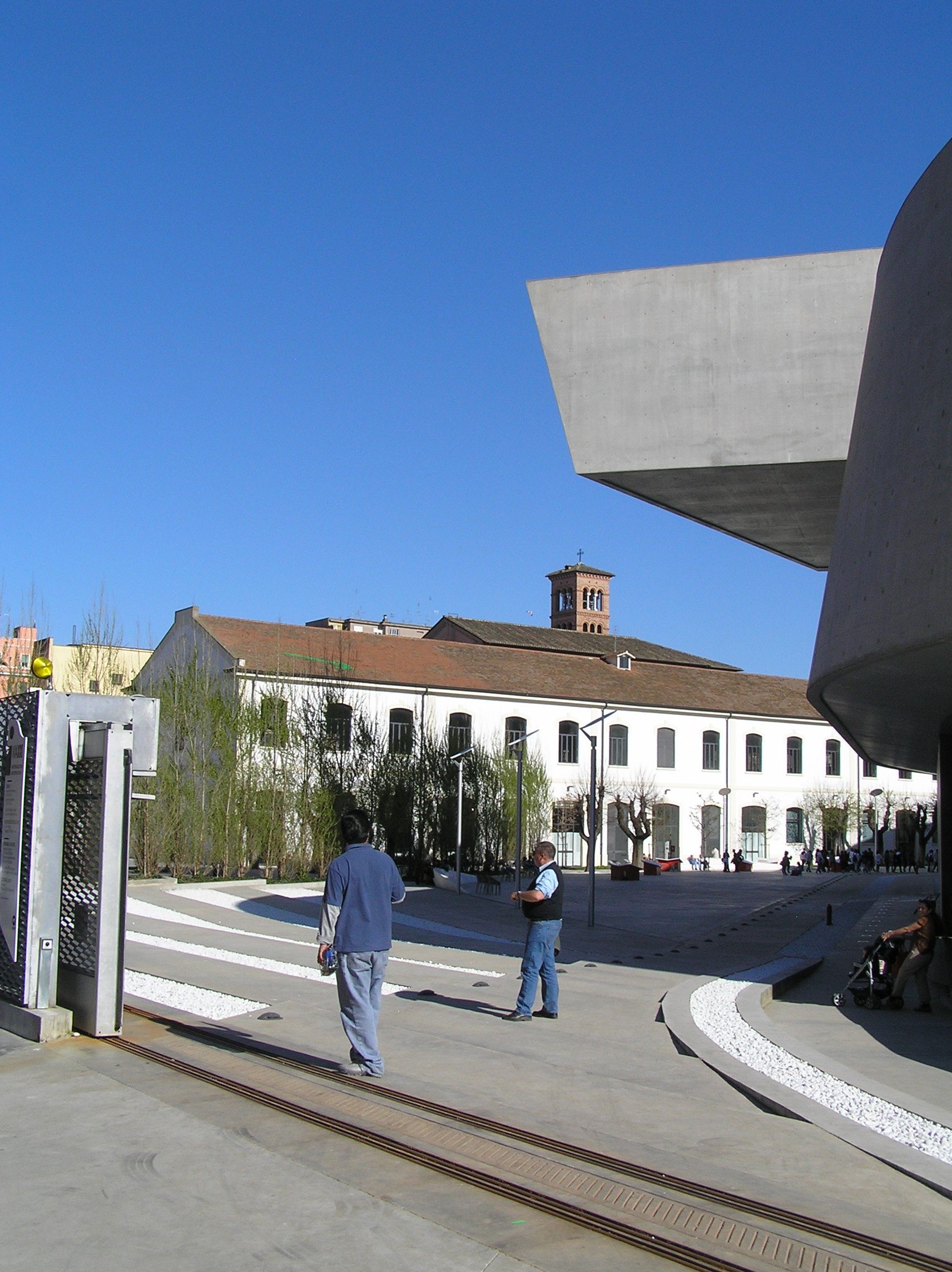
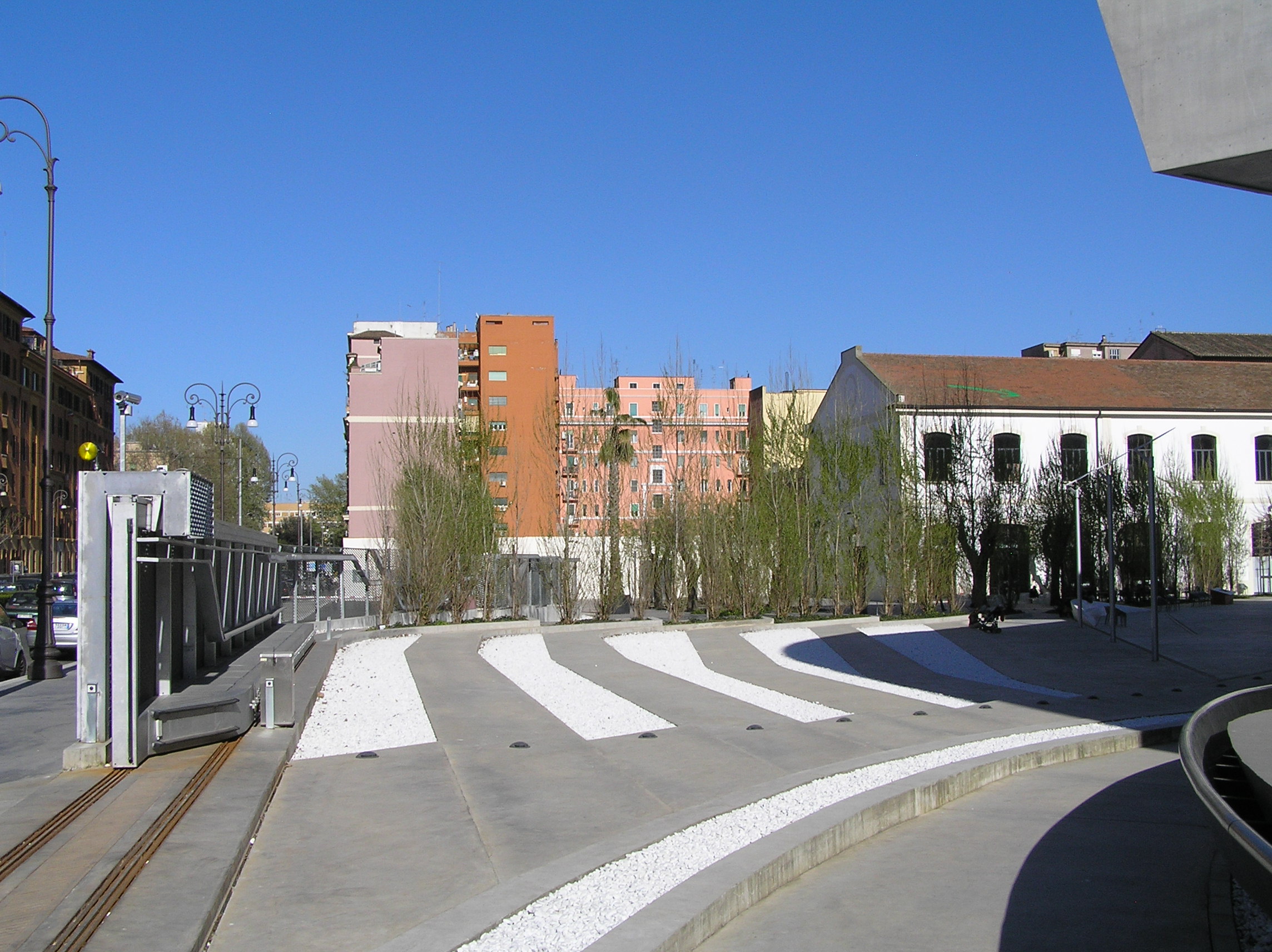
After a one day working meeting, having just one hour to spend before catching the train back to Milan I decided to visit the award-winning, contemporary architecture “must” MAXXI, the Museum of Twenty-first Century Art designed by Zaha Hadid in the place of a former military barrack. As the way to the place and its surroundings are as important to me as the object itself I did not manage to visit the museums and its collections, but thanks to the beautiful weather I enjoyed the outside works and the entrance hall.


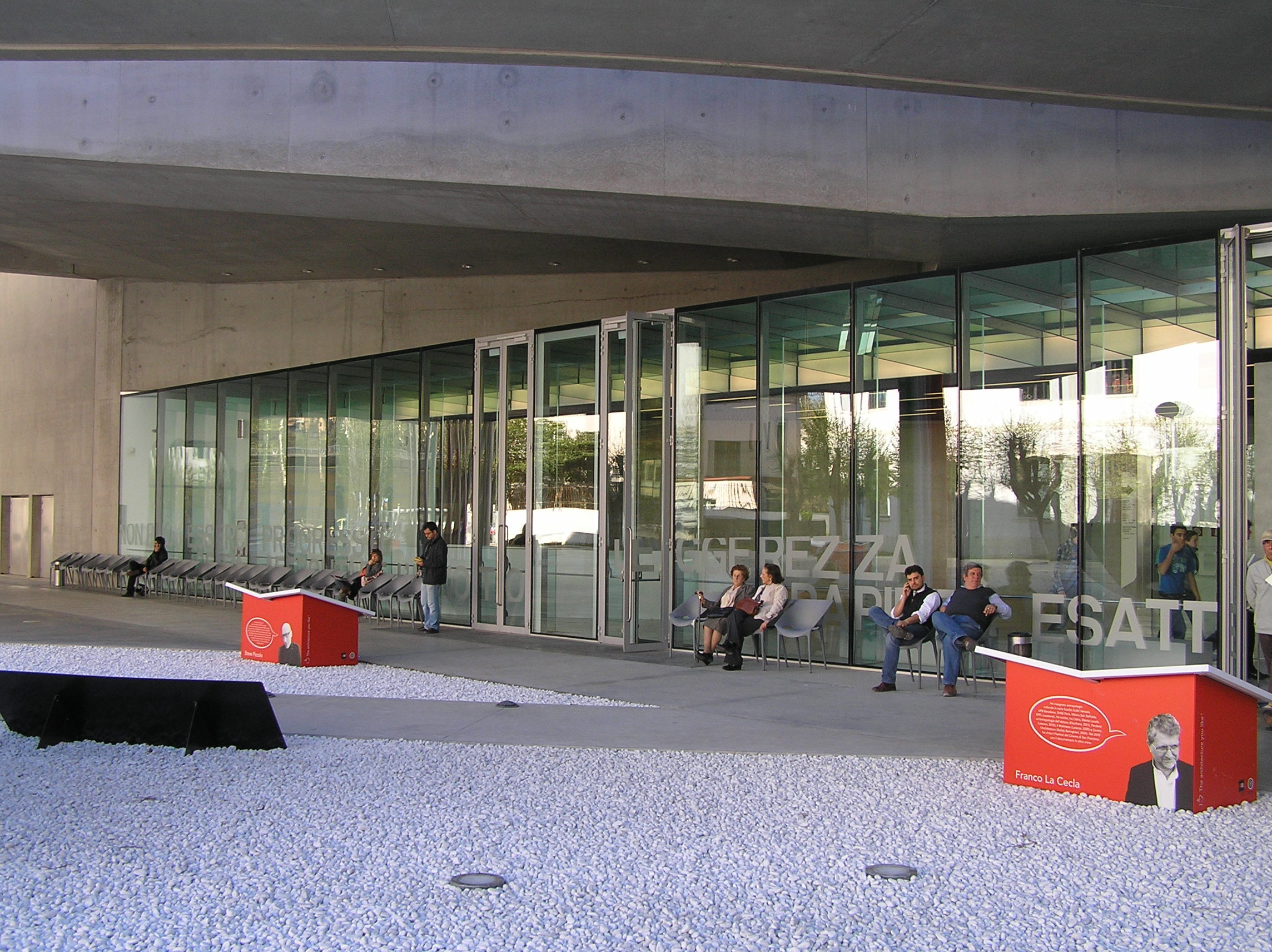


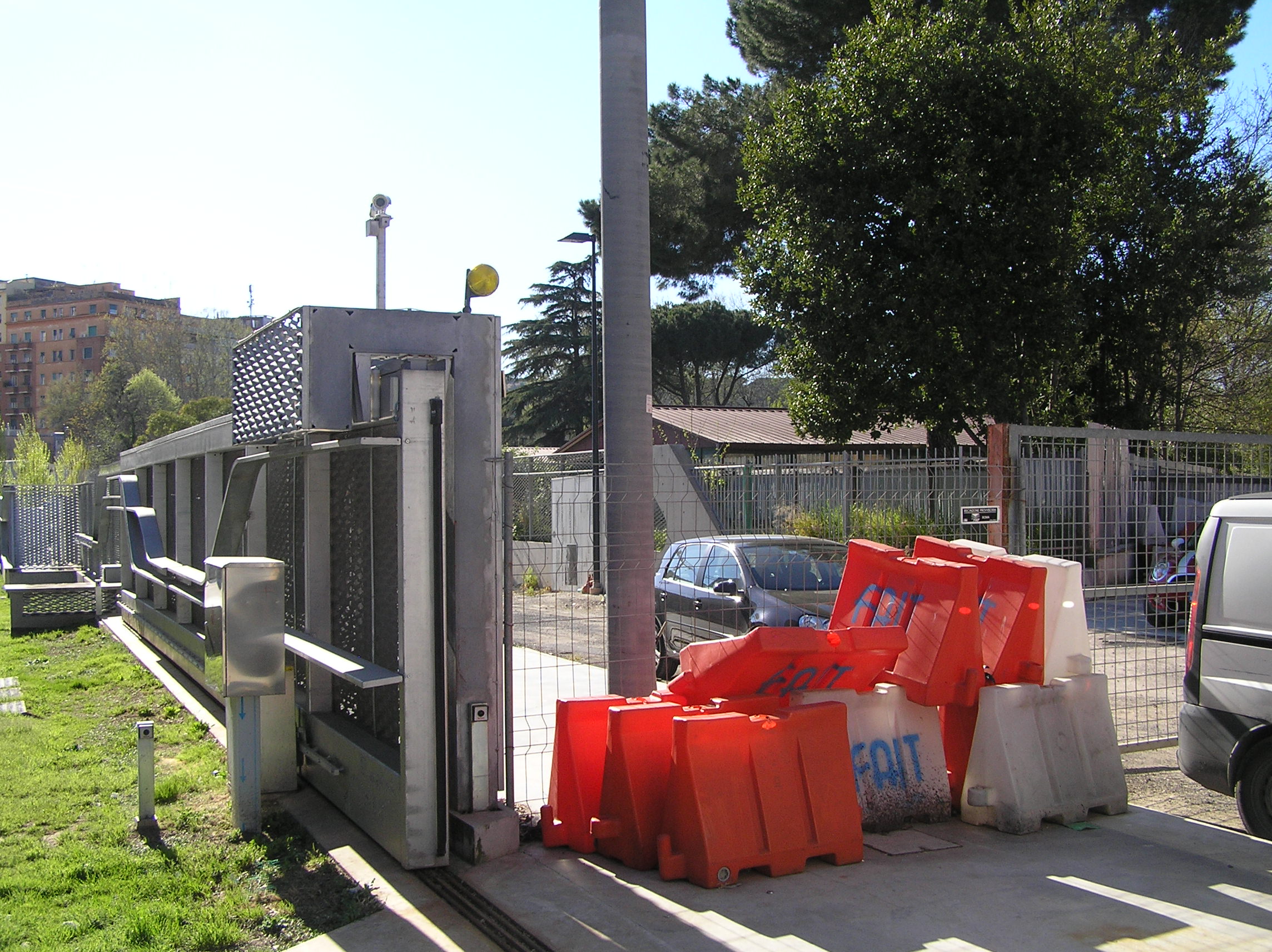
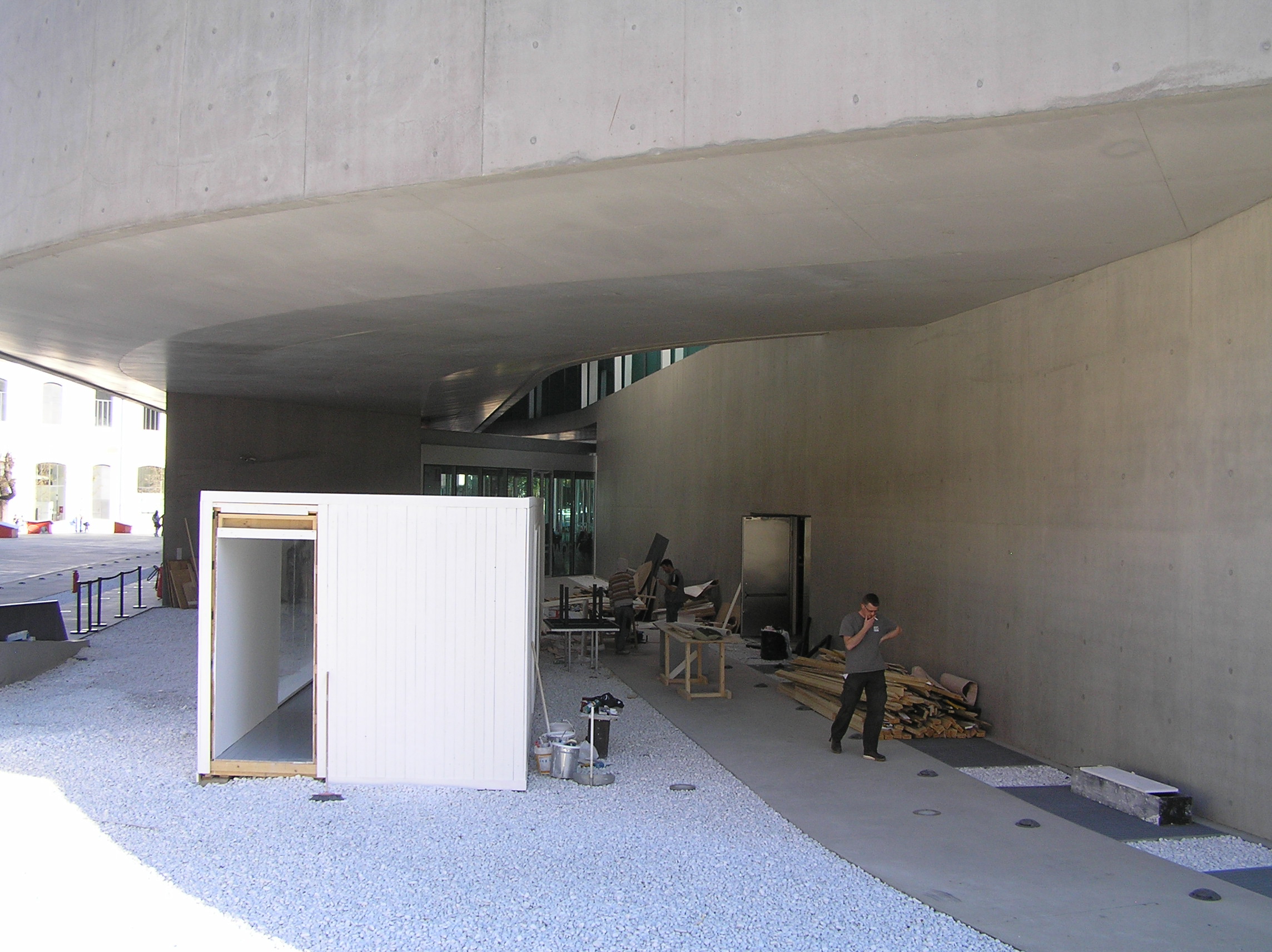


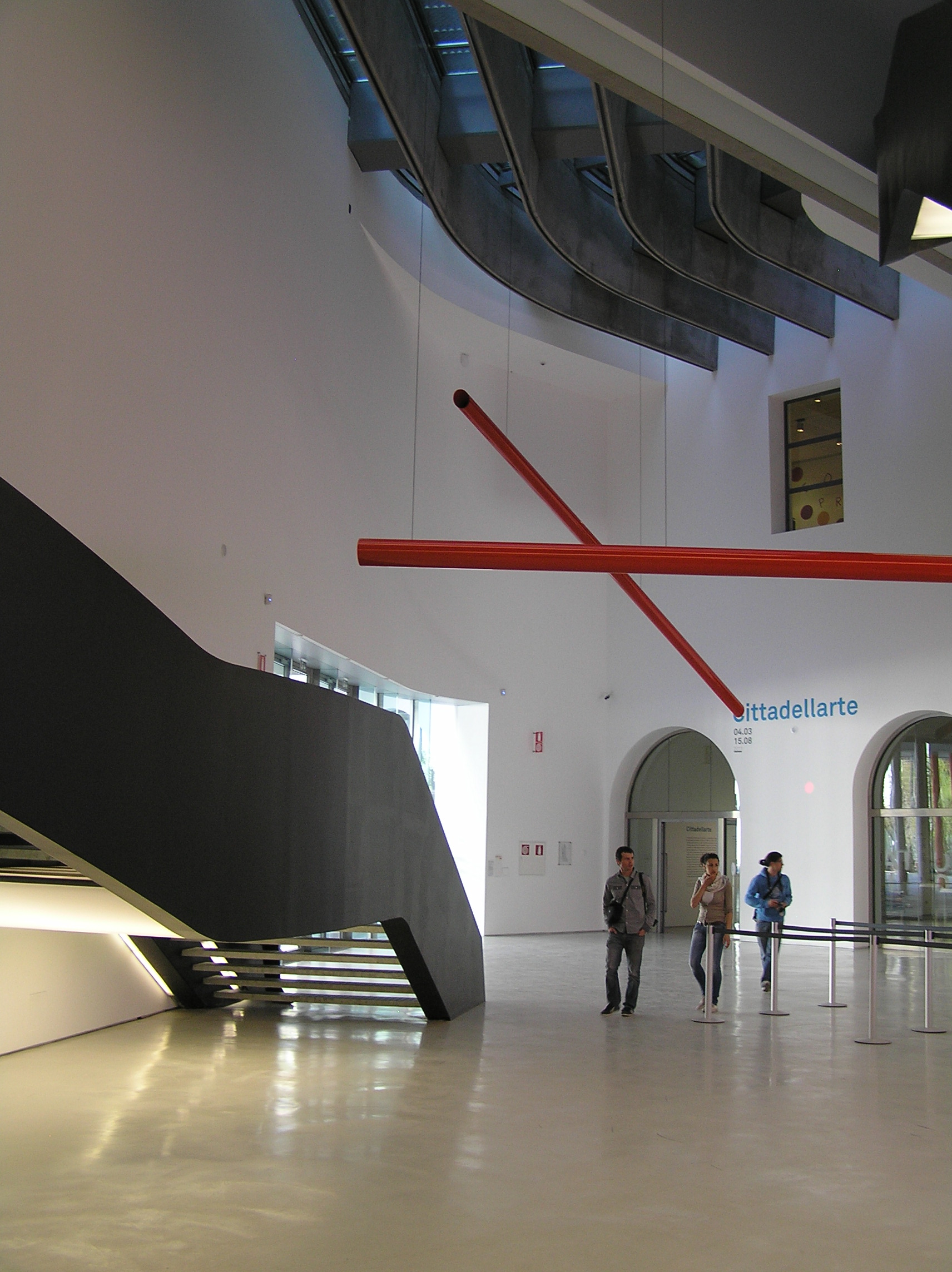
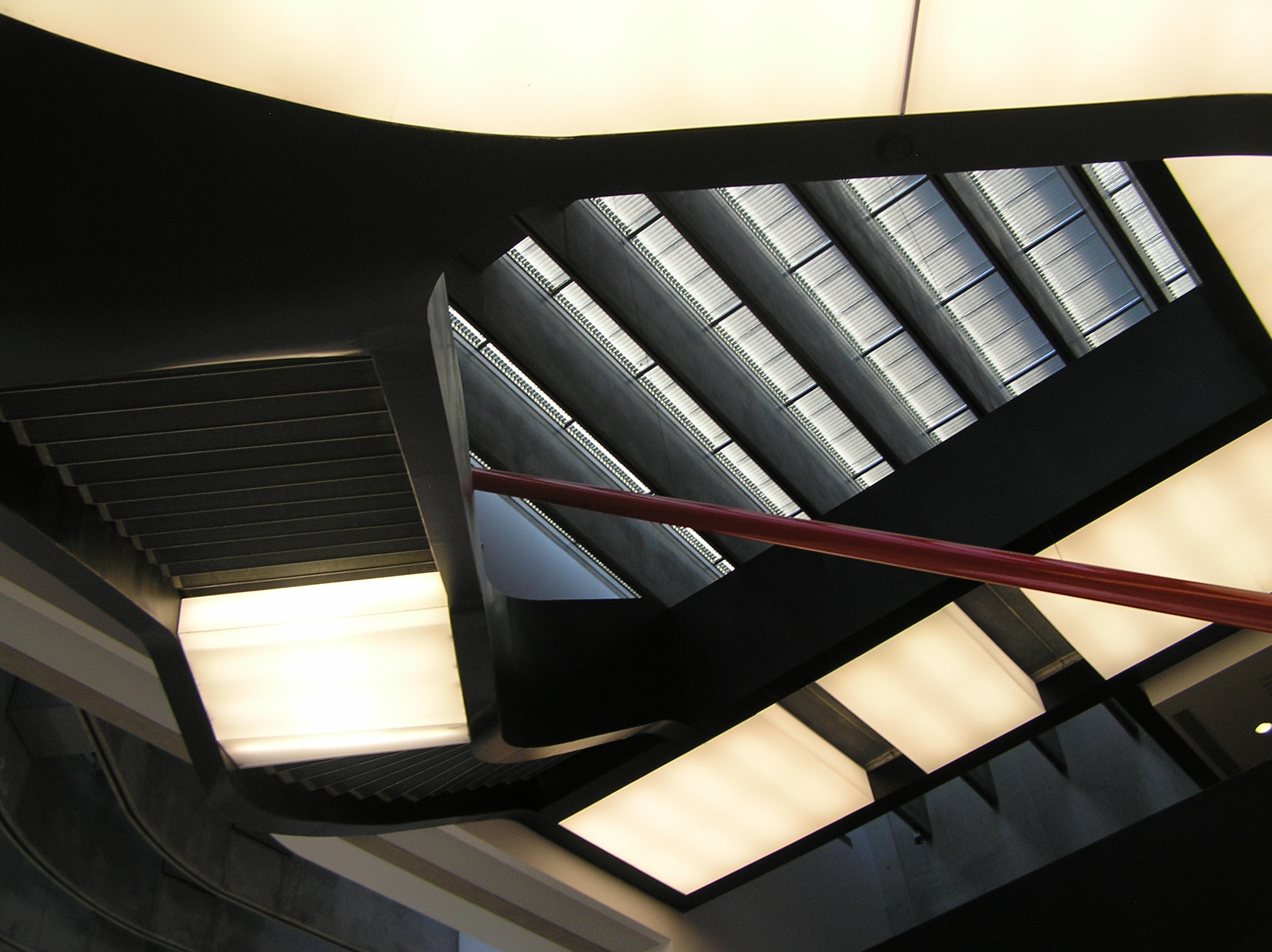


A small exhibition in the foyer captured my attention and gave me additional food for thoughts and for this post. A showcase of Cittadellarte, the Foundation established in 1998 by Michelangelo Pistoletto in a former textile factory of Biella. The Italian artist is known for his art practice engaged with the real world and its processes and the Cittadellarte is the headquarter and operating arm of his civil committment.
The Foundation, as for its programmatic name “City-of-art”, is conceived as a permanent workshop subdivided in thematic areas “Uffizi” (Offices) dealing with selected key sectors of society: production, fashion, communication, politics, ideas and architecture. The background and the focus of Cittadellarte – and therefore of this little exhibition at MAXXI – is the art utopia of Michelangelo Pistoletto called “Terzo Paradiso” (Third paradise) and refers to the “Nuovo Segno d’Infinito” (New sign of infinity) completed by 2003 and aiming at “stimulating and producing a transformation of society, both local and global”.
As a matter of fact it is a quite peculiar and ambitious art project – Bjarke Ingels would probably call it “pragmatic utopia” – embedded in a cutting edge high-design museum in the slowly moving paradigm of urbanity, the “Città eterna”. The collision of Pistoletto’s team refreshing and colorful ideas with the concrete, steel-glass and neon fashionable museum gives fresh blood to this algid architecture.
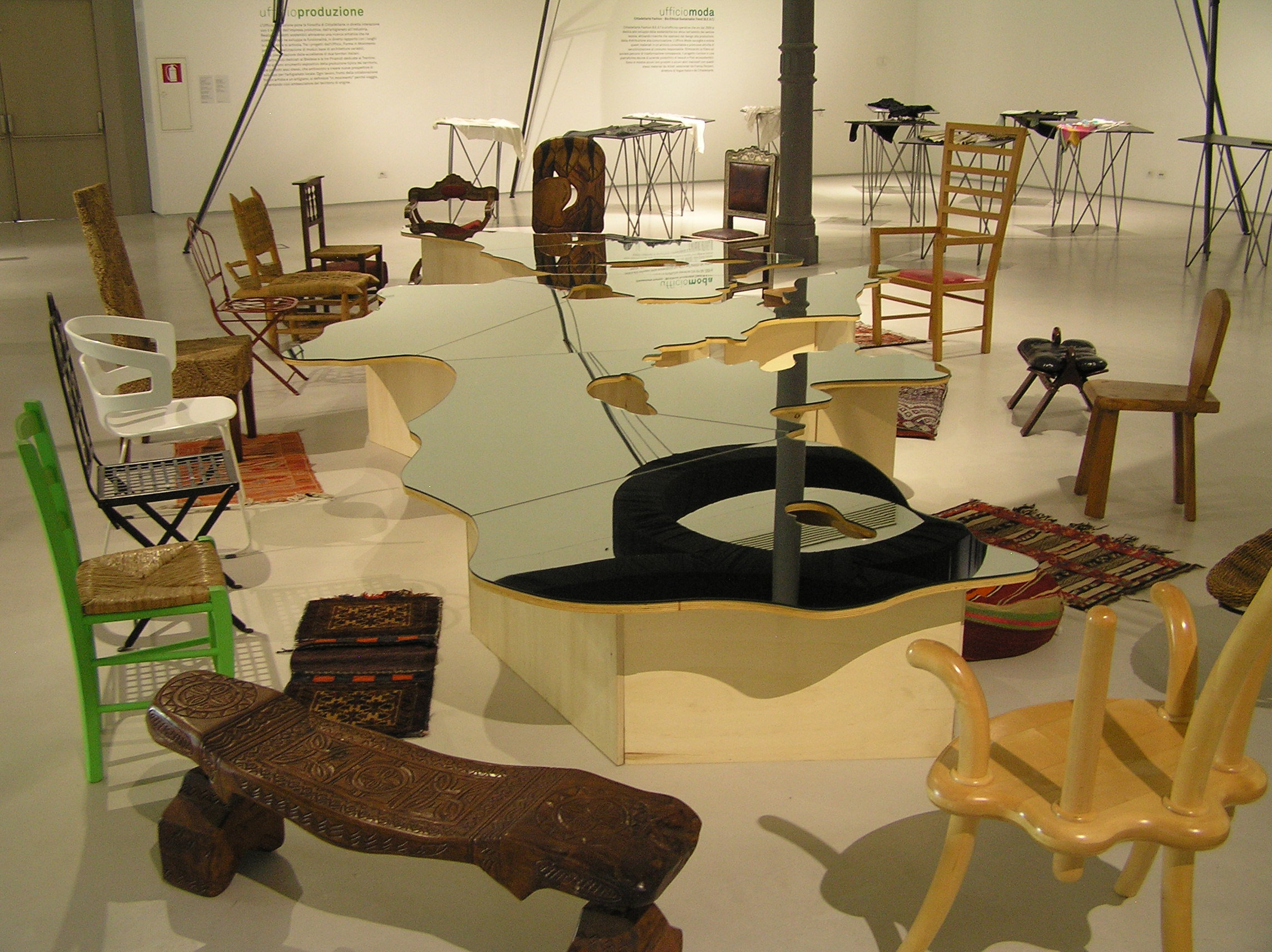

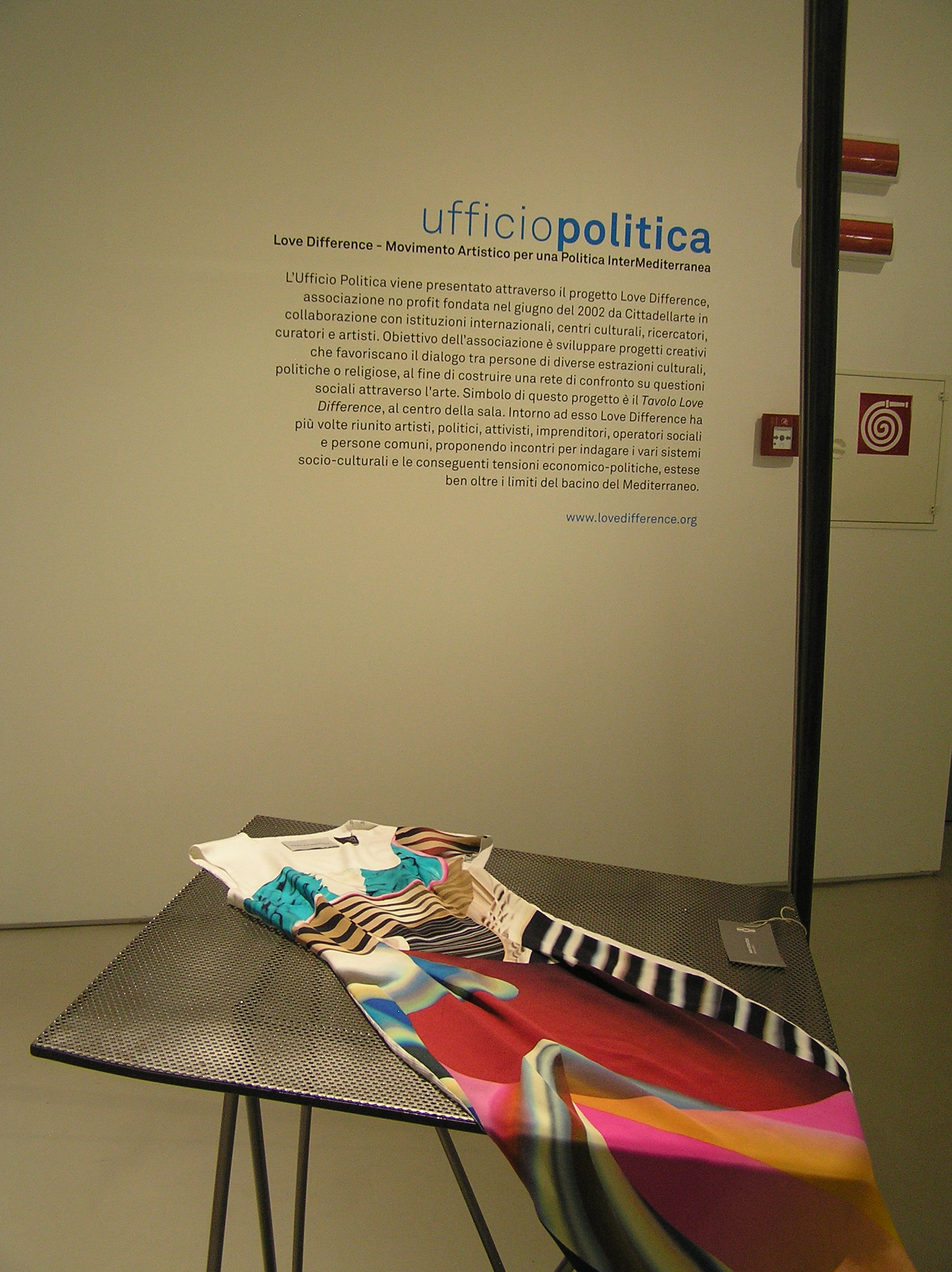
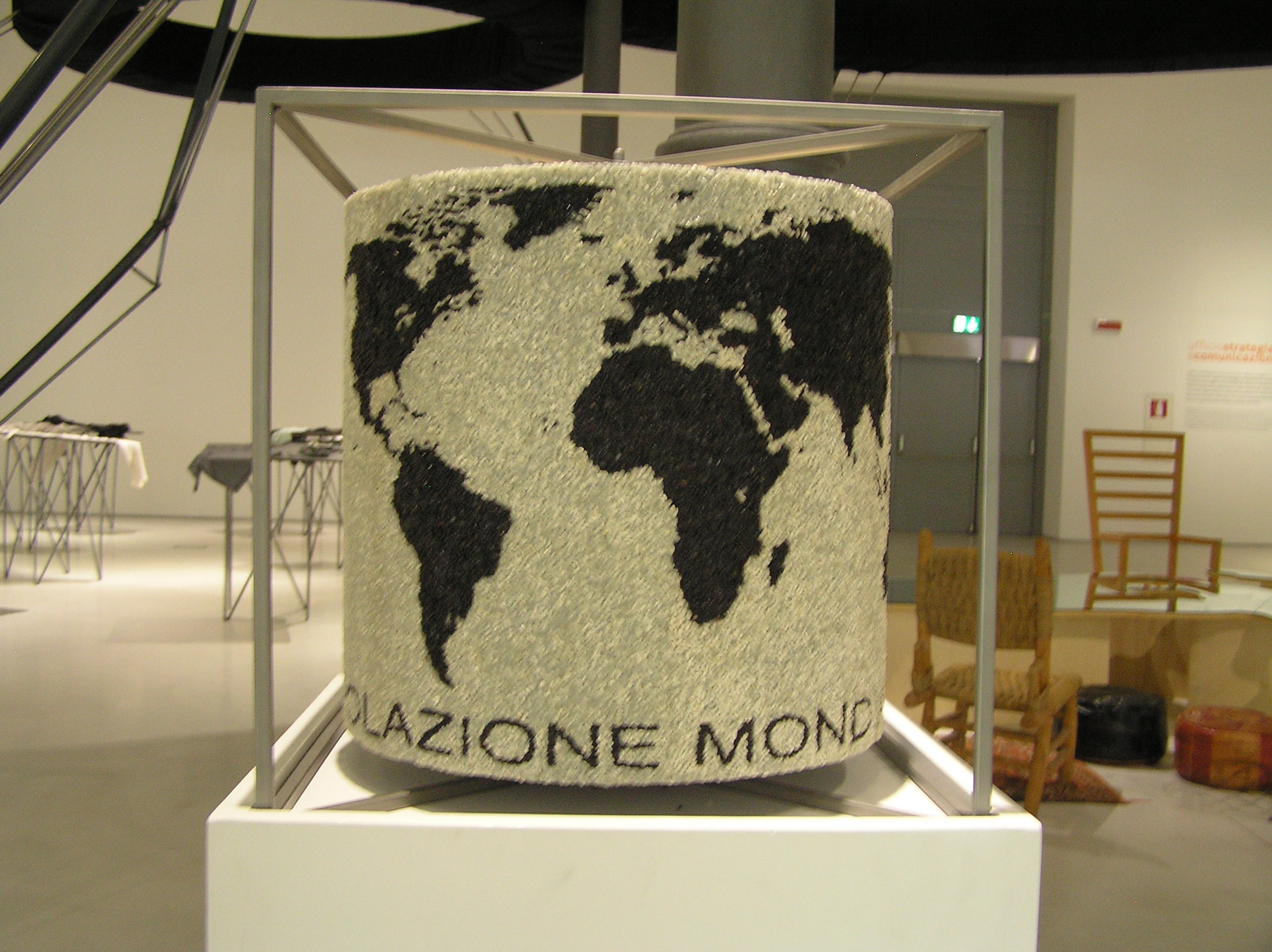
As architectural object Maxxi is a late son of Bilbao’s Guggenheim, but with a balanced and sustainable impact on its physical and social environment. The concrete and stone garden outside reminds the garden of modern homes in Jacques Tati’s movies: you are not welcome out of the concrete paths. Nevertheless the museum has been well received, appreciated and makes a lively impression. Just before my visit to the Exhibition of Cittadellarte a group of children was sitting on the chairs around the mirror table and listening to the Maxxi’s Education Department staff telling the story of a changing world.
MICHELANGELO PISTOLETTO: da Uno a Molti, 1956-1974 e CITTADELLARTE
untill 15th August 2011 at MAXXI (Museo nazionale delle arti del XXI secolo) Via Guido Reni, 4 – Roma
The contribution of the Architects’ Council of Europe to the Reference Framework for Sustainable Cities RFSC

RFSC Map of Test Cities
March 15-16th I attended the launch of the Reference Framework for Sustainable Cities RFSC in Brussels. Below you will find the text of my presentation to the General assembly of the Architects’ Council of Europe in Dublin, where I informed the delegates about the ongoing process urging architects to take part in the preparation of this tool and the member organisations to get actively involved in the testing phase at national level.
The RFSC was launched by the French EU Presidency in Marseille at the end of 2008 as a web-based tool for the implementation of the Leipzig Charta. In the past two years its definition has been fine tuned as an interactive web-tool facilitating the dialogue about sustainable and integrated urban development within cities, between cities, towards urban stakeholders, across sectors and at the various levels of a good Governance: neighborhood, municipality, region, State and European Union.
It is worth noting that the RFSC is a joint European initiative, not a Community initiative such as the Urban or the Urbact Programms. The drivers of this initiative are Cities and local authorities networks (CEMR, Eurocities), Member States of the EU (France with the Ministry on Environment as initiator), the European Commission (DG REGIO of the European Commission, Unit for Urban Development and Territorial Cohesion).
Also the working approach is innovative and complex with a multi-level and multi-disciplinary working structure. The Urban Development Group UDG is the political monitoring committee, the Member States and Institutions is the place where technical issues are discussed more in-depth and the Management Team (joint leadership: France, CEMR, DG REGIO).
These political bodies are supported by technical expertise by CERTU (French urban research Institute also acting as webmaster), by URBACT Program, who has established the network LC-FACIL (Final Conference in Leipzig 12-13th May) and since beginning of 2011 by NICIS Institute (The Hague) as Technical support for the testing phase.
The RFSC is subdivided into 4 main sections or tools. The first tool helps to develop a sustainable urban development strategy or project with an integrated approach in line with the cities’ own priorities and with the European targets (Agenda 2020). The second tool helps to check the integrated approach of an urban development strategy or project with the support of graphs and charts. The third tool focuses on the city’s policies and actions towards deprived neighborhoods looking at the integrated approach of regeneration strategies and projects. The fourth tool helps to monitor the progress over time by means of the 33 so-called recommended key indicators, a broader collection of other useful indicators (the so-called basket of indicators), the possibility to add city specific indicators and a spreadsheet to build an own monitoring system.
The four sections cannot be simply used as quick test. They require an active engagement of the cities representatives to be fine tuned and adapted to the local needs. The clarification about the state of play of the city’s development strategies, the definition of priorities, the recognition of the potentials and the identification of the stakeholders are relevant steps in the assessment process supported by the RFSC.
The core of the 4 tools is a list of 25 questions on sustainable urban development that represent the objectives and principles of the Leipzig Charta. These questions are grouped by 4 pillars: economy, social affairs, environment and governance. Each question is specified with sub-questions to go into details and to stimulate further debate.
What are the expected results of the RFSC? At the Informal meeting in Marseille the Ministers responsible for urban development asked to prepare a web-tool to facilitate the implementation of the Leipzig Charta that was recognised to be the most complete document proposed at European level on Urban policies and the only one signed by the competent ministers. Over the last years the expected results have evolved towards better communication about sustainable and integrated strategies and projects amongst and between different actors, the technical departments in the city administration, the elected representatives, the community of planners and practitioners, and of course the citizens and all urban stakeholders.
The web-tool should promote a multilevel governance approach illustrating and explaining decision-making processes, comparing the impact and results of strategic alternatives, improving coordination among different administrative sectors and the accountability of the decisions making. Strengthening sustainable urban development policies making urban strategies and projects more sustainable, fostering integrated thinking and actions, raising awareness about potential synergies, warning about possible gaps and conflicts, creating cost-savings in the long run, assessing progress over time, identifying the potential need for adjustments, building capacity in urban management.
All these ambitious tasks should be tackled in a process of a step-by-step learning, finding useful examples and illustrations from other cities, exchanging with peer-cities and learning from each other..
Back to the basics of the Leipzig Charta, the RFSC intends to foster building a common European platform for urban policies through a critical self-assessment of cities as a support for decision-making. Not any kind of standardisation in urban development strategies, but creating a shared platform for debate, a common language that can be adaptable to the national context and the local situation.
There has been long discussions about the possibility of ranking cities through the RFSC. So far it is not the intention of the RFSC management team, but who knows what this tool can become in the hands of the cities? For sure it has to enable comparing different strategic approaches and the results of urban development policies.
Another important point is that there will be no obligation for cities, and it should not become a precondition for EU funding. The rationale behind it is to encourage cities to own the RFSC instead of seeing it as an obligation to fulfill, a new burden imposed by the Brussels institutions to obtain financial support. This becomes even clearer noting that it is yet unclear who will overtake the management of the RFSC from 2012 onwards. Cities will not be charged to use the RFSC and they will get no financial support. Only the test cities are getting technical support from Nicis until the end of the year. Peer learning, voluntary exchange and capacity building is the spirit of the initiative.
What has been the role of the ACE?
As members of the UDG and institutional representation of the architectural profession at European level the ACE has been invited to meetings and debate in different context: in the Experts Group, in the Member States and Institution MS/I Group and in the Urban Development Group UDG meetings.
Due to our limited resources we could not regularly attend as it would be necessary to have a strong impact on the initiative, but we have succeeded in submitting a thematic paper in September 2010 about urban quality indicators and detailed commentaries to the proposed set of indicators by December 2010.
I would like to underline that as the only representatives of the architectural and planning profession within the whole process the ACE is bearing a great responsibility in this process. Although our political weight is limited, our role can be key to success of the initiative and I felt that many of the participants to the RFSC drafting process welcomed the critical but constructive approach of our contribution.
We have 6 months to test and finalize the RFSC.
The questions to be answered in the testing phase are:
– are the tools matching the cities’ needs?
– are the overall goals of the RFSC met?
– what can be the future of this webtool?
The final version of the RFSC Webtool will be presented in Poznan in December 2011 and be available to all European cities as from 2012.
 Well Designed and Built