Superkilen, an innovative public space in Copenhagen
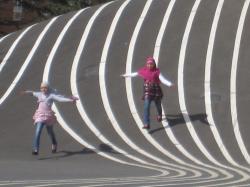
Sometimes a project is already famous abroad but still rather unknown by the locals as seemed to be the case of the Superkilen park. This innovative public park in the North of Copenhagen was designed by the arts group Superflex with the collaboration of architects Bjarke Ingels Group (BIG) and landscape architects Topotek1. As it was one of the five finalists of the Mies Van Der Rohe European Union Award for Contemporary Architecture 2013, Superkilen park was at the top of my list last month when I had to be in Copenhagen.
With an article and a photo in the hand, I headed North by bus to the Nørrebro district of Copenhagen, the most edgy and ethnically diverse district of the city and one of the most socially challenged neighborhoods in Denmark.
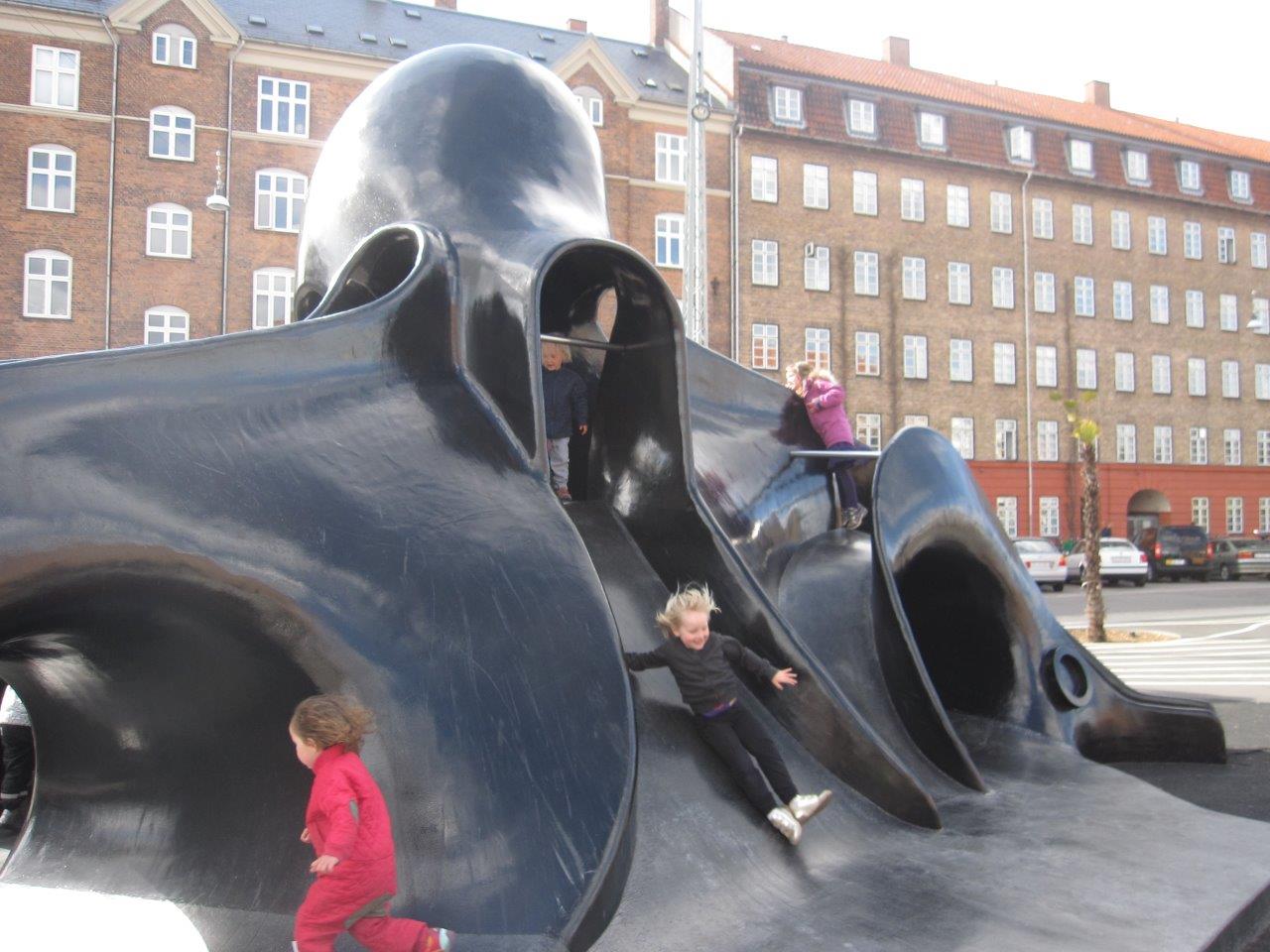
The park is intended to celebrate this diversity. Filled with objects from around the globe, it is designed as a kind of world exposition for the local inhabitants, covering over 50 nationalities, who have been able to contribute their own ideas and artefacts to the project.
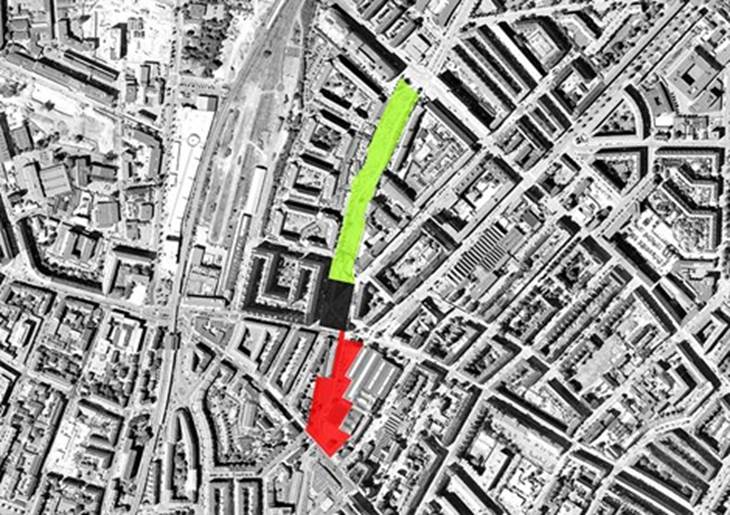
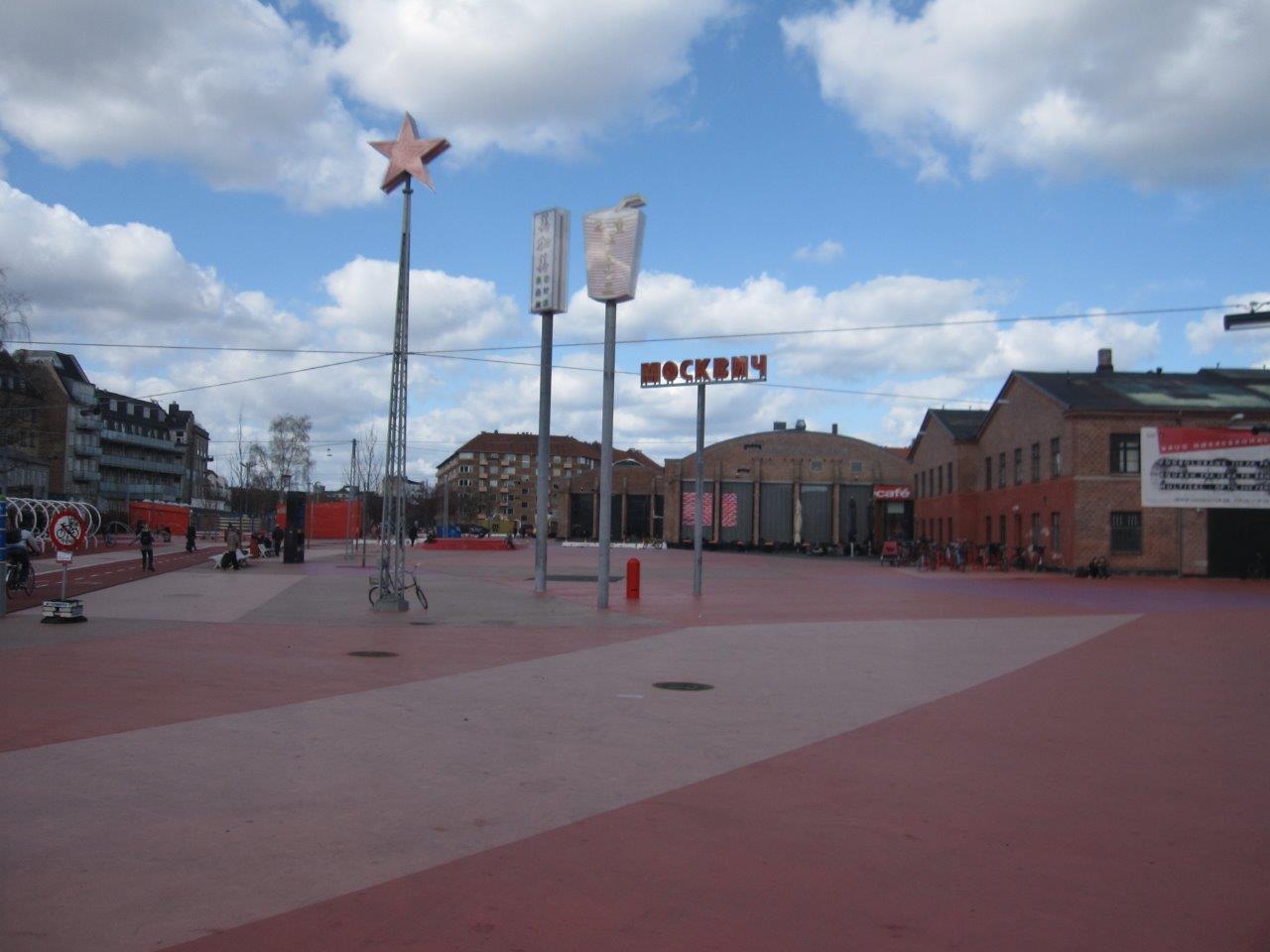
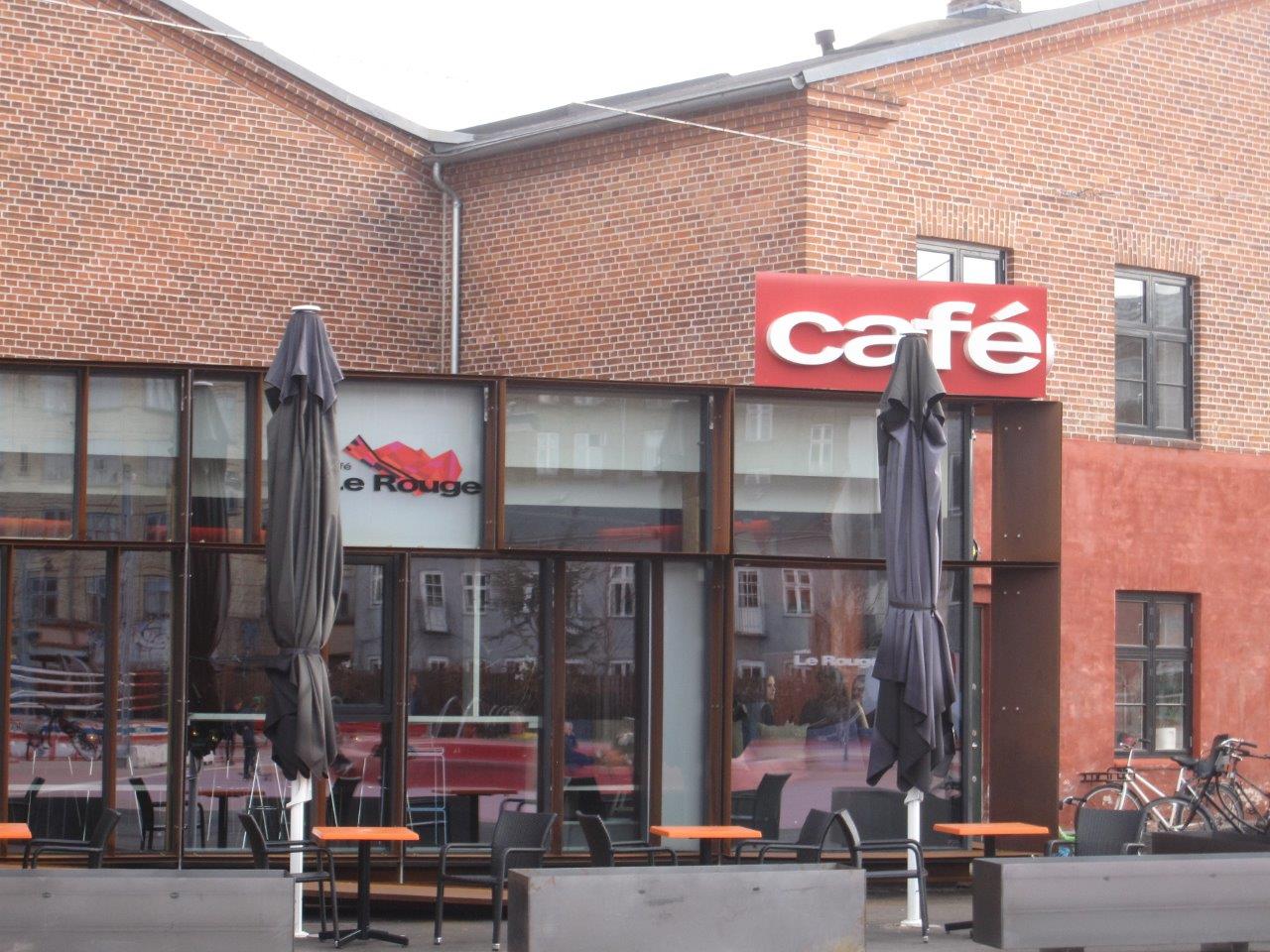
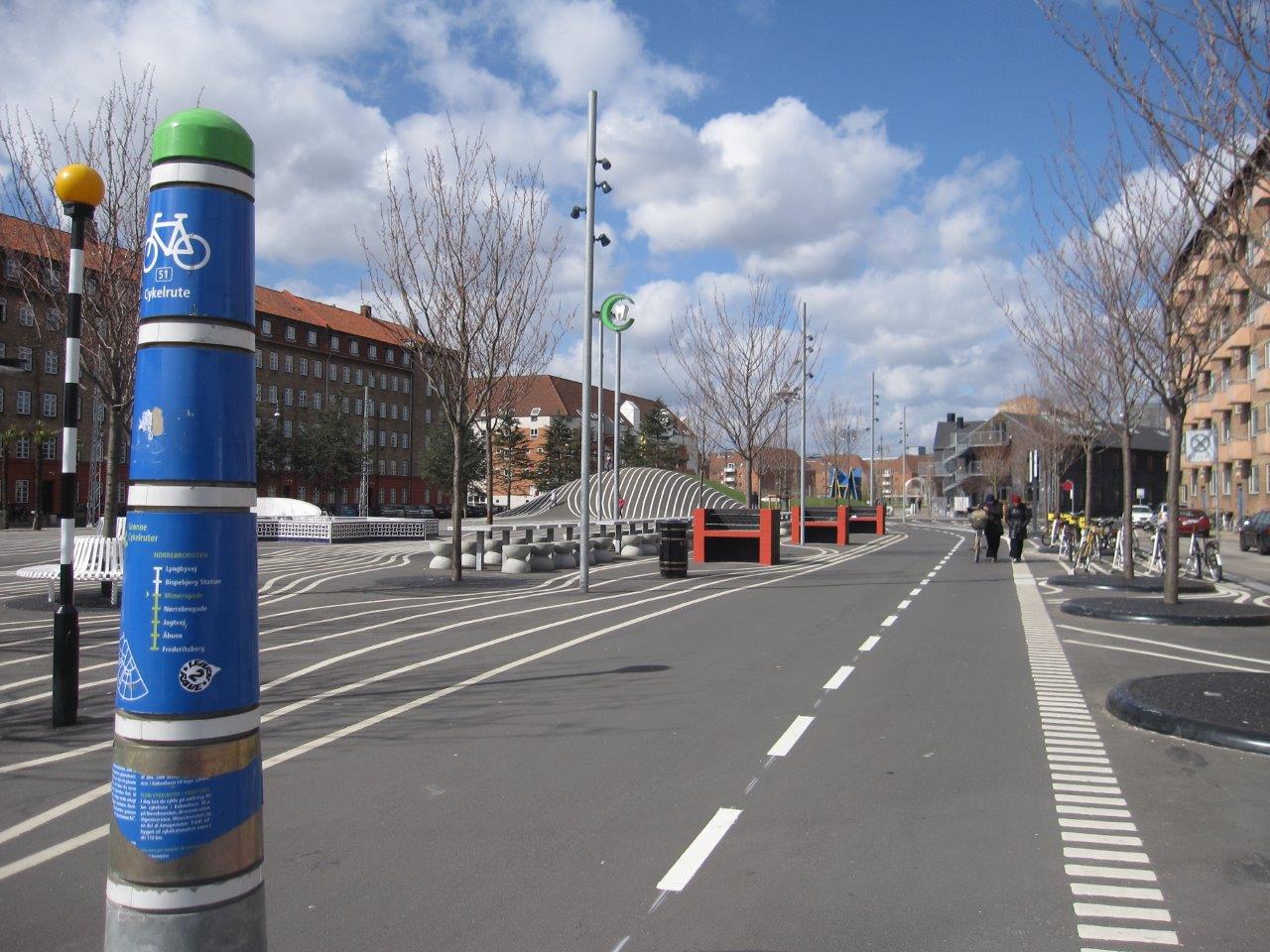
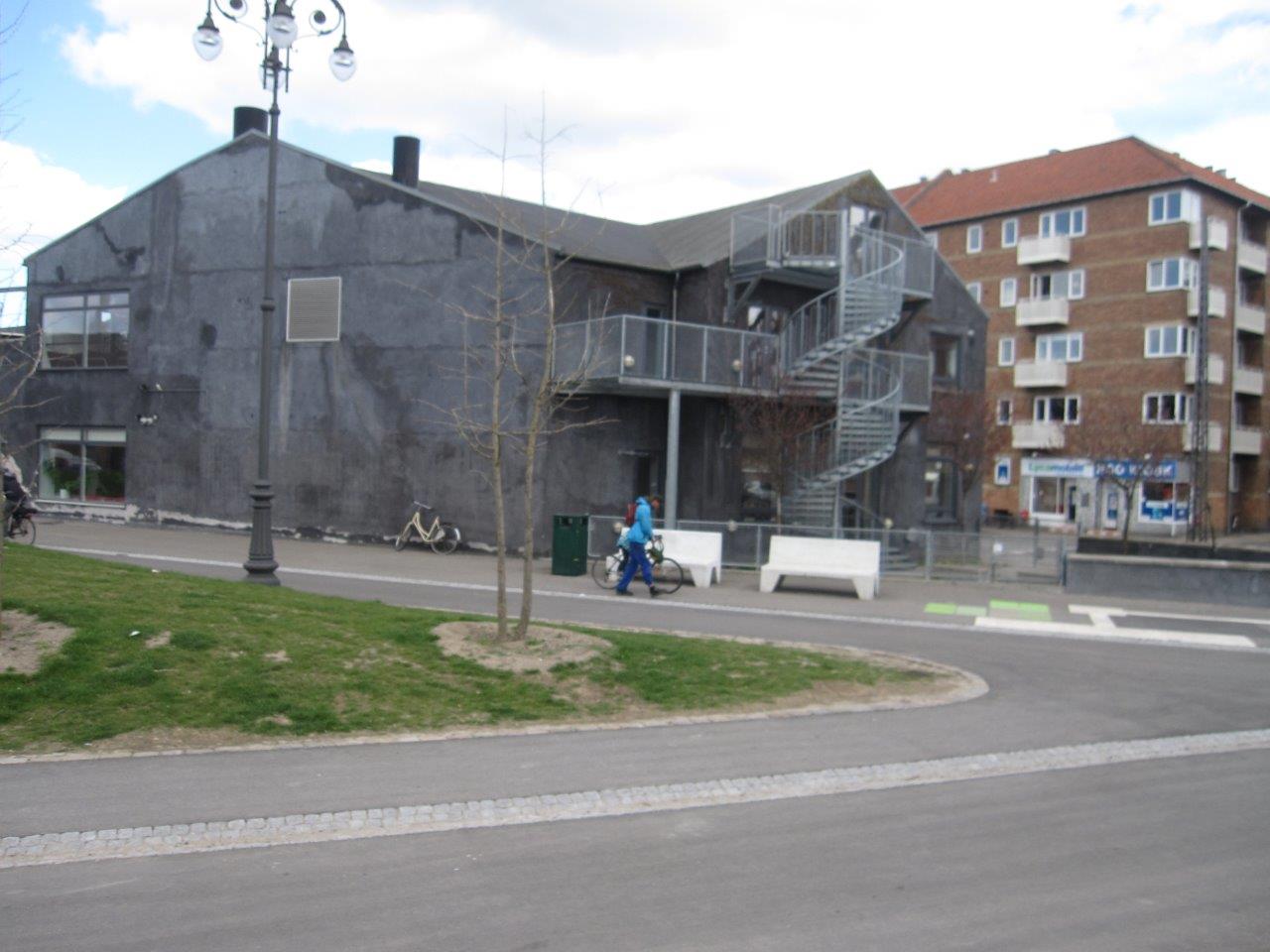
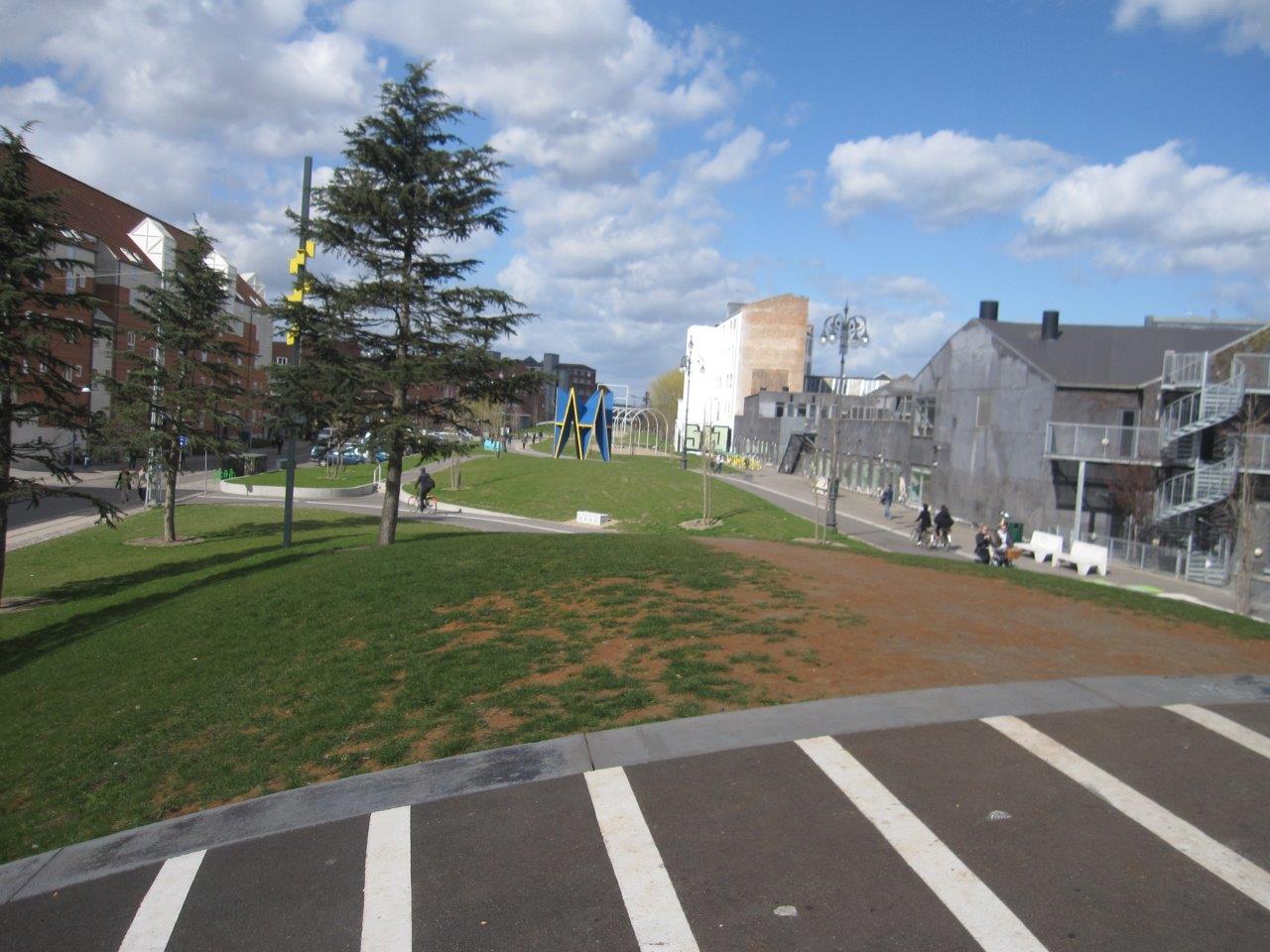
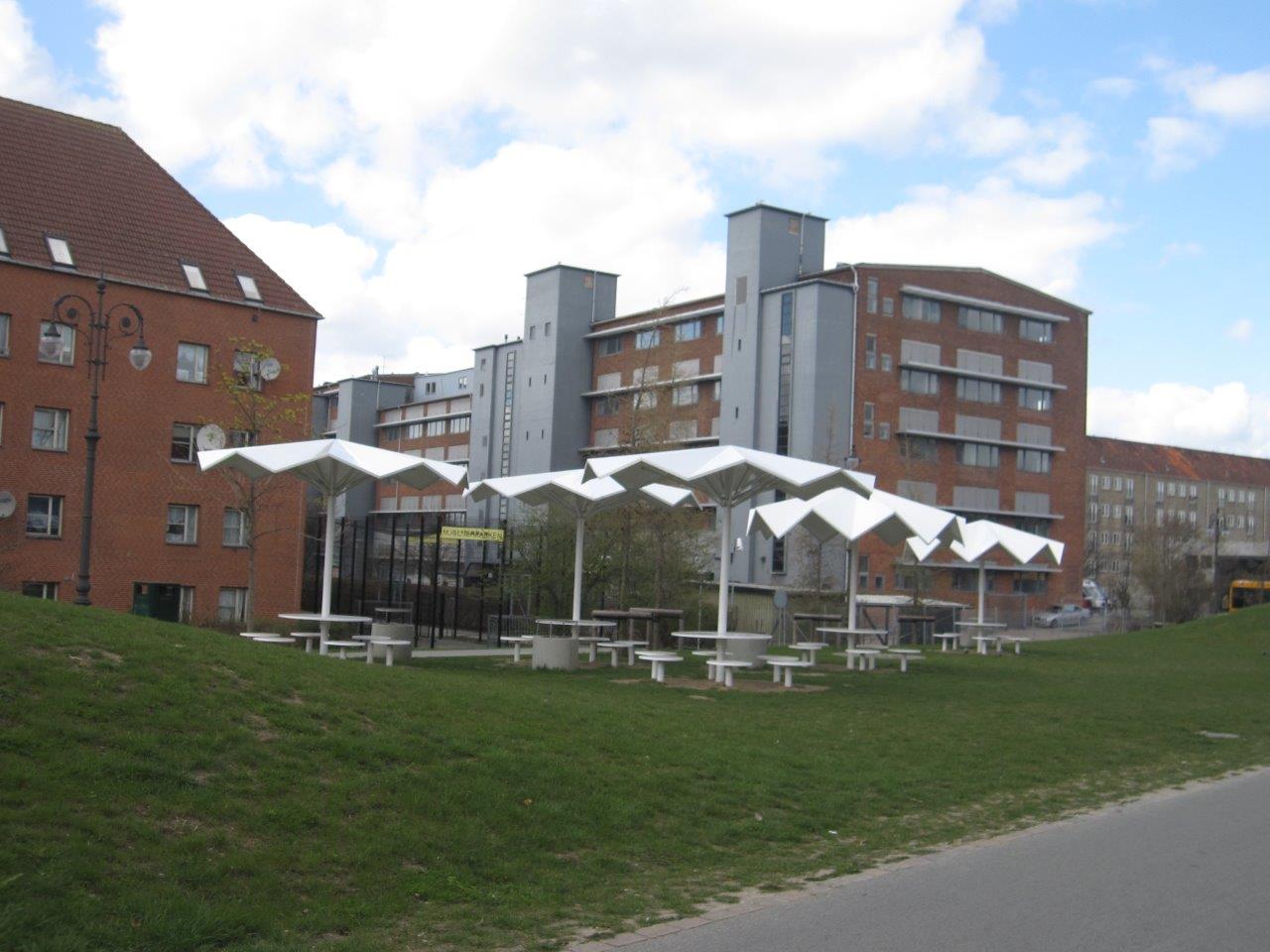
Stretching some 750 metres (2,460 ft) along either side of a public cycle track Superkilen is made up of three main areas: a red square, a black market and a green park. While The Red Square designates the modern, urban life with cafe, music and sports, The Black Market is the classic square with fountain and benches. The Green Park is a park for picnics, sports and walking the dog.
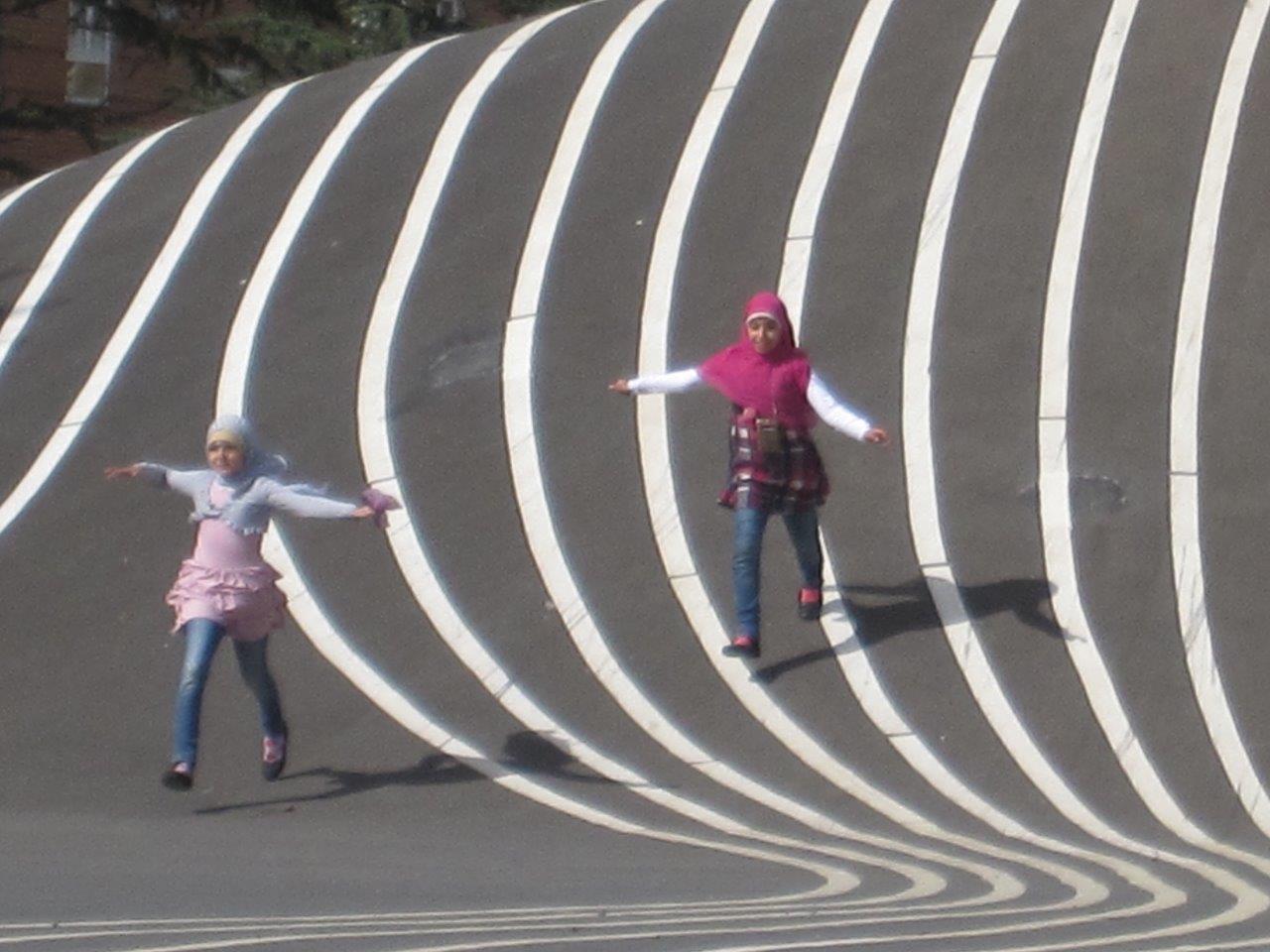
I happened to arrive around 4 in the afternoon, which is the perfect moment to see the park in its full glory with playing kids just out of school and people cycling home after a working day.
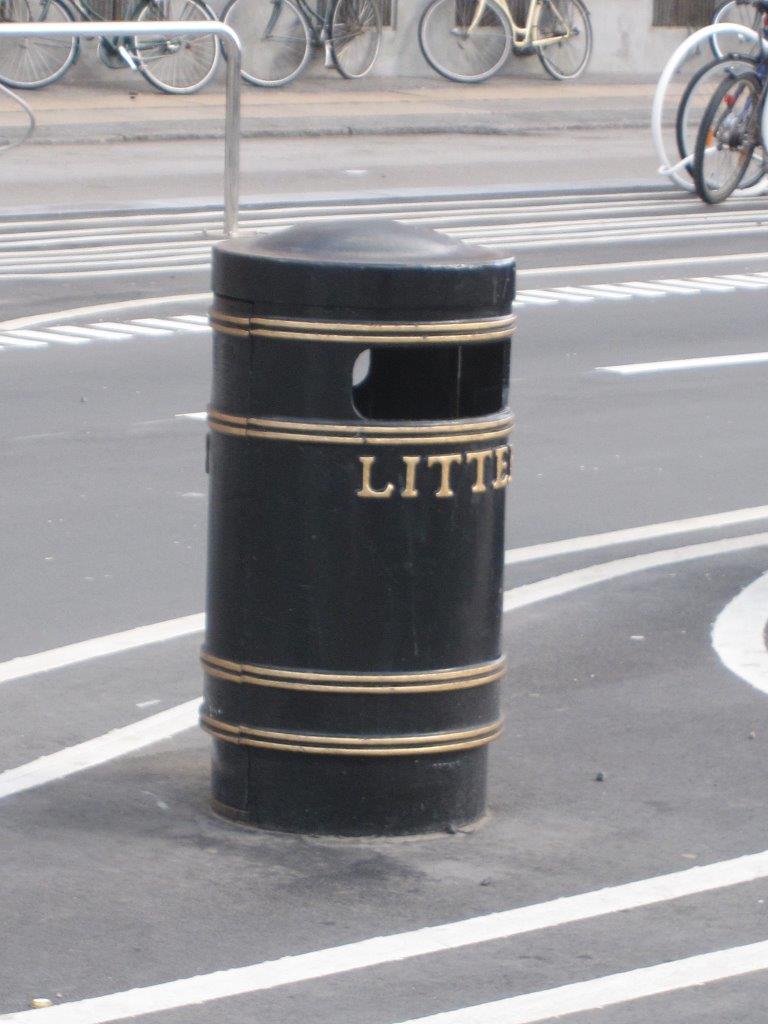
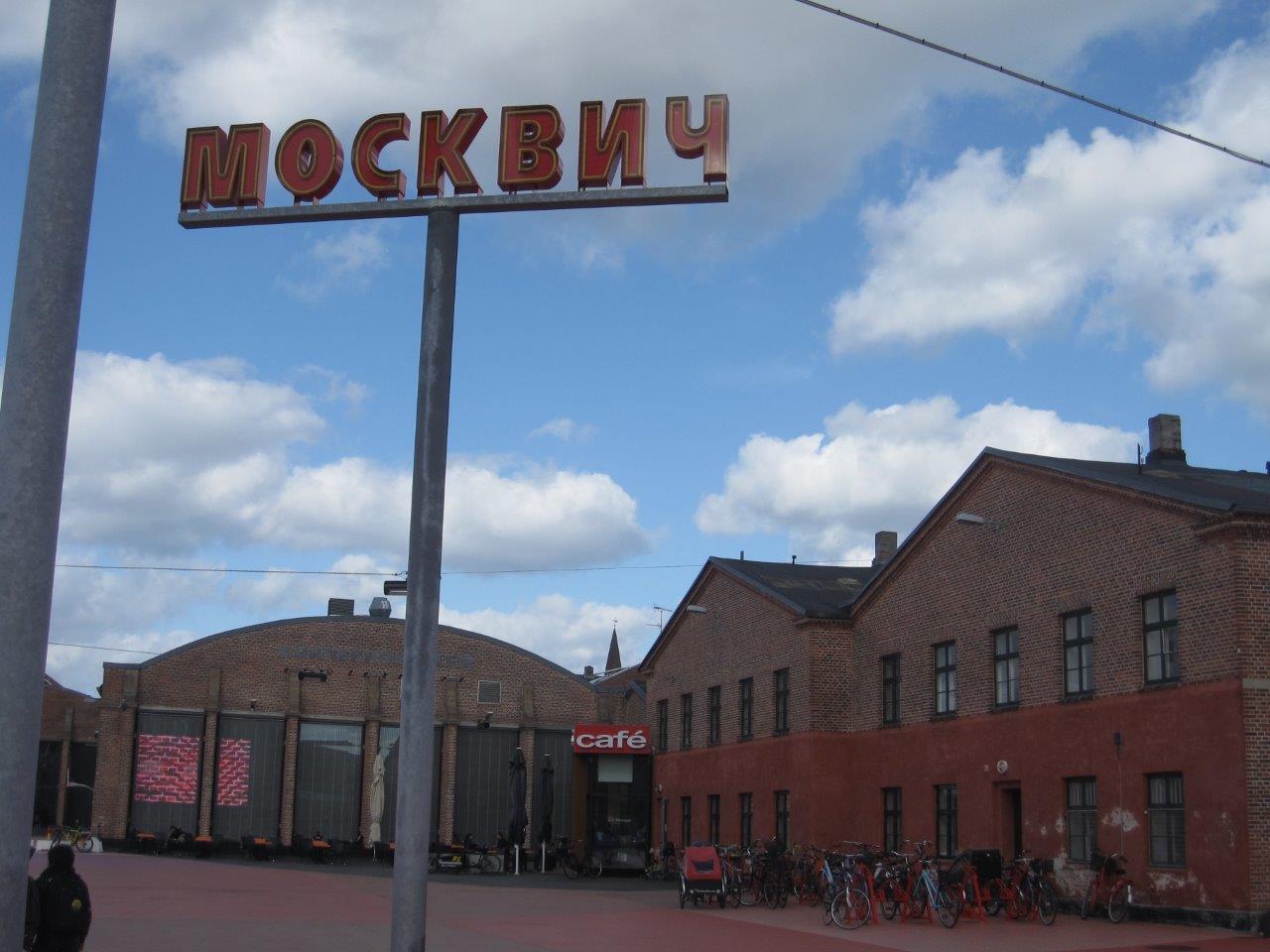
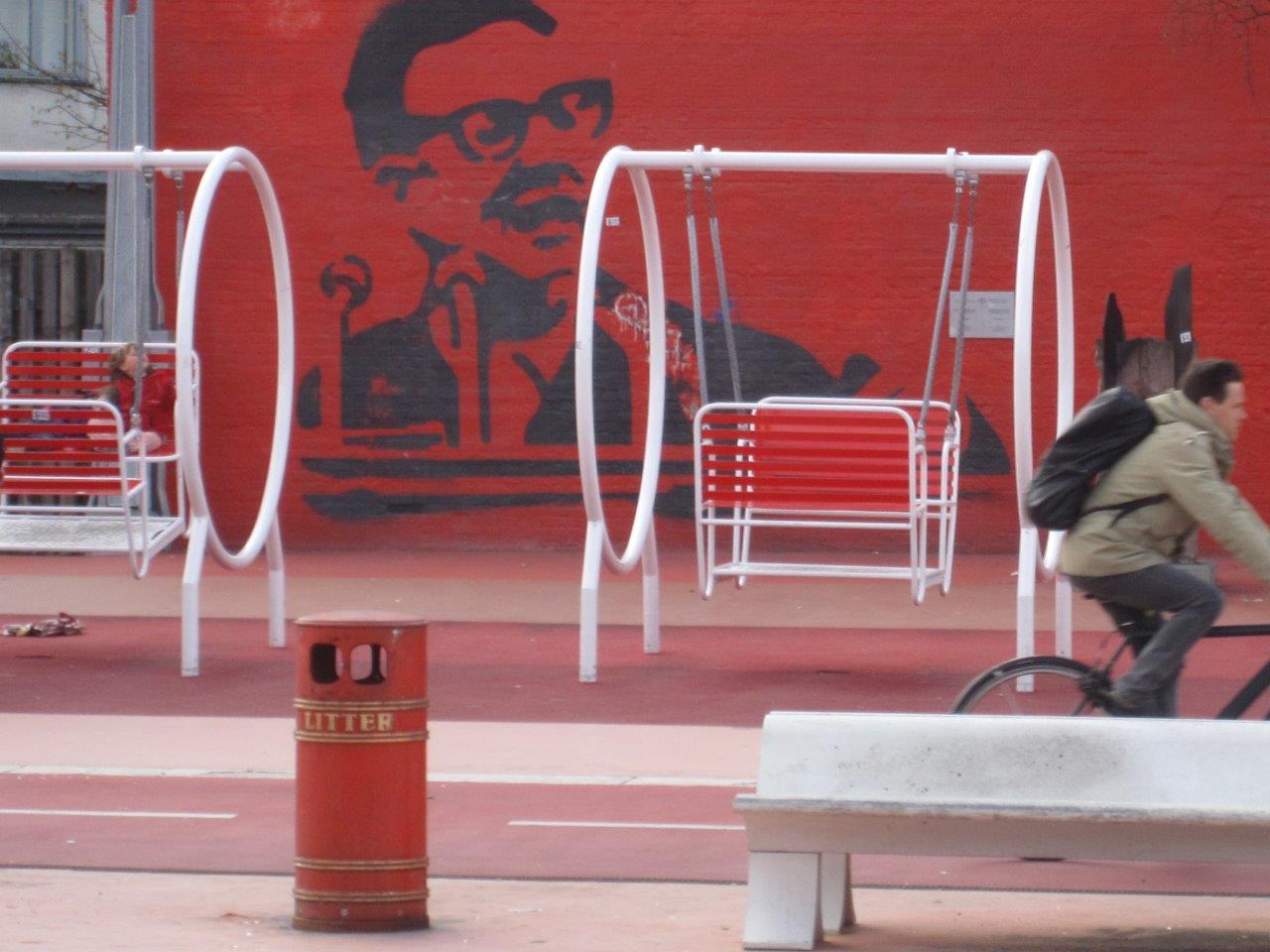
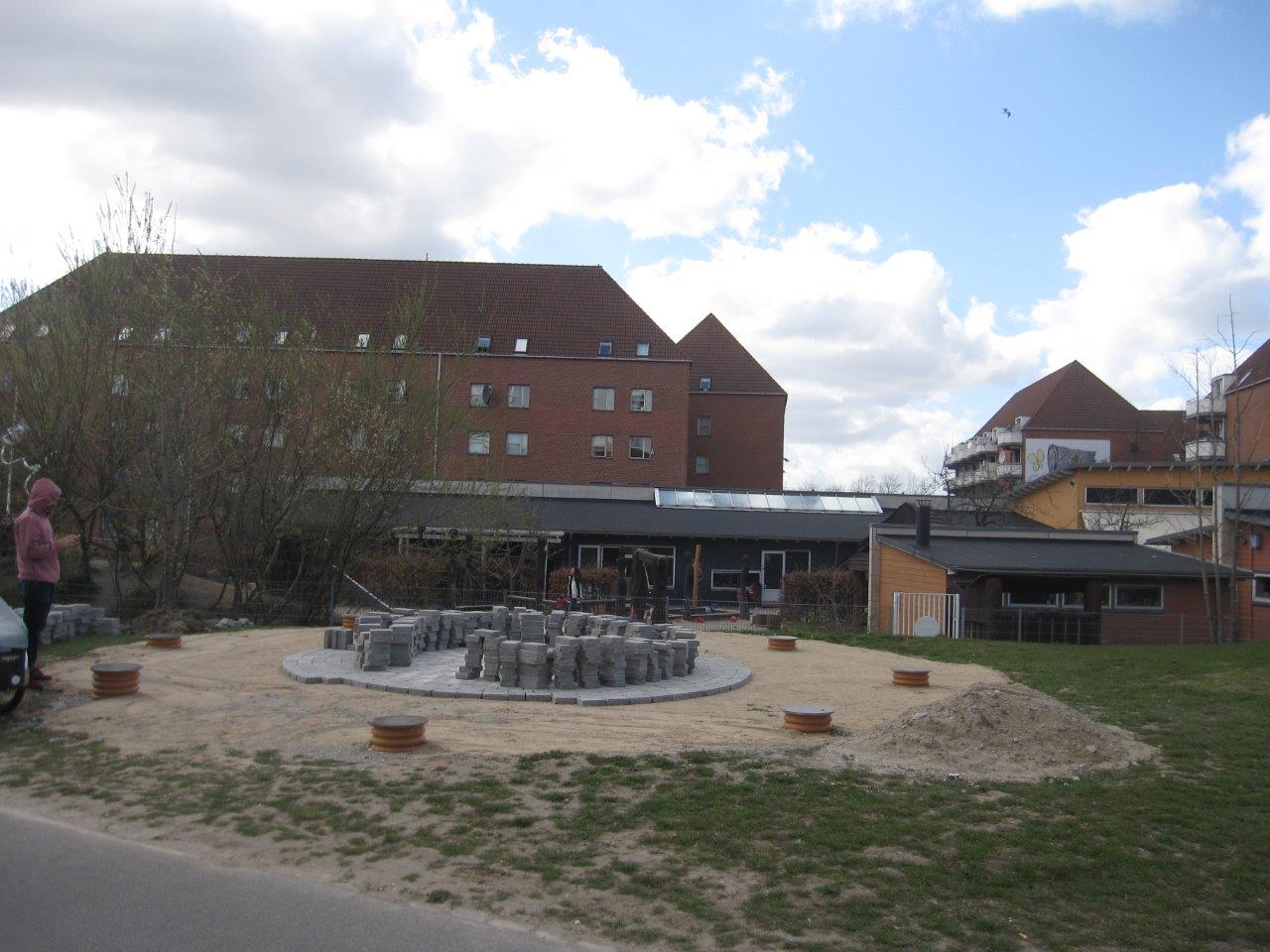
Many of the objects in the park have been specially imported or copied from foreign designs. They include swings from Iraq, benches from Brazil, a fountain from Morocco and litter bins from England. There are neon signs from throughout the world advertising everything from a Russian hotel to a Chinese beauty parlor. In all, there are 108 plants and artifacts illustrating the ethnic diversity of the local population.
THE RED SQUARE – MARKET/CULTURE/SPORT
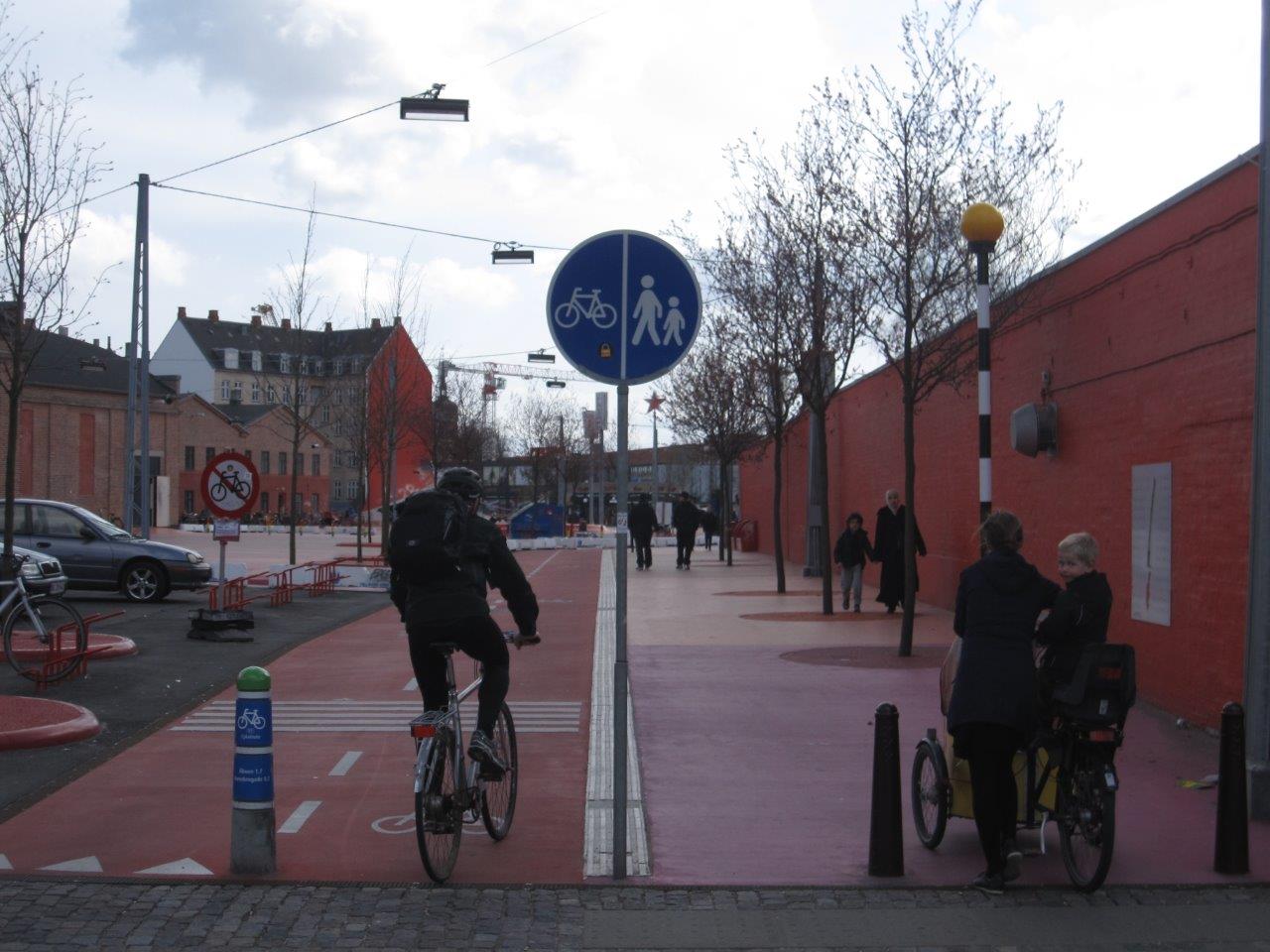
The red square, painted bright red, orange and pink, focuses on recreation and modern living.
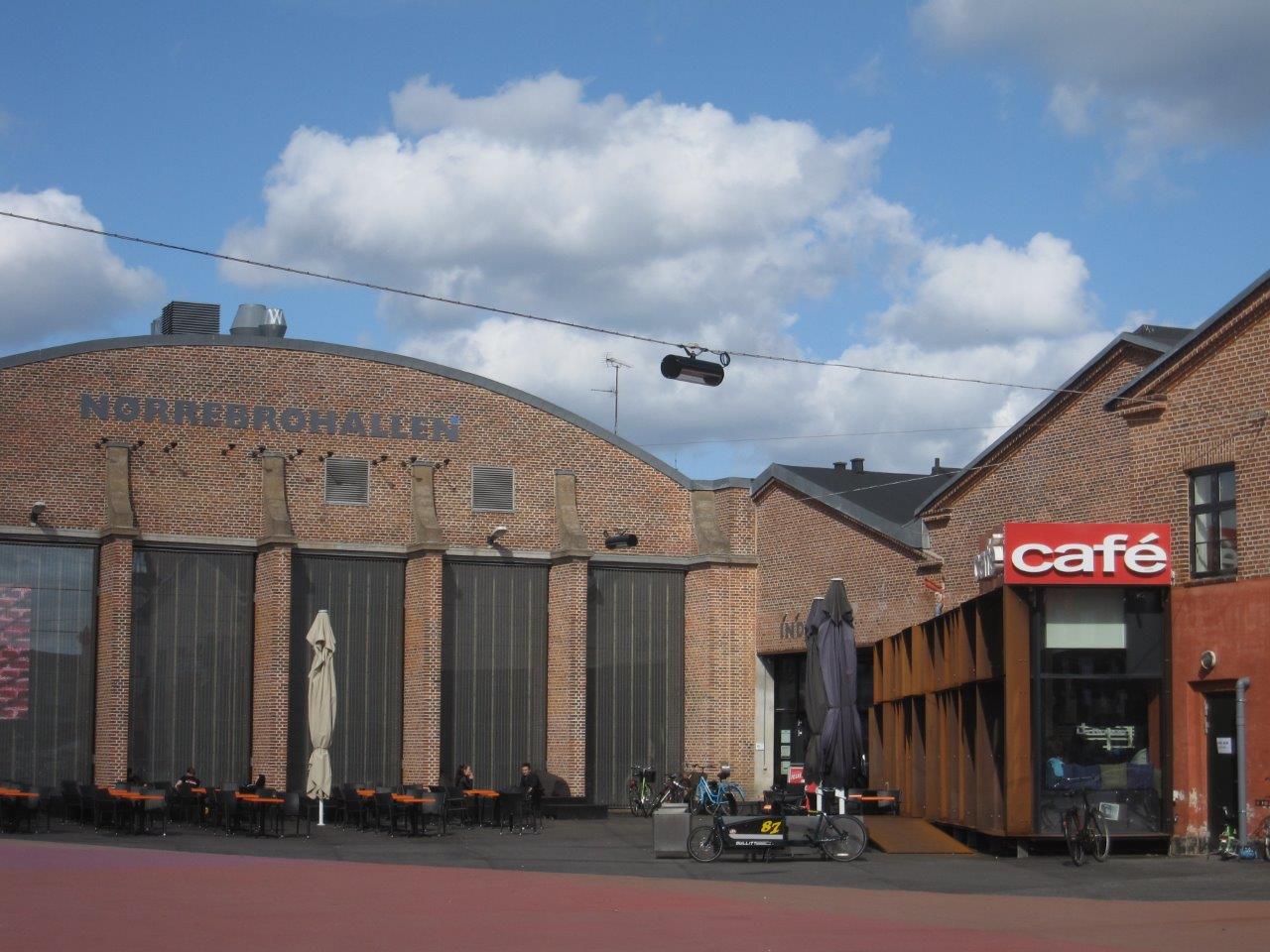
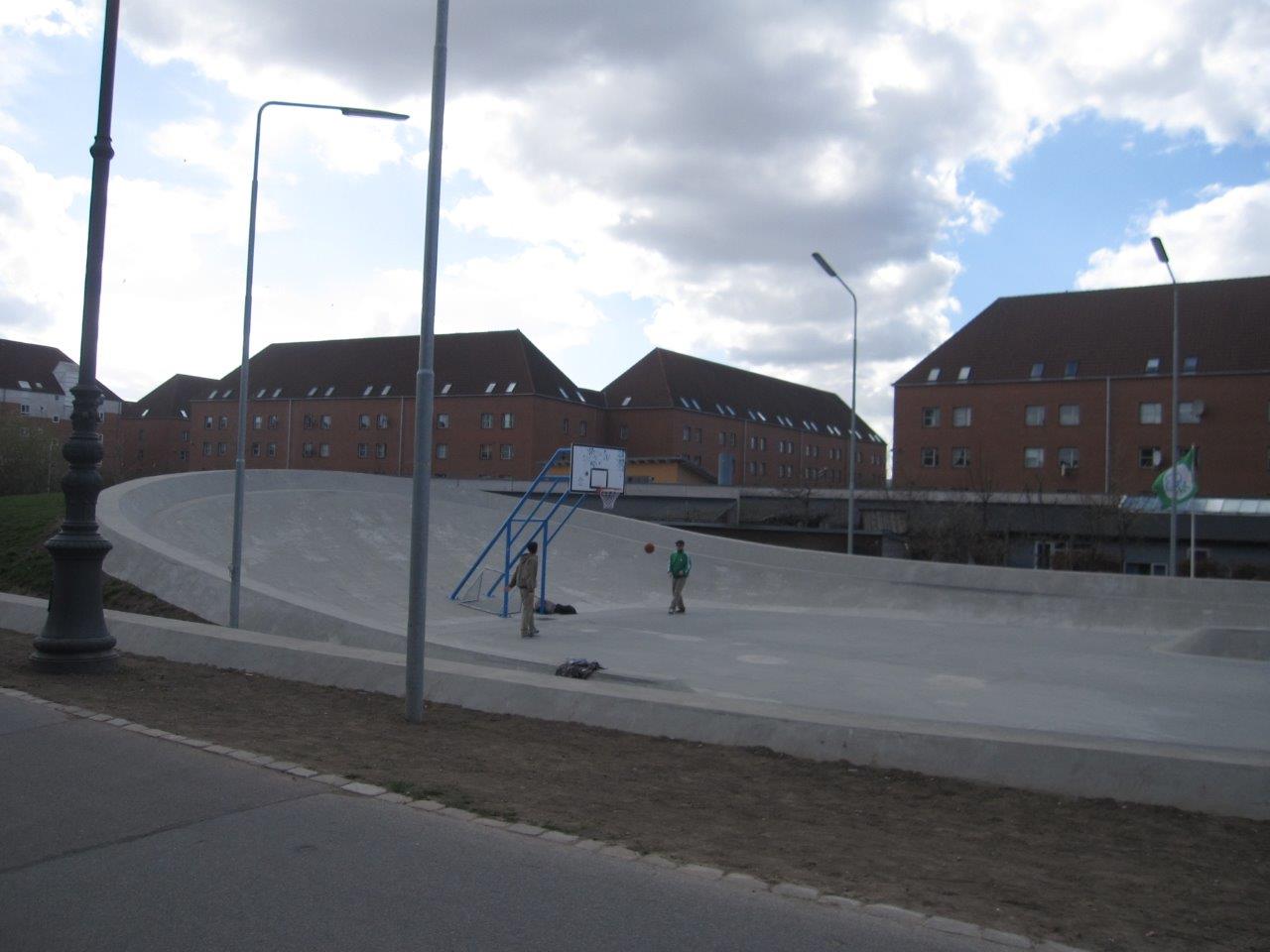
As an extension of the sports and cultural activities at the Nørrebrohall, the Red Square is conceived as an urban extension of the internal life of the hall. A range of recreational offers and the large central square allows the local residents to meet each other through physical activity and games.
The colored surface is integrated both in terms of colors and material with the Nørrebrohall and its new main entrance, where the surface merges inside and outside in the new foyer.
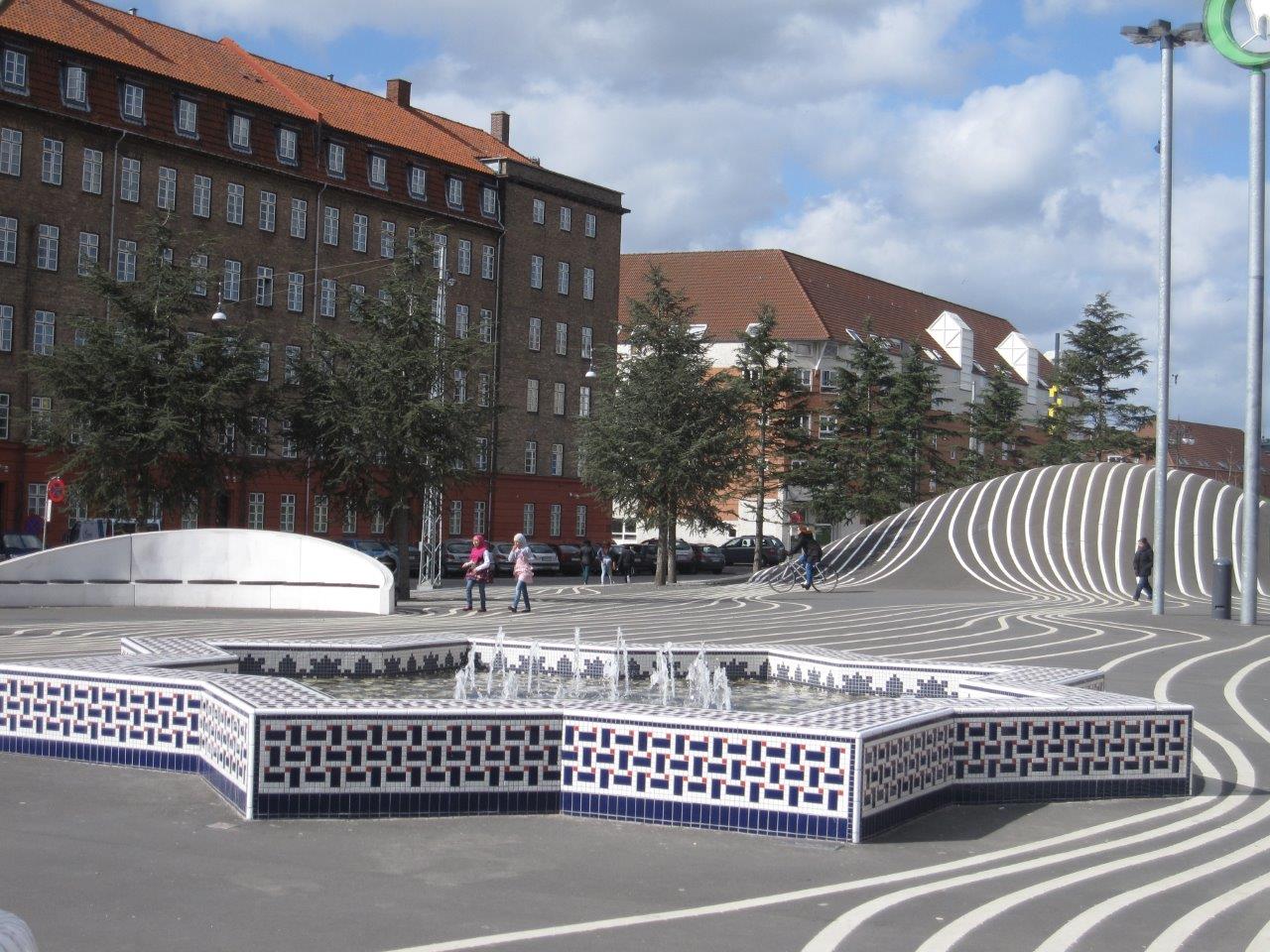
THE BLACK SQUARE – URBAN LIVING ROOMThe black market at the centre is the classic square with a fountain where neighbors can meet, with its barbecue grills and palm trees from China.
Mimers Plads is the heart of the Superkilen Masterplan. This is where the locals meet around the Moroccan fountain, the Turkish bench, under the Japanese cherry-trees as the extension of the area’s patio. In weekdays, permanent tables, benches and grill facilities serve as an urban living room for backgammon, chess players etc.
THE GREEN PARK – SPORT/PLAYThe green park, literally entirely green, has rolling hills, trees and plants suitable for picnics, sports and walking the dog.
The activities of the Green Park with its soft hills and surfaces appeals to children, young people and families. A green landscape and a playground where families with children can meet for picnics, sunbathing and breaks in the grass, but also hockey tournaments, badminton games and workout between the hills.
CONNECTIONS
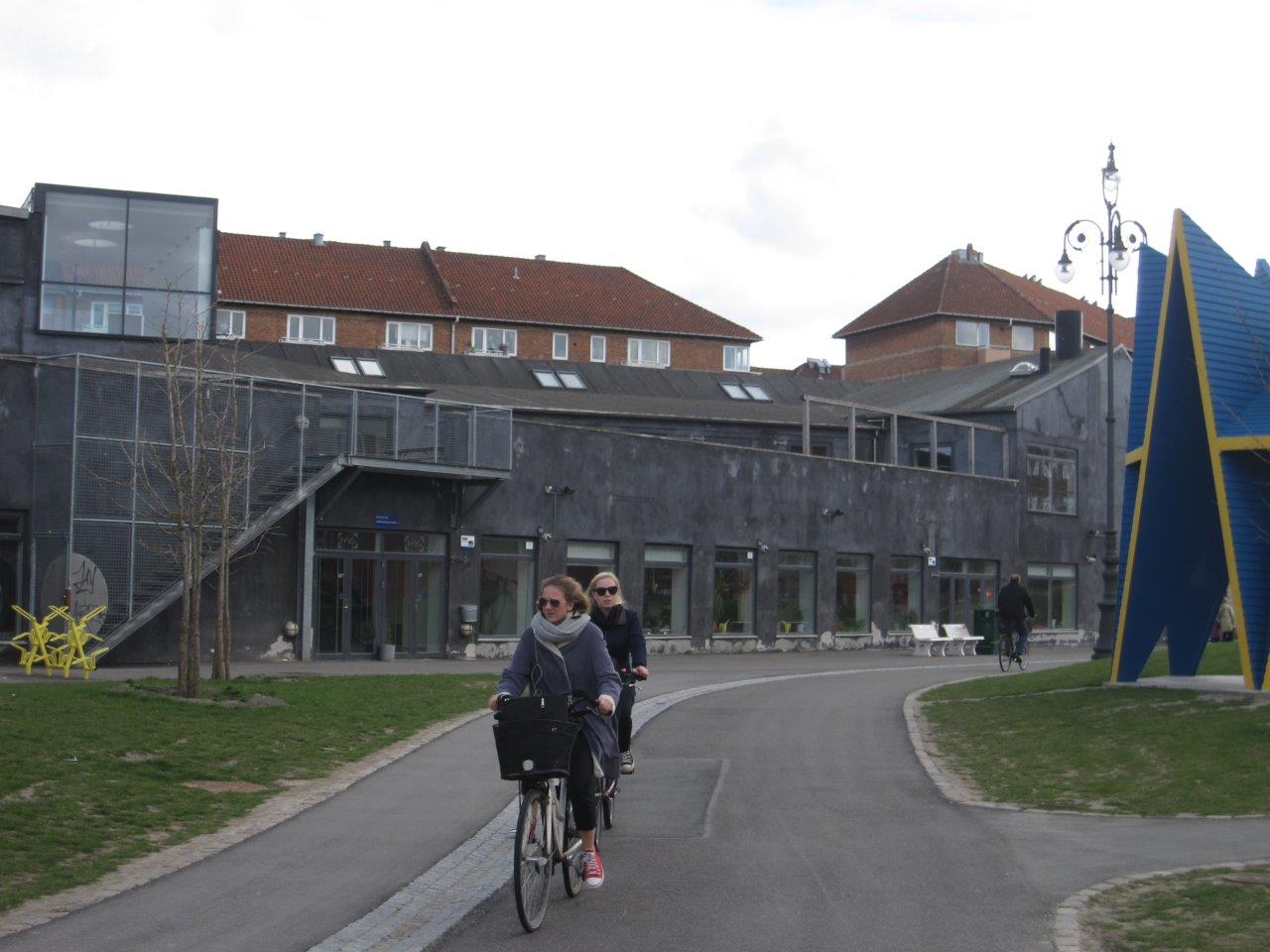
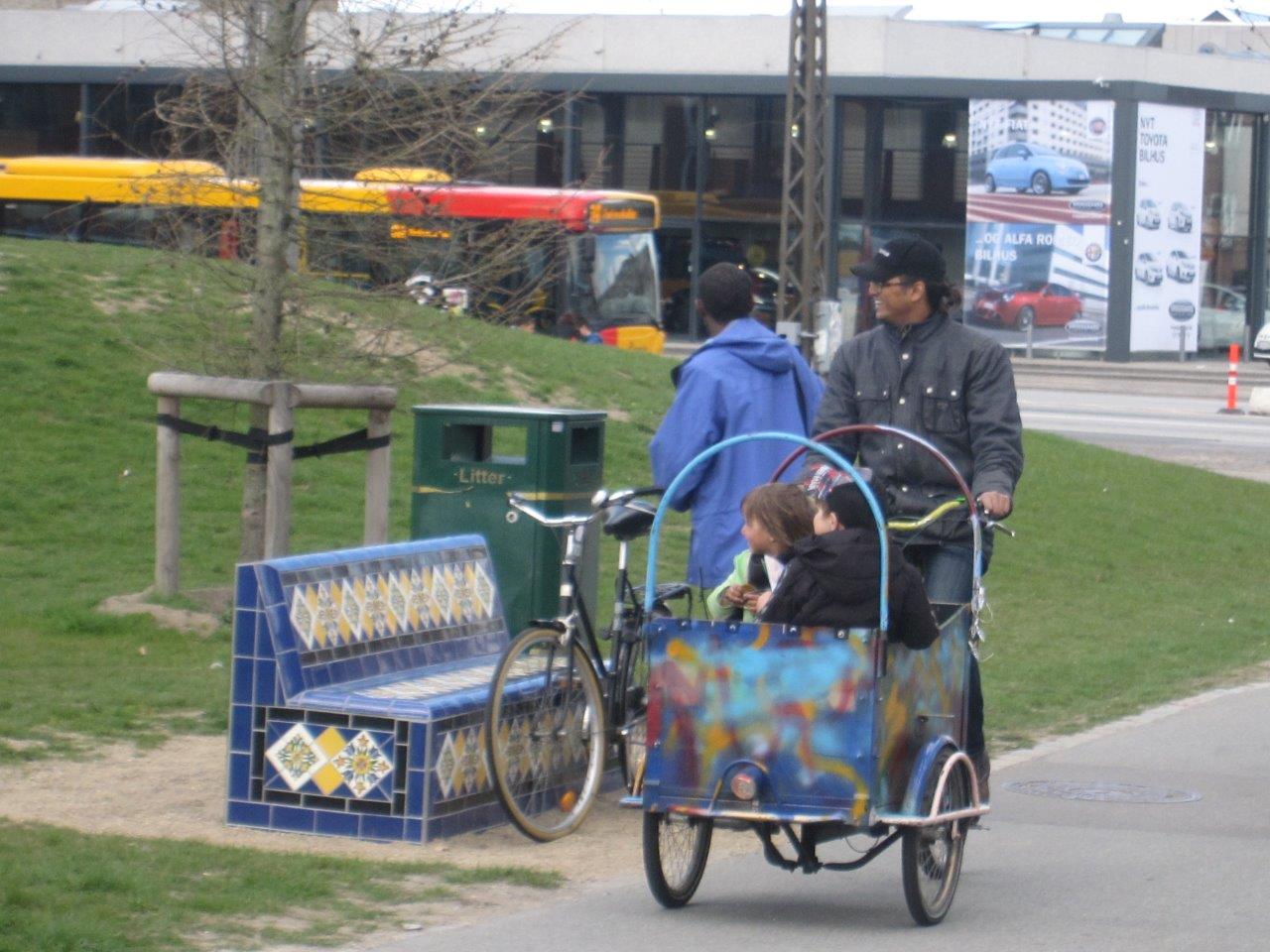
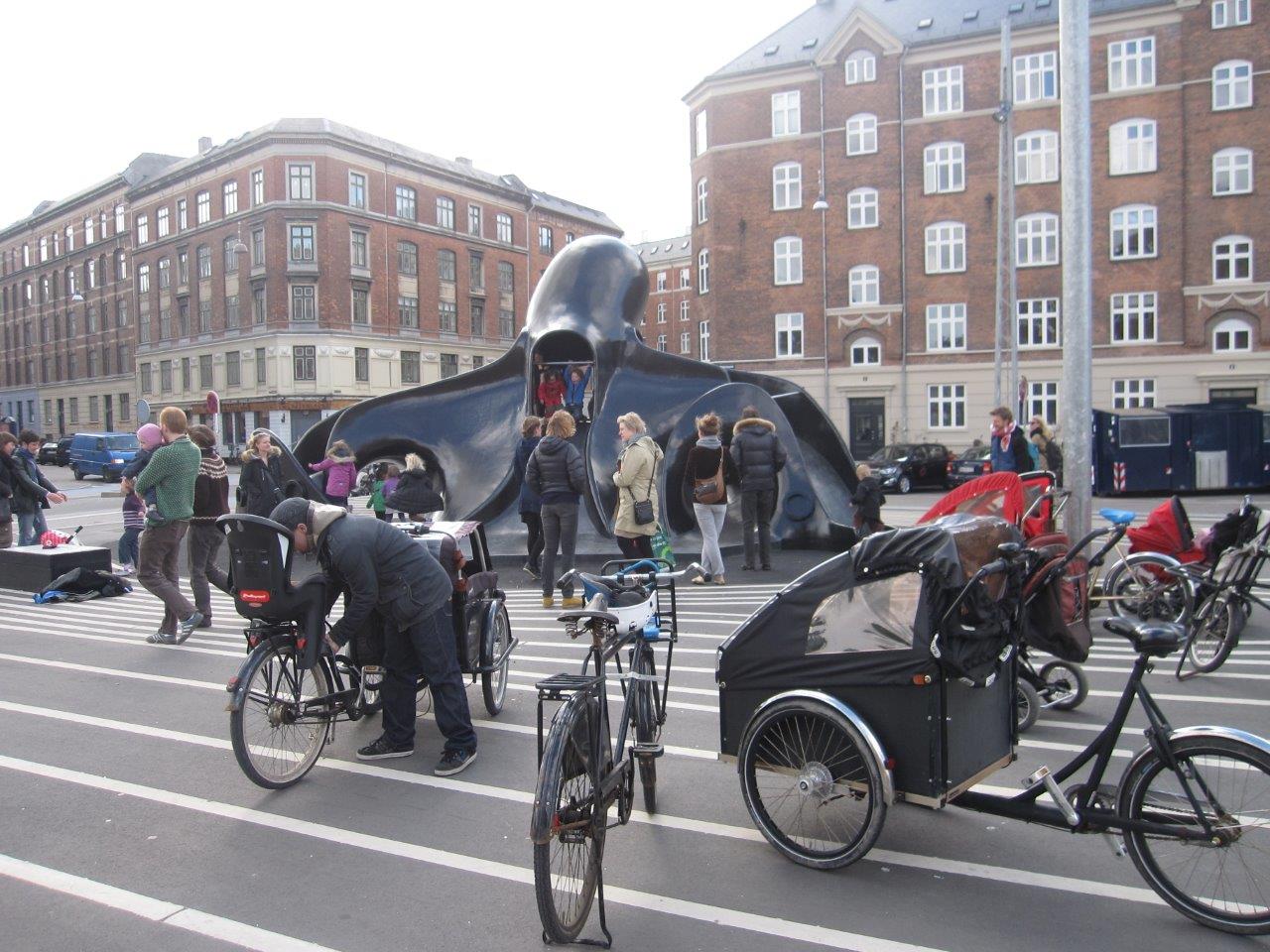
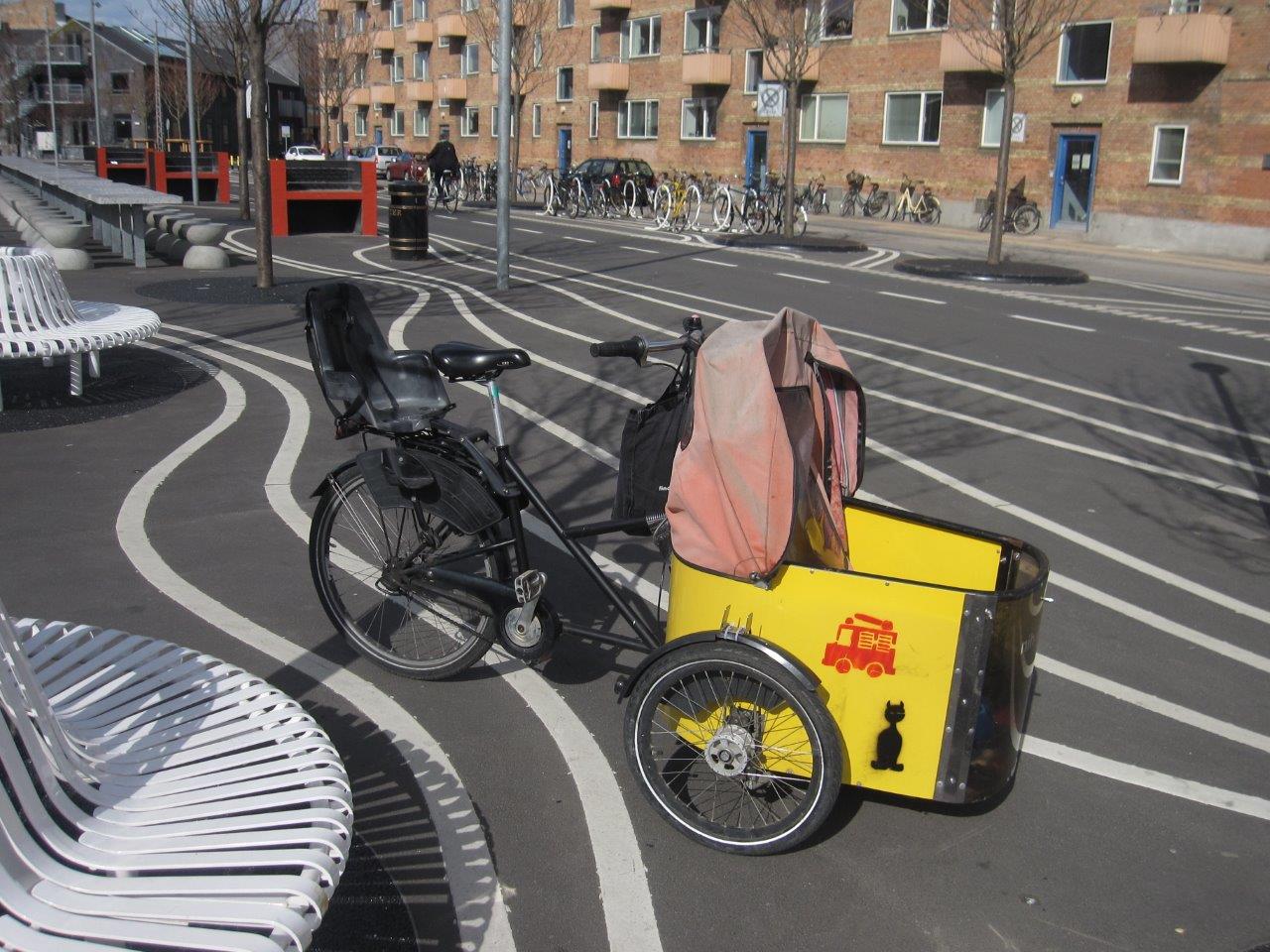
Public transport in Copenhagen is extremely well organised and this sustainable city seems to be a bike paradise. The well-used bike lanes give a fascinating overview of existing bike transport possibilities.
COLOURED COPENHAGEN






Cities of Tomorrow | Action Today
Join us at the launch of the URBACT thematic reports “Cities of Tomorrow: Action Today” !

- The Future in Shrinking Cities
- More Jobs: Better Cities
- Supporting Urban Youth Through Social Innovation
- Against Divided Cities in Europe
- Motivate Mobility Mindsets
- Building Energy Efficiency in European Cities
View original post 145 more words

The architects chamber of Milan has published the fourth call for projects of the Ugo Rivolta European Architecture Award.
In order to participate to the Ugo Rivolta social housing award projects have to be completed between January 2008 and December 2012 in the territory of the EU countries and Switzerland. Social housing residences can be built on the initiative of both public and private sector. They have to provide decent housing to middle and lower income people with clear rules of assignment, addressing a demand for housing that does not find answers in the free market.
Full members of the jury will be: a component of Zanderroth Architekten (Germany), winners of the last edition, Bart Lootsma (Netherlands), Stefano Guidarini (Italy), Giordana Ferri (Italy) and Alessandro Maggioni (Italy). Substitute jury members will be Orsina Simona Pierini (Italy) and Camillo Magni (Italy).
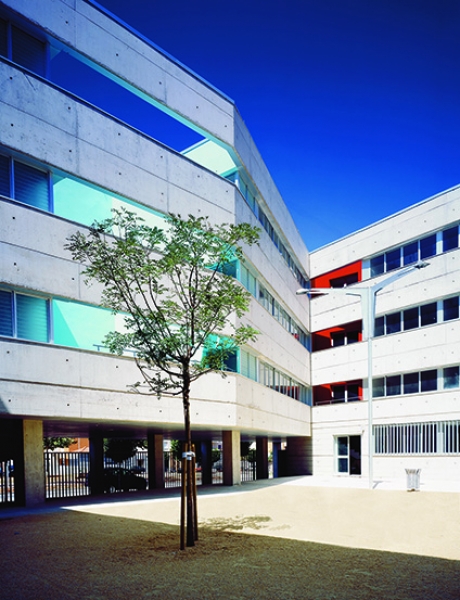 The first edition took place in 2007 and was awarded to Spanish architect Guillermo Vázquez Consuegra, for the realization of a “Housing complex in Rota” Cadiz (Spain).
 The second edition in 2009 saw already the participation of forty-two projects from twelve European countries. It was awarded to the Hungarian architects Kis Péter and Valkai Csaba, for the realization of “Prater Street Social Housing” in Budapest.
 The third edition of the Award, in 2011, was awarded to the German architects Sascha Zander and Christian Roth (Zanderroth Architekten), for the realization of the ‘complex BIGyard, in Berlin.
Submission for the first phase can be done online on the dedicated webpage no later than Friday 28th of June 2013 ( 18.30!)
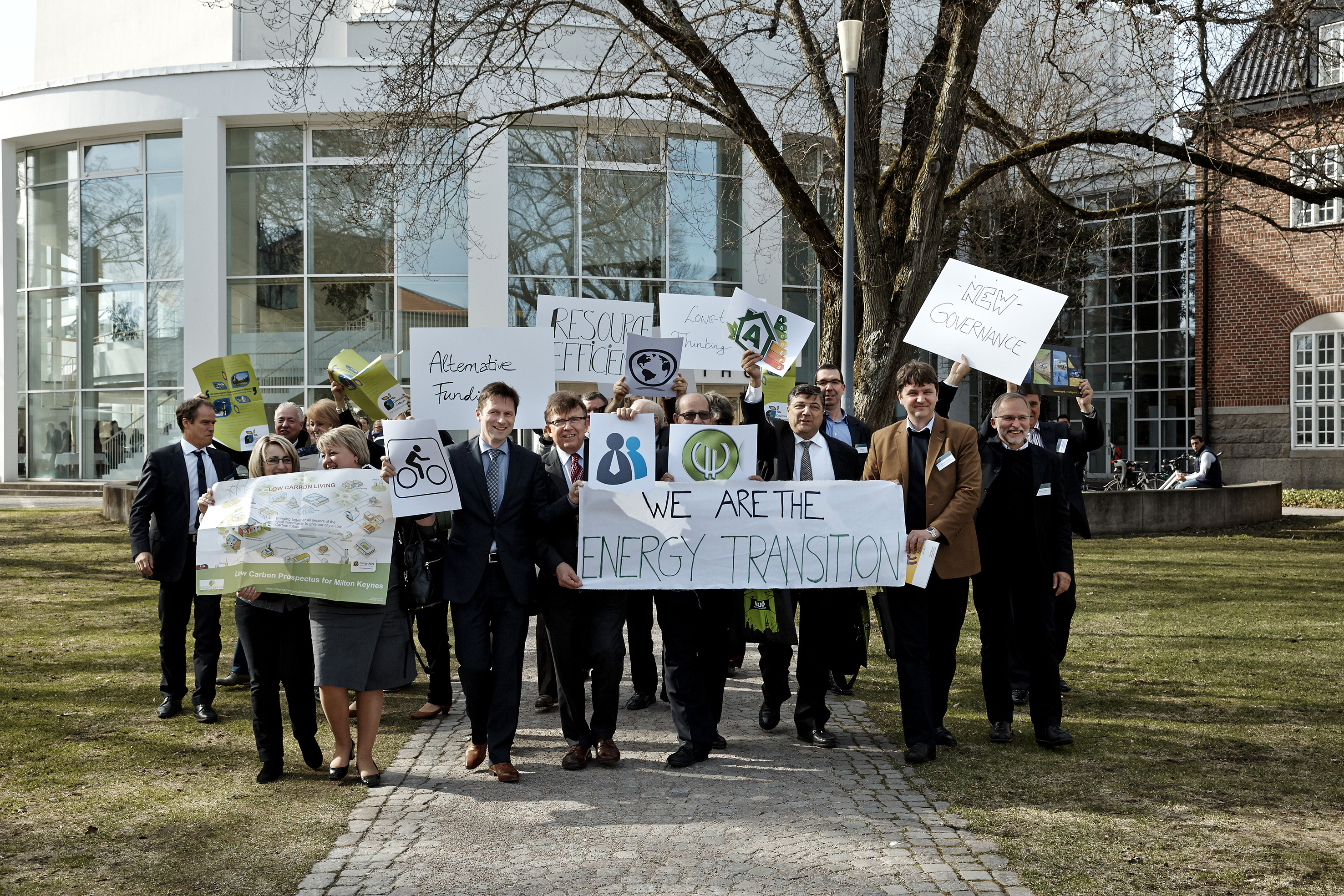
Mayors of Energy Cities, European cities engaged in the energy transition
Since its establishment in 1990 Energy Cities provides advice to cities on how to improve their energy profile, at the same time making pressure at national and European level for coherent and stringent policy framework. This year the Annual rendez-vous focused on “Building the Energy Transition”.
The event was co-organised with the City of Växjö and the association of Swedish municipalities, counties and regions actively working to reduce CO2 emissions (Klimatkommunerna) in collaboration with Linnaeus University.
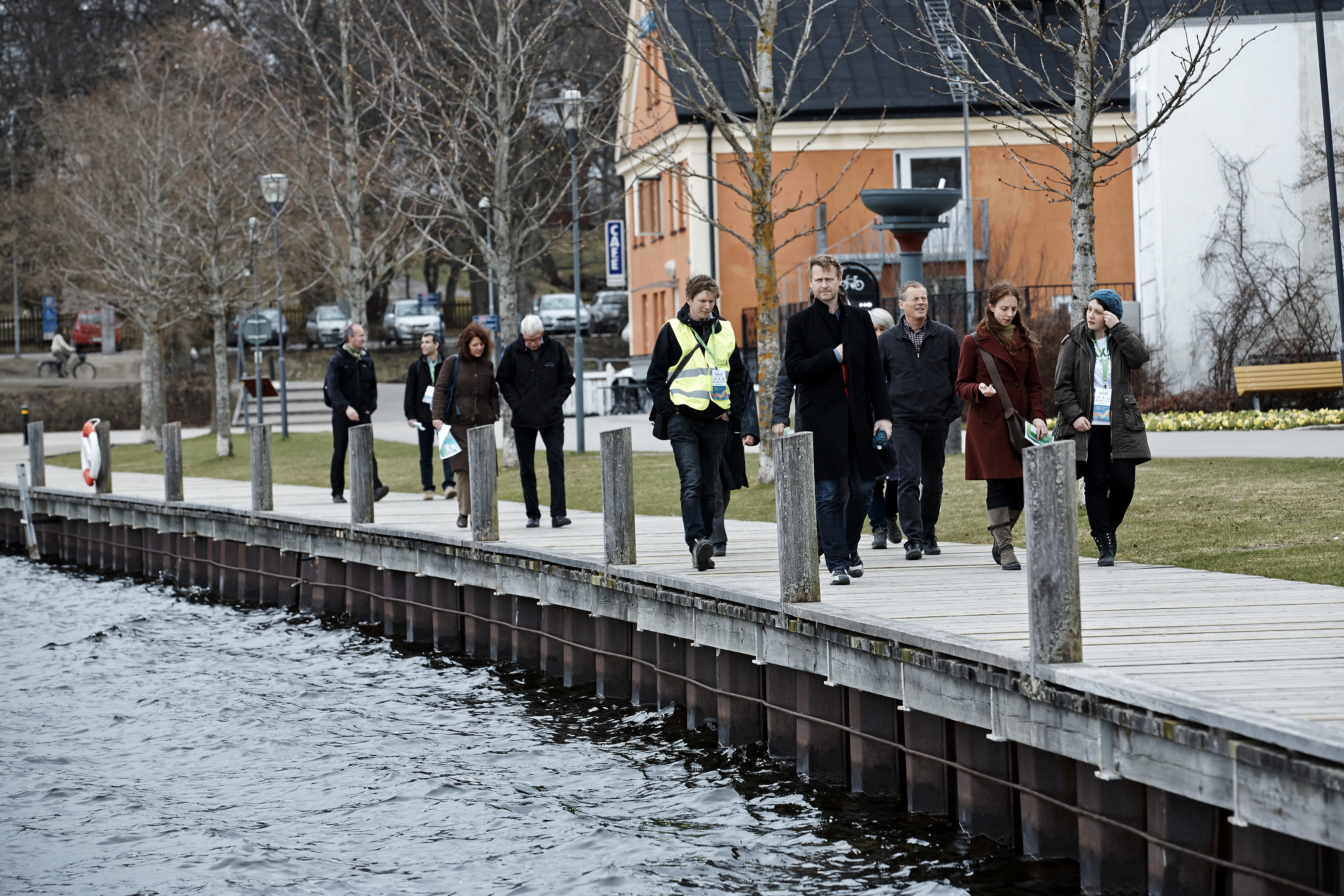
I was invited to bring the findings of the URBACT projects dealing with energy efficiency and those of the workstream Building energy efficiency in European cities to the Annual rendez-vous, which took place in Växjö, Sweden on the 24th-26th of April.
Now that all presentations, photos and even videos of the conference are online I would like to summarize a few messages from the conference and the key points of my interventions, just in case you won’t have time to see the full 53′ video!
A Few Days in Växjö: One of the Greenest Cities in Europe
Växjö has taken very seriously the article published in 2007 in the British newspaper Independent, in which it was defined as “Europe’s greenest city” where “even its power plant smells more like a sauna”. In fact the municipality of the 85.000 inhabitants city in the southern Swedish region of Småland started already in the early 90es its sustainability path, that brought to the adoption of the Agenda 21 strategy in 1999. That document was then replaced in 2006 by the Environmental Programme for City of Växjö, reviewed and re-confirmed in 2010.
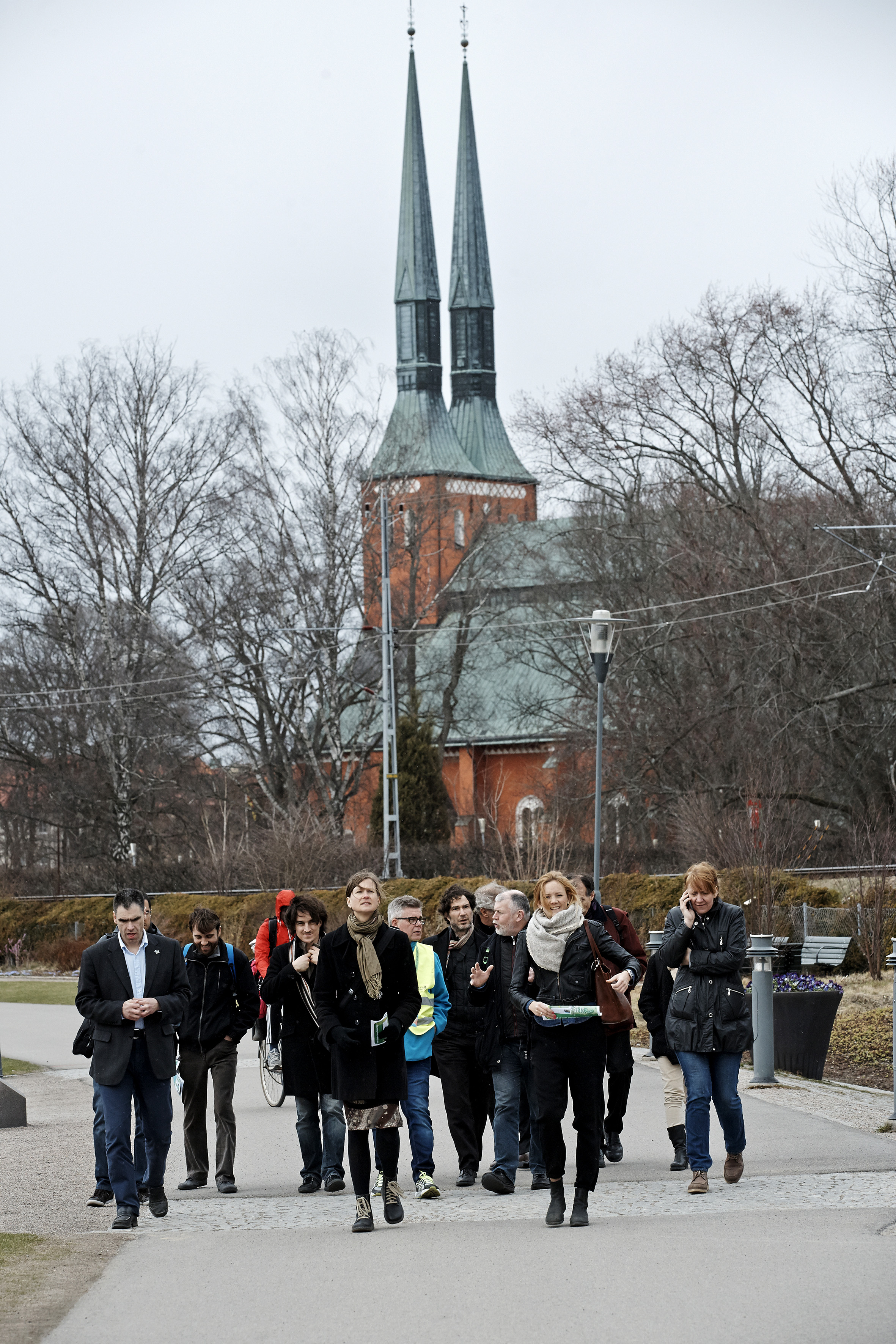
In 2011 the city announced to have reduced CO2 emission per inhabitant by 41% from 1993. The next step is to reach a reduction of 55% by 2015 and ultimately to become fossil fuel free by 2030. For this reason Växjö was the ideal location for the annual meeting of the members of “Energy Cities”, the European association of local authorities inventing their energy future or, since a few days, the European Association for local authorities in energy transition.
How Can Cities Promote Energy Efficiency in the built environment”
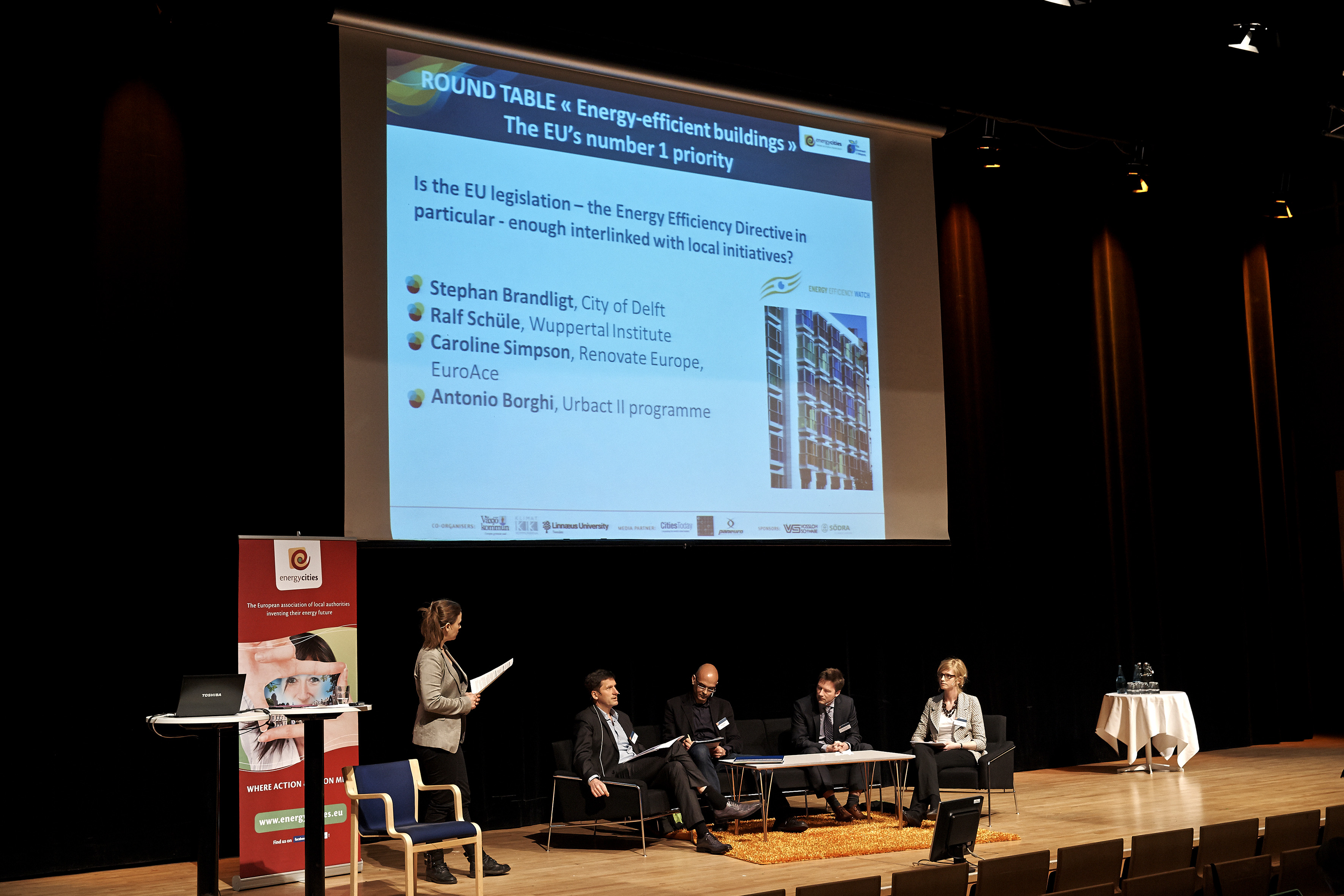
On the first day of the conference, right after the opening, I took part to the roundtable dedicated to EU priority number one: energy efficiency of buildings together with Caroline Simpson (Renovate Europe Campaign), Stephan Brandligt (City of Delft) and Ralf Schüle (Wuppertal Institute). The roundtable was moderated by Maria Wetterstrand, a very young but already very experienced Swedish politician.
As it happens when conferences are well organised I received a paper with the key points to be discussed a couple of weeks in advance so that I could prepare the contribution on time. However the tight framework and lively debate has made necessary to focus on just a few aspects.
Is energy efficiency priority number one for European cities?
Since its inception URBACT advocates for integrated approaches to urban policies. In fact, when dealing with energy efficiency at the last annual conference in Copenhagen we organised four parallel sessions dedicated to the key aspects of promoting energy efficiency in the built environment, which are:
a) Stimulating demand and qualifying offer, providing orientation in the market;
b) Tackling fuel poverty reducing the energy bill;
c) Providing sustainable finance to bridge the gap between initial investment and future return;
d) Solving the conflict between heritage and energy efficiency with high quality design tools.
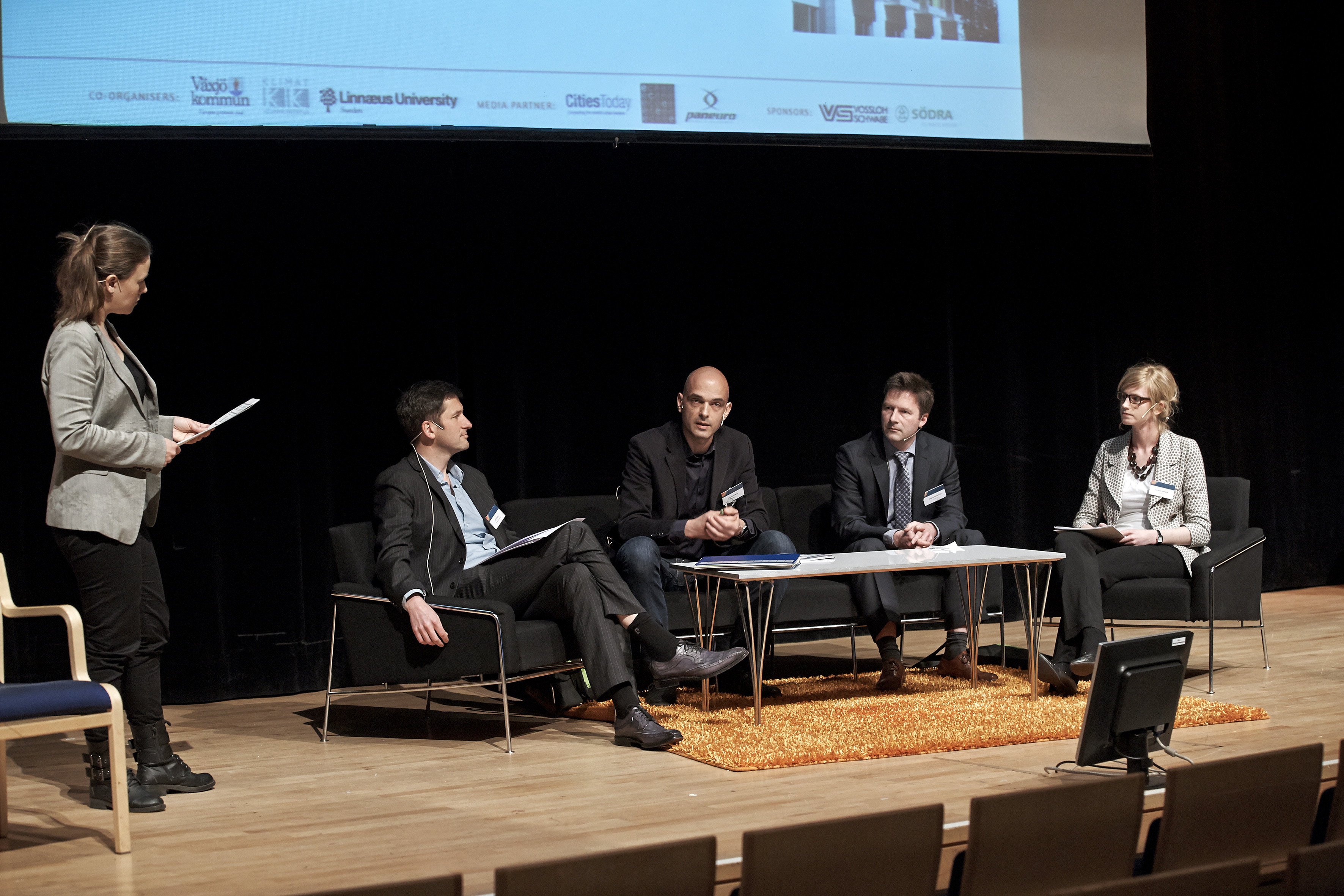
How can cities implement the Energy Performance of Buildings Directive from the European Commission?
It is well known that many countries face great difficulties with the implementation of the Energy performance of buildings Directive (EPBD). Working intensively with more than 500 cities, URBACT has the possibility to monitor their needs and potentials, channel them to the European policy making level and try to improve vertical governance processes. The experience within the LINKS Network (Future-proof historic centres) has shown that prescription of severe energy performance standards has worked well to reduce consumption of new buildings. But now that the focus has shifted to the retrofitting of the existing stock a more flexible and open approach is needed.
What is your position as regards to the energy renovation rate of “3% buildings owned and occupied by central governments” included in the recently approved Energy Efficiency Directive?
This topic is a little away from the scope of work of URBACT cities so I expressed my view as architect, urban policy advisor and… European citizen. In my opinion this is a rather unclear prescription: how many buildings will be involved in each country? Which impact will this measure have? In which timeframe? It sounds like a compromise at the lowest possible level, produced by the common prejudice that getting energy efficient is a kind of punishment, and not something we should naturally strive for. Energy efficiency is not a deprivation but a smart adaptation to improve our lives! And the public sector should lead by example!
What are the results of the European regulations on Energy efficiency?
A good balance should be found between binding measures (the stick) and voluntary approaches (the carrot). The URBACT experience shows that it is key to promote voluntary approaches, such as the Covenant on Mayors (Link), and to provide incentives and support to the municipalities on their own way towards energy transition. Binding measures should provide the right framework at European and national level, but experience shows that they will not be sufficient if local authorities are not willing to embrace the energy transition.
How can we guarantee reasonable a payback time for those who invest in energy efficiency?
Also this question is very complex and need a specific financial expertise, but there is something that should be made clear. When calculating the payback time we cannot only consider the short term economic benefit provided by the energy savings. A deep energy renovation of a building (or even better of a whole neighbourhood) provides a broad range of benefits that need to be taken into account. It increases the value of the asset prolonging its life span; it brings health benefits to the occupiers; it provides benefits to the neighbourhood improving its image and promoting healthier lifestyles; it contributes to reduction of CO2 emissions bringing benefit to the whole community; it creates local jobs and activates the local supply chain; it stimulates technological and social innovation and so on. Of course all these benefits are difficult to be quantified, but they need to be considered in the when financing a retrofitting scheme.
Cities of Tomorrow: Action Today!
As Maria Wetterstrand has underlined in her conclusions, cities and citizens should not wait for the politicians at national or European level to start transition to a low carbon economy. Decisions at the highest level are often just a compromise, the “lowest common denominator”.
The success of the city of Växjö, whose green economy is rapidly growing, attracting new enterprises and inhabitants, show that cities of tomorrow need action today!
This article has been edited by Ségoléne Pruvot and published first on the URBACT Blog. Photos by Mats Samuelsson.

Congratulations to the international design team of the Harpa – Reykjavik Concert Hall and Conference Centre! Sigurður Einarsson of BATTERÍID ARCHITECTS, Peer Teglgaard Jeppesen and Osbjørn Jacobsen of HENNING LARSEN ARCHITECTS and artist Olafur Eliasson are the winners of the 2013 edition with the following motivation:
Harpa’s crystalline structure was inspired by Icelandic landscapes and traditions. Its dramatic design captures and reflects the light of the city, ocean and sky to thrilling effect. Peer Teglgaard Jeppesen, of Henning Larsen Architects, said: “On behalf of the team I would like to thank the European Commission and the Fundació Mies van der Rohe for this award. We are immensely honoured. Harpa is the result of collaborative process that has involved many people and with their efforts, strong commitment and drive Harpa has become a symbol of Iceland’s renewed dynamism.”
Wiel Arets, Chair of the Jury, said: “Harpa’s iconic and transparent porous quasi brick appears as an ever-changing play of coloured light, promoting a dialogue between the city and the building’s interior life. By giving an identity to a society long known for its sagas, through an interdisciplinary collaboration between Henning Larsen Architects and artist Olafur Eliasson, this project is an important message to the world and to the Icelandic people, fulfilling their long expected dream.”
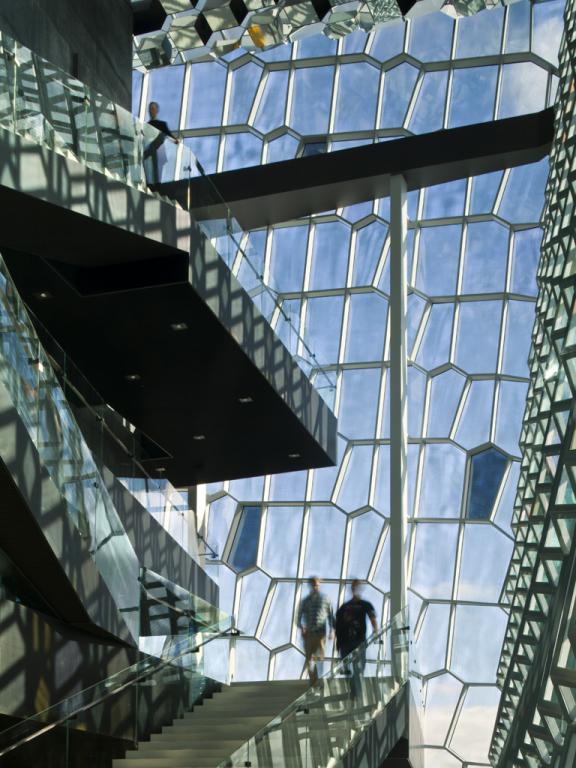
Harpa @Reykjavik | Photo © Nic Lehoux
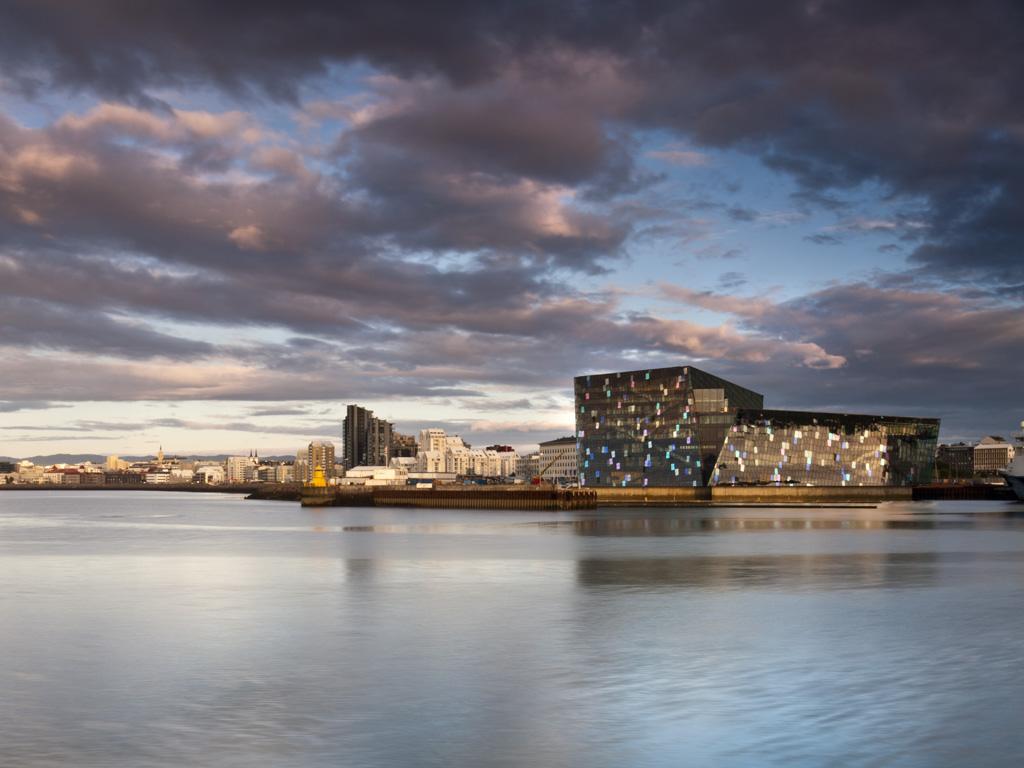
Harpa @Reykjavik | Photo © Nic Lehoux

Harpa @Reykjavik
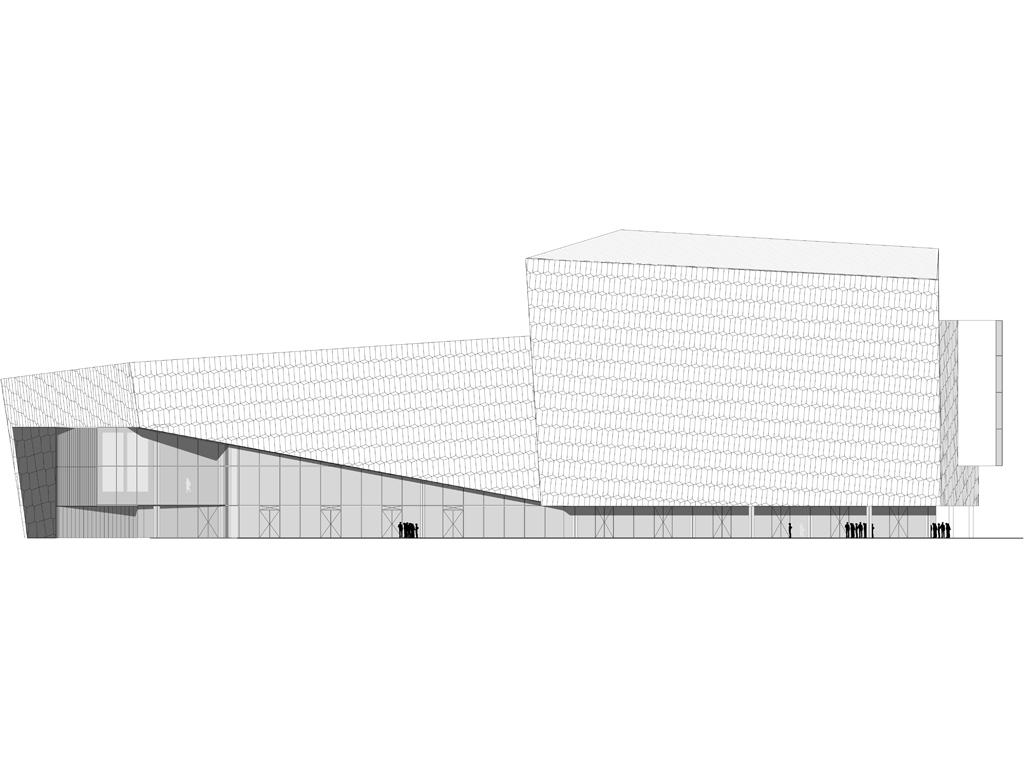
Harpa @Reykjavik

Harpa @Reykjavik | Photo © Nic Lehoux

Harpa @Reykjavik | Photo © Nic Lehoux
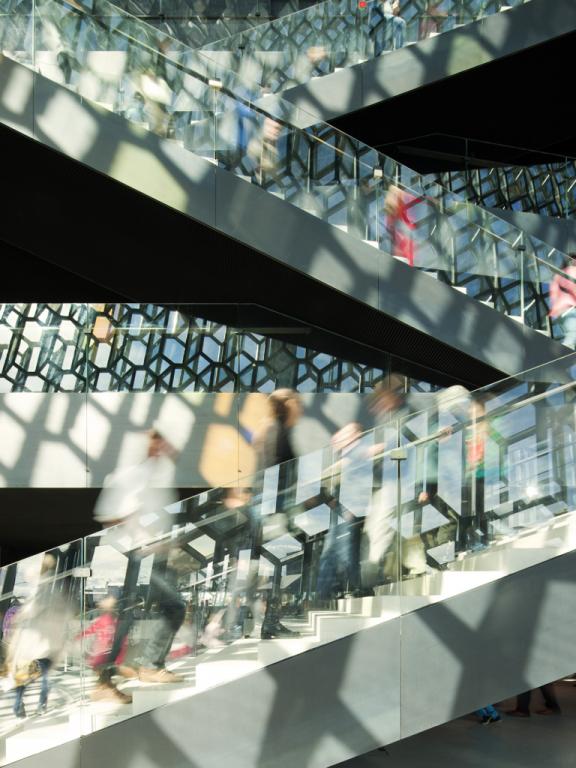
Harpa @Reykjavik | Photo © Nic Lehoux
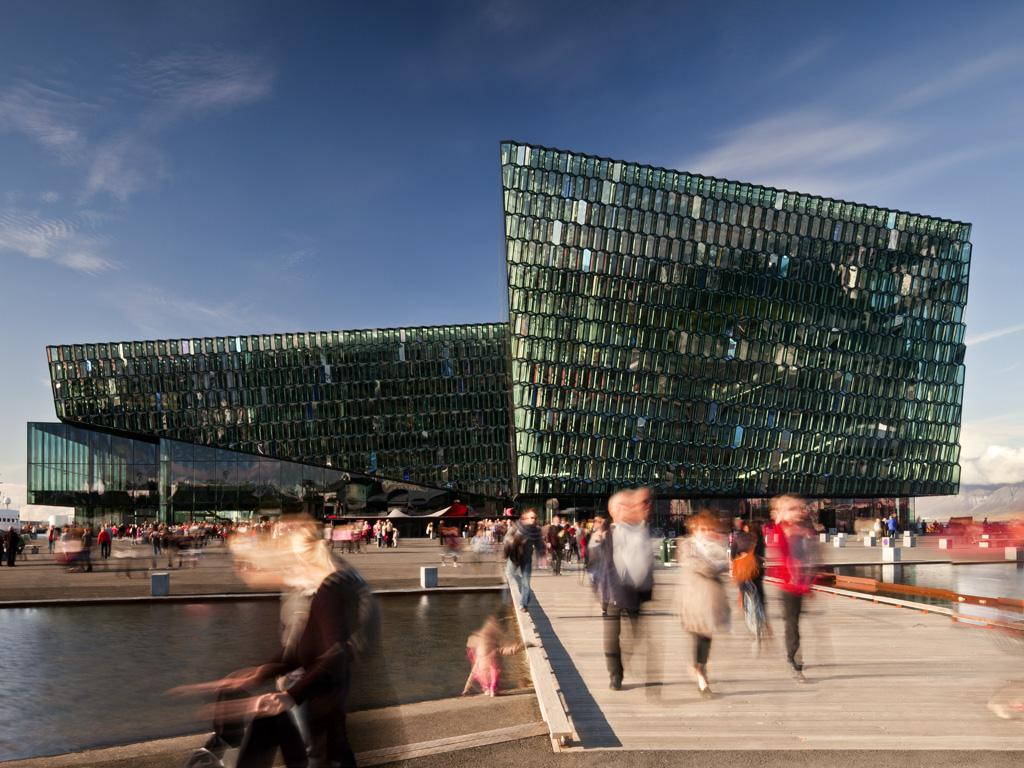
Harpa @Reykjavik | Photo © Nic Lehoux
Background
The winners were chosen from 335 submitted works in 37 European countries. Five works were shortlisted for the main award. The other finalists were: Market Hall (Ghent, Belgium by Robbrecht en Daem architecten, Marie-José Van Hee architecten); Superkilen (Copenhagen, Denmark by BIG Bjarke Ingels Group, Topotek1, Superflex); Home for Elderly People (Alcácer do Sal, Portugal by Aires Mateus Arquitectos) and Metropol Parasol (Seville, Spain by J. Mayer H).
The jury members who selected the finalists for 2013 are: Wiel Arets, Chair of the Jury, Principal, Wiel Arets Architects, Maastricht, Dean, College of Architecture, IIT, Chicago; Pedro Gadanho, Curator, Contemporary Architecture, Museum of Modern Art (MoMA), New York; Antón García-Abril, Principal, Ensamble Studio; Louisa Hutton, Principal, Sauerbruch Hutton Architects, Berlin; Kent Martinussen, CEO, The Danske Arkitekter Center (DAC), Copenhagen; Frédéric Migaryou, Director, Architecture & Design, Centre Pompidou, Paris; Ewa Porebska, Editor-in-Chief, Architektura-murator, Warsaw; Giovanna Carnevali, Secretary of the Jury, Director, Fundació Mies van der Rohe, Barcelona.
The architecture sector is at the heart of Europe’s vibrant cultural and creative industries. It directly employs more than half a million people, as well as more than 12 million in the construction sector. Architecture is part of the cultural and creative sectors, which contribute 4.5% to the EU’s GDP.
The European Union Prize for Contemporary Architecture – Mies van der Rohe Award highlights the contribution of European architects to the development of new ideas and technologies in contemporary urban development. Launched in 1987 and co-funded by the EU Culture Programme and the Fundació Mies van der Rohe, the prize is the most prestigious in European architecture. It is awarded every other year to works completed within the previous two years. The winner receives €60 000. Works nominated for the Prize are put forward by independent experts, as well as by the member associations of the Architects’ Council of Europe, national architects’ associations, and the Advisory Committee for the Prize.
 Well Designed and Built