Costa Concordia Reloaded

Slideshow from Los Angeles Times Framework
The Los Angeles Times Framework regularly selects powerful pictures, more than news documentation, without any artist aspiration. They have just updated the slideshow on the famous Italian shipwreck. No happy end, but, at least, a positive epilogue to a tragic story.
Related articles
EU Sustainable Energy Week #EUSEW 2013 – Part 2
Another reason for publishing these very long and boring notes is that the Open Days are approaching and energy is among the top priorities of the Lithuanian Presidency of the EU Council.
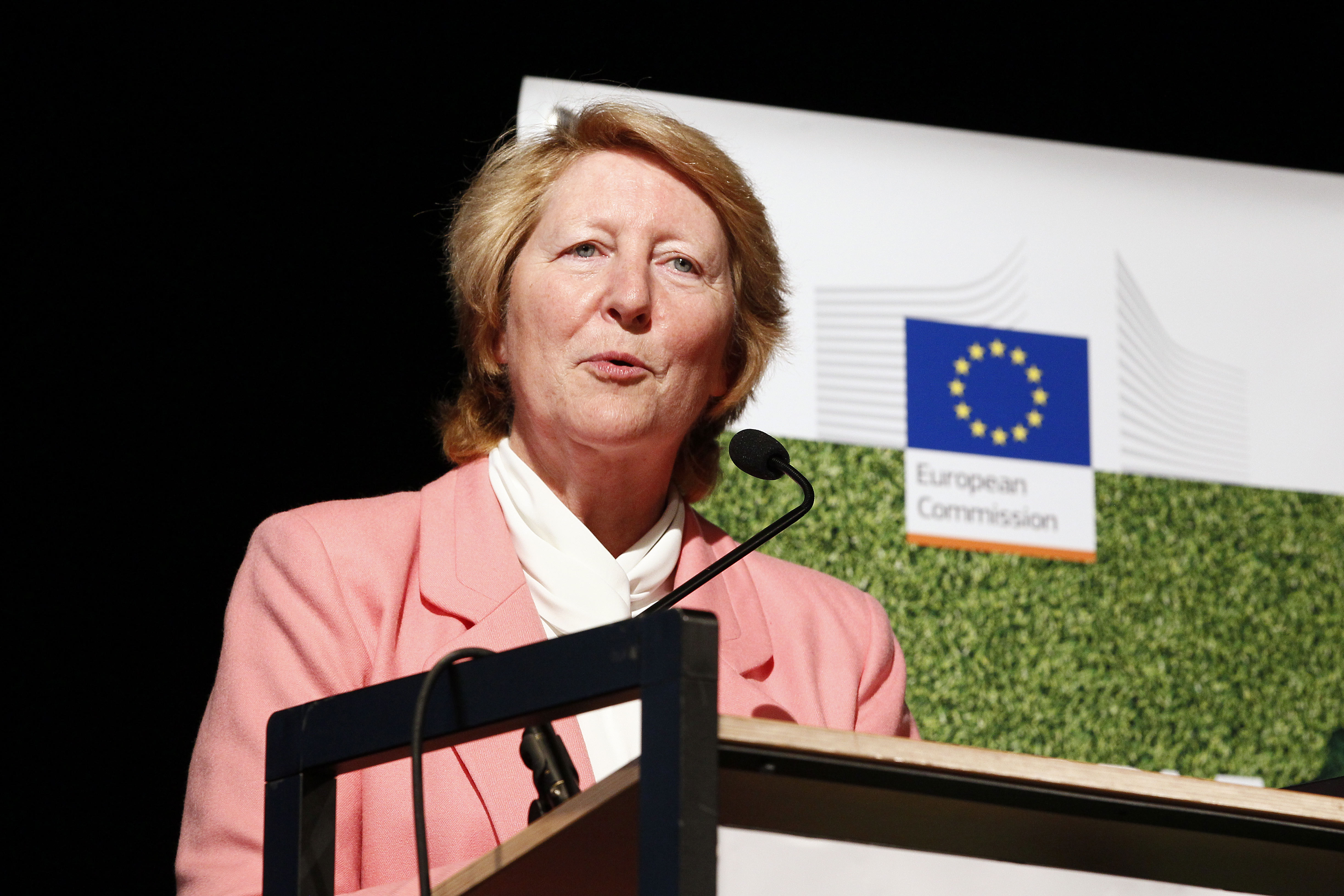
The second conference I picked out from the fully packed programme was organised by the Buildings Performance Institute Europe BPIE (the European centre of the Global Buildings Performance Network) with the title “From Ambition to Action: How to best deliver European building sector policies on the ground?”. The conference was well grounded on a BPIE publication “A guide to developing strategies for building energy renovation – delivering article 4 of the energy efficiency directive” featuring a list of Commission officers from DG Energy, DG Regio, DG Research&Innovation and DG Enterprise plus the European Economic and Social Committee EESC. Impressive, but maybe not such a good idea. As a matter of fact each of them delivered a statement, certainly not obvious, often well pointed and sharp, but the possibility of any debate or exchange focused on the content was extremely reduced by the protocol. Worth noting the key message of Marie Donnelly (DG Energy) who came up with the statement “Tax is Magic” meaning that it is the most powerful tool to support the private sector to undertake energy retrofitting projects.
Marie C. Donnelly
Very well pointed the analysis of Marzena Rogalska (DG Enterprise) clarifying the relationship between binding and aspirational targets in the field of energy efficiency and how they have to be tackled in different ways in different countries. The fact that the Energy Performance of Buildings remains largely not implemented in several Member States should stimulate reflections on how to enhance the correlation between the building sector and economic development at large.
Finally, in my own view, one of the most original contributions came from one of the few non-Europeans, Peter Graham Executive Director of the Global Buildings Performance Network. He said that, seen from a global perspective, EU is well placed in terms of policy framework, technical development, market trends and implementation strategies. The greatest obstacle is given by the difficulty to access data regarding building or district energy performances which are, for example, very easy to get in the USA. That is in fact the gap that BPIE is trying to bridge in Europe. I am not sure whether Graham said it or not, but I believe that an open energy data policy could do much more and much faster than many incentives and binding emission targets.
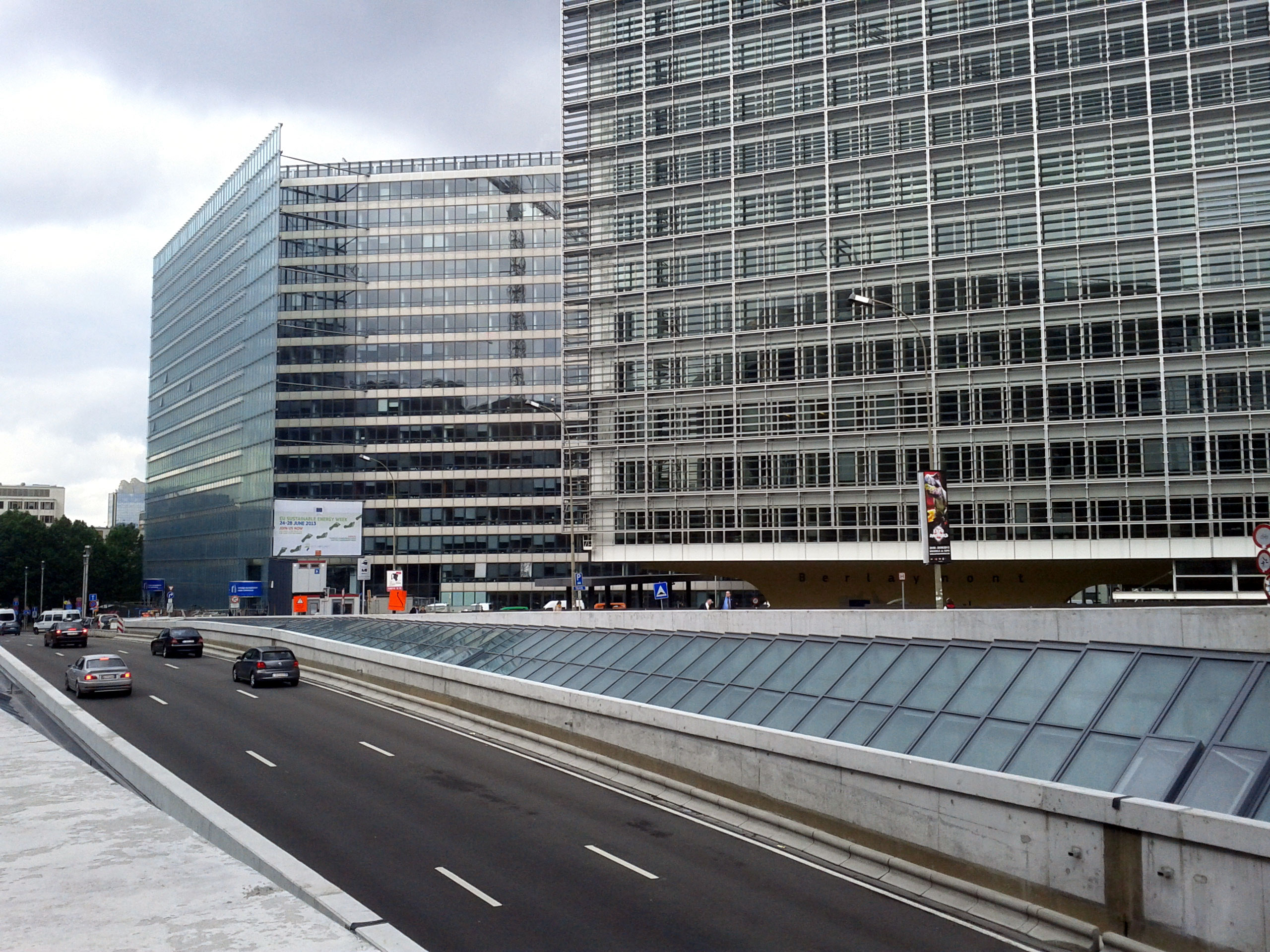
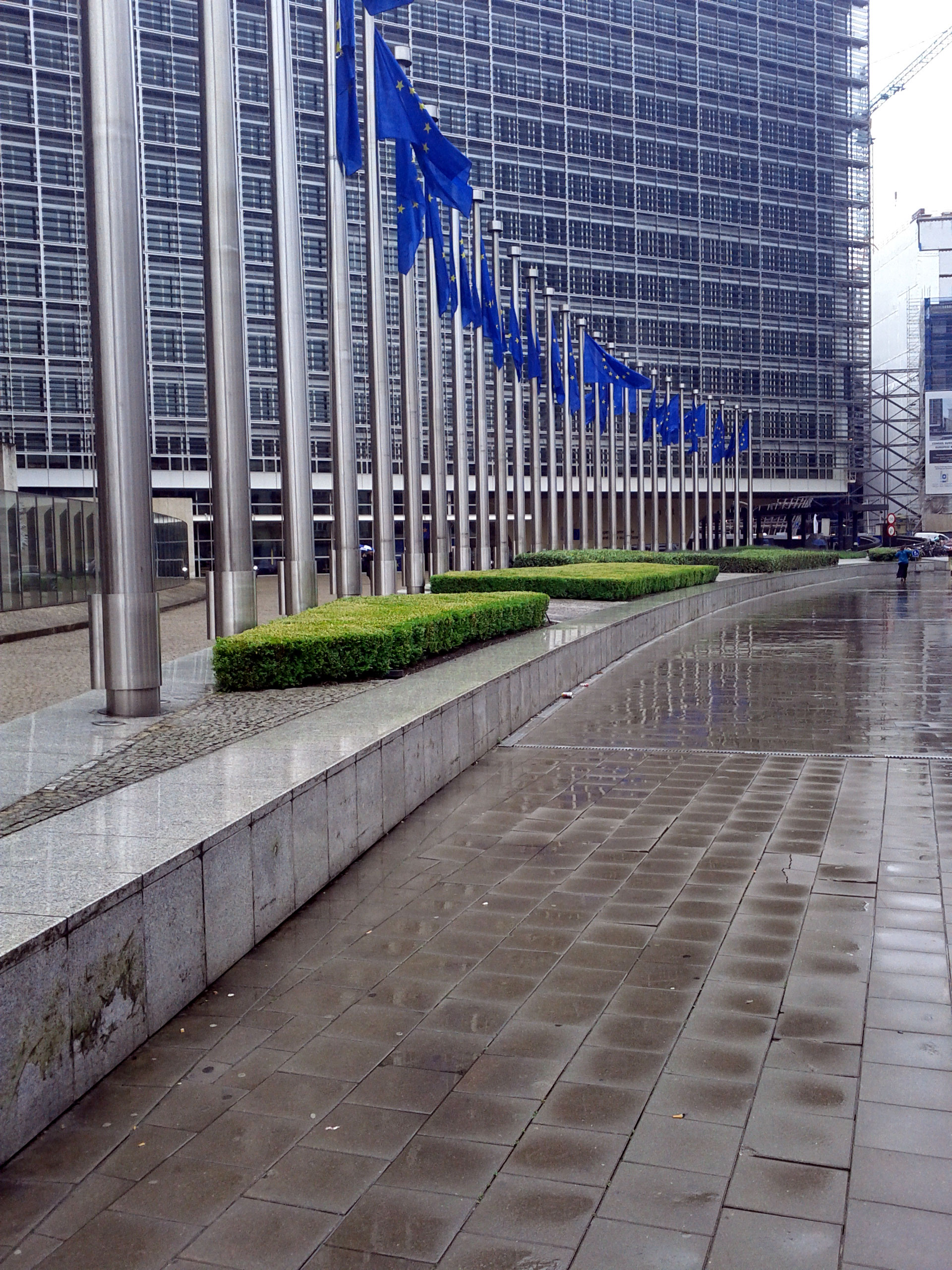
Berlaymont building
The second day I attended an high level conference at the Charlemagne building organised by DG Energy on the “Renewable energy progress towards the 2020 targets”. The focus was broader than the building sector, on the achievability of 3×20 EU climate change / energy targets. The most recurrent statements were two: a) the EU is on track to reach the targets, especially in solar power and also “thanks” to the crisis that in some countries has reduced CO2 emissions more than any energy policy. b) the greatest threat on the path to energy transitions is the uncertainty of public policies that often leads to “stop&go” measures to support renewable energy and energy efficiency. These uncertain policies poison the market damaging its already precarious balance (e.g. due to volatile fossil fuel prices) and capability to invest on the medium and long term. As a matter of fact many renewable energy solutions do not need any incentives, but rather a sensible, stable and long term policy framework. Nor by chance neither for ideological reasons the German Federal Government has envisaged a 80% renewables share by 2050. Being energy policy a matter for the national and local level Commissioner Oettinger has announced that DG Energy will respond to the need of a stable and long term perspective publishing a set of guidelines. We will see if that will be the proper answer.
After so much theory I decided to conclude my visit at the EUSEW visiting a concrete example of a low carbon building: the Renewable Energy House, which is located in the European quarter of Brussels, very close to the main European institutions. 21 Associations representing the renewable energy sector in Europe have their offices there, employing some 90 people from 20 countries. The only exception is the association of the wind energy companies, probably also because wind is used by this building. The Renewable Energy House is the result of the retrofitting project of three 140 years old listed buildings that were refurbished in two steps with a fully integrated energy concept. The first step was the renovation of two buildings that were purchased by the European renewable Energy Council EREC in 2005. In January 2006 the first 45 staff moved into the building. The second step took place in 2007-2008, integrating a third house. The energy concept combines solar thermal, different kind of photovoltaic, geothermal and biomass with a complementary supply of certified renewable electric power. Well noted the fact that the house relies only on renewable energies does not mean that it is fully self-sufficient. That would be impossible due to the constraints of the site and the high occupancy of the building. Nowadays the building has 2800sqm surface and accommodates 80 employees, hosting daily meetings with guests and guided tours for visitors (up to now approx 25.000). According to the dispositions on Energy performance certifications of non-residential buildings it has been qualified in class B. Detailed information and documentation of the last 7 years of “life” of this experimental project is in the REH brochure. The energy concept was designed to reduce energy consumption for heating, ventilation and air conditioning by 50% compared to a comparable office building. A new layer of double-glazed windows was added to the listed windows on the inside of the main Facade. The windows on the backyard were replaced with triple-glazed ones and the wall insulated from the outside in a conventional and effective way (mineral wool). All the needs for heating and cooling are covered by renewable energy sources: solar- and geo-thermal support the pellets boiler for heating and cooling. PV provides a contribution to the power supply which is certified 100% renewable.
Bearing in mind that the building sector accounts for over 40% of the EU’s energy demand, and the environmental commitments of the 2020 EU strategy, in the coming years it will be key to multiply efforts in the energy retrofitting of historic and traditional buildings. The Renewable Energy House is certainly a good example of how the building sector has to evolve in the near future to tackle climate change without compromising quality of life and heritage values.
That’s all Folks! I promise the next one will be shorter!
EU Sustainable Energy Week #EUSEW 2013 – Part 1

It’s been a while I took part to the EU Sustainable Energy Week, it was at the end of June, but I’m sure the few readers of this blog won’t mind this little reminder. I am sure that nobody will read it. it’s too long and the topic is not hot enough, like every skilled blogger would tell me. However, it’s relevant for my own record, just like most of the things on this blog.
In a speech held on the 26th of June at the European Parliament Commissioner for Regional and Urban Policy Johannes Hahn highlighted that the €10 billion dedicated to energy efficiency and renewable sources of energy in 2007-2013 are going at least to be doubled and even likely to grow up to €23 billion in 2014-2020. “In this respect Regional policy makes a significant contribution to increasing EU competitiveness and ensuring a stable energy supply in Europe. We finance projects promoting the production and distribution of energy from renewable sources and innovative technologies in this area as well as projects that improve energy efficiency and security of supply through smart gas and power distribution, and transmission systems”.
Sustainable Energy Award Ceremony
In order to understand the reasons behind such a strong financial commitment of territorial cohesion funds towards the energy issues, despite the terrible financial and economic crisis that might, at first sight, call for other priorities, it was worth going to Brussels to the EU Sustainable energy week EUSEW 2013. This is an initiative of the European Commission that first took place in 2006. Today, it is coordinated by the Executive Agency for Competitiveness and Innovation, EACI, in close cooperation with DG Energy. EUSEW showcases activities dedicated to energy efficiency and renewable energy solutions aiming to spread best practices, inspire new ideas and build alliances to help meet the EU’s energy and climate goals.
However EUSEW is also an opportunity for Regional authorities, business organisations, chambers of commerce, associations, citizen groups, NGOs, research centres and think tanks to raise the profile of their organisation, town, city or region. It gives the opportunity to become part of a European movement, spread sustainable energy technologies and practices, attract media attention and support. Covenant of Mayors signatories are especially welcome in the EUSEW, during which also the Sustainable Energy Europe Awards and the ManagEnergy Local Energy Action Awards ceremony takes place.
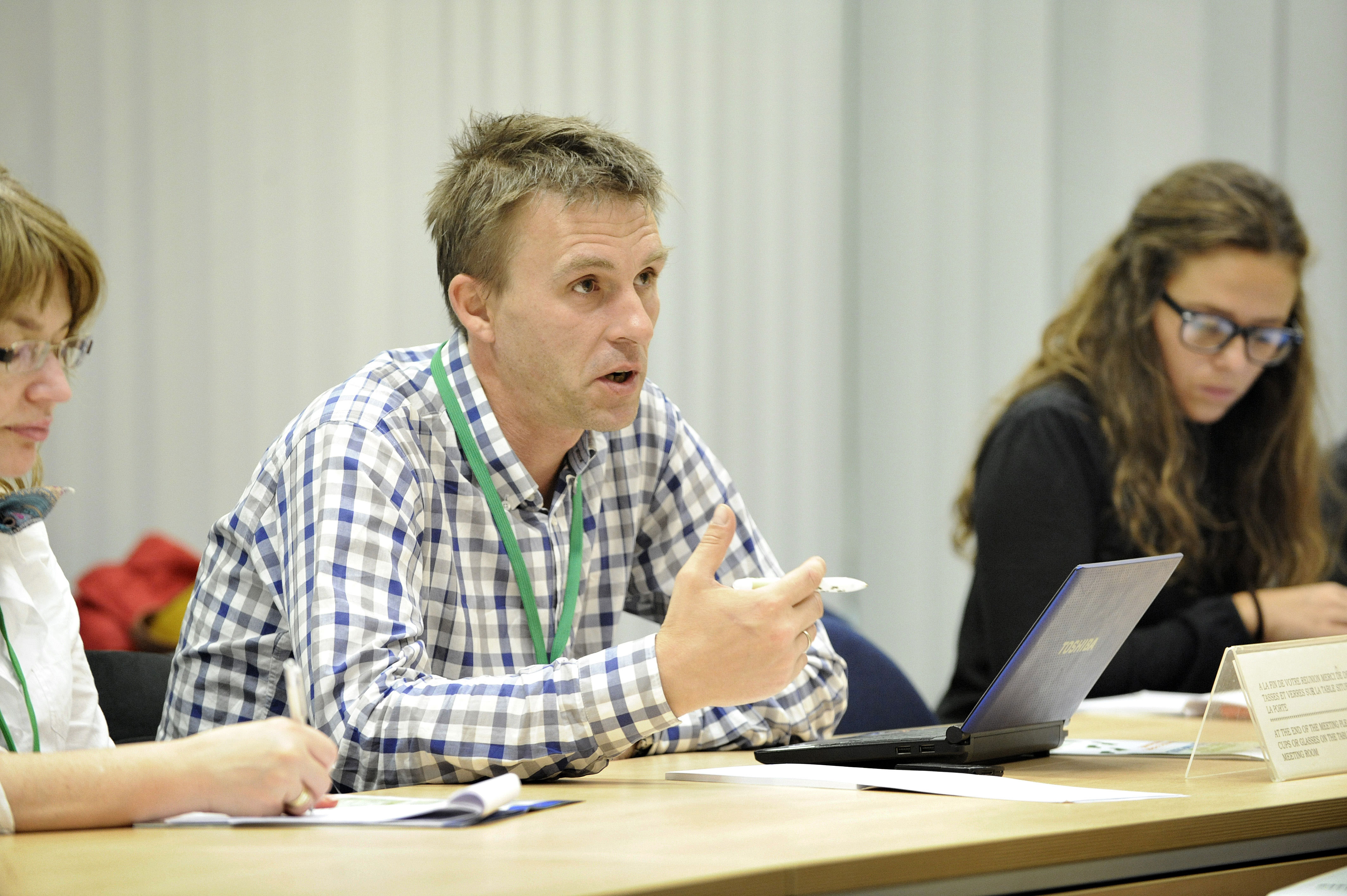
I took part for two days to the EUSEW 2013 with the aim to disseminate the results of the capitalisation workstream “Building energy efficiency in European cities” and to cross check our findings with cutting edge research and the most up-to-date policy trends. Well noted the EUSEW is about all aspects of energy efficiency and renewable energy sources, from the ocean to the buildings, from windmills to bicycles, from smart grids to cross border cooperation. However 10 out of 30 conferences on the main programme (the ones taking place in the Charlemagne building and in the Committee of Regions) had their main focus on the built environment, at the scale of the building or at the urban or territorial scale and most of the others touched upon energy efficiency of buildings.
The first conference I attended was the one organised by Energy Cities with the title of “Proposals for the energy transition of cities and towns”. The conference was divided in two sessions featuring a well balanced mix of public and private stakeholders, local authorities representatives and professionals. On the background a policy paper calling the EU institutions to provide the suitable political, legislative and financial framework to local authorities and let them play the central role in implementing environmental targets in the next programming period. Furthermore Energy Cities are calling for more ambitious and binding targets to tackle climate change between 2020 and 2030. This is interesting to be noted, as many member States have the opposite view, saying the EU should stop setting targets which are unlikely to be achieved, and the Commission is thinking about the proposals to be made. Being seven years away from 2020 there are still different views both on the achievability of the 2020 energy targets and on their effectiveness. Nevertheless it is clear that at the EUSEW the large majority was optimistic about the reaching the targets and convinced of the positive role of the EU strategy 2020 in reducing the impact of climate change.
The two sessions were very well managed and engaging, full of interesting and diverse contributions, however with little debate, due to the fact that, as it was noted by one of the speakers, we were all, more or less like-minded people. As a matter of fact the possibility to debate between different views and options, even though when we share the same targets, is quite important in these kind of conferences. During the second session I was just about to raise my hand for an intervention when I heard Claire Roumet, Secretary General of Cecodhas Housing Europe speaking. She was saying how important it is for Europe to support cities in tackling their own issues in their own way, creating and supporting networks of cities on specific topics to exchange and learn from each other. She was talking about URBACT as one of the most successful European programmes, helping cities to find their way to sustainable urban development. Well, that was a perfect introduction! I took the floor for my short intervention thanking Mrs Roumet and just reminding that URBACT is well known for exchange and learning activities, but this is not all. In fact, in the last years it has developed a complete set of tools to support cities including advice how to produce Local Action Plans with input from a Local Support Groups, the URBACT Summer Universities and training schemes for elected representatives both at European and National level.
Coming back the topic of the conference I asked the representative of the private sector, Adrian Joyce Secretary General of EuroACE, the European alliance for companies for energy efficiency, if the big companies of the building sector are ready and willing to support cities to find integrated solutions for energy retrofitting the existing building stock, combining careful heritage preservation and renewable energy solutions at the building and the district scale. The answer was positive, meaning that all major companies have developed around their core business a set of integrated tools to be able to respond to the needs of deep renovation at urban scale. As a matter of fact in some countries like Denmark, France and Germany private companies are already well integrated in the on-going retrofitting process of the existing building stock. Although it is true that the public sector has to steer and support the retrofitting process, it is clear that, especially in our difficult times, there is no other way to scale-up energy retrofitting than a sound public-private partnership.
To be continued!

Villa Méditerranée | Cantilever between Art and Architecture
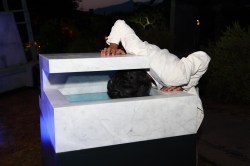
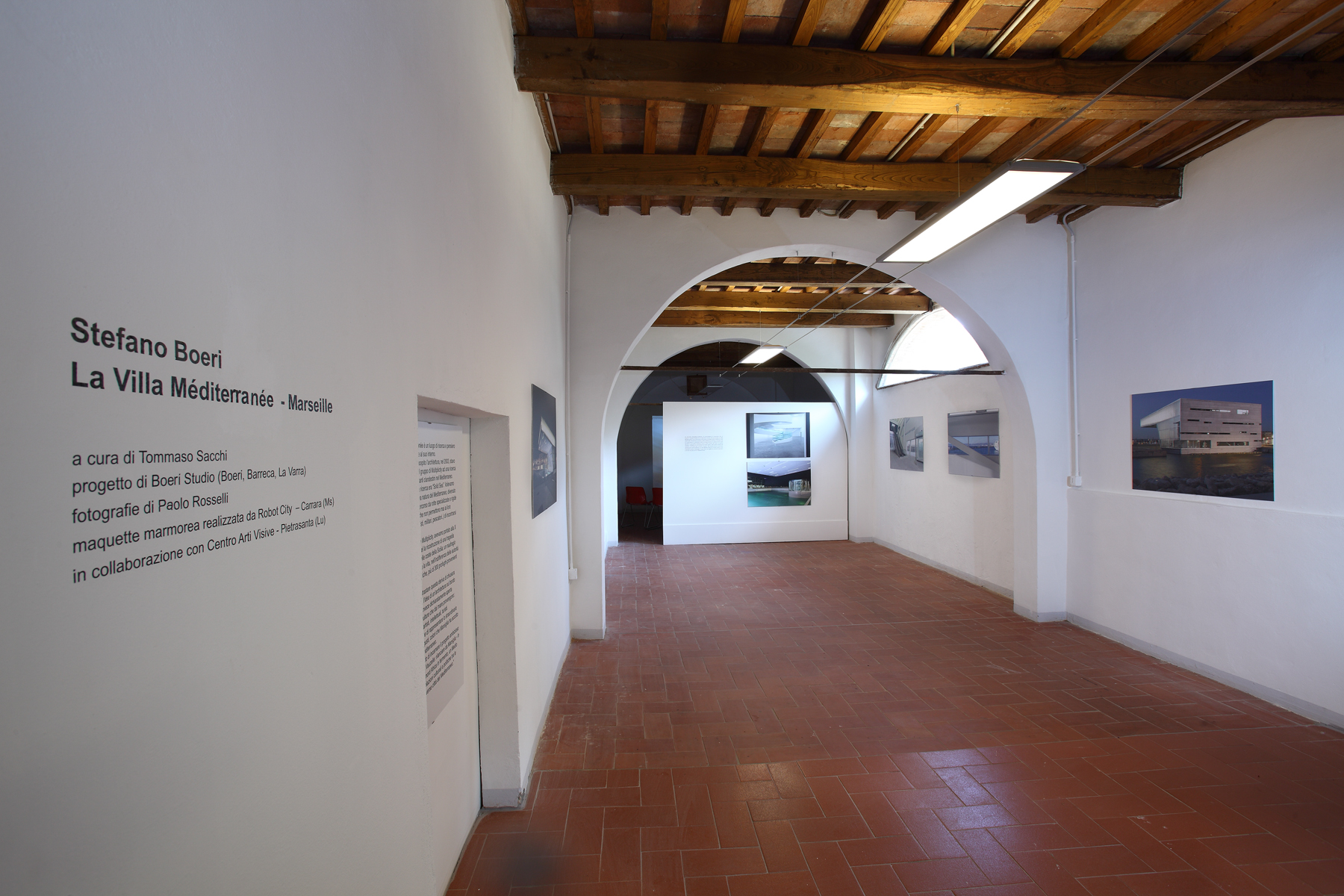
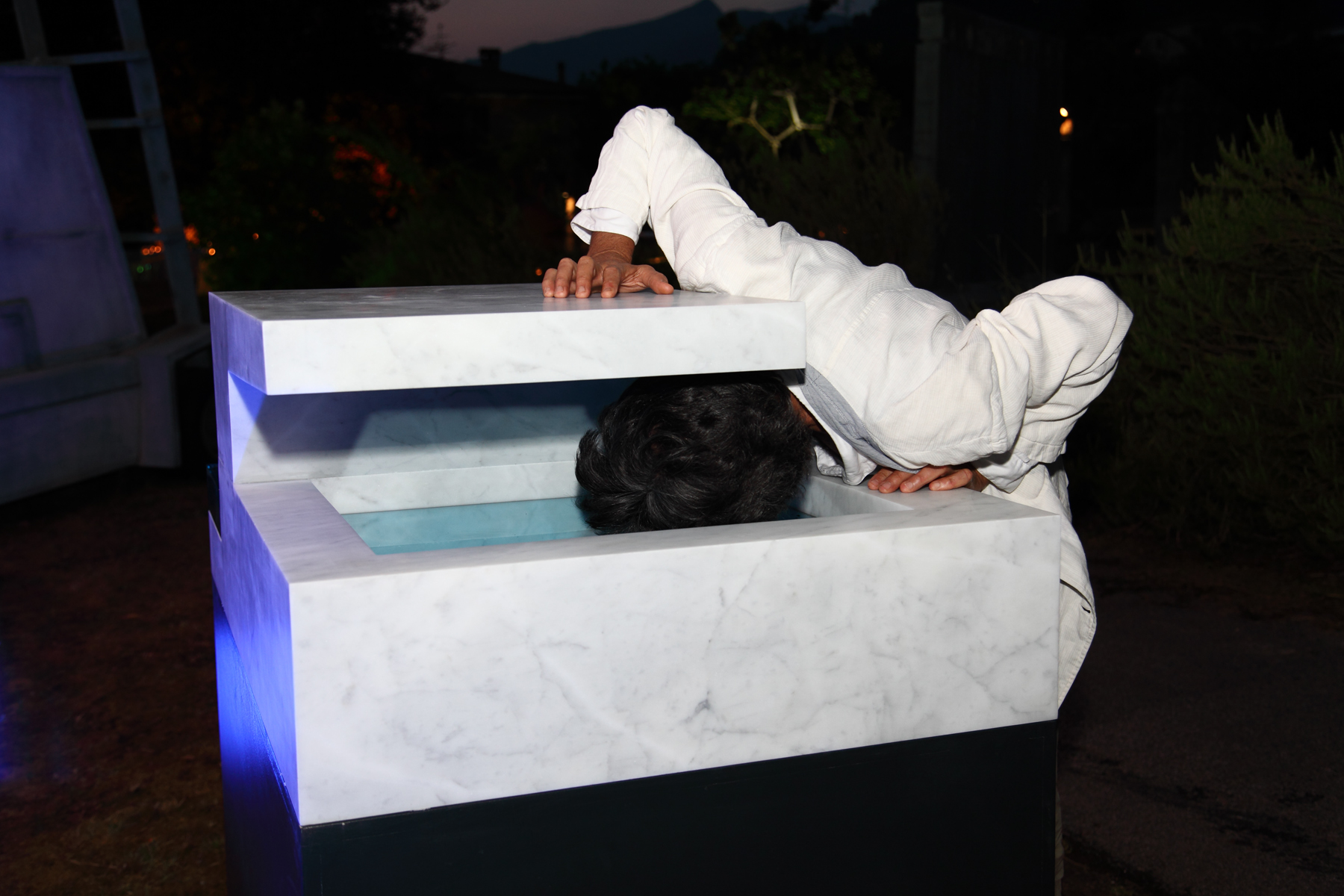
This is a conversation I had with Tommaso Sacchi curator of an multimedia exhibition about the Villa Méditerranée in Marseille. Designed by Stefano Boeri , this iconic and visionary building is one of the highlights of Marseille EU Culture Capital 2013 programme. The exhibition (open untill 15th September) tells the story of the building featuring photographs, a video and a Carrara marble architectural maquette. I was particulalrly pleased to talk about it also because back in 2002 I was impressed by the installation Solid Sea at Kassel Documenta. Today I look forward visiting the Villa Méditerranée and find there some of the feelings and concepts of that research and art work.
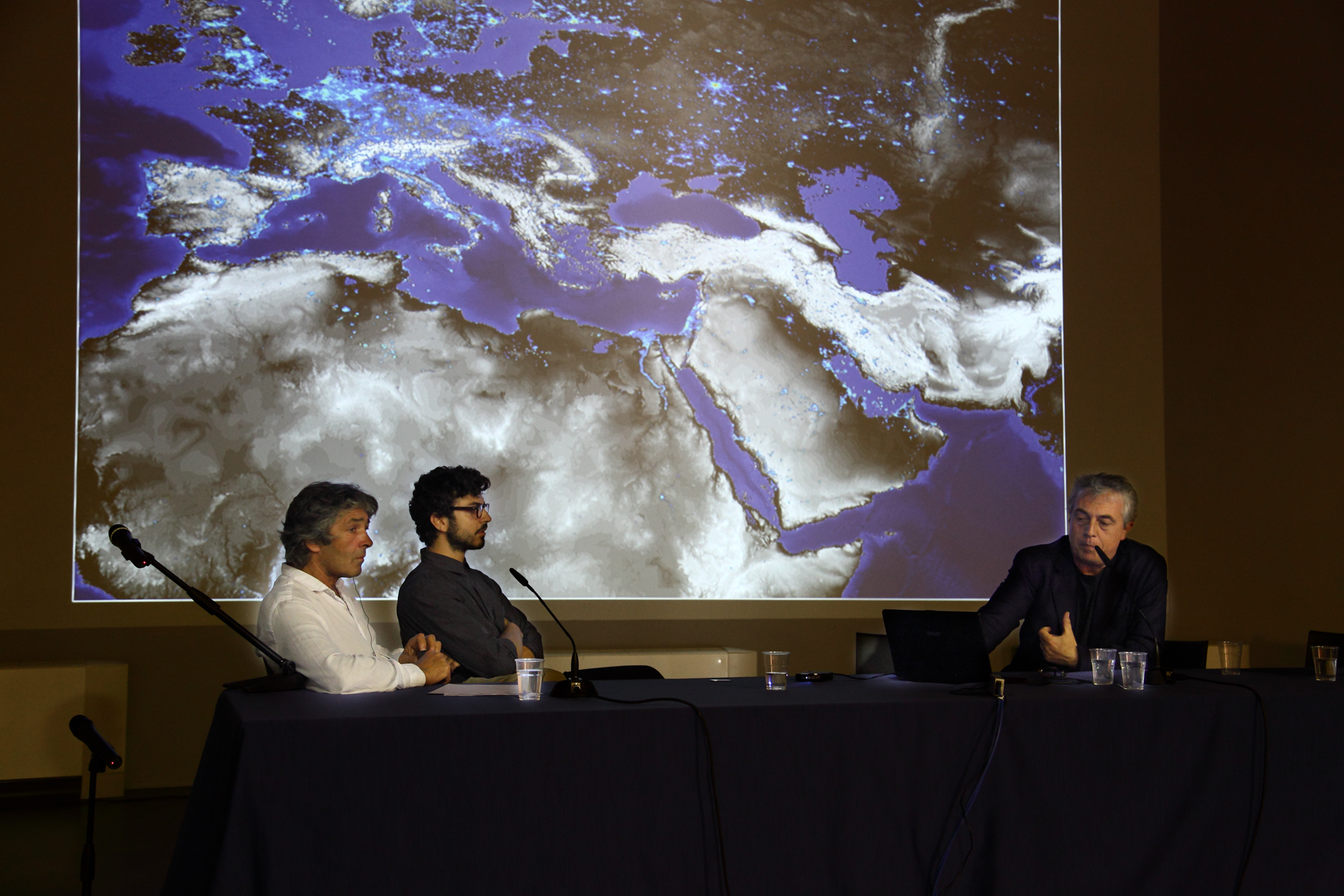
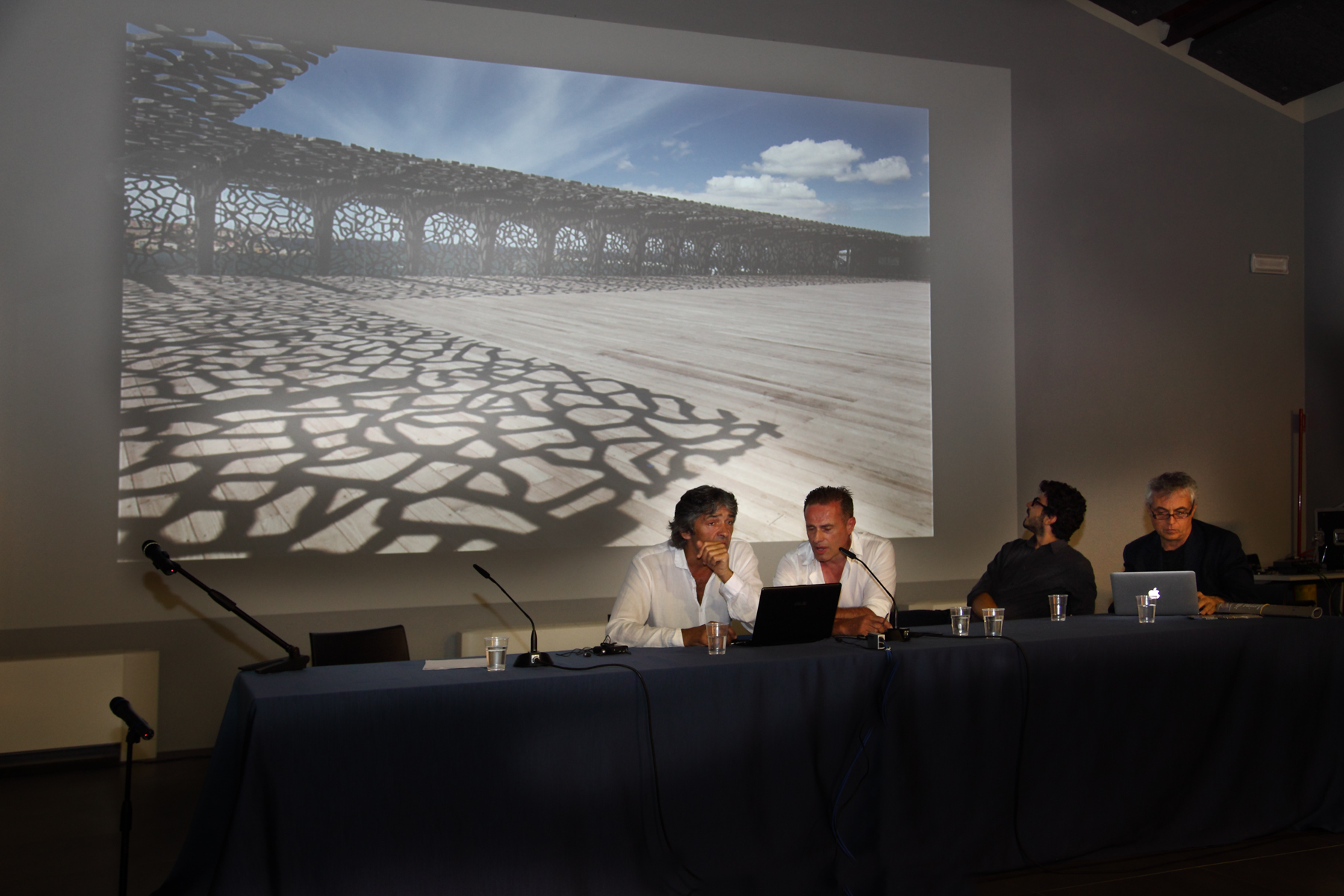
Rudy Ricciotti, Tommaso Sacchi and Stefano Boeri introducing the Villa Méditerranée
Come nasce l’idea di realizzare una mostra su La Villa Méditerranée di Stefano Boeri?
E’ un’idea che ha preso vita intorno alla fine dell’anno scorso, quando Stefano Boeri stava preparando un ciclo di conferenze incentrate sul rapporto tra le sue architetture portuali e il mare Mediterraneo dal titolo “Mar Adentro”.
Villa Méditerranée, Marseille |Exhibition at Centro arti visive di Pietrasanta
Vedendo le presentazioni fotografiche preparate per le conferenze, ci siamo resi conto che un racconto per immagini, sotto forma di percorso espositivo, avrebbe avuto una sua coerenza. Solo un paio di mesi dopo i curatori della collettiva “Italia/Francia” (Gualtiero Vanelli e Alessandro Romanini) mi hanno chiesto di pensare ad un’esposizione monografica su La Villa Méditerranée di Boeri e così è stato. Abbiamo sin da subito lavorato con il fotografo Paolo Rosselli il quale ha realizzato tra il mese di gennaio e il mese di aprile 2013 una serie di “ritratti” che raccontassero nel dettaglio l’edificio marsigliese interpretandolo sotto le diverse chiavi di lettura: l’impatto estetico, l’inserimento nella dimensione portuale, il rapporto con il suo ‘dirimpettaio’ (il MUCEM di Rudy Ricciotti) e con lo specchio d’acqua dal quale sorge, le particolari linee di progetto che compongono e disegnano gli spazi interni dell’edificio.
Rudy Ricciotti about MUCEM
Come si inserisce una mostra di architettura all’interno di un’esposizione collettiva di arte contemporanea?
Mi ha convinto molto la scelta –tutt’altro che banale- dei curatori della mostra collettiva di inserire anche l’architettura contemporanea all’interno del percorso di mostra. E’ un’autorizzazione esplicita ad essere considerata a tutti gli effetti un’arte contemporanea. In questo caso la porzione di mostra dedicata all’architettura è parte di un percorso condiviso, in grado di accogliere l’una e l’altra disciplina.
D’altra parte sono molti gli architetti che traggono ispirazione dall’arte contemporanea, non solo per quanto riguarda l’aspetto estetico o il fascino per i materiali che accomuna le due arti, ma anche e soprattutto per l’aspetto d’indagine e di impatto sociale che le opere, siano architettoniche o puramente artistiche, producono sulla società. A tale proposito, ho letto di recente un libro che raccoglie una serie di riflessioni di Jacques Herzog e Jeff Wall sul binomio arte/architettura, un confronto che ben interpreta questo non facile ma intrigante rapporto tra le due discipline contemporanee, in cui si parla di sperimentazione, narrativa e dimensione temporale, passando all’analisi di aspetti come la fotogenia e l’estetizzazione pura dell’immagine come punti di intersezione nel dialogo tra arte e architettura.
Antonio di Bella, Stefano Boeri e Rudy Ricciotti
Da cosa nasce l’idea di realizzare una mostra in grado di unire, in un unico formato espositivo, tre differenti linguaggi: la videoinstallazione, la fotografia e la scultura?
Il percorso espositivo è diviso in tre sezioni e tre sono i linguaggi che si misurano con l’edificio: le fotografie di Rosselli insistono sul rapporto tra la particolare struttura architettonica e lo specchio d’acqua dal quale prende vita, le videoinstallazioni (Carlo Alberto Mari) a camera fissa costituiscono una video-testimonianza di come il pubblico, i visitatori, gli operatori, si misurano con l’architettura. La scultura monoblocco di marmo è nata, invece, grazie a un’intuizione di Gualtiero Vanelli che ha pensato, nella terra del marmo per eccellenza, di interpretare l’imponenza dell’edificio con un prezioso monoblocco di materia locale. In effetti, il blocco marmoreo evidenzia la plasticità e l’unicità del disegno architettonico e mette in luce le peculiarità strutturali, prima tra esse, il grande sbalzo che costituisce il piano espositivo del centro marsigliese.
Con Stefano Boeri stiamo pensando a un racconto più ampio, che sia in grado di tenere insieme le sue diverse architetture che prendono vita proprio sul Mediterraneo. Una sorta di versione espositiva di “Mar Adentro” (il ciclo di conferenze di cui abbiamo parlato in apertura). Un percorso per immagini, e non di parole, che possa essere presentato in diverse città.
Rudy Ricciotti & Villa Méditerranée
Un’ultima domanda riguarda la conferenza inaugurale. All’interno della mostra collettiva “Italia / Francia – l’innocenza del reale”, è stata organizzata una conferenza inaugurale con Stefano Boeri, Rudy Ricciotti e Antonio di Bella, come mai ha scelto questi nomi per il confronto di apertura?
Quando ci è stato chiesto di pensare a un dibattito inaugurale che gravitasse intorno al rapporto tra Italia e Francia, insieme a Stefano Boeri, abbiamo subito pensato a due figure molto diverse tra di loro ma che, nella cultura, nell’architettura e nel giornalismo, fossero testimoni autorevoli delle due nazioni. Ricciotti è stata una scelta azzeccata: Boeri e Rudy Ricciotti hanno recentemente dato vita a due edifici diversissimi tra loro, ma gemelli nella loro dislocazione e nel loro rapporto con il bacino del Mediterraneo. Due architetture portuali che hanno cambiato l’estetica, la frequentazione sociale e l’animazione culturale del waterfront marsigliese. Antonio Di Bella, già direttore di Rai3, oggi corrispondente Rai a Parigi, ha saputo approfondire le dinamiche di vita e di produzione culturale e ha avuto modo di commentare gli aspetti del quotidiano d’oltralpe; inoltre Di Bella –non tutti lo sanno- è un bravissimo cantautore che ha chiuso il pomeriggio inaugurale con una composizione musicale site-specific, dedicata ai due noti progettisti.
Rudy Ricciotti & Villa Méditerranée
La Villa Méditerranée – Marseille
Centro Arti Visive di Pietrasanta, Via dei Frati 6 – Pietrasanta (Lu) – direttore@cavpietrasanta.it – Tel/Fax 0584/792655 – dal 20 luglio al 15 settembre 2013 (orario 19/24)
progetto di Boeri Studio (Boeri, Barreca, La Varra)
fotografie di Paolo Rosselli
maquette marmorea realizzata da Robot City – Carrara (Ms)
videoinstallazioni di Carlo Alberto Mari


Rione Garbatella

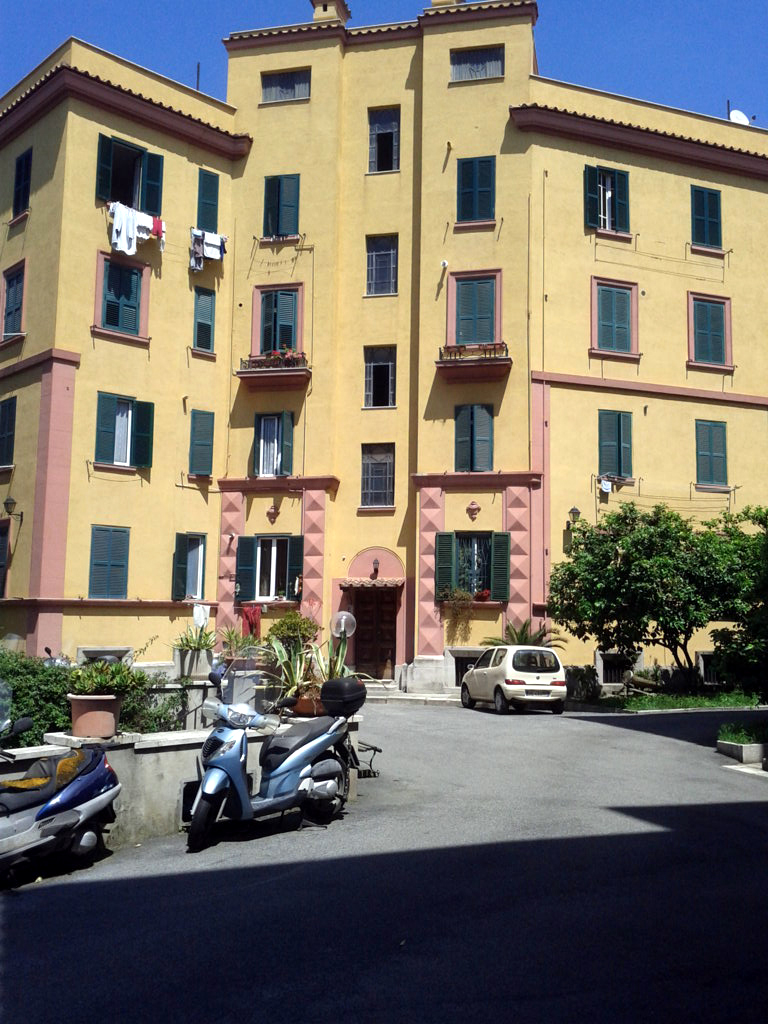
The first buildings in this area were built around Piazza Benedetto Brin in 1920-21 under King Vittorio Emanuele III, according to the model of the British “garden cities”.The settlement was supposed to be built around the new city harbour, with a channel leading directly to the Ostia seaside. Although near to the spectacular Saint Paul’s Basilica Out of the Walls, not far from the roman walls and the Piramide Cestia, the area was rural had remained until then. The new housing project were supposed to host immigrants attracted to the capital city from the agricultural suburbs and region. Urbanisation model was articulated in 11 different typologies of growing dimension and complexity: from single family house to large multifamily building. To make it easier for peasants to become citizens and settle every family should have access to green open spaces and vegetable gardens. Due to the cultural and academic background of their planners – Gustavo Giovannoni, Massimo Piacentini and Innocenzo Sabbatini – the first buildings were also richly decorated with vernacular elements of the agricultural life according to what they called “Barocchetto” style.

Under Mussolini the idea of a city harbour was abandoned and the plan was radically changed. It became more urban due to the higher density required to accommodate lots of people in short time. In particular people formerly living in the historic areas of Rome subject to massive demolition and reconstruction in the new Italian empire style. Construction of new homes was lead by the Social Housing Institute (ICP) that produced a lot of residential buildings between 1923 and 1927. Beside Innocenzo Sabbatini new architects were selected with competitions for the design of model homes: Plinio Marconi, Gian Battista Trotta, Pario De Rienzi, Mario Marchi, Pietro Aschieri, Gino Cancellotti and Luigi Vietti. Green spaces and decoration were reduced, but not eliminated. Gardens were not for vegetables anymore, but common spaces for the multifamily houses. Around Piazza Michele da Carbonara, in 1927-28 a new typology was realised: the “casa albergo” a temporary collective residential building with reduced private areas and large collective spaces and services. It was meant to host people evicted from the city centre for a short period, before assigning them a new home, but one year after these experimental typologies were already retrofitted into more traditional multifamily houses.
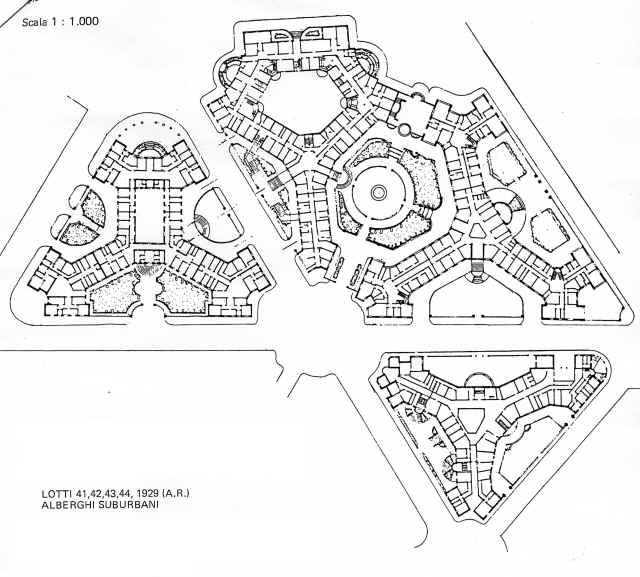
At the beginning of the 30es Garbatella was a growing urban neighbourhood. Other plots were built by public social security institutions (like Istituto Postelegrafonici) or occupied by a school, a theatre and later a church and parish centre. After the second world war it kept its character and was touched only at its borders by building boom of the 60es and 70es. Starting from the 90es the neighbourhood became one of the most attractive place to live in Rome. Appearing several times in movies and TV fictions also helped to come out of its ill-famed and un-safe situation, yet being not really a gentrified area.
After these few introductory notes (taken from Municipal website) here are the pictures I took during my walk over a lunch break. Today you can reach the Garbatella walking from the Ostiense Station or in many other ways. I arrived there with the Metro Line B, together with lots of students.

This is “Albergo Rosso” one of the 3 temporary homes designed by Innocenzo Sabbatini between Piazza Carbonara and Piazza Biffi, named after his colour and soon transformed into block of flats.

Here is the white Albergo on the same square.
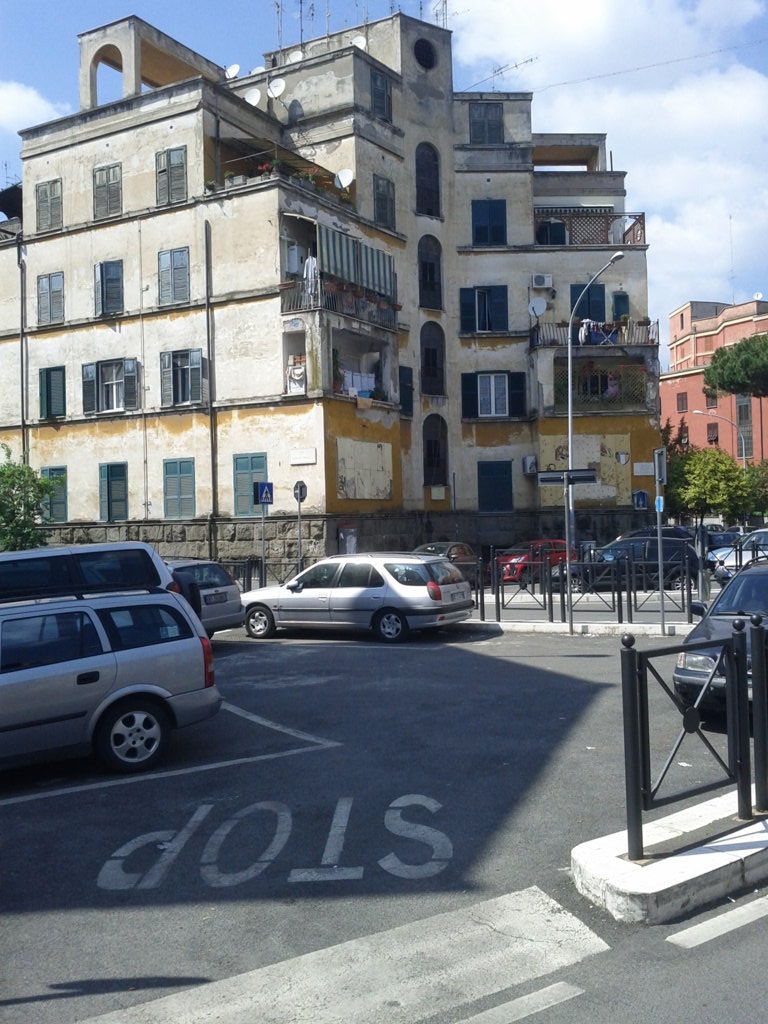
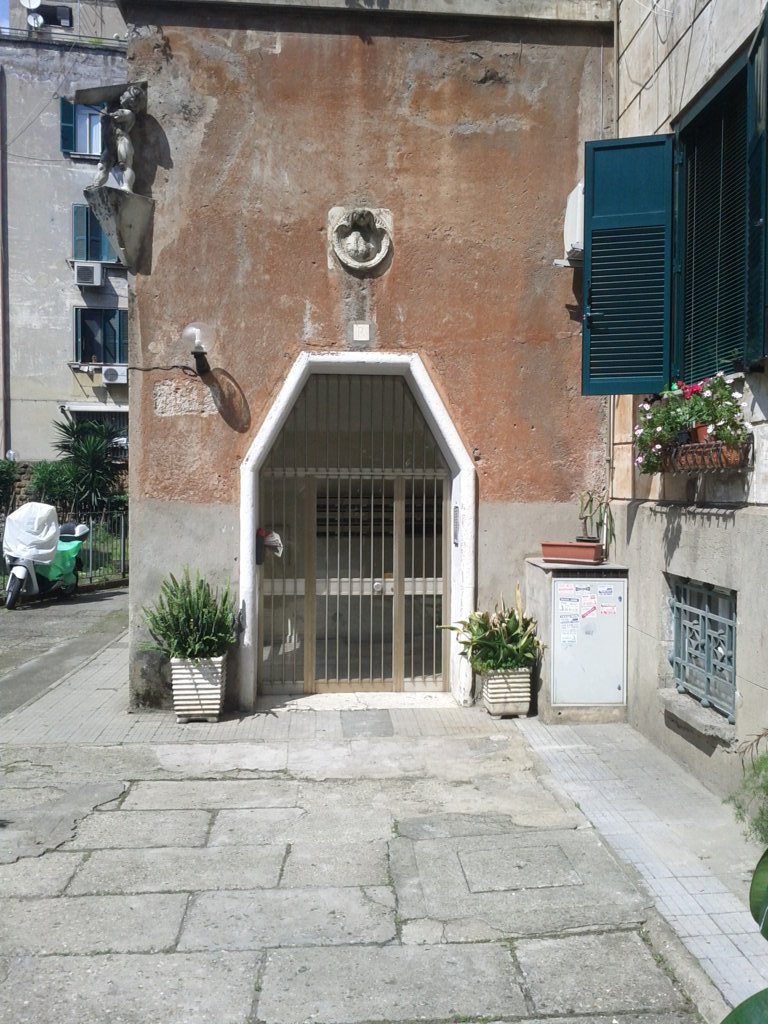

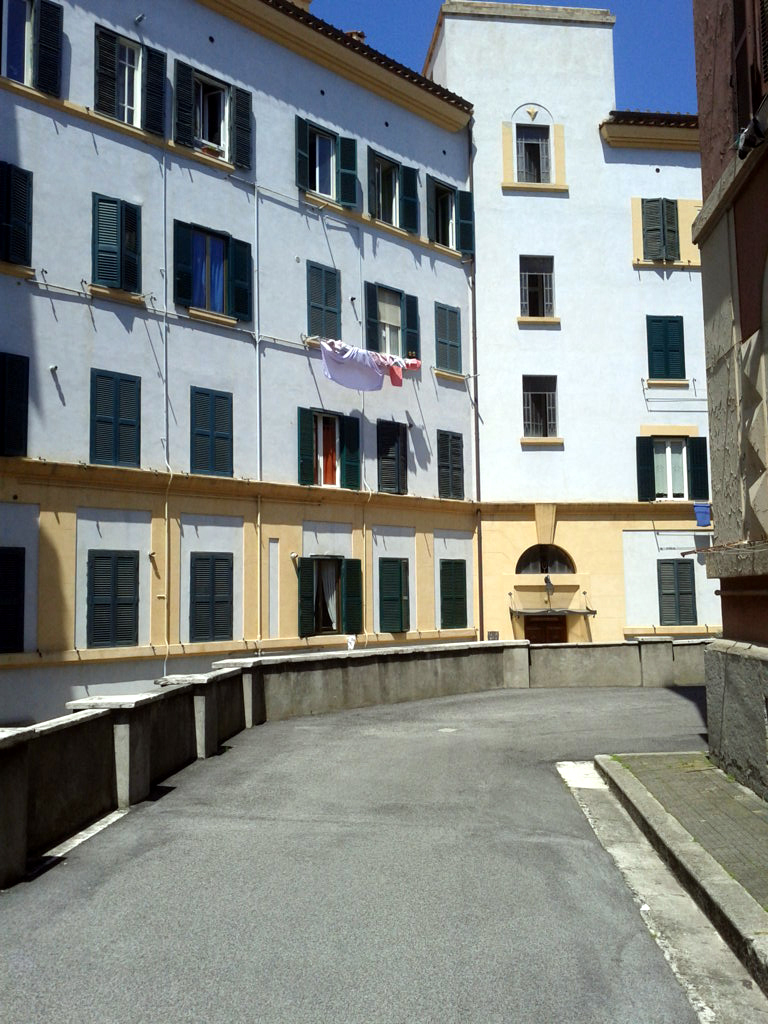
Narrow and curved streets to adapt buildings to the topography, like in medieval villages or according the urban design principles of Camillo Sitte. Today they are full of cars, but I did not have the impression of any congestion at all.

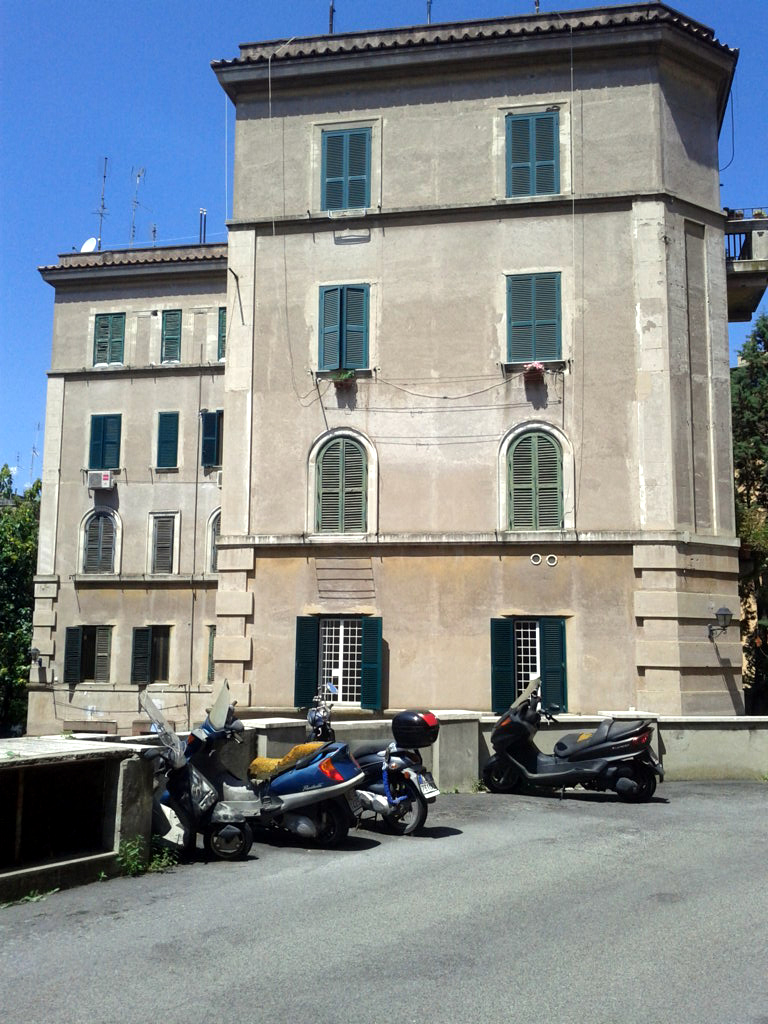
Typological and layout variation of flats, like I have never seen elsewhere.

Paved or green common spaces between block of flats allow for service provision and leisure. These spaces must have been full of kids a couple of decades ago. Heaven on heart to play hide and seek, cops and robbers etc.


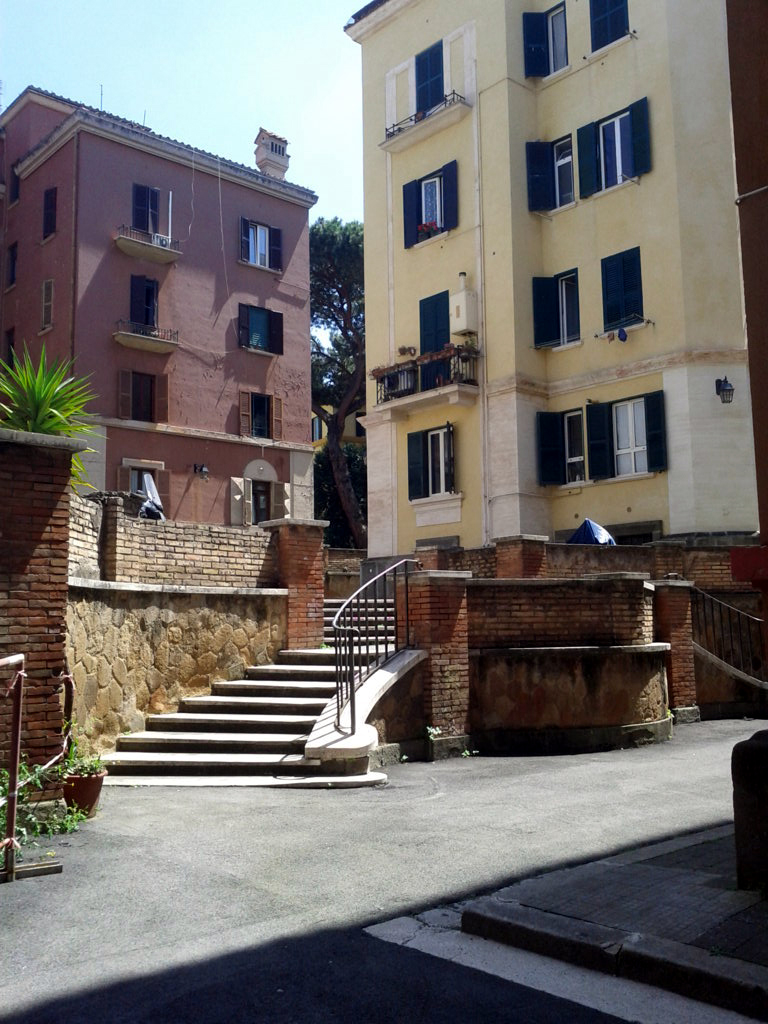
Very natural way to handle slopes with terraced spaces.
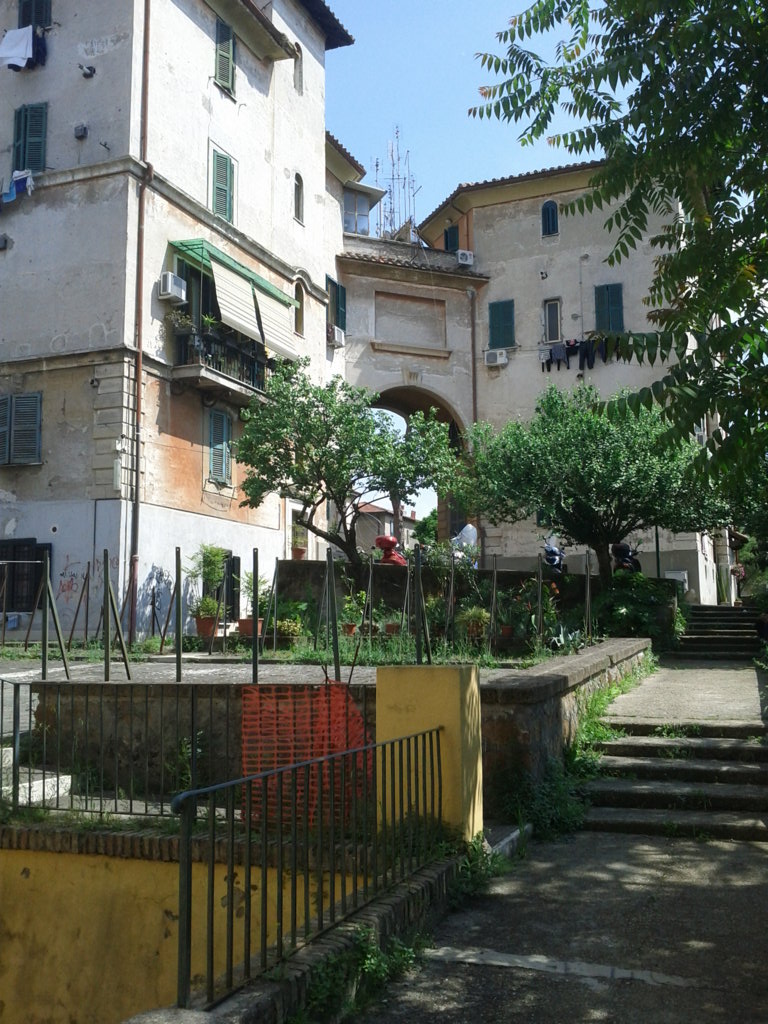
Large spaces for drying, widely used. I realise I’d never seen people hanging the laundry to an open air wire, but in movies or advertising. That is common practise here.
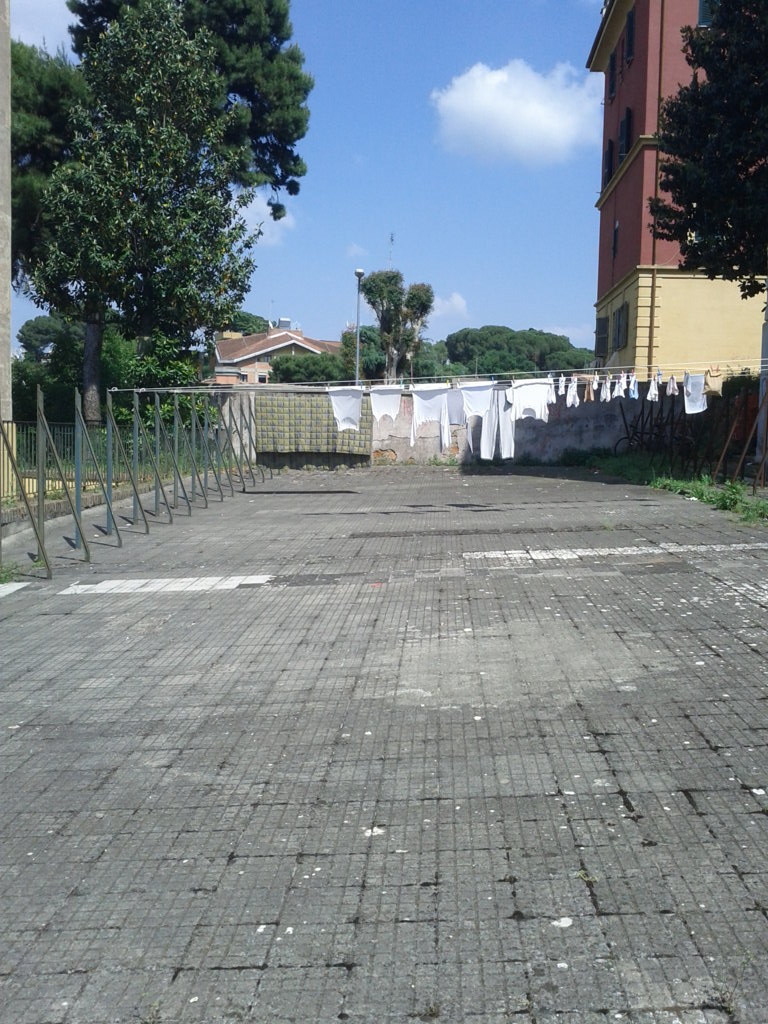
A pity that some of the original squares are misused as a parking, right on top of the hills, in the premium locations where the buildings are renovated.
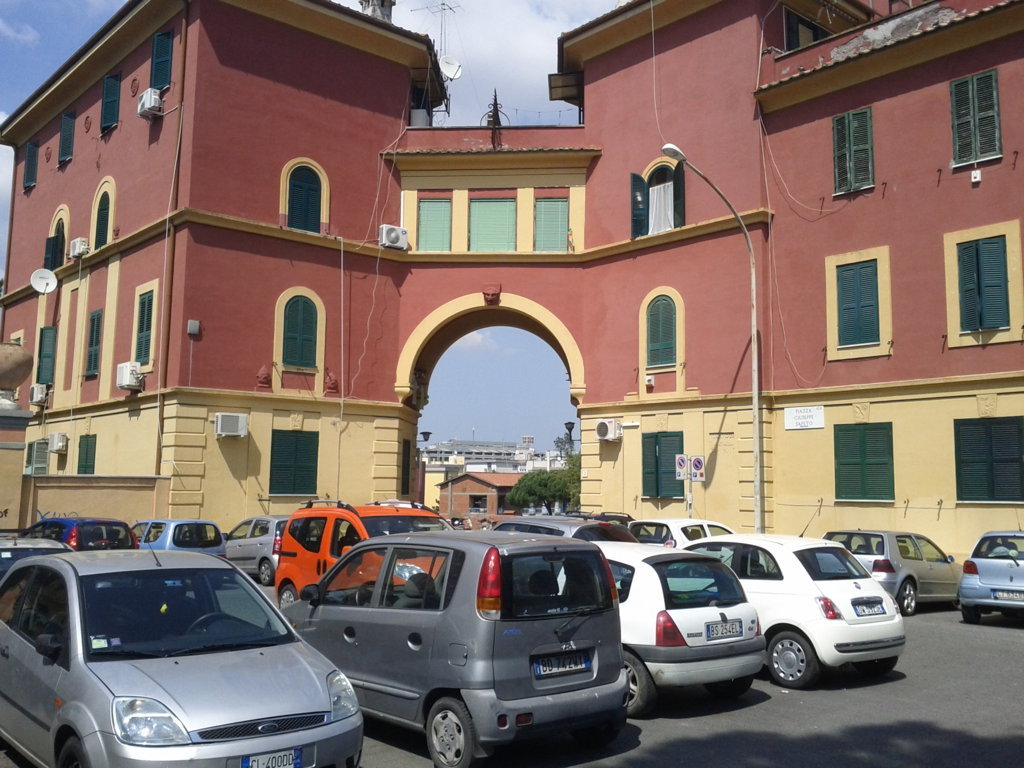
Some other locations are badly in ned of maintenance, especially in the public and semi-public sphere.
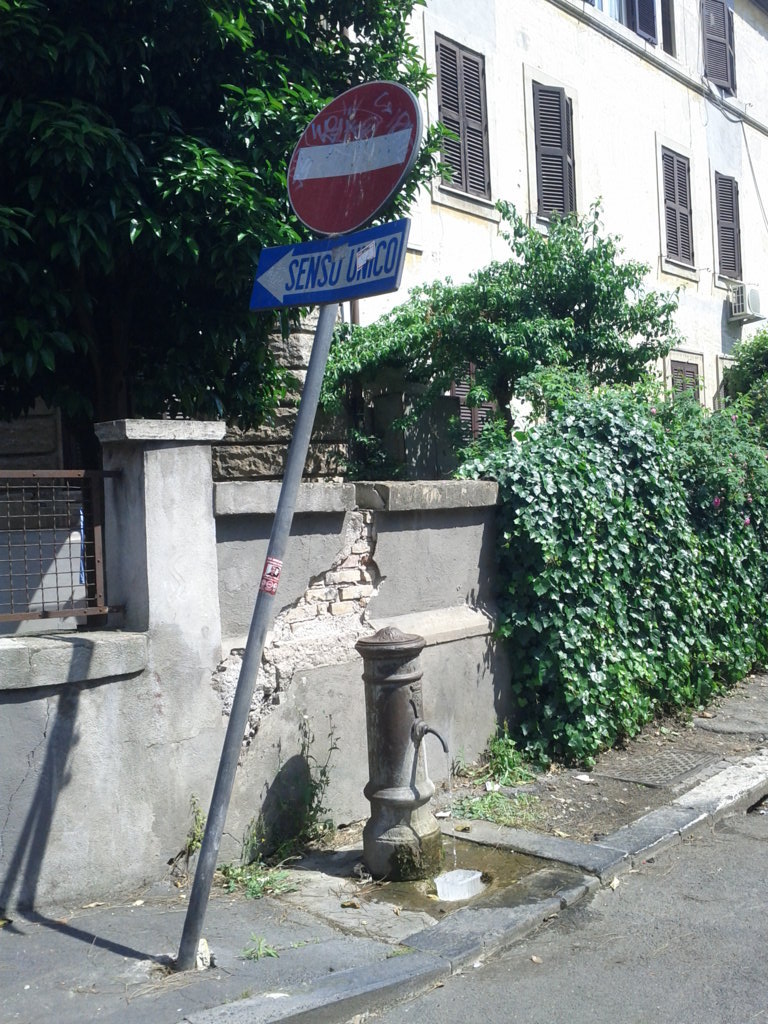
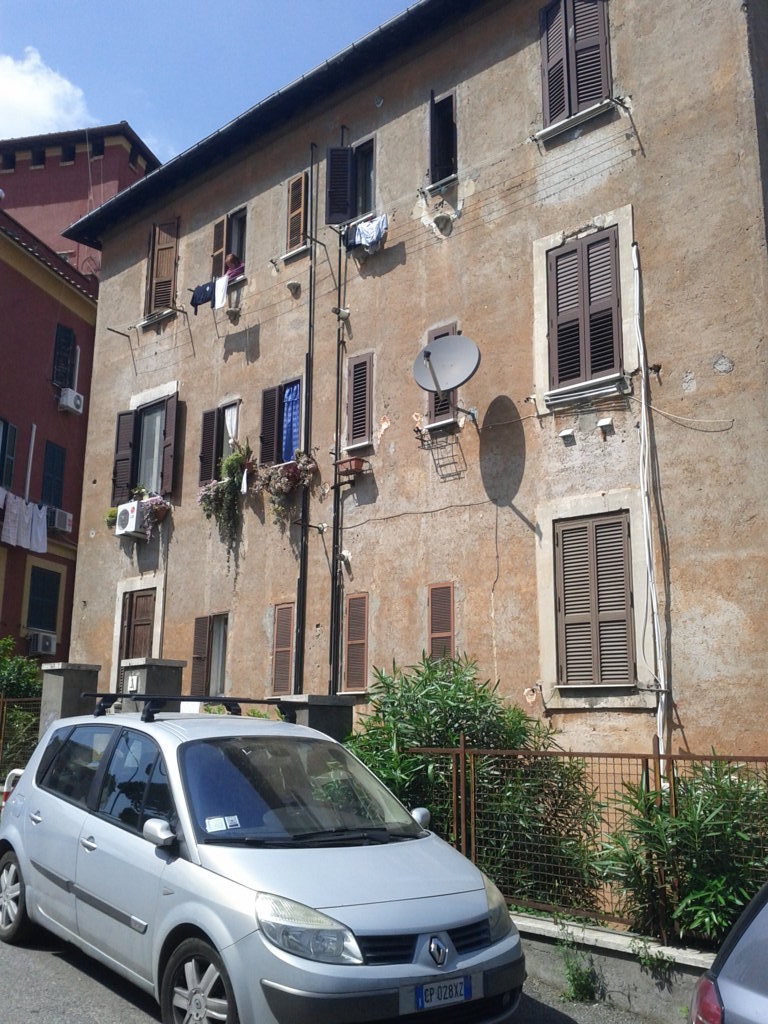


This is probably what post-modern architects in the 80es would have liked to achieve, without success. The eclectic re-use of ancient decorative elements is totally natural here because it is supported by great typological, topographic and morphologic richness. All is kept together by the sense of place of a well rooted community and a little help from the patina of some decades on a well designed and built basis.
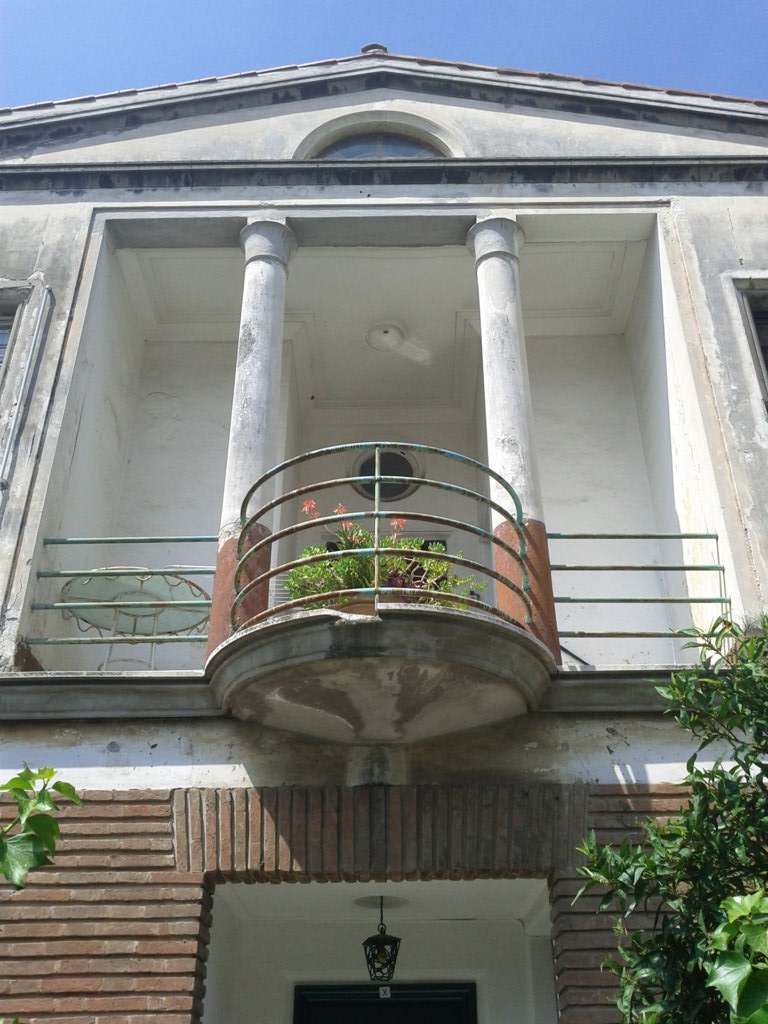

Flowers grown in pots and spontaneously growing on cornices together with TV antennas.
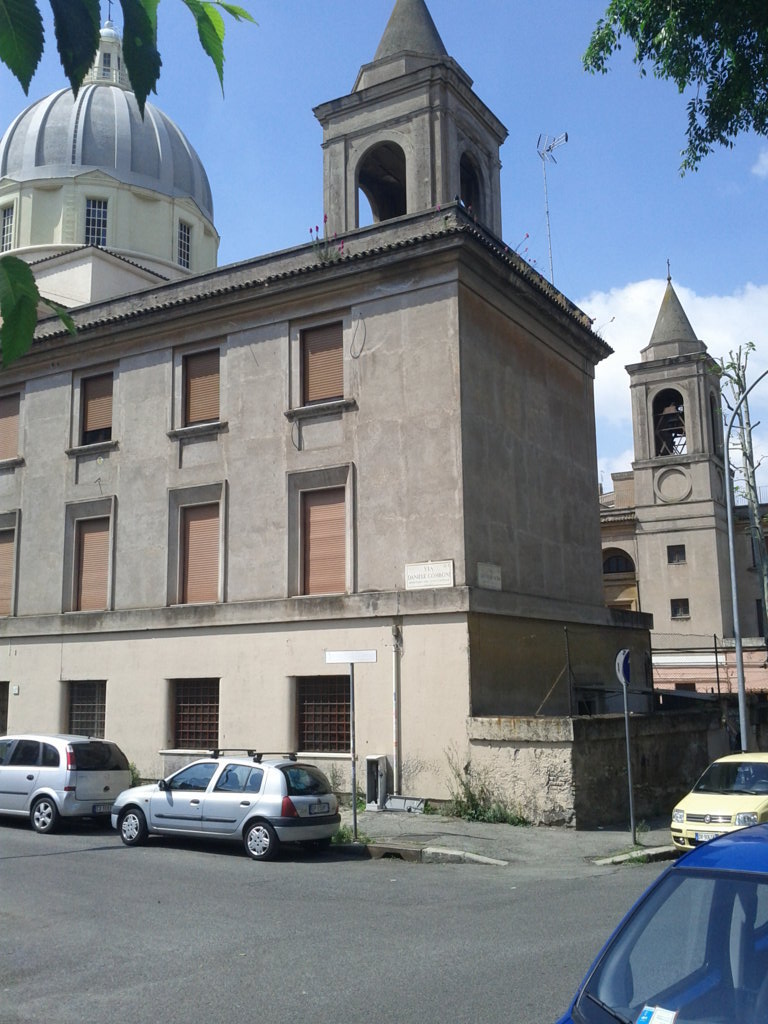

Still you can find original plates with the number of plot, name of the promoter and building date.


Most of the times the backdoor is even nicer and better taken care of the main entrance door.
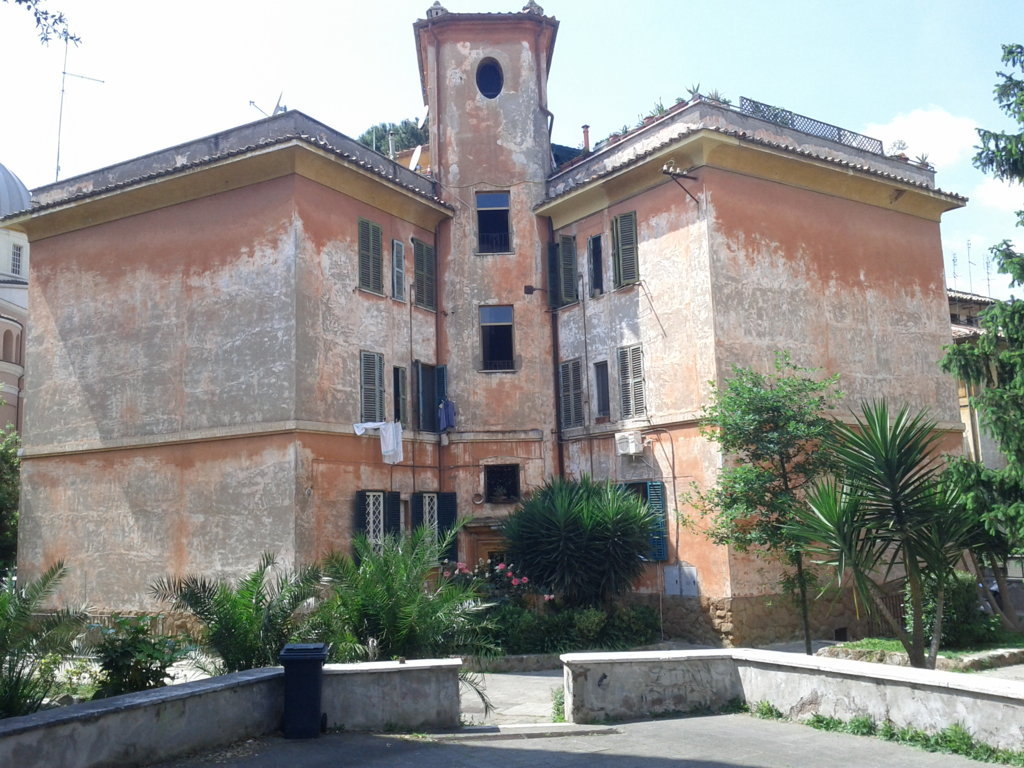
Some pines have grown higher than the buildings and resist.


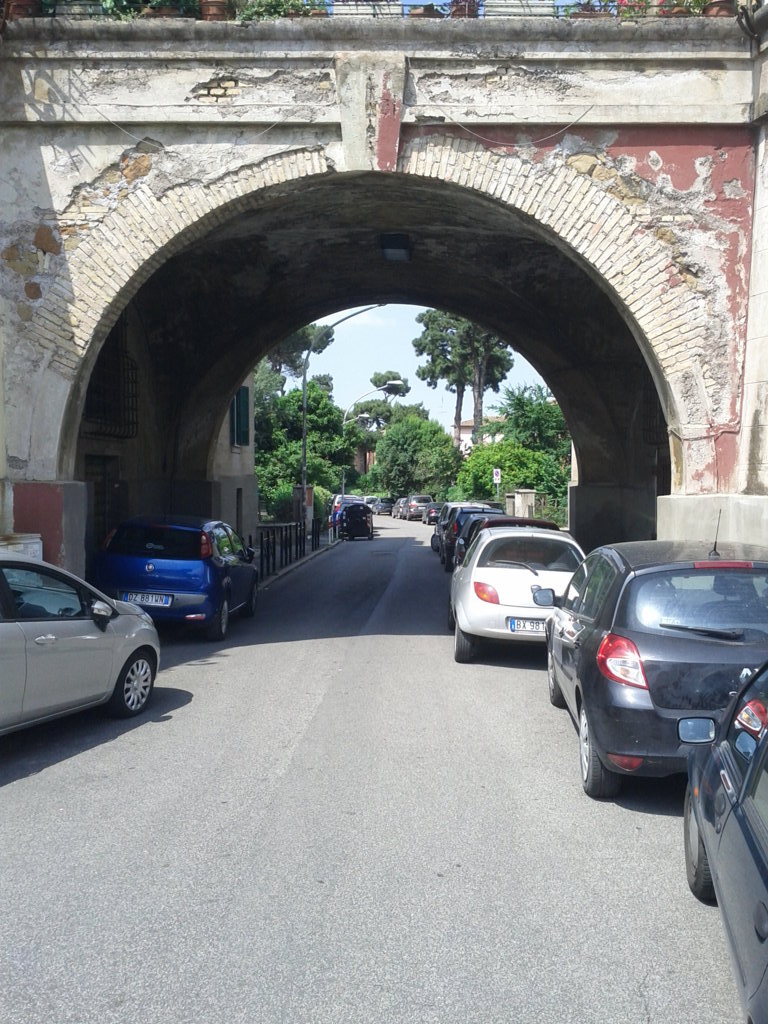


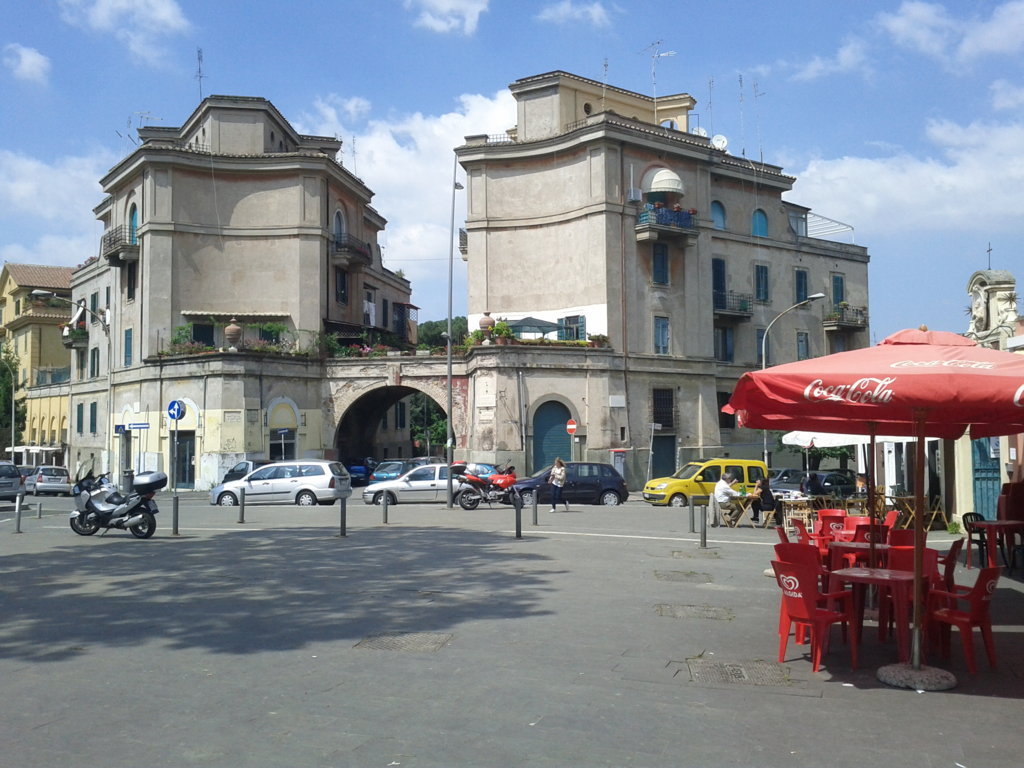
Lunch break at one of the bars in Piazza S.Eurosia. Sitting outside was nice and food looks ok, but was not up to what I expected.


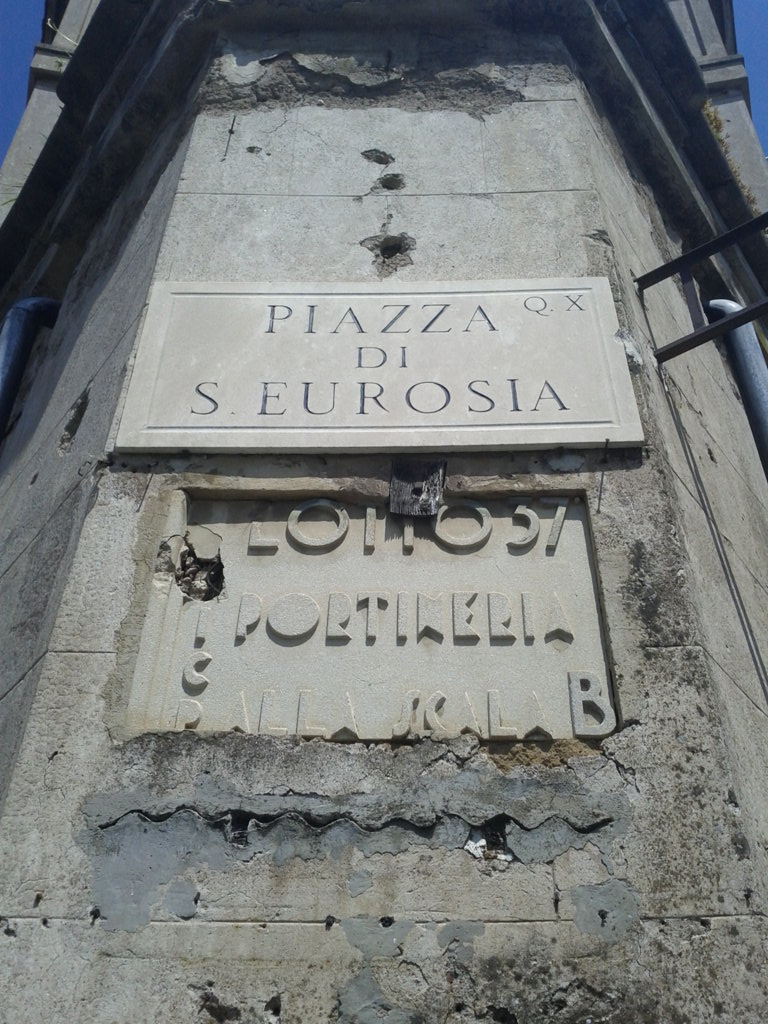
Original plates for orientation, signed ICP Istituto case Popolari (Social Housing Institute).


This bar is the location of the famous TV fiction “I Cesaroni“.


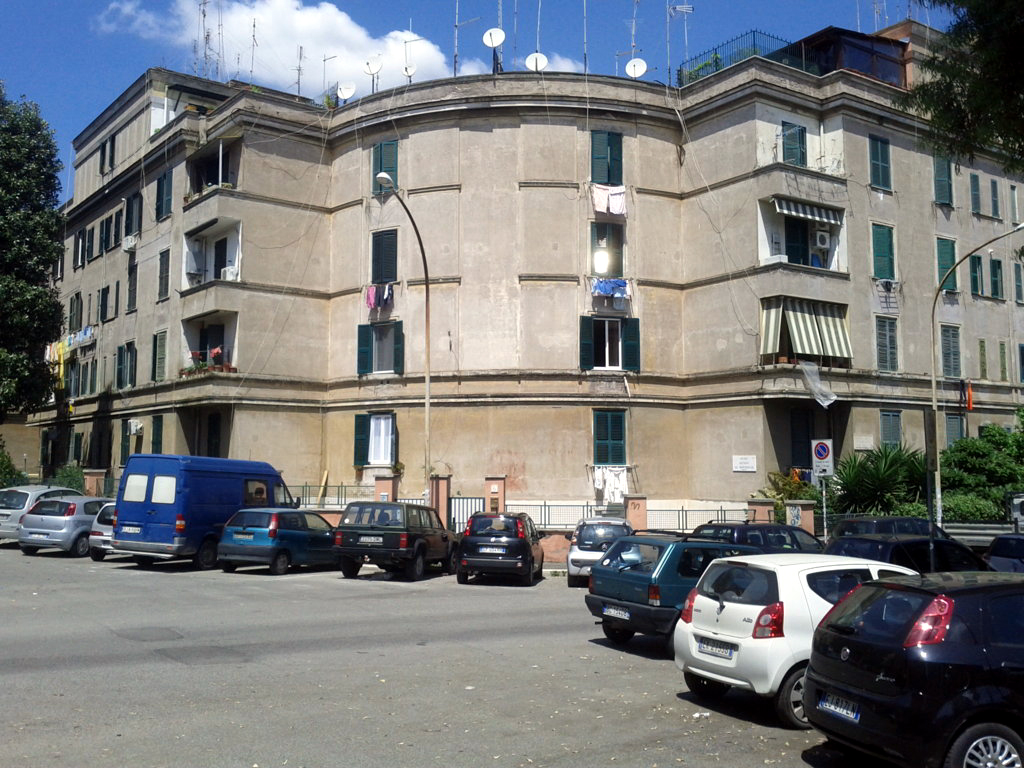




 Well Designed and Built