Barrio La Chanca
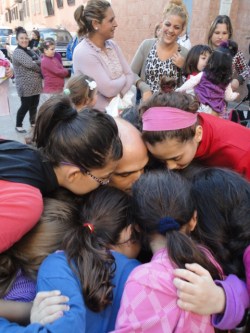
In my numerous excursions in european cities the so-called periphery has often given me more emotions than the historical city centre. Maybe it is because I was born and raised in a periphery or because I mostly knew what expected me in the centre. The edge of town is more sober and exciting at the same time.
In my recent visit to La Chanca in Almeria I had been thoroughly prepared, both theoretically and emotionally, to meet an extraordinary urban reality. On the good side the ancient moorish origin, the proud spanish identity mixing up with the strongly rooted gypsy minority and recent immigration from Morocco. The tremendous topography, between the harbour and the caves where the stones to build the monuments of the cities were taken. The long standing engagement by the public administration and the third sector in urban regeneration policies that was awarded the Best Practice Award by the Unesco in year 2001. On the bad side the scarce integration of the 10.000 inhabitants of La Chanca in the social body of the city, the lack of jobs, derelict public infrastructure, schools, sport facilities, public gardens and many others things that make cities livable. But above all I was told about the incredible social potential of a community with its profound roots and immense vital energy.
I had very special guided tour around La Chanca in the framework of an intense and high level thematic seminar of the Urbact Links network and I take this opportunity to express my gratitude to Maria del Mar, Manolo, Jose Antonio, Jose Carlos, Ramon and again Maria Del Mar for the experiences and the knowledge they shared with the partners.
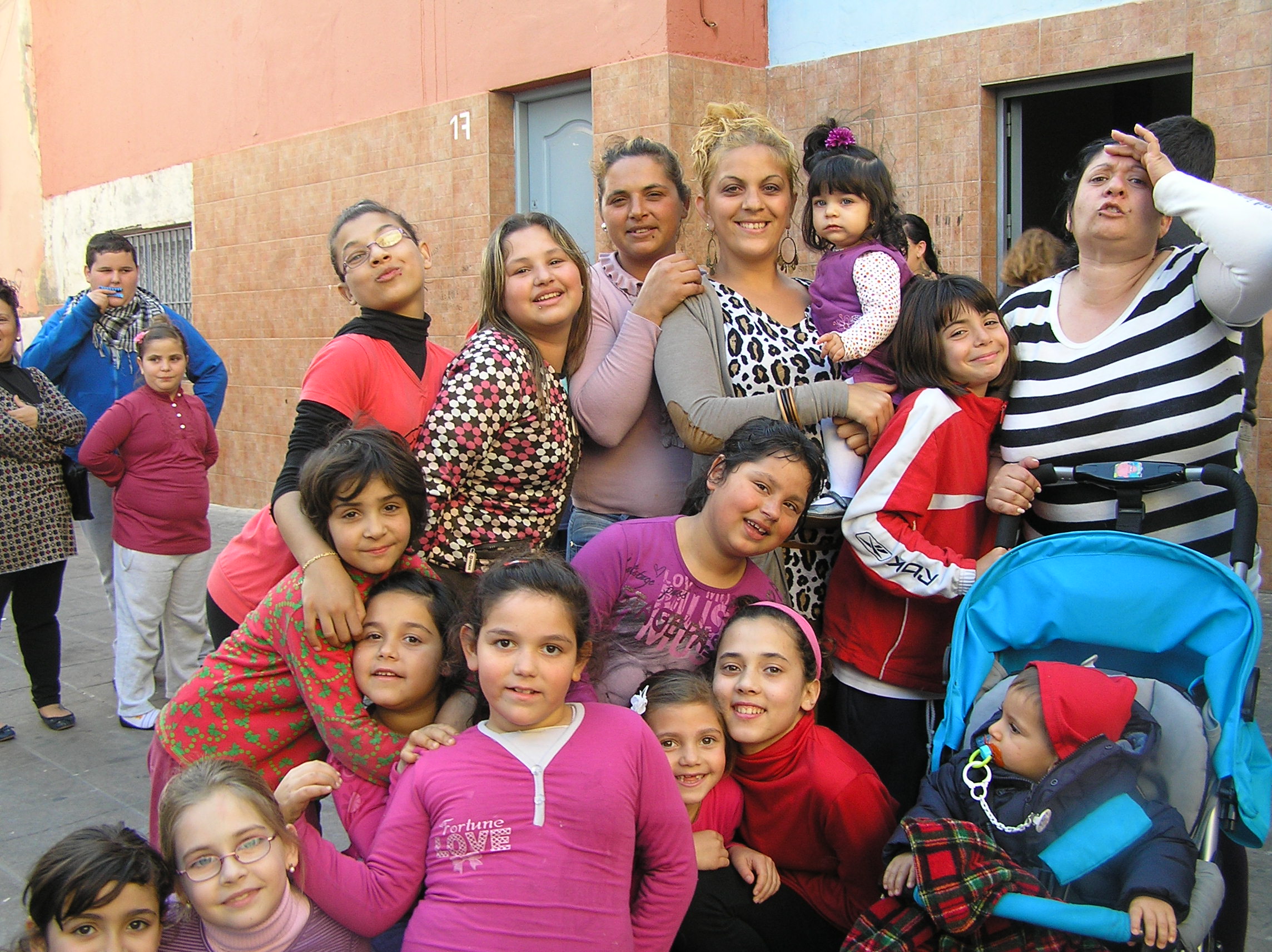
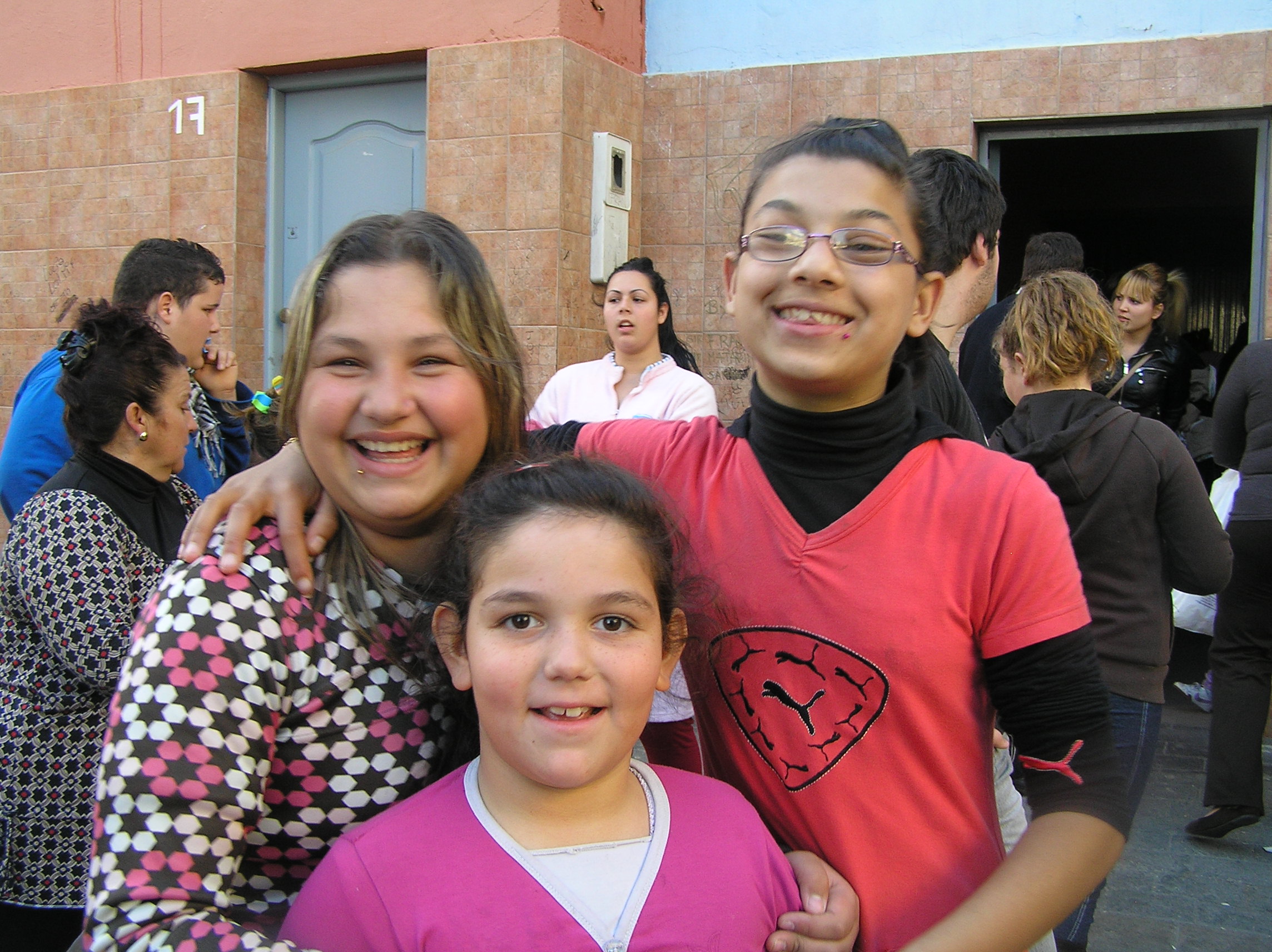
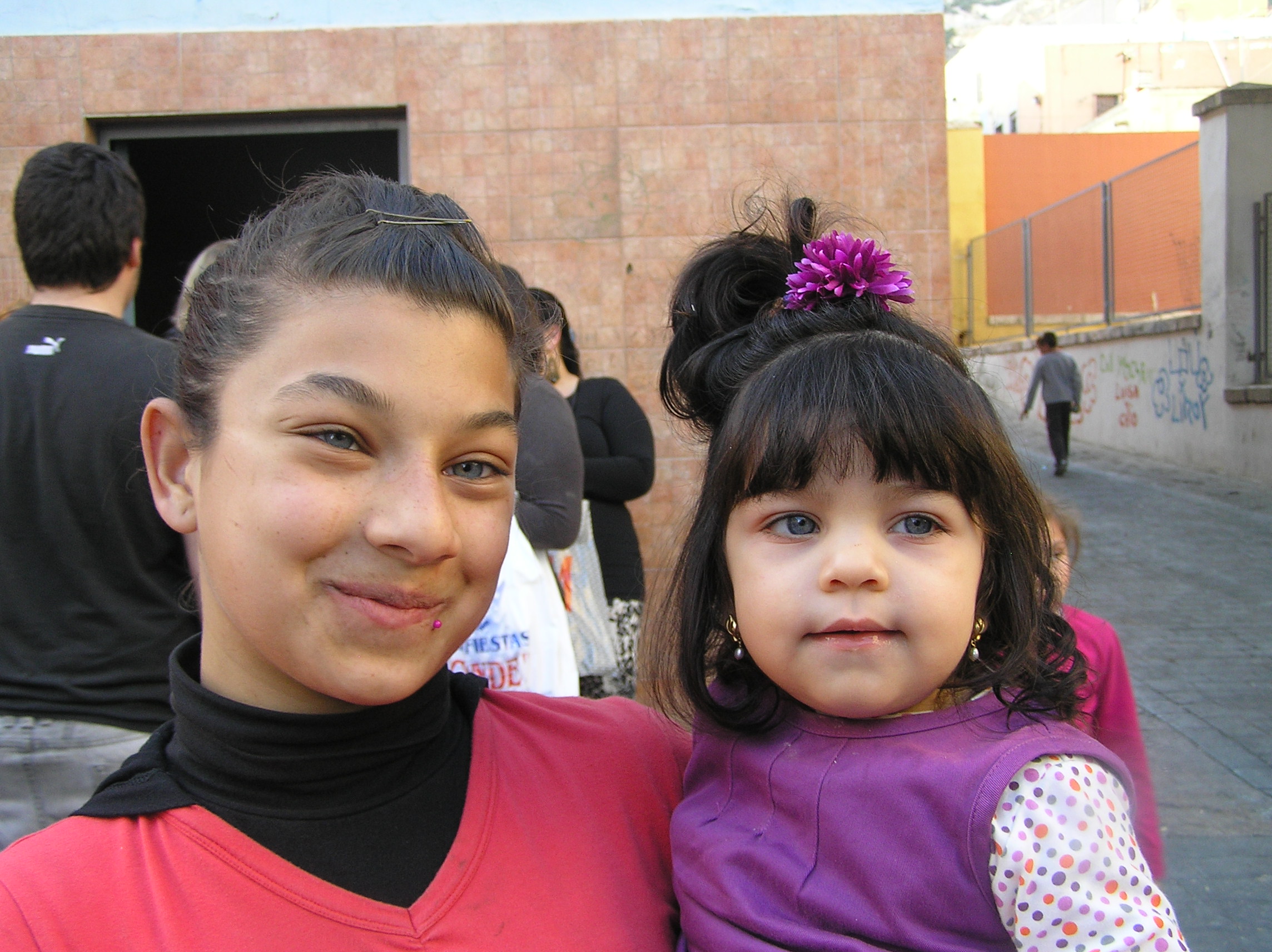
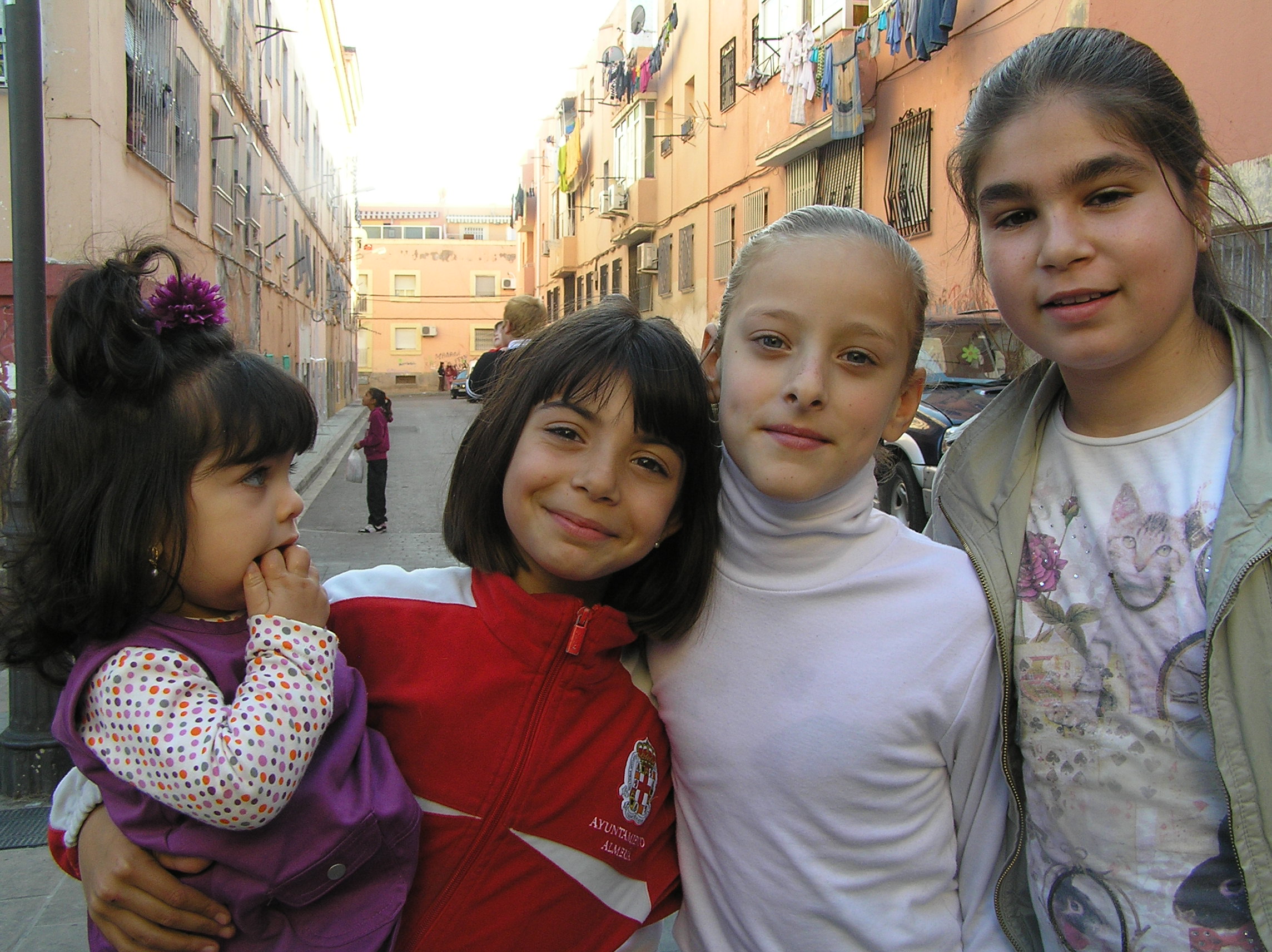
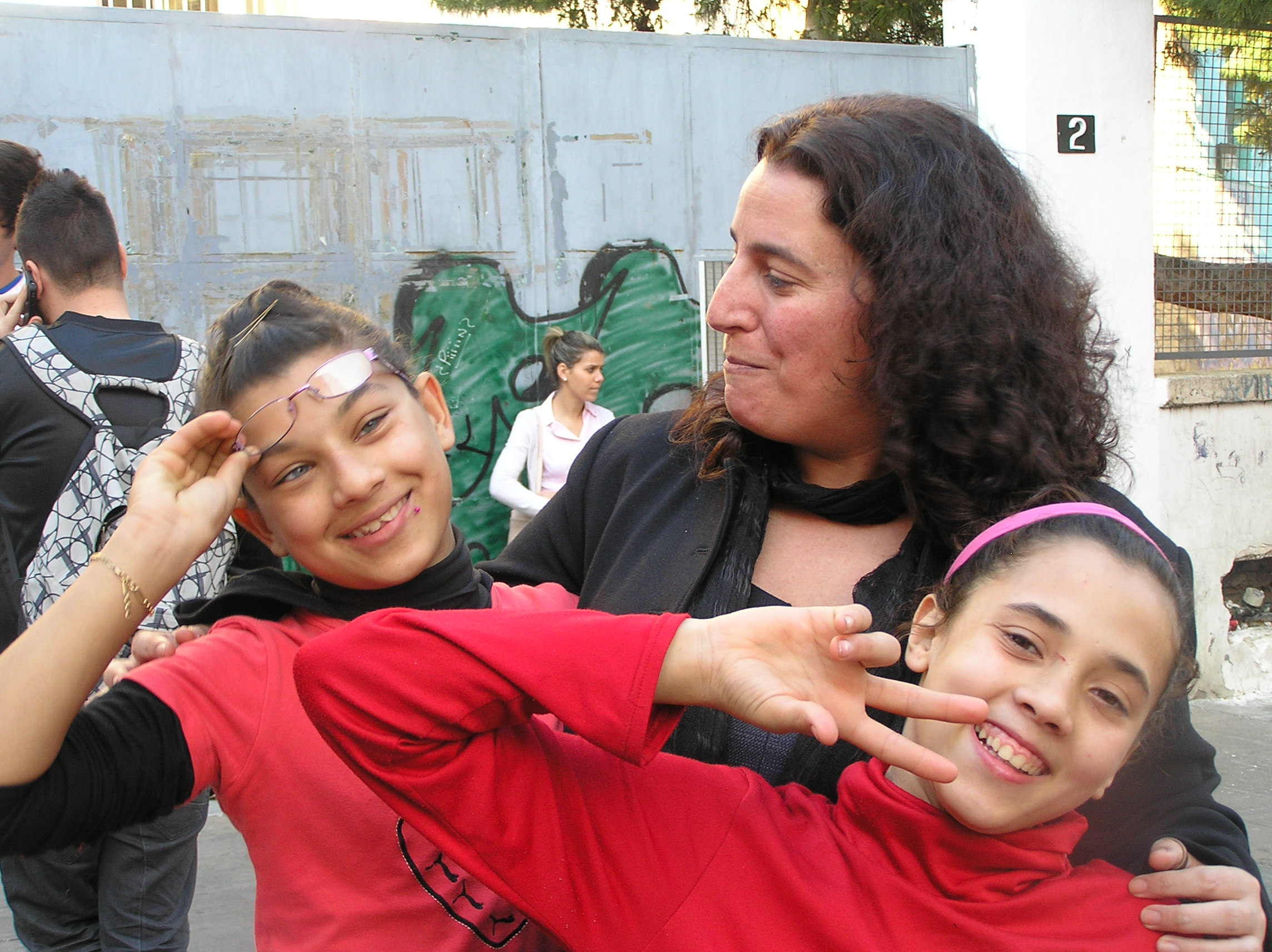
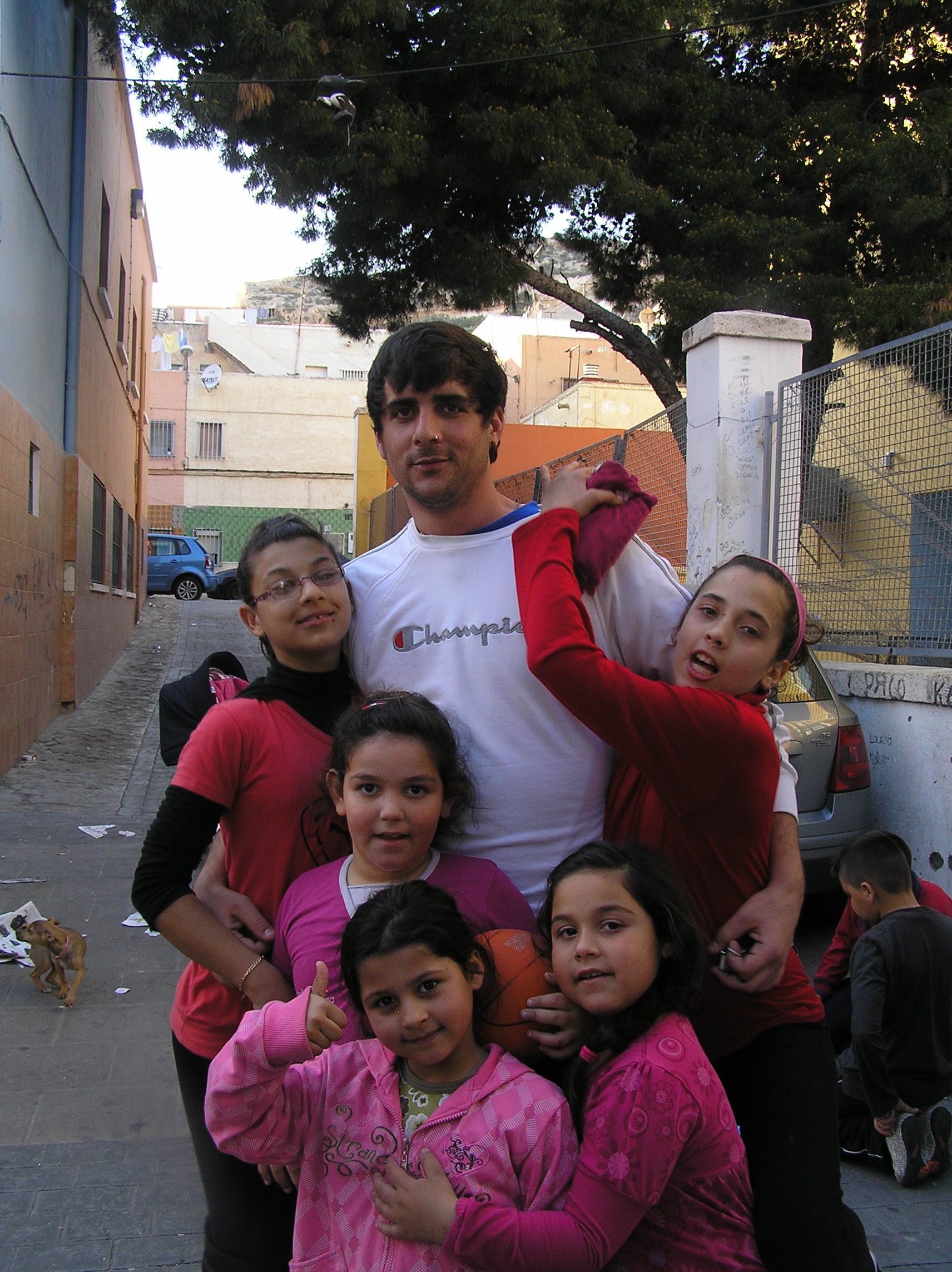
Among the many pictures I took in Almeria I like to publish the pictures of people from La Chanca which I believe can express at best the essence of this amazing place.
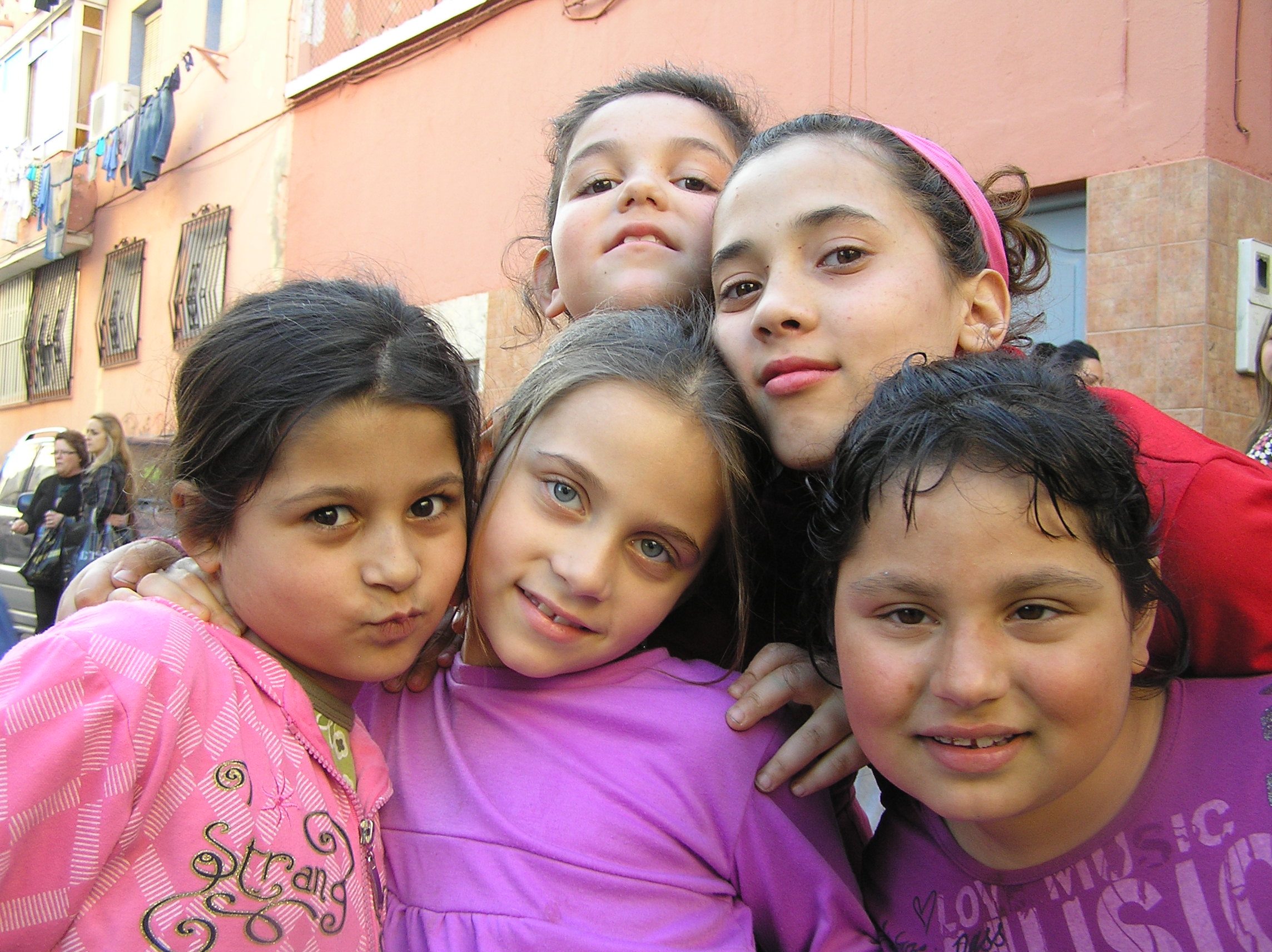
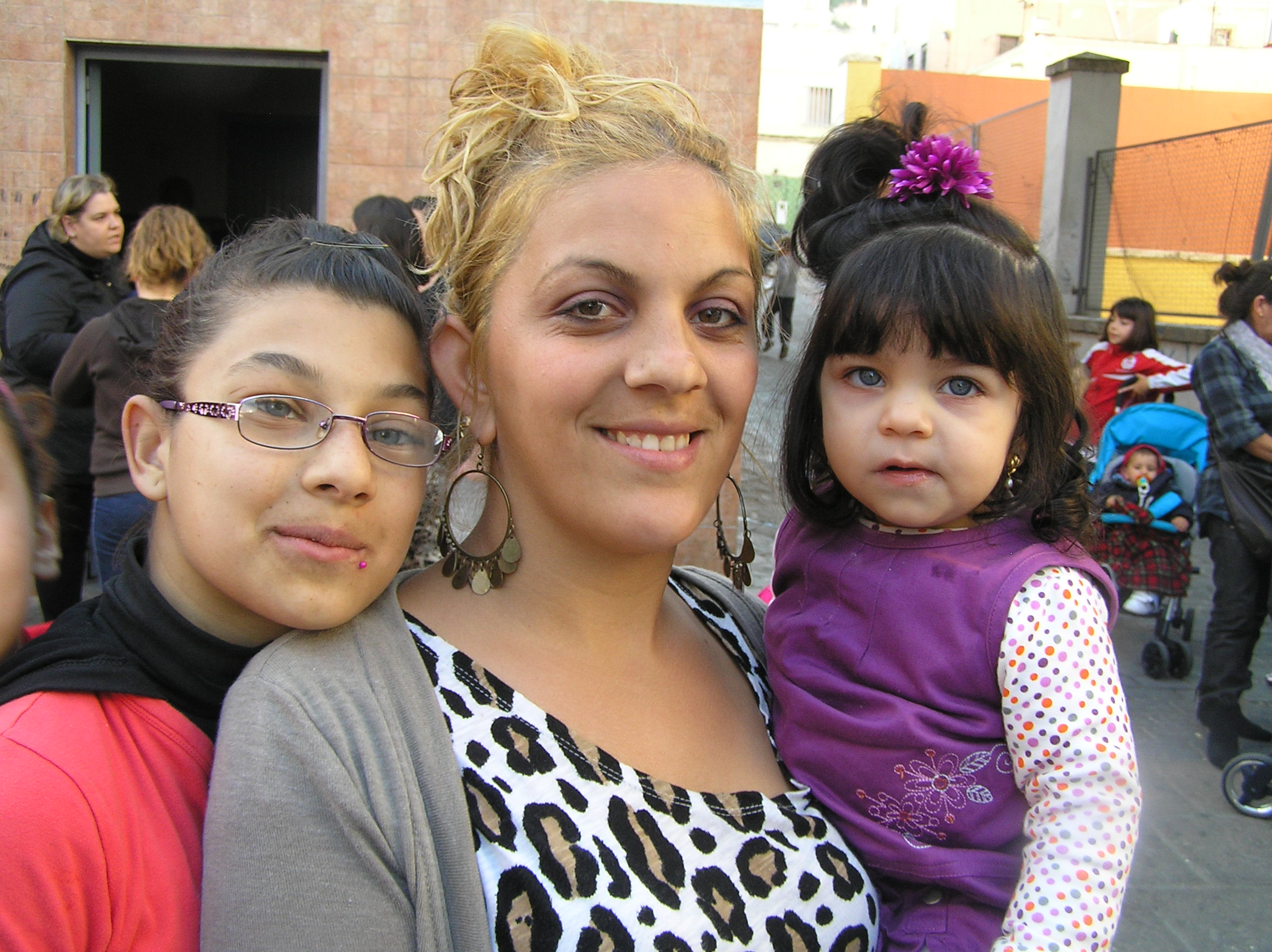
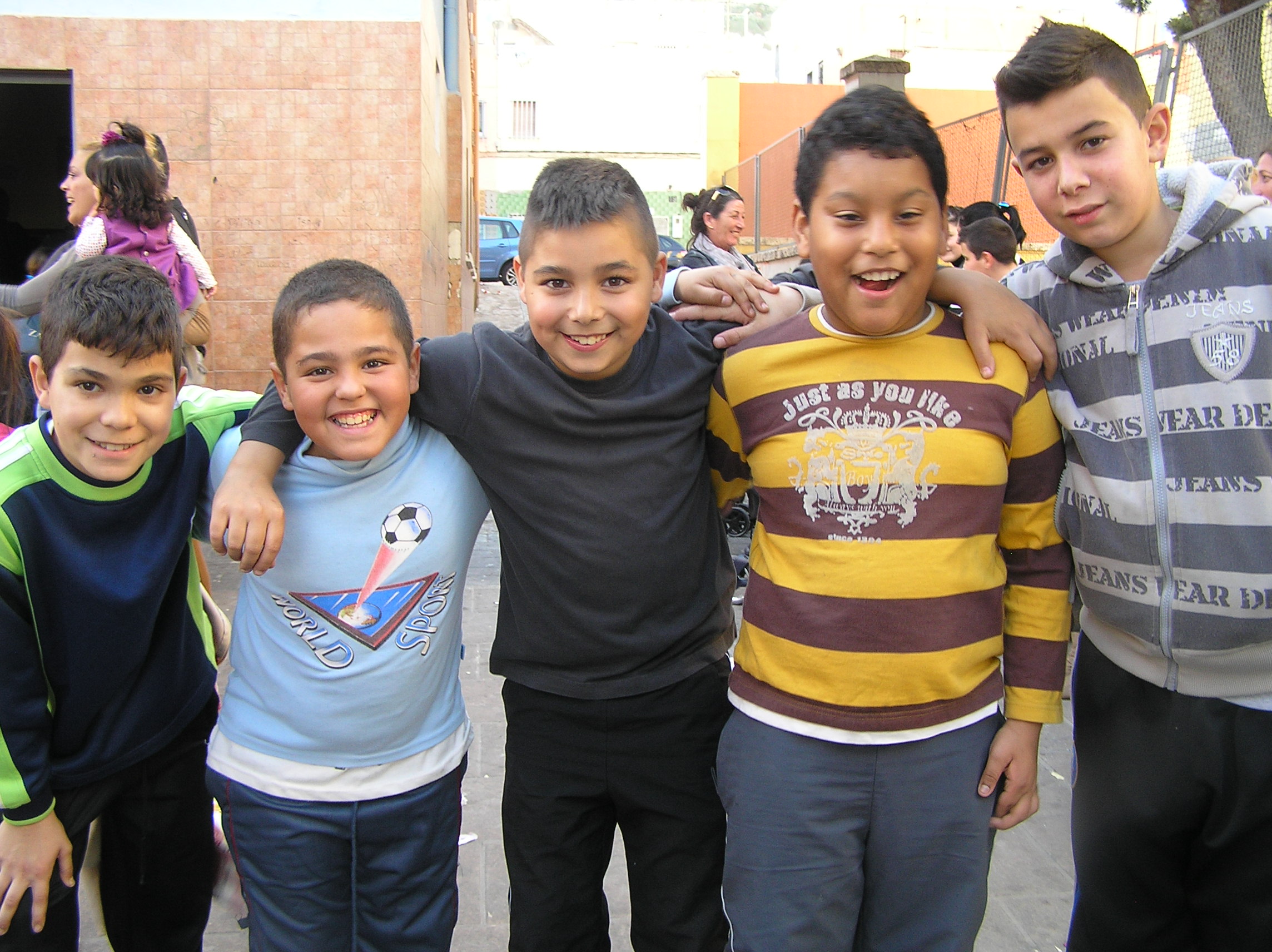
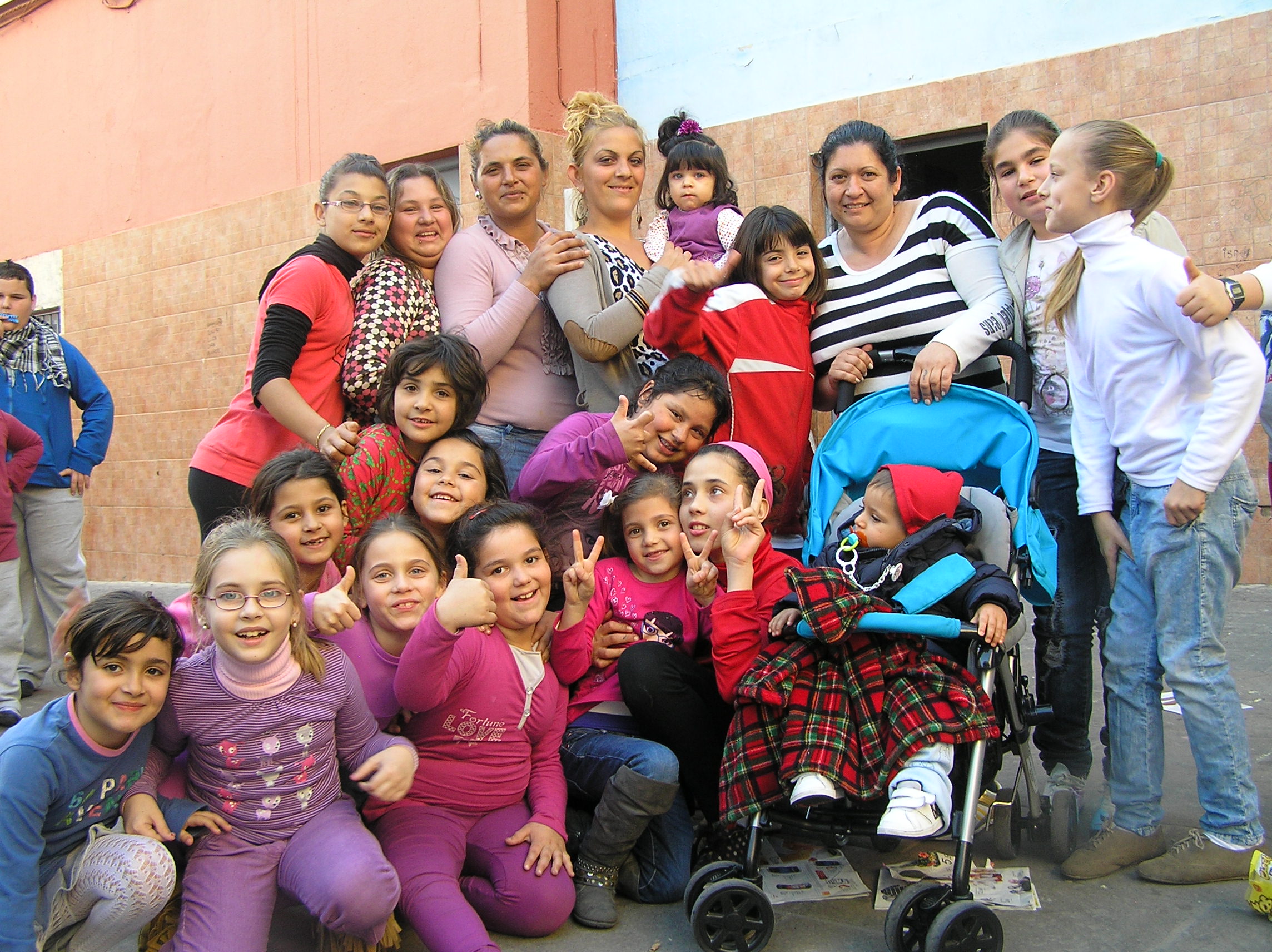
Surprising Paris
Having a meeting in Paris I hoped to have the opportunity to have a walk along the Seine, eventually climb up the Tour Eiffel and enjoy the new exhibition in Palais de Tokyo. But if your flight is delayed, the meeting is not in the city, but in Saint Denis, half way between Charles De Gaulle Airport and the city centre, and you don’t want to be late then you may have to settle for a random walk on the neighbourhood.
Saint Denis is a former industrial suburb of Paris crossed by the Seine and the Periferique, with rather quiet residential areas, office blocks and businesses of various kind. The ordered small-scale condominiums contrast on one side with the large-scale advertising posters on the main Boulevard and on the other with monumental Saint Denis Stade de France.
Eventually my random walk took me to an amazing place: the Académie Fratellini- Centre International des artes du spectacle, the french national professional school for circus artists.
Such a building is per se something that anyone would love to have in his neighbourhood, in whatever form, but in this case it features a unique consonance of form, function and poetic. And on top of that it is also the most sustainable low-tech contemporary building I have ever visited.
At first sight the building appears like a singular modern public building – it could be a church or a theatre – a sculptural shape that at the same time emerges and fits into scale the surroundings.

First thing to know is that the plot is public and the construction, completed in 2002, had to be conceived as a temporary building, a building made of cheap industrial elements in order to be quickly disassembled in any moment the municipality would have asked for.
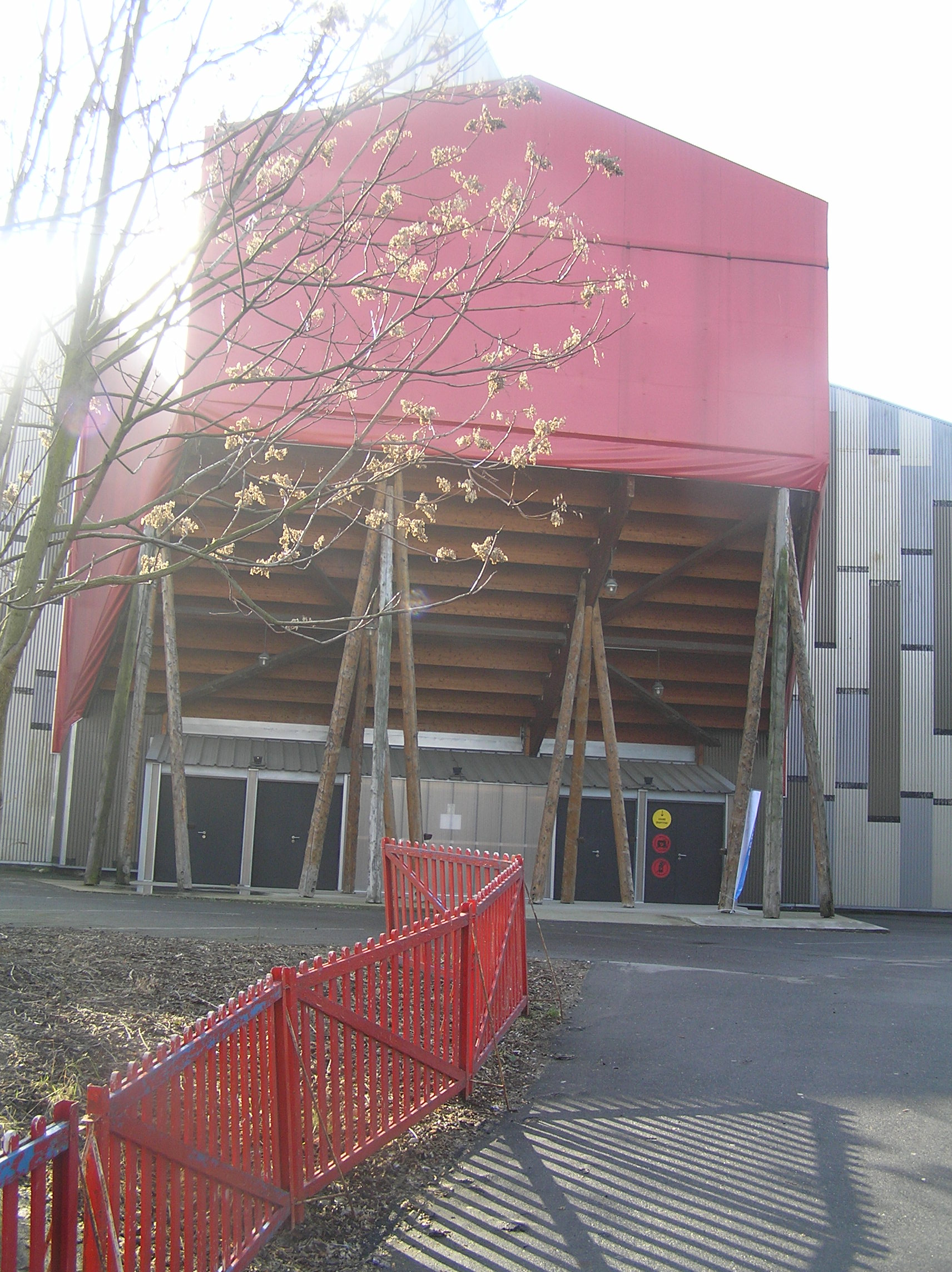
The well-known unconventional architect Patrick Bouchain has gone far beyond the request of the municipality: the building is cladded with trucks tarpaulins, fiberglass panels rejected by Disneyworld because they were the wrong colour and using tree trunks fallen during a storm in the neighborhood’s woods to support the cantilever stands of the amphitheatre.
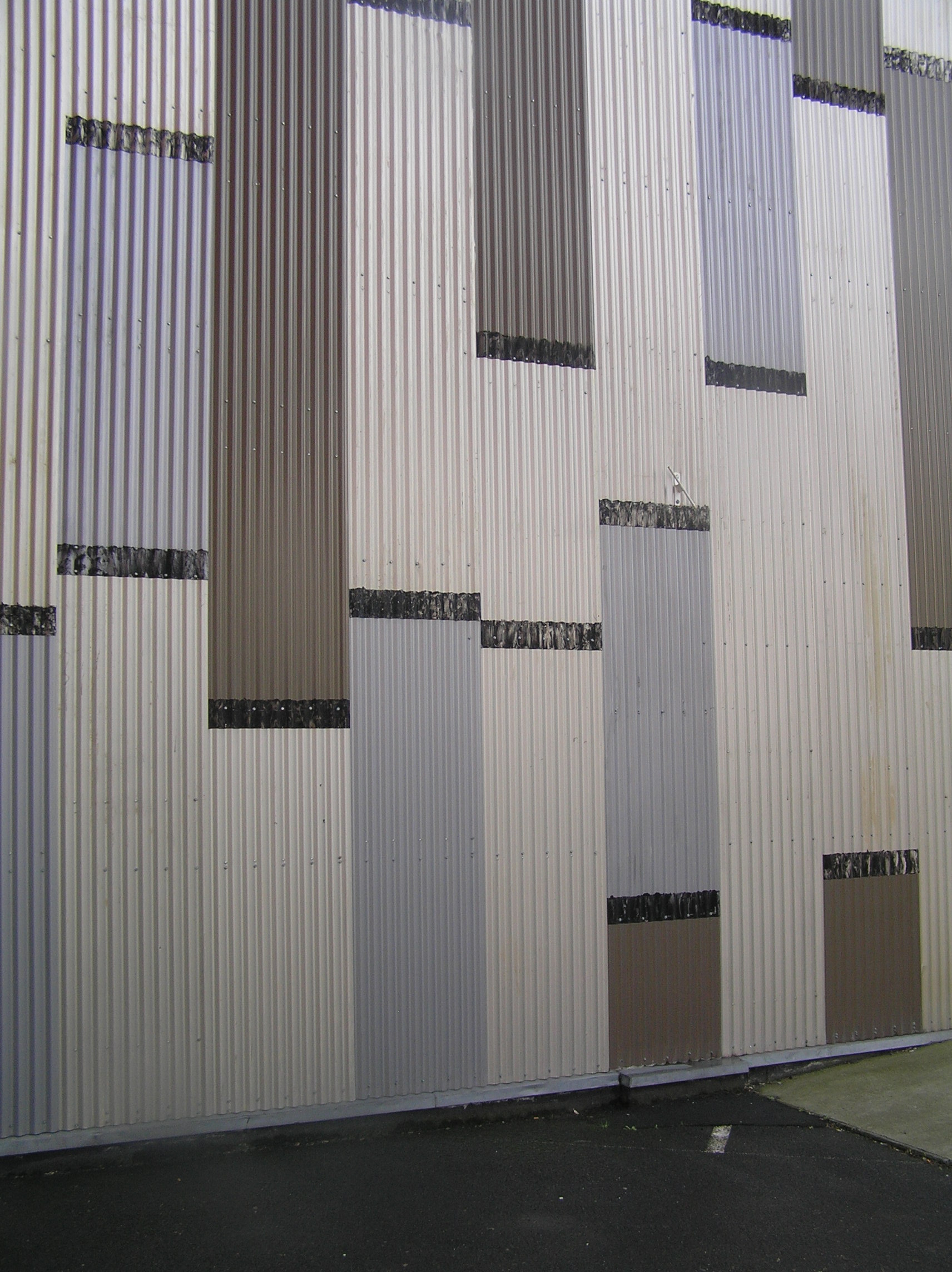
The Académie is a composition of four buildings eventually connected by corridors: an entrance building, a large show space and a smaller one plus the workshop. Resident students live in caravans.
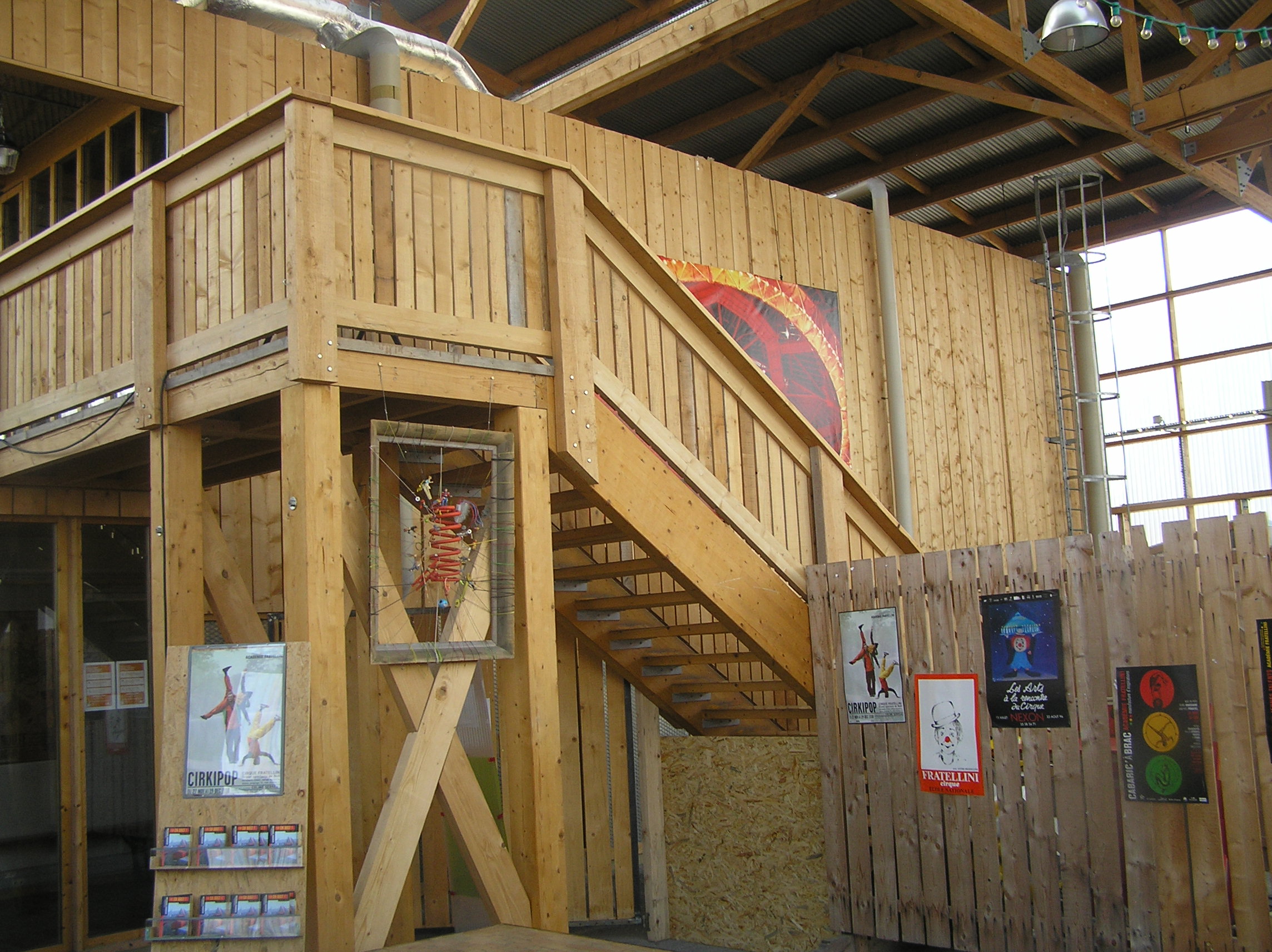
At the entrance you have an overview of the lobby and the administrative offices distributed by an open gallery assembled in wood, steel and glass. The atmosphere is nice and welcoming, same as the people I meet. Somebody goes and look for somebody to take me around.

A technician takes me to the different places were artists are doing exercises in concentration and explains me how the building works.
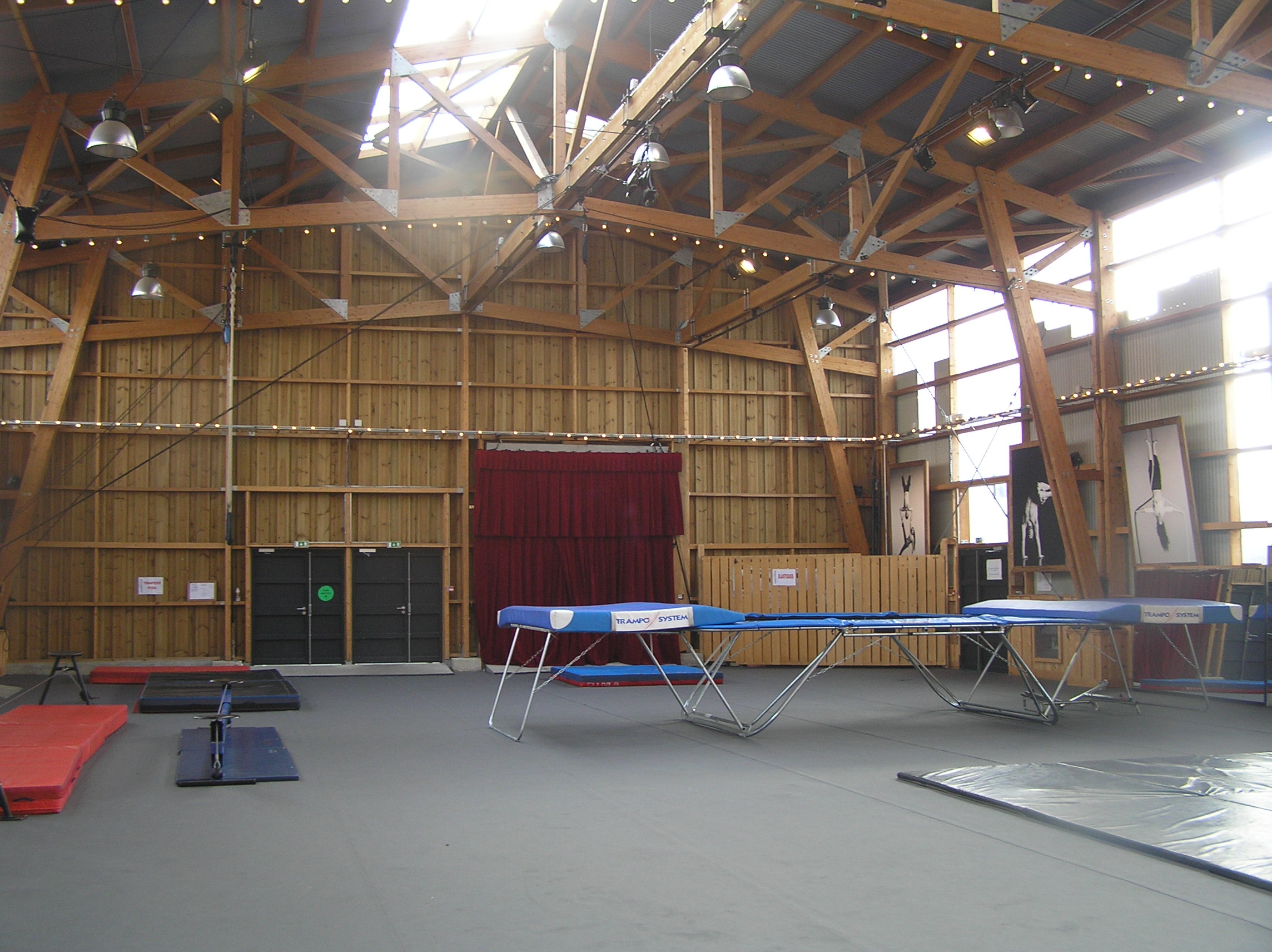
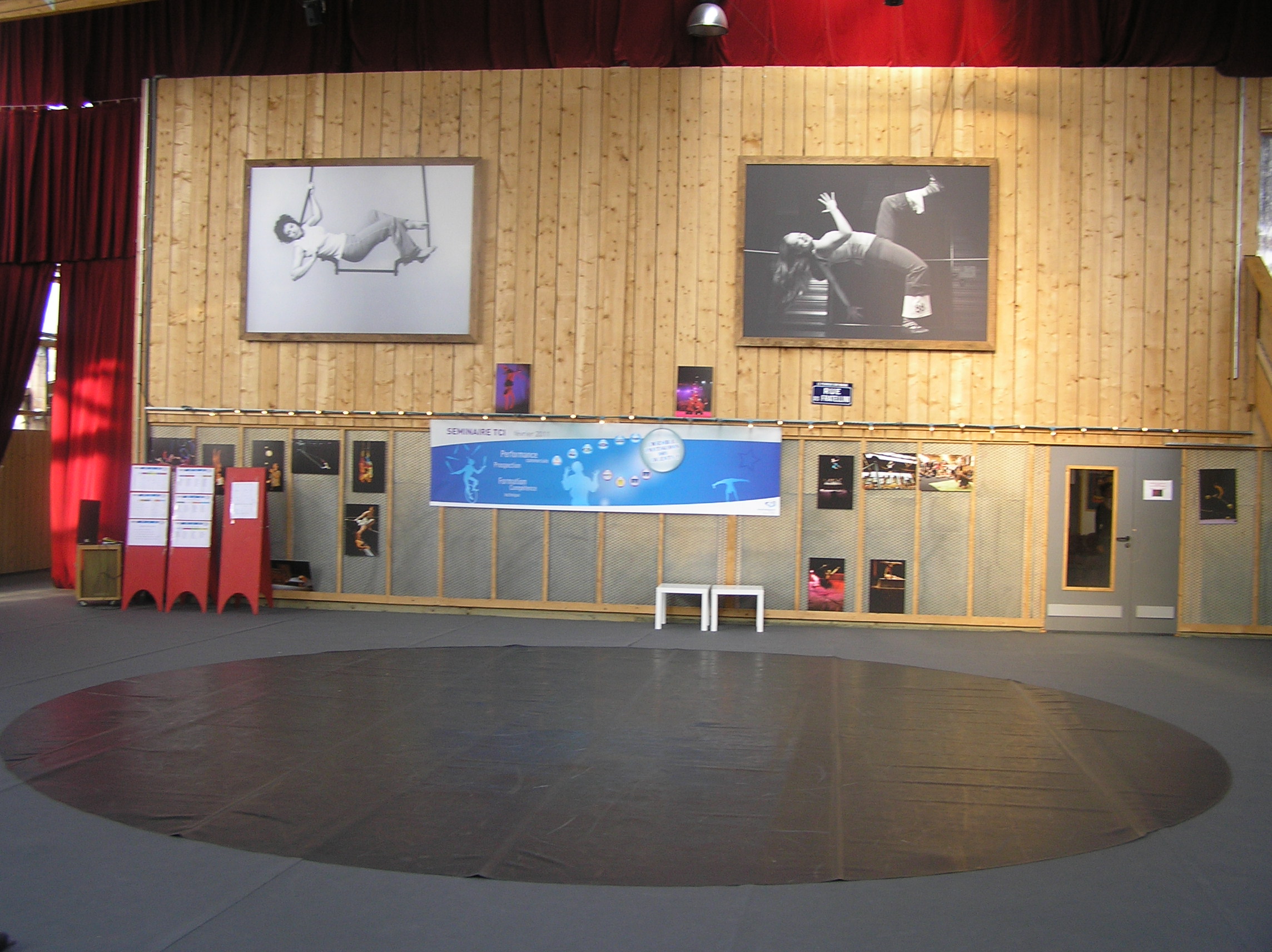
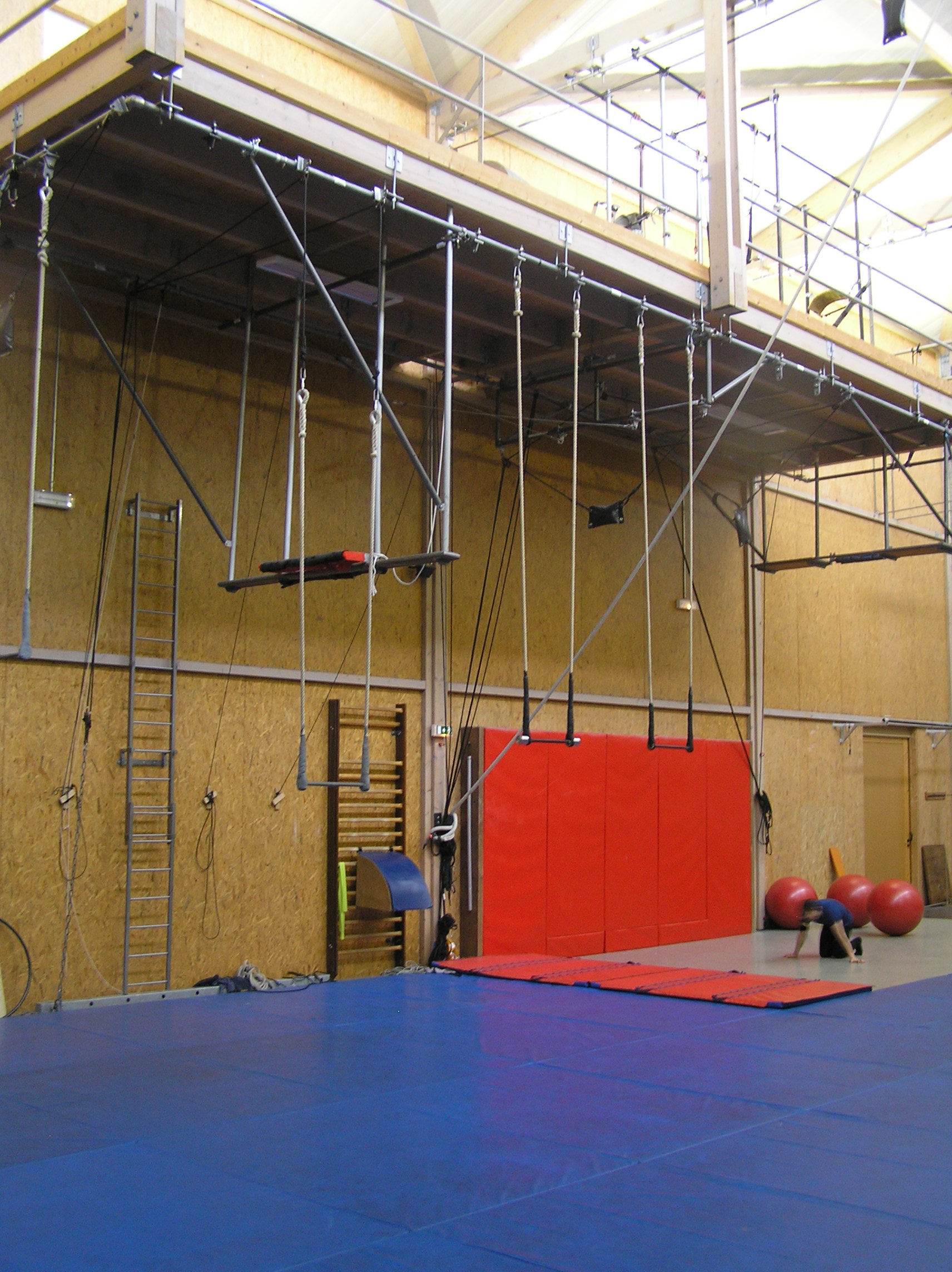
Everywhere are places to run, climb, jump, fall, roll… this is a fantastic place.
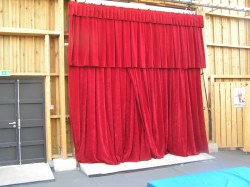
Through a red velvet curtain we enter the main show space, le gran chapiteau, which is temporary set up for a private cocktail. The school has budget constraints and has to rent the space to make ends meet.


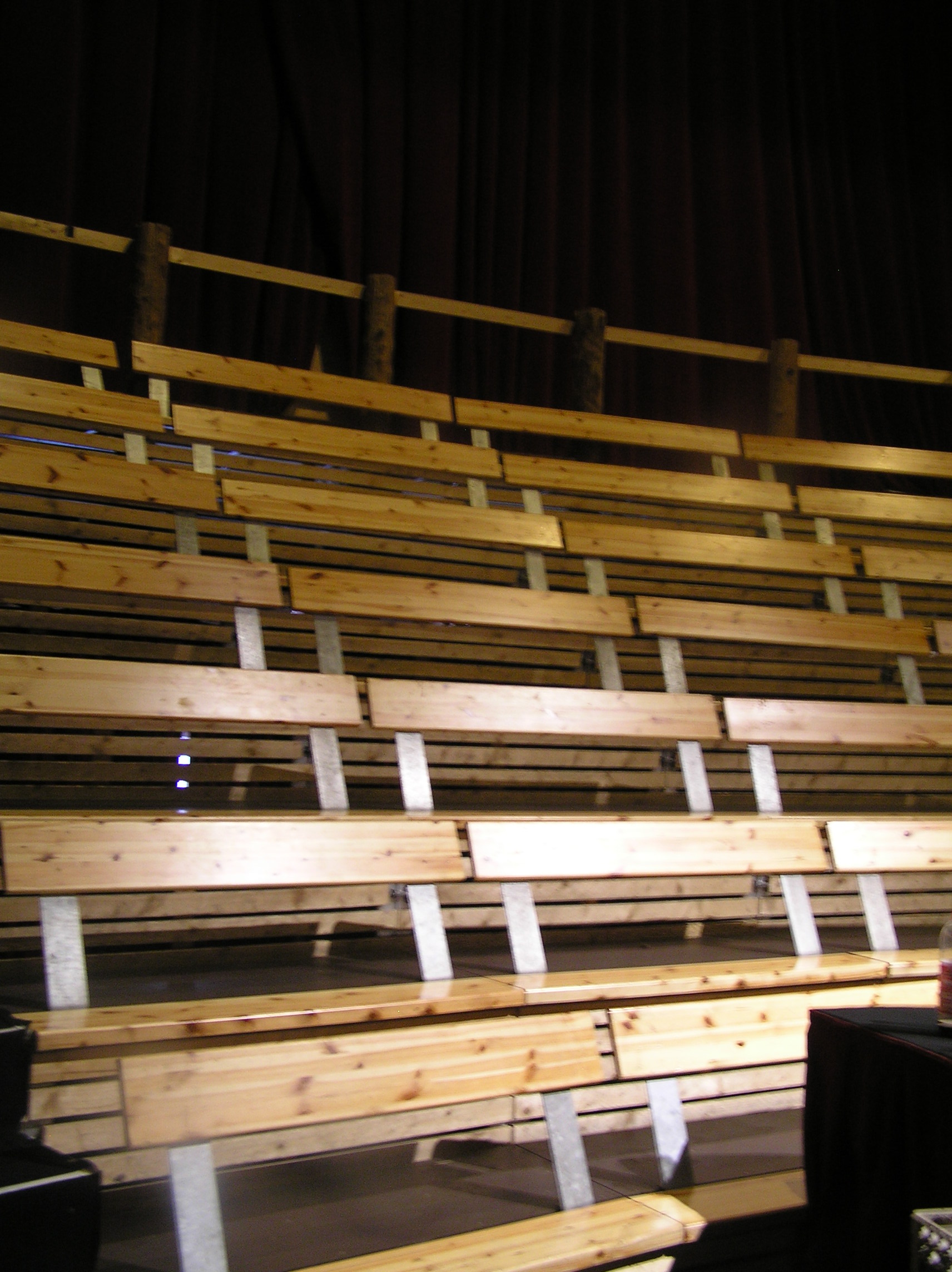

Outside on the red-painted fence the name of the school is painted in white, bearing honor of great french clown Annie Fratellini (1932-1997), first woman to be inducted in the Clown Hall of Fame and acting in Fellini’s Clown.

Interview with Bjarke Ingels

Fabrice Debatty Photography
People saying that Nemo Propheta in Patria should have a walk in Copenhagen and listen about Bjarke Ingels’ Pragmatic Utopia. At the age of 36 the danish genius (the definition is by Giorgio Santilli on ilSole24ore) is managing the world leading architectural studio Bjarke Ingels Group BIG which is collecting publications and prizes at all latitudes. I met Bjarke in the European Parliament in Brussels – in occasion of the 20th Anniversary of the Architects’ Council of Europe – where he held an inspiring key note speech. Among other things he has described the danish pavilion at the Expo in Shanghai, more or less as follows.
Before Shanghai we went on a field trip to the World Expo 2008 in Zaragoza to research how to design national pavilions (or not to). We spent a day walking around the different pavilions to see how others had approached the same subject before us.
We found that World Expos seem to be orgies of state financed propaganda, full of pretty pictures and catchy statements , but void of real experiences. Attracted by the queue in front of the German pavilion, we found that it was the result of bad logistics rather than attractive content. A “boat ride” on a flooded conveyor belt took visitors, like hams hung in a slaughterhouse, past various Tony Stone stock images of smiling corporate executives and cute kids or random installations of water fixtures: a wall of bathroom sinks (or was it toilet seats?) installed to celebrate the expo’s water theme. A stale hybrid between a tradeshow and a sustainability ad campaign.
After a full day of “sightseeing” the highlight by far had been the port wine and nate in the Portuguese café: also the only taste of reality so far.
We thought – what if we could turn the Danish pavilion in to a congested experience of real life in a Danish city. Not just the story about it – or the image of it – but the real deal?
So what was the Expo all about? Why had they chosen Hai Bao as their mascot? A blue guy with a friendly smile in the shape of the the Chinese character for “people”. He had been chosen to match the sustainability theme of the Expo under the motto: Better City – Better Life.
Sustainability is often misunderstood as a puritan concept where “it has to hurt in order to do good”. “You are not supposed to take long warm showers or take long-distance flights for holidays – because it’s not good for the environment”. So gradually we get the idea that sustainable life is less fun than “normal” life!
What if we could focus on examples where sustainability actually increases the quality of life? Where a sustainable lifestyle isn’t pain – but pleasure! We asked ourselves: What could Denmark possibly show that would be relevant to the Chinese? So we made a little comparison between the two countries.
One of the world’s biggest countries vs. one of the smallest.
A Socialist plan economy vs. a social democratic welfare state.
China’s national symbol is the Chinese Dragon – in Denmark we have a national bird: the swan (the bird formerly known as the ugly duckling).
China is known for its many poets, especially Li Po – but to our surprise we discovered that The People’s Republic’s school curriculum includes 3 fairytales by the poet An Tu Shung, aka Hans Christian Andersen, the Danish poet. So in fact all 1.3 billion Chinese have grown up on a literary diet of The Emperor’s New Clothes, The Little Match Girl and The Little Mermaid. A small part of Danish culture has been integrated into Chinese Culture.
The biggest tourist attraction in China is the Great Wall, the only manmade structure that can be seen from outer space. And the biggest tourist attraction in Denmark is The Little Mermaid, which can hardly be seen from the Canal Tours.
Both Shanghai and Copenhagen are port cities – but on radically different scales.
And the urban fabrics are equally different – skyscrapers among highways vs. European city blocks.
In fact the greatest Danish work of Architecture – the Sydney Opera by the late Jørn Utzon – is a Scandinavian interpretation of a Chinese typology: a pagoda on a plinth.
But we weren’t really finding an obvious hook for our pavilion until we started looking at the recent urban development of Shanghai and Copenhagen. 30 years ago Shanghai was characterized by broad boulevards jam-packed with bicycles. There were only 2 kinds of cars in Shanghai back then: Shanghai no. 1 and Shanghai no. 2.
With the massive economic boom and urban explosion everybody now wants a car, the streets are congested by traffic jams, and the bicycle has even been forbidden in some parts of town.
During the same period of time, Copenhagen has been creating more bicycle lanes and reduced car traffic. The bicycle has become a symbol of a sustainable city and a healthy lifestyle.
We have developed multiple types of bikes to move not only ourselves, but also our kids and our stuff around by bike.
We even have a so-called City Bike that visitors can borrow for free to move around town.
We thought: Why don’t we relaunch the bicycle as something attractive in Shanghai? We will donate 1001 City Bikes to Shanghai that they can keep after the Expo.
So when you arrive at the Expo you can go straight to the Danish Pavilion, get your city bike, and then you can ride to Sweden, Korea or Azerbaijan on your Danish bike. So we imagined the Danish Pavilion as an infrastructure for bicycles. Like a bicycle lane, looped around itself.
As was mentioned, both Shanghai and Copenhagen are port cities. But in Copenhagen, industries have been moved away or made clean. Former industrial sites have been turned into parks, and the water has become so clean that you can swim in it. In fact one of the first projects we ever did was the Islands Brygge Harbor Bath, which extends urban life from dry land into the wet element.
So we proposed to sail 1 million liters of harbor water from the Copenhagen harbor on a tank ship to Shanghai. In the heart of the pavilion we would create a harbor bath where all visitors with the courage to do so can borrow a pair of red and white swim shorts or a swimsuit and take a swim in real Copenhagen harbor water. And in the middle of this little piece of Copenhagen harbor life, just like in the real Copenhagen harbor, we proposed to stack a pile of rocks and place the actual Little Mermaid there. Not a copy, but the real deal. (China already has its share of copies).
H.C. Andersen’s motto was: “To travel is to live”. Now the Mermaid would finally come to life!
So whereas National Pavilions normally come across as full of state funded propaganda, empty words, and superficial images, we wanted to deliver something real. The Chinese would be able to ride a city bike, swim in the harbor water and see the actual Little Mermaid that they had known since elementary school.
To stand-in in the absence of the mermaid we would invite the Chinese Artist Ai Wei Wei to reinterpret The Little Mermaid on the spot where she normally sits. In Copenhagen, Danes rarely check out the mermaid – it’s mostly the domain of … well … Chinese tourists. So for 6 months Danes would actually have a new excuse to go there – and perhaps another one to see her come home.
The pavilion itself is a linear exhibition curled up in a double loop with the harbor bath in the center and the bicycles on the roof. People will arrive at the bath, move through the exhibition, and reach the roof where they can find a bike. Mounted, they ride through the last part of the exhibition and out into the Expo area. Structurally the pavilion is conceived as one giant self-supporting tubular truss – similar to the hull of a steel ship. The façade needs perforation for daylight and ventilation, but due to the structural performance of the truss, the degree of perforation varies with the structural stress. As a result the façade of the pavilion becomes an abstract pattern of light and darkness reflecting the flow of people and bicycles within the pavilion as well as the flow of forces inside the steel wall. 
Right after we won the competition we were asked to exhibit the design for the Danish Pavilion at the Shanghai Urban Center. To our surprise the Chinese state returned one of our presentation panels with 3 acts of censorship:
1st: We had used dated photos of Chinese party members – they were replaced by current ones
2nd: We had shown the map of China without Taiwan – it was automatically added
3rd: The image of the fierce Chinese Dragon was suggested replaced with that of a bamboo-munching Panda!
Although notorious protagonists of liberty of speech we found it almost cute that the state would even care to intervene in the choice of national mascot!
PS. When we won the competition and the prospect of the mermaids voyage to China was announced it sent shockwaves through the tabloid press. How could we propose to send our national symbol to China!?
The Nationalist People’s Party attempted to invent a law specifically against it. As a result we were invited for the first time (yet) to speak at the national assembly. Moved by the Chinese affinity for H.C Andersen and aroused by the generosity of the gesture, all parties except two were in favour of sending her on the journey. The Rightwing Nationalists were against because they wanted to keep her for themselves, the Leftwing Unity Party because they preferred sending a wind turbine instead!
The final debate was held on the same day when parliament was discussing the bailout package for the global credit crunch!!
9.00 to 11.00: Global Financial Crisis: How many billions should we invest to save the national economy?
11.30 to 13.30: Whether or not to send the Little Mermaid to China?!?
For once I managed to consume the entire meeting minutes of 2 hours of political debate because some of the politicians had really put their hearts in it. The chairman of the liberal party said: “The fairytale of ”The Little Mermaid” is a tale about leaving your home in order to meet another world, about uniting two cultures, and perhaps mostly it is a tale about the belief, that by giving up a part of yourself you will get so much more in return.”
We had found a way to turn politics in to poetry!
They finally decided to entrust us with her! So if you want to see the mermaid from May to December 2010, don’t come to Copenhagen, cause she won’t be there! She’ll be sitting on her stone in Shanghai in a pool of paddling toddlers.
What is your general impression about the expo in Shanghai? Is such an event still actual? For which purposes? You can hardly imagine two locations as different as Shanghai and Milano. Nevertheless could it be possible to drive some suggestions from there for here?
As part of the homework for our work with the Expo I read the book The Devil in the White City that depicts the preparations for the 1893 Worlds Fair in Chicago – following the incredible success of the Paris Worlds Fair in 1889 featuring among other things the Eifel Tower. As I read it, it became evident that the main attraction and purpose of the worlds fair in those times was to provide people a chance to experience countries they would never be able to travel to or even experience on film or TV since those medias didn’t really exist yet. It was literally an exhibition of the world to people who would otherwise not be able to see it. That role is slightly somewhat passé – but Paris of course left a legacy in the form of the Eifel Tower that was a showcase in the potential of steel construction – and in that sense became an icon of the infrastructure and highrises of the 19th and 20th centuries. Chicago didn’t really leave the same legacy – but its impact might have been even greater. The Eifel tower of Chicago – didn’t remain – but has been repeated and copied and transformed in multiple renditions all across the planet to the extent that most cities incl. London, Wienna and Paris – now has one: namely the Ferris Wheel. A replicable invention of a new typology that combines a social program with a new technology.
Finally the white city became a test bed for an urban and architectural model that became influential for many American cities afterwards. And in these two last regards expos might still be actual. For the introduction and implementation of novel technologies to create new urban and architectural typologies for future implementation. And for testing new masterplans- new urban models ideally where the expo area itself is thought of with an afterlife. Like Bo01 in Malmø that is a quite interesting almost medieval urban neighbourhood on the waterfront of Malmø that was both an urban development and an urban expo – this is perhaps where Shanghai expo failed- apart from the individual inventions and splendors of the pavilions – in terms of masterplan and legacy it leaves little behind. And this is where Milan might rather learn from Malmø than Shanghai in the way the monumental effort of the expo actually leaves a legacy not only in its inventions and ideas replicable elsewhere, but also in the urban fabric it initiates for further development post expo.
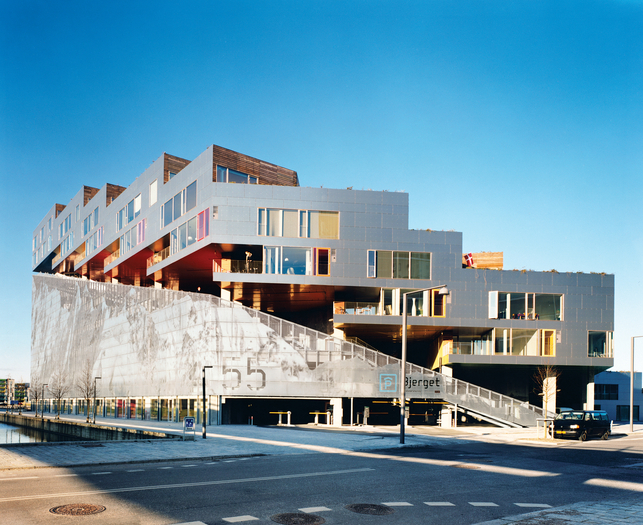
© Jens Passoth
Your most famous project, Mountain dwellings is a daring typological hybridation between parking and residential use. Do you think that we are ready to live over parking, between department stores and airports, in the so-called “non-places”?
Parking, department stores, spaces for working and living constitute most of our cities spaces. It would be a great mistake to consider them non-places. Even though they are often treated as leftovers next to the real architecture of old town and public monuments. The true challenge for architects is to observe the actions of people in their daily life- and find ways of facilitating the flow of people, their social and economical trnasactions in ways that maximise the quality of life. So rather than considering the parking as a conceptual deadzone – or an urban non-place – we turned the parking in to a manmade mountain – elevating the apartments in to the sun and the air – transforming the traditional stack of apartments into a hillside of homes with gardens.
Everytime we stumble upon something that is considered outside the realm of architecture – we know that we have a great potential to invent new qualities, new urban hybrids, to turn a non-place in to an attractive place.
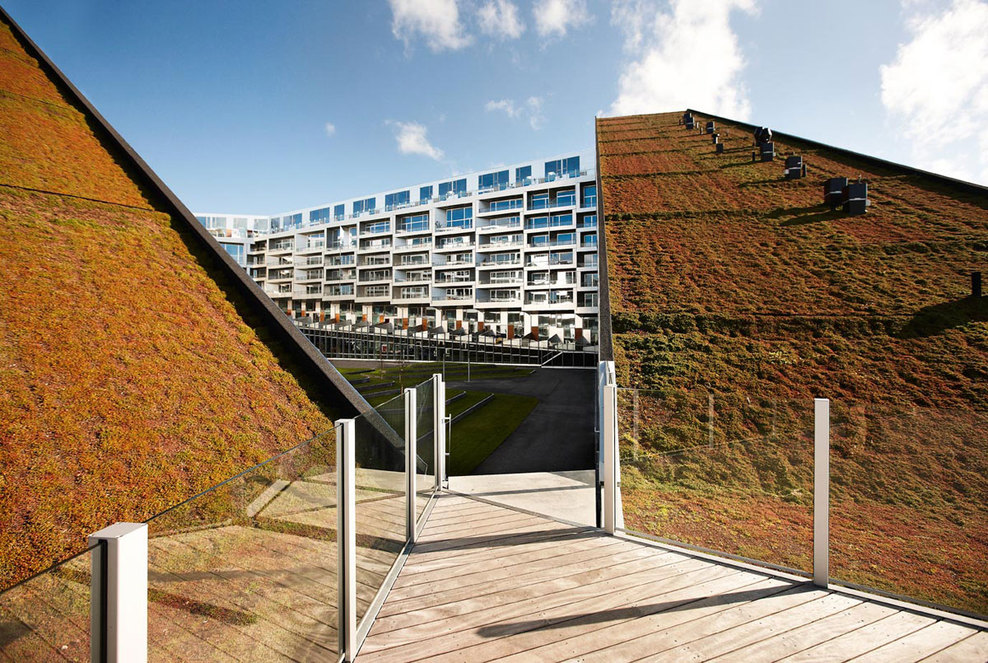
© Julien Lanoo
The recently accomplished 8 House remind the grand ensembles of the 60es and 70es both for the big dimension and for the suburban localisation, but introducing substantial variations. What is the reason behind such a large block? How do you feel the reaction of the people that have moved in so far?
In fact the block isn’t that large compared to typical contemporary developmetns – it’s a mere 60.000m2. Also it isn’t in a suburban location – rather in the infant stage of an urban development that has been halted by the financial crisis – and is only picking up now. That is why it seems to be an aircraft carrier in an open sea of green meadows- in 5-10 years it will be surrounded by urban blocks on all sides.
However – what we have attempted to do is to embrace the scale of the enterprise – rather than breaking it down in to seemingly smaller parts. That has allowed us to undo the traditional restriction of public life, spontaneous social encounters to occur on the groundfloor – and to allow a mixed neighbourhood of rowhouses, townhouses, terracehouses, apartments, shops, offices and institutions to occupy the three dimensional space of the city. When you visit the 8-house today – the absence of the future city that will soon surround it is compencated with an internal urban veriety where people are stimulated to interact with each other through out the three dimensional space of the perimeter block. Where architecture is typically designed as an architectural object to look good from a distance – in the case of the 8-house it is designed as an urban space to be explored from within.
The italian version of this interview is going to be printed soon on architectural magazine AL Architetti Lombardi.
Ordinary Living Project
Doors, windows and original finishes from the 70es reloaded with a balanced mix of ikea, vintage and world furniture and a bit of technology and design on a pure white background. In 2009 I planned and realised this refurbishment of a 120sqm apartment in Milan Quartiere Missaglia, a large housing estate surrounded by a private pedestrian green area. Photographs by Marco Blasich.
Albert Dubler – Adaptation Vision Europe
From November 29th to December 10th delegations for all the countries of the world have met in Cancun for the 16th United Nations Climate Change Conference, shortly COP 16. The Summit has produced significant results that, at least in my country, have not been widely enough reported by the press. To understand what was going on oin Cancun I followed the sharp reports of Emilio D’Alessio on his Blog “Sostenibilitalia” – that I can recommend to the italian speakers.
Vice-President of the International Union of Architects UIA Region I Albert Dubler took part to the COP 16 in Cancun and was invited by the mexican colleagues to explain how European countries are preparing to adapt to climate change and mitigate its consequences. The presentation took place on November 30th and I am very glad to publish hereafter the original text.
INTRODUCTION
I have been asked to express here the UIA Region I’s vision of adaptation to Climate Change. Before this, let’s consider two «details» about Region I’s edges, and some evidence of the effects of Climate change.
In Lebanon, Jordan and Syria the current precipitation measurements show a decrease of 30 to 50% compared to mean levels of the 70s. The result of lack of precipitation during the last consecutive three years is a drought that had never been previously observed in the Middle East. The small rivers have dried up, the dams starve, and the wells become intermittent. In Syria one has to drill deeper than 600m to find water (Homs) and cattle have decreased by 85%. Cattlemen and farmers compete for the land; fruit trees are cut since they do not produce enough fruit due to lack of water, and all this takes part to the transformation into desert. As a result, 1 million people, nearly 10% of the total population, have left the rural areas in the two past years, creating pressure on the towns. And this is certainly not the best condition to bring back peace in this very sensitive part of the world.
Further north, in Siberia, the melting of permafrost will have two effects:
1.discharge a tremendous amounts of various Green House Gases, among them methane, a GHG many times more dangerous than CO2
2.become a threat for the nuclear waste stored there by all our virtuous good thinking governments.
THE HISTORY TELLS US
In an essay of 1896 Svante August Arrhenius (19 February 1859 – 2 October 1927) highlighted the relationship between the levels of carbon dioxide in the atmosphere and the temperature at the heart surface. The publication «On the Influence of Carbonic Acid in the Air Upon the Temperature on the Ground» aimed at explaining the ice ages and formulated the so called greenhouse law that reads as follow « if the quantity of carbonic acid increases in geometric progression, the augmentation of the temperature will increase nearly in arithmetic progression» and is still used today.
Signed in Paris on April 18th 1951, the Paris Treaty has set up the European Community for coal and steel for 50 years. Treaty was signed by German Federal Republic, France, Italy, Belgium, Luxembourg and the Netherlands and was the starting point of an entirely new form of international cooperation. It is worth to notice that it was about energy.
The jointly sharing of coal and steel production has ensured the establishment of a common basis of economic development that constituted the first step of the European federation. It has modified the destiny of these regions which had been for a long time dedicated to the production of weapons, and which had also been the most constant victims of that.
On the 25th March 1957, Germany, Belgium, France, Italy, Luxembourg and Netherlands have signed in Rome two treaties: the first established the European Economic Community (EEC), and the second created the European Community of Nuclear energy (EURATOM). Energy, once again…
In 1965 the EEC institutions have merged with Euratom and ECCS into a unique Commission and Council. When the Paris Treaty came to its end, on July 23rd 2002, coal and steel were integrated in the European Union.
The EU is rather optimistic and has worked more trying to solve the problem than on the measures of mitigation and adaptation of the effects of the Climate change.
In some less optimistic countries, like France, we do now try to implement former regulations and laws more strictly, in order to adapt the country to the climate change. Last summer, after some people had died in western France, the decision was taken to demolish illegal houses along the seashore.
We also have an «initiative» of architects, the emergency architects, created in 2000 after the flooding in North East France. This initiative has grown, is now the Emergency Architects Foundation, and the profession is proud of it.
THE VISION OF GOVERNMENTS (EU)
The European Union, to meet its commitments, has to set up very large investments in energy savings. The 2007 3 x 20 target is to get by 2020 a decrease of 20% the Green House Gas emissions, to provide 20% of renewable energies and to save 20% of energy thanks to the improvement of energy efficiency. The European Council has also announced that the 27 need to reduce from 80 to 95% their GHG emissions by 2050.
However, the means do not yet meet these ambitions. On November 10th 2010 the EU Commission drew a first outcome evaluation of the achievement of its targets. « The European energy systems is adapting itself too slowly whilst the challenges increase. The next widening of the Union will amplify these difficulties, as the Union will include countries with outdated infrastructures»
To face this, the EU will have to invest more than 1 000 Billions Euros within the next decade. Decisions are confronted with existing policies. As long as there will be subsidies for lignite, the utilities in Germany, Spain, Poland or Czech Republic will not consider to have any valid reason to replace coal-fired power stations with wind farms.
In order to achieve its commitments and secure its energy supply, the EU will need to set in a very serious political and economic speed-up.
The Commission proposes to endorse the efforts towards energy savings in the fields of transportation and buildings. « In order to help the building owners and the local authorities to finance the refurbishment and energy savings measures, the Commission will propose by mid 2011 incentives and innovative financing tools. The public sector is invited to take into consideration energy efficiency in its procurements for works, services and products. In the industries, efficiency certificates could motivate the companies to invest in more sober technologies.»
The Commission also states that the public consultation procedures last too long for the main energy infrastructure, and suggests to simplify and speed-up the procedure of permit delivery, by setting up a maximal deadline for the final authorization as well as the EU funding. A single office should allow coordinating all the necessary permit demands of a project.
After two major gas crises with Russia, the EU wants to coordinate the relations between the 27 member states and the major provider of the EU. The Commission proposes to reinforce and extend the Community Energy Treaty in order to fulfil the integration of all the candidates of the European energy market. Cooperation with Africa should also be reinforced to ensure renewable energy supply for the whole continent (Desertec).
To reinforce its technological leadership, the EU will launch several research and development programs on smart grids and energy storage, on second-generation biofuels and energy-saving systems in urban areas. But to meet these targets, we will have to act very fast. So the current team wants to speed through the ranks. Brussels wishes all its proposals to be accepted during the first EU summit on energy, which will be held next February 4th. The aim of this being to allow all the political and regulatory evolutions to be launched within the next 18 months. To try to adapt, we also have to look further away. From our over-developed countries, we irritate our less wealthy neighbours, with the lessons we pretend to give them. Sometimes, we tell them to save what we have often stolen from them. We should try to become examples while addressing our own problems. Poor people do not live only in the poorest countries. Within the EU we have millions of them. In the sole field of energy savings, let’s address first the poorest, the victims of exclusion. A project which is not linked to a specific location is called a UTOPIA. Let’s imagine new Utopias, the one of mobility, not the one of de-localisation. The one of freedom, not the one of absence of rights. The one of the cultural wealth and not the one of accumulating gadgets. The one of locations supporting diversity and not the one that produces exclusion.
The ecological and financial crisis will cease only after poverty has been eradicated. The planet has limited resources, and today the only justification not to share these resources is our current exploitation model.
If we do not do so, we can build as much «walls» as we can, put as much control devices as we want to our borders, we will never make sure that the very numerous poorer will not be not numerous enough to break all our borders. Statistics establish that they are in constant increase.
If we keep on «penning» them in unworthy tenements at the edges of our cities, we will cut our links with the surrounding nature.
If we keep on depriving them from everything, we will have to defend more and more our illusory assets.
THE VISION OF GOVERNMENTS
France, in Chinese is designed as the «Land of the laws» (Fa gua). In France everything happens through the law. The right of a safe environment has been included in the French Constitution. The so-called «Grenelle de l’Environnement», according to everyone has been an extraordinary endeavour. The achievements are now written down in laws and regulations. The thermal regulations have been given ambitious goals, such as a first step of a drastic cut down to 50 kWh/m2/year, and a positive balance from 2020 away. The renewable initiatives are in constant increase, and in spite of the rear guard quarrels, they are coming close to the European targets. Corsica is exemplary with a 23% share of renewable.
With 257 articles modifying 34 different codes, 10.000 amendments and 160 awaited implementation decrees; the Grenelle law II of July 12th 2010 is a « legislative monument». And forensic inflation means also complexification of the law.
In France, the law addresses mainly energy issues, but not only. It also handles governance. «A new way of addressing public affairs, of working out the decisions, which involves an increased participation of the public».
The impact assessment is now mandatory for all projects with a risk of environmental or sanitary impact. The text refers openly on EU criteria to ascertain the projects submitted to impact study and deletes the exception of projects on the base of the lone financial criteria. The French Order of architects has made concrete proposals for the procedures of construction permit.
In Germany, the previous red/green government had made an end to the nuclear power stations by 2010. The current government has postponed this deadline.
But at the same time, Germany has been «an international beacon in terms of renewable energy job creation since the early 1990s» said Herbert Girardet in his impressive comprehensive study «A renewable World». The green jobs increased of more than 10 per cent, from 250 000 employees in 2007 to almost 280 000 at the beginning of 2009.
There has been a significant rise in the renewable share in electricity and heat production, around 10 per cent in final energy consumption, 14.8 per cent in gross electricity consumption and 7.7 per cent in the heat supply.
In 2008, the total investments and revenues from plant operation was around €30 billions, 4,5 billion more than in 2007. In plant construction the investments were in 2008 almost 20 percent above the 2007 figures.
The guaranteed payments for renewable electricity generation through feed-in tariff play a major role in sustaining industry confidence.
Denmark: the country with the most extensive use of cogeneration in Europe.
In 1979, after the two major oil crises, the Danish government set up the first legislation on efficient energy supply. In 1986 decentralized co-generated heat and electricity became a major policy priority. In 1988, the installation of electric heaters in new buildings was banned. In 1990, the law on heat supply was amended to support the use of cogeneration and environmentally friendly fuels.
The conversion to combined Heat and Power (CHP) was more or less completed in 1998, but a problem arose because of the too high increase of the electricity production, and surplus had to be sold to neighbouring countries at costs below production costs. CHP power stations were then exempted from the obligation to co-generate heat and electricity at all times.
In Sweden. On October 27th in Paris, a Swedish private initiative was presented as a new approach for the climate negotiations, more pragmatic and tightened around the EU, aiming at privileging the development of green technologies.
The idea? To create an «Investment Community for Climate» familiar with the idea of establishing a bottom price for carbon and carbon taxes
« The approach is complementary of the one of UNFCCC, but is willing to be more flexible and more ambitious », said Allan Larsson, former Swedish minister of finances, and co-author of this initiative, which should allow quitting the standstill of the climate negotiations.
A number of international reports point out the need of a strong transformation of the energy sector, in order both to address climate change, cut back the fossil fuel dependence, secure the energy supplies and set up a post-carbon economy. This has a price. The Swedish experts prefer the carbon price rather than subsidies. They propose the set up of a CO2 «technology-neutral CO2 price», high enough to allow the competitiveness of «clean technologies».
A «40€ bottom price» for the ton of CO2 at least in 2020, is recommended to render feasible the geological carbon sequestration and renewable energy. The current price of 15€ per ton of CO2 in the EU is not inciting enough. Contrariwise to ETS, aiming at decreasing emissions, this price could drag the development of the new technologies. This is a concept remaining open to betterment and to discussion, rather than an affixed position, the Swedish politicians say.
Steps could establish following the model of the European construction, the «Investment Community for Climate», leaning on a core of founding countries led by the EU.
The United Kingdom, has announced on October 18th the abandonment of the very ambitious project to produce 11000 megawatt power from tidal power. Instead, the Cameron Administration should give its support to the construction of new nuclear power stations. The project would have produced permanently 5% of the British demand and would have allowed the UK to meet its targets in the field of production of «clean energy» whilst securing its supply.
Supported in 2007 by the Sustainable Development Commission the project was about to succeed. But in a 75 pages document, the feasibility study states that such equipment would modify the water streams, the biotope, and probably the breeding of salmon. In reality, the main argument is the cost of the project: 32 billions pounds. The utility stakeholders are somehow reticent for such a sum, which is also too expensive for the government.
Nevertheless, London does not give up with the decarbonization of the power production and will have to invest very quickly in new and various sources of power production. The need for renewable, for nuclear and for fossil fuels with geological carbon sequestration and network systems is obvious since 25% of the British power stations will reach their age deadline at the end of the decade.
THE VISION OF THE RESEARCH
The 2000-Watt Society. There is much evidence that it is necessary to define overall limits on energy use – both in terms of «what is sufficient for us» and in terms of «what is good for the planet»
In 1998, the Swiss Federal Institute of Technology in Zürich launched the significant proposal of the 2000 Watt society in which each person in the developed world would cut down his overall rate of energy use to no more than 2000 watts – 17 520 kilowatt-hours per year for all energy use, by the year 2050 – through a range of energy efficiency measures. Together with this energy limit, a 1 ton of CO2 emissions limit per person per year was also stipulated.
2000 watts used to be the average consumption of Swiss citizens in 1960, and is approximately the current world average rate, by comparison to around 6 000 watts in western Europe, 12 000 in the United States, 1500 in China, 1000 in India and 300 in Bangladesh.
To respond to concerns about climate change and energy security, the scenario further limits the use of carbon-based fuels to no more than 500 watts per person within 50 years.
Major bodies such as the Swiss Federal Office of Energy and the Association of Swiss Architects end back the proposal Engineers.
What does it mean in practical technical terms?
The challenge to use no more than 17 500 kWh equivalent per person per year and to discharge no more than 1 ton of CO2, for a private person, not including the consumption of the workplace means first to eliminate fossil fuels for heating and hot water production. To achieve that, passive solar collectors would be able to provide in central Europe more than half of energy in a well-insulated house, the rest being provided with a heat pump, and electricity from a renewable source.
A house (2 persons) requires 5 000 kWh for hot water and heating. Lighting, cooking and home devices such as computer require with the today’s most efficient appliances 3 500 additional kW.
A more serious challenge is the transport. Each of us could consume 1750 litres of gasoline in a small efficient car or 1750 litres of kerosene in an airplane. The «limited» Distance would be around 25 000 km. But 1 ton of CO2 lets us drive or fly only 6 000 km
THE VISION OF NON-GOVERNMENTAL
What if we could link the most permissive position (Swedish) with some humanitarism?
If transport is considered as a «neutral technology» and each ton equivalent is taxed by 40 € and this money is used for financing reforestation where it is most needed?
In Haiti, people are cutting the last trees to produce charcoal to be sold to their neighbours in the Dominican Republic where charcoal production is banned. They cut the trees for not to die from hunger immediately. One ton of CO2 is equivalent to a cubic meter of timber. How long does it take, under Caribbean climate to «grow» one cubic meter of timber?
ATTACKS BY CLIMATE SCEPTICS
An Intergovernmental Panel on Climate Change (IPCC) has this year been severely called in question.
The UN General Secretary Ban Ki-Moon has given the Inter Academic Council the task to check the work and the procedures of the Institution in charge to establish the state of climate knowledge. This included the audition of the main authors of the evaluation report, and the checking of the very complex writing and validation mechanism of the various versions of the reports.
As a result of the work done by the Inter Academic Council, a 113 pages report calls to a deep reform of the 2007 Nobel Peace Award winner, but does not argue about the validity of the 4th evaluation report of 2007.
IPCC is not a science producer and works in a very modest office in Geneva Switzerland, not well equipped, and its thousands of contributors write their reports from scientific articles published in journal with lecture committees.
This fantastic press review goes through the rereading of several experts from all over the world, who amend the initial texts. Further, the texts are validated by the political authorities of 194 countries and earn a double legitimacy, both scientific and political
The World Meteorology Organization and the United Nation Environment Program have launched the Intergovernmental Panel on Climate Change (IPCC) in 1988
It has not had any critical evolution since, and taking into consideration the size of its tasks, its staff is still ridiculous: only 10 persons.
The evaluation team’s proposal is first to increase the number of stakeholders within the organization, and not leave to a reduced number of experts the responsibility to address very complex scientific and methodological issues. Secondly they recommend the creation of an executive committee, open to scientific organizations, but also to the civil society.
IPCC should also have a CEO in charge of the running of the body.
The publishers should be given greater freedom and responsibility to address the comments and suggestions of the re-readers. The text of the 4th report has about 90 000 comments…
To be more coherent, the publishers are asked to back their ruling with a maximum of data and pieces of evidence.
At last the Inter-Academic Council militates for hiring somebody in charge of communication.

 Well Designed and Built