The Heritage of the City – Europe’s Future
That was the title of the international Congress in Berlin on the 8th and 9th of December I attended on behalf of the URBACT LINKS Network. The German Federal Ministry of Transport, Building and Urban Development invited to the event representatives from all EU countries to share views and experiences about the opportunities offered by heritage preservation and management to an integrated and sustainable urban development. The complexity of the topic was reflected on the articulation of the conference in welcome speeches, key-note speeches and thematic workshops focused on four themes: (1) Potentials, (2) Home and Hotel, (3) Networks and (4) World Heritage.
It is not my intention to provide here any detailed report of such a wide ranging event. Presentations and key documents will be available in a few weeks on the conference’s website and on that basis a reflection will be done in the appropriate forums. For the moment I like to note some keywords, some details that may become an illustration of the event, pars pro toto.
The first keyword is Konjunkturpaket. This is the German term for the fiscal stimulus packages with which the federal government has responded to the international financial and economic crisis in 2008 and 2009: targeted relief for taxpayers and measures to protect employment in the German economy to build a bridge in the aftermath of the crisis. At federal level € 6.5 billion were invested in education, € 3.5 billion in municipal infrastructure. At regional (Land) level € 4 billion were invested for roads, building renovation and modernization of the IT, € 5 billion as green economy incentives and € 900 million for research in small and medium enterprises.
During the first day of the congress different speakers addressed the Konjunkturpaket as “the great opportunity given by the financial crisis to the building renovation and heritage conservation sector” whereby each single € invested by the public sector generated a total turnover between 5 and 10 €.
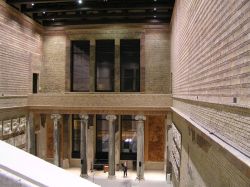
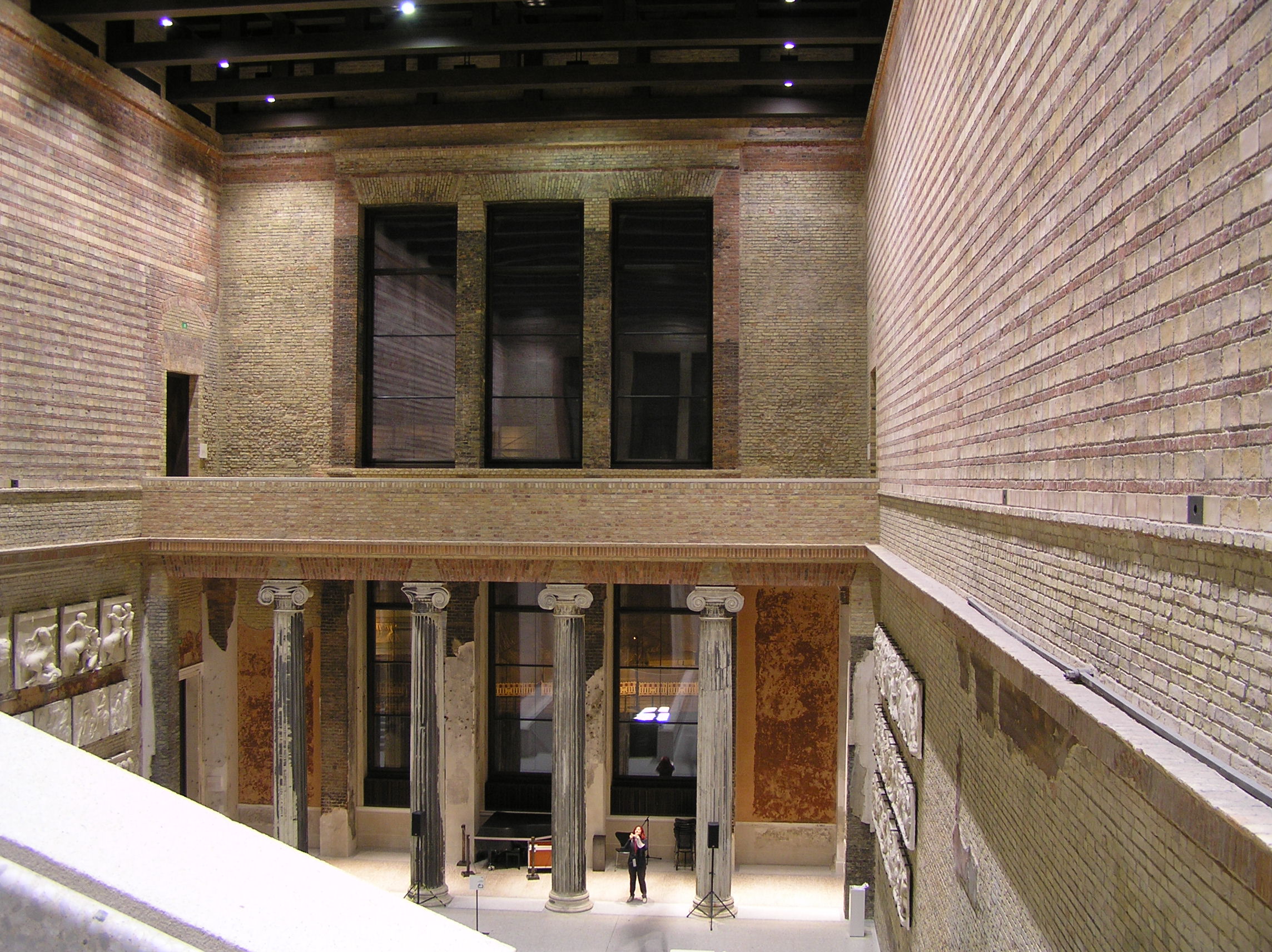
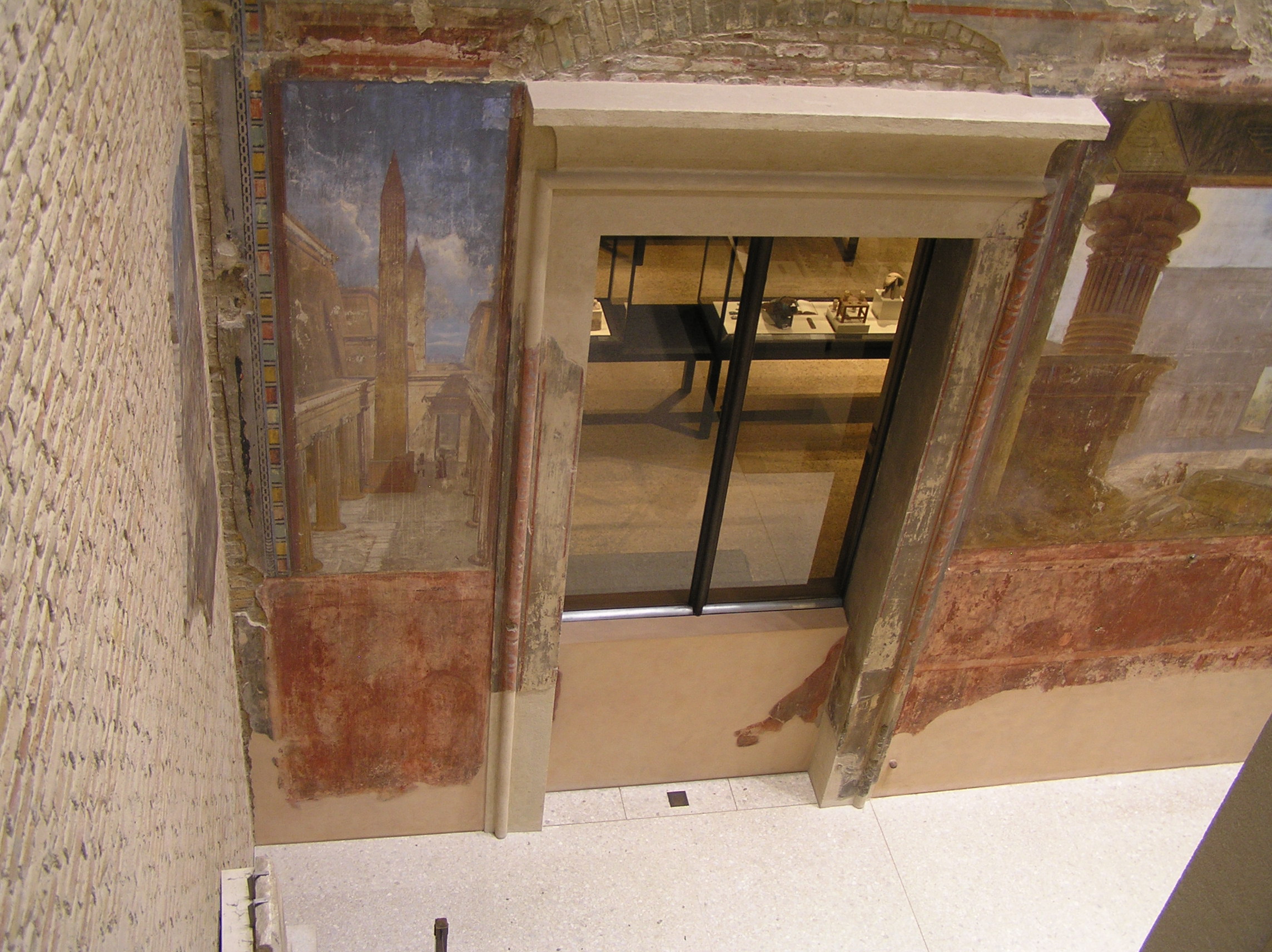
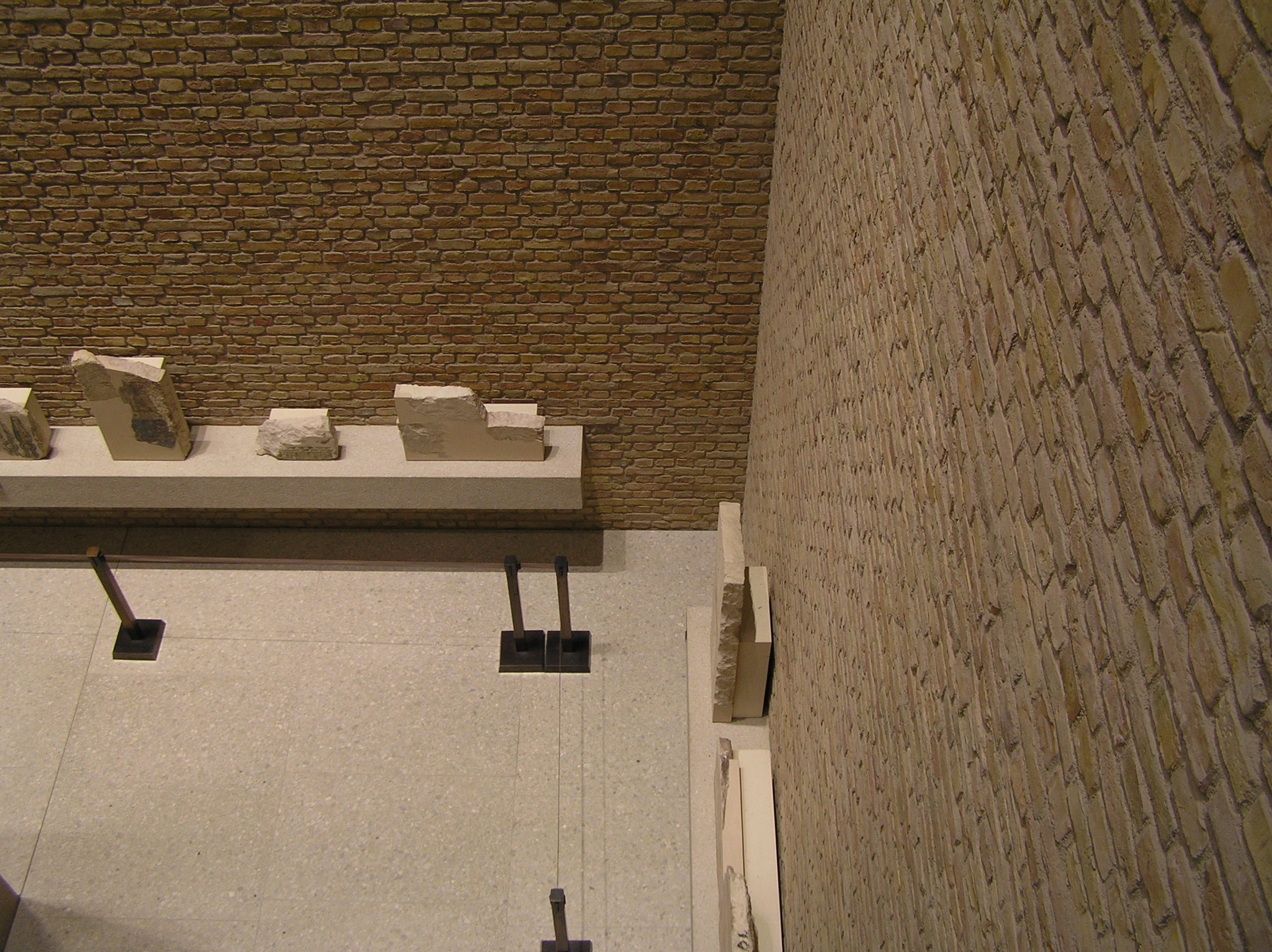
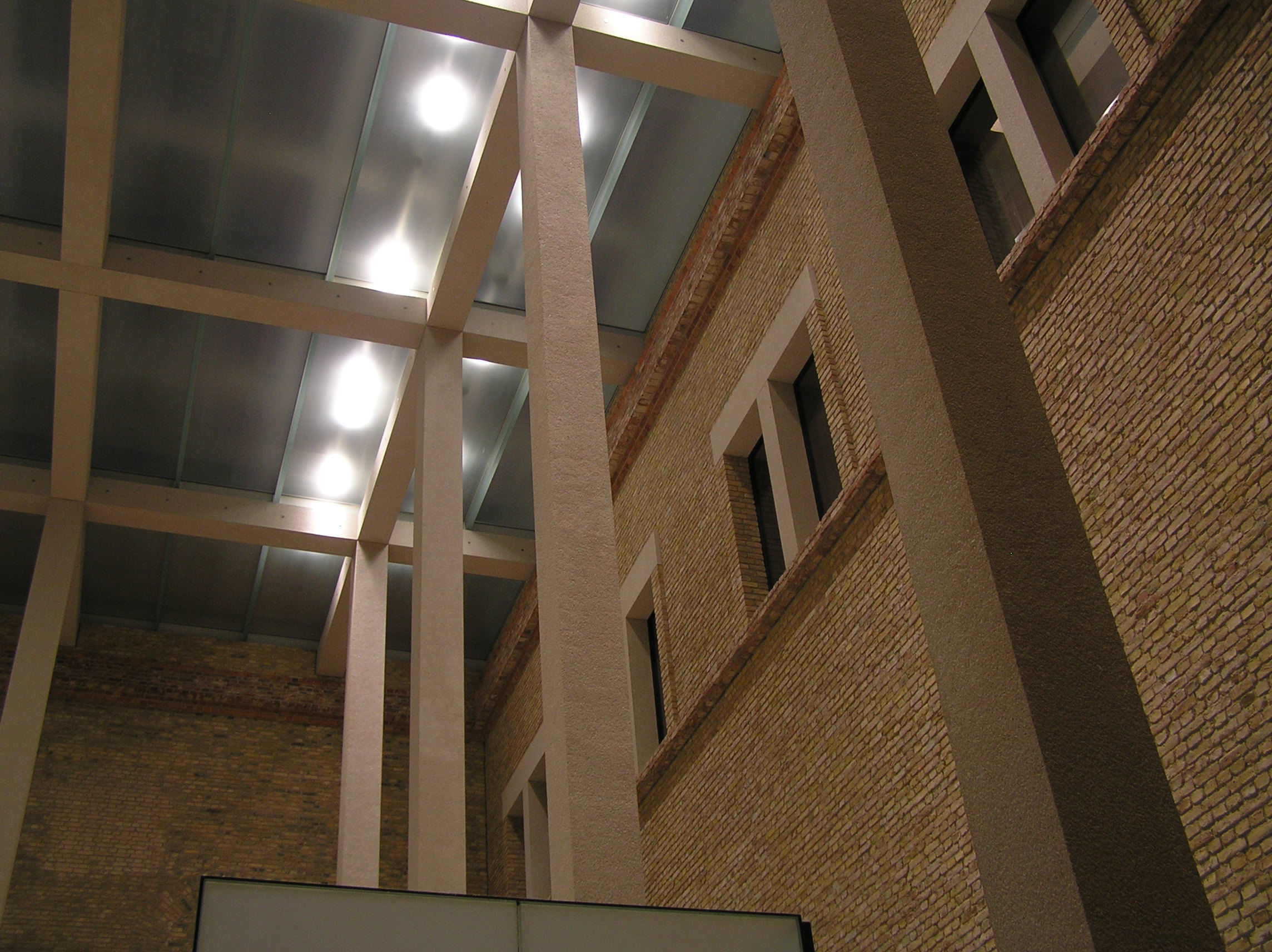
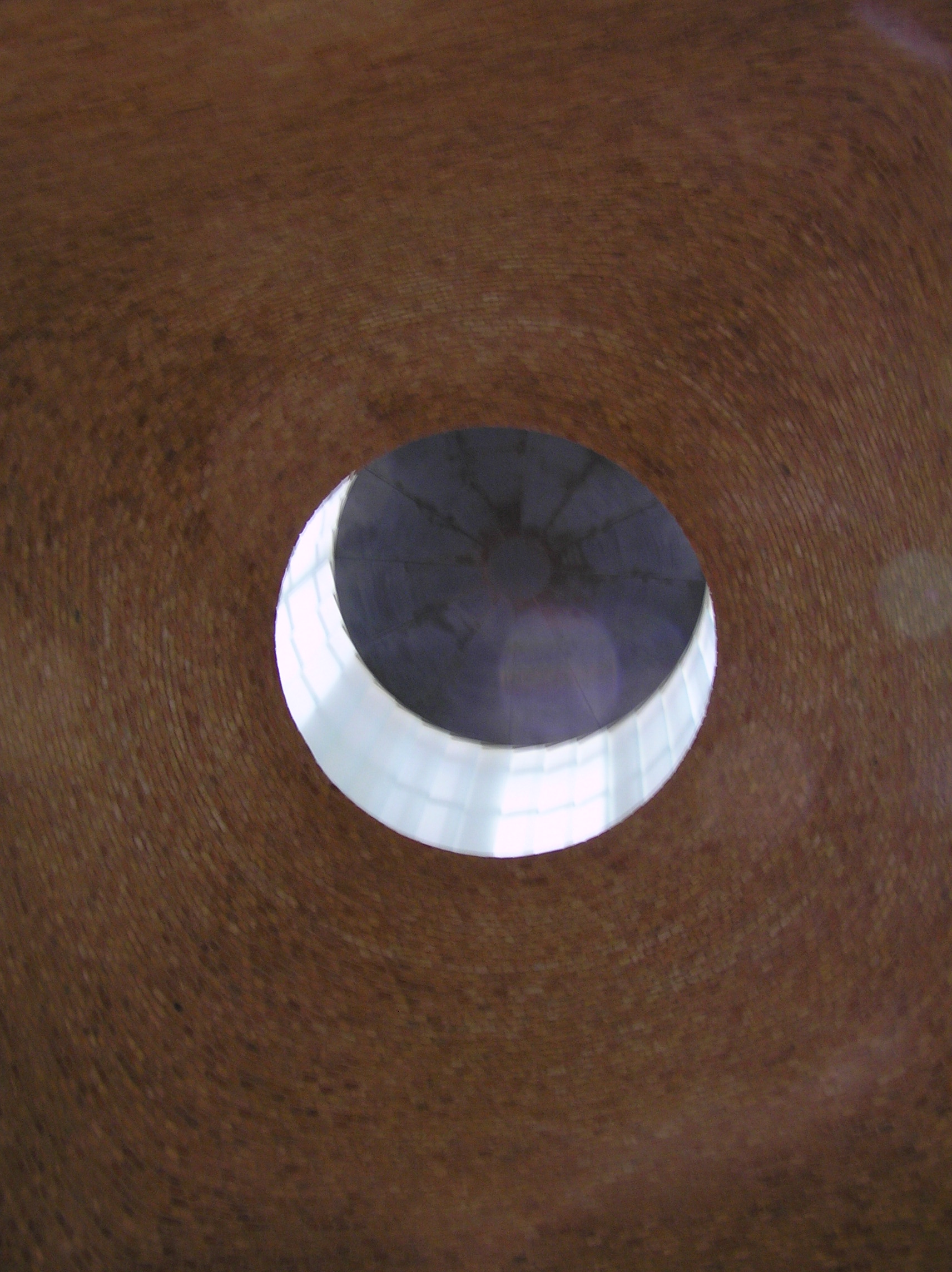
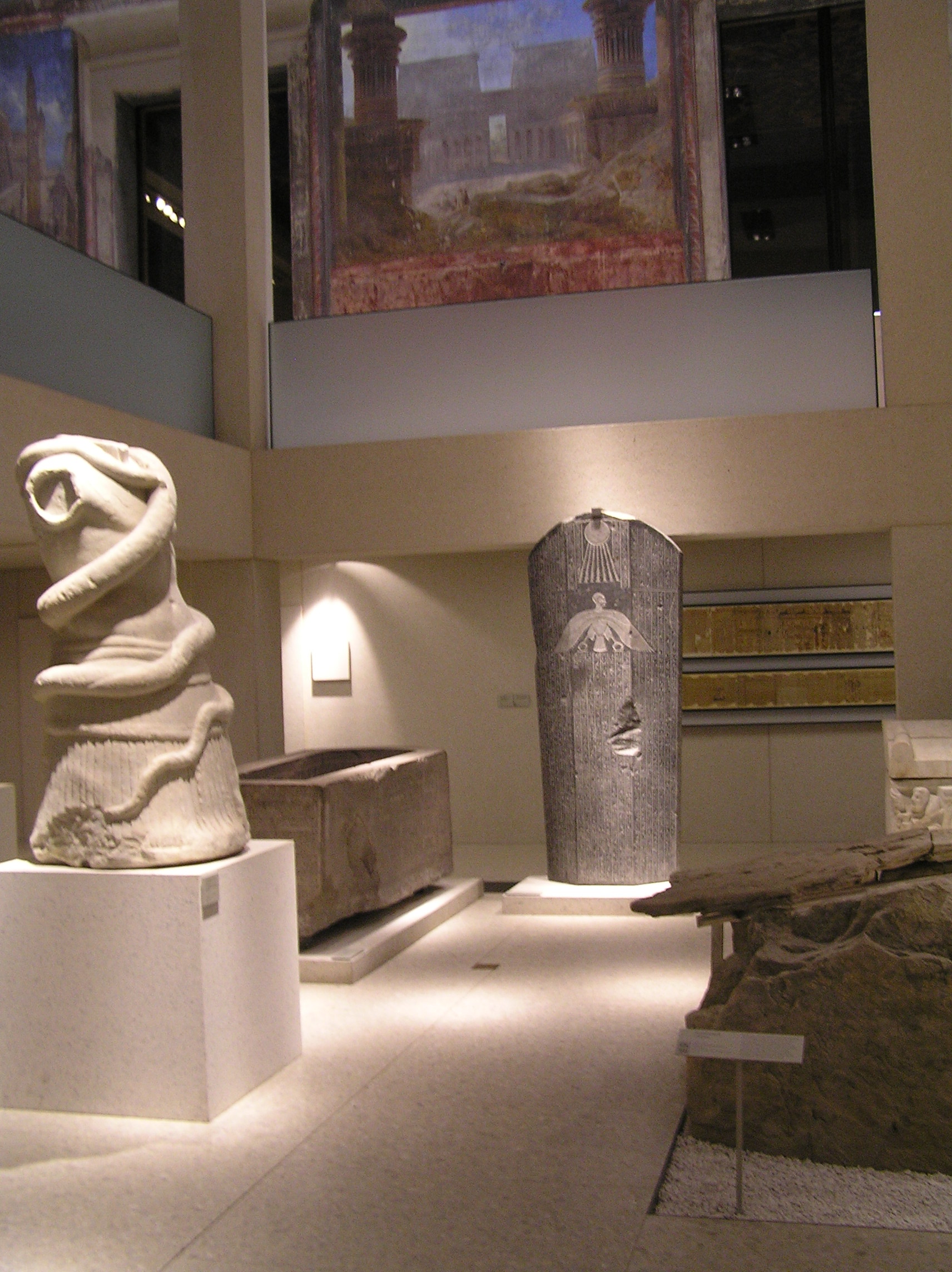
The second keyword is “mediator”. After the sessions the participants were guided in a tour to the most exemplary heritage conservation projects of Berlin: the Neues Museum , built from 1841 to 1859 according to Friedrich August Stüler’s design as the second museum on the island in the River Spree and recently refurbished by David Chipperfield Architects and interior design by Michele De Lucchi.
The tour was extremely interesting for several reasons and gave us the opportunity to see put in practice cutting edge contemporary architecture, heritage conservation and improvement of energy performance in the same building. The guided tour was particularly interesting as it provided the views and first hand feedback of the client and heritage conservationist on the performance of an architect that untill the awarding of the competition was very little known for his attitude towards historic buildings. Our guide was an officer of the Berlin Heritage Conservation (Denkmalpflege) and he had followed the project from the awarding to the opening.
In many occasion he emphasised the skills of David Chipperfield to provide a strong conceptual framework for the whole project, but then being open for discussion on the design of each single exhibition space that many times offered the opportunity to make a sensible exception to the rule.
Understanding the unique character of the building and its historical layers on one side, and listening to the arguments of museum’s director, heritage officers, technicians, politicians and all stakeholders of the project, he delivered a masterpiece of contemporary architecture and heritage conservation by playing the role of the “mediator” instead of that of the creative genius or the business service provider.





Innovation in Redesign of European Cities – Sara Van Rompaey’s Visual Report about the EFAP Conference in Gdańsk
In the framework of Polish Presidency of the EU Council the European Forum for Architectural Policies organised an international conference in Gdańsk on September 18-20. The goals of the conference were:
- to indicate an innovative role of architecture in redesign of European cities that is aimed at their development and increase of attractiveness, while challenged by global competition
- to indicate an innovative role of architecture and urban design in sustainability and harmony of urban environment, while responding to the Europe 2020 Strategy for smart, sustainable and inclusive growth
- to indicate an innovative role of architecture that aims at the life quality, as opposed to short-term and territory-limited profits of mostly financial character, observed at all levels: national and regional, municipal, corporate and individual
- to indicate a need for cooperation of the state and local authorities, the NGOs, research institutes and profession in support of innovative architecture
- to indicate the needed actions, carried by EU and governmental bodies in processing the redesign of European cities’ structure
- to indicate the priorities of the Architectural Policy, accepted by all parties engaged in innovation and architectural quality, aimed at sustainable development of Poland.
Here is the visual report by Sara Van Rompaey summarizing the main issues debated at the conference and illustrated by several case studies and site visits.
More information and presentations held during the conference in Gdansk can be found at the website of the Efap and that of the Polish Presidency of the EU Council.
Pipilotti Dans Le Cinéma

Pipilotti Rist - photo by Giorgio@vonarb-fotografie.ch
Pipilotti Rist has been invited by the Fondazione Nicola Trussardi to use the Manzoni Movie Theater for a large monographic exhibition (open untill December 18th). Being regularly invited to the Venice Biennale the Swiss artist is quite well known and appreciated in Italy and the new exhibition do not deserve great surprises. Unlike with the usual white box museums and art gallery minimalistic settings this time video installations are challenged by the heavy beauty of the deserted movie theater (built 1947-50 and since 2006 out of service). The result is pretty much like the atmosphere of an empty club, with vintage furniture, lysergic videos and lounge music. Unfortunately nobody is serving drinks at the bar.
Below a couple of pictures from the press release and quotes by the artist.

Cape Cod Chandelier - Courtesy Pipilotti Rist; Hauser & Wirth - Photo: Marco De Scalzi
I want to create a complete environment in which the spectator can let him or herself go and become fully absorbed by the images and sounds in the film. The film is therefore going to be both a journey into the subconscious as well as a meditative experience.

Homo Sapiens Sapiens - Courtesy Pipilotti Rist; Hauser & Wirth - Photo: Marco De Scalzi
I invite people to take a trip through the body directly in front of and behind the eyelids. I bow to my objects and I glorify nature. I scoop up time for viewers and listeners.
Not annoying, but too narrow: I agree I’m consciously conjuring up the positive sides of mad or hysteric gestures – but it is more that fun. It’s a survival tactic to let female characteristics shine in the sun, and turn around some of the negative prejudices by performing them positively.
I try to feel, smell, see, listen, touch and taste in as much detail as possible. But I’m not satisfied with my capability yet.
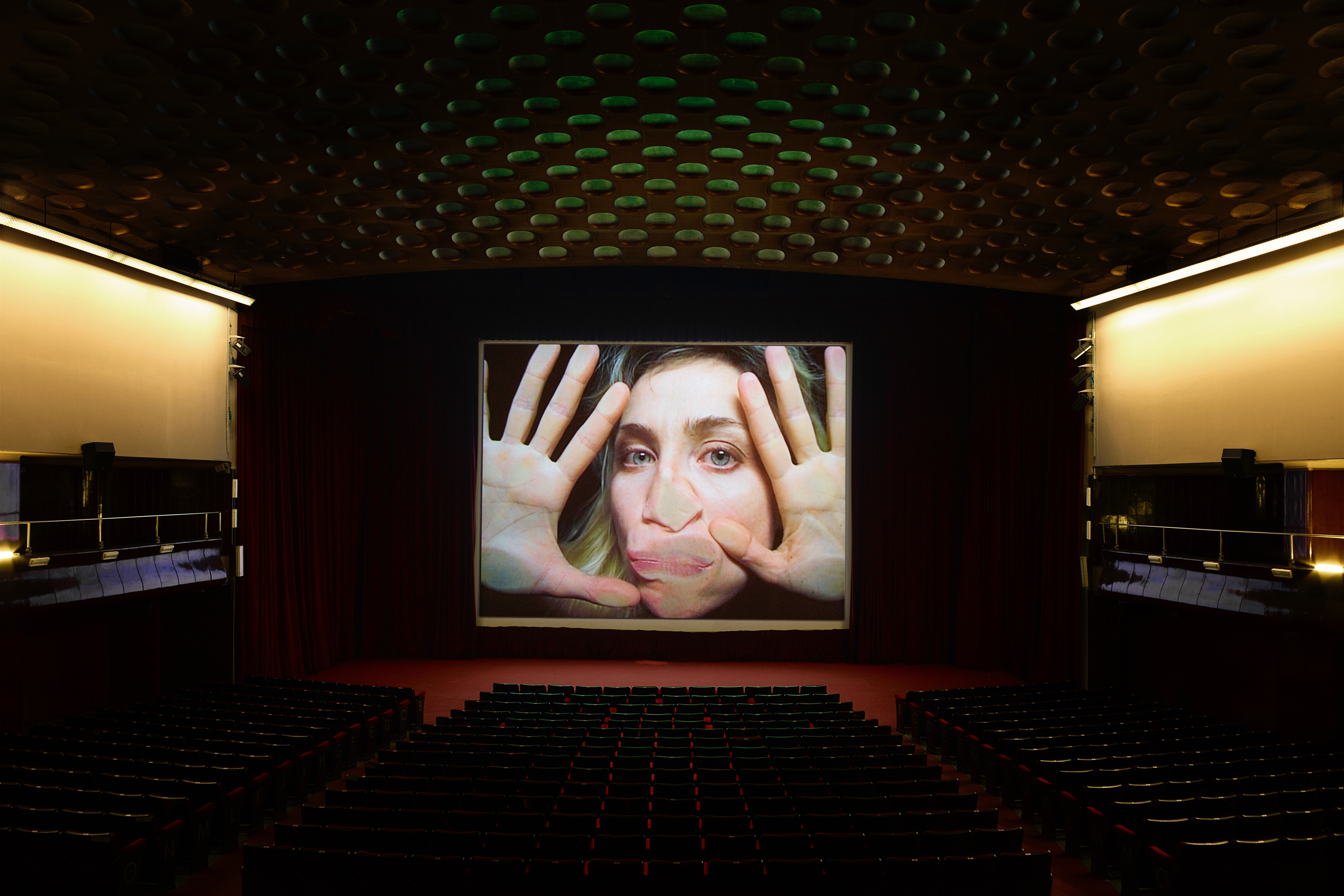
Open My Glade - Courtesy Pipilotti Rist; Hauser & Wirth - Photo: Marco De Scalzi
I have always considered video to be most wonderful repository for my fears, my desires, my subconscious, the picture in my head. So I have never understood why these images have to be contained. When I close my eyes, my imagination roams free. In the same way I want to create spaces for video art that rethink the very nature of the medium itself, I want to discover new ways of configuring the world, both the world outside and the world within.

I Am Called A Plant - Courtesy Pipilotti Rist; Hauser & Wirth - Photo: Marco De Scalzi
I think it is the role of art to take our dreams and make them real, and in doing so change our perception of reality into something that is super fantastic! That is the wonder and enchantment of creative mind. Art at its best promotes positive energies that allow us to reconcile our reason with what we call instinct. It is colour noise. It opens our brains to new ways of seeing and experiencing the world around us. It makes us feel alive.
The artist creates a pleasant atmosphere enveloping the visitors and bringing them to singular thoughts. I became the same impression I had in some previous installations meeting the “puer aeternus”, the eternal child usually awfully neglected, but not by Pipilotti Rist, who has made a great success out of her programmatic relationship with him. This child is both inpiring and irritating in the way he presents his coloured pictures as immediate portraits of internal life, looking for a role in society. This is the less convincing aspect of the exhibition and both the wise words of the curator and the bold statements of the artist cannot help making it a metaphysical experience.
Below some pictures of mine, bad quality but well reflecting the exhibition’s mood.
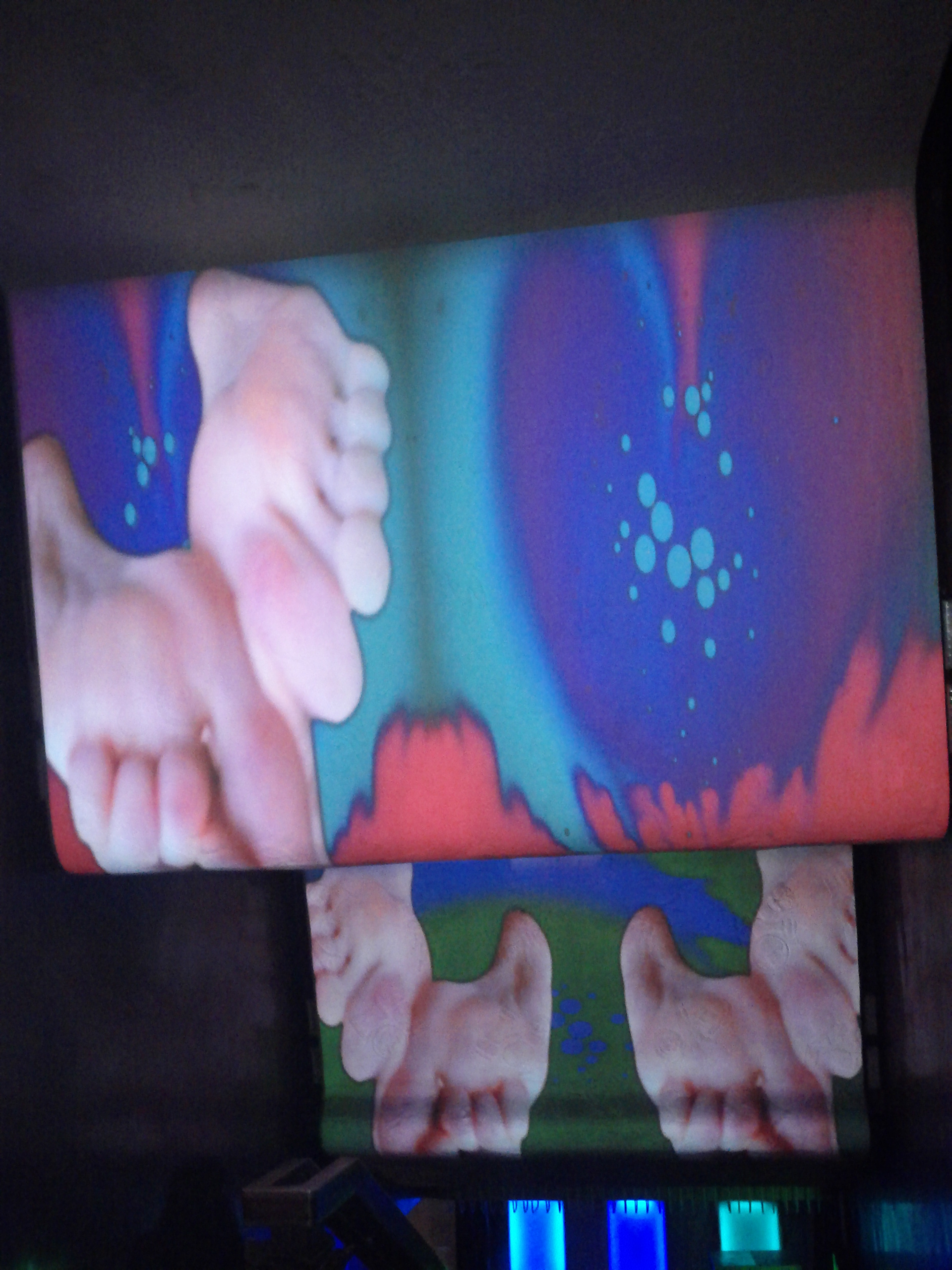

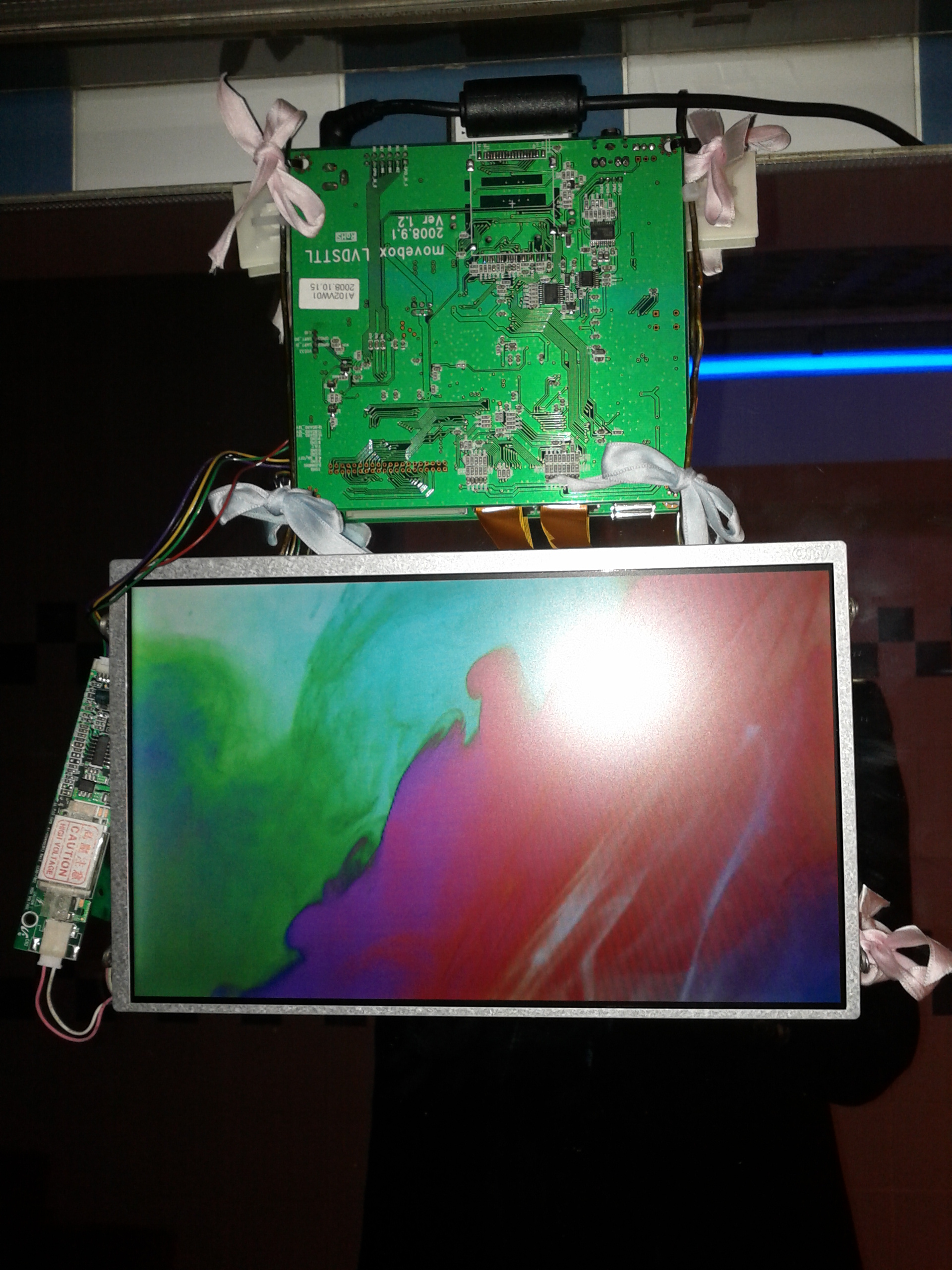


We Are Sinking! We Are Sinking!
For those who haven’t seen it yet, this funny advertising video by Berlitz English school is not new, but day after day is becoming more topical. Dedicated to my dear German friends!
Bella Italia
In the last few weeks Italy has been hit by several “extraordinary” catastrophic natural events, mudslides and flashfloods with severe damages and numerous victims among the population: Aulla in Tuscany, Vernazza, Monterosso and Genoa in Liguria, Saponara, Barcellona e Messina in Sicily are just the most recent episodes of this permanent national “emergency”.
On this Wikipedia page you can read the list of floodings that took place in the country since the 19th Century and their tragic consequences. From the rich north to the poor south these events seems not to neglect any region of the country.
Wh0’s next?
I was in Genoa one week after the disaster who killed 7 people, 3 of them children, at the beginning of November. It was a beautiful sunny day and life was going on as usual in most part of the city. In the places that had been flooded people were still clearing and removing debris and damaged goods, helped by the so-called “mud-angels” (“angeli del fango”), young people from all over the country arrived there to help and bring a sunbeam of hope.
The contrast between everyday life and the images and videos from the flooding is striking and shows very clearly that such events can happen anywhere anytime, and , probably due to climate change, with increasing frequency and intensity. A study from the Berkeley Hearth might explain the extraordinary recurrence of such natural catastrophes and is well represented in this video.
Berkeley Earth video representation of the land surface temperature anomaly, 1800 to the present. The map of the world shows the temperature anomaly by location over time. The chart at the bottom, shows the global land-surface temperature anomaly. The Berkeley Earth analysis shows 0.911 degrees Centigrade of land warming (+/- 0.042 C) since the 1950s. For more information about this study visit http://berkeleyearth.org.
Maybe climate change is an explanation for some of the recent disasters, maybe it isn’t, but for sure random suburbanization and unplanned human settlements are causing most of their tragic consequences.
 Well Designed and Built