How High the Mooon
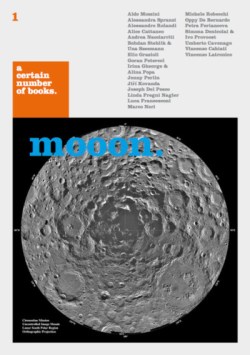
It was 04.56 (Italian time) of a summer morning.
July 21, 1969 (still the 20th in the U.S.A.) and Neil Armstrong was setting foot on the Moon. One foot at the beginning, and few things later.
Subject: personal belongings left behind by astronauts.Belongings such as Alan Shepard’s ball abandoned during the Apollo 14 mission or the so called “Fallen Astronaut” statuette, created by the Belgian sculptor Paul Van Hoeydonck and left on the Moon by Apollo 15’s crew to remember the astronauts of all nations, who lost their lives during the Space Race.
The Fallen Astronaut is at the moment the only artwork on a ground other than Earth.
There are twenty-two items left on the Moon by astronauts. Backpacks loaded with technology to survive the lunar atmosphere, overshoes, gloves, and gold plated helmets to prevent solar radiation. A video camera, two photo cameras, a toolbox, a TV antenna, a seismograph, a sample collector, a laser telemeter, and other instruments.
Again, the American flag, some medals with effigies of dead astronauts, the “Conquest of Moon” commemorative plaque, and record albums with greetings by the Pope and leaders of countries from all over the world.
David Scott laid a little Bible on the ground.There is also the garbage they left behind to lighten the spacecraft: food cans and empty bags.
And then, The Moon Museum. This small object was left by the Apollo 12 mission. The best American artists had wanted to draw something on it. Andy Warhol drew a penis.In 1972, during the Apollo 16 mission, Charlie Duke decided instead to leave a photograph. It was a Polaroid of himself with his own family.
“This is the family of Astronaut Duke from Planet Earth. Landed on the Moon, April 1972”.
Or maybe it a complete conspiracy and the Moon Hoax believers are right and the Apollo program was a scam.
Anyway, we have prepared our things to be carried up there. Some of them are mere things, others are ideas, thoughts and words. And then the Moon. To carry the Moon to the Moon. The finger pointing at it, we will leave it here.
Note for the user: leaf through this book listening to “Man in the Moon” by Grinderman.
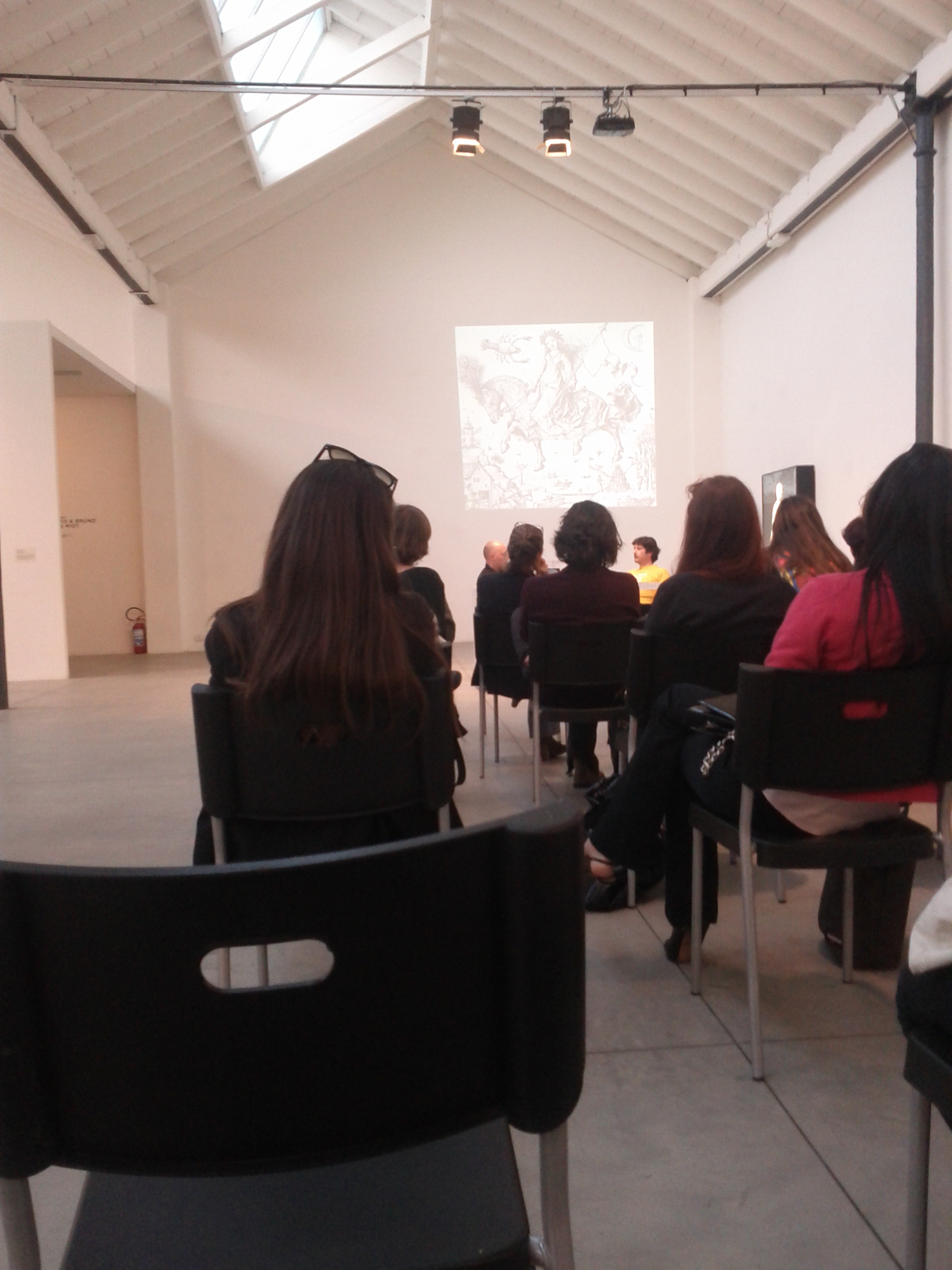
It was nice to join the presentation of the first volume of a certain number of books (occasional small press project by Giancarlo Norese and Luca Scarabelli). Mooon is a collection of items the invited artists propose to send to the moon, where they would join the other items left by astronauts. A nice idea indeed and a nice place to talk about it!
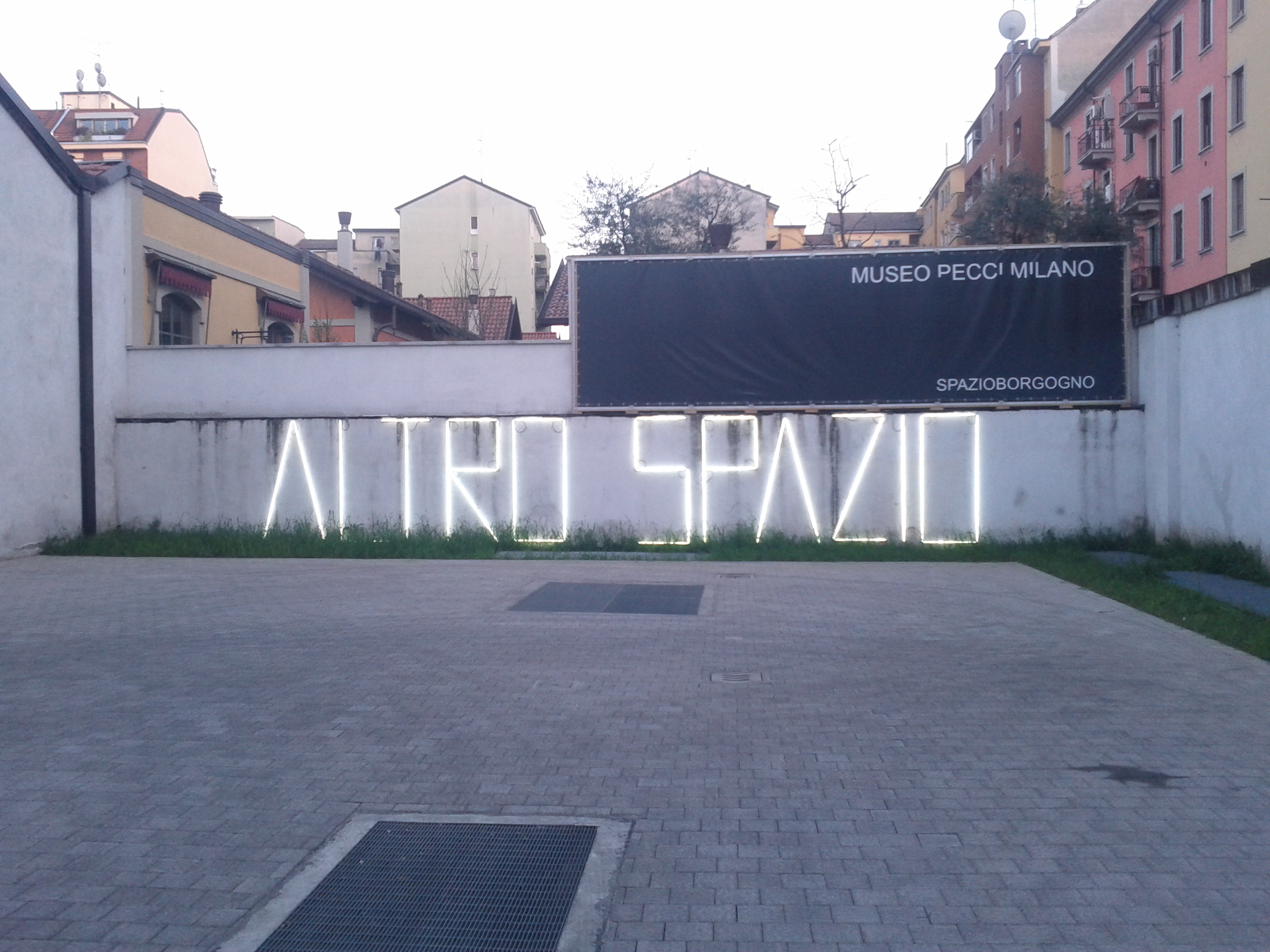
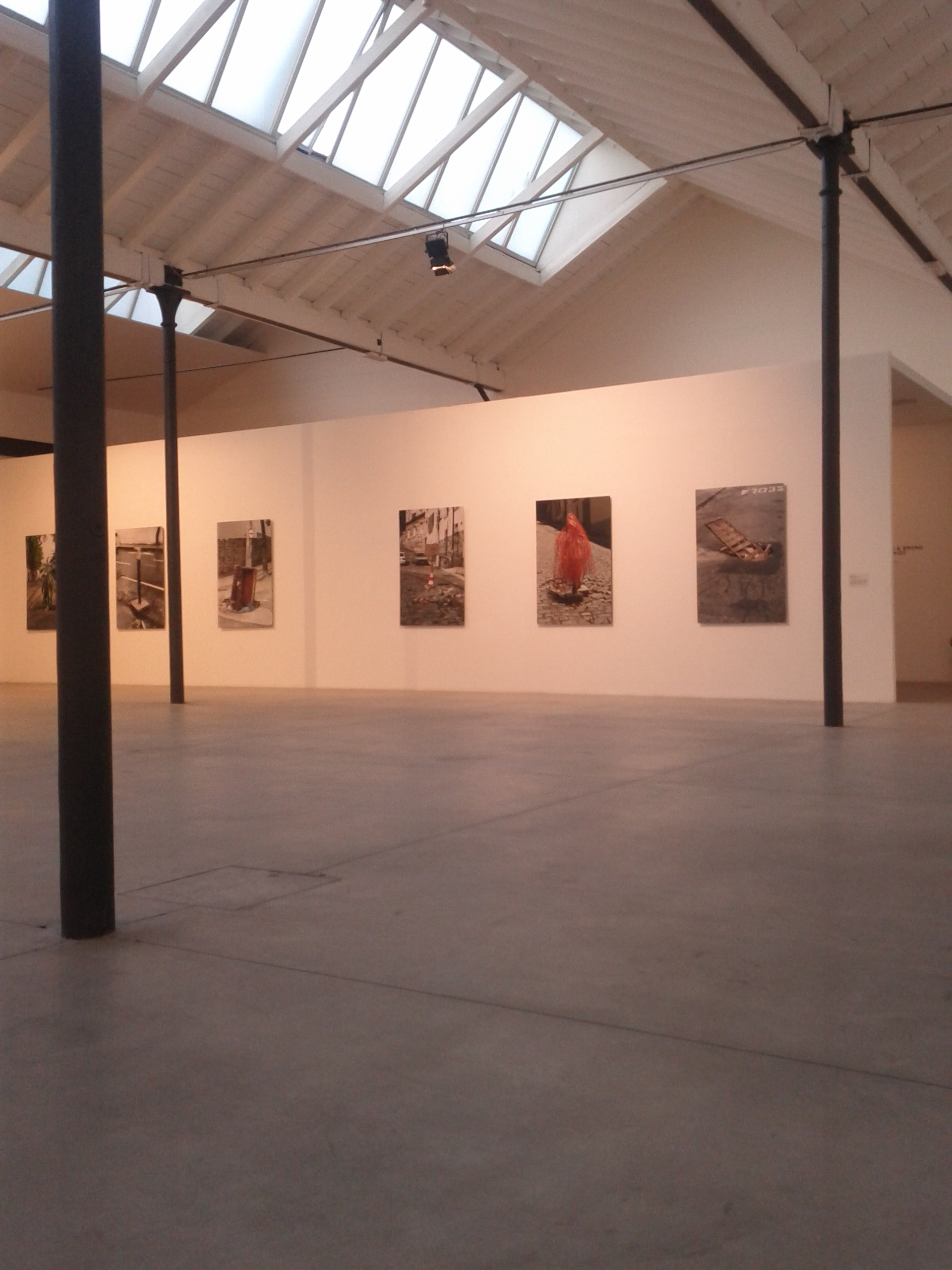
Presentation took place at Spazioborgogno / Museo Pecci Milano, a beautiful post-industrial location along Naviglio Grande. This temporary outpost of Centro Pecci (1988, the first museum dedicated to contemporary art in Italy) was born from the wish to showcase some of the exhibits of the Pecci collection in Milan during the refurbishment and extension works in Prato. The new HQ of Centro Pecci is designed by Dutch architect Maurice Nio and is (hopefully) to be completed later this year. The location in Milano Ripa di Porta Ticinese 113 is provided by gallerist Piercarlo Borgogno sharing his beautiful space with the Museo Pecci for the time being.

Blogging, Art and Architecture
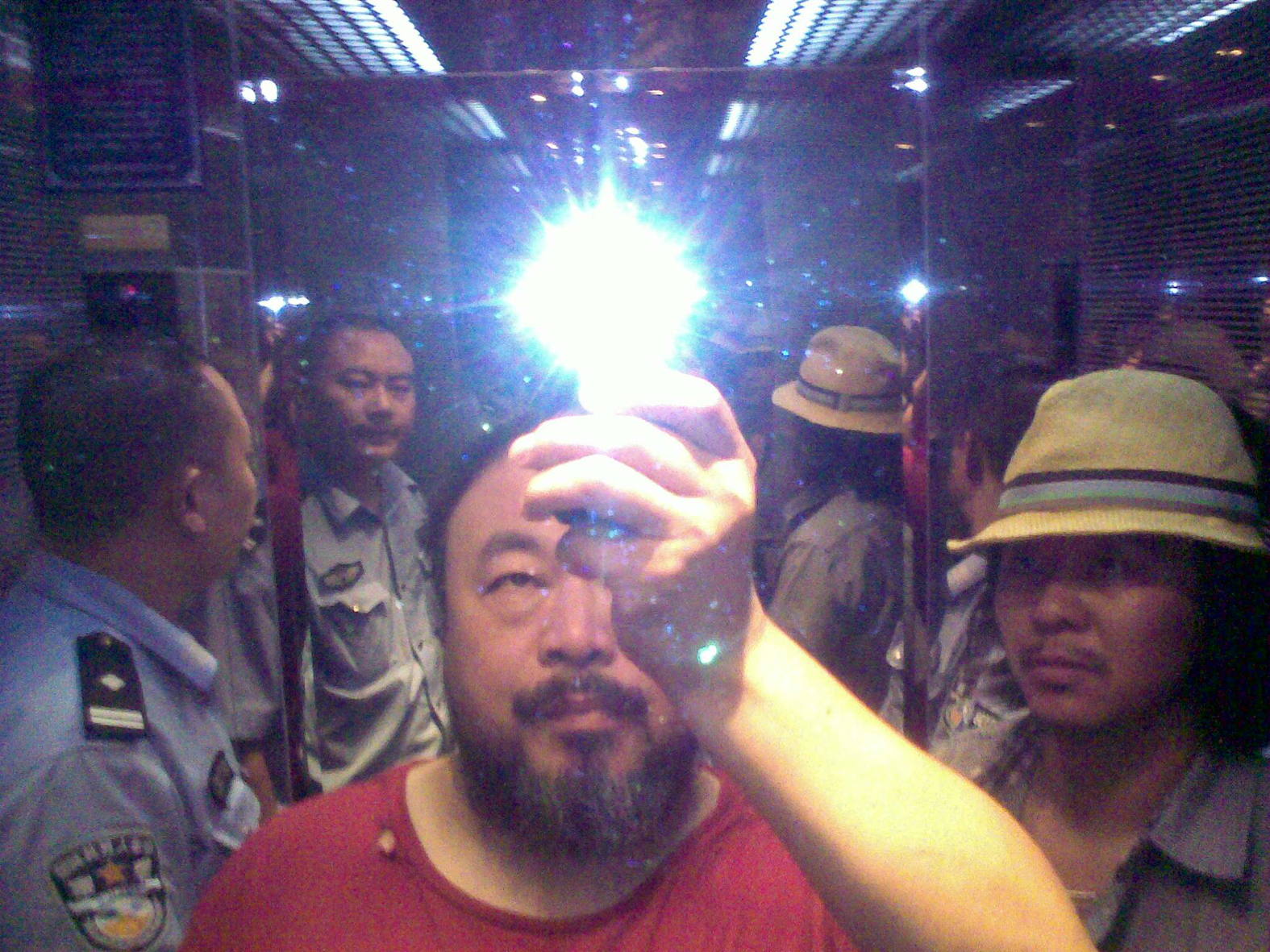
Ai Weiwei with rockstar Zuoxiao Zuzhou in the elevator when taken in custody by the police,Sichuan, China, August 2009 © Ai Weiwei
Ai Weiwei is famous not only for being an artist, architect and activist, but also for his blogging activity. In 2009 MIT Press has translated and published a representative selection of his posts with the title of Ai Weiwei’s Blog. The story is quite interesting: in 2005 Weiwei gets invited by the biggest internet platform in China (Sina.com) to start blogging there as a testimonial and opinion leader. At that time he had no experience in new medias, but that was definitely no problem. He discovered quickly that it was a very suitable vehicle for his work and three years later declared to devote 90% of his time to the blog. Thousands of posts with hundreds of thousands of pictures and millions of comments, but only untill Jun 1, 2009, when the local authorities decided to censor it and deleted everything from the digital archives. However the blog was already worldwide famous and his texts reblogged or published in China and abroad. As it often happens censorship succeeded in amplifying the resonance of the bloggers activity. Indeed this censorship act was far from preventing the MIT Press to publish the book and stopping the artist’s flow of communication.
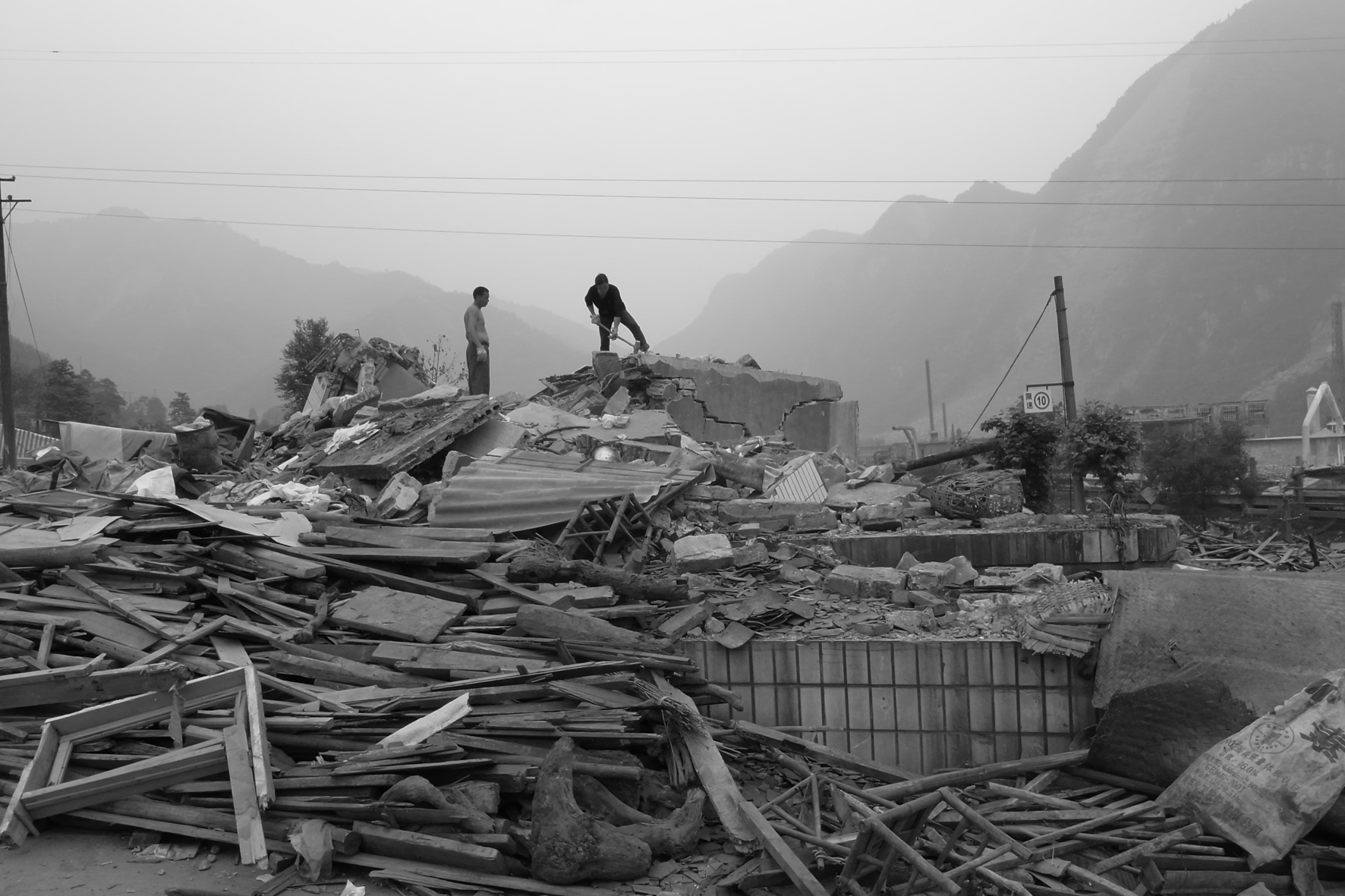
Sichuan Earthquake, 2008-2010 C-print © Ai Weiwei
Ai Weiwei wrote about all kind of subjects: from everyday life to politically highly sensitive issues like protests taking place in Chinese cities and tragic events such as the earthquake in Sichuan (2008), criticising the attitude of the media controlled by the government to erase and remove these side of China not to damage the Olympic Games show.
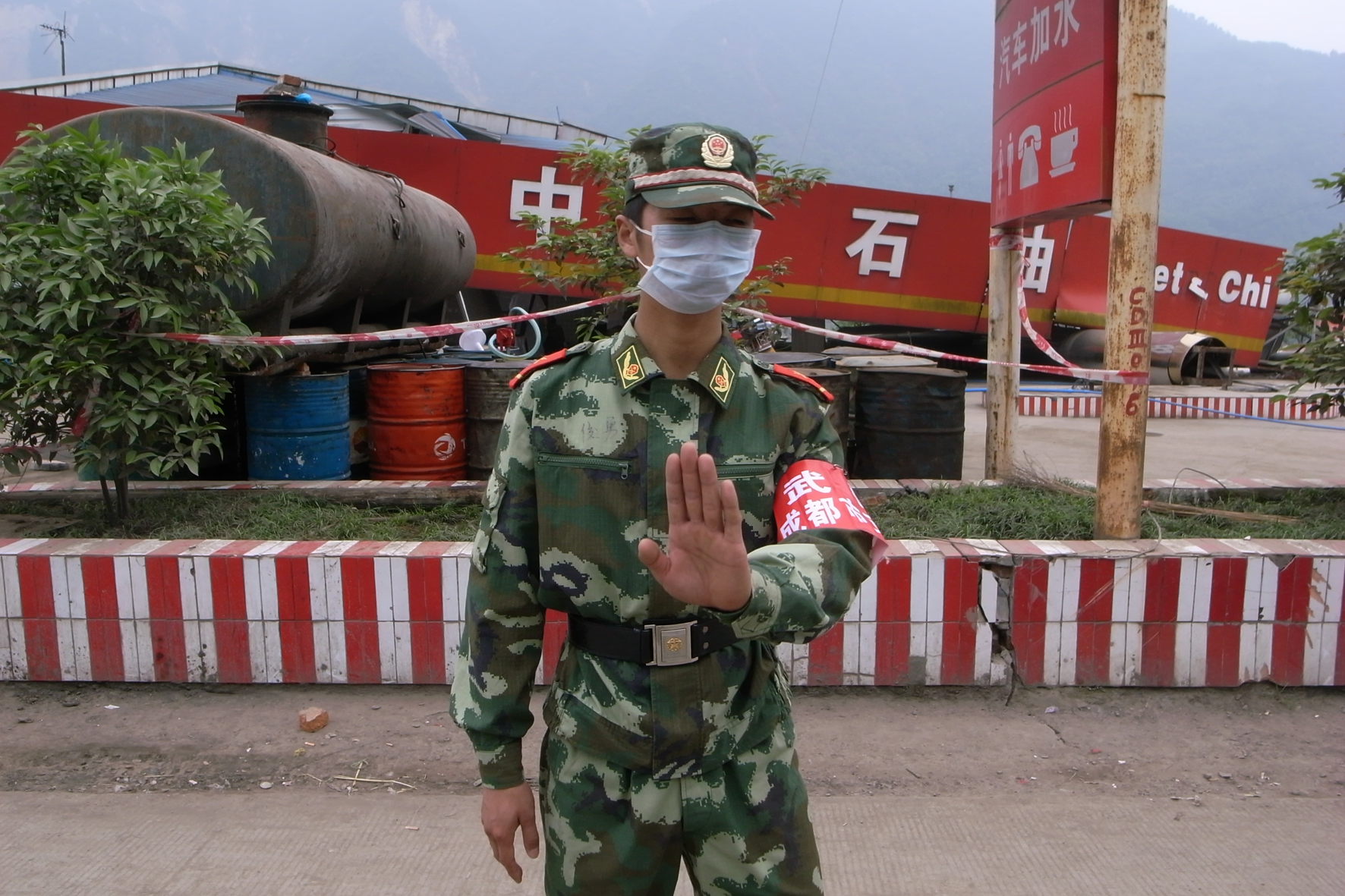
Sichuan Earthquake, 2008-2010 C-print © Ai Weiwei
He also told the story about the art center commissioned by the Shanghai local authorities to his FAKE Studio. The building was realized between 2008 and 2010. In August 2010 it was then suddenly demolished, even before the opening, without any explanation nor notice. Somehow he got to know about it and was able to be there to witness the demolition, transforming it into a great performance, well documented by the artist. Unfortunately I was not as good as him to capture the pictures of this documentation in the exhibition…

In the best tradition of eastern martial arts, Ai Weiwei captures the violence that is directed against him and uses its energy for his own purposes. As his blog was cancelled, he quickly migrated to Twitter which is wider spread, easier to use and less time consuming. Since a couple of days I am following him as well (@aiww) and enjoy some of his pictures in real time, even if I don’t have any idea of what is that about.
Related articles
- Ai Weiwei Interlacing Provisional Landscapes (welldesignedandbuilt.com)
- Ai Weiwei Interlacing a Bird’s Nest (welldesignedandbuilt.com)
Ai Weiwei Interlacing Provisional Landscapes

Dropping a Han-Dynasty Urn, 1995 b/w-prints, triptych © Ai Weiwei
The tremendous changes happened in chinese society in the last decade are well reflected in its natural and built environment. Ai Weiwei has documented this rushing process of destruction of the old reality and overnight appearance of the new one in its photographic project Provisional Landscapes (2002-2008).
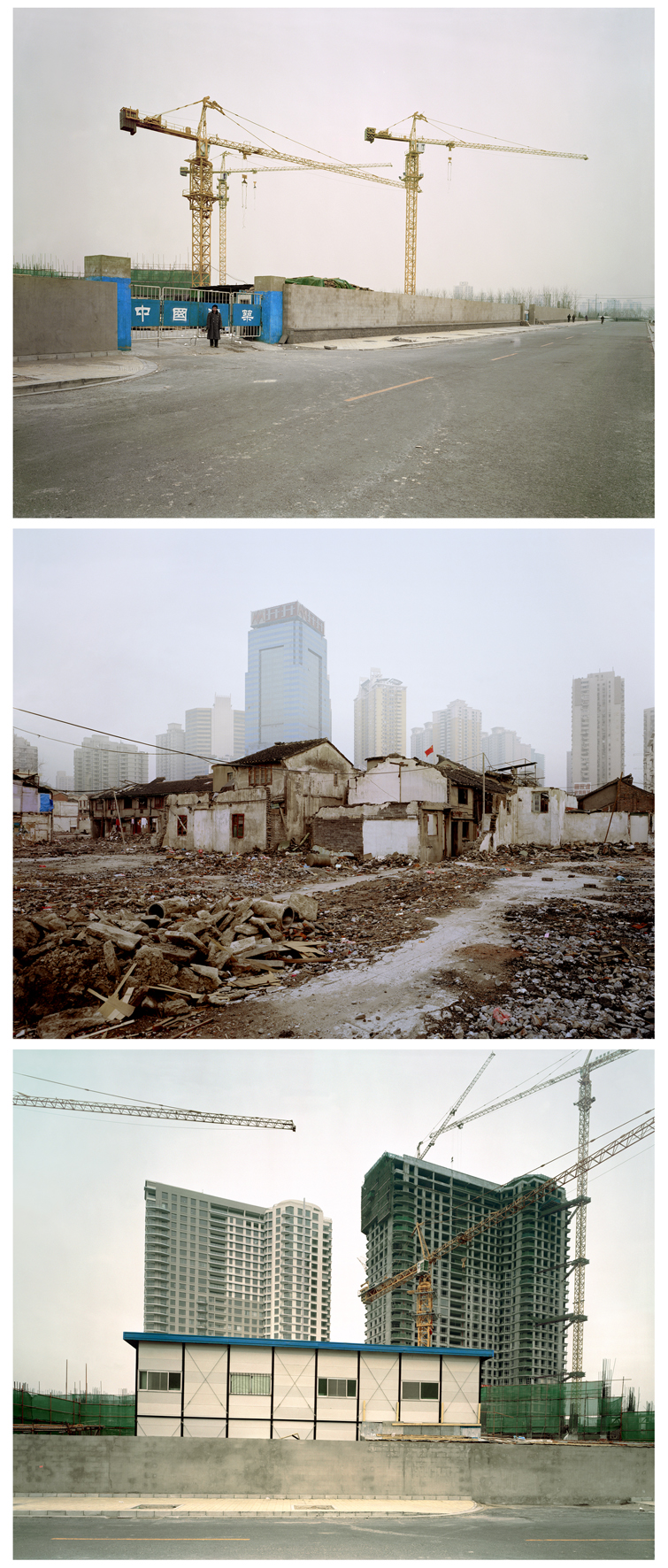
Provisional landscapes, 2002-2008 color-prints © Ai Weiwei

Provisional landscapes, 2002-2008 color-prints © Ai Weiwei
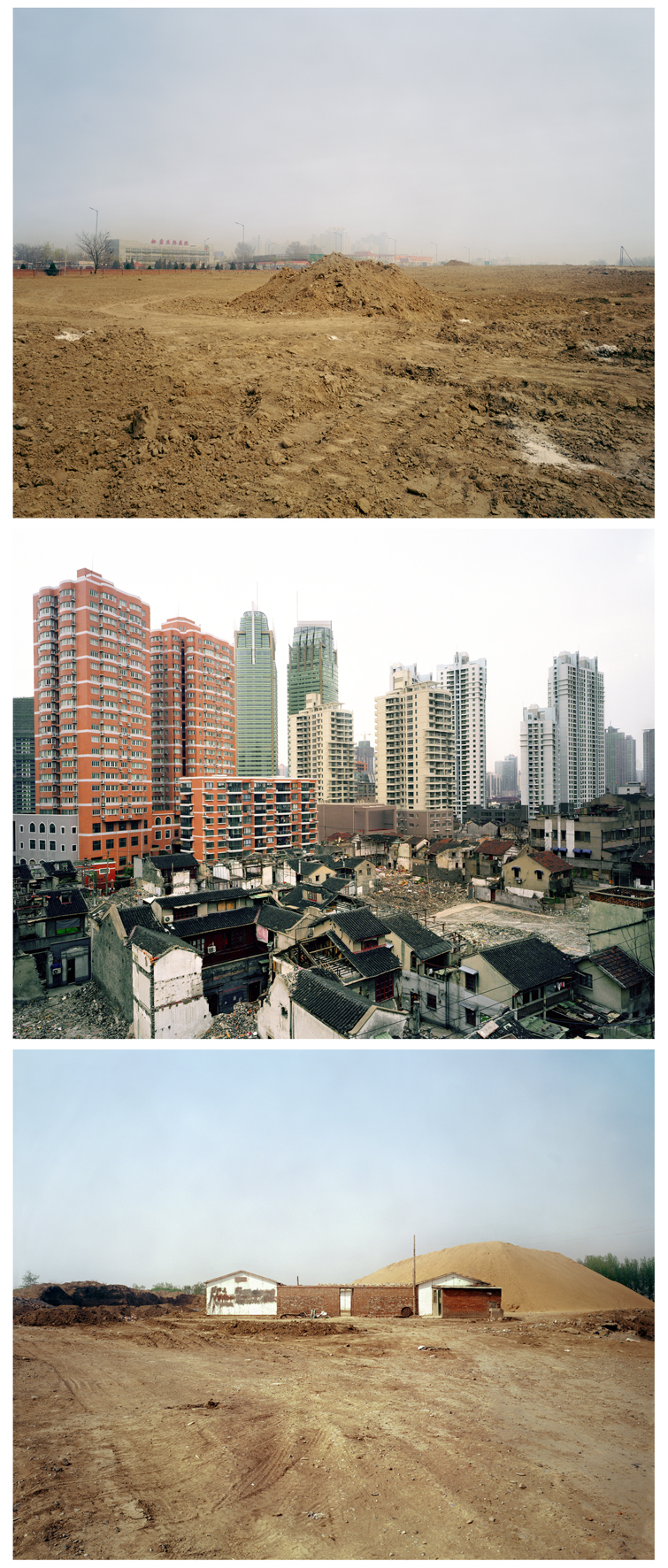
Provisional landscapes, 2002-2008 color-prints © Ai Weiwei
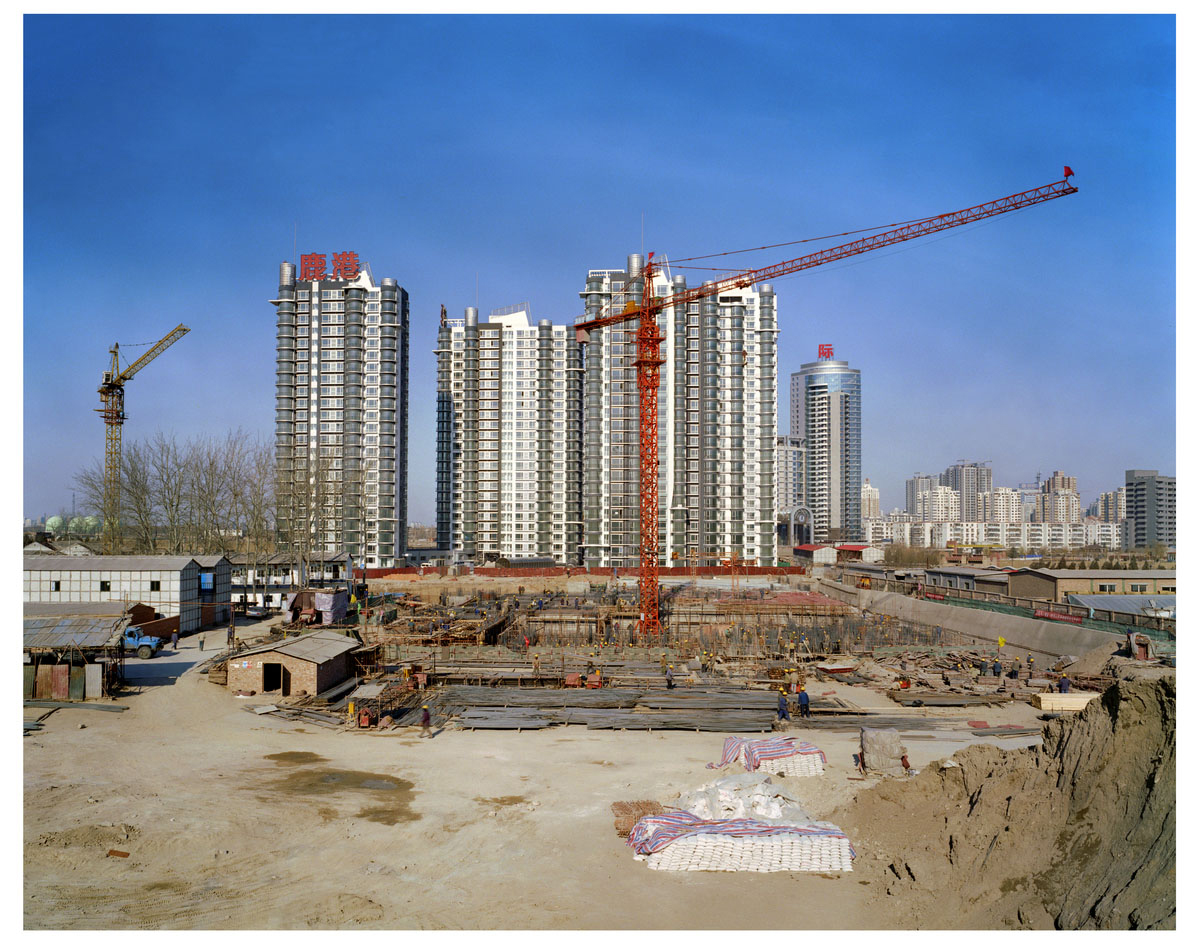
Provisional landscapes, 2002-2008 color-prints © Ai Weiwei
Ai Weiwei Interlacing a Bird’s Nest

Olympic Stadium, 2005-2008 C-print © Ai Weiwei
Ai Weiwei is a worldwide known brand in the art business including the successful architectural practice FAKE Design. In 2003 he collaborated with celebrated worldwide architectural brand Herzog&DeMeuron for the design of the Bird’s Nest, Beijing’s iconic National Stadion. Although Ai Weiwei boycotted the Olympic Games as a protest ageinst the Government’s illiberal attitude, the Stadion was a great success, one of the most significant architectural works in recent years. Four years after the artist will be present also in the London Olympics, again together with Herzog&DeMeuron, to design the Summer pavillion of the Serpentine Gallery, a must for every architect in town, almost as important as the Pritzker Price.
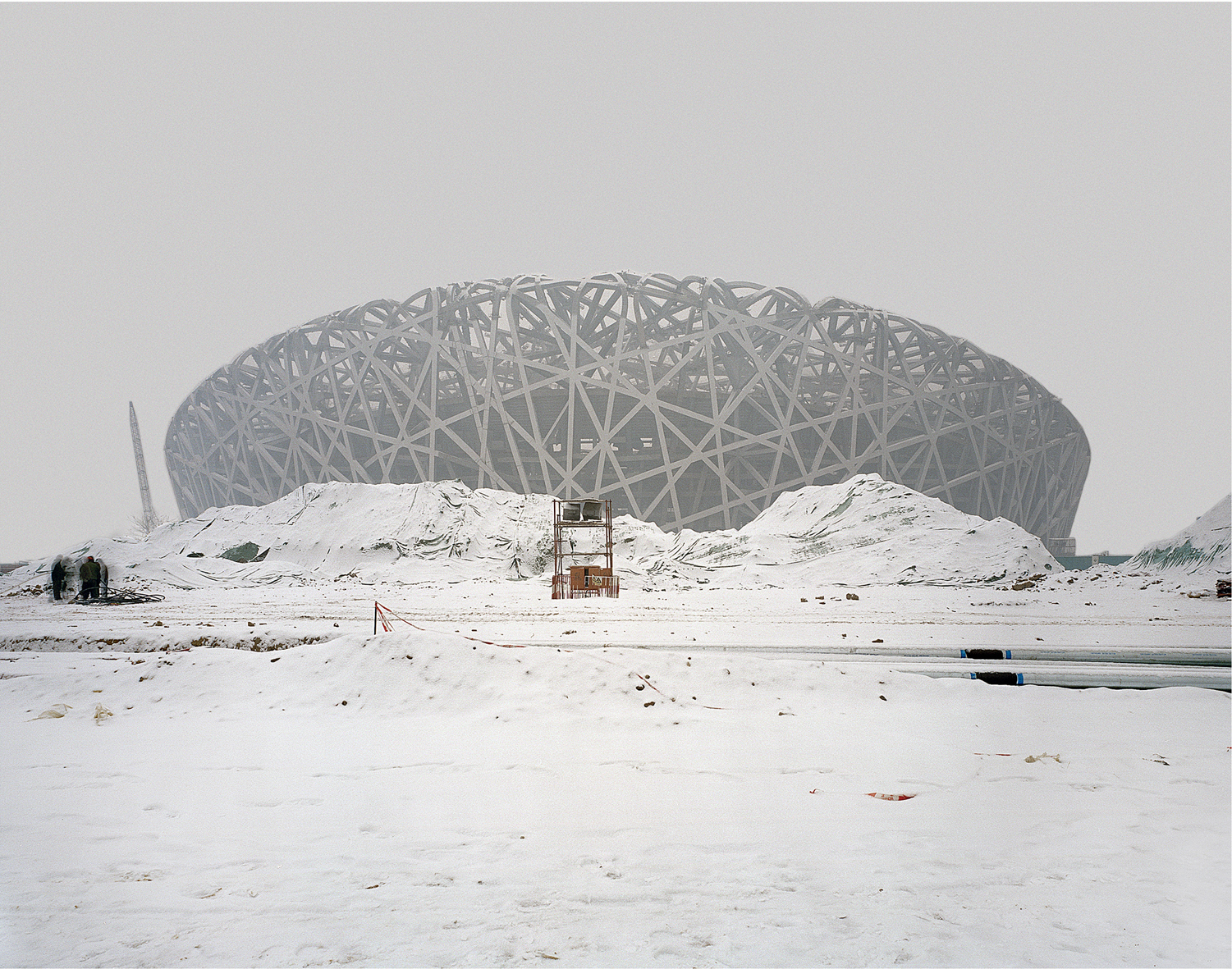
Olympic Stadium, 2005-2008 C-print © Ai Weiwei
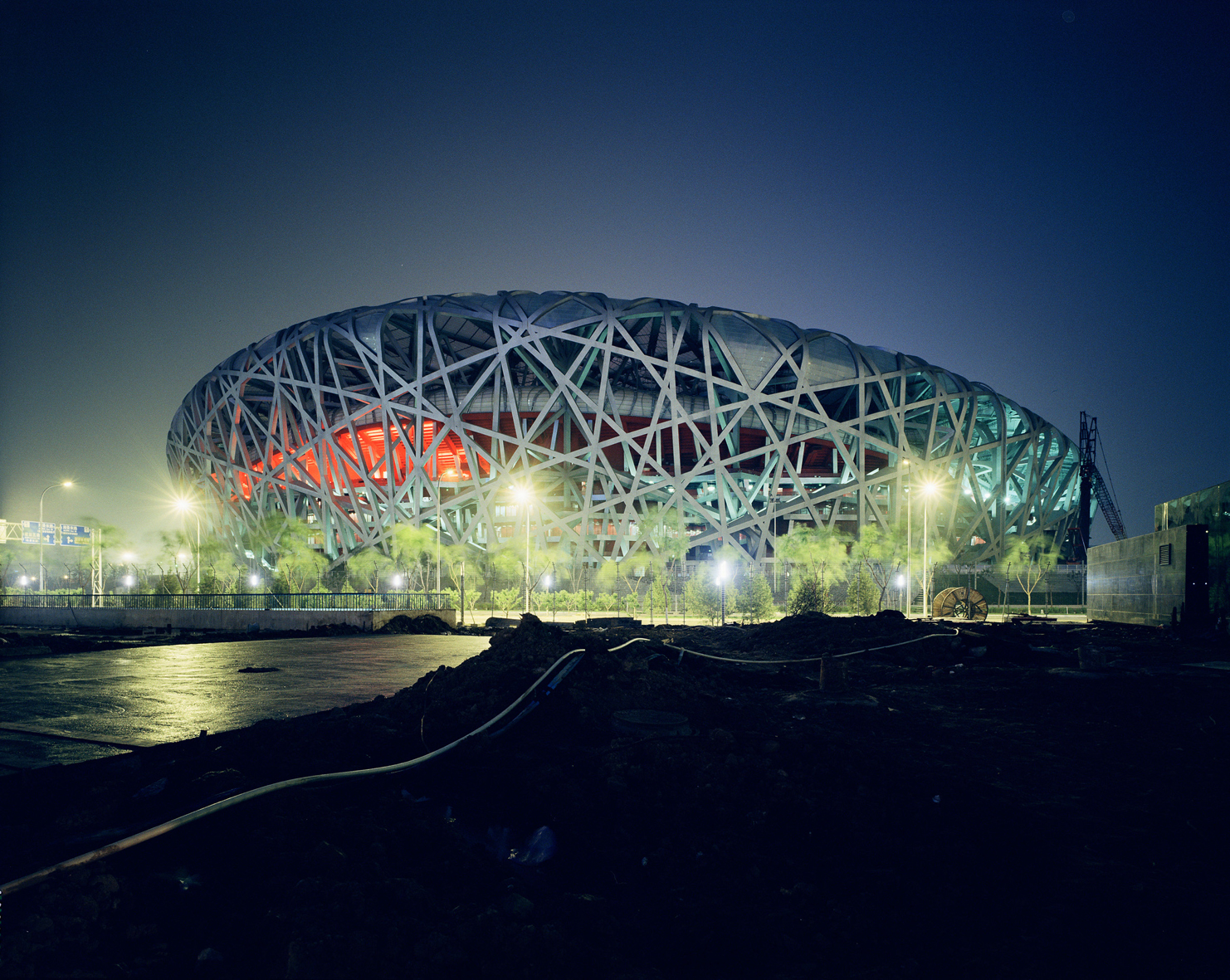
Olympic Stadium, 2005-2008 C-print © Ai Weiwei
Ai Weiwei Interlacing @ Jeu de Paume

This is for sure not the most original artist you can find around, but maybe one of the most significant. His art is about documentation, provocation, relationship, displacement, irony, criticism, body language, contamination etc. It embraces all the features of contemporary conceptual art that refuses any kind of aesthetic and handcrafts. Pictures are made with a third class camera and most of them look like amateur’s shots. Projects like “Study on perspective” or “Provisional landscapes” are less surprising series of pictures that could have been put together by any talented art student. His naked self portraits in some hotel’s bathroom are less original than Scarlett Johanson’s ominous picture. Architectural articles posted on his blog could be easily filed as amateur’s rethoric. Handcrafted sunflower seeds are made by chinese craftsmen.
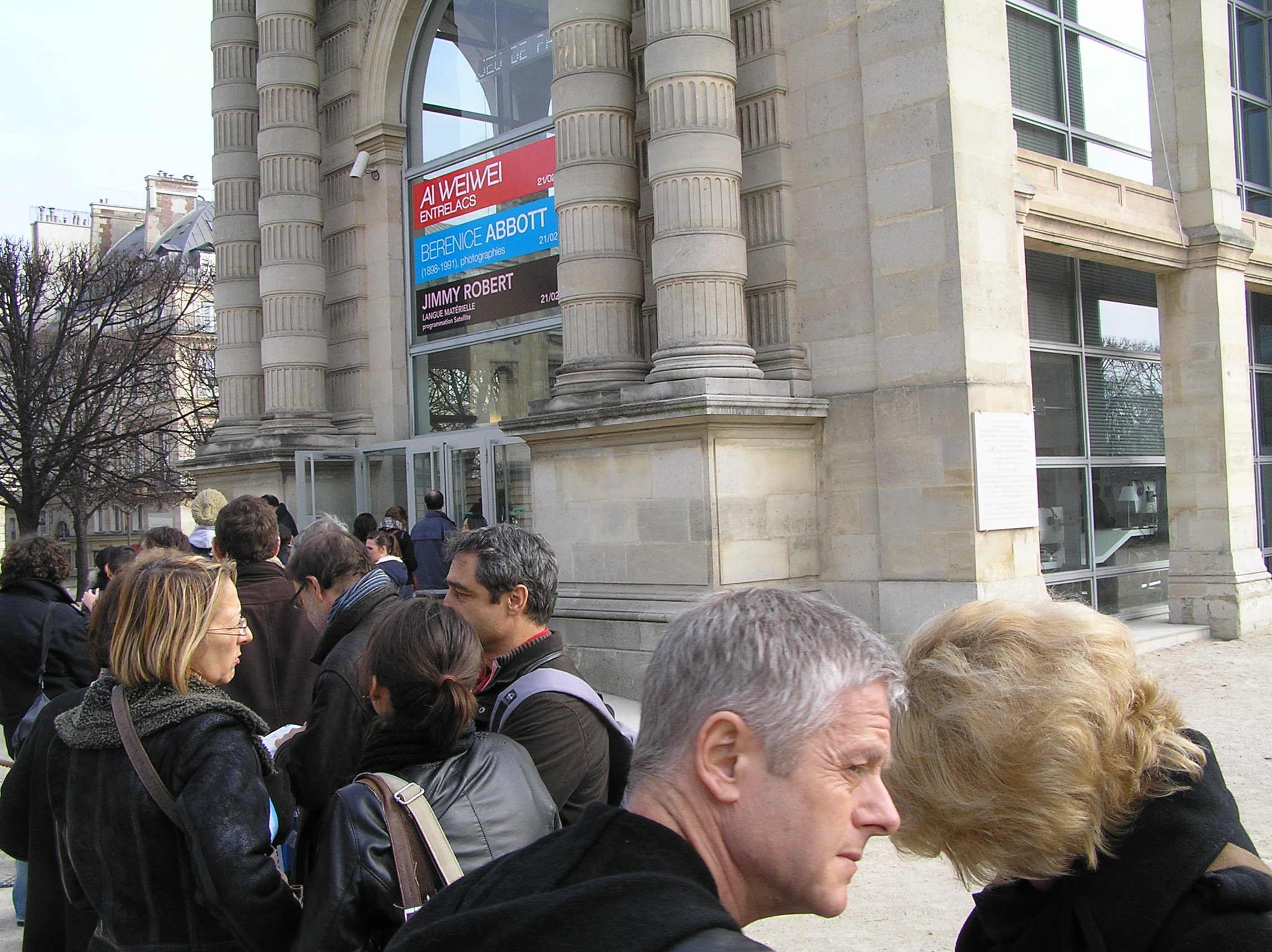
On the other hand on Wednesday afternoon there was a significant queue to enter his small photographic exhibition on the top floor of the Jeu de Paume. Not any to visit the famous for the Nymphéas of Claude Monet at the Orangerie nearby. Why is this artist so celebrated? Of course China is cool, but a lot of good chinese artists have been brought to the european market in the last twenty years, and none has gained the reputation of Ai Weiwei. Being under arrest by the Chinese authorities in 2010 brought him a lot of additional fame and gave him the opportunity to quit with the blog that was getting a monster and switch to twitter, more uptodate and less time consuming. But is it really all about media? I think media have a great part in this story, but there is also something more in the eyes of the chinese artist, something that remains the same from 1983 untill today.

Ai Weiwei. Williamsburg, Brooklyn, 1983 C-print © Ai Weiwei
Son of a celebrated chinese poet, graduated at the Beijing Film Academy, in 1983 Ai Weiwei grabbed the chance to move to New York to study at the Parson’s School for Design. There he discovered Allen Ginsberg, Jasper Johns, Andy Warhol and the godfather of this generation of artists: Marcel Duchamp. Never mind about western compulsive originality Ai Weiwei has covered the whole way of one century of contemporary art in a few years. In the meanwhile he remained angry and foolish enough to exploit the potentials of photography, video, performance, installation, curatorial work, architecture, blogging and all kind of media to satisfy his artistic urge.

Profile of Duchamp, Sunflower Seeds, 1983 C-print © Ai Weiwei
Already before his experience in the United States Ai Weiwei refused the mainstream chinese art devoted to realism. His early works are black and white photographs with hand written chinese and english caption, nothing more than the souvenirs from an unknown world sent by a young artist from a communist country, in a time when China wasn’t cool at all. Seen with today’s eyes the pictures of the different currencies on the desk of an exchange boot (unfortunately not in the press kit ) are the inception of a still ongoing process of exchange between the chinese and the western civilisation that attracts masses of visitors in his art exhibitions and performances.

Ai Weiwei, June 2010 © Ai Weiwei
Related articles
- Tate buys eight million Ai Weiwei sunflower seeds (guardian.co.uk)
- ai weiwei at magasin 3 stockholm konsthall (designboom.com)
- WATCH: Ai Weiwei Design UK Pavilion Via Skype (huffingtonpost.com)
- Ai Weiwei and Herzog & de Meuron to build Serpentine pavilion (latimesblogs.latimes.com)
 Well Designed and Built