Leaving Zagreb
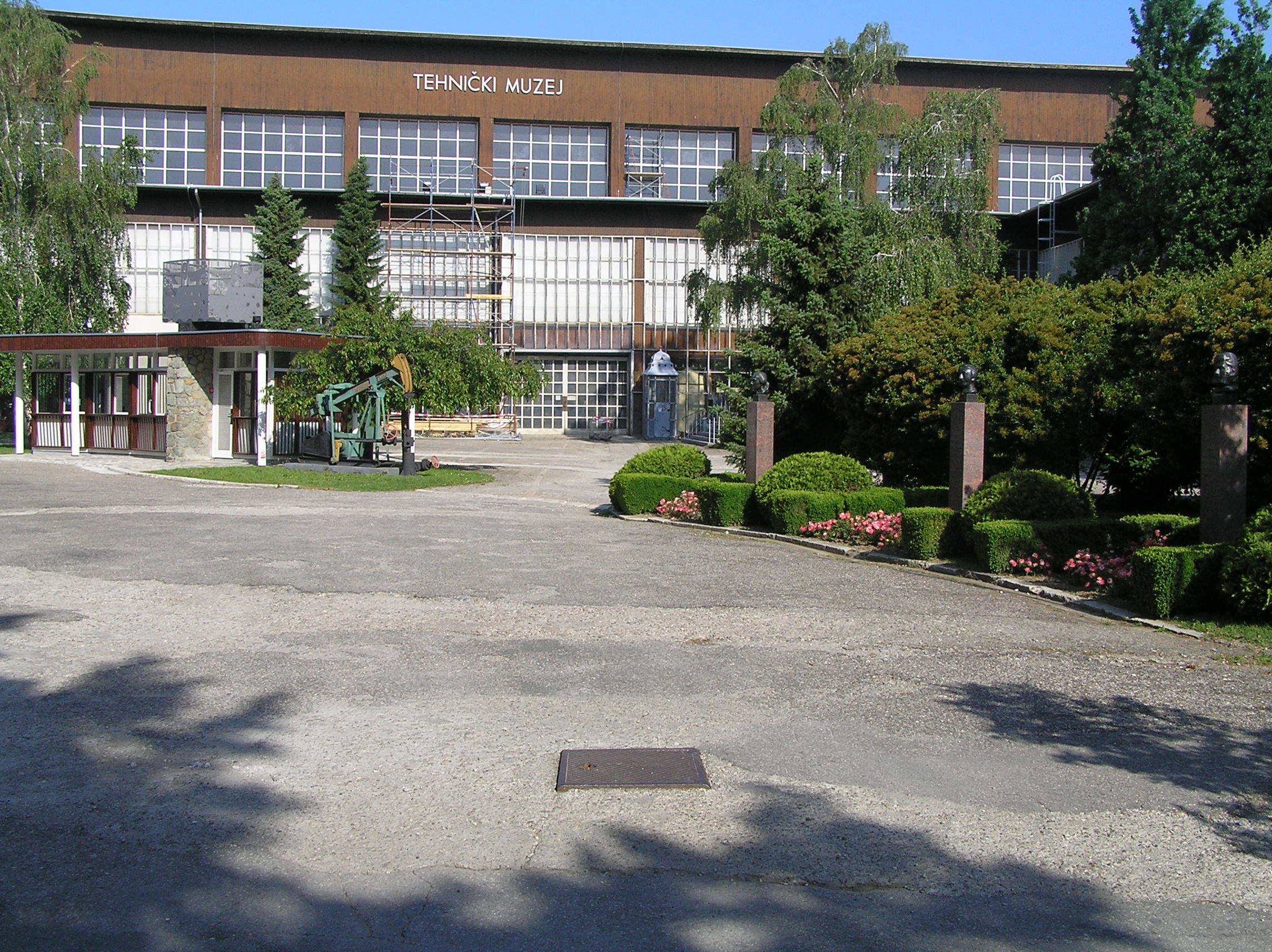
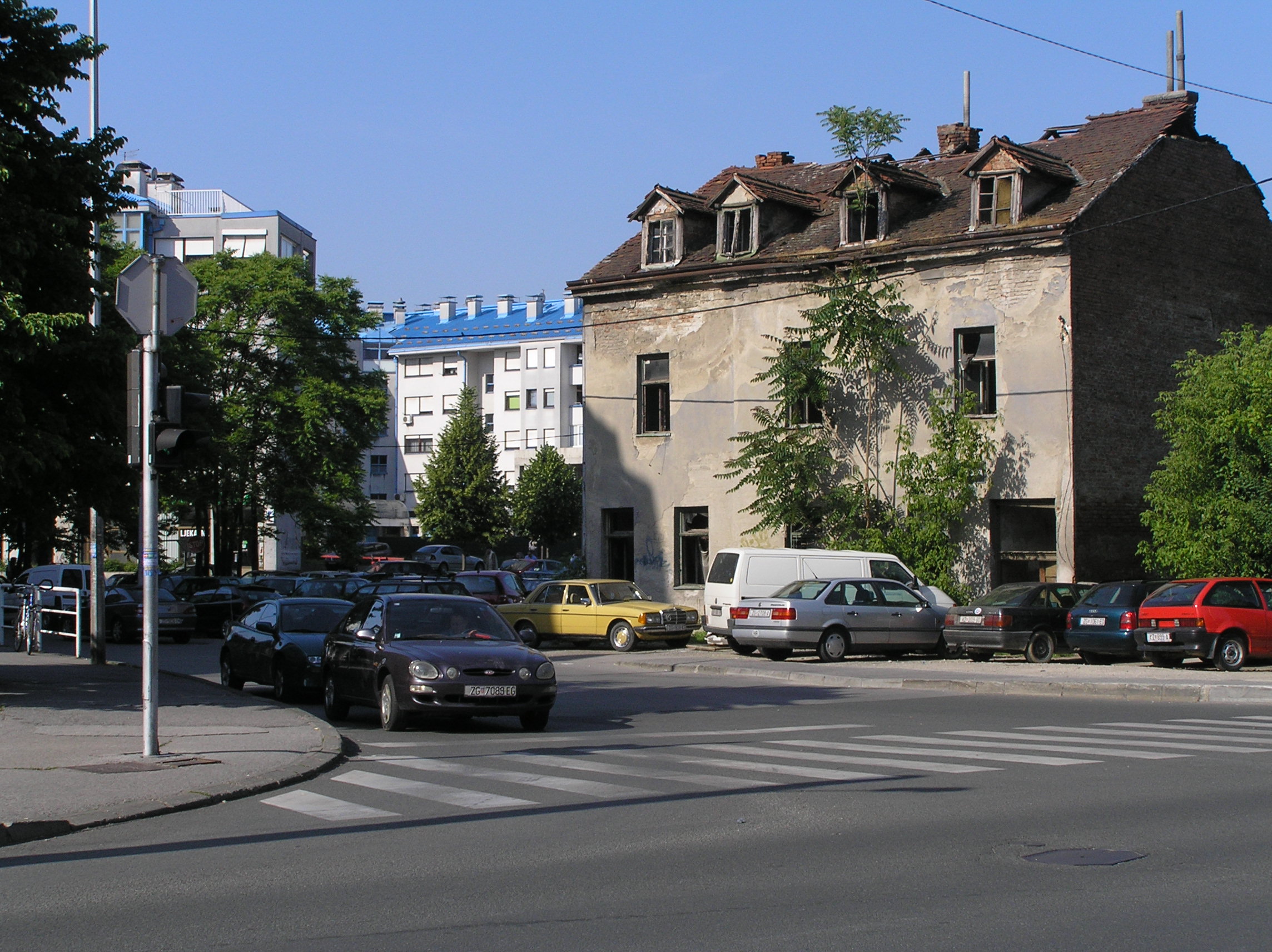
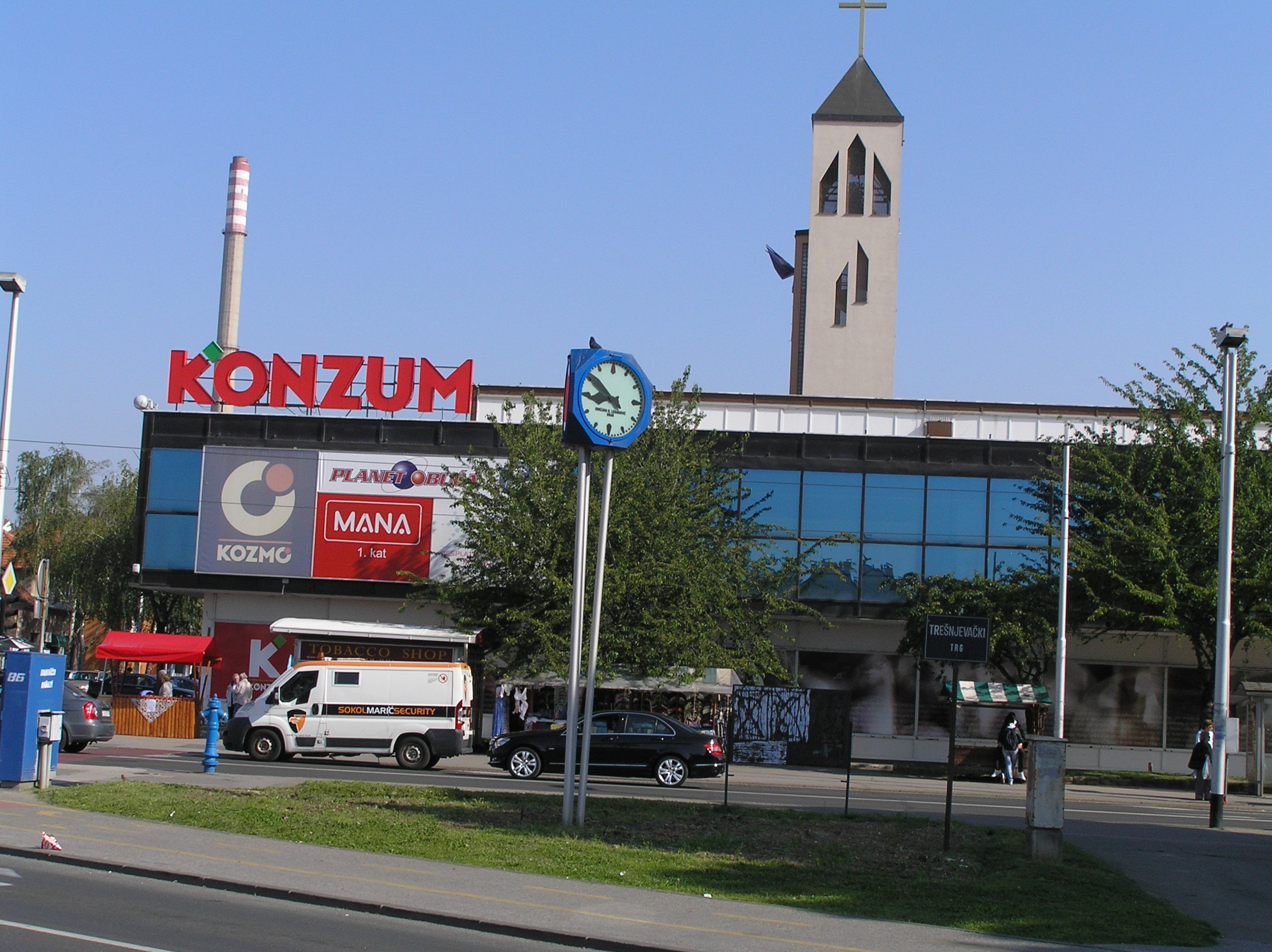
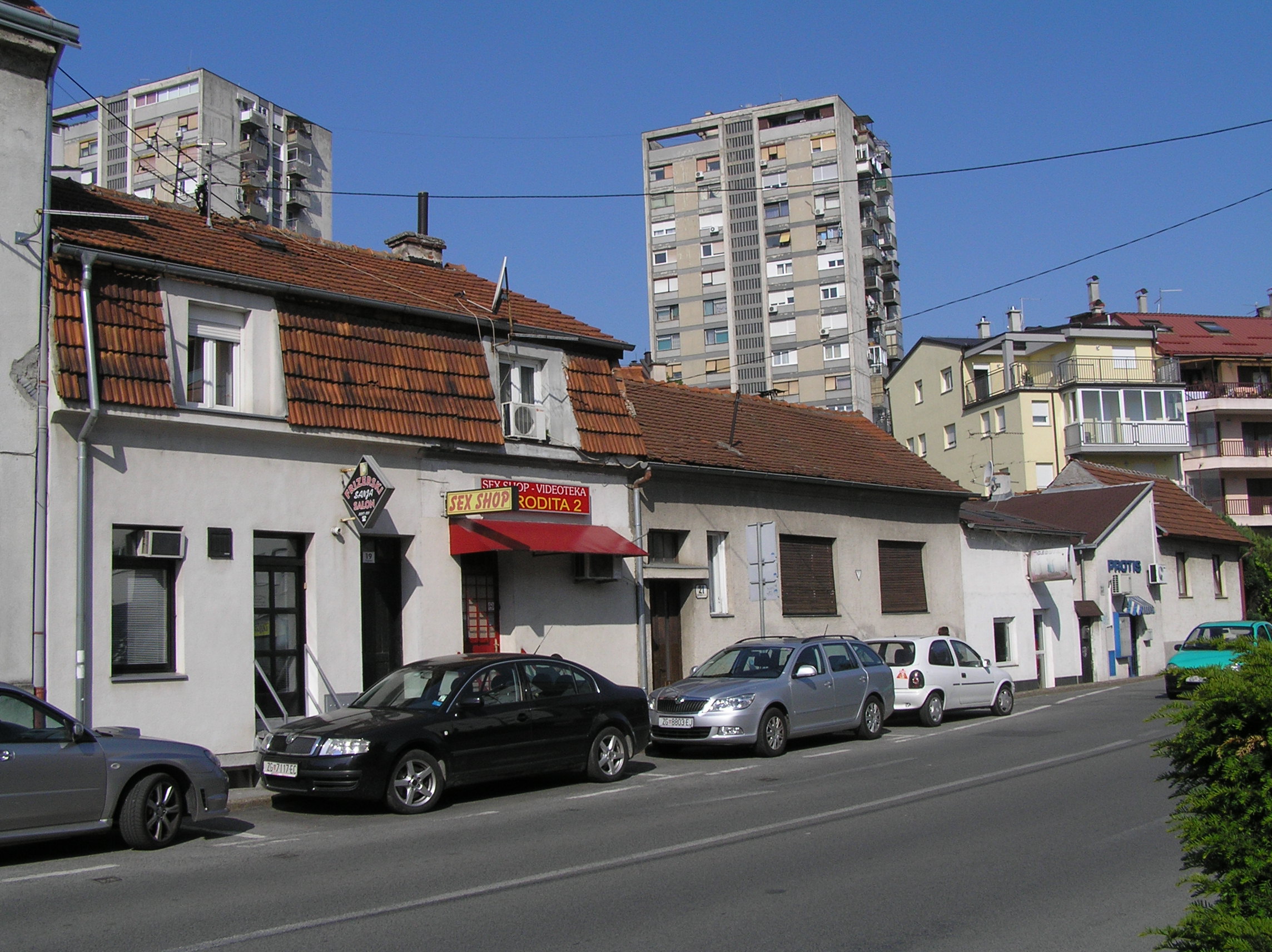
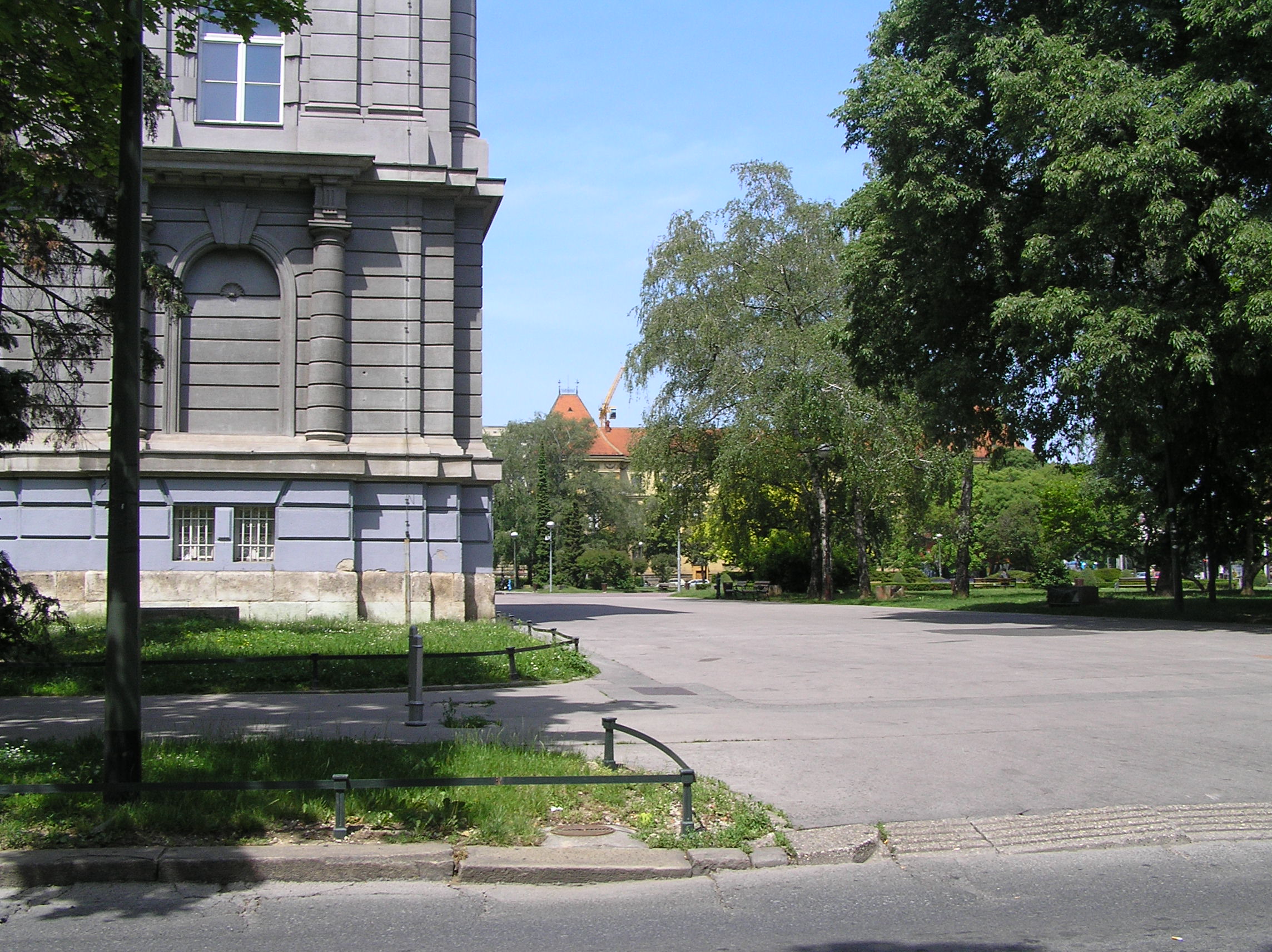
Just a few more pictures taken when leaving Zagreb, streetviews driving out of town back home.
New Perspectives of European Urban Policies
Often the walks I do and the pictures I take and publish on this blog are made at the fringes of some conference or meeting I am invited to attend. In the case of the last posts about Zagreb, the occasion was given by the International Scientific Conference Rethinking Urbanism, (Zagreb May 19th 2012) a very interesting international symposium where I discussed the Working Paper below.
The title of the paper – New Perspectives of European Urban Policies – refers to the current negotiations of European cohesion policy, of which Urban Policies are an increasingly important dimension, in a time when Croatia is becoming the 28th EU member State. I am aware that my paper is rather general, but this reflects the uncertainty of these policies for which the EU has no formal competence in the Treaties, but a longstanding experience on the ground. I hope some of the ideas behind my presentation may be of some interest for the few readers of this blog.
European Urbanisation Trends
Europe is largely urbanised: 75% of the population lives in urban areas and this share is expected to rise to 80% by 2020. Urbanisation happens not only in and around cities but more and more between them generating the so called metropolitan areas or ‘urban functional areas’.
Besides quantitative surveys several differentiated drivers influence the quality of process and the patterns of urbanisation: provision of services and infrastructure, land prices in and outside the cities, location of economic activities, housing policies, planning systems, demographic changes, lifestyles, etc. These factors can lead to high density and compact urban centres, but also to low density developments on former greenfields.
All the above mentioned factors influencing urban development are linked to the ‘urban performance’ which encompasses quality of life in the cities, their competitiveness and capacity to attract (and retain) investment and skilled people on the global market, their role as drivers of innovation and sustainable economic development etc. Indeed some cities in Europe are performing very well, they are becoming more attractive and growing. Others lose competitiveness and population (shrinking cities).
Key questions to be addressed at EU Institutions are:
- What can the EU do to guarantee each European city the same chances and opportunities?
- How can we foster a balanced polycentric development in all European regions?
- Can the EU play a stronger role to promote the European compact city model against the American green suburbia model?
Urbanisation as such can be seen as a positive and negative factor for sustainable development under social, economic and environmental point of view.
Compact cities require less transport, they support effective public transport; they use (and seal) less land and help to avoid flooding; they safeguard areas for food production and leisure in their surrounding, etc. On the other side high density may cause problems of noise and air pollution, green areas within the city might be rare, causing heat islands and high concentration of PM10.
Good town planning and urban design can provide high quality built environment in the compact city, however, it needs strong political support and favourable economic conditions to cope with the attraction that still many citizens have for living in a suburban low density built environment with easy access to (private) green space, low levels of noise and pollution and the illusion of ‘living green’.
Cities have the potential to influence the level of quality of life of citizens by soft and hard measures, e.g.:
- providing essential services in all cities’ neighbourhoods in walking distance (10 minutes city)
- enhancing quality of urban planning and design,
- integrating land use and transport planning
- managing deprived areas
- investing in public mobility, cycle lanes, etc
- having long term vision on land planning
- calming apartment prices through effective housing policies
- managing interaction between the city and its hinterland, other cities and regions
- providing incentives for more sustainable lifestyles
On the other side urban development is also driven by European and global factors that may be out of reach for the municipal administration. In this case European Cohesion policies can provide a valuable contribution to integrate local policy and create attractive and sustainable cities in a wider perspective.
In some case European policies may also be responsible for unsustainable development, for instance when contributing to economic competitiveness and growth of cities (e.g. financing roads and other transport infrastructure or the physical regeneration of brownfields) without considering environmental and social needs at a broader scale (missing integrated approach). A higher share of private cars, new roads as well as low prices for agricultural land and detaxation for building investments have largely contributed to urban sprawl. European territorial policy favours a polycentric development and balanced relationship between city and countryside, but European policies not always contributed this targets.
European Policies and Urban Development
Besides their own actions and developments cities are faced with many changes and challenges driven by sources outside their reach – financial globalisation, demographic changes, migrations, consequences of new international relationships like EU-enlargement or the ‘Islamic spring’ in north Africa and in the Middle East, the impacts of climate change, with extreme weather events getting more and more often, rising sea level, heat waves, etc.
Many EU policies affect directly or indirectly these challenges and thus the situation of cities and towns. One of the first and most important policies in this direction was the Transeuropean Transport policy (TENT-T) financing the European Railway Corridors with the aim to improve accessibility for peripheral areas. But at the same time this attempt could be seen as encouraging longer commuting distances and therefore again urban sprawl or even endangering local communities.The case of the high capacity rail connection between Lyon and Torino should be always on our mind and especially in the minds of European decision makers.
The EU policies influencing urban development are in particular market-building policies (e.g. liberalisation of the energy-market), market–correcting policies (Cohesion policy – territorial cooperation policies), market-cushioning policies (e.g. environmental protection – Noise Directive, Air Quality Directive), energy policies (Energy Performance of Buildings Directive).
The institutional discourse about urban issues at European level was launched by the Commission in 1997 with the Communication “Towards an Urban Agenda”. This document states not only that towns and cities encapsulate all the fundamental problems of European society, but that they hold the key to increasing quality of life. It soon became clear that EU policies can promote more effective responses to the social, economic and environmental challenges in urban areas and that they can significantly assist the development of networks and know-how as well as the exchange and capitalisation of experiences.
In 1998 the Commission adopted the Communication ‘Sustainable Urban Development in the European Union: A Framework for Action’ which became the focal point of the first Urban Forum held in Vienna in the same year.
In 1999 the ‘European Spatial Development Perspective’ was adopted and the first Pilot Project on Urban Areas showed first positive results opening the way to the well known Community Initiative Programmes Urban (1999-2006) and Urban II (2007-2013)
The key principles of these Programmes were distilled in the Urban Aquis, a document compiled by an informal network of European cities who benefited from the first Urban Programmes. That document was adopted in the Informal Meeting of Ministers responsible for Urban Development in Rotterdam 2004. The same principles were reinforced and reformulated in the conclusions of the British Presidency, the so called Bristol Accord on Sustainable Communities (2005) and in the Leipzig Charta on Sustainable European Cities (2007) under German Presidency. The Leipzig Charta was officially signed by the responsible Ministers who committed to their implementation in the Member States. In Marseille (2008) and Toledo (2010) , under French and Spanish Presidency, this committment was renewed and it was agreed to produce a Reference Framework for the European Sustainable City, a web-tool which has already been tested in 66 European Cities and is entering the implementation phase.
The principles of sustainable urban development have been the subject of many declarations and initiatives at European level in the last 2 decades, and they have been widely enforced by Cities at local level. European cities show a growing awareness and common understanding of their role and have initiated several initiatives to achieve sustainability in urban areas – Local Agenda 21 and Aalborg processes, Covenant of Mayors, several networks working together on topics such as healthy cities, e-governance, sharing knowledge and producing guidelines, case studies, good practice etc.
There is also an increasing awareness regarding the manifold interlinkages between the local level and the European level and in between the regional and national level. Most important is the direct local implementation of EU regulations at national level and the implementation of European Funding schemes (ERDF and ESF) at regional level. On the other hand cities find also increasingly strategies to bypass the nation-states (and their bureaucracy) starting to cooperate with each other to exchange information and best practice which adds a horizontal governance dimension between European urban areas.
Current European policy at all levels sees the cities mostly as single entities ignoring the European dimension as a result of all the single city actions. The Thematic Strategy on Urban Environment (2006) has been an important step towards a more sustainable and integrated approach of the European policies related to urban development, but it still considers “just” single cities action, what alone is not yet sufficient for a more efficient European urban policy. The Leipzig Charta (2007) states that “We must stop looking at urban development policy issues and decisions at the level of each city in isolation.”
Currently cities exchange information and share best practice but joint and concerted action, e.g. to reduce a certain amount of greenhouse gases as their contribution to national and European climate change strategies is not yet enough widespread. We rarely have clear data on cities current contribution to greenhouse gases and so their potential to reduce it and support national and EU climate change policy. Addressing only single cities ignores also the fact that cities nowadays tend to compete against each other on limited resources (like taxpayers, enterprises or development funds) leading to contra-productive effects and inefficient resource use.
Several EU and local policies require the ‘integrated approach’: a.o. the Thematic Strategy on Urban Environment, EU Territorial Agenda, Leipzig Charta, Cohesion policy guidelines, the URBACT Programme. Again in the Leipzig Charta we find that “Every level of government – local, regional, national and European has a responsibility for the future of our cities.” The manifold interlinkages between the local level and the European and in between the regional and national level have to be managed appropriately. There are several ways how the local and European level interact: the direct local implementation of EU regulations via the national level, city strategies to bypass the national and regional level and take directly influence at the European level and cooperation among the cities in twinning or transnational city-networks (like Eurocities) which leads to an Europeanisation of urban areas. So, there are several governance approaches interlinked and supplementing each other necessary.
The Urban Dimension of EU Territorial Cohesion Policy 2014-2020
On October 6, 2011, the European Commission adopted a draft legislative package that will frame EU cohesion policy for the period 2014-2020. The Commission proposed a number of important changes to the way cohesion policy is designed and implemented, namely:
- concentrating on the Europe 2020 Strategy’s priorities of smart, sustainable and inclusive growth;
- rewarding performance;
- supporting integrated programming;
- focusing on results – monitoring progress towards agreed objectives;
- reinforcing territorial cohesion;
- simplifying delivery.
This follows the adoption by the Commission in June 2011, of a proposal for the next multi-annual financial framework for the same period: a budget for delivering the Europe 2020 Strategy. In its proposal, the Commission decided that cohesion policy should remain an essential element of the next financial package and underlined its pivotal role in delivering the Europe 2020 Strategy.
The total proposed budget for the period 2014-2020 will be EUR 376 billion, including funding for the new Connecting Europe Facility, which is designed to enhance cross-border projects in energy, transport and information technology.
The legislative architecture for cohesion policy comprises:
- an overarching regulation setting out common rules for the European Regional Development Fund (ERDF), the European Social Fund (ESF), the Cohesion Fund, the European Agricultural Fund for Rural Development (EAFRD), the European Maritime and Fisheries Fund (EMFF), and further general rules for the ERDF, ESF and Cohesion Fund;
- three specific regulations for the ERDF, the ESF and the Cohesion Fund; and
- two regulations on the European territorial cooperation goal and the European Grouping of Territorial Cooperation (EGTC).
The Commission’s 2014-2020 cohesion policy proposals aim to support the strategic coordination of urban policies to enhance sustainable urban development and strengthen the role of cities in the EU’s main investment policy. Furthermore the creation of a ‘Urban Development Platform’ will promote capacity building and the exchange of urban experience at EU level.
What is proposed in the future policy for urban development?
Ring-fencing funding for integrated sustainable urban development: A minimum 5% of resources from the European Regional Development Fund (ERDF) in each Member State shall be invested, in coordinated actions that will deliver long term, energy efficient and innovative city development. Management and implementation will be delegated to cities, to varying degrees, depending on the institutional arrangements of each Member State.
A single investment strategy: EU structural funds should support urban development through strategies that tackle together the economic, environmental, climate and social challenges of urban areas. Member States are asked to combine investments from different sources to support measures related to employment, education, social inclusion and improving institutional capacity. These will be designed and implemented in line with a single investment strategy.
Innovative urban actions: the Commission proposes to allocate part of the budget (0.2% of the ERDF allocation) for financing innovative actions in urban areas. The innovative urban actions shall be urban pilot projects, demonstration projects and related studies of European interest. They may be focused on any policy area as long as they deliver on one of the Europe 2020 goals.
Urban Development Platform: On the basis of lists of cities proposed by Member States the Commission will establish a platform to stimulate direct dialogue between cities themselves and with the Commission . The platform is not a funding instrument but a way for cities to share feedback on the use of the new approaches.
Conclusions
The Commission proposals give for the first time an explicit “urban” dimension to EU policies. Based on the “Cities of Tomorrow” report by DG Regio, the proposed cohesion policy relies upon the territorialisation of urban development issues, aiming at the creation of local jobs, the fight against fuel poverty and finally a better quality of life for the citizens.
The four above mentioned proposals can be a real innovation in European Urban policies, but there is the need of
- the highest possible degree of transparency in the funding criteria (which project is funded?),
- monitoring and publicising of the expenditures (is funding used in appropriate way?)
- allowing sufficient flexibility in the management of the funds and create synergies between the different funds (is EU funding invested in the most effective way?)
- earmarking in each fund part of the budget for technical assistance used by beneficiaries to prepare high quality and bankable projects (do all cities and regions have the same easy access to ERDF?)
- involving national associations of local authorities in the preparation of the Partnership Contracts and the Operational Programmes (are cities really involved in shaping EU cohesion policies?)
Modern and Contemporary Architecture in Zagreb
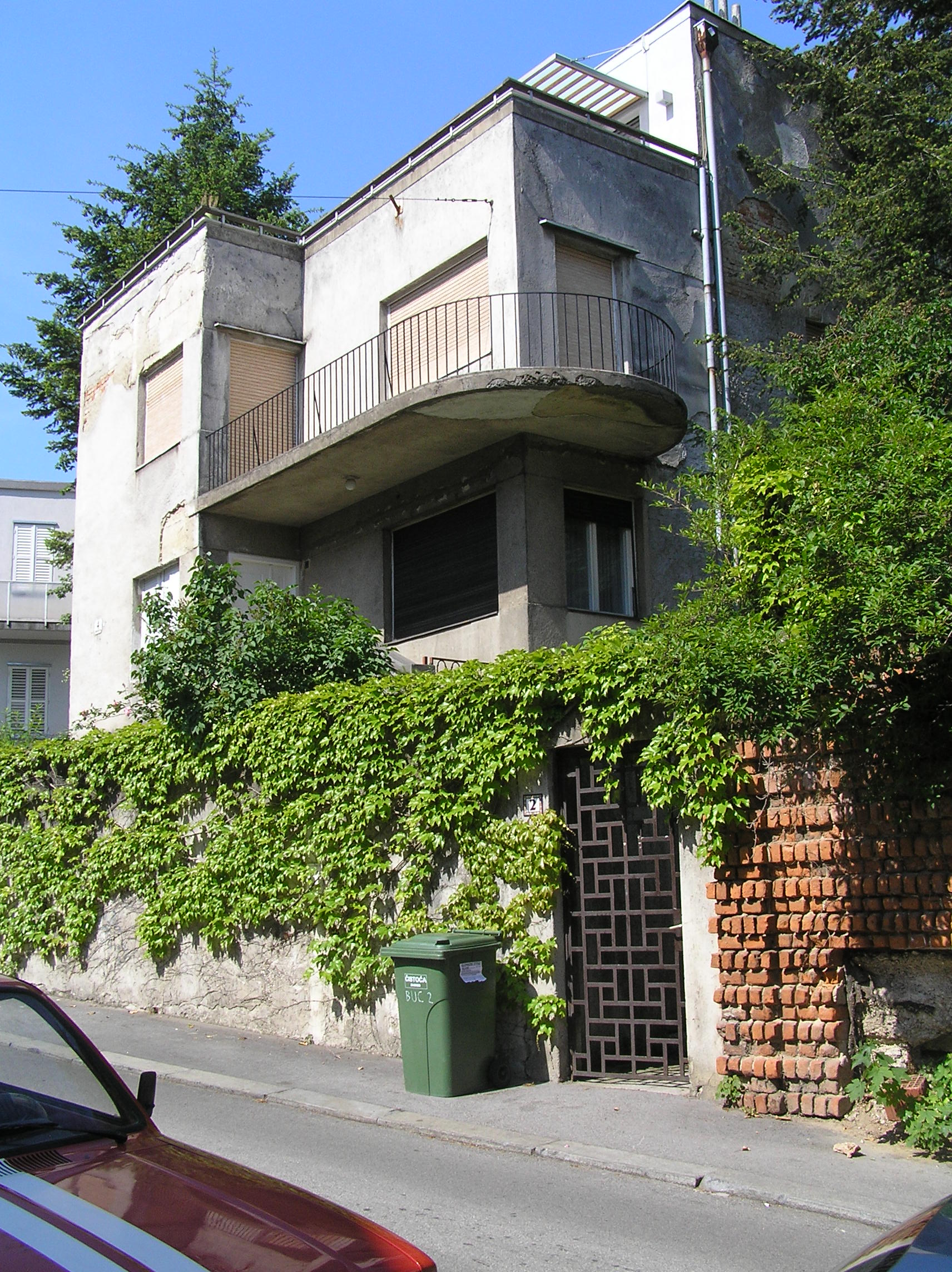
During my stay in Zagreb I had also a short guided tour to some modern and contemporary urban villas, a building typology very well developed and embedded in this city, by one of his main actors, Tomislav Ćurković, president of the Croatian Chamber of Architects CCA. As a matter or fact in a few minutes walk or drive from the main square and historic centre ‘downtown’ you can reach the hills surrounding it and find yourself in an almost rural landscape where the wealthy likes to live today as they did in the past.
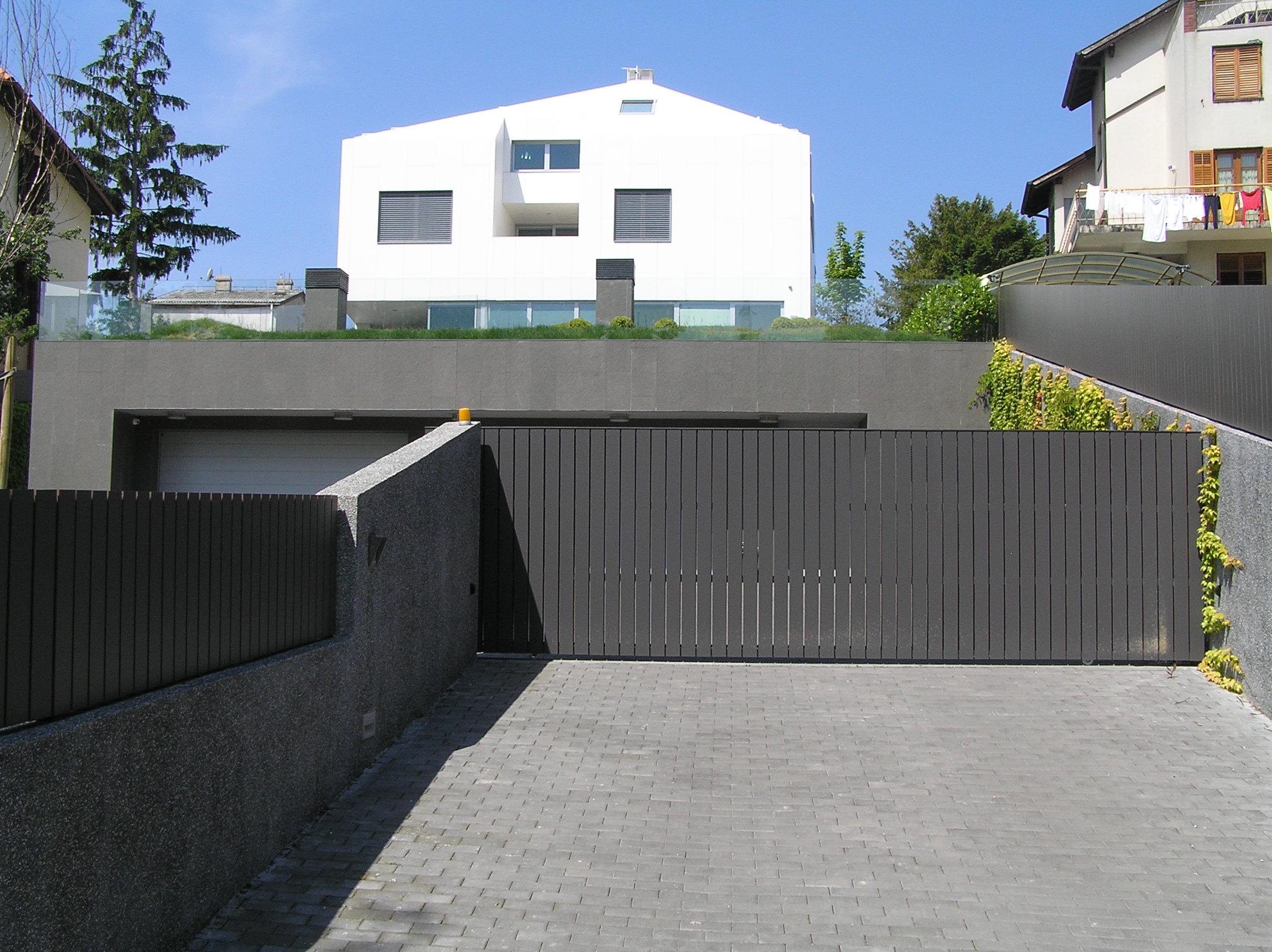
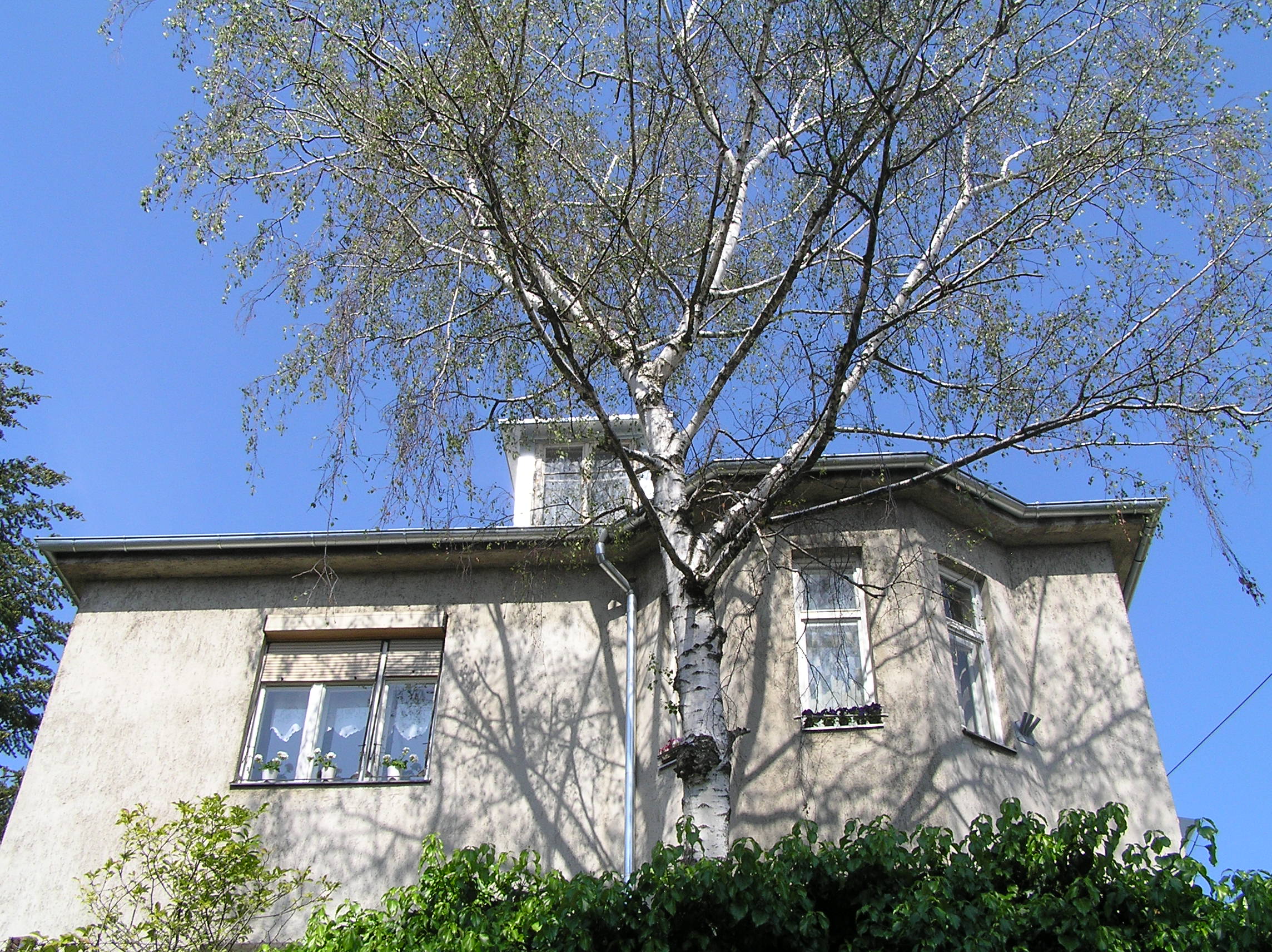
In these few pictures you will see some contemporary works by DVA Arhitekta D.O.O. (Tomislav Ćurković and Zoran Zidarić) and some classic modern villas built between 1919 and 1945 along the Novakova street. Architectural language is varied and chastity of modernism is well temperate by the patina of time, mixed ownership and abundant vegetation.
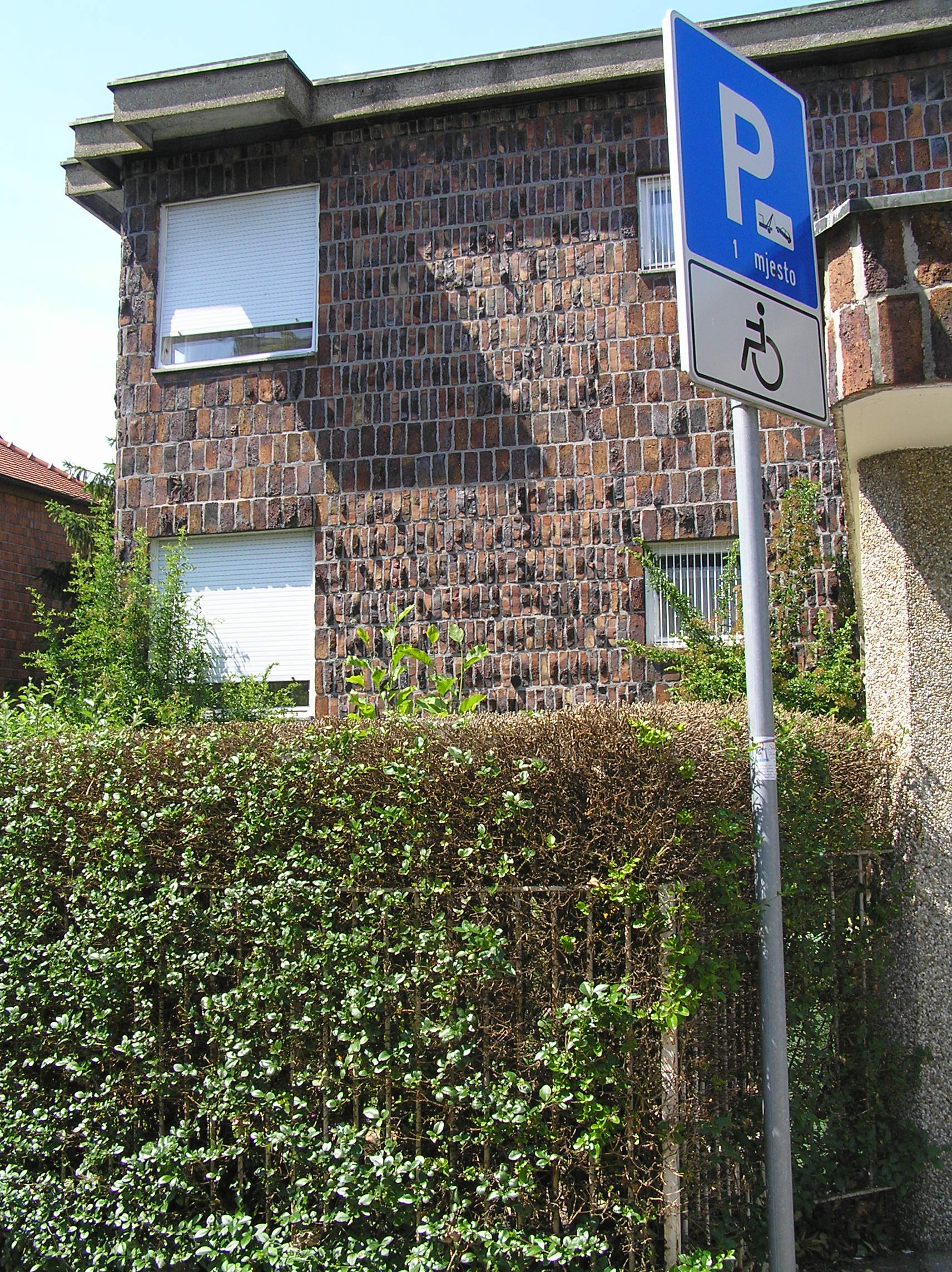
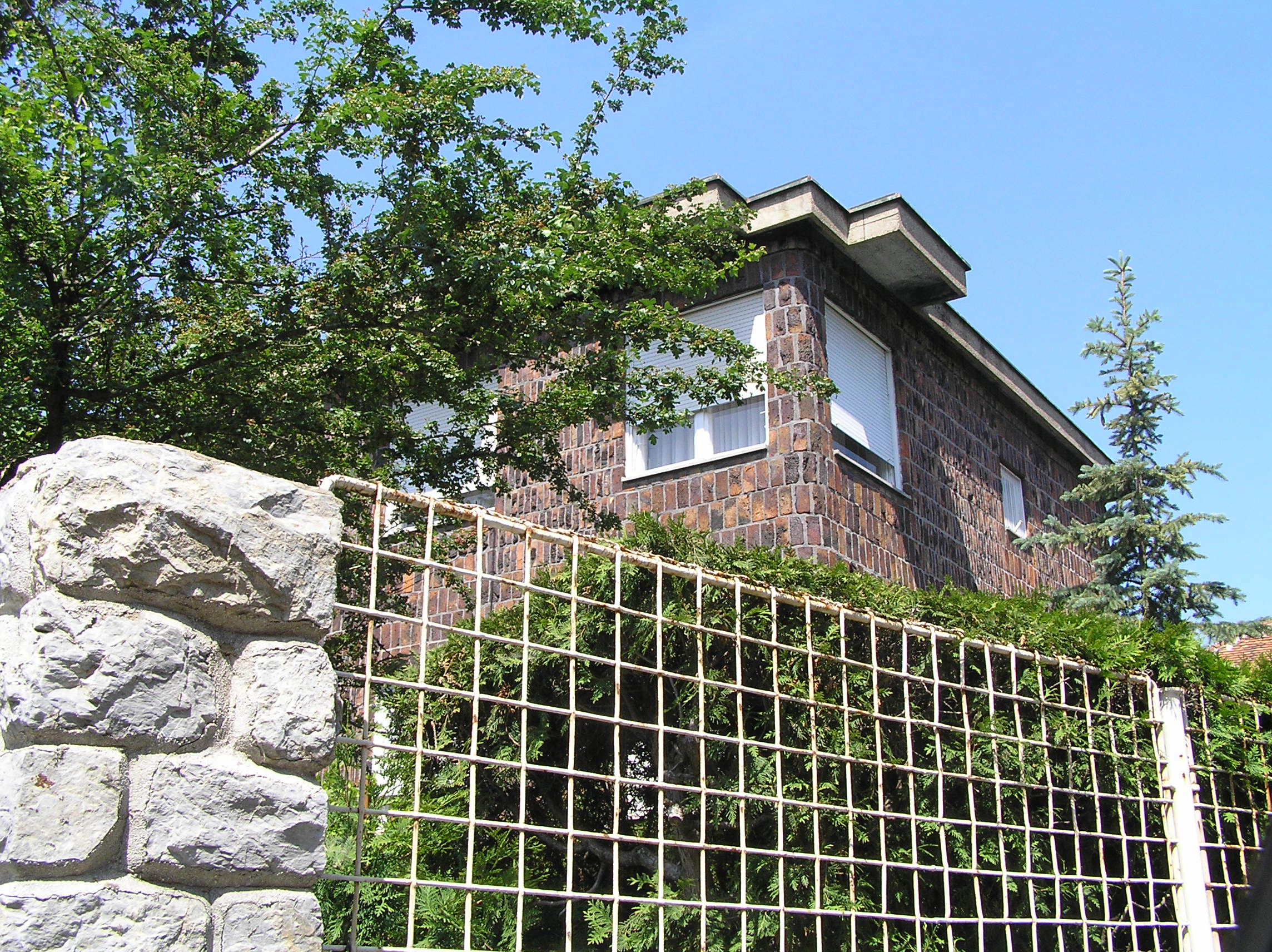
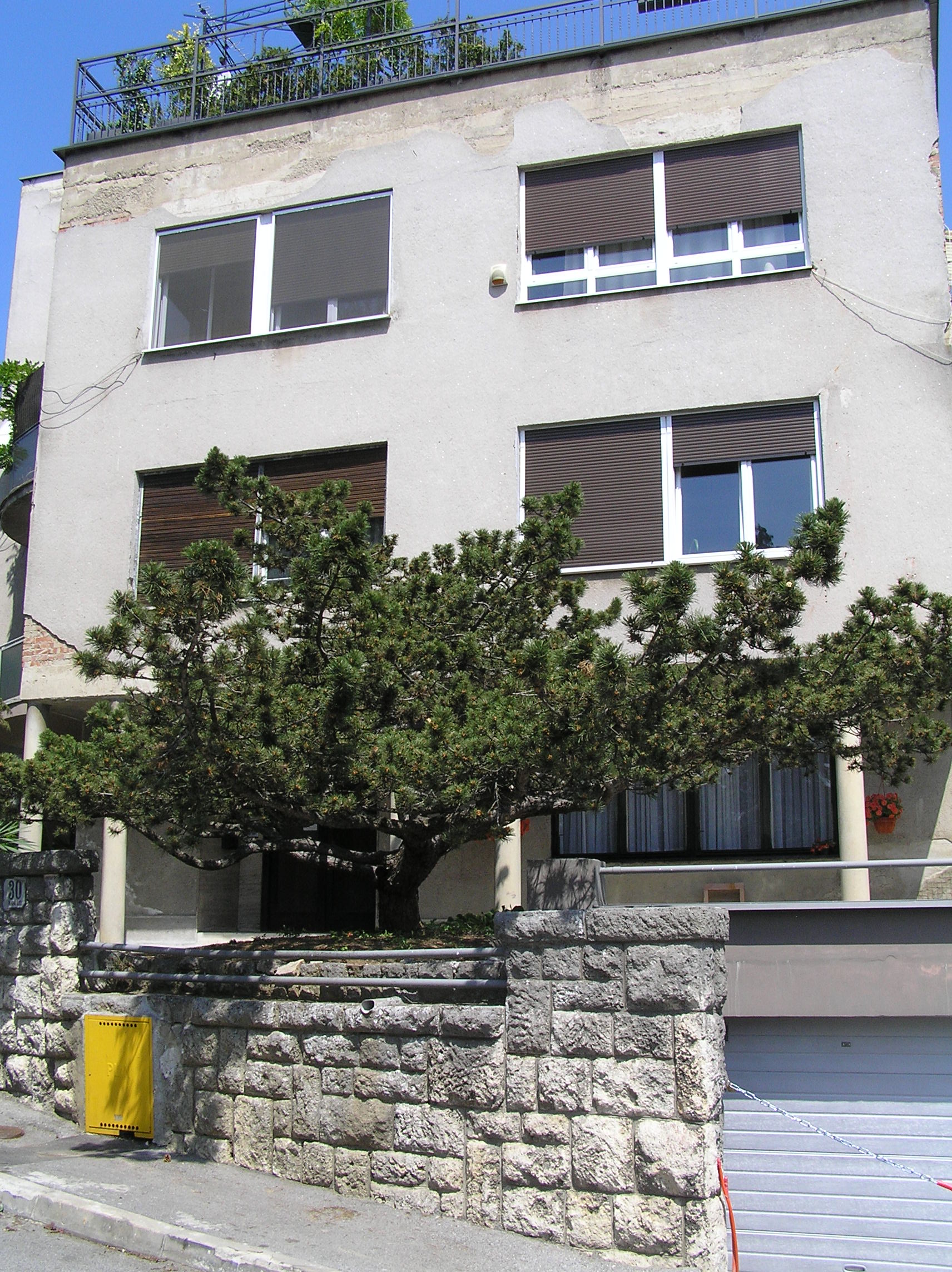
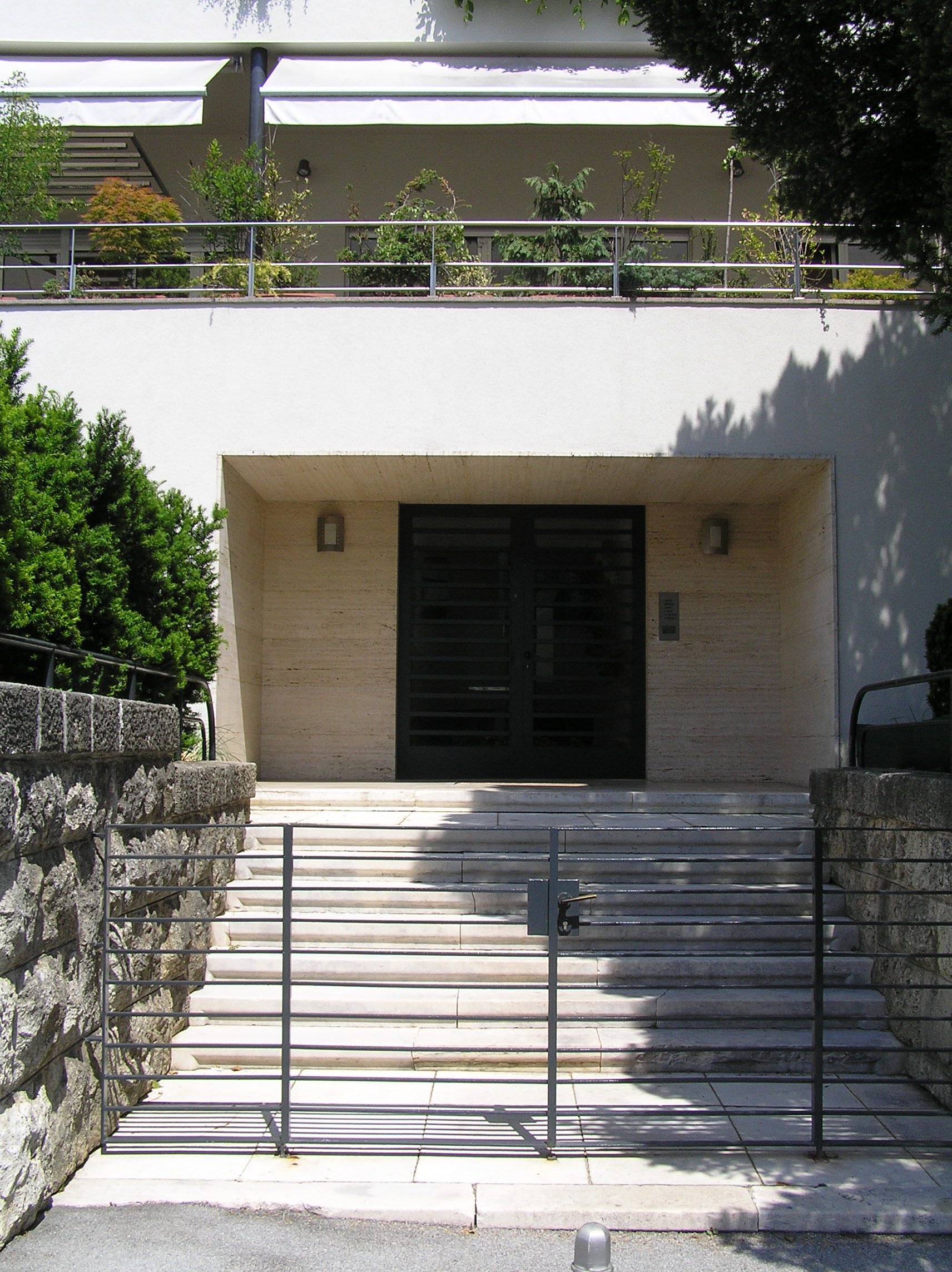
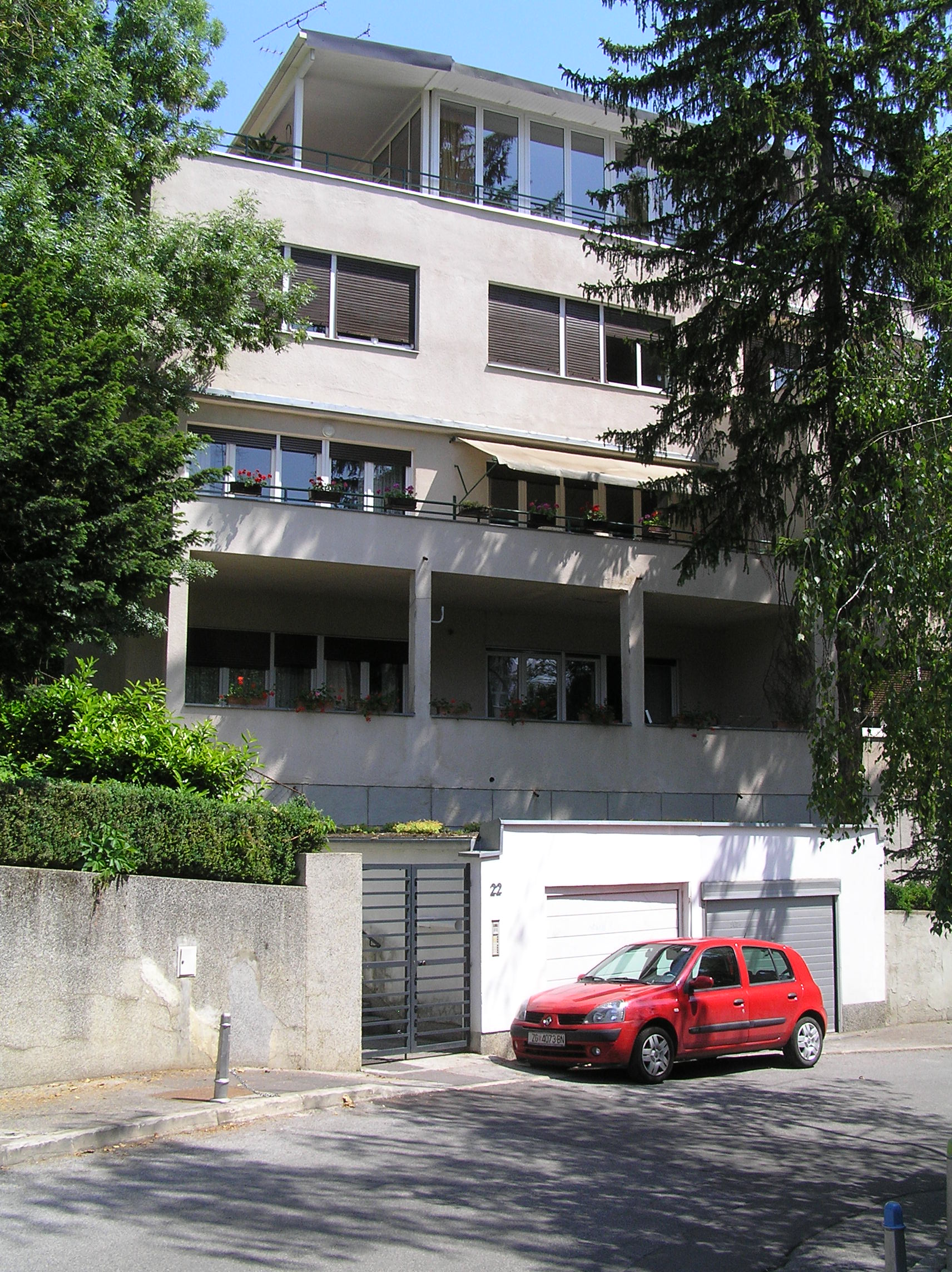
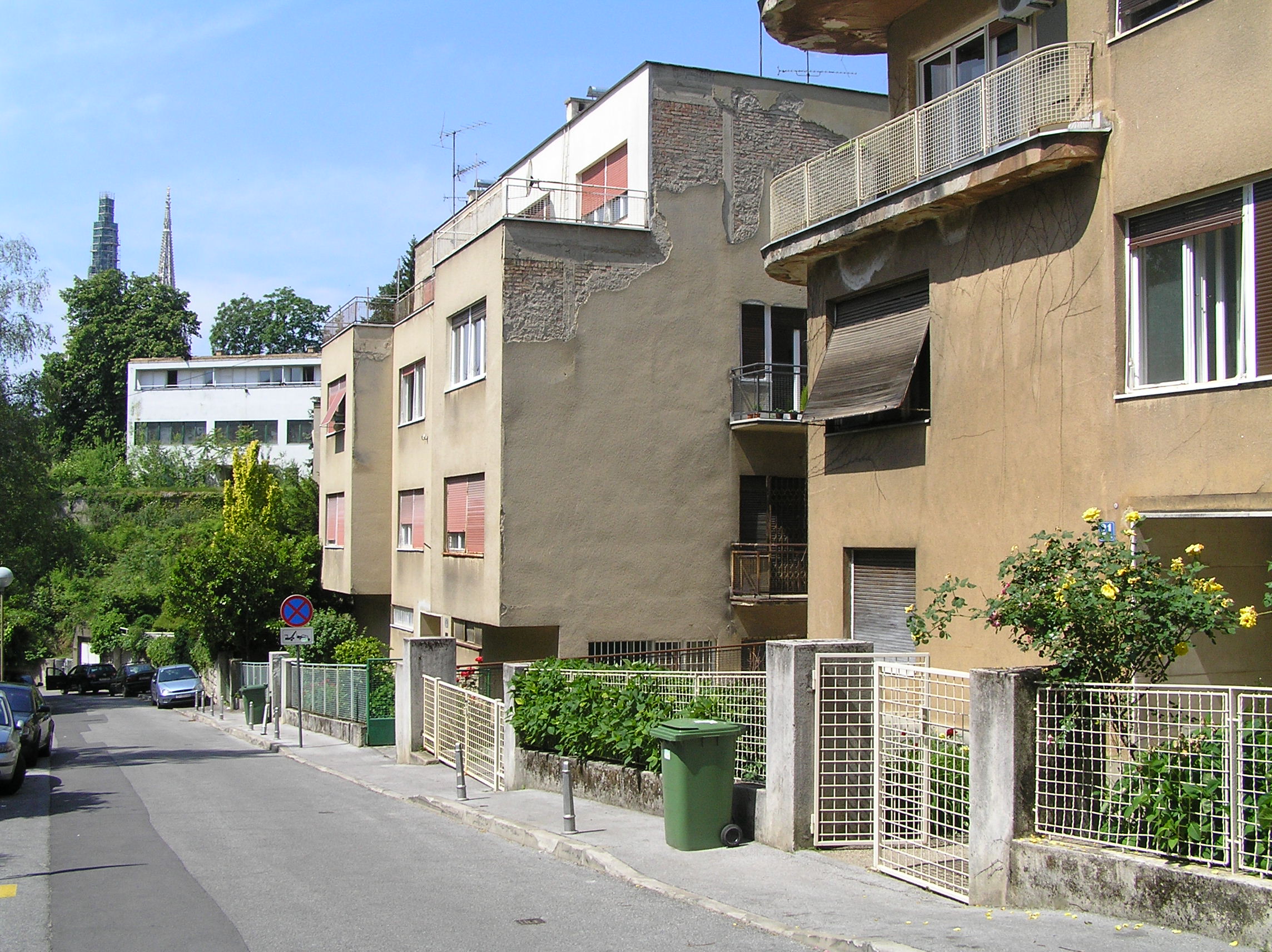
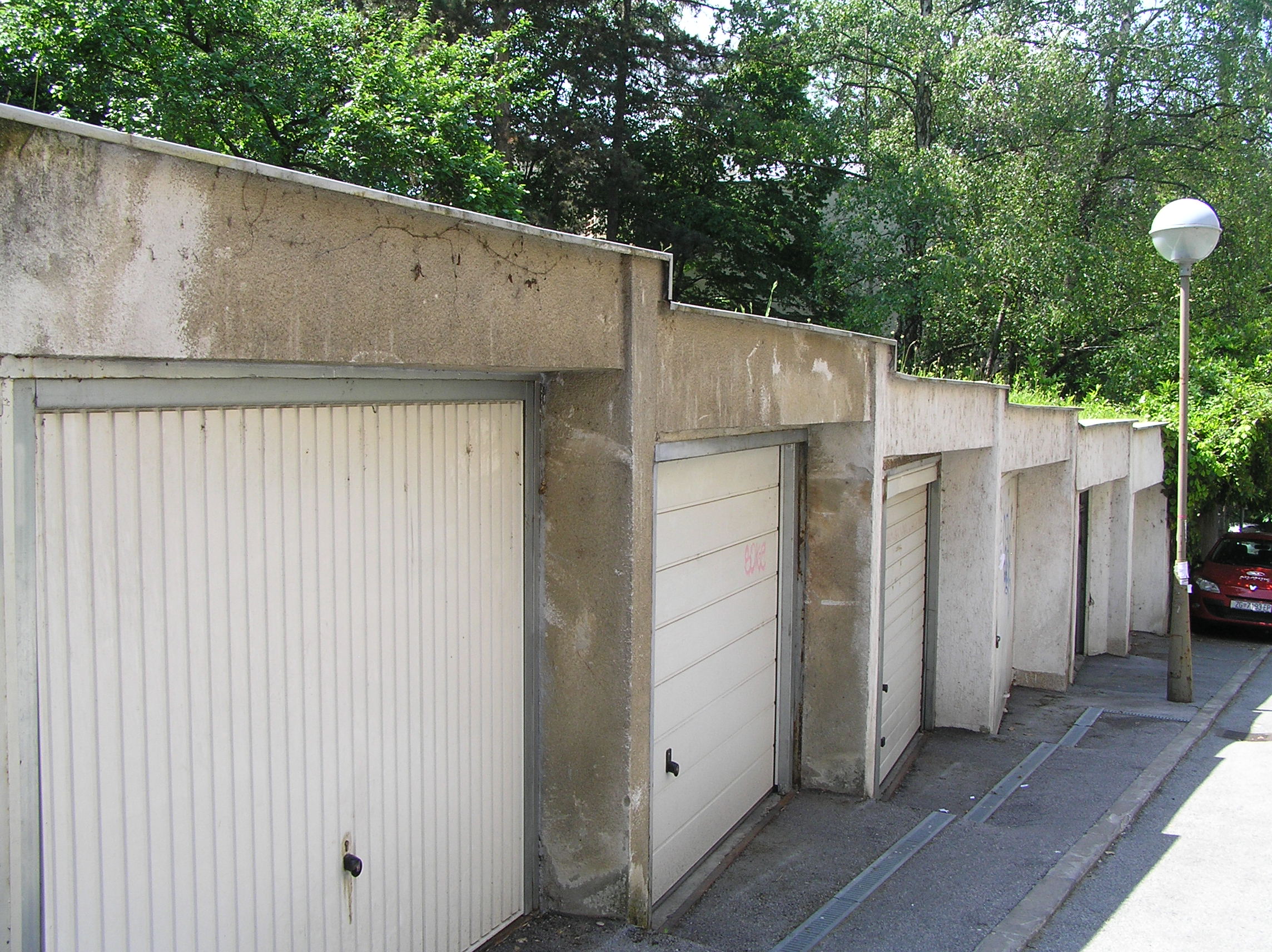
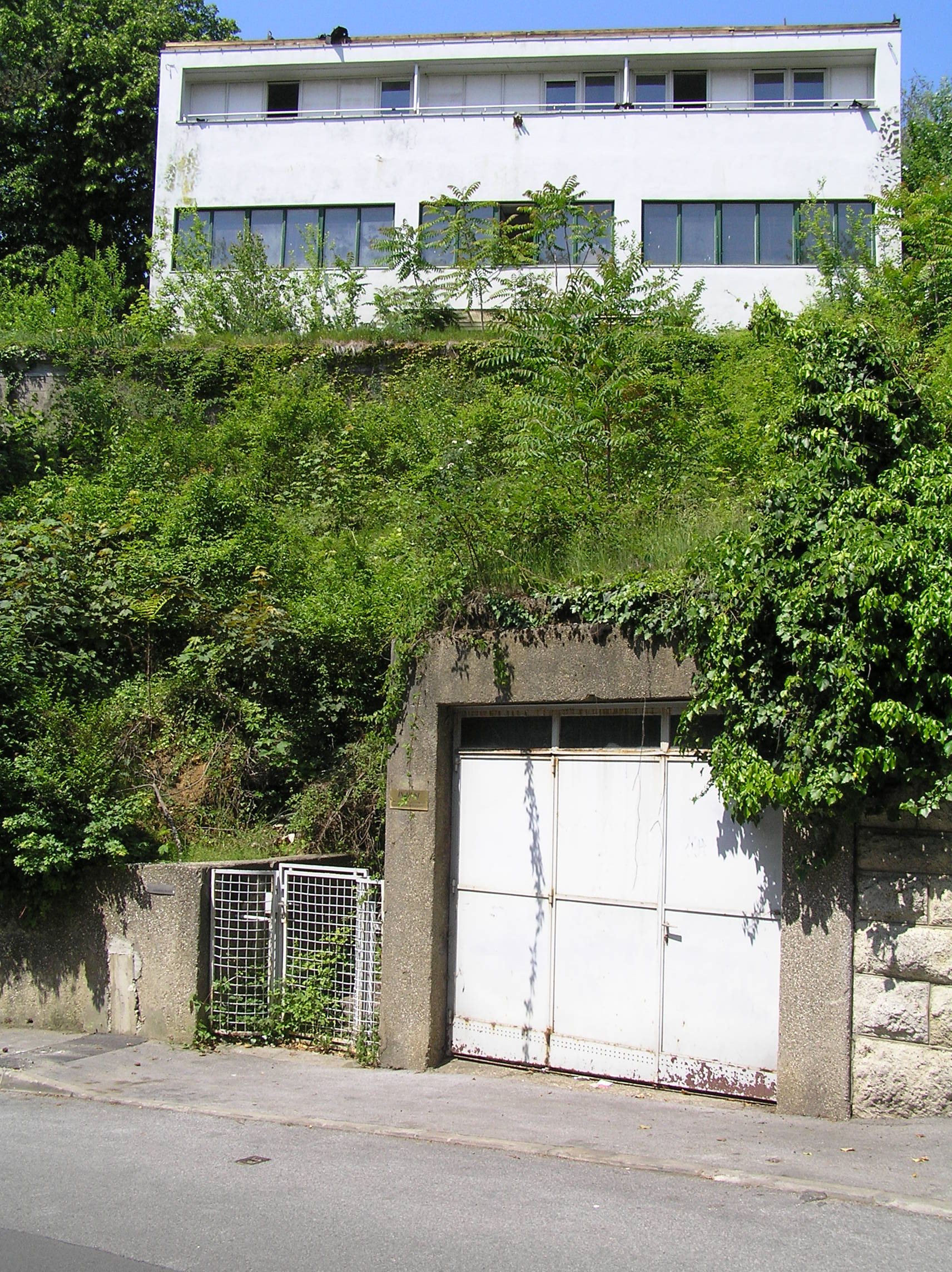
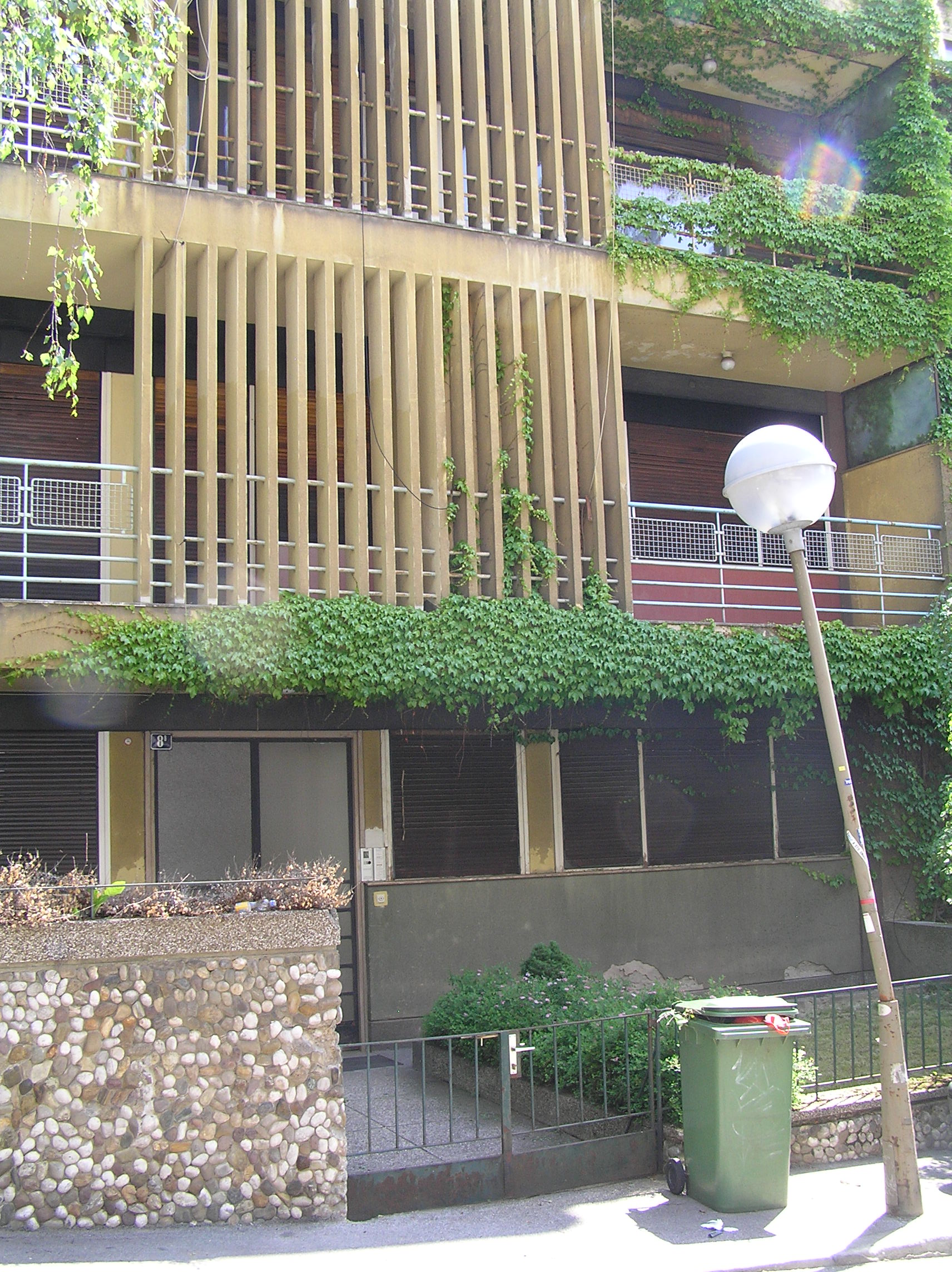
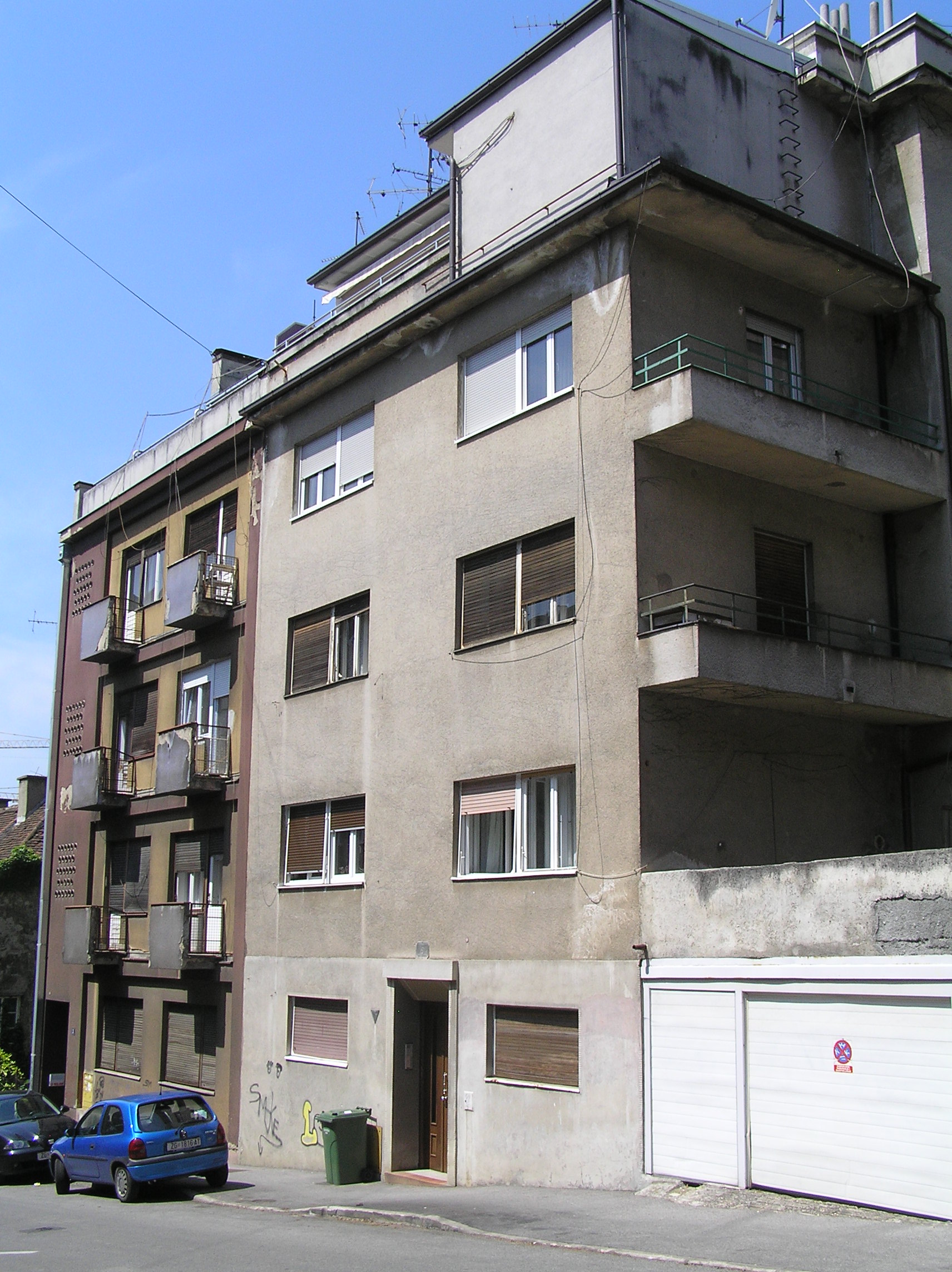
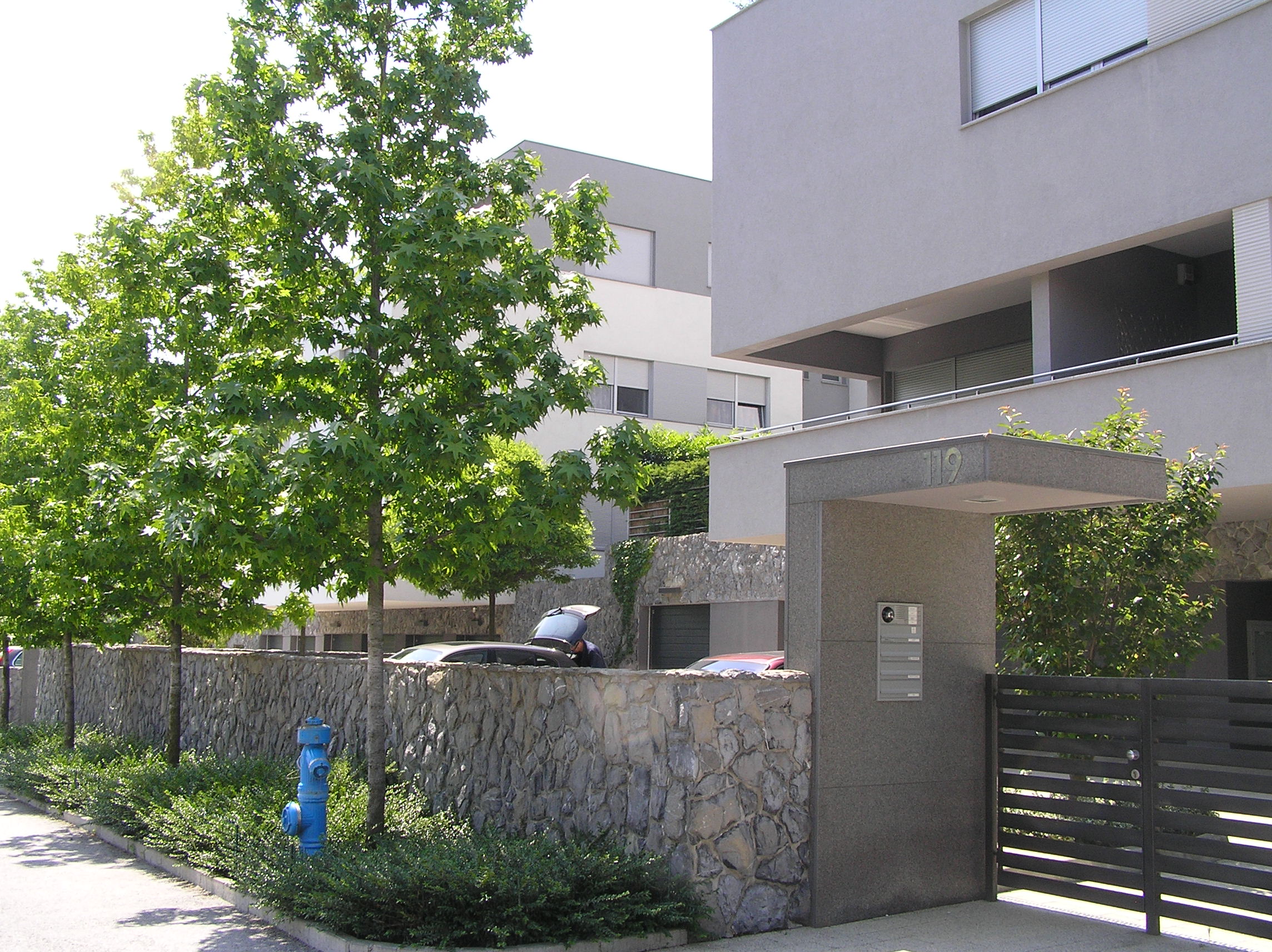
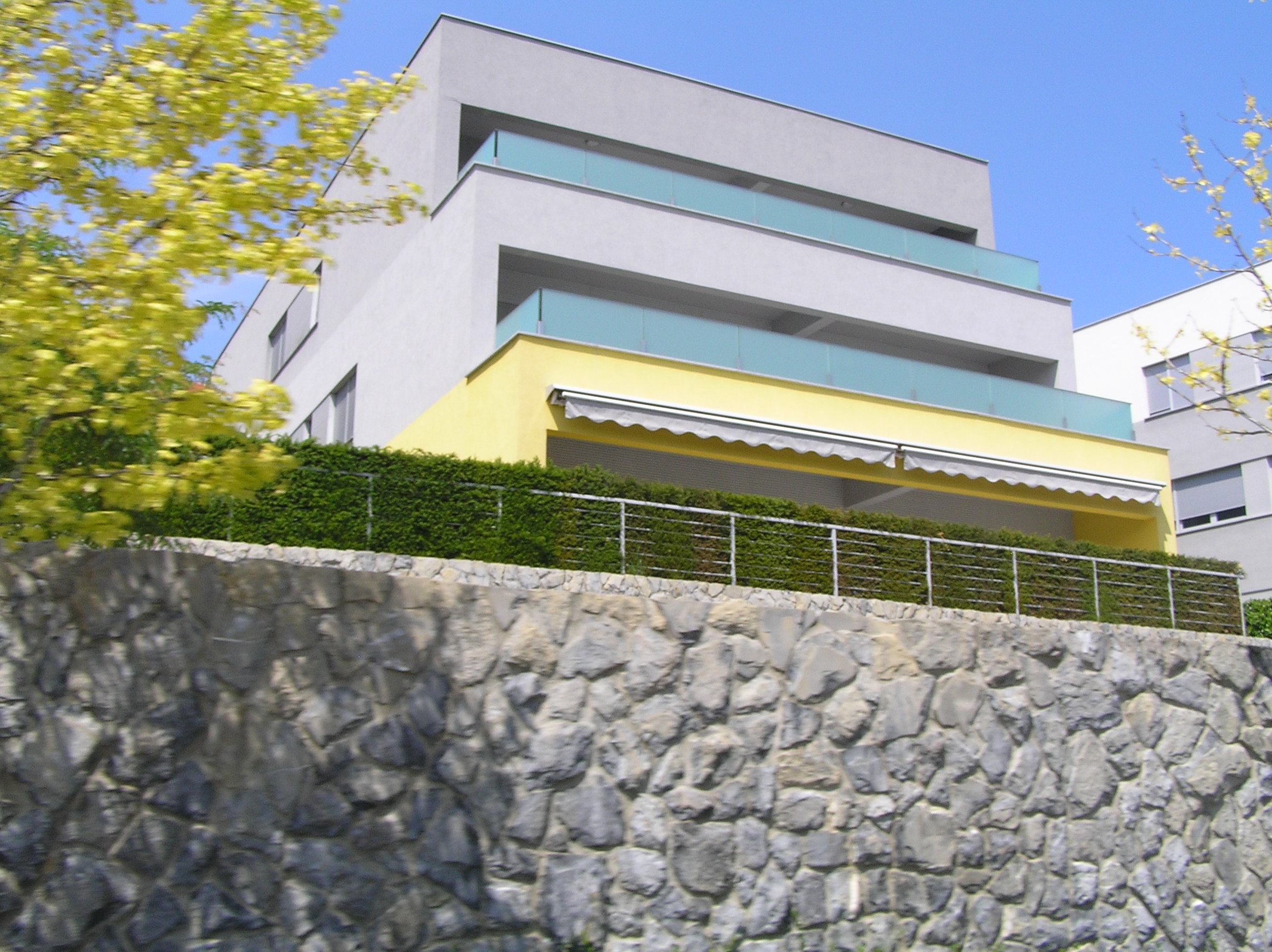
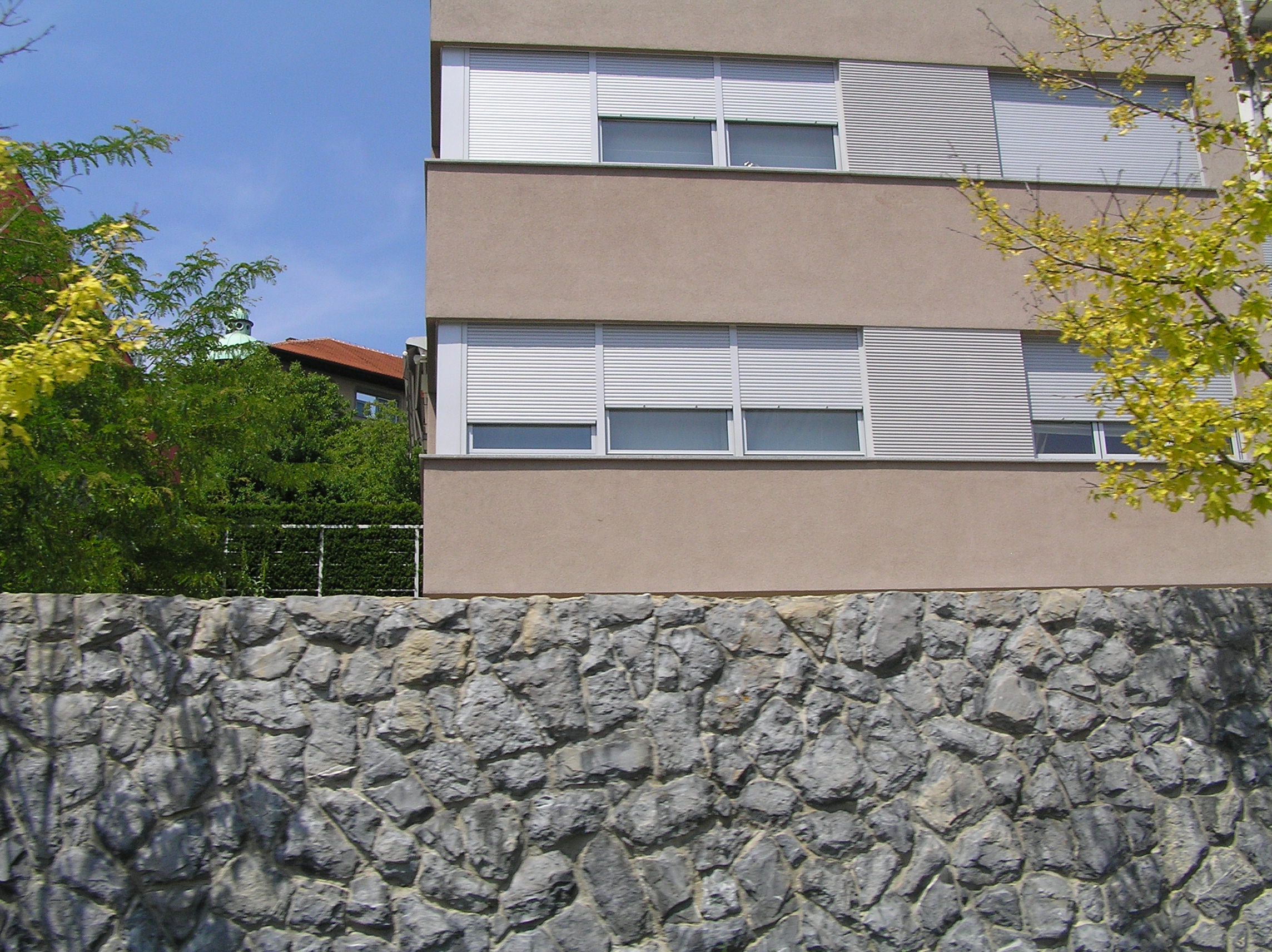
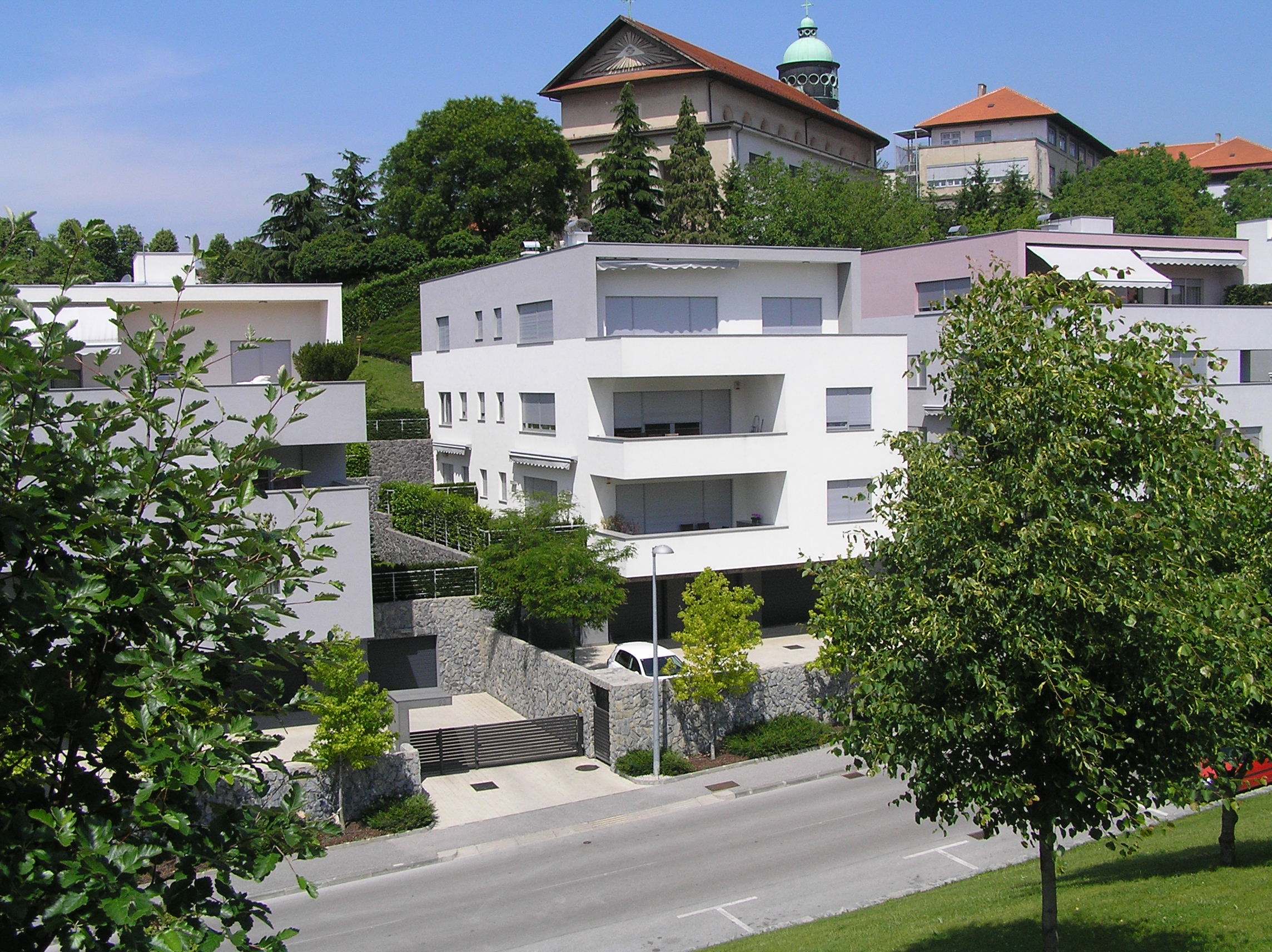
Everyday life and comfort prevails on self-representation of architects, altough evertything is well designed and built. As Tom explained to me, the same attention was given to the design of interiors (see also this Arch daily’s article) and outdoor spaces in a balanced sequence of private, semi-public and public spaces which makes public space in the new settlements very comfortable, although there are few bars, kiosks or public gardens and too many big cars all around.
Detailed information for a complete architectural tour of Zagreb can be found on the practical city guide Zagreb Pocket Architecture, published by Zagreb Society of Architects (DAZ) in 2011.
Sunday Walk in Zagreb

The first time I was in Zagreb it belonged still to Yugoslavia in 1990. I was on my way to Dubrovnik for new years eve, it was cold and I didn’t have time to see the city. On May 19-20 I had a better chance being invited to speak on behalf of the Architects’ Council of Europe at the International Scientific Conference RETHINKING URBANISM organised by the Faculty of Architecture, the Croatian Architects’ Chamber, the Croatian Association of Architects and the Urban Planning Institute of Republic of Slovenia.
I stayed for just a Couple of days, but thanks to the conference and the short visit of the city I became a vivid impression of some local circumstances. Participation at the conference was quite intense: the dean of the Faculty and the presidents of the architects national bodies were attending, but that was everything the usual academical/political parade. All contributions were lively discussed in their content from Saturday 9.00 am untill late afternoon.
Apart from prof. Luuk Boelens from Utrecht University and myself speakers were from former Yugoslavia: Slovenia, Serbia, Bosnia-Herzegovina, FYROMacedonia and of course Croatia. Most of them were young researchers introducing reflections about urbanism, landscape and regional planning based on concrete projects and research findings. Often they have been investigating the relationship between recent history, various forms of political power and how they shaped and are shaping cities of Ljubljana, Novi Sad, Sarajevo, Skopje, the coastal areas of Croatia etc.
For those who might be interested in the content of the presentations I warmly recommend the proceedings book of the conference Urbanist’s Season /International Scientific Conference RETHINKING URBANISM /2012 ISBN 978-953-6646-23-4.
Among the great variety of contributions I was particularly attracted by a cross cutting issue connecting many different presentations: a light sense of nostalgia for urban planning in socialist times and the difficulties of this discipline to guide urban development nowadays. What I had is just a quick impression about an issue that have many facets and deserves in depth consideration for the way it is rooted in the history and culture former Yugoslavian countries. Nevertheless for me it was an enlightening experience of the positive relationship towards urban planning culture as a common good, a professional practice of public interest.
In a nutshell Croatian architects and urban planners today have to face a completely different situation than in socialist times, without being supported by any adequate regulatory framework. In the socialist era urban planners were certainly a component of the rigid socialist system, but they were free to conceive and design streets and buildings according to their own planning principles and skills, respecting the traditional city and generally achieving high quality public spaces. Nowadays these principles have been replaced by the free market and the old set of regulations do not correspond anymore to reality. Consequences of this gap between planning laws, planning culture and reality are manifold and complex, but on one point there is general agreement: quality of urban design and spaces is generally poorer today than it was before. In some cases, like in Ljubljana, the negative consequences of political change is evident also in transport modal split, whereas the share of public transport has dramatically decreased to 13%.
The pictures I took during my Sunday walk in Zagreb may illustrate some aspects of this nostalgia and urgent need to Rethinking Urbanism.
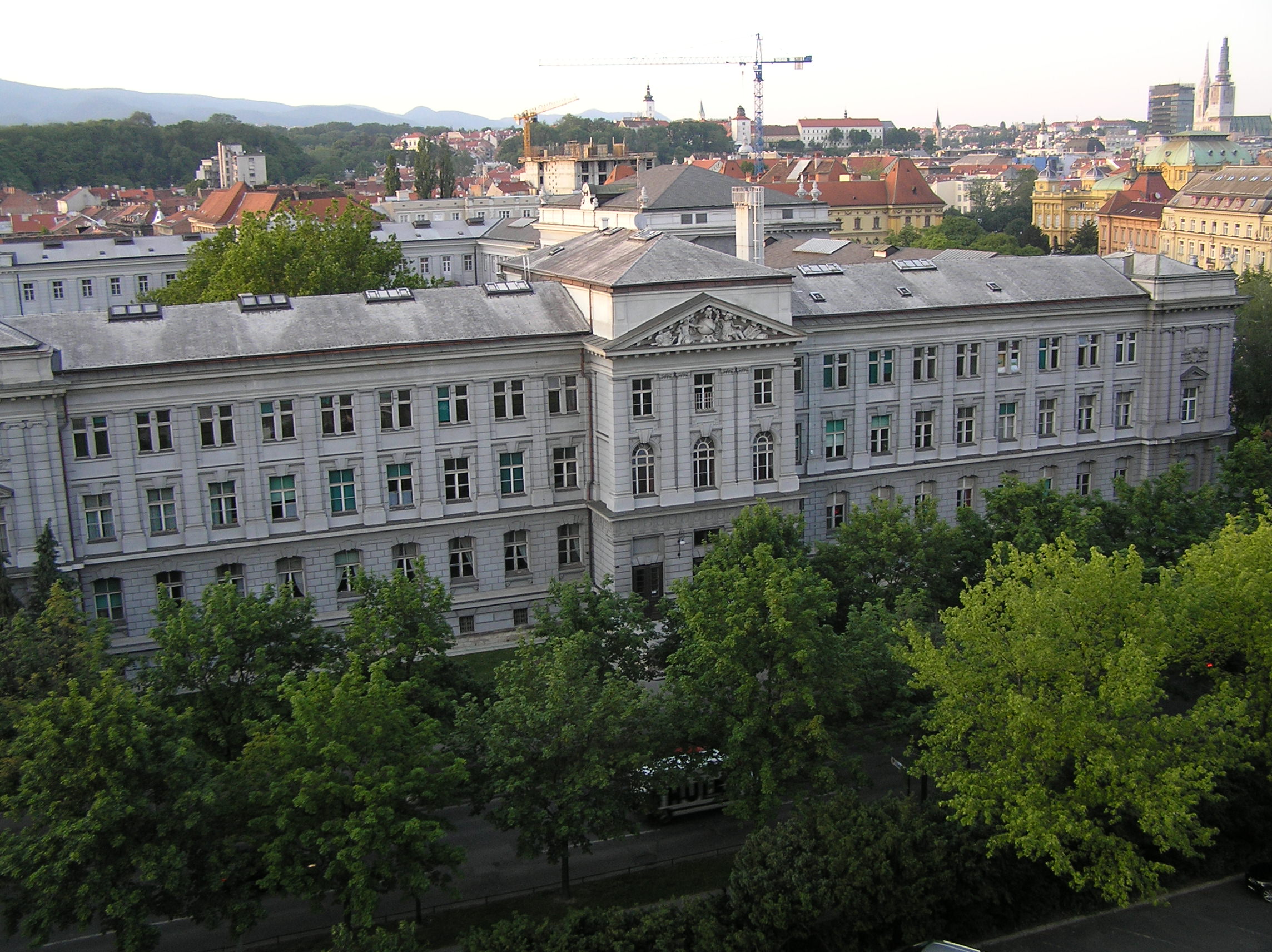
The skyline offers a coherent picture of a mid-size town with a lot of green areas penetrating from the surrounding hills. No glazed highrise buildings, at least on this part of town.

There is a good network of cycle lanes, at least in the flat parts of town. Some of them very narrow, others divided in two for different speed or direction.
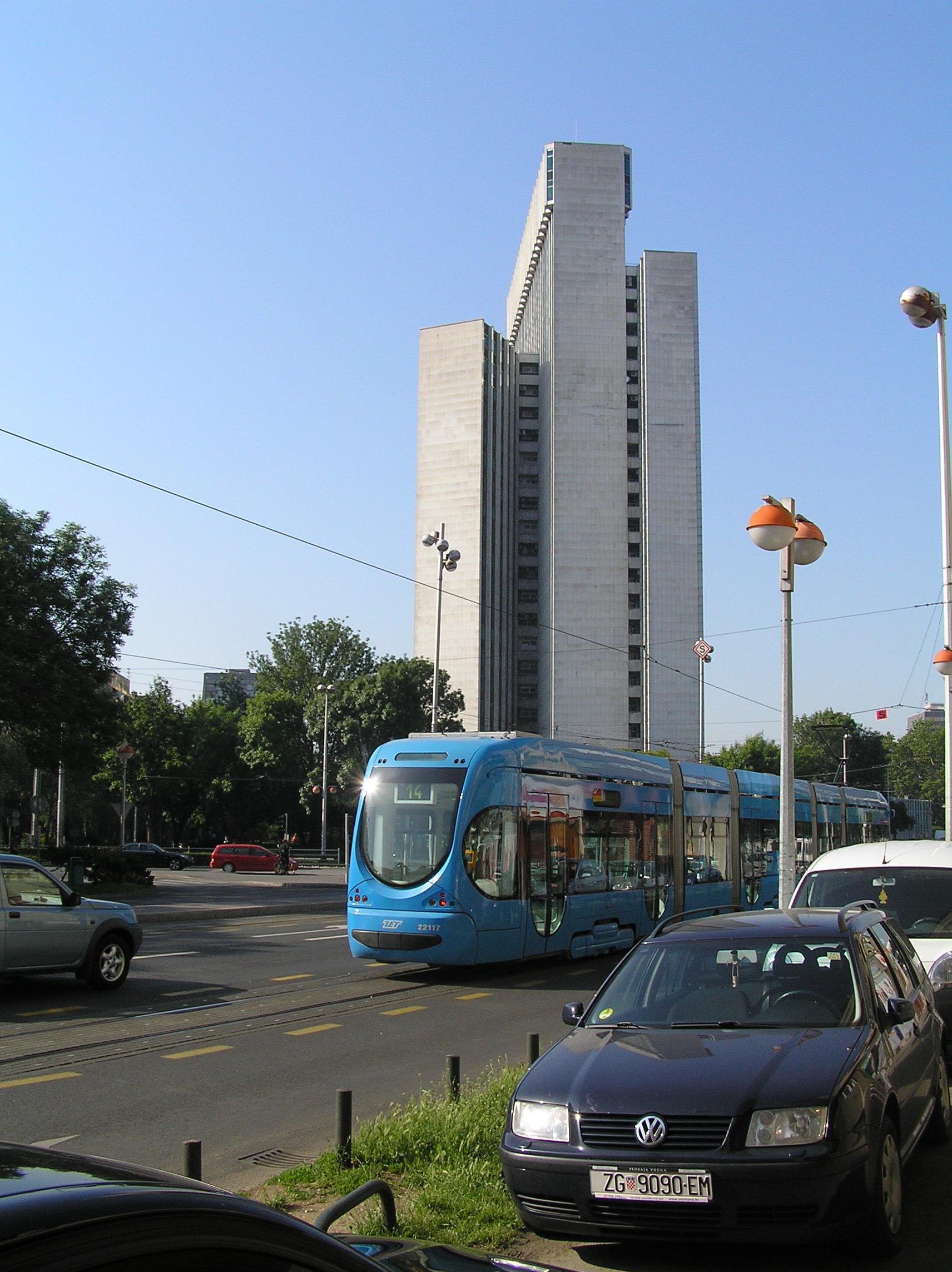
Brand new tramways connect the outskirts with the city center.

Scattered dwelling or office towers amidst the low rise residential areas and weird department stores are witness of the last decades of socialist regime.


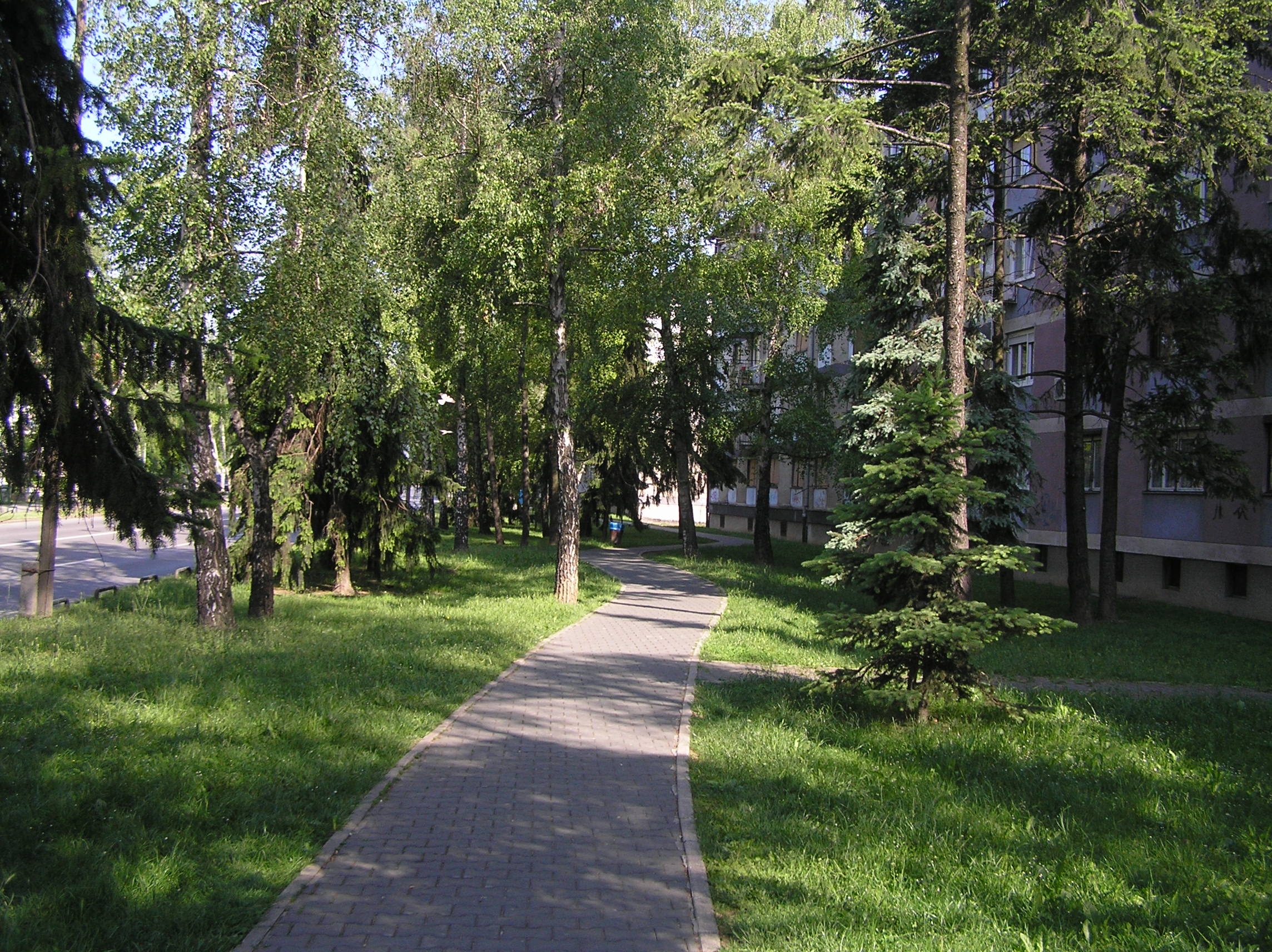
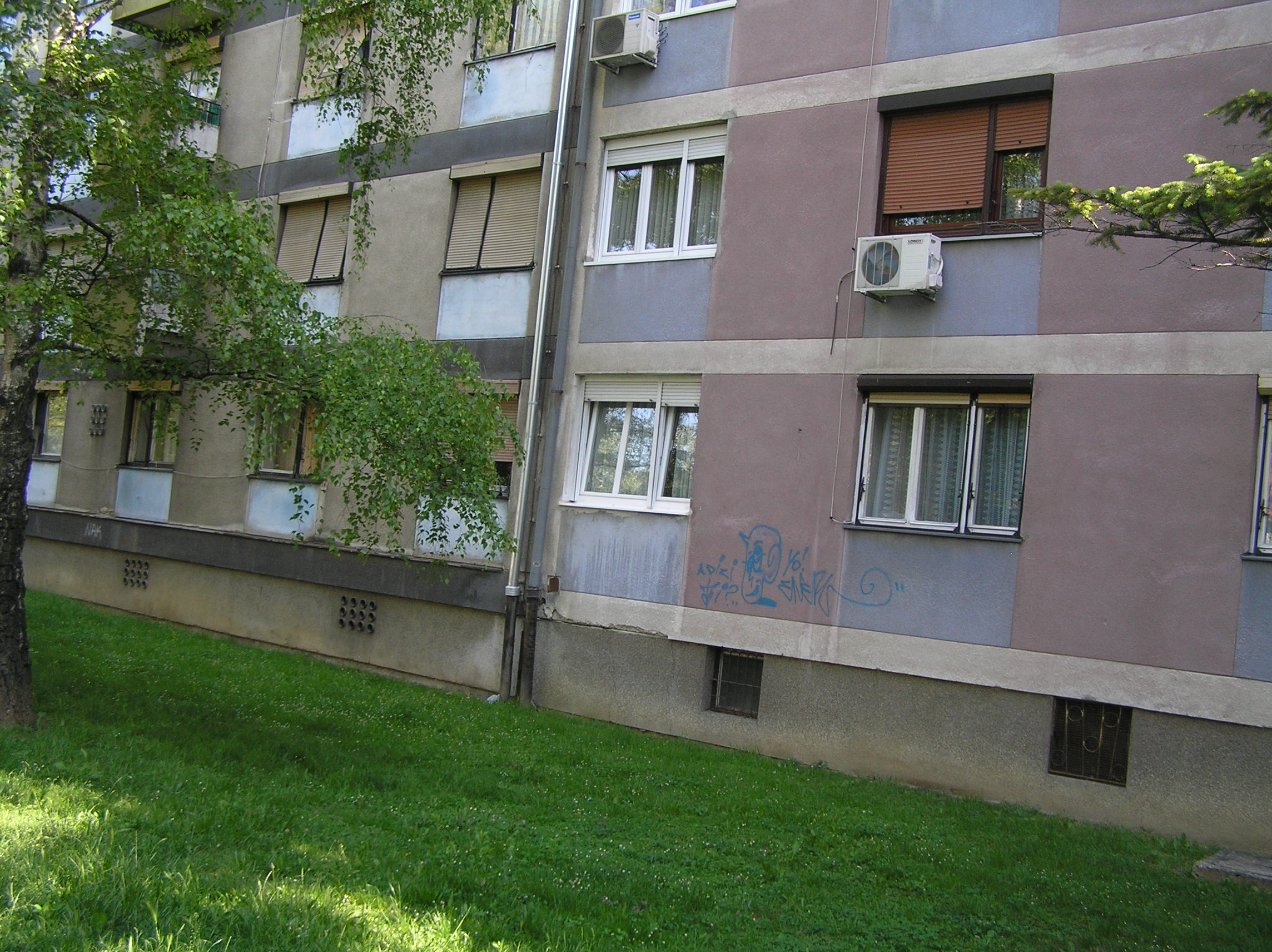
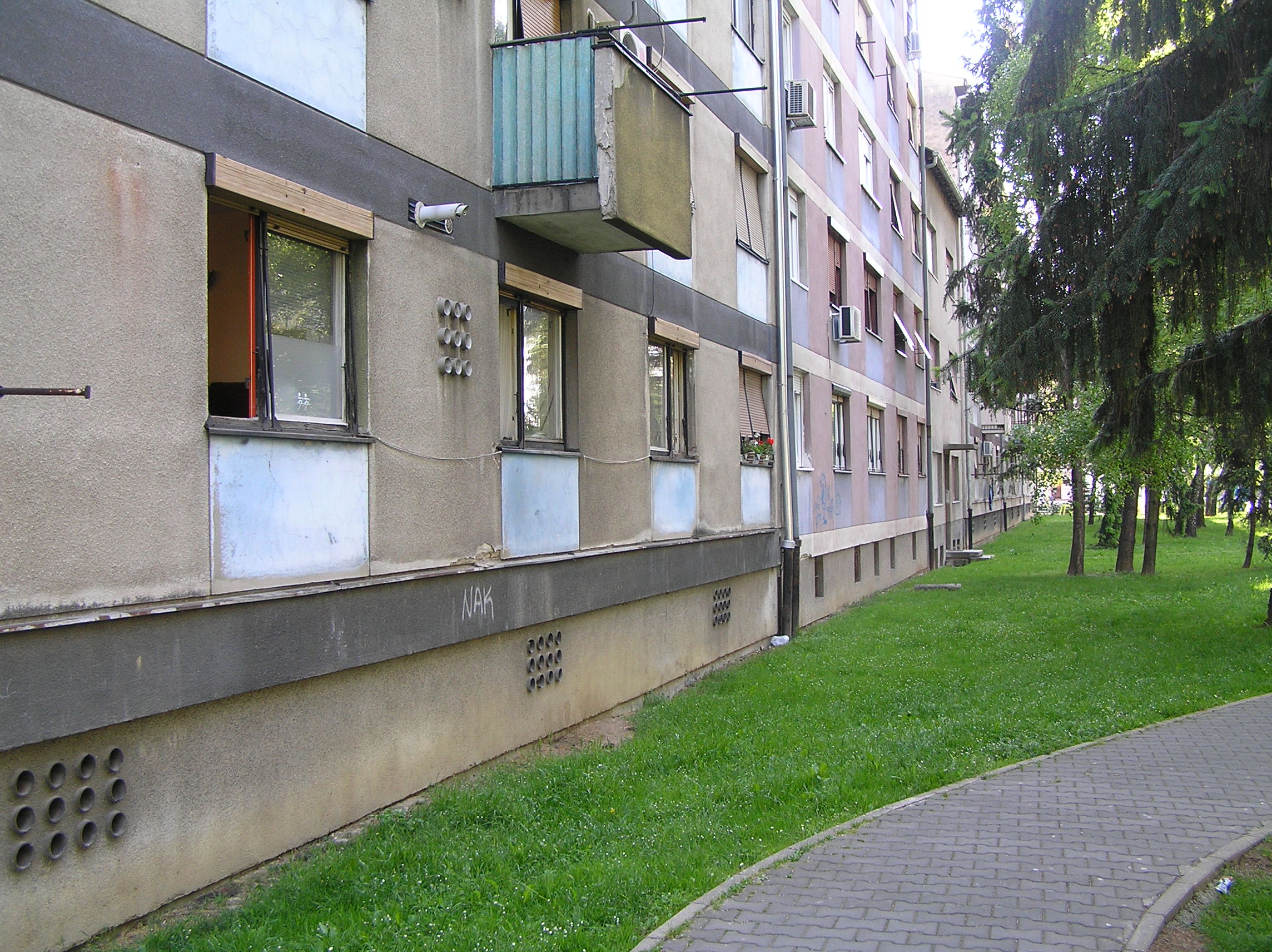
Although not in perfect shape, these modernist residential settlements feature a very high quality public realm. Just green fields and trees, free access from public space and in touch the flats of the groundfloor, no fences. A public/private area belonging to the neighbourhood and their dwellers. Cars are parked all over the place, without reserved areas and contribute to a sense of self-regulated and self-mainteined environment.
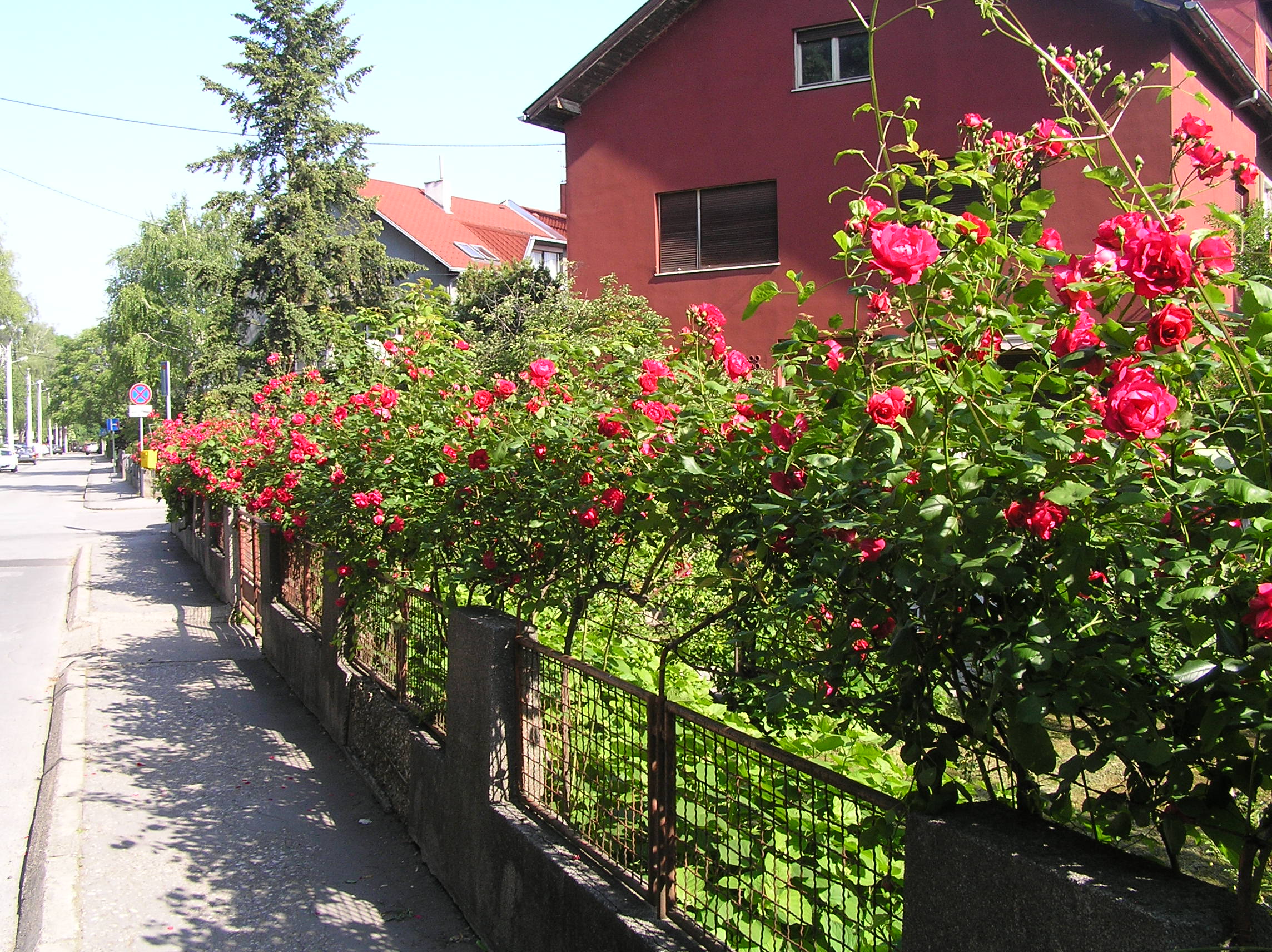
An invasion of red roses from a private garden into the public walkway.

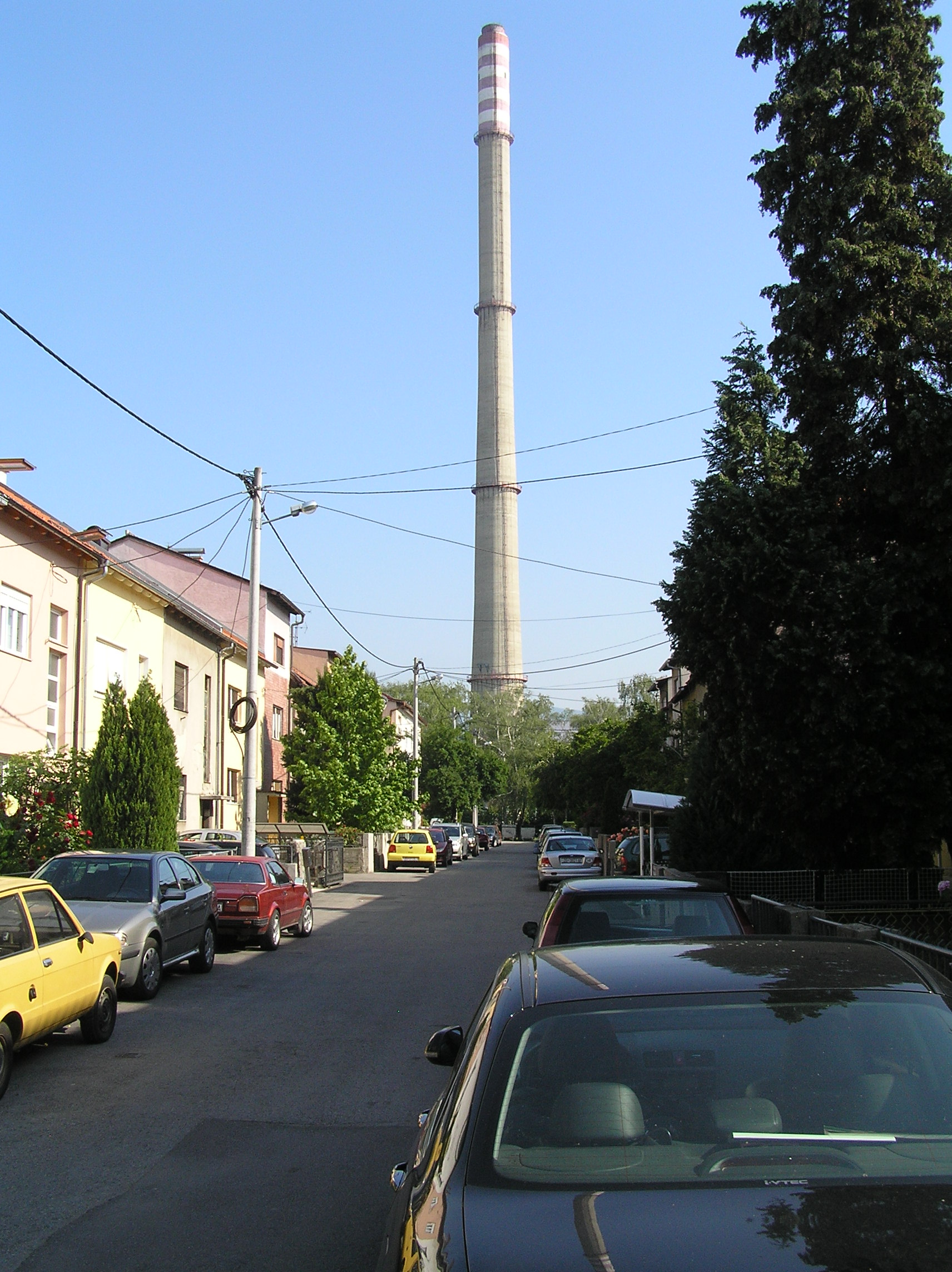
The modernistic town planning approach did not exclude some industrial areas within the city boundaries, also contributing to metropolitan variety.
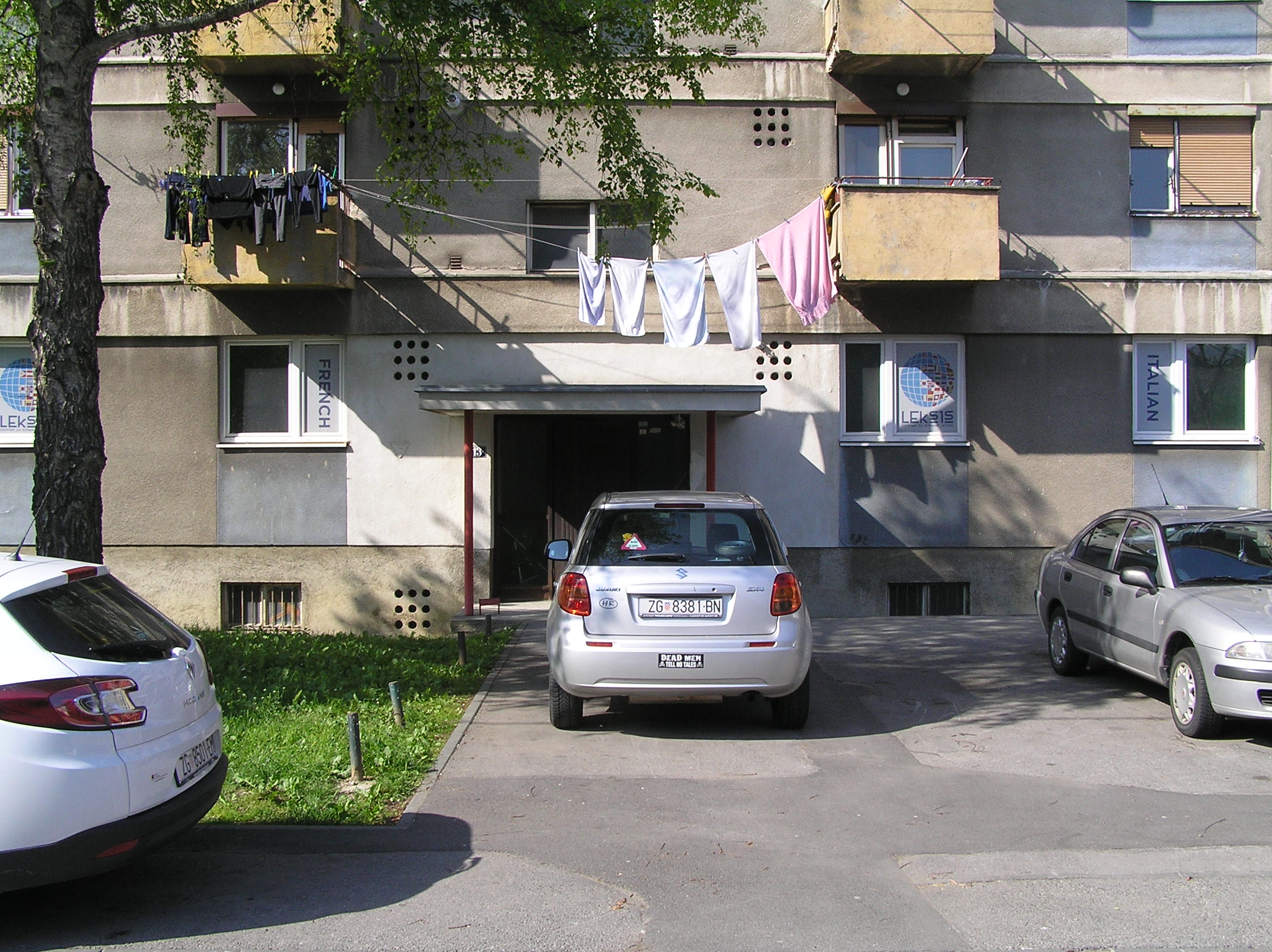
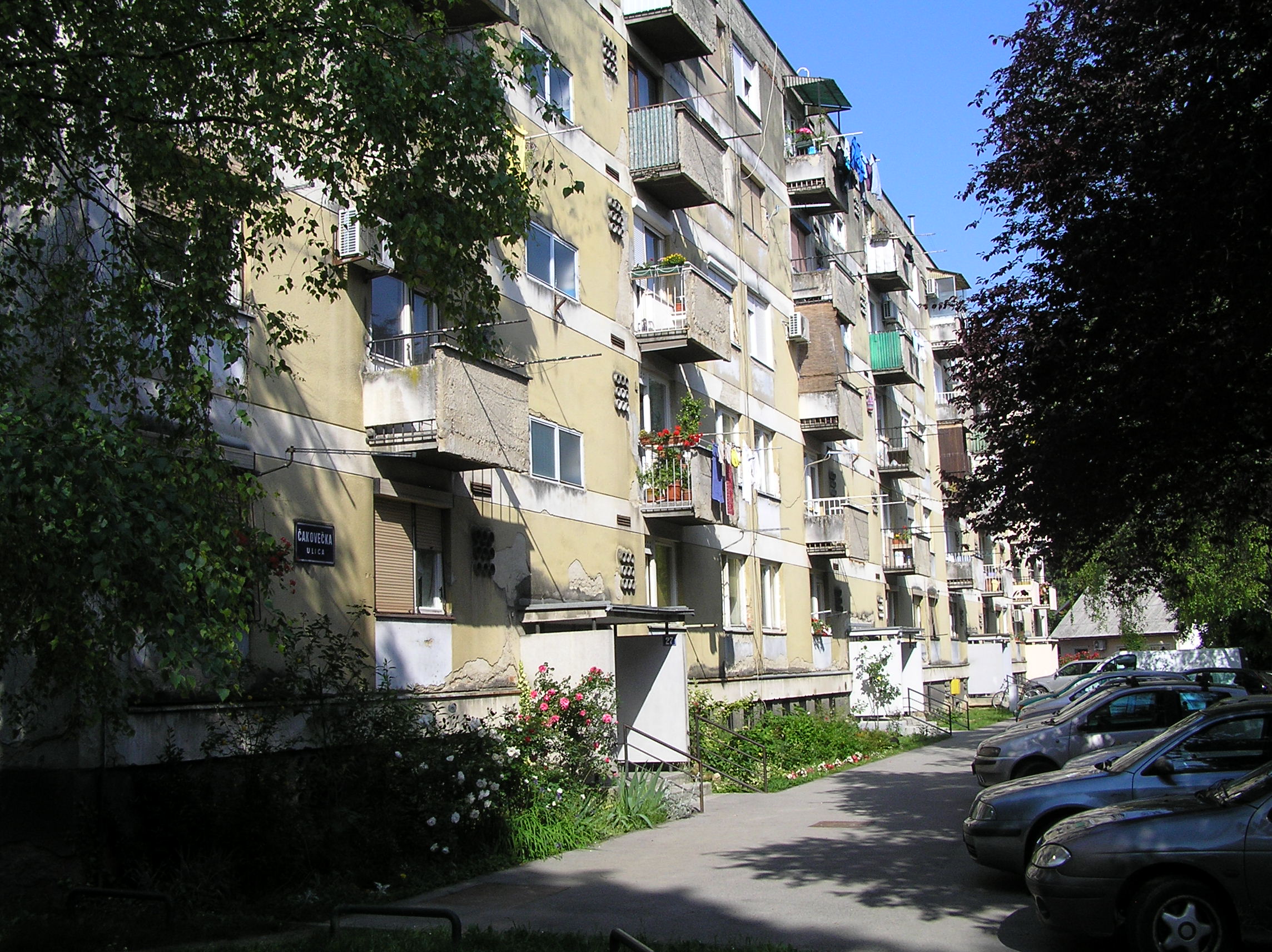

There is also space for single family houses lovers. Above a shiny example of it.
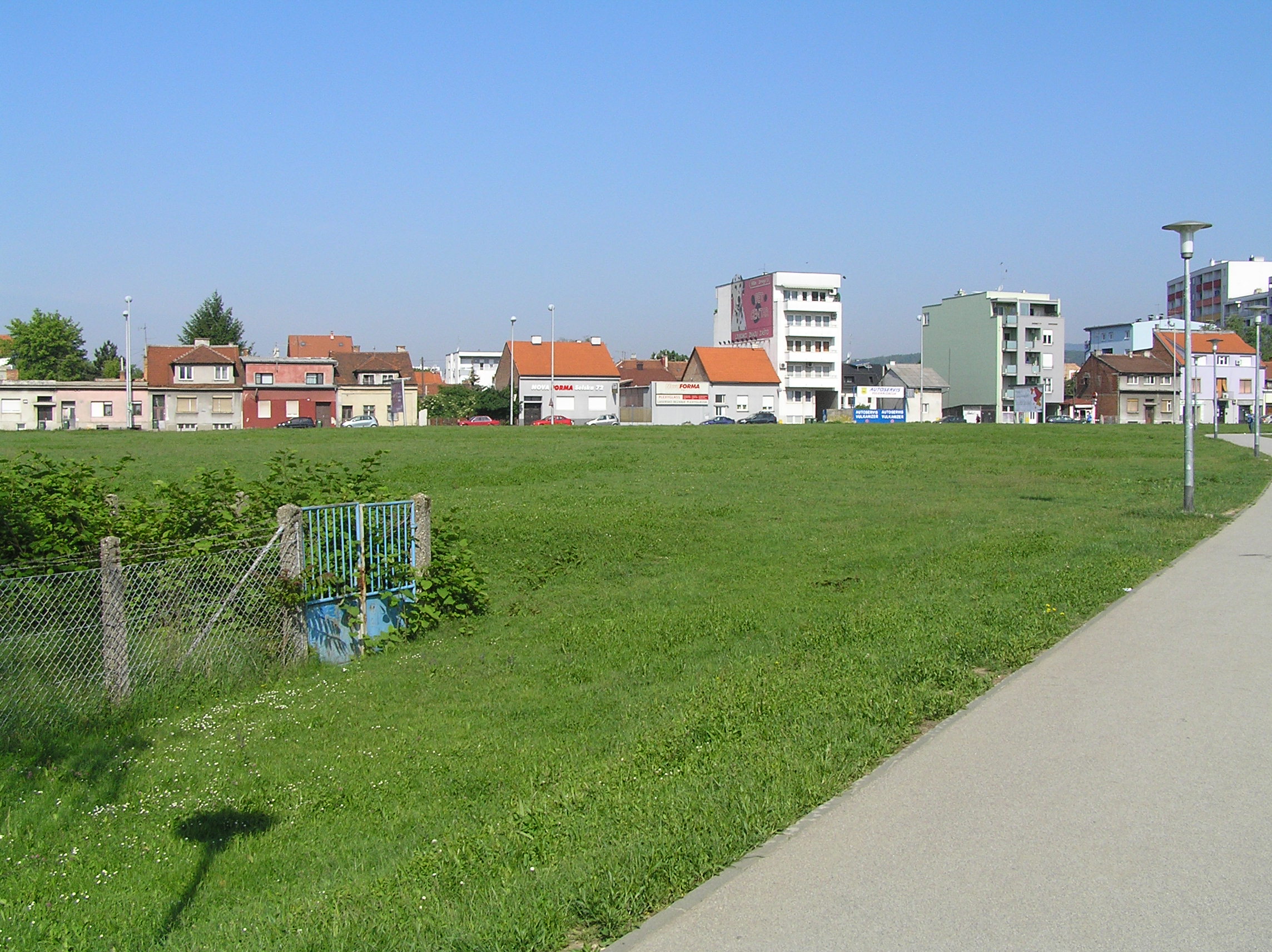
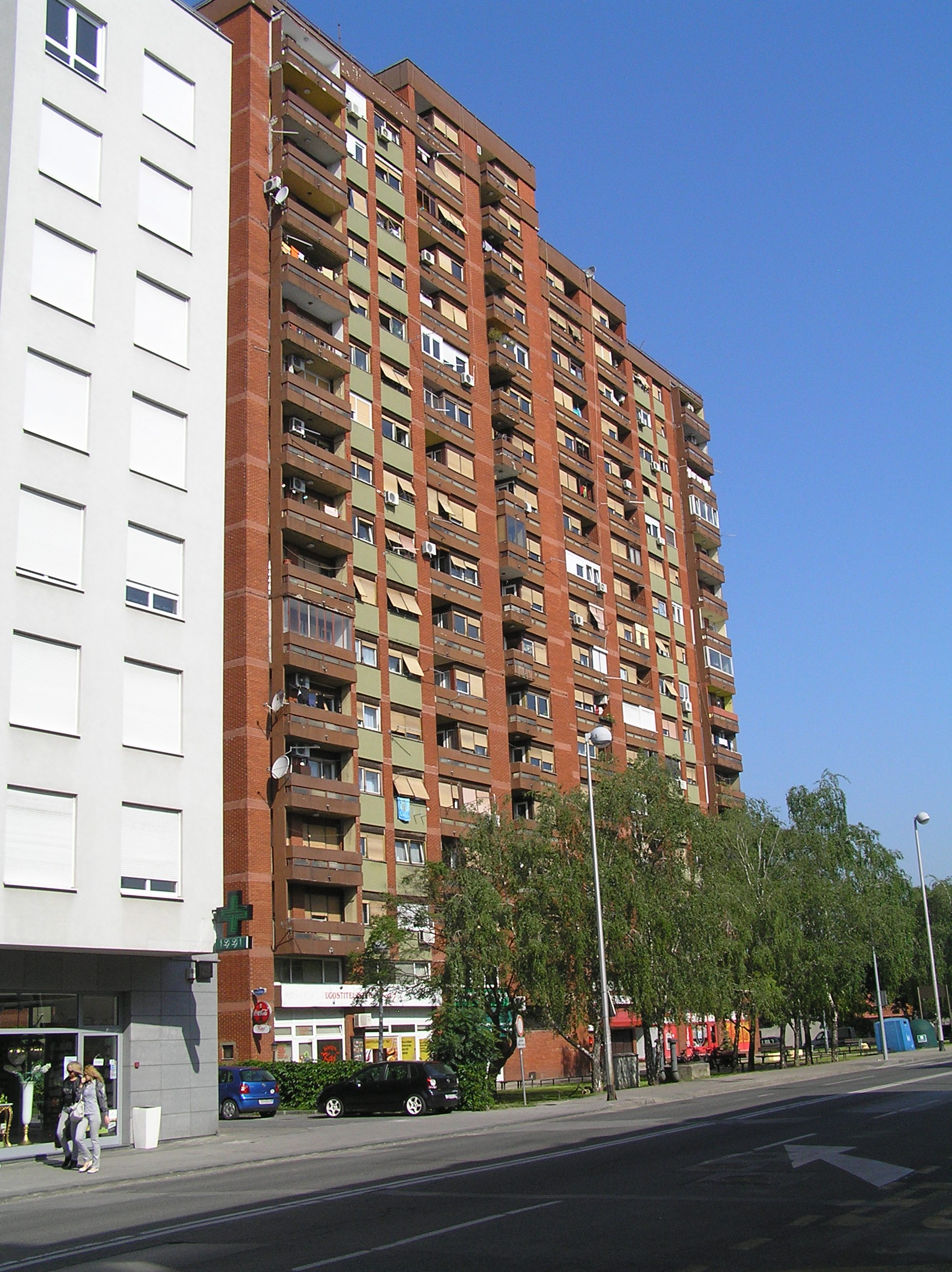
When the dimension of dwellings bacomes like this, something goes wrong, immediately. No human scale, no relationship of flats with the street and even with the large green areas are possible anymore. Urban balance is lost.


High rise is possible and welcome in town, when it features a well balanced composition of horizontal and vertical volumes and a proper design of outdoor spaces.
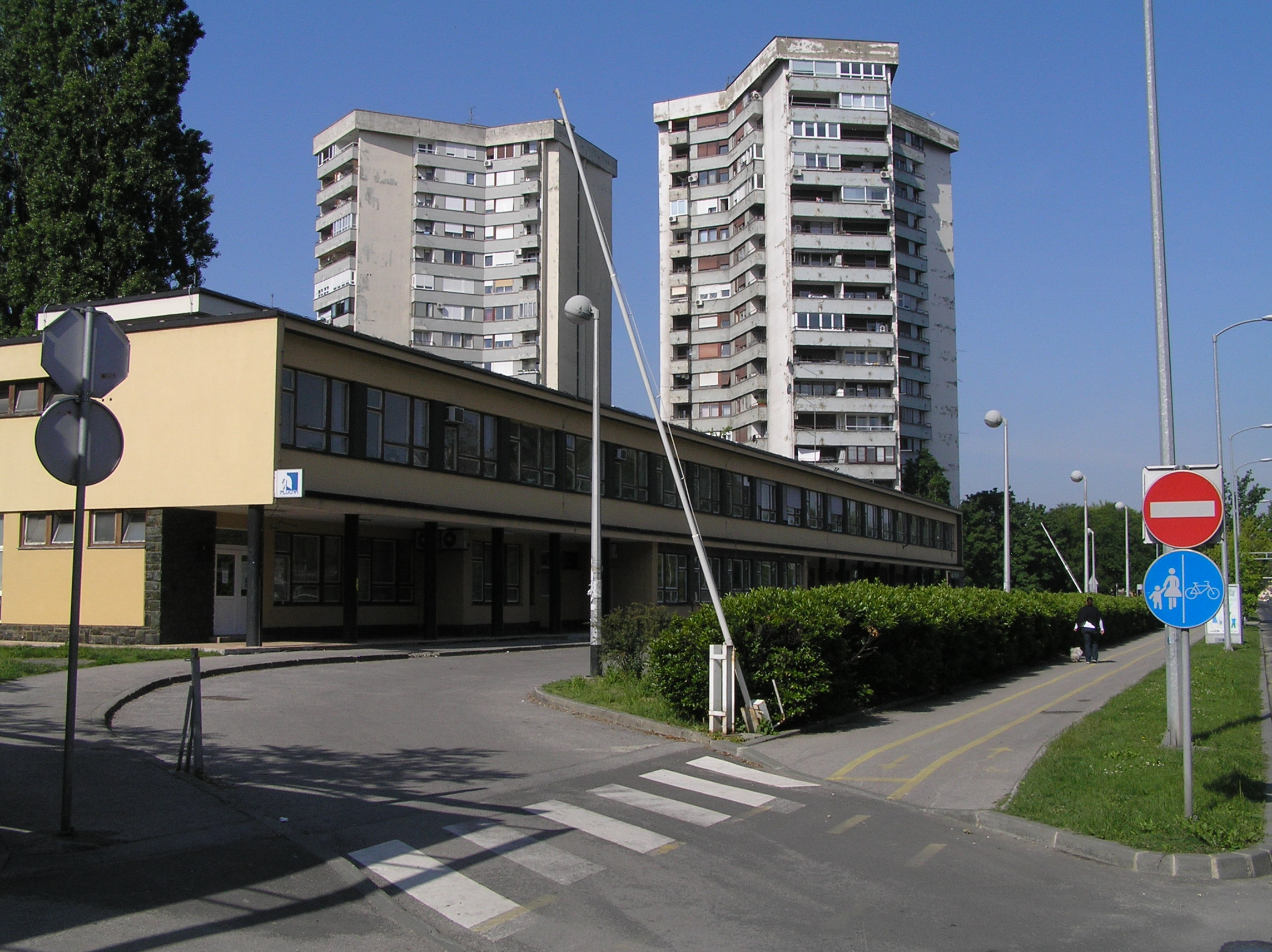
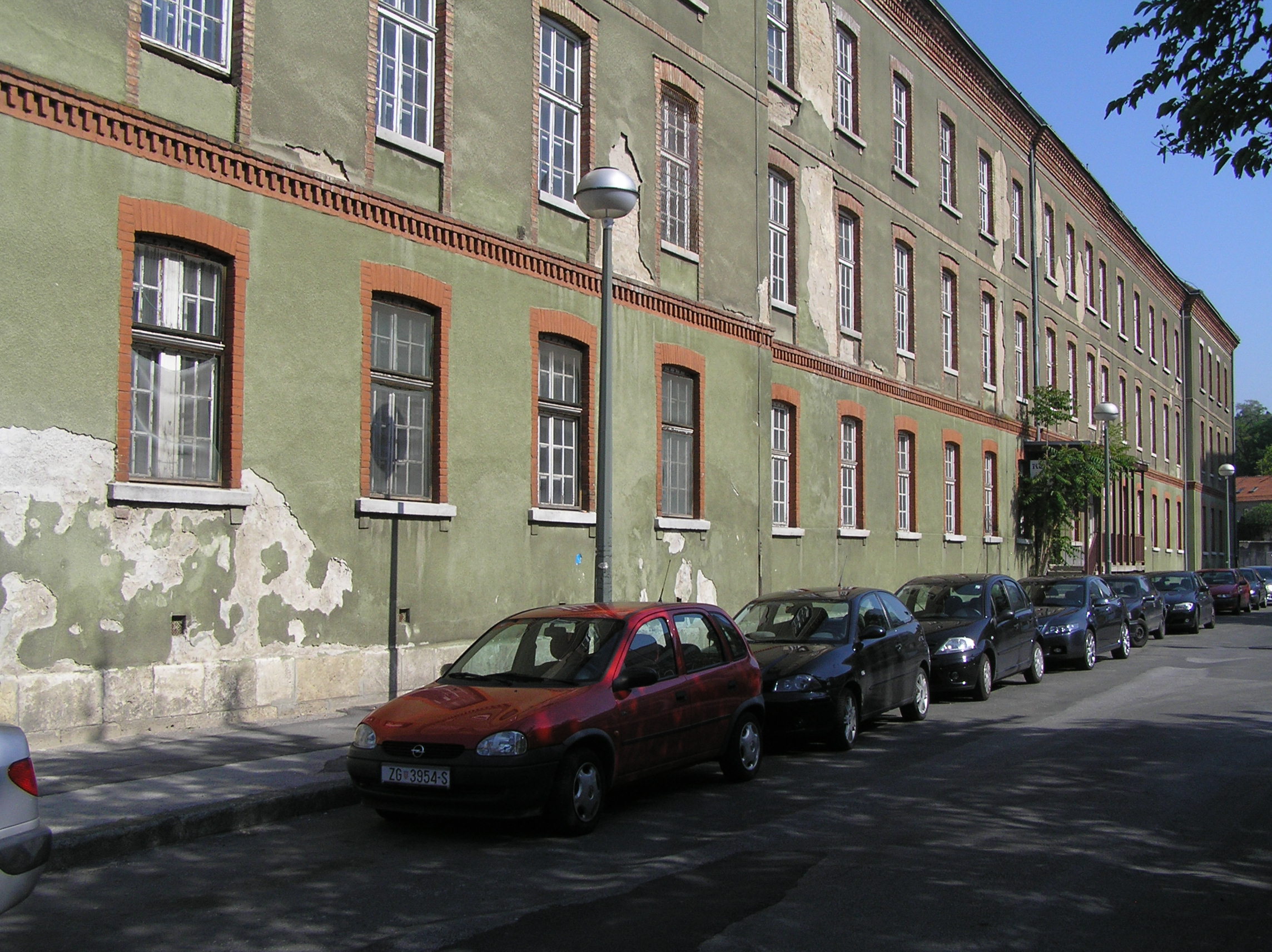

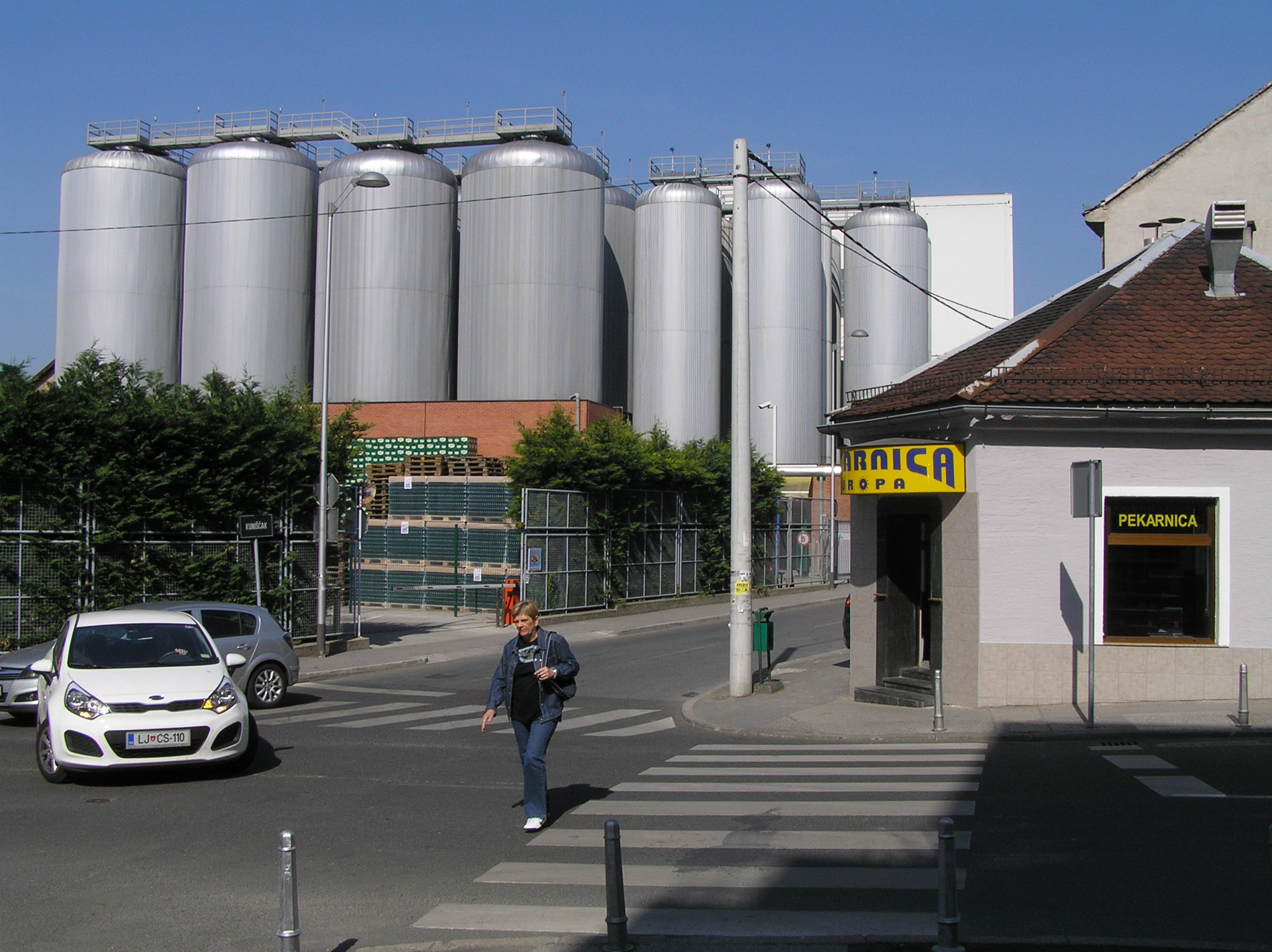
This is the local brewery. In Zagreb you can really drink sustainable (0Km) beer.
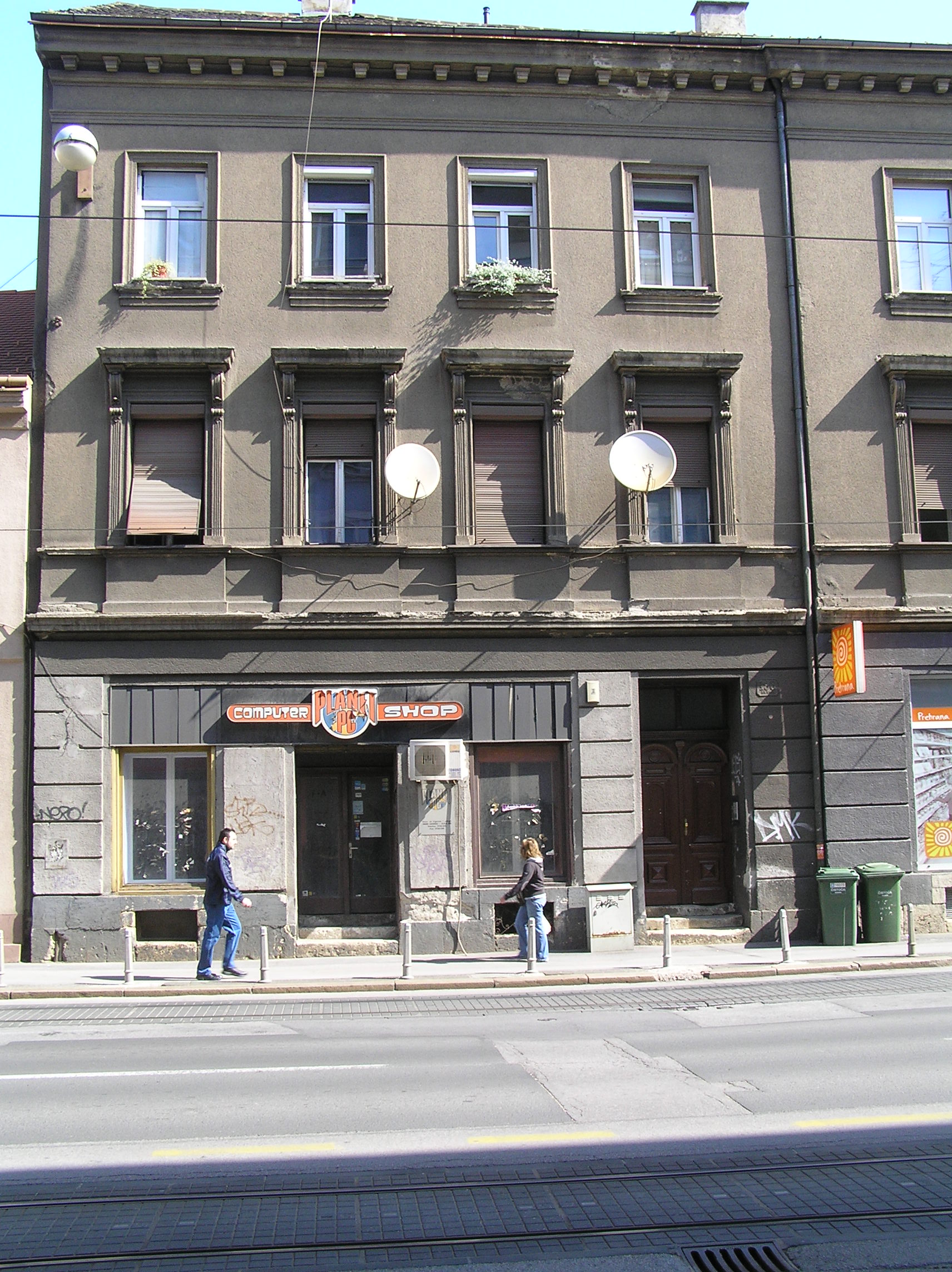
Nicest architcture in town is the local declination of neoclassic and eclectic, reaching from the XIX Century to the 1950es.


Contemporary architecture has an excellent role in renewing spots of urban landscape without useless conflicts. Volumes and compositions are in line with the urban scale and the modern buildings from the 30es (see next post). Language is international and sober, with attention to well functioning spaces, great views and respect for public realm.

You are a practitioner, a policy-maker involved in urban development at local, national or EU level? Join us at the 2012 URBACT Annual Conference in Copenhagen on 3-4 December. Together with counterparts from across the EU, you will have the opportunity to explore solutions to the major challenges faced by EU cities in the years ahead.

In the framework of URBACT, over 300 cities have been working together on issues related to economic development, human capital, active inclusion, urban renewal, energy-efficiency, etc. through integrated and participative approaches. Drawing on results from URBACT networks and on findings from other ETC programmes, participants will enter in a dialogue with the European Commission’s report “Cities of tomorrow “and discuss concrete solutions to tackle six key challenges:
- How can cities create more jobs
- How can cities foster active inclusion through social innovation
- How can cities fight against the socio-spatial divide
- How can cities manage demographic change
- How can cities improve buildings’ energy efficiency
- How can cities strive for sustainable mobility
Johannes Hahn, EU commissioner for Regional Policy, Jan Olbrycht, Member of the European Parliament and President of the URBAN Intergroup, and Carsten Hansen, Danish Minister for Housing, Urban and Rural Affairs are expected to contribute to the event, especially in the perspective of the next programming period.
Site visits, interactive workshops, an exhibition area, and the “URBACT café” will give you the opportunity to share, learn and network! In the meantime… have a say on the URBACT Blog .
For more details, visit the URBACT Website regularly. Registration information will be available soon.
We look forward to seeing you in Copenhagen!
Emmanuel Moulin
Head of URBACT Secretariat
 URBACT, a programme jointly funded by the EU and Member States, helps hundreds of cities to share good practices and develop new, integrated solutions for sustainable urban development.
 Well Designed and Built