New York City Subway – A video by Adrian Wilson
One hour in a subway station in New York City documented with a short video by photographer Adrian Wilson
Giancarlo Norese Lost in Beijing
“I will go lose myself, and wander up and down to view the city.”Antipholus of Syracuse in Shakespeare’s Comedy of Errors.

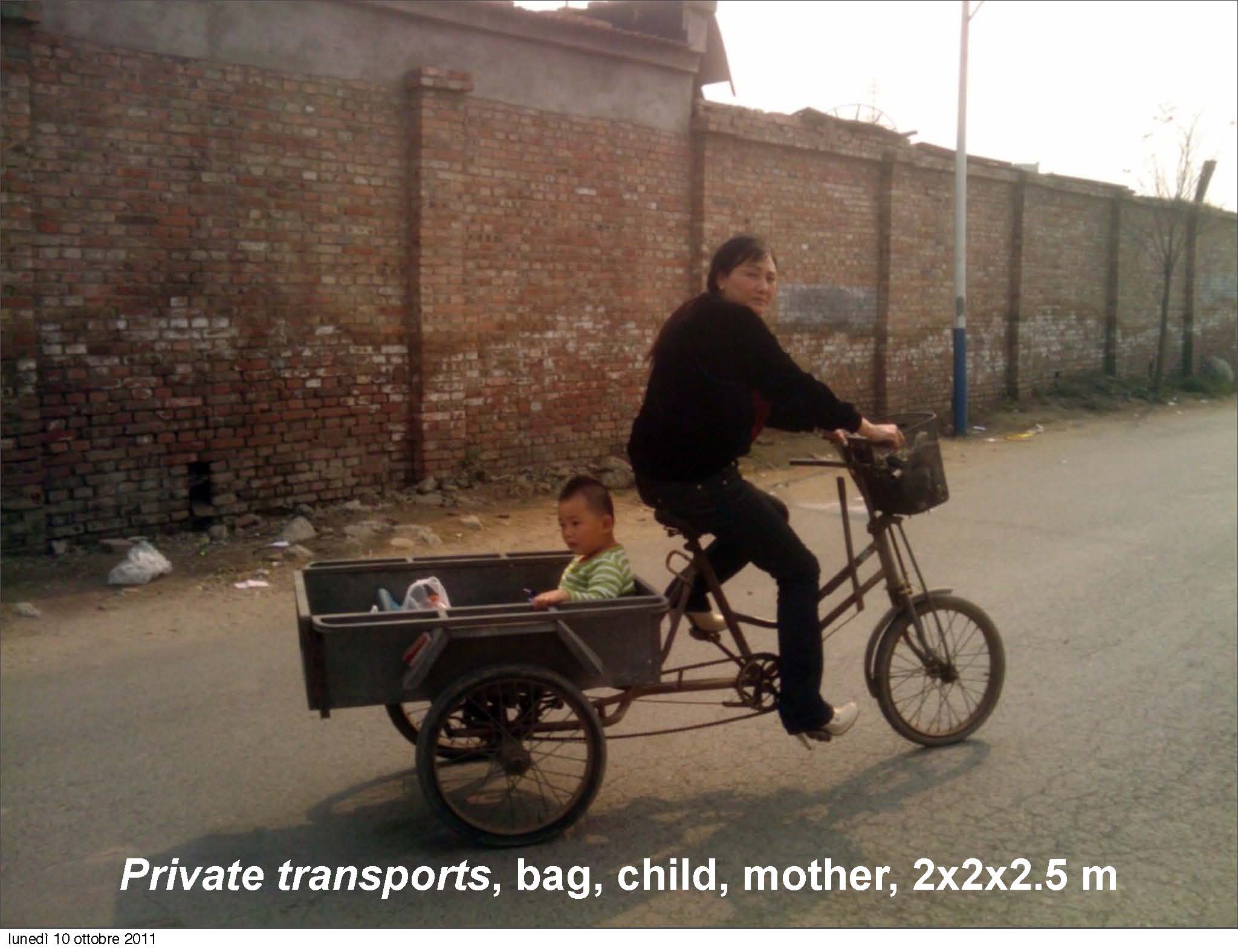
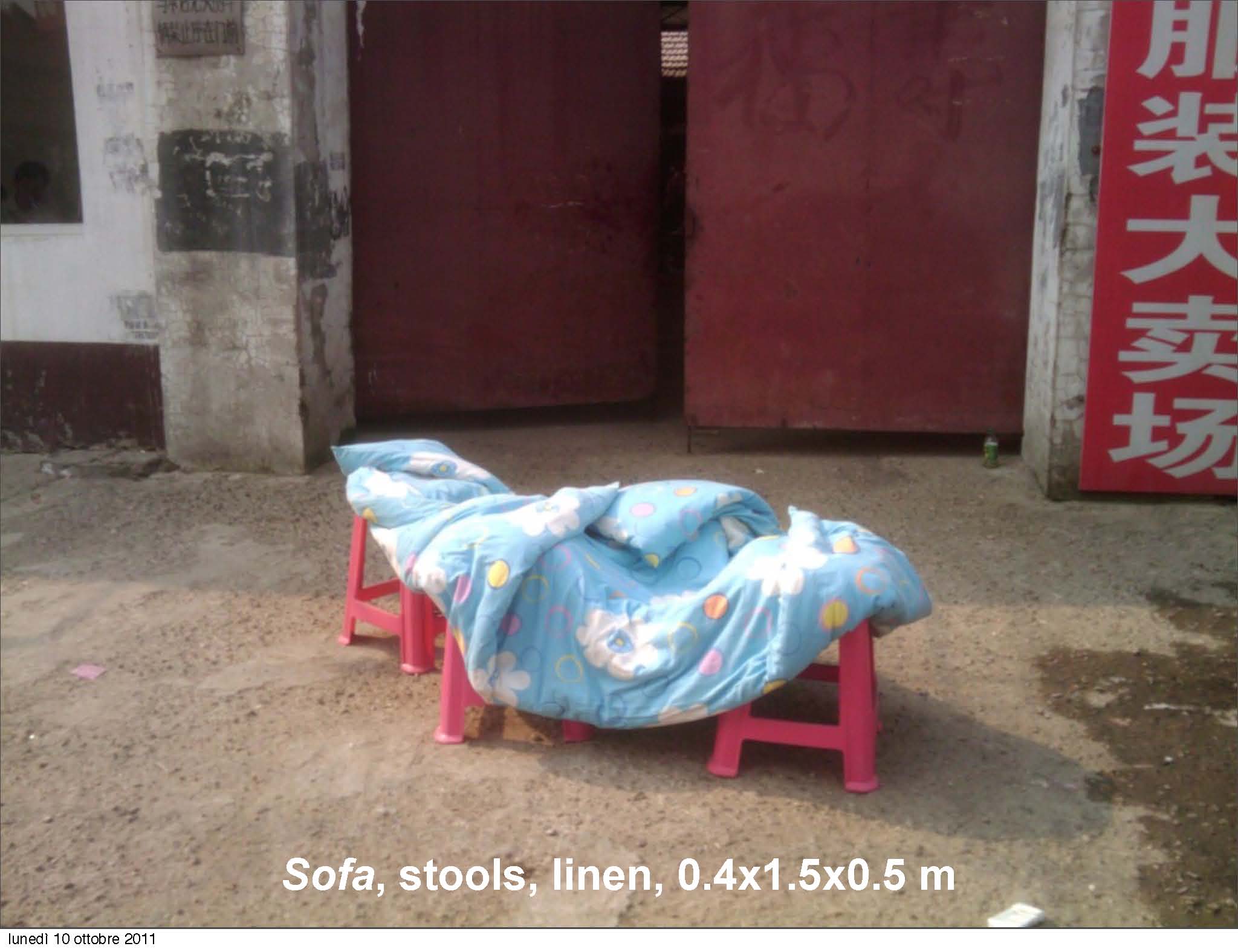
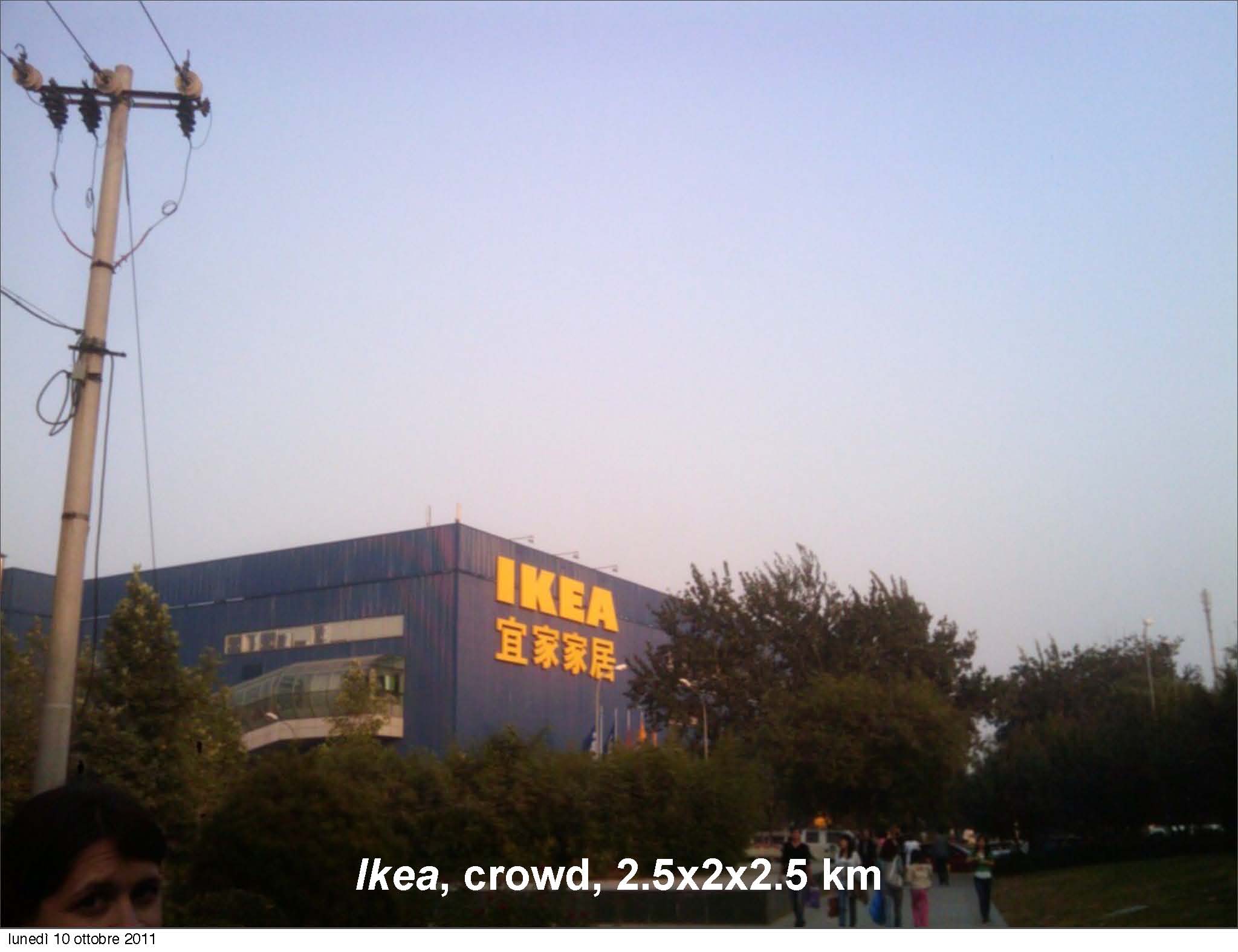
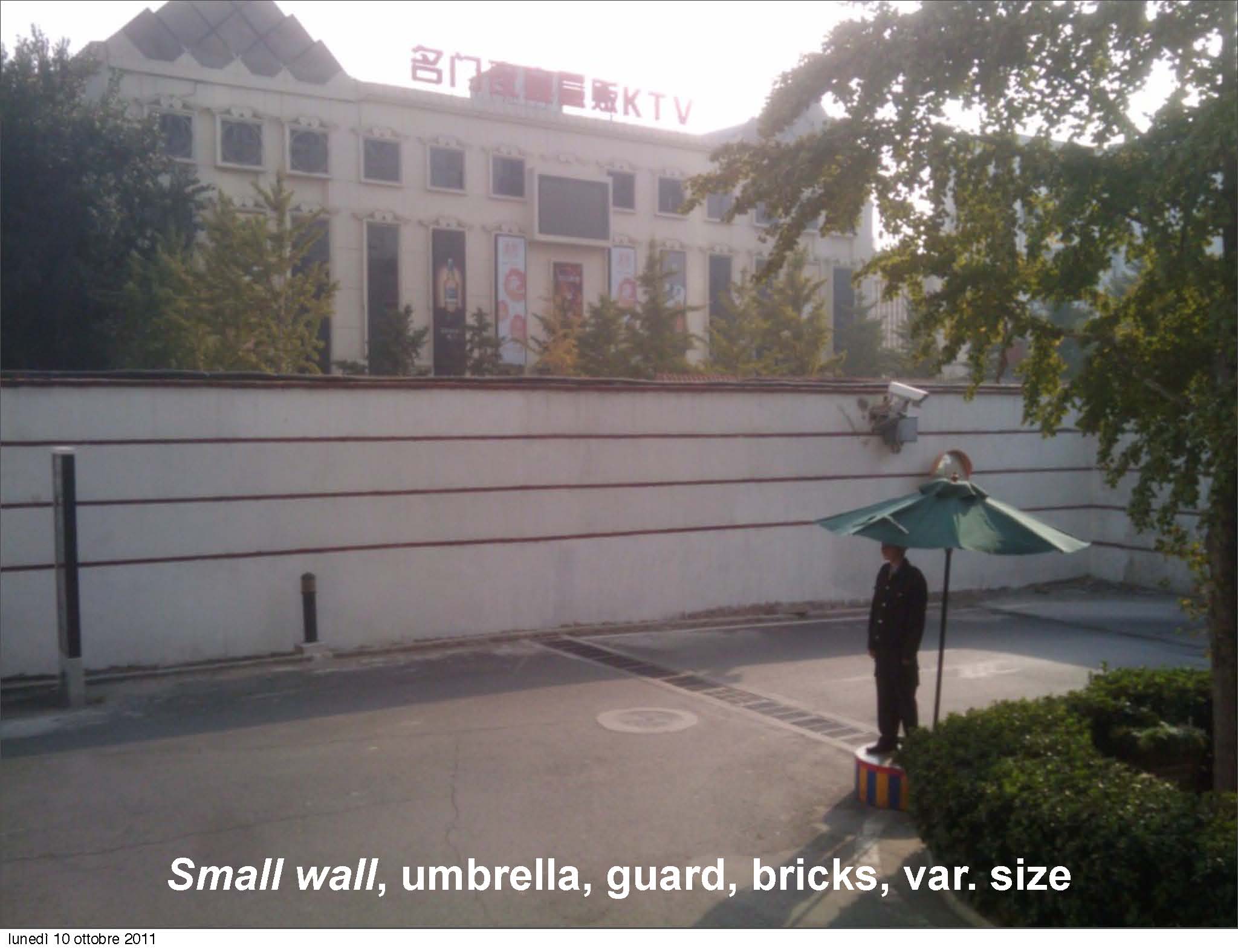
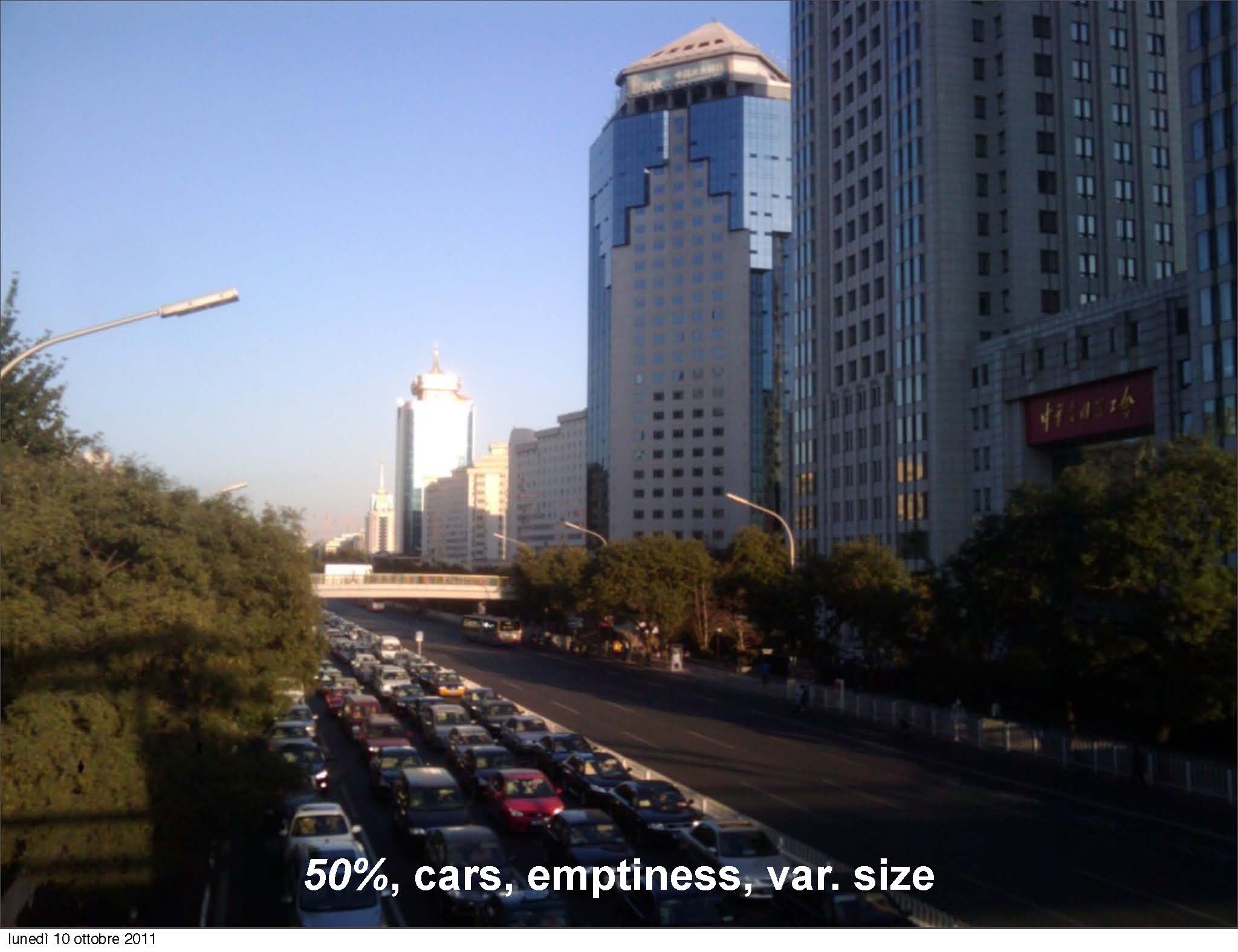
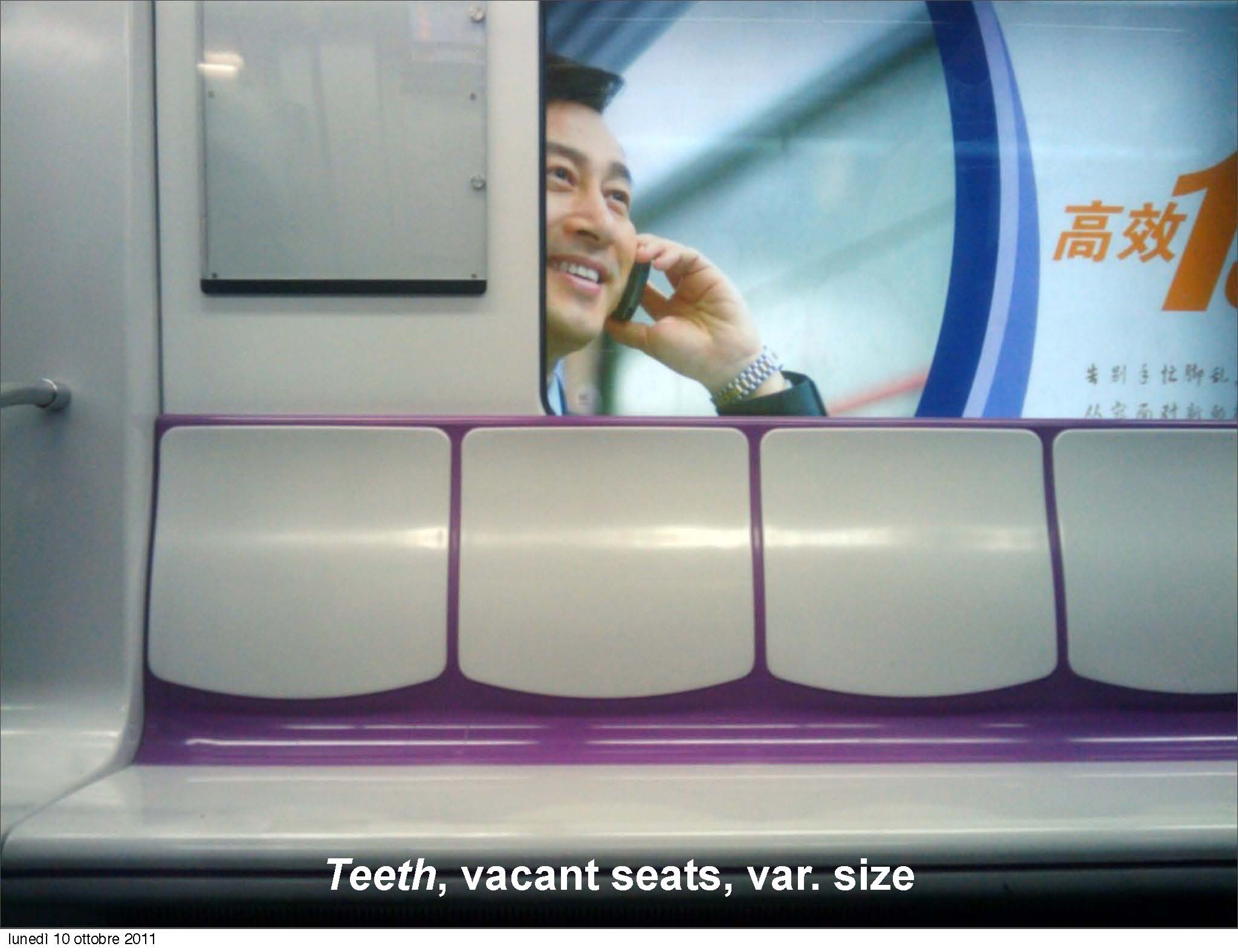
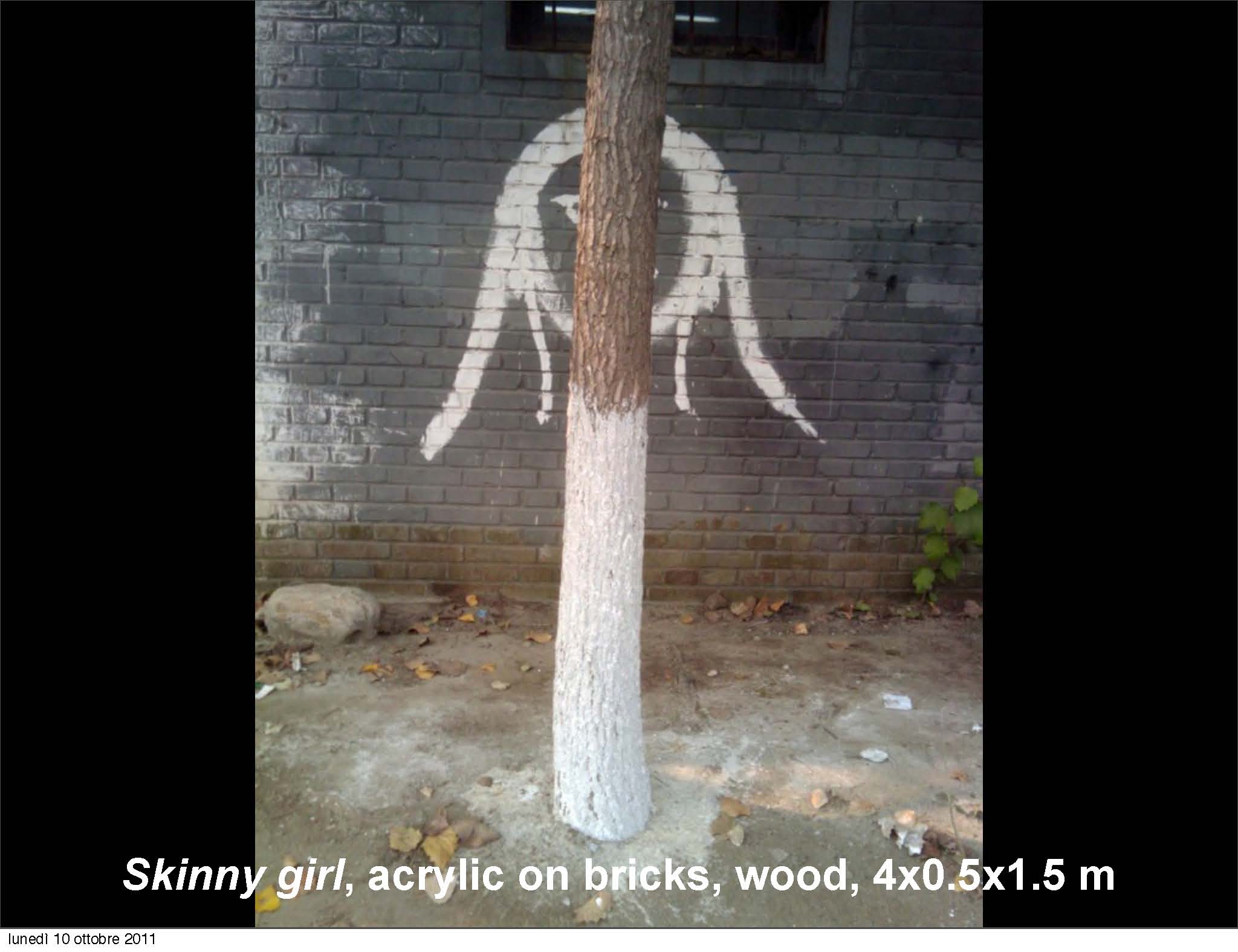
From mid September to mid November 2011 Giancarlo Norese (Italian artist) is getting lost in Beijing. As resident artist at Red Gate Gallery he started his investigation of the public realm and mistaken landscapes sharing with his fellow artists an apology of colonialism, a kind of message in a bottle posted on Youtube and in Picasa. Above a streetview of the Central Chinese Television CCTV Headquarters designed by Rem Koolhaas/OMA. Below a copy of the artist’s mock sculptures.









Welcome to the BIGyard!
The third edition of the Ugo Rivolta European Housing Award has travelled to Berlin or, more precisely, to Prenzlauer Berg Zelterstraße 5-11 where a group of 45 people set up a cooperative to build this extraordinary housing project. Zanderroth architekten (Sascha Zander, Christian Roth together with Kirka Fietzek, Diana Gunkel, Guido Neubeck, Konrad Scholz, Lutz Tinius and Herrburg Landschaftsarchitekten) designed a residential complex that the international jury ( Peter Kis chairman, Giulio Barazzetta, Peter Ebner, Giordana Ferri, Alessandro Maggioni + Stefano Guidarini and myself not voting) deemed to be the best one among 51 projects from 11 European countries.
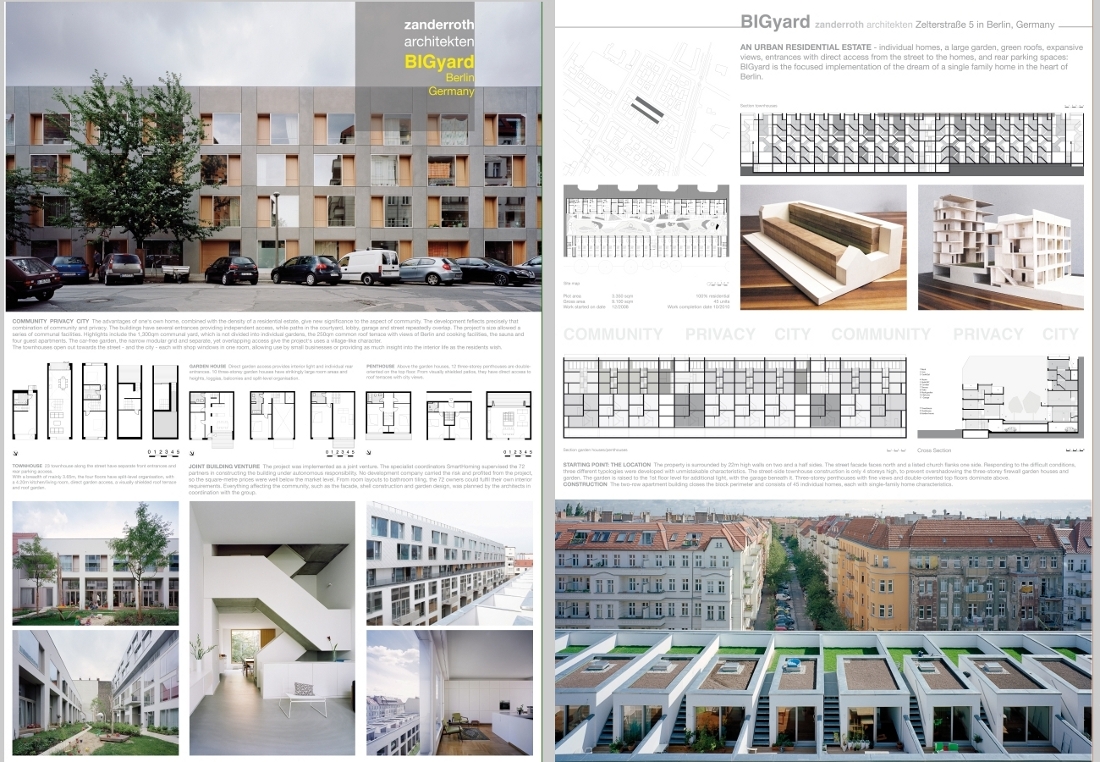
Reasons for this were the original and innovative solution to build on such a complex one-sided plot at such a high density, providing each unit with a high level of comfort, spatial and typological diversity. The building has been acknowledged as reaching a high quality standard with reasonable means and without architectural compromises, in the framework of a well balanced proportion of private, semi-private and public spaces.
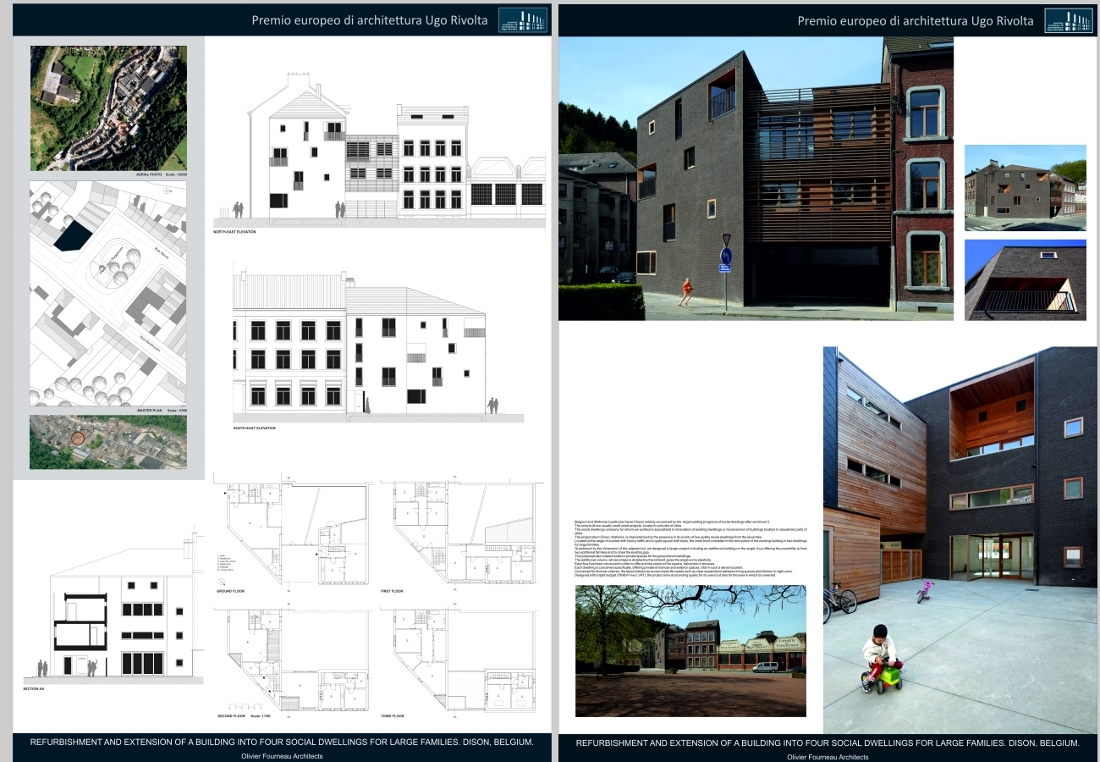 Two further projects received an honorable mention. One is the Social Housing for FLW by Olivier Forneau Architects in Dison/Belgium, a project featuring very high quality ans sensitiveness for the low density, almost rural environment where it is placed. These flats for large families bring a contemporary architectural contribution to the vernacular atmosphere of the village enriching its built environment, without raising unnecessary formal conflicts. The small scale of the intervention makes it even more interesting as a good practice of social housing policies, although probably not an answer for an increasing demand in large metropolitan agglomerations.
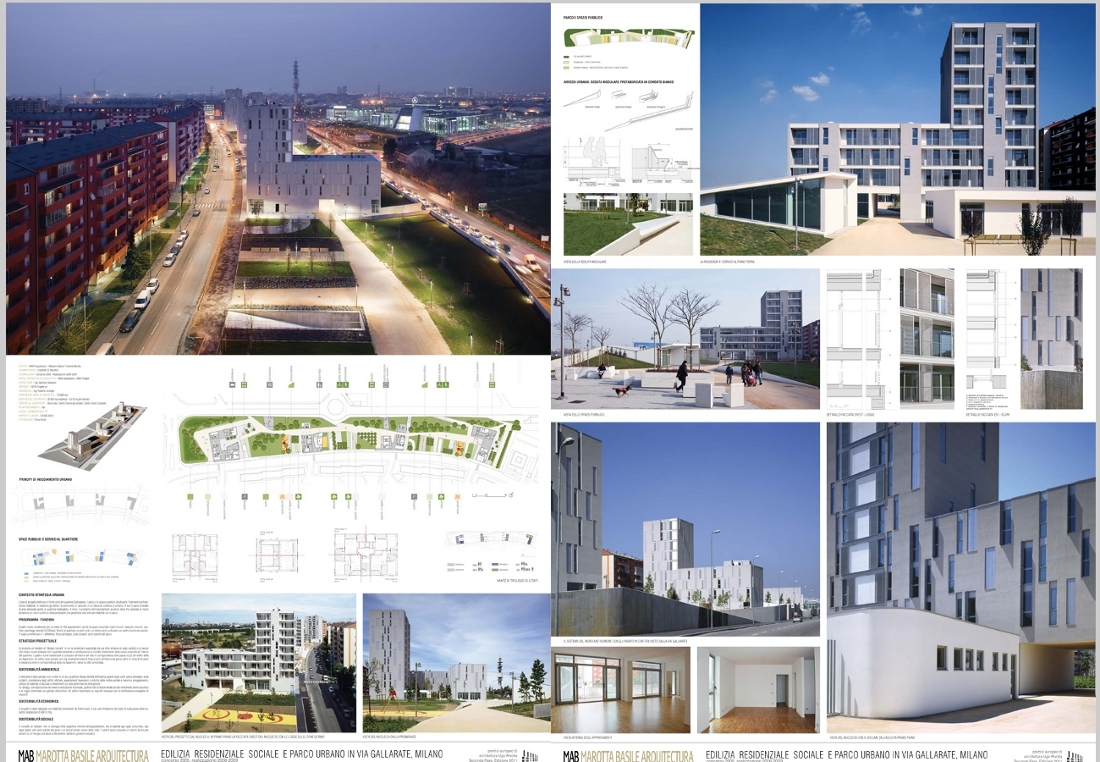
The Social Housing complex by MAB Marotta Basile Arquitectura (italian architects migrated to Barcelona from Sicily) in Via Gallaratese/Milan shows a great typological variety of flats, coherent design, differentiated treatment of the groundfloor and fruitful dialogue with the urban park. The project won the international Design competion Abitare Milano 1 from Sicily on the basis of a fine tuned building program. The complex was built following strict social housing schemes and costing, showing that high quality standards are possible also in the context of today’s scarcity of resources, thanks to 3 converging efforts: good building program, design competition and skilled architects.
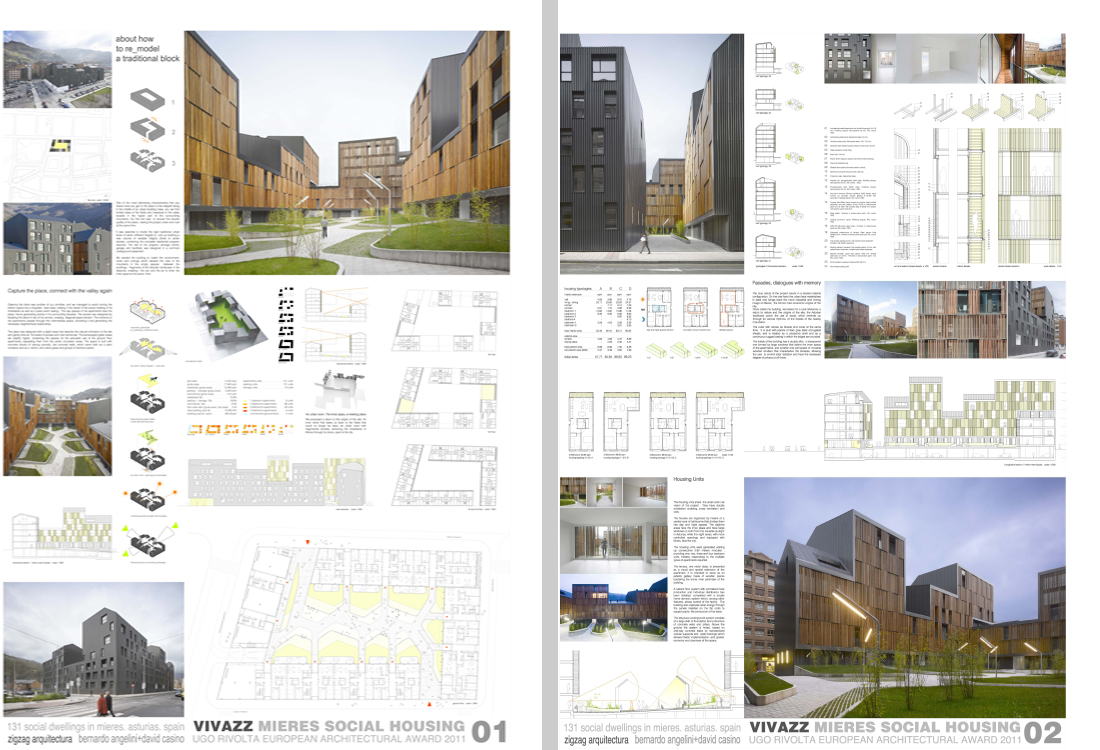
In addition to the three projects above two further projects were mentioned for their outstanding quality. Vivazz Social Housing complex in Mieres by ZigZag Arquitectura features an extraordinary consistency and expressiveness of design. The building features variety of floorplans, tricky elevations and surprising sections completed by a very elegant design and choice of materials. Some critics were raised about the residential use of the ground-floor and the relationship with the urban context was not clearly understandable from the plans.

EA7 by Christoph Mayr Fingerle is part of a larger low energy quarter called CasaNova in Bolzano/Italy. The project is able to include innovative solutions in the quite rigid scheme of the masterplan transforming, for example, the underground parking in air and light floated space to access the building.
It is worth noting that the whole selection of projects, and also some of the ones that were not selected, were high quality buildings. Their “exclusion” has to do with many factors like: being too expensive, not replicable solutions, not being well represented on the submitted boards or even not being submitted! That was the case by 5 projects that were selected for the second phase back ib June. The teams were alerted and confirmed they would send the final documentation to the Milan Architects’ Chamber, but at the end, for some reasons they didn’t.
Being a substitute member I could seat and listen to the jury, but I had no say in the decision. Otherwise I would have fought to give at least a mention Querkraft’s KSM social housing complex in Wien, a building I look forward visiting sooner or later.
If you like to see the award notice and the winning projects of the 2009 edition of the Ugo Rivolta European Housing Award you can click here or in the official website of the Milan Architects’ Chamber. The list of the shortlisted projects is available here.
Sub City
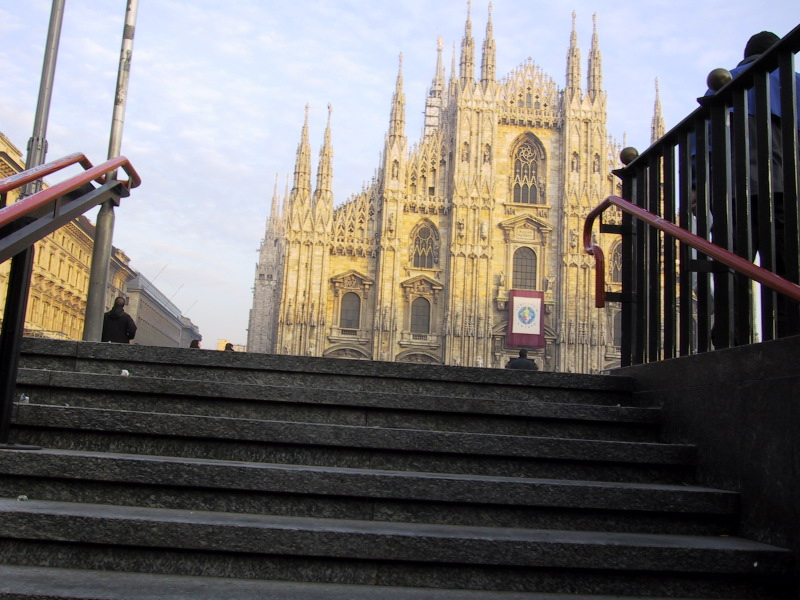
Sub City is a video project by Sarah Klein and Tom Mason produced by Redglass Pictures. The idea is to capture the moment of disorientation and wonder that you may feel emerging from a subway station into the urban realm. There are just two short videos on the website – about Paris and New York – but this is enough to have an idea of the potential of such a simple exercise.
In a few minutes and in a very pleasant way these images can say many things about quality of urban space and quality of life in the cities, especially because they stimulate memories and feelings that are nested in each of us. They mix the landmarks, people’s expressions and the details of the everyday’s living environment in a way that is enlightening and helpful to bring together the level of comprehension of the urban designer and the end-user. Slow motion effect and music underline the displacement effect, which is a common experience coming from the dark hole of the subway out into the light of the city.
I would like to invite Sarah and Tom to make a video about Milan, where I took this picture back in January 2000
Once in a Lifetime / Unortodox Report about a European Atelier on Urban Foresight
On September 15th I was in Brussels for commitments at the Architects’ Council of Europe and I took the opportunity to participate to the Atelier of the Committee of the Regions “URBAN FORESIGHT AS A TOOL FOR TERRITORIAL GOVERNANCE”. Unfortunately I could attend only partially the Atelier and I missed the presentations in the morning which might have been the most relevant, setting the framework of the discussion that followed. Nevertheless the feeling I got in the afternoon is rather precise and confirms the feeling I had when reading the background note that you can download clicking here.
My immodest and partial impression is that the concept of Urban or Territorial Foresight has no relevance in the current European discourse on the urban dimension of territorial cohesion policies. It is a misleading and distorted reflection of the shift from a prescriptive planning approach towards a strategic planning approach that is happening in some European countries for various reasons. One of these reasons is the slow but steady establishment of a European urban development culture, something which is rooted on the Urban Aquis, whose main cornerstone is the integrated and bottom-up approach and that at the Informal Ministerial Meeting of the German Presidency 2007 found a first institutional formalisation in the Leipzig Charta. The main reason for this shift is the failure of most of prescriptive town planning approaches due to the tumultuous and uncontrolled growth of many European cities, or their rapid decline. These and other phenomena (urban sprawl, urban shrinking, migrations, ageing etc.) have demonstrated the scarce reliability of urban foresight and have convinced most planners that foresight it is a useless if not harmful tool. Uncertainty is what we have to deal with when we think about the future of our cities.
To this extend another fundamental element emerged in the Atelier about Foresight: the fact that in many cases we know a lot about the current state of our cities and we have to choose between alternative approaches to try to manage their development, betting on the one or the other scenario. There is a solid and well known literature about trends in urban development trends (Sir Peter Hall, for instance), but their relevance to everyday town planning practice is rather modest. In the Atelier at the Committee of the Regions I had the opportunity to listen to presentations about town planning experiences in different countries and contexts: San Sebastian, Rennes and Brussels. Examples showing that there is engagement, skills and vision at the local level, something which has not still any reliable institutional counterpart in the European institutions. The EU has done well with the Urban programmes, but it is long time ago. Today we see every DG of the Commission going along on his own way, building his own pieces of urban policy without any overall vision.
I would like to be convinced that I am wrong, but when – in a single afternoon – I listen about the Joint Programming Initiative Urban Europe running parallel to the Framework Programmes by DG Research, the Cities of Tomorrow Initiative by DG Regio who manages the whole Territorial Cohesion Policy, the Smart Cities and Communities Initiative promoted by DG Energy, the Eye on Earth Initiative started by the European Environmental Agency in a joint venture with Microsoft… well I think there are many good intentions, a lot of work and significant resources involved, but I do not see any integrated or holistic approach.
No red thread linking this initiatives, no clear idea what we are talking about. It feels like David Byrne in one of my favourite songs
 Well Designed and Built