Adrian Paci | Centro di Permanenza Temporanea
Centro di Permanenza Temporanea (literally Center for Temporary Permanence) sounds like a rather poetic oxymoron, being a place were illegal immigrants (“illegal aliens” according to the US immigration law) are kept waiting to be rejected to their country of origin. A very difficult undertaken indeed, this “repatriation”, given the increasing dimension of the migration phenomena towards the southern coasts of Italy. Therefore most of these “illegals” stay there as long as they succedd to escape and go back in the society’s grey zone of sans papier.
More pragmatically Google’s translation for Centro di permanenza temporanea is “detention center” and as a matter of fact their name has been changed by the italian law in Centro di Identificazione ed Espulsione (CIE) reflecting the recent evolution in migration policy matters.

This picture is a frame of Adrian Paci’s famous video Centro di Permanenza Temporanea (2007) and shows a bunch of people waiting on a ladder in an airport runway, looking at a fighter-bomber passing by. To learn more about Adrian Paci watch this extract from a beautiful documentary by Alessandra Galletta, broadcasted by Babel TV, the first Sky Channel dedicated to life of migrants in Italy.
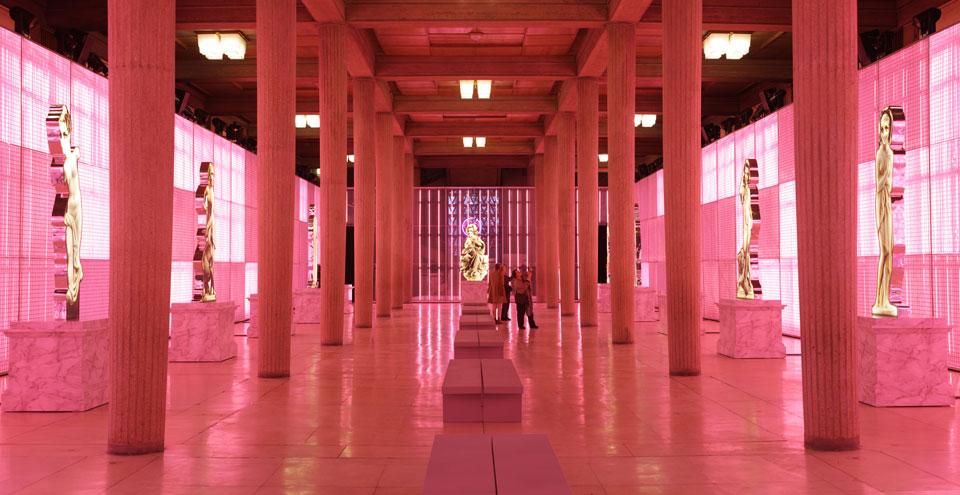
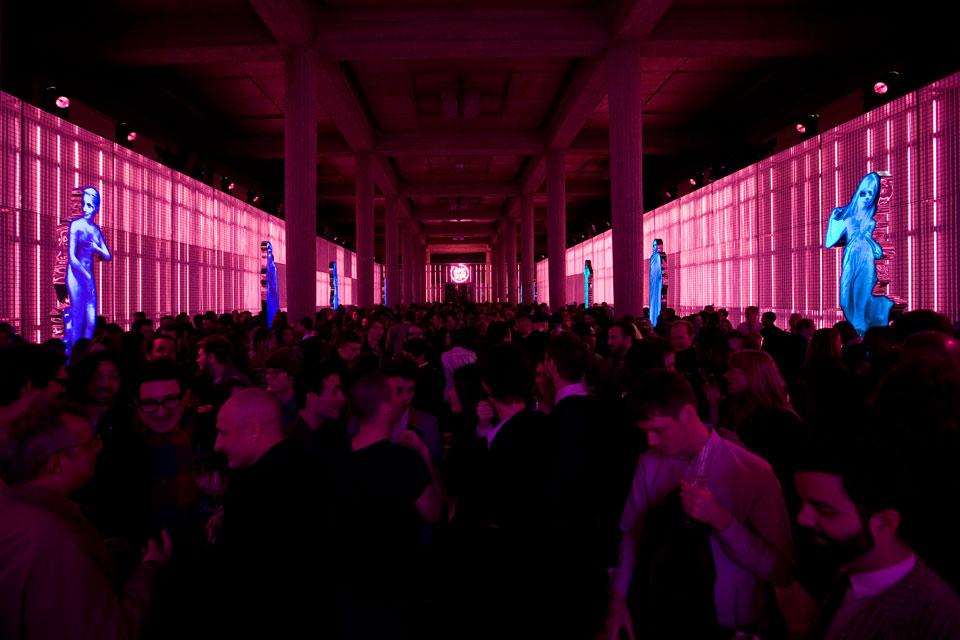
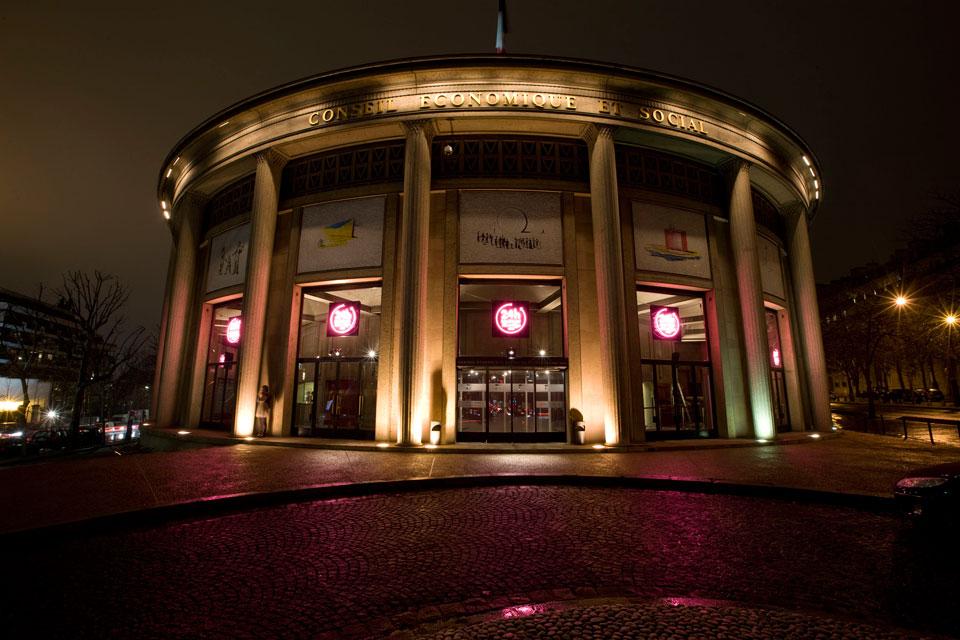
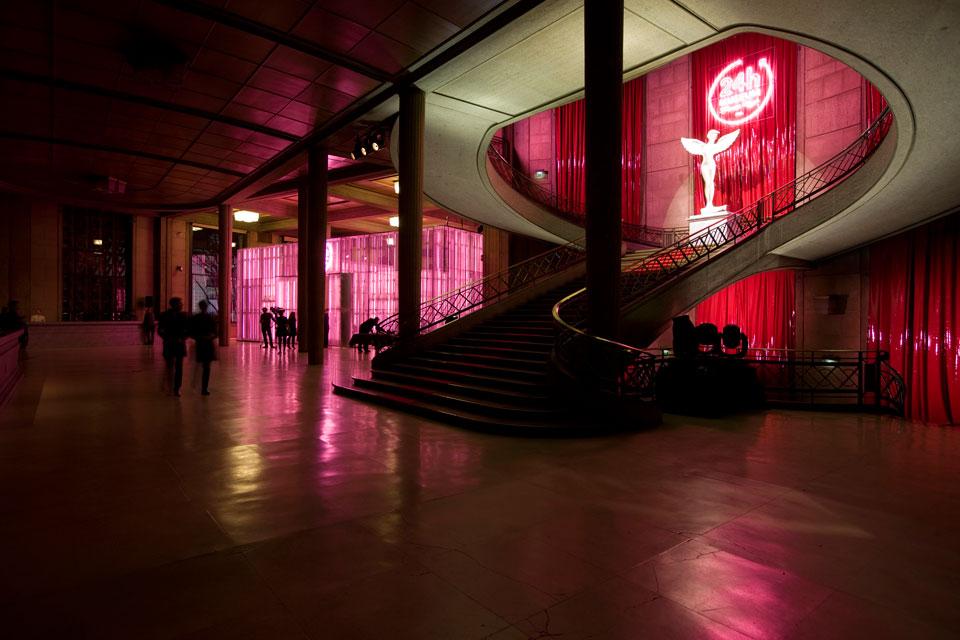
Prada @ Conseil Economique, Social et Environnemental in Paris
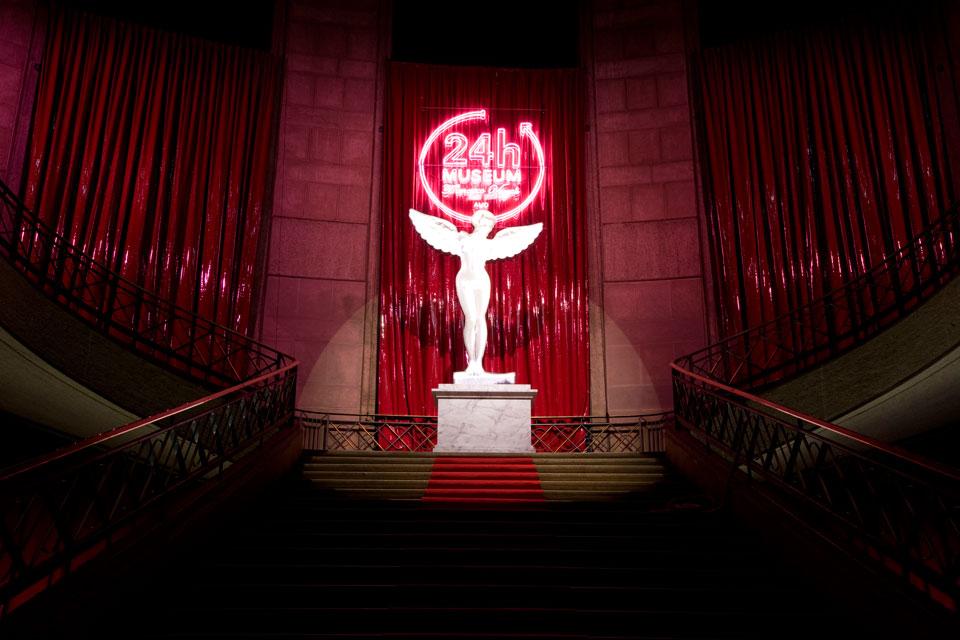
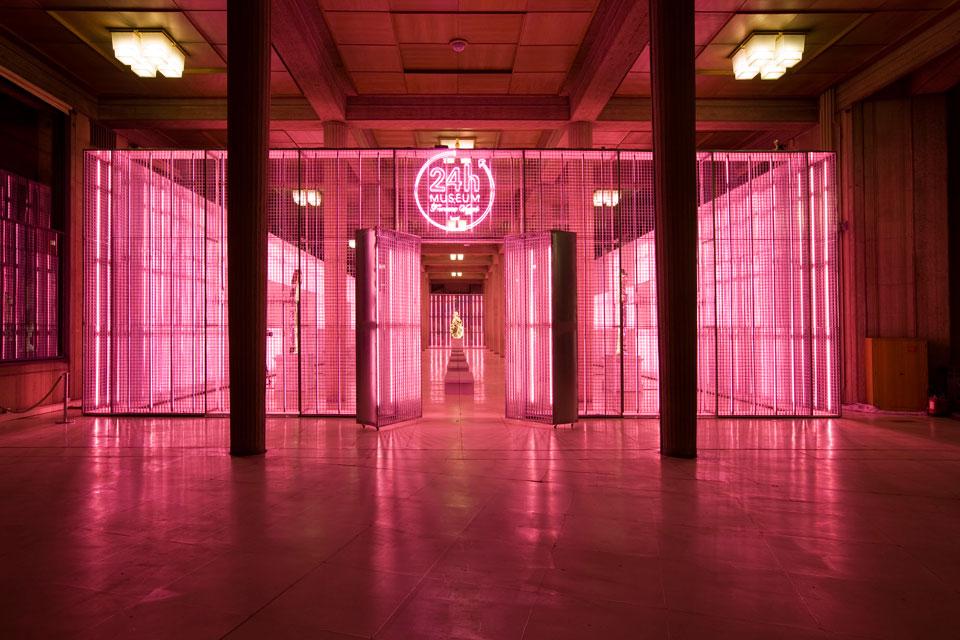
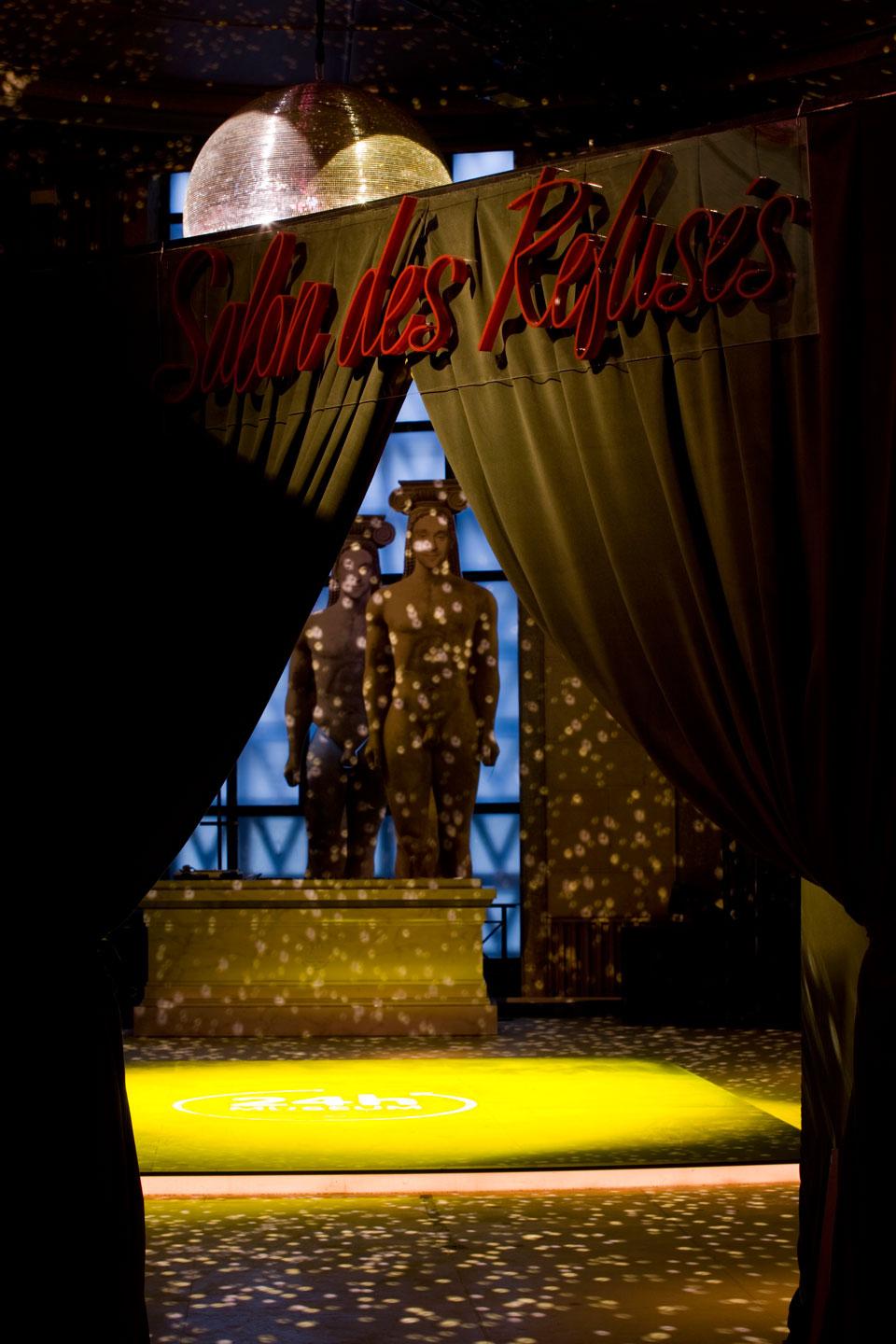
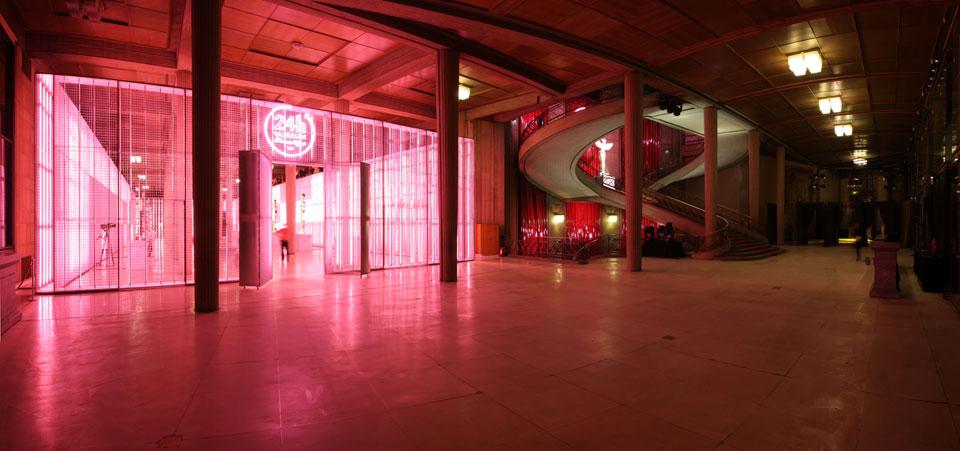
Another episode of the delirious liaison between Prada and OMA/AMO/Rem Koolhaas including contemporary art decoration by Francesco Vezzoli. Scenario for the event that took place 24th-25th January was the Palais d’Iéna, headquarter of the French Conseil Economique, Social et Environnemental (CESE) in Paris. This great (politically, architecturally and historically relevant) building designed by August Perret has been transformed by Prada+Koolhaas+Vezzoli into a 24HoursMuseum to host the new winter women collection or the fashion brand. Pictures courtesy of domusweb where you can also read an introduction by Francesco Vezzoli and a short report of the event.

Ericsson Thinking about Smart Cities
Nice pictures with soundtrack from marimba to Bach’s Goldberg Variations, a good dose of rethoric about future smart cities and some good contributions are featured in this video published in the Ericsson multimedia channel on Youtube. If you are patient enough to resist the first 4 minutes then you can enjoy Carlo Ratti (Director of MIT’s Senseable City Lab) comparing urban development to Formula One racing and describing the Trash Tracking Project. Nigel Jacobs (Co-chair of Mayor’s Office of New Urban Mechanics in the City of Boston) about participatory urbanism, as a mean not only to improve public service’s efficiency, but also to rebuild trust with the public using mobile apps like Citizen’s Connect. In the end Jonas Claesson (Urban Planner) illustrates the Stockholm Royal Seaport project, a brand new urban development that promises to be a smart quarter for smart people, using ICT to deliver a carbon free economy.
Decoding Design / Matthew Carmona (UCL) about Delivering Public Realm
“Good design and planning should not necessarily cost more. If anything it should save money in the long run.” Being interviewed is Matthew Carmona, Professor of Planning and Urban Design at The Bartlett School of Planning, UCL and Lead Expert of URBACT’s HOPUS project. For example during a visit to Rome Carmona visited a suburban extension dominated by roads and parking. “All in all there was a lack of vitality and the sorts of social spaces that you expect in an Italian city. But all of those things can be provided by just thinking differently about the reorientation of buildings, how to integrate the highways within the plan and so forth. This does not cost more to deliver, it just requires a different way of thinking and designing. It’s about having a place based view of the outcomes.”

Contemporary architecture in the expanding suburbs of Rome


How cities govern the design of new development?
HOPUS has brought academics and practitioners together from across Europe to discuss questions of design and sustainability in housing and its regulation through public sector guidance and control. Matthew Carmona’s research focuses on the broad area of urban design, and in particular on how cities govern the design of new development. “I did some work for the UK government on design codes, because the UK government was very interested in whether design codes could be a mechanism for delivering better quality investment and also for speeding up the planning process. I published that work and a little later on I got asked to join URBACT’s HOPUS project as the lead expert to share my knowledge about design codes.”
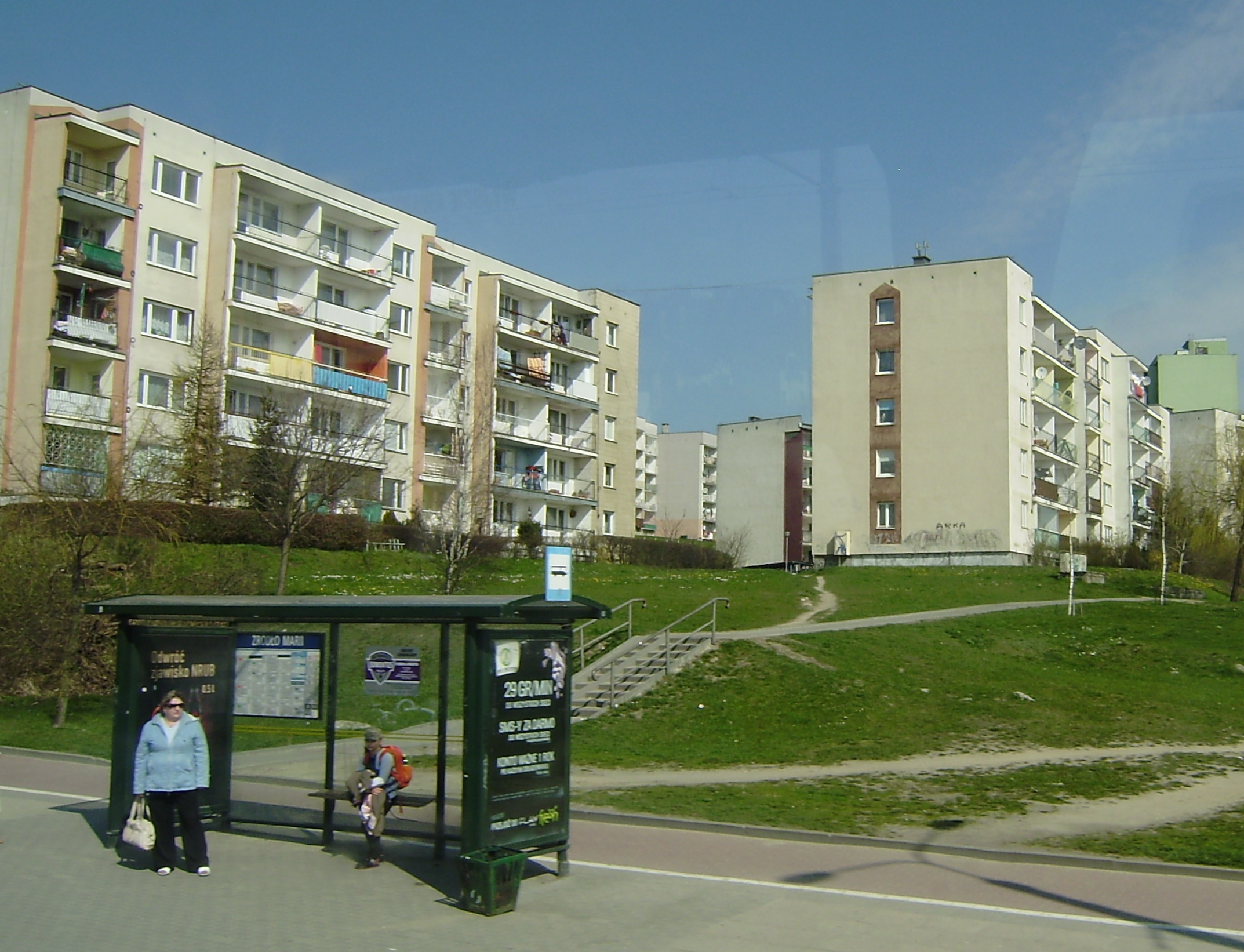
Residential neighbohrhoods in Gdansk
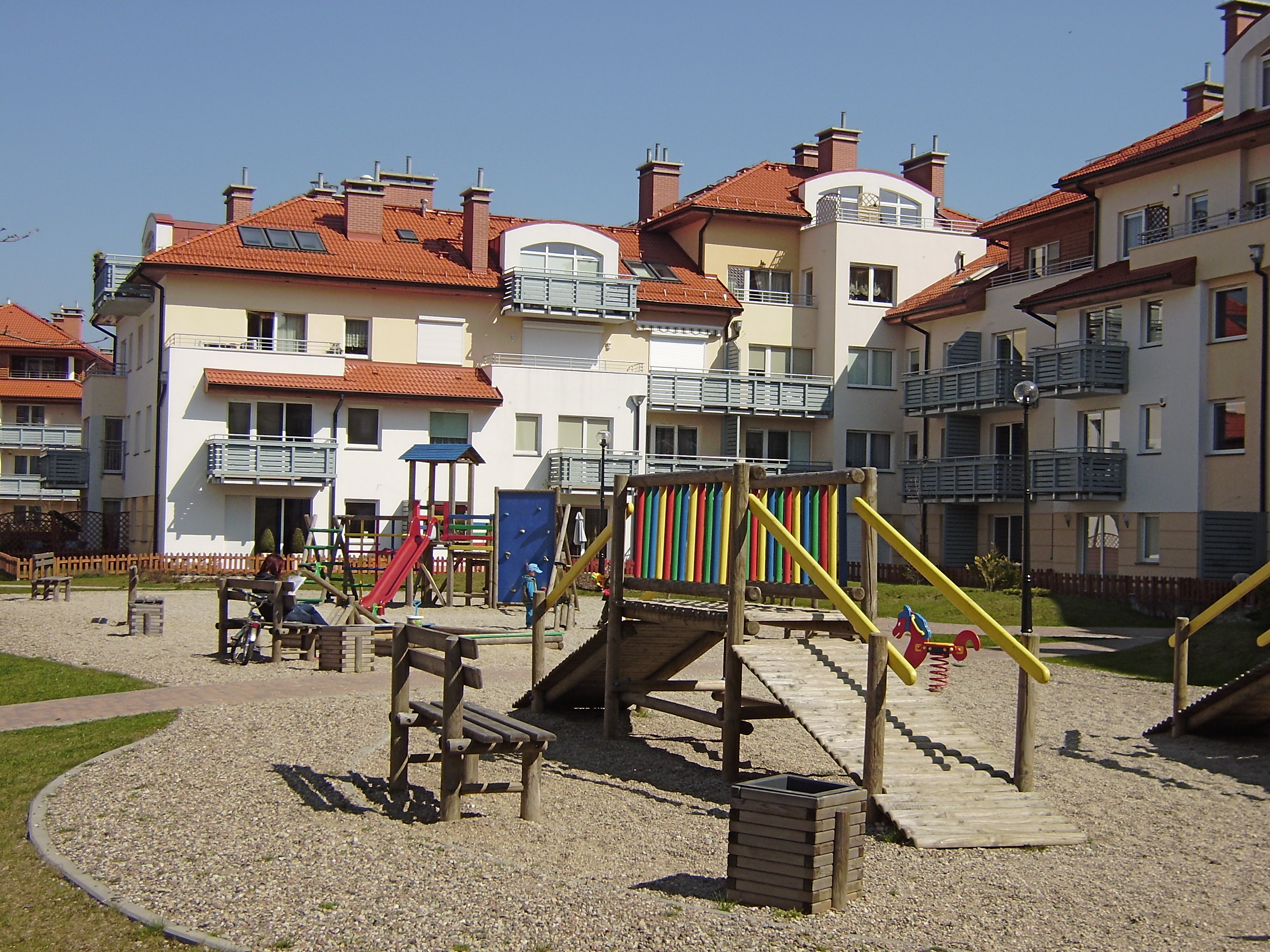
The benefits of good urban design
In an article for HOPUS titled ‘Decoding Design Coding’ Carmona questions whether it might be possible to “‘boil down some higher order urban design principles in order to establish a set of irreducible minimum standards for delivering a more human, coherent and sustainable public realm? In other words, what are the urban design ‘must-haves’ that might form the basis of country by country regulations in order to overcome our seeming inability to deliver better ‘suburbanism’?” (Carmona, 2010). Good urban design is essentially about achieving good, sustainable places for people. A good urban design process is about achieving places that are better than it would otherwise be possible to achieve if you let the market have a free rein. Good urban design helps to establish the correct framework within which better investment can occur, within which better social outcomes result and in which better environmental results can be achieved.
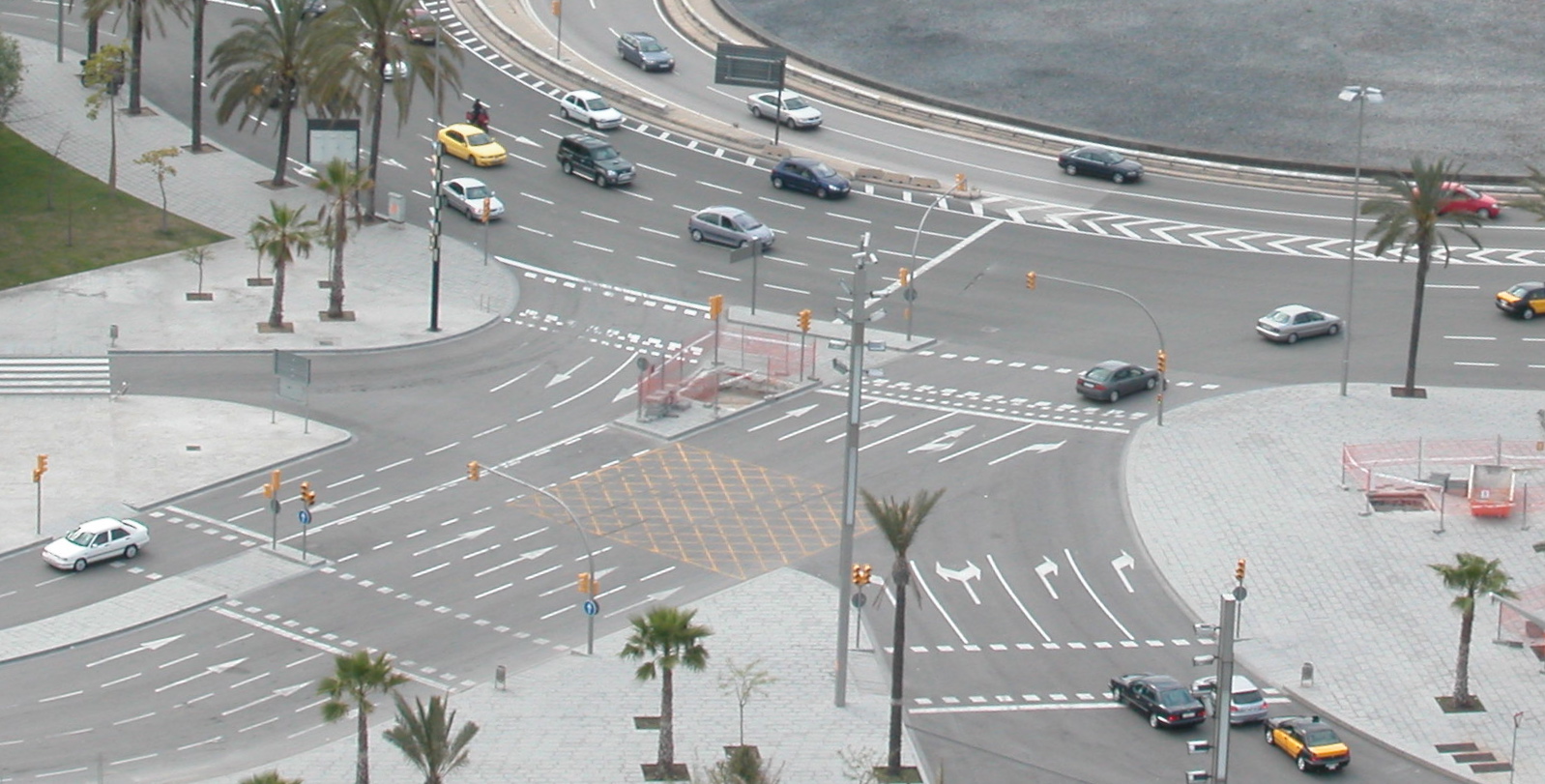
Different kind of public space in Barcelona

“At its most basic, design guidance can be defined as: a generic term for a range of tools that set out design parameters with the intention of better directing the design of development. Different countries have different traditions and use different forms of guidance to a greater or lesser degree.” (Carmona, 2010). What can we learn from design guidance? And how is design guidance arranged in European countries?
“I think there are probably examples of good design guidance in most countries.” Design guidance comes in many forms. On the one hand design guidance may deliver a basic set of design principles to loosely guide a development process. On the other design guidance can be very detailed and prescriptive and aimed at delivering a closely specified form of development. “They can both lead to successful outcomes. Particularly around the suburbs of town where too often we let engineering matters (design of the roads and so forth) and rather crude planning standards (for example open space standards) dictate the design rather than principles based on the sort of places that we wish to see. Good design guidance establishes a clear vision of place, the sort of places we wish to live or work in.”
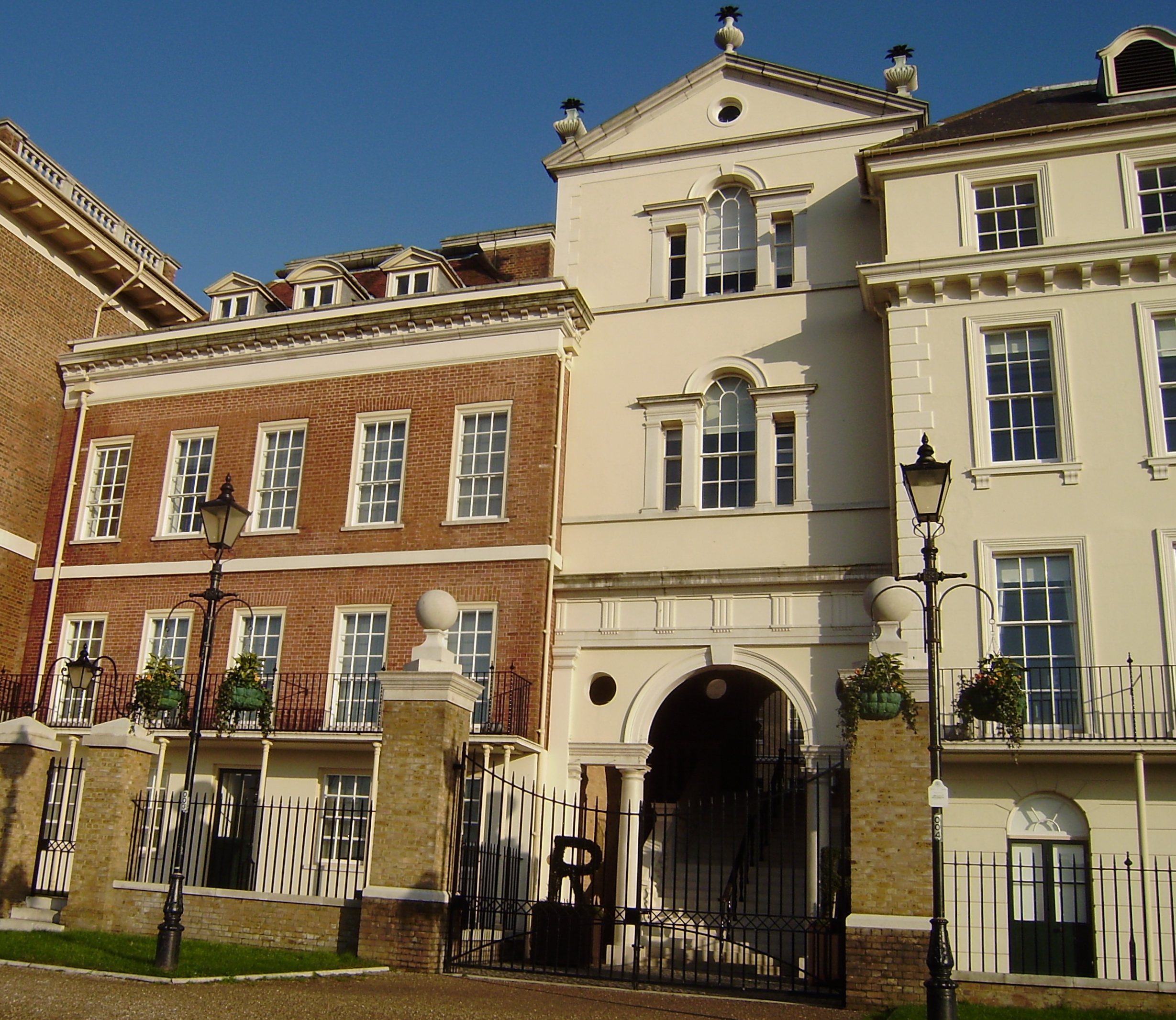
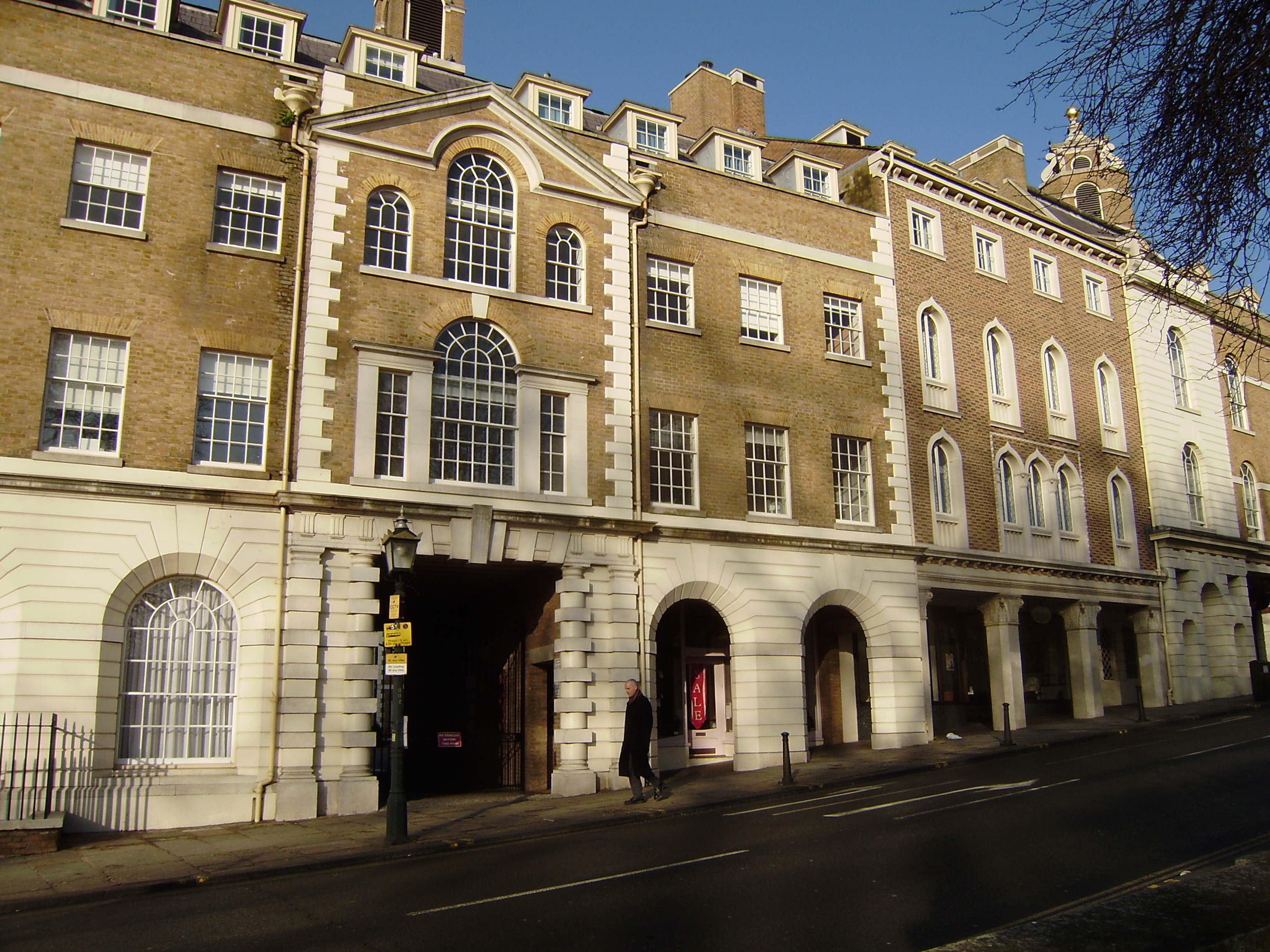

Carmona suggests 9 simple rules to overcome many problems within urban planning/projects.
- Streets should form a continuous urban network with each street joining at least two others.
- Streets should be designed for a maximum vehicle speed of 30Km/h
- Every street and/or building block should host at least two (preferably more) major land uses.
- Buildings should face public space and create a coherent, continuous building line.
- Blank facades at street level should not be allowed.
- Space for private front planting and/or street trees should be provided.
- Setbacks and front gardens should never be covered by any more than 30% parking.
- Existing trees, landscape and natural features should determine site layout and character.
- Design to reduce, re-use and recycle natural and energy resources

Old and new architecture get together in Delft


By contrast “Design codes can adopt such simple rules but are often a far more detailed planning and design tool, requiring a lot of upfront work to put them together. As a consequence if you look at the whole development process, design codes don’t actually speed that process. If anything they can make the design process longer because you need much more time to develop the detailed design framework up-front. However, where they do score is in large development schemes built out over many phases. In such circumstance design codes help to speed up the development process further down the line for later phases of the project, helping also to coordinate the different parts of a large site. In such circumstance I’d like to see a wider use of codes. They are a valuable tool, although not everywhere. For large scale long-term projects, however, design codes coordinate design over time and ensure that the essential place based qualities are achieved.”

Quality through variety in Vauban, Kirchsteigfeld (D) Borneo and Sporenburg (NL)


Citizen participation within urban design
Some cities are much more active at including citizens than others. “Personally I don’t feel that a good design process is necessarily reliant on citizen participation. If you have good designers and developers with a clear view of the sort of place they would like to create, then you can create good places without having any citizen involvement, particularly in a new neighbourhood where there may be no existing residents. It’s obviously different when you are building within an established neighbourhood. Then of course citizens should be involved and have a valuable contribution to make to informing the design process.”

Examples of poor quality housing in England


A different way of thinking and designing
Across Europe, Carmona argues, in the not too distant past we have designed and constructed places that a few years later we are having to rebuild because they did not stand the test of time. In the UK many social housing schemes from the ‘1950s and ‘60s are now being demolished and replaced. “This is not just because of design factors, but poor design can contribute to a place deteriorating and thereby to wider social problems over time.” In the UK companies such as Urban Splash have a reputation for going into such places and turning them around by re-imaging them. But this typically requires large amounts of sustained public subsidy to make this happen. “By thinking about places more carefully and coherently during the planning phase, we stand more chance of getting them right over the long-term. saving time and money in the process through avoiding the need for radical changes later on.” Design codes and other forms of design guidance have an important role to play in this, they can help us achieve a more human coherent and sustainable public realm.
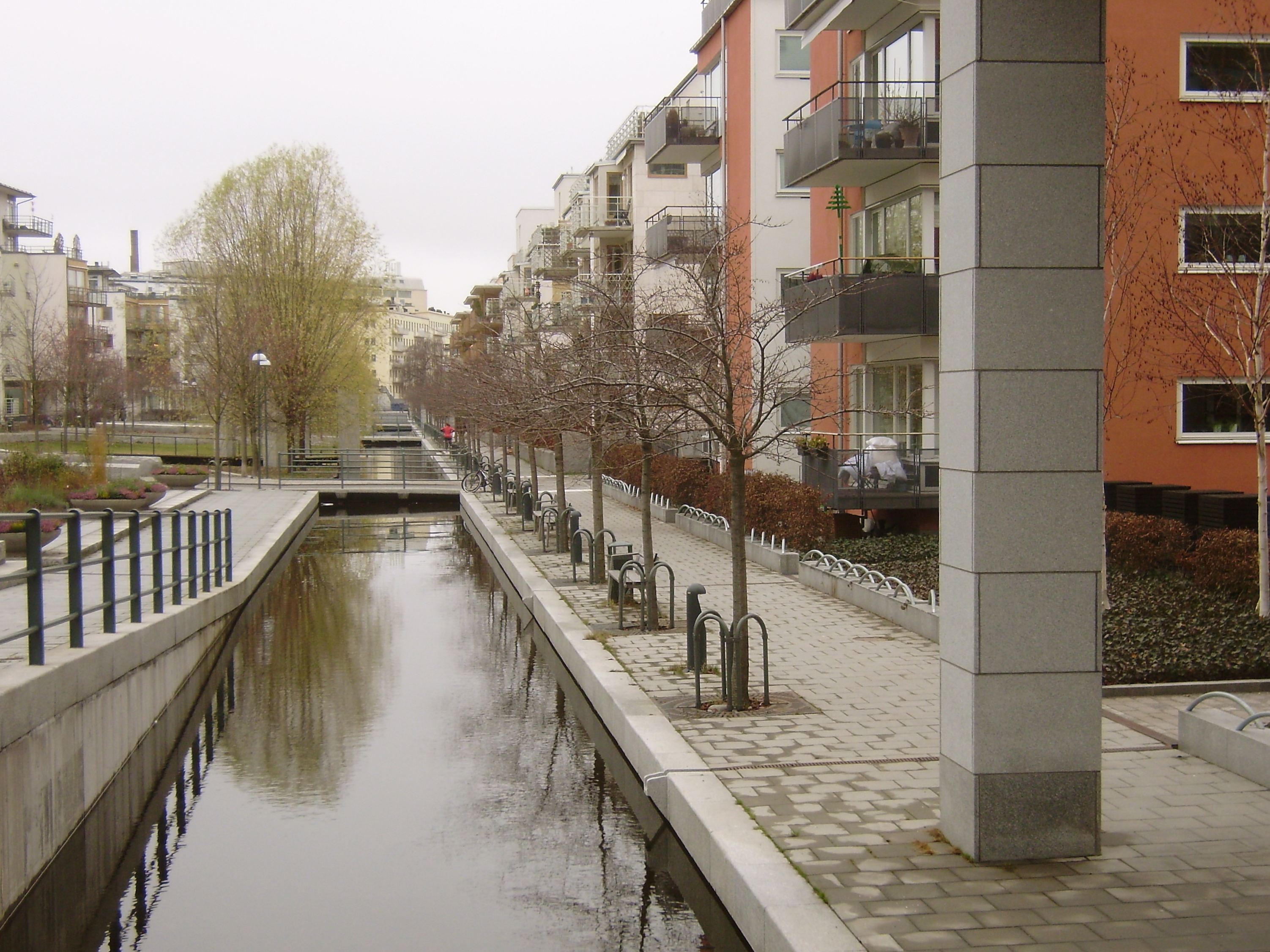
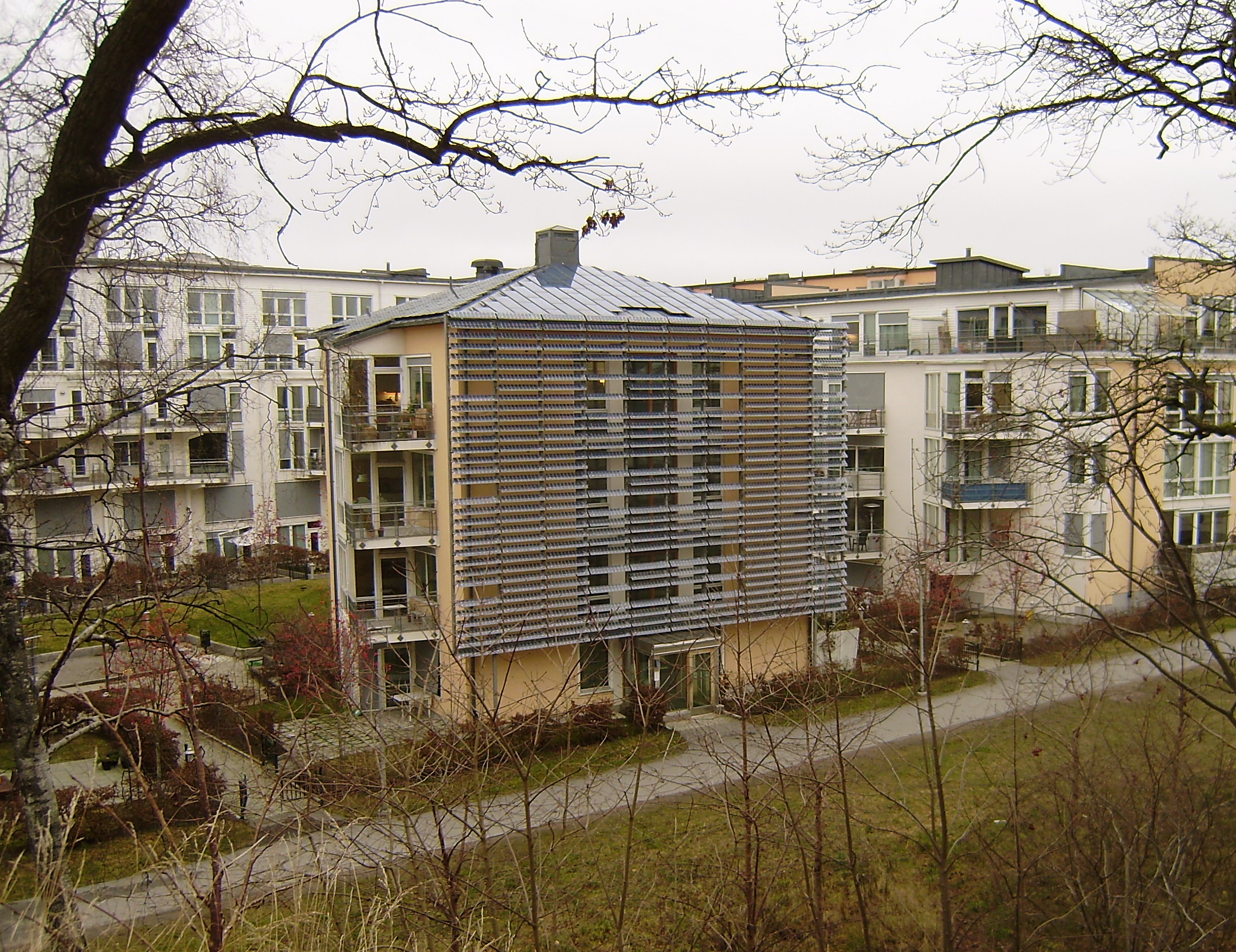
The scandinavian way. Hammarby Sjöstad
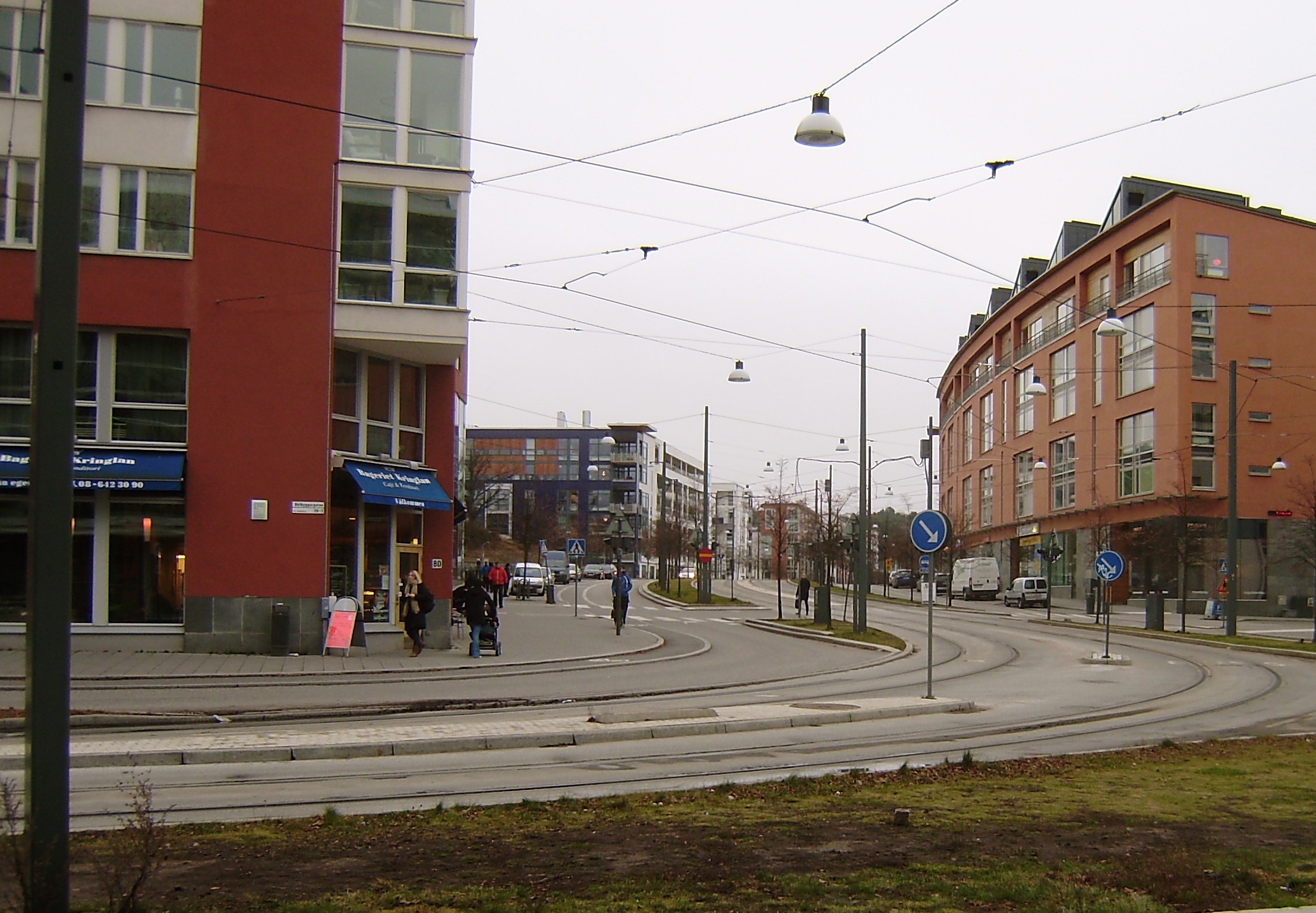

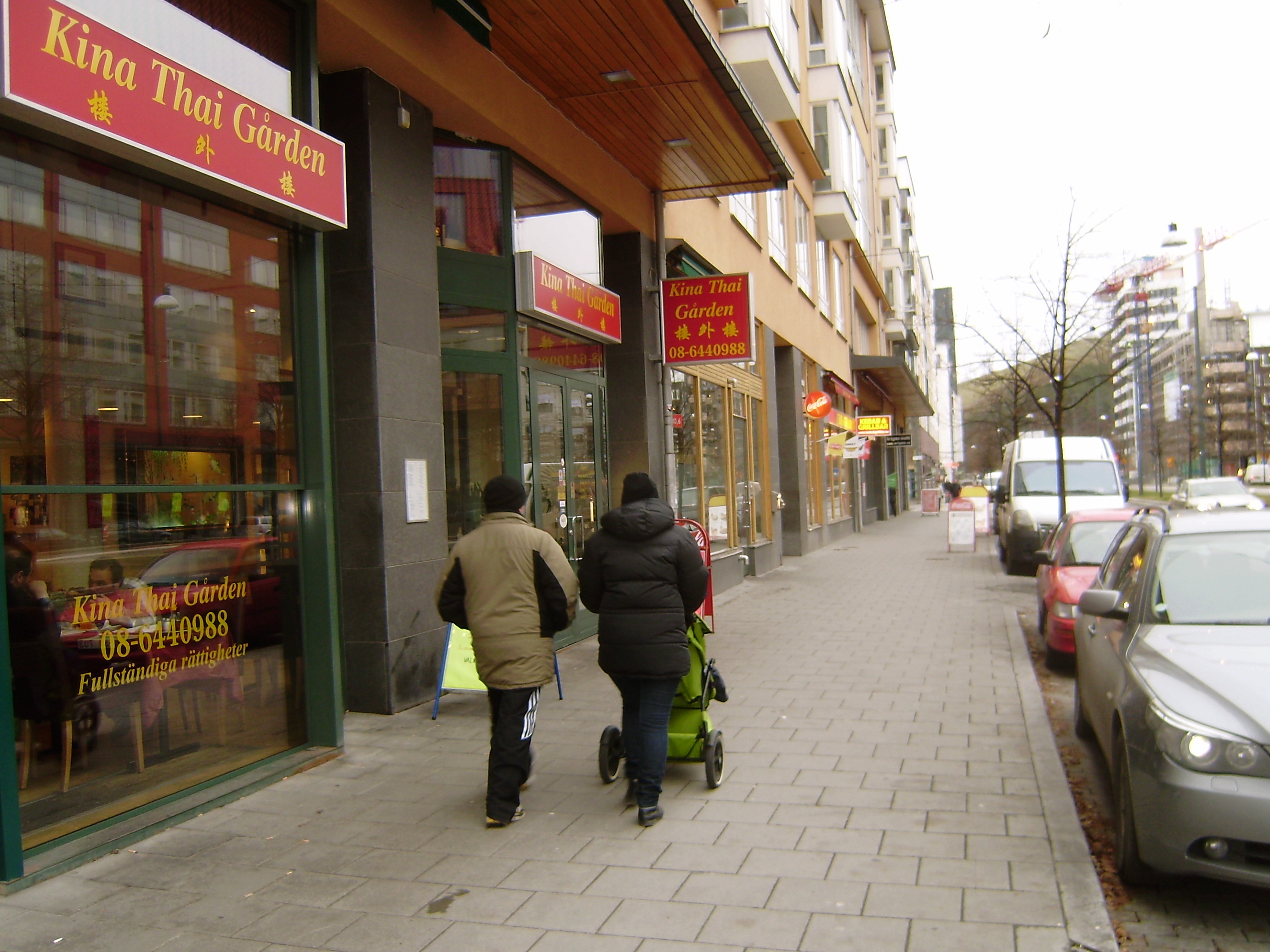


Bella Italia. Part II

Last November Italy was hit by heavy storm and flash floods. Some people died, many more were injured and lost their properties. Since a couple of days another extreme climate event is making victims, severe disasters and interruptions in necessary services not only in northern Europe, but also in central Italy, in the Apennines and along the Adria coast. This time is heavy snowfalls and Siberian temperature that stops circulation on the roads, trains and electric power supply, close schools and public offices in many parts of Italy and in some cases seclude entire villages for days. Again we are faced with the usuality of the unexpected, again we are not prepared. Well, at least many were not prepared (too many) meanwhile others did.
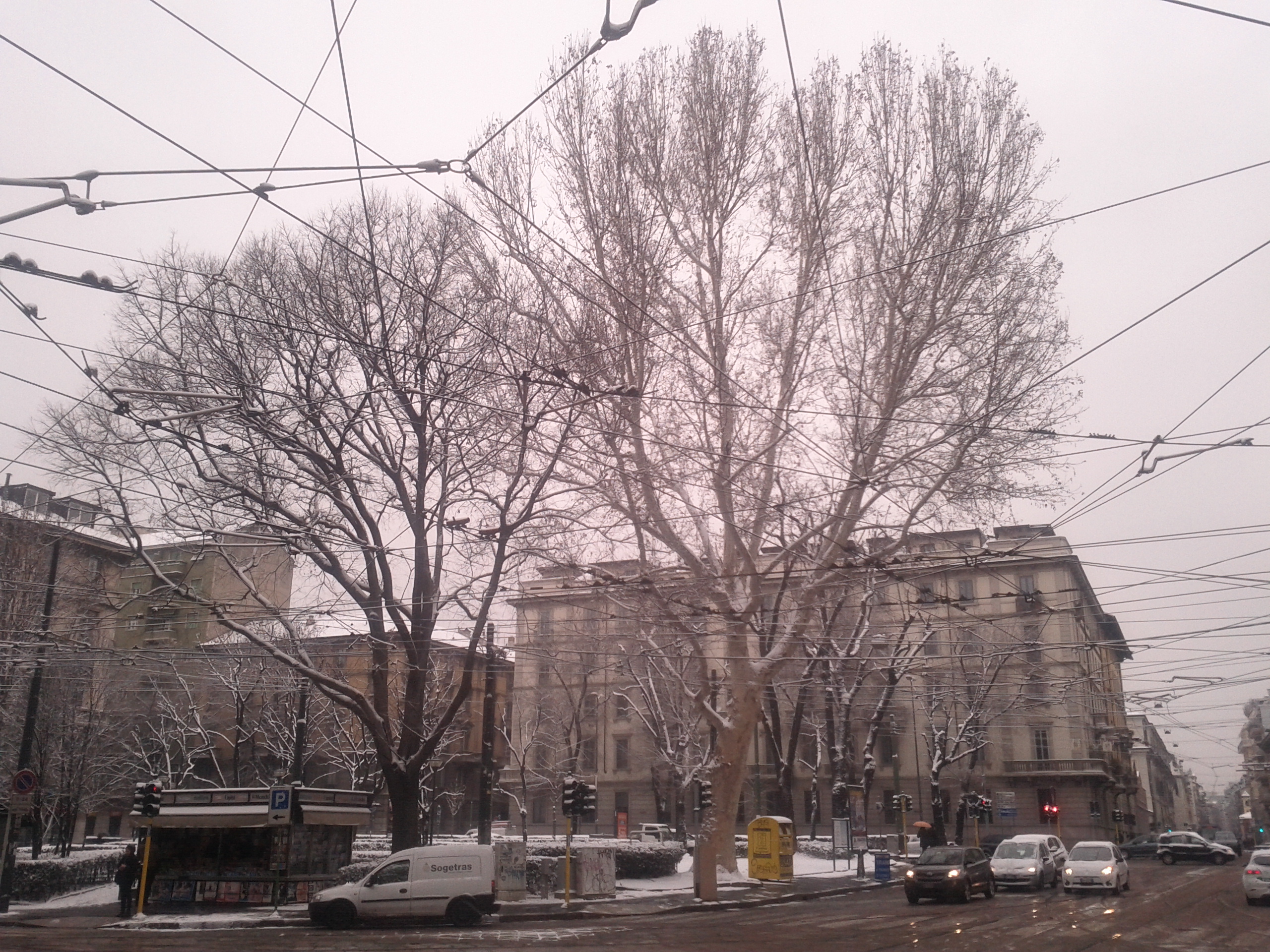
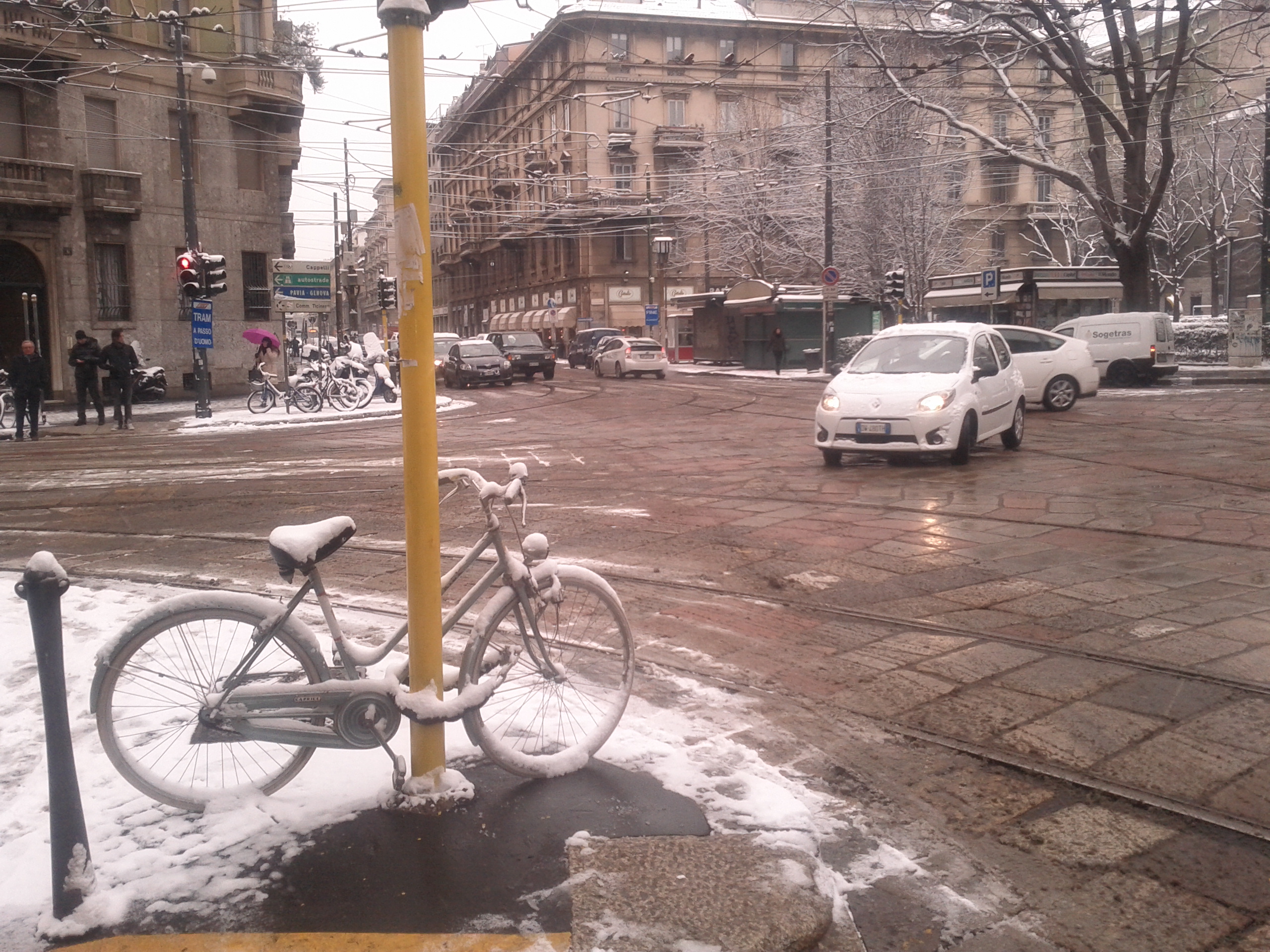
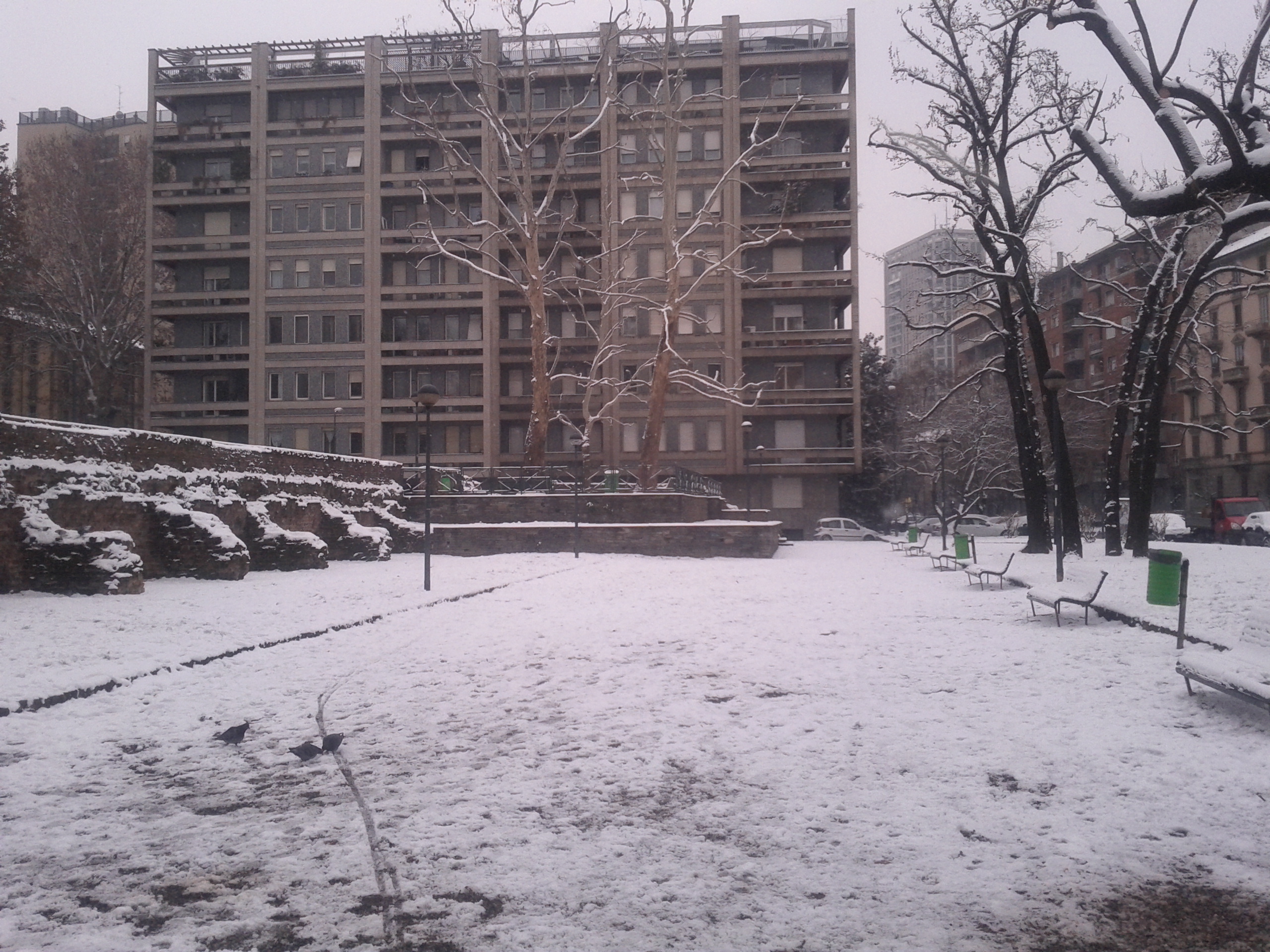
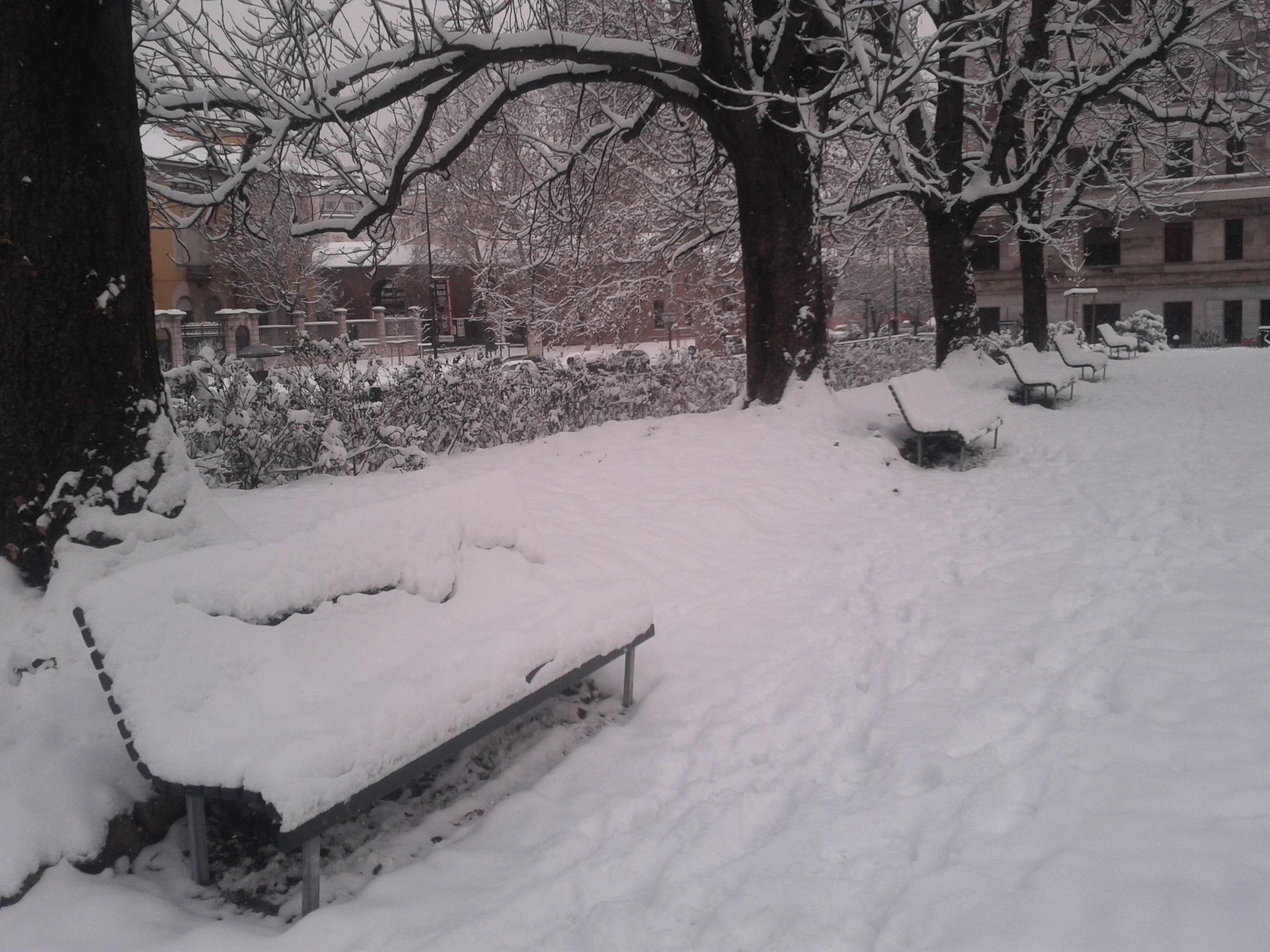
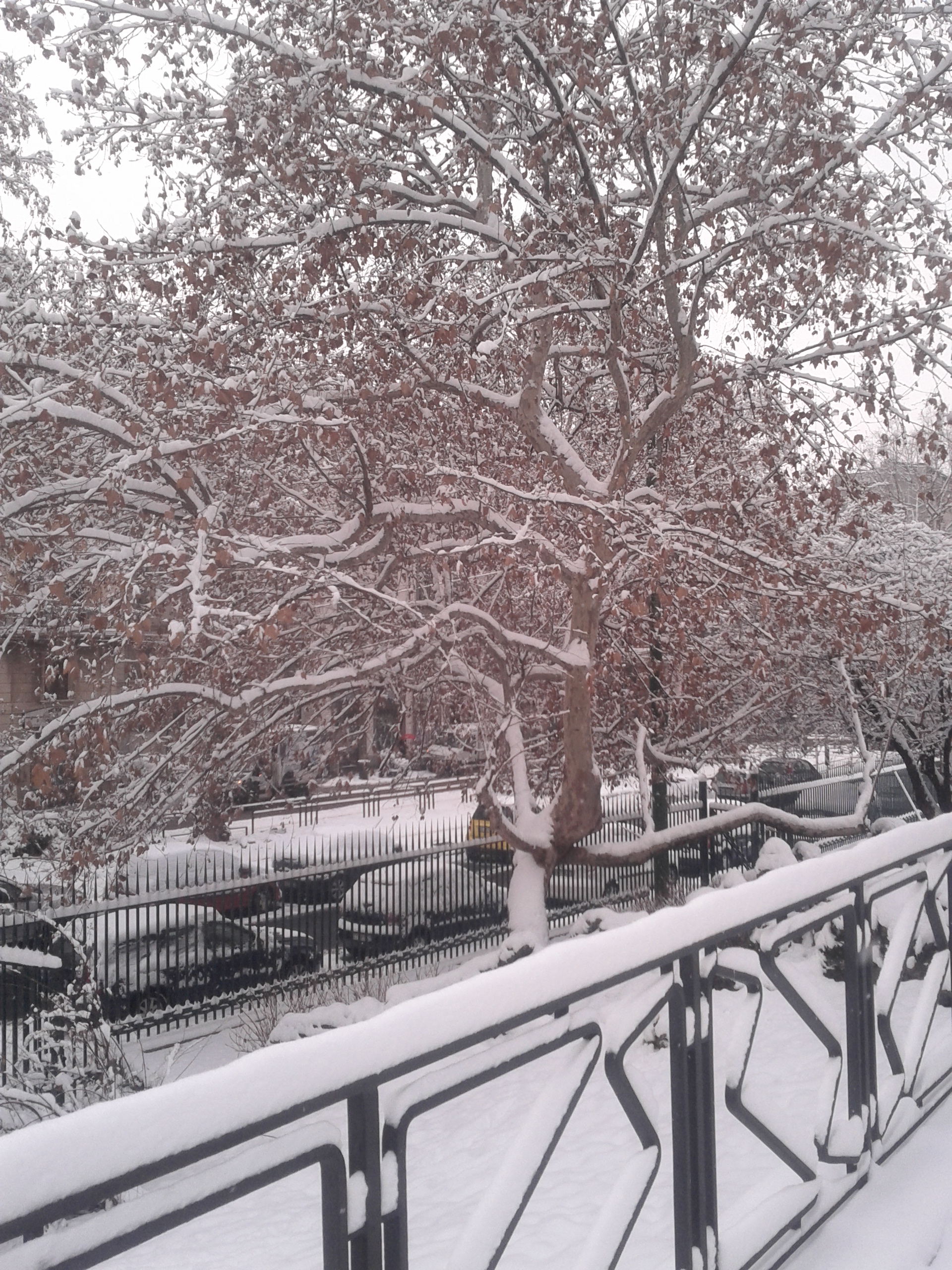
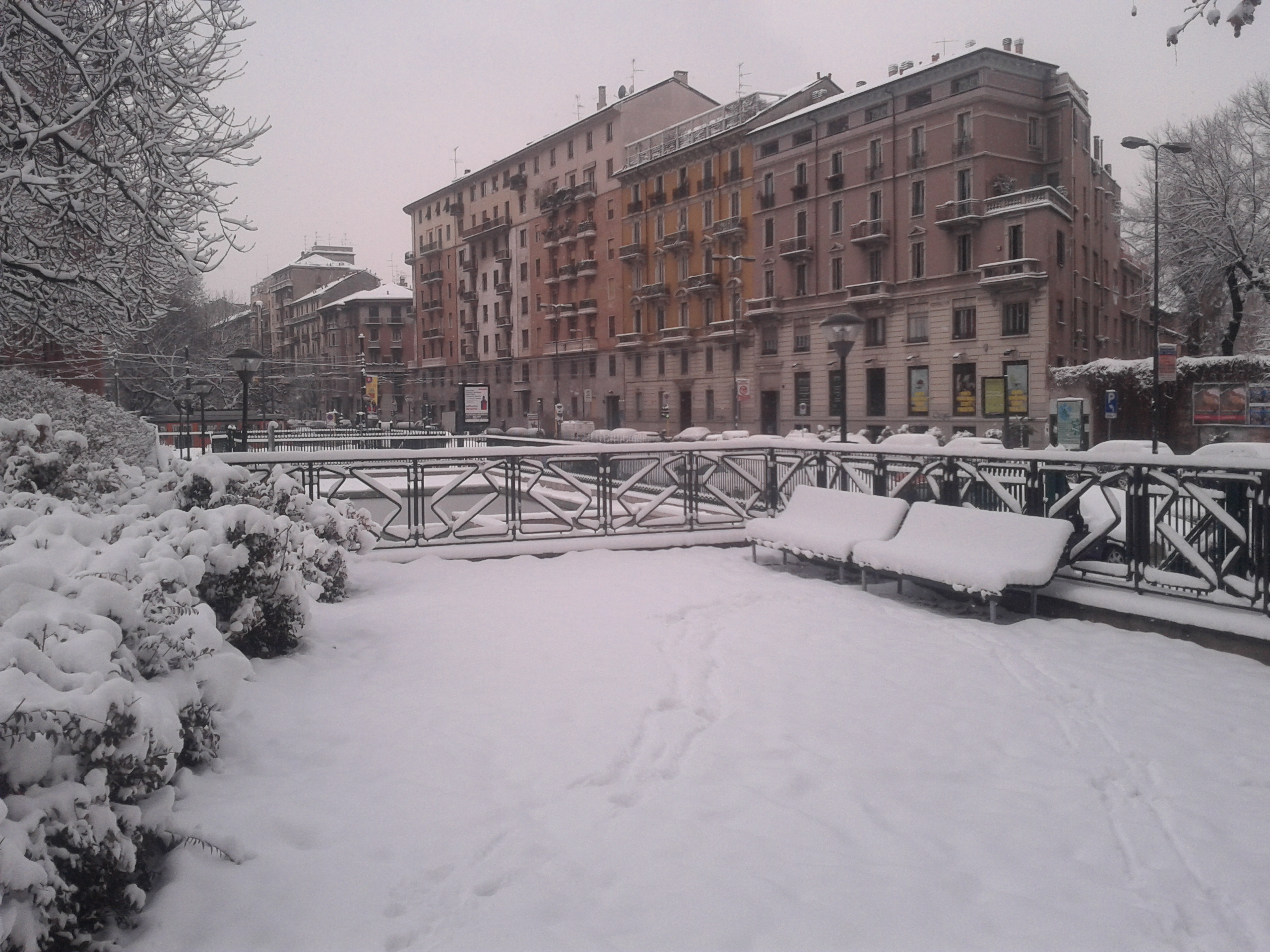
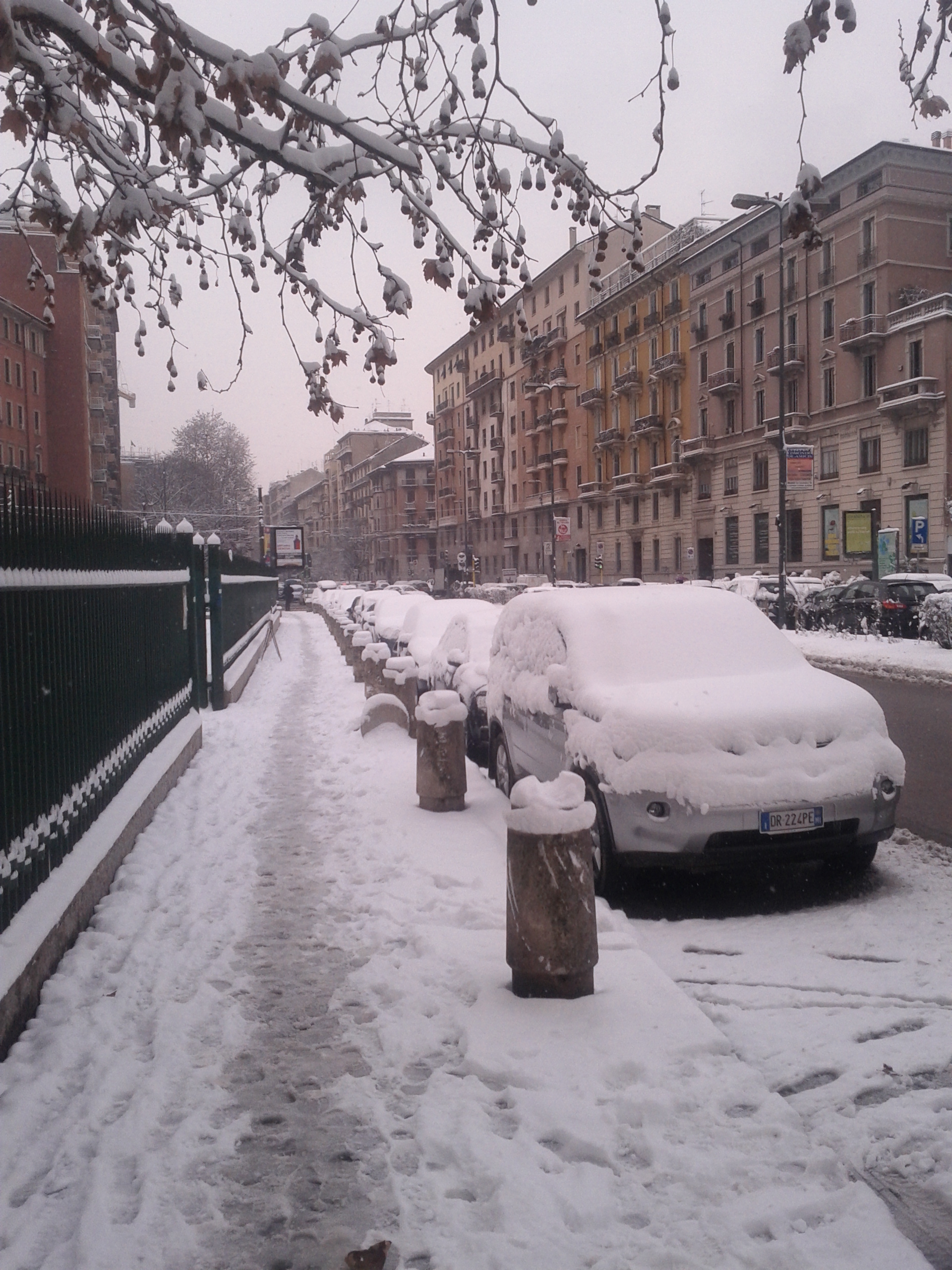
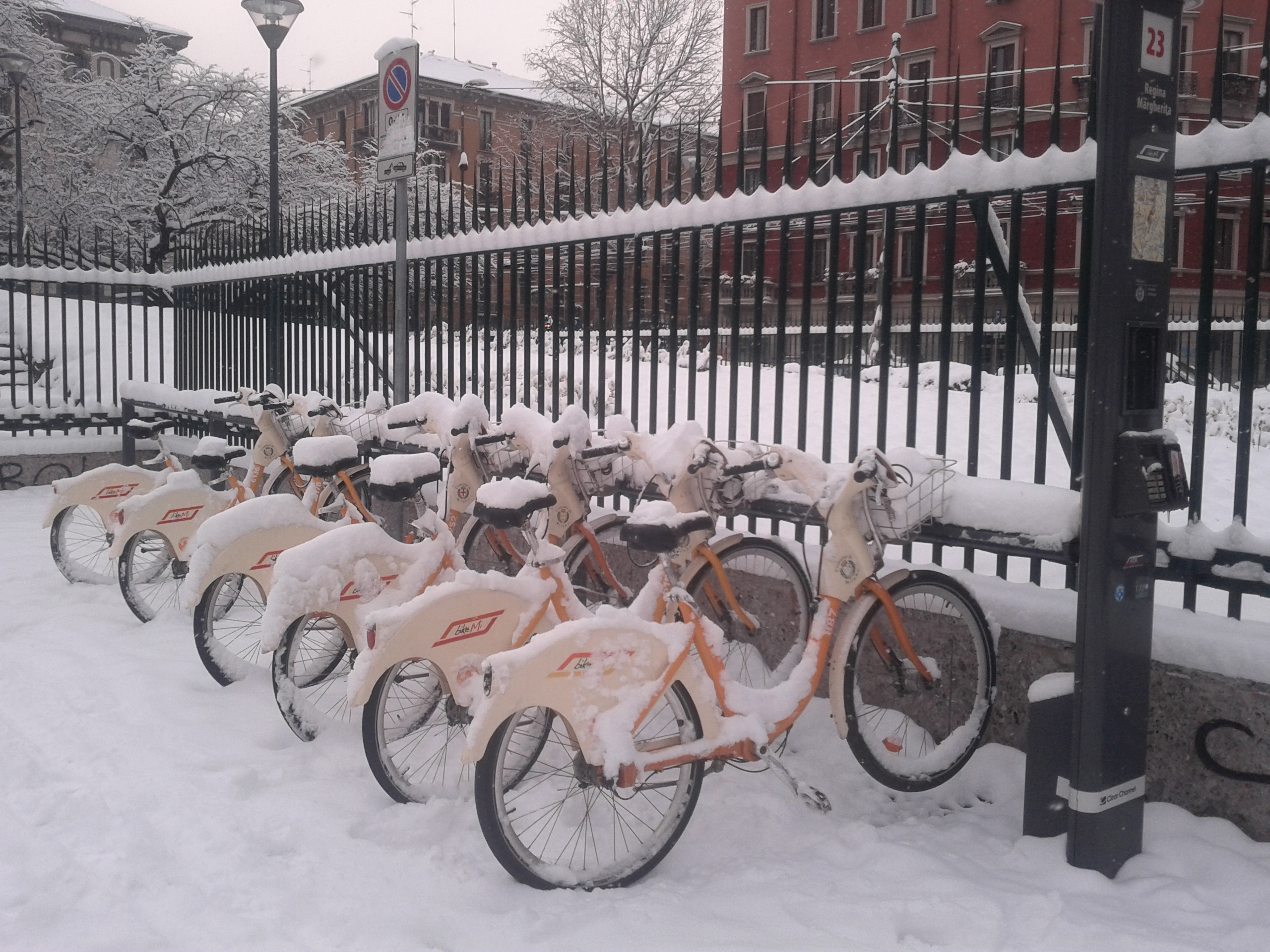
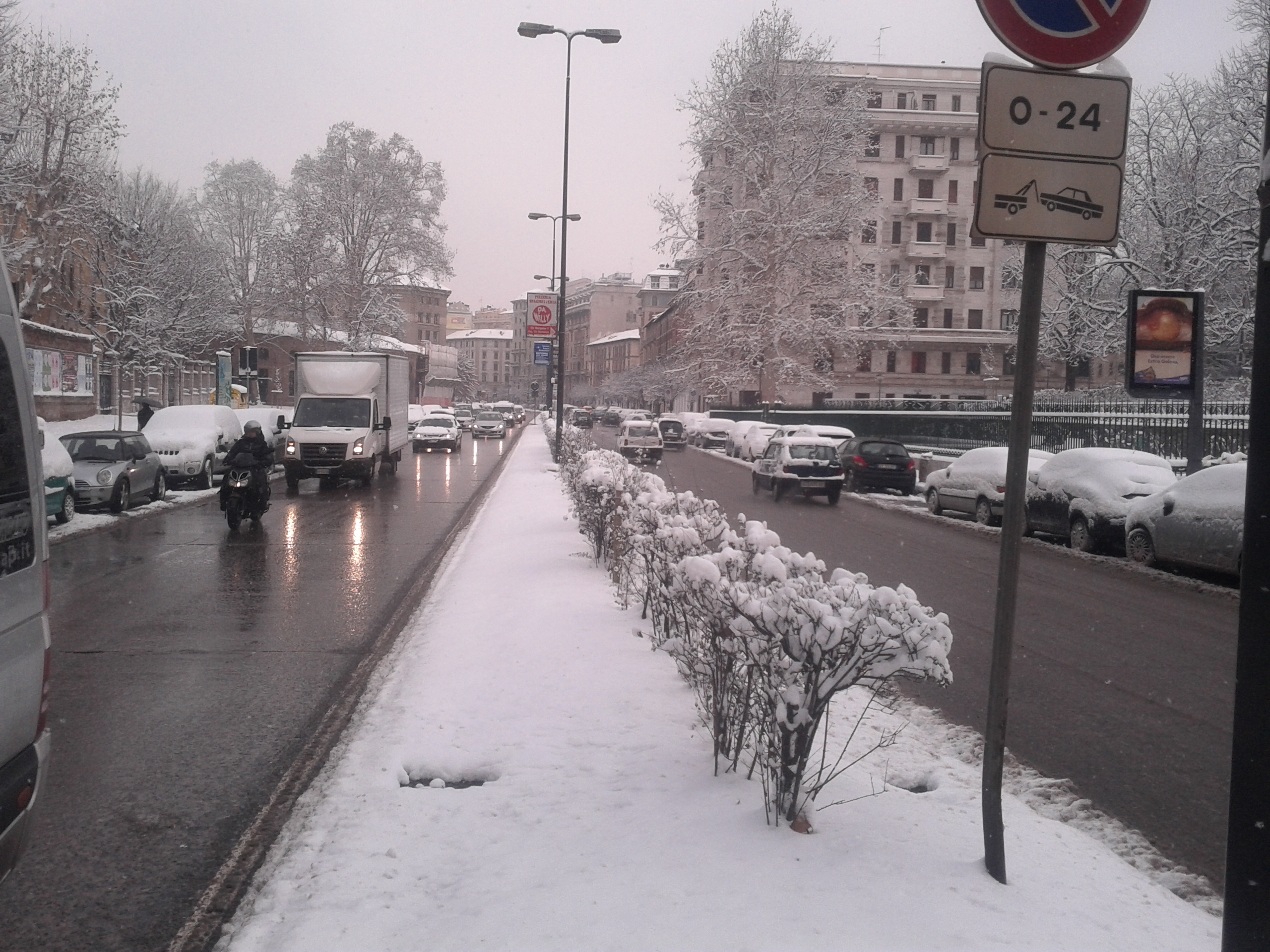
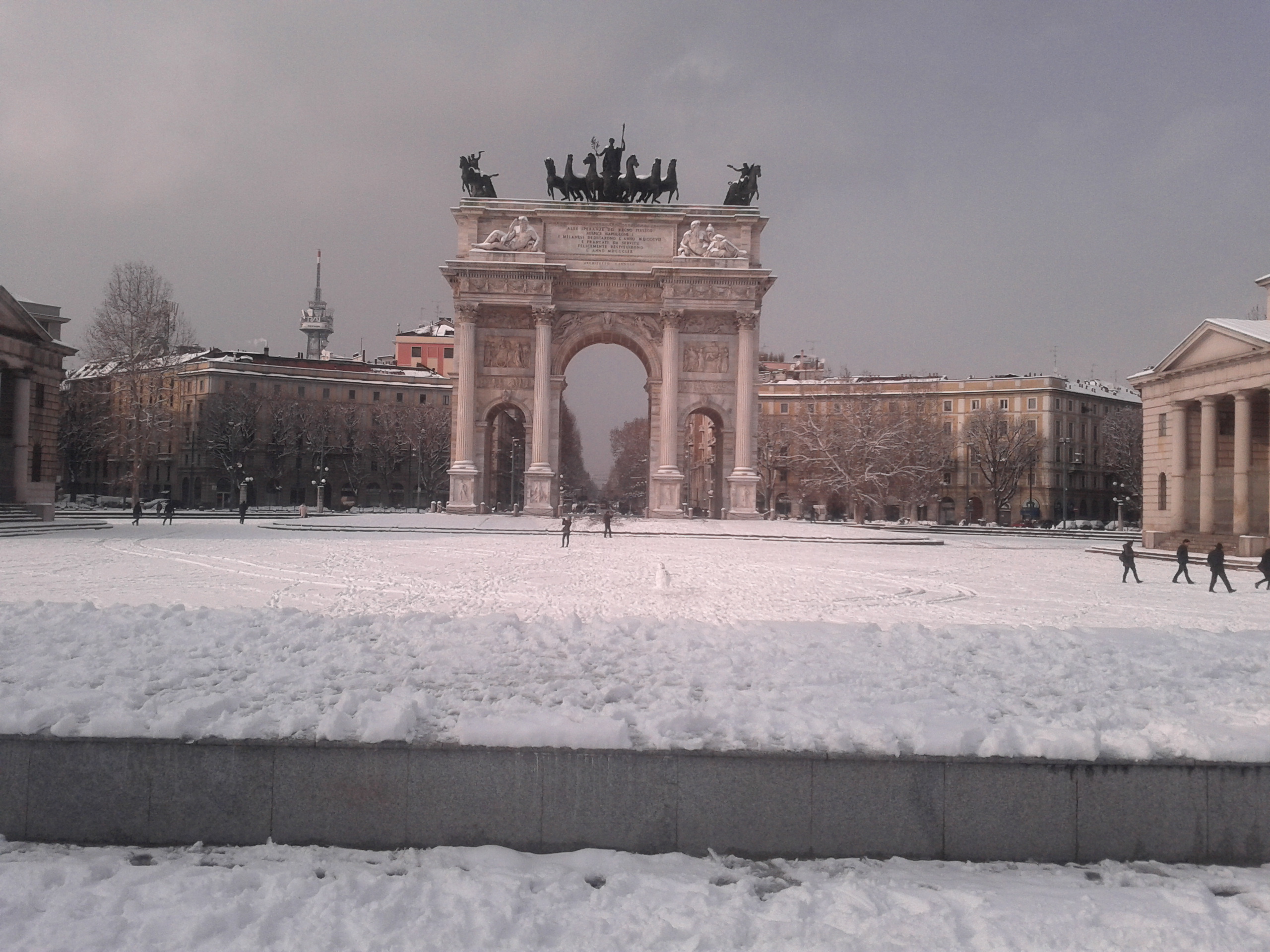
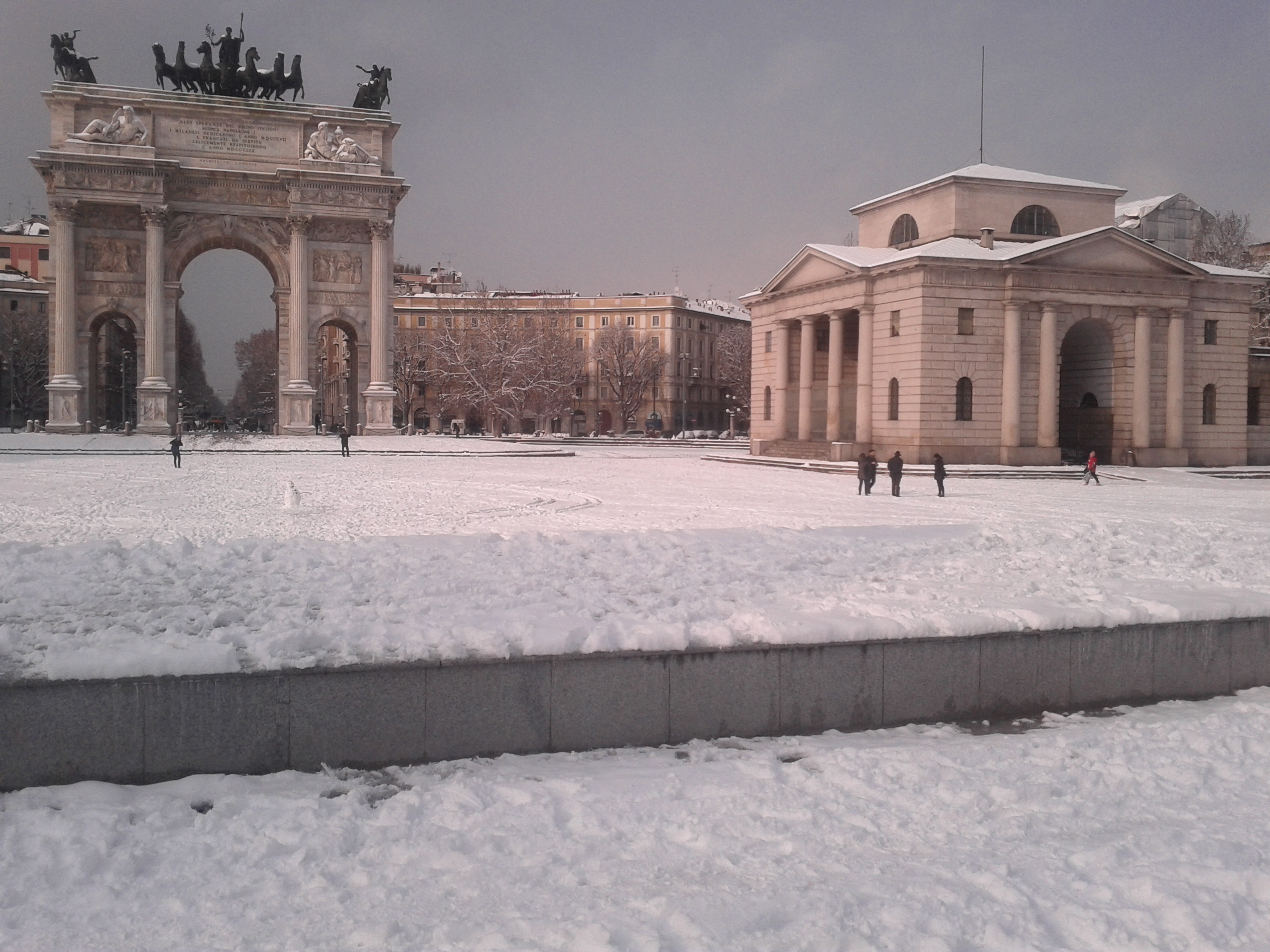
In Milan we were waiting for the stormy weather since a couple of days and, remembering the disasters of 2006, everybody was worried about what could happen. A a matter of fact, at the end snowfalls were not so heavy, shovellers of snow and salt spreader reacted promptly and what could have been the usual urban blockade was a freezing cold morning with lots of material to make snowmen.
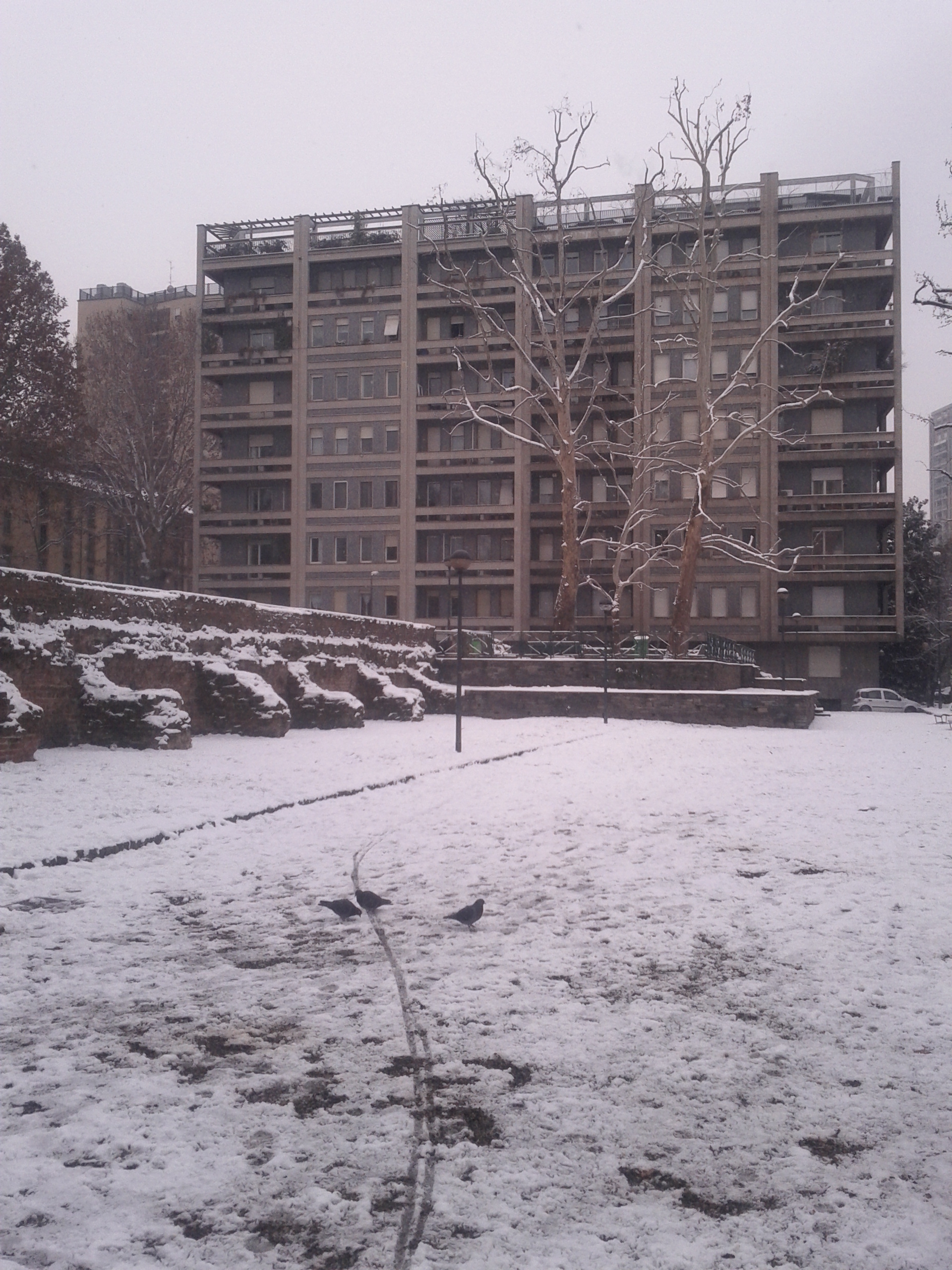
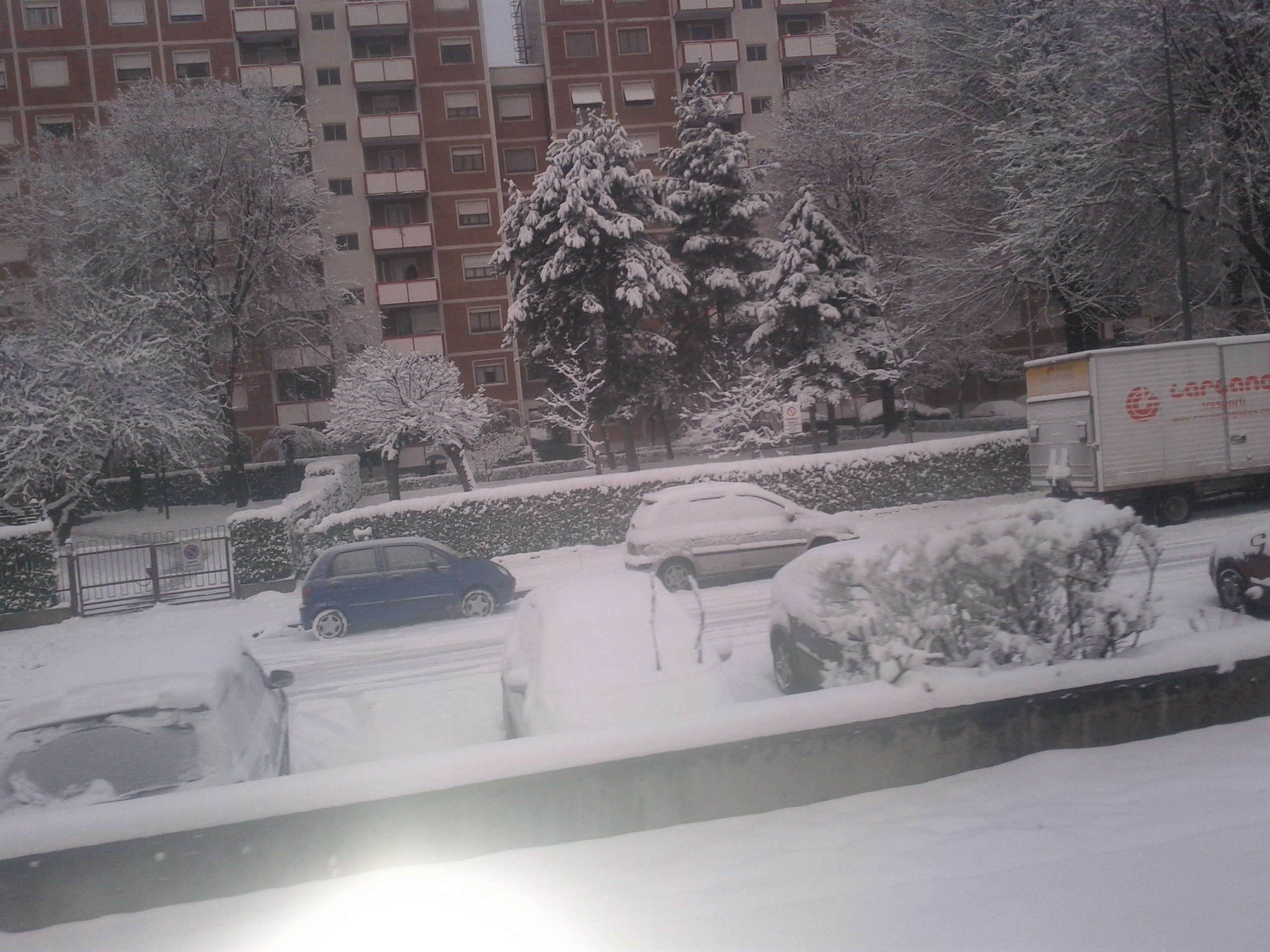
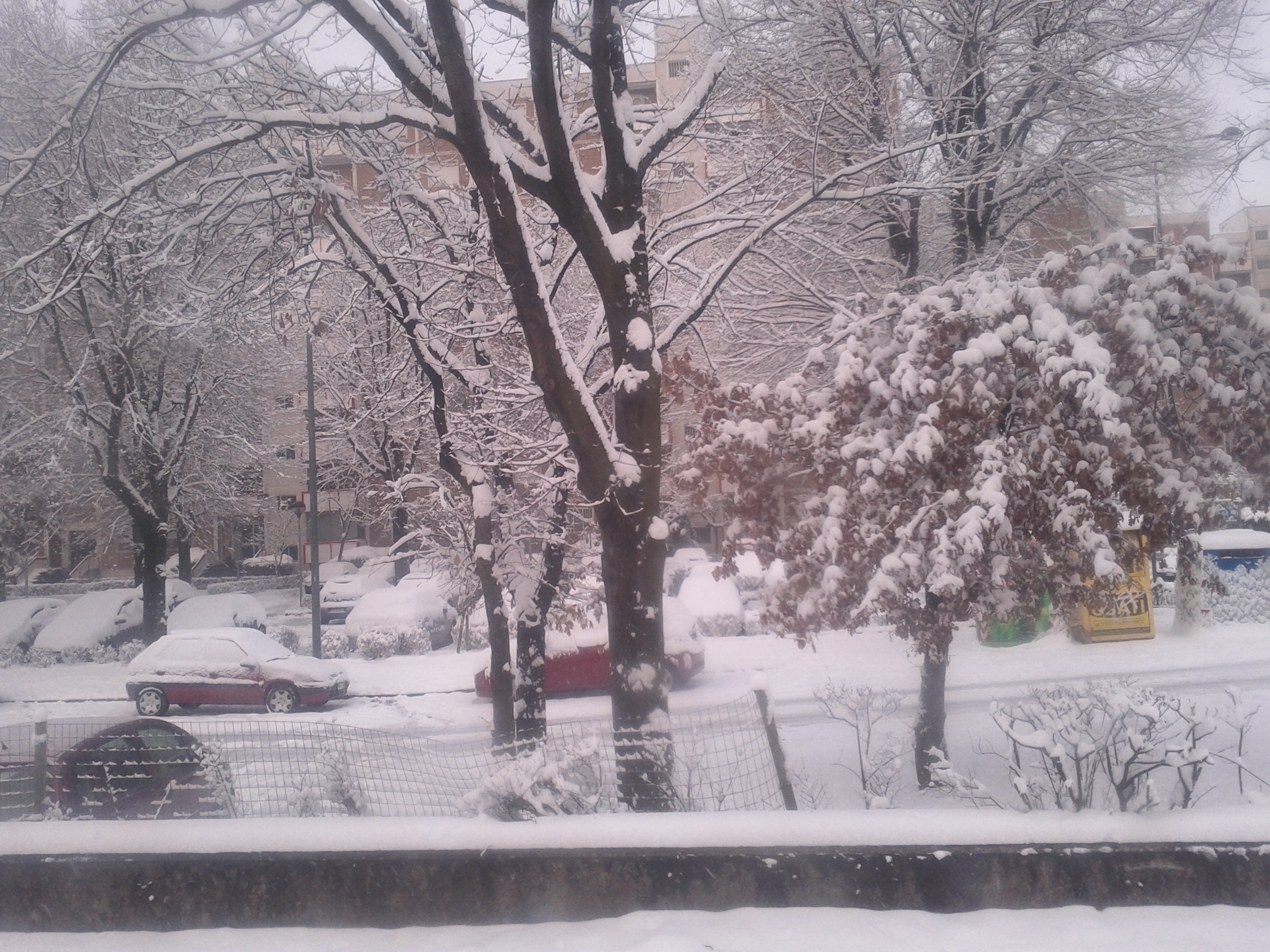
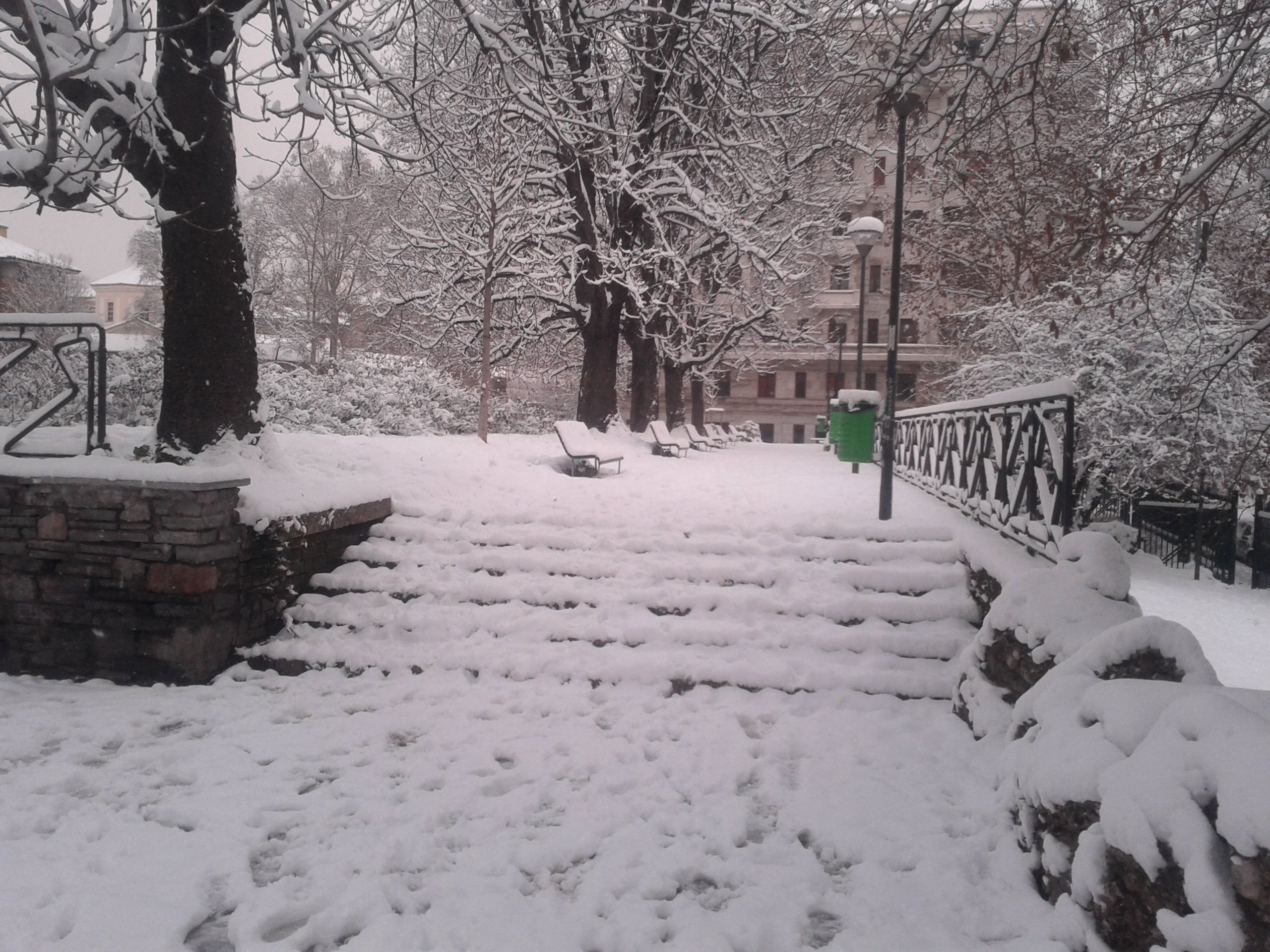
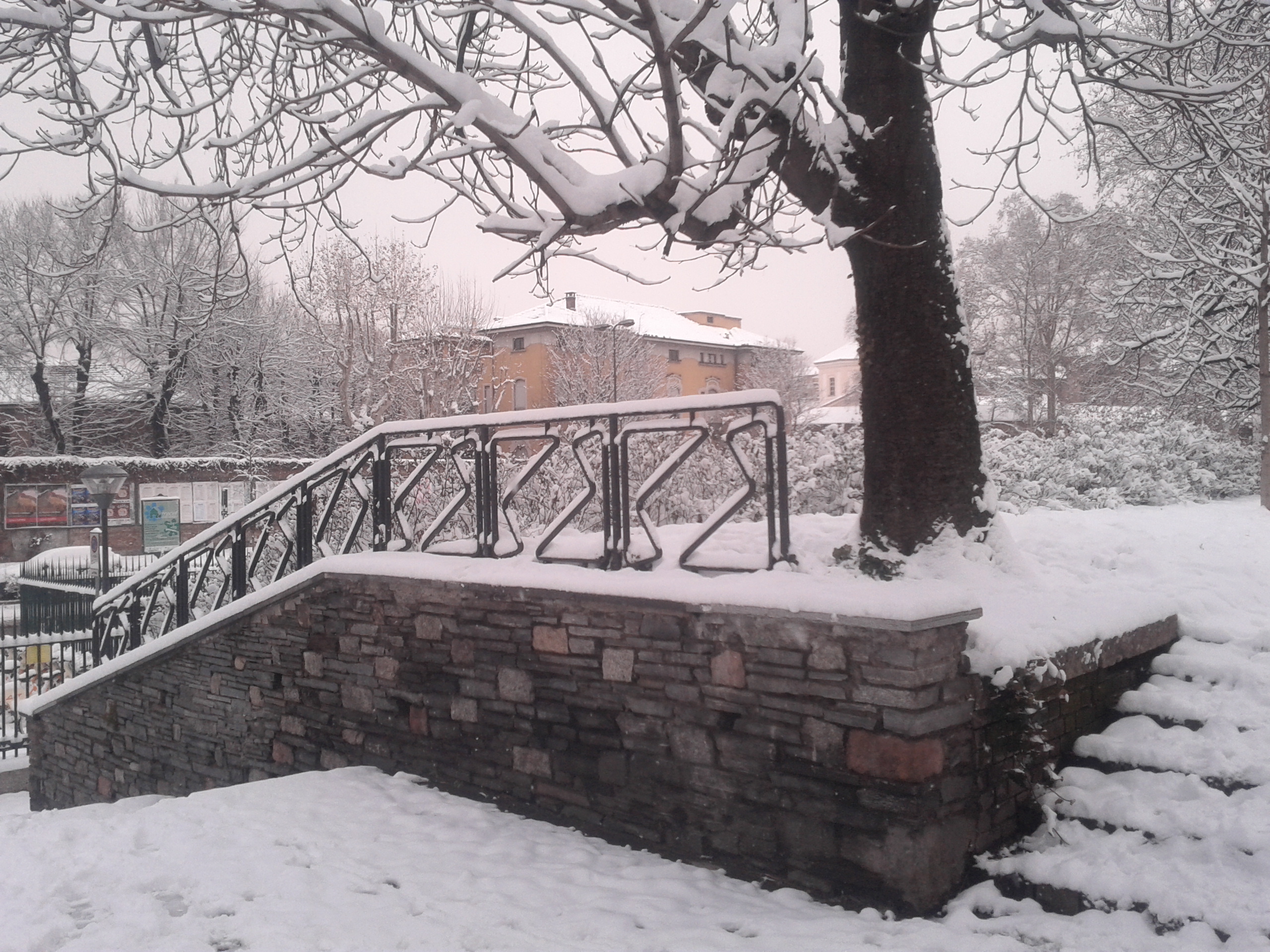
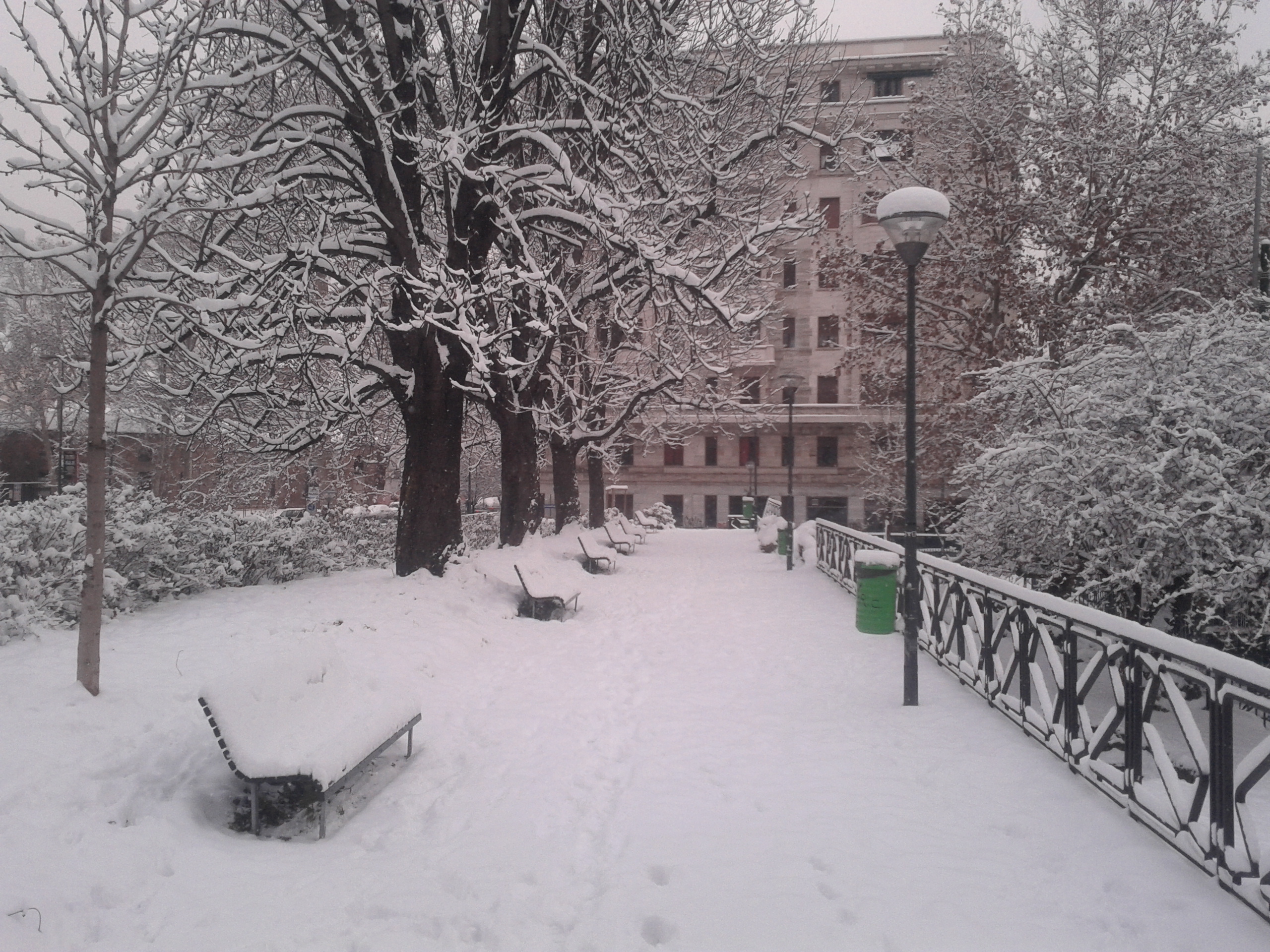
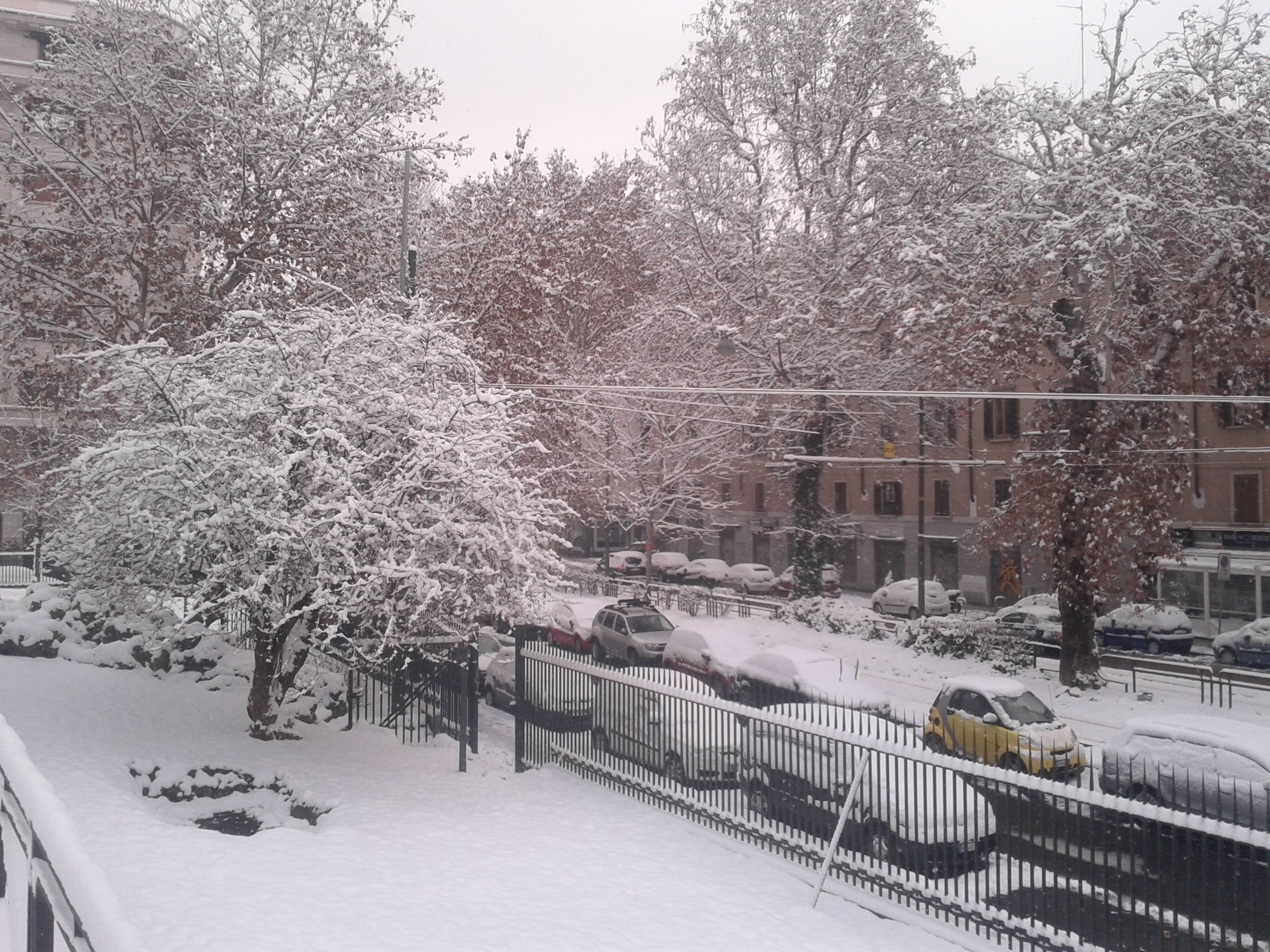
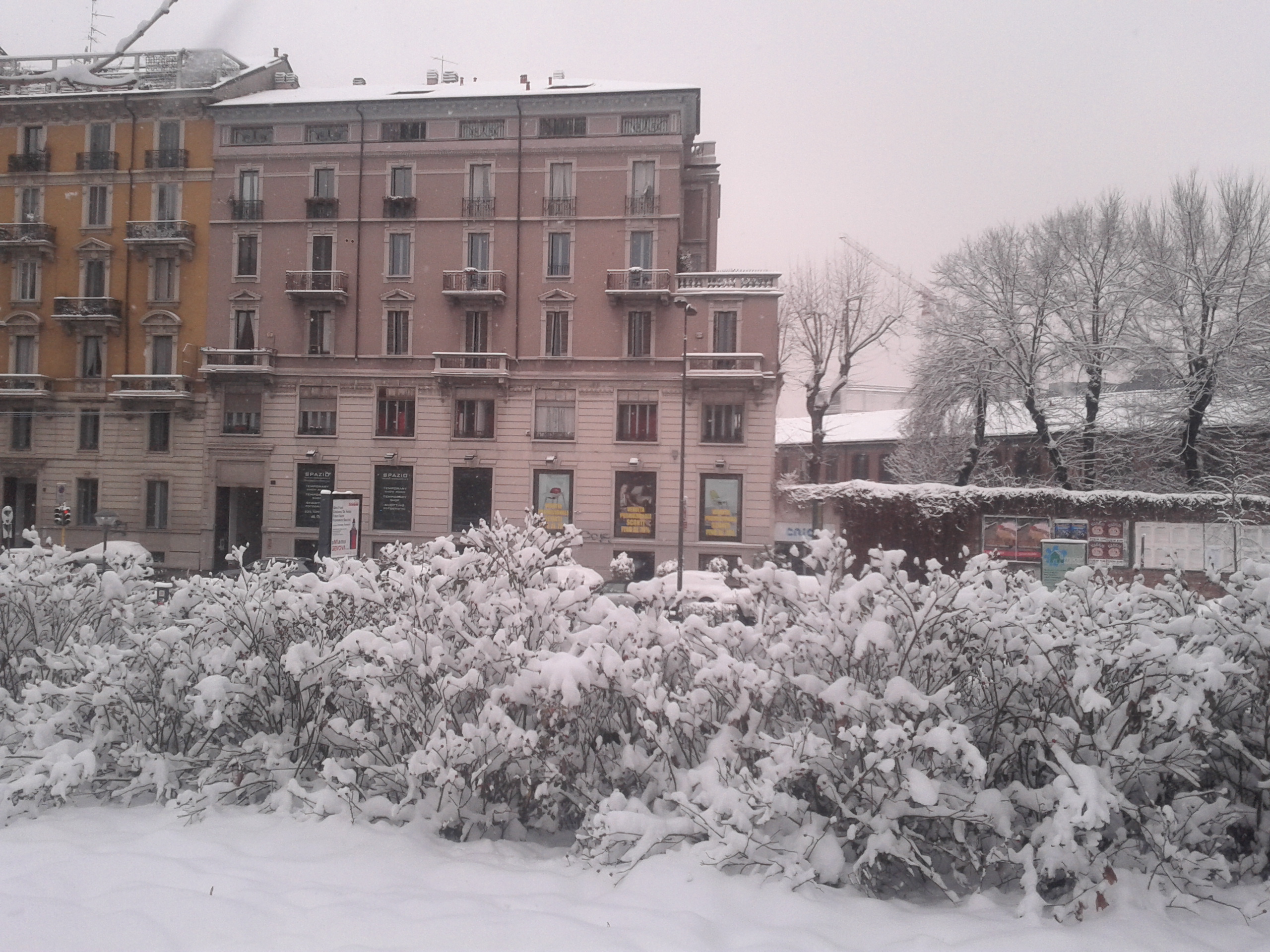
I couldn’t help taking some pictures and enjoyed the graphic effect that fresh snow makes onto architecture, trees, benches, hedges, handrails, tram wires, bicycles etc. Waiting for the next extraordinary weather event I wish everyone would experience these days like I did.






Related articles
- Bella Italia (welldesignedandbuilt.com)
 Well Designed and Built