Short Trip to Paris
Even if very short and constantly under rain and cloudy weather, a short trip to Paris is always a valuable urban experience. Here are a few pictures taken arriving to Paris, going from one place to another and back to the airport.
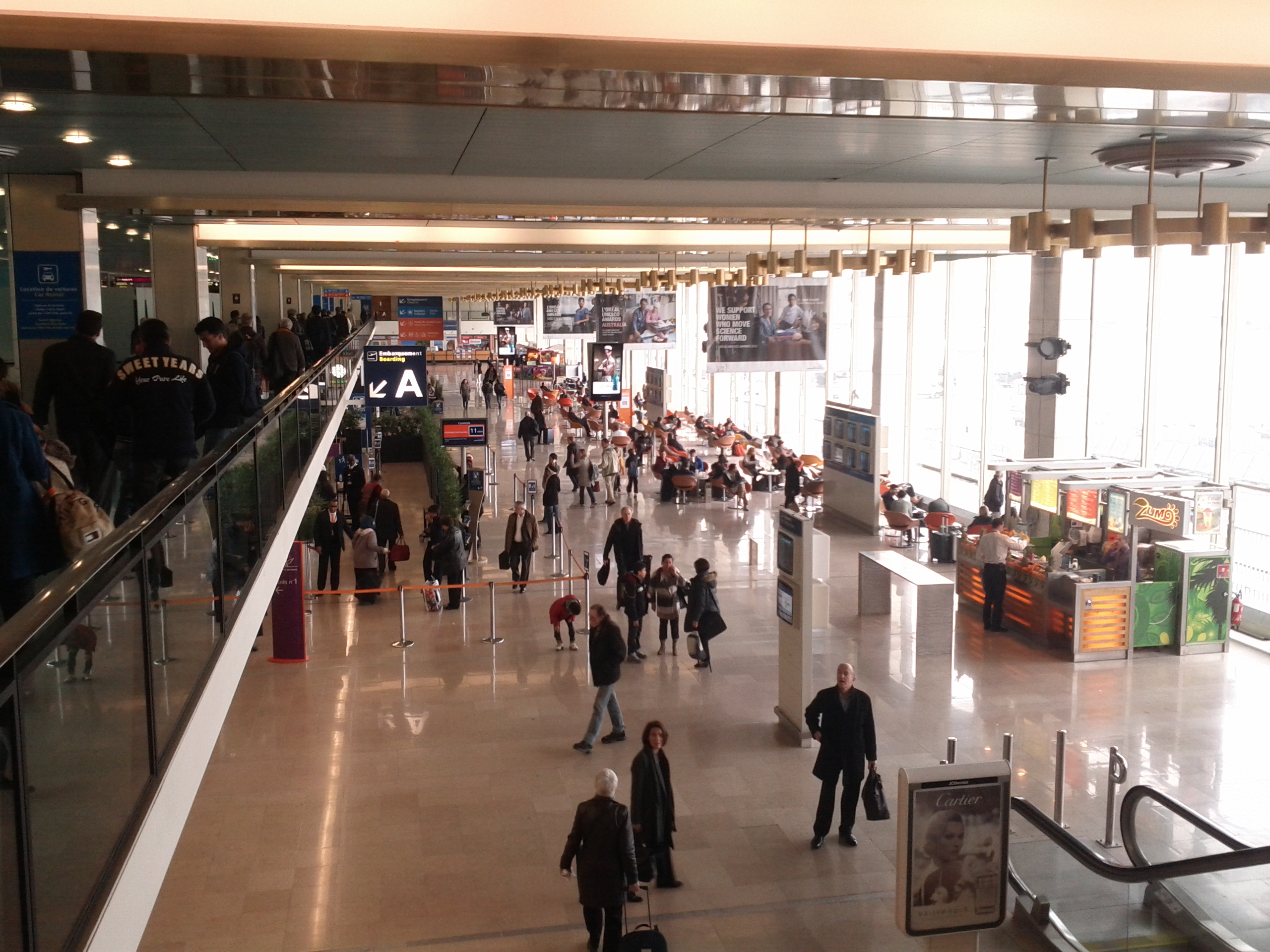
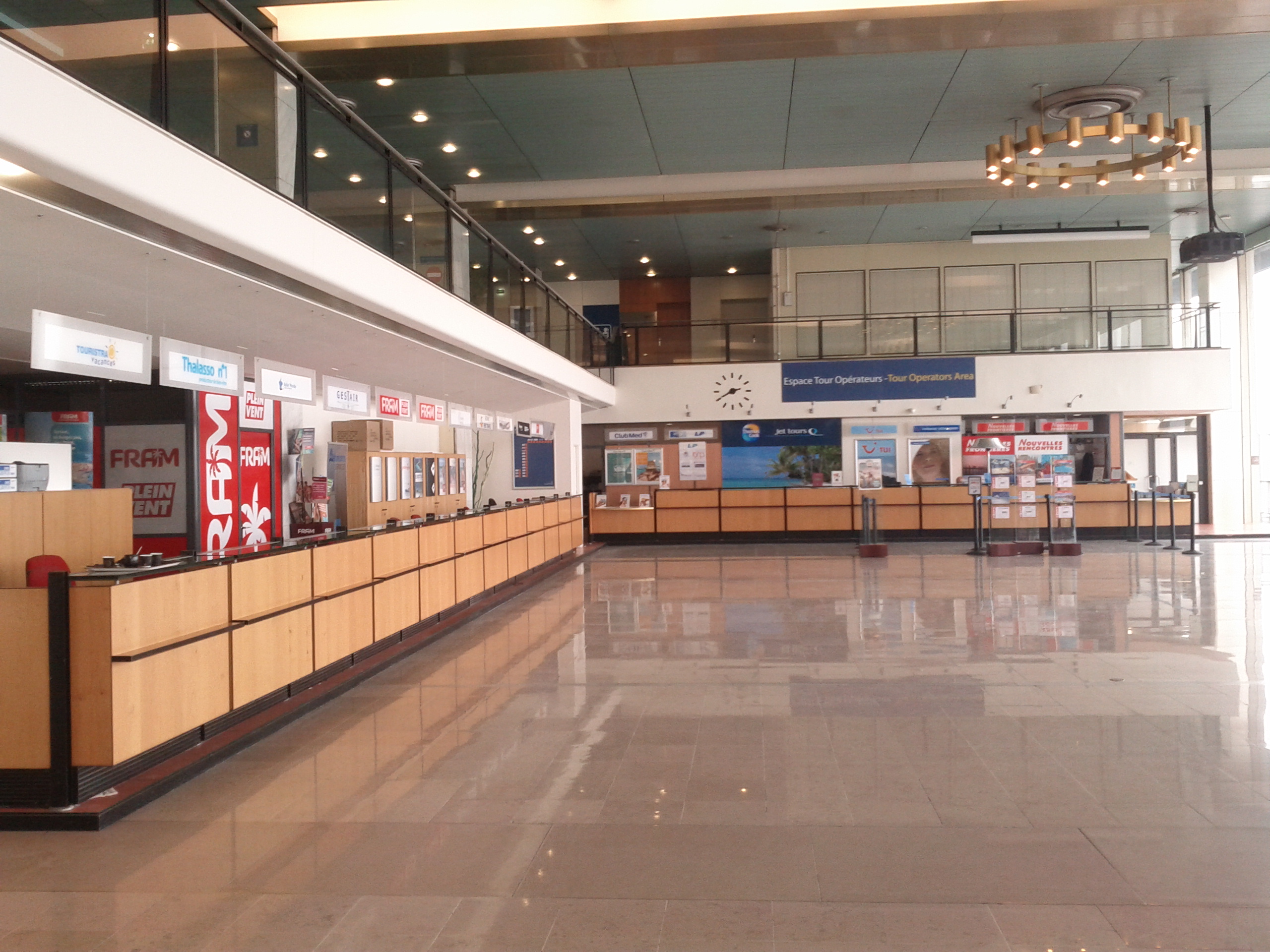
Always nice to arrive at Orly, a place that still has some flair of the modernist Airports of the Sixties and Seventies, where you could expect to meet Jacques Tati or Brigitte Bardot.
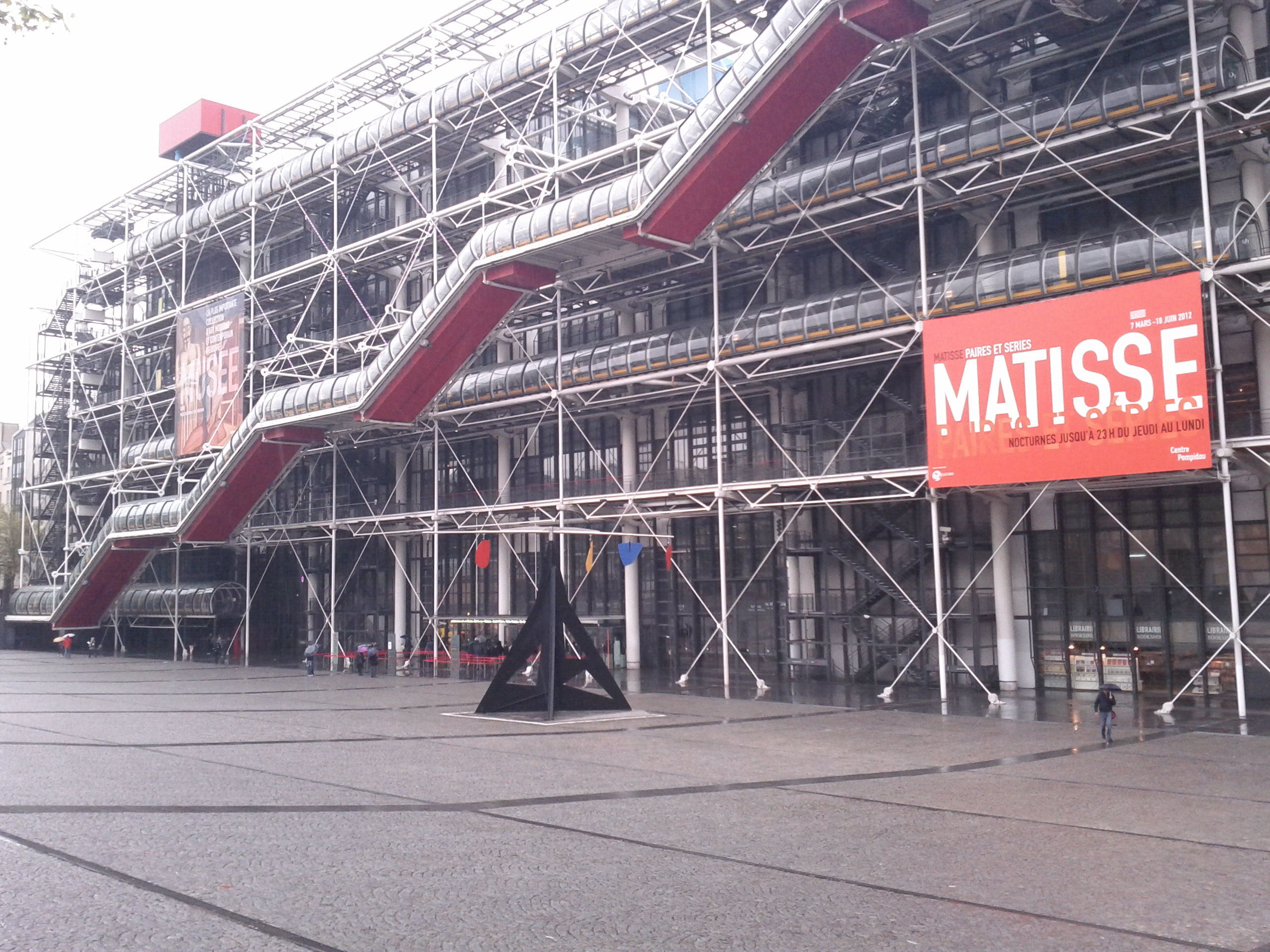
Leaving the RER at Chatelet Les Halles under the rain, it seems to be the perfect weather to have a coffee on the roof terrace of the Centre Pompidou (and check if it still exists). I haven’t been there for decades and unfortunately I’ll have to wait a little bit longer, since Tuesday Centre Pompidou is off.


The (terrific) labyrintic Forum des Halles shopping complex is undergoing radical renovation works, trying to become more open and human than it was before.
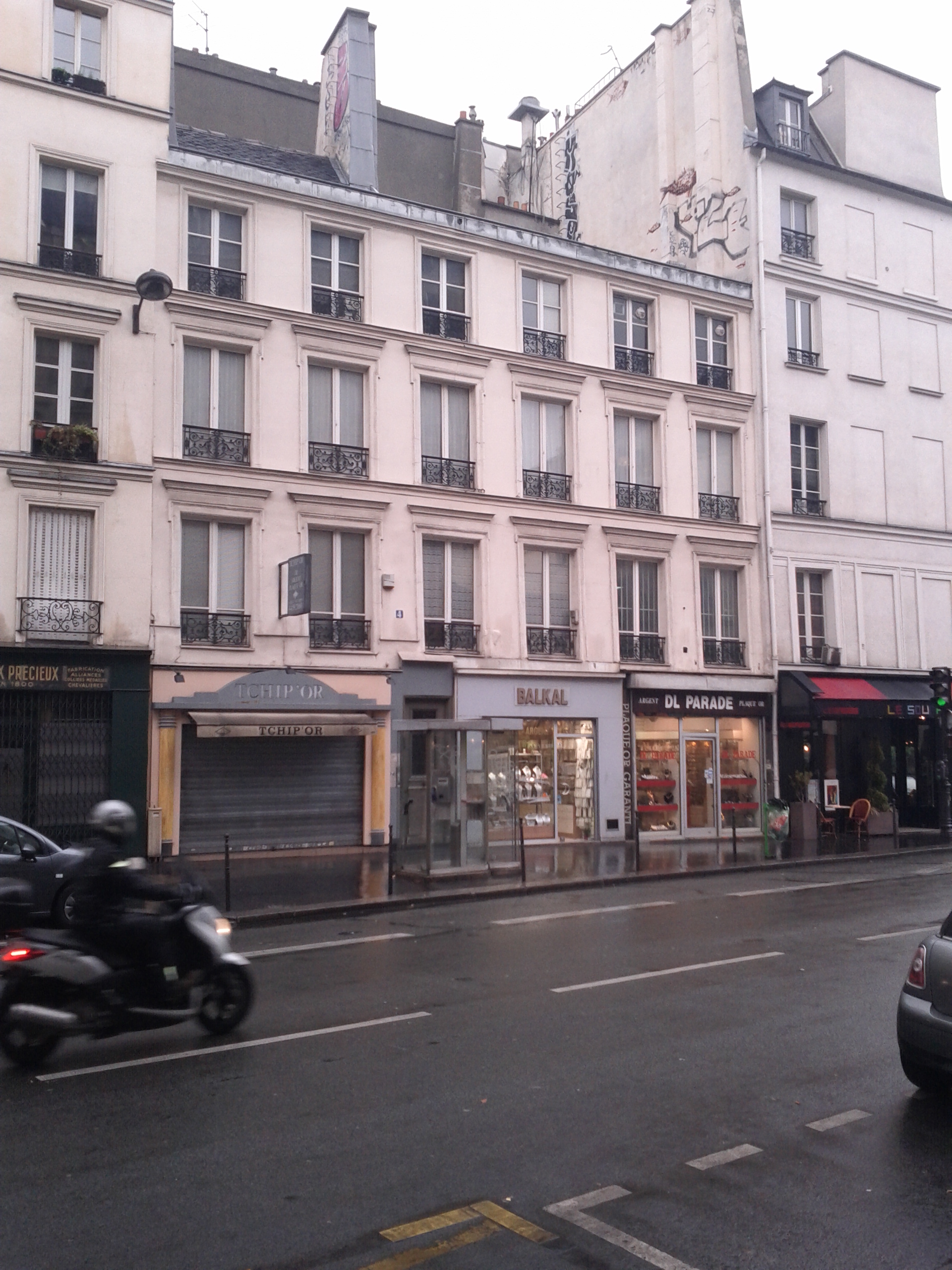
From the very touristic area of Beauburg and Quartier Latin I walk towards the III Arrondissement where many creatives have settled in the last years in Les Marais.
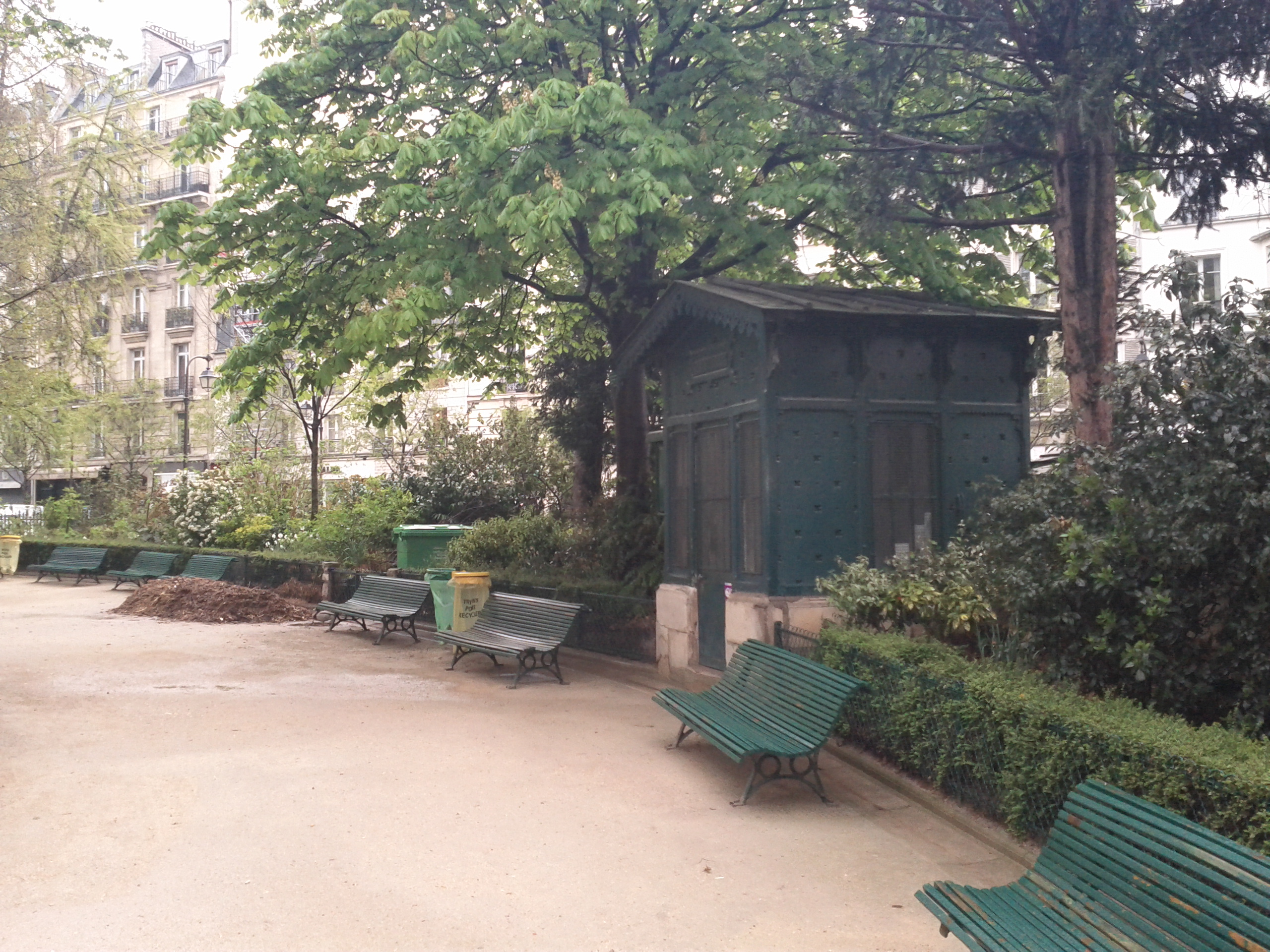
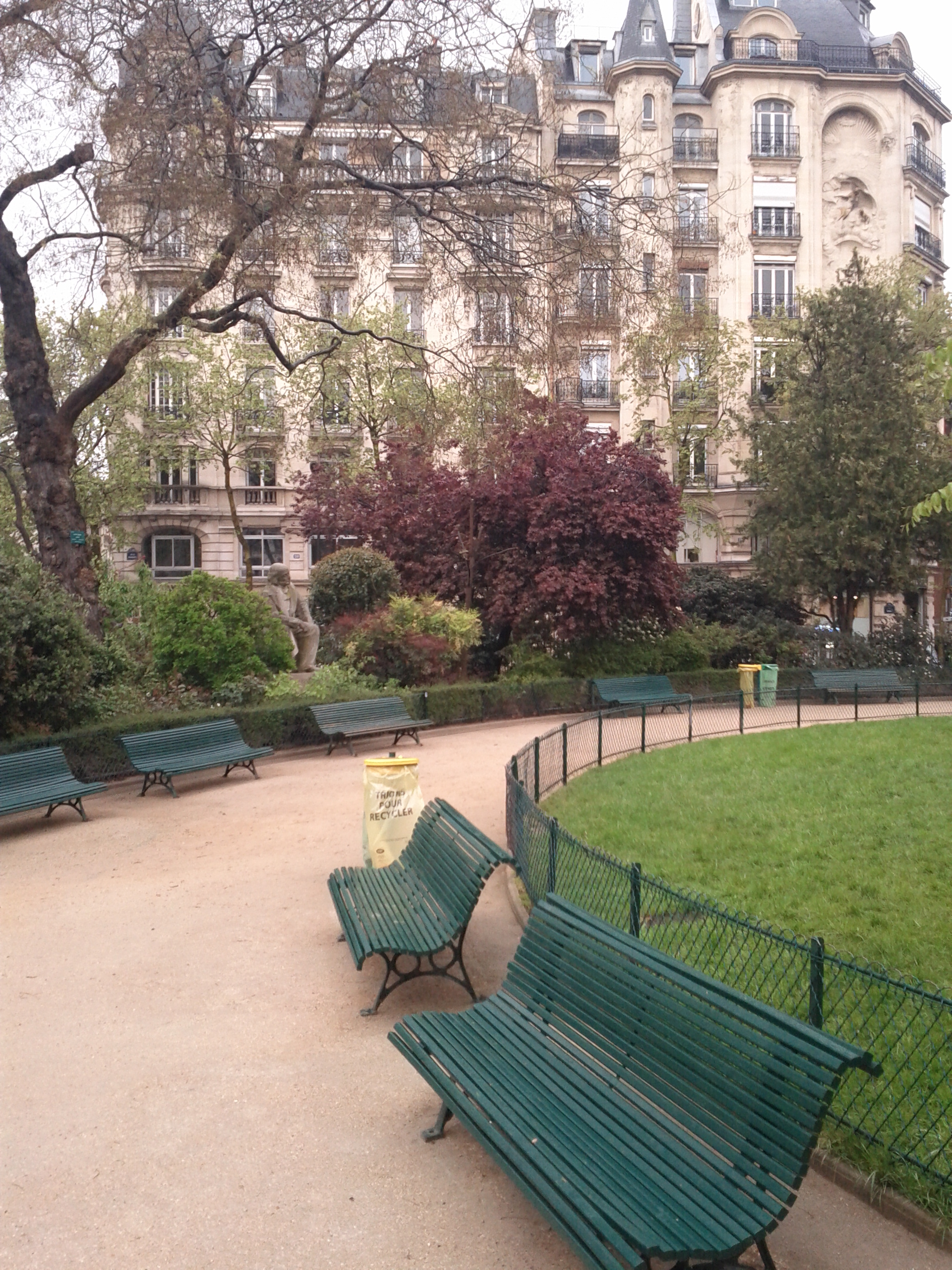
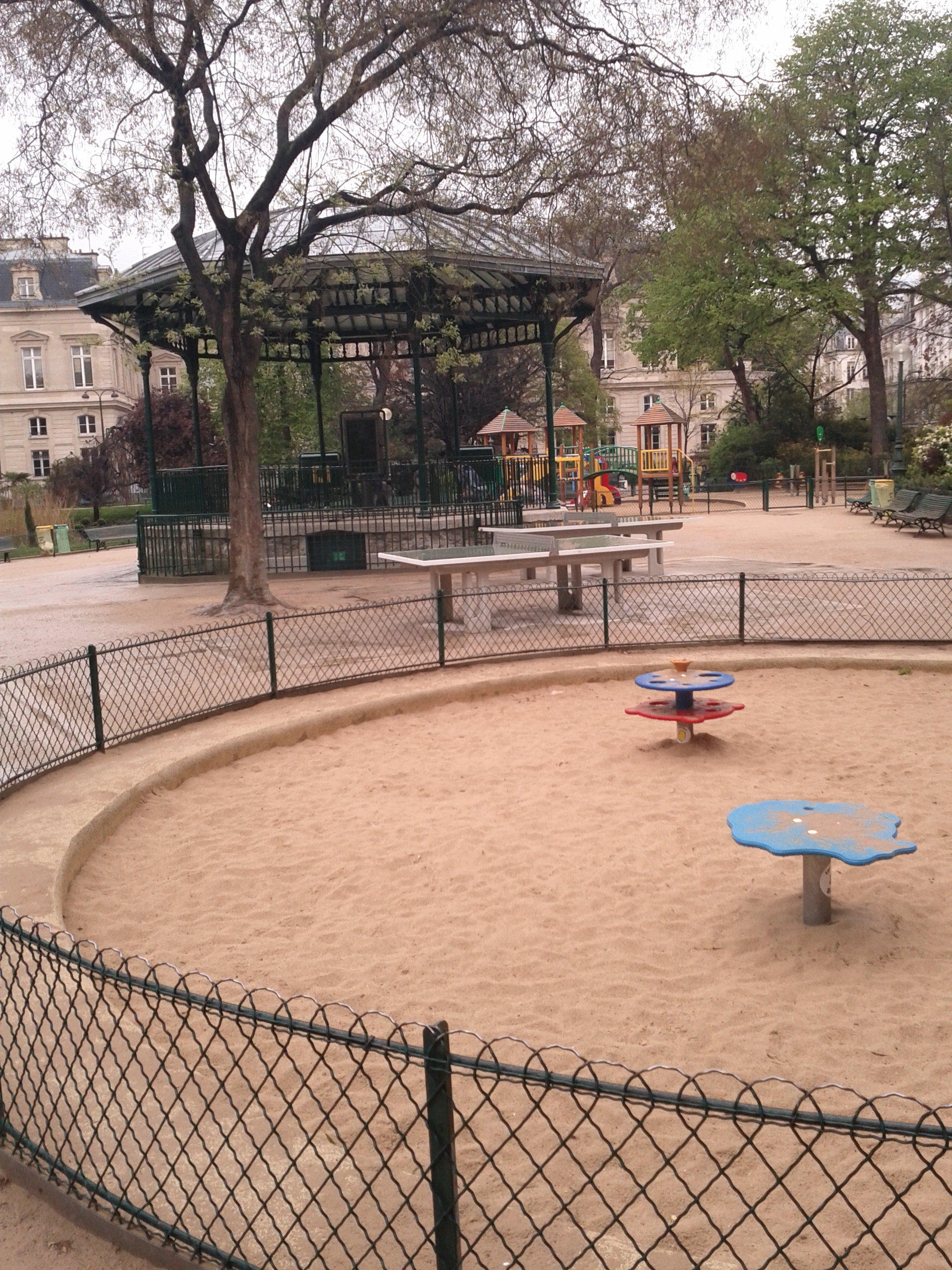
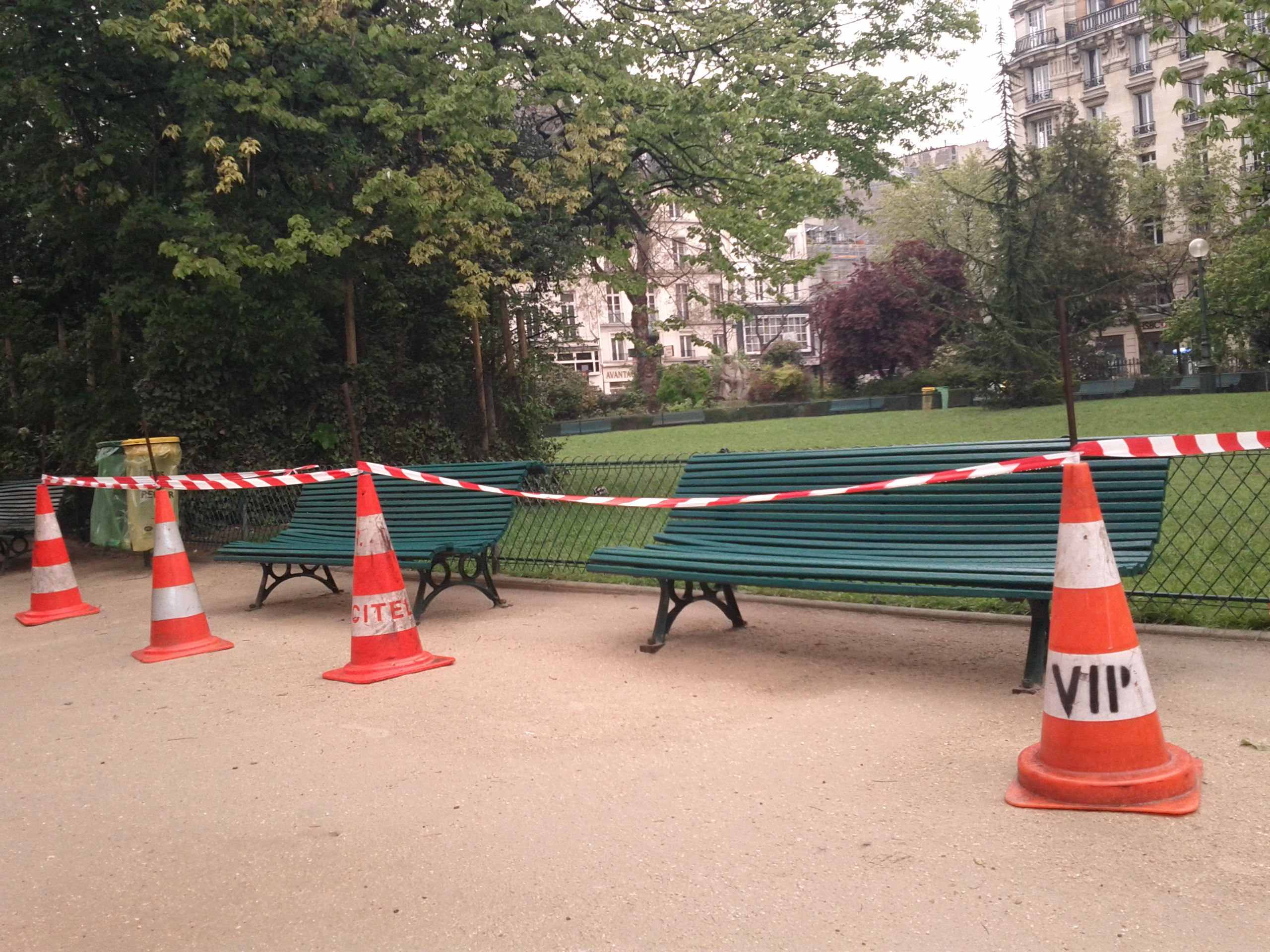
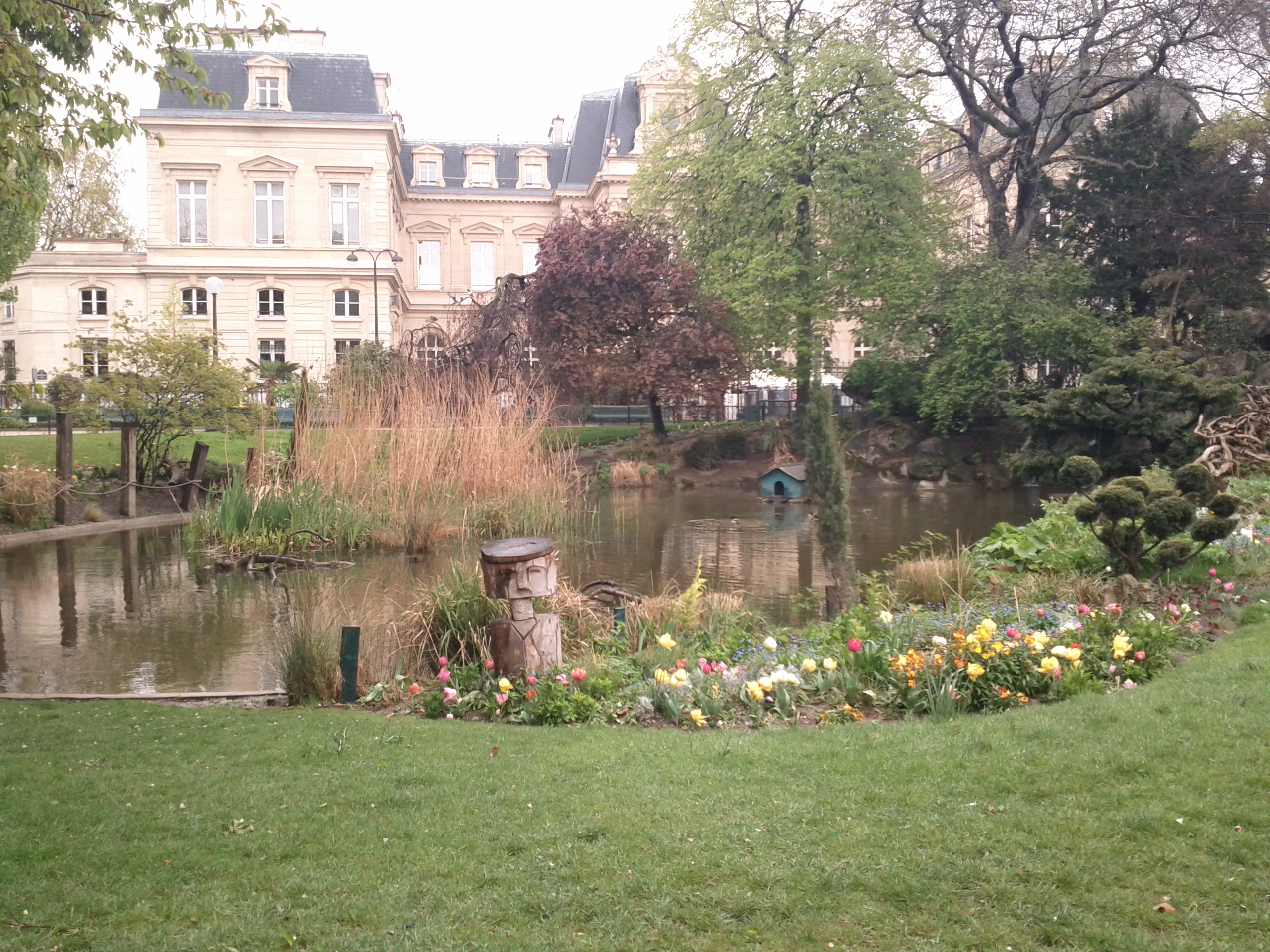
The center of the III Arrondissement is occupied by a ringfenced garden, one of the many that features the image of Paris in everyone’s imagination, with numerous green benches, beautiful plants and flowers, a small biotope around a bonsai-lake, playgrounds, a gazebo for concerts and other leisure facilities.

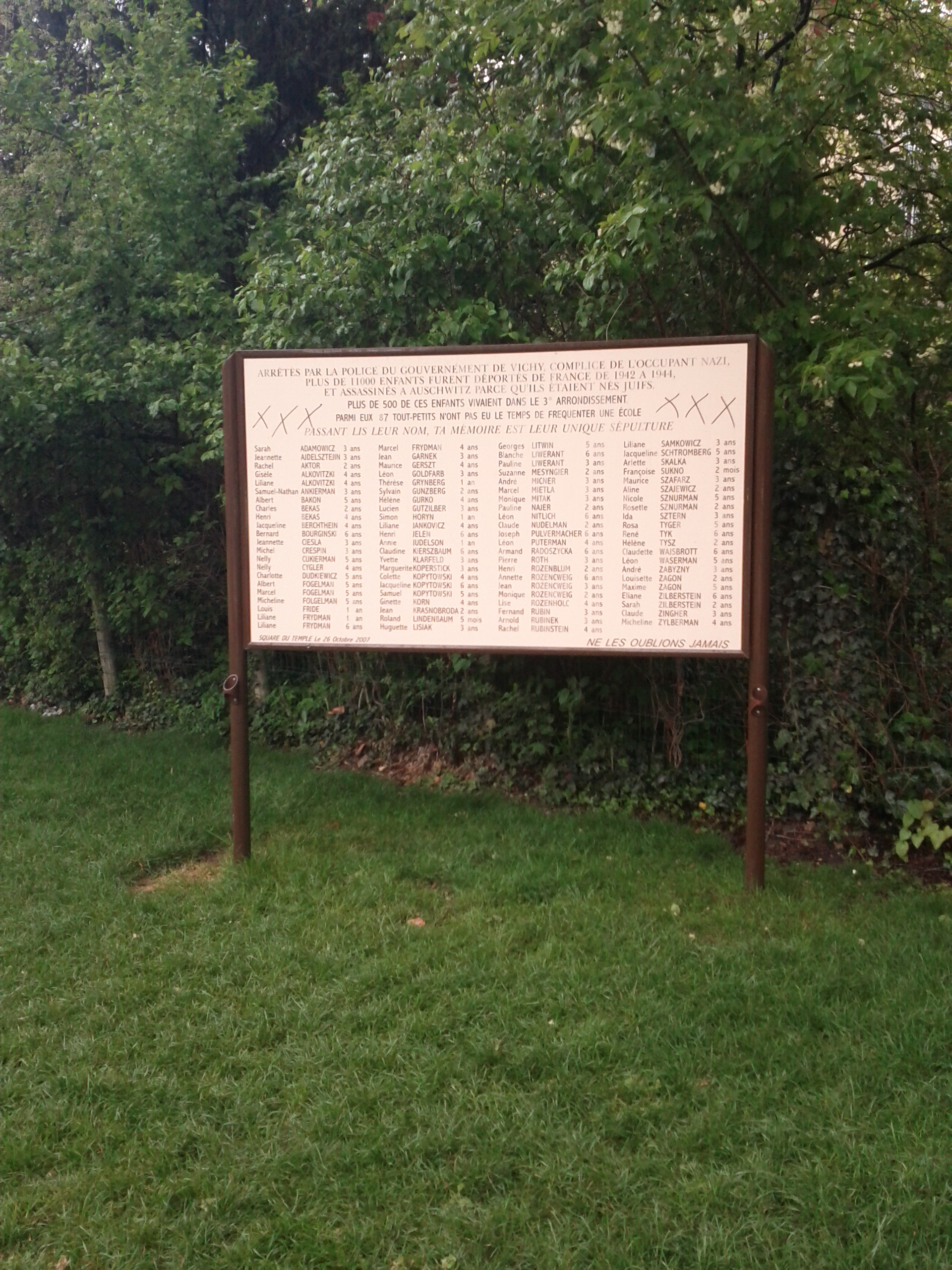
It is also a place for collective memory. This is the list of jews that was arrested during WWII under the Vichy regime.
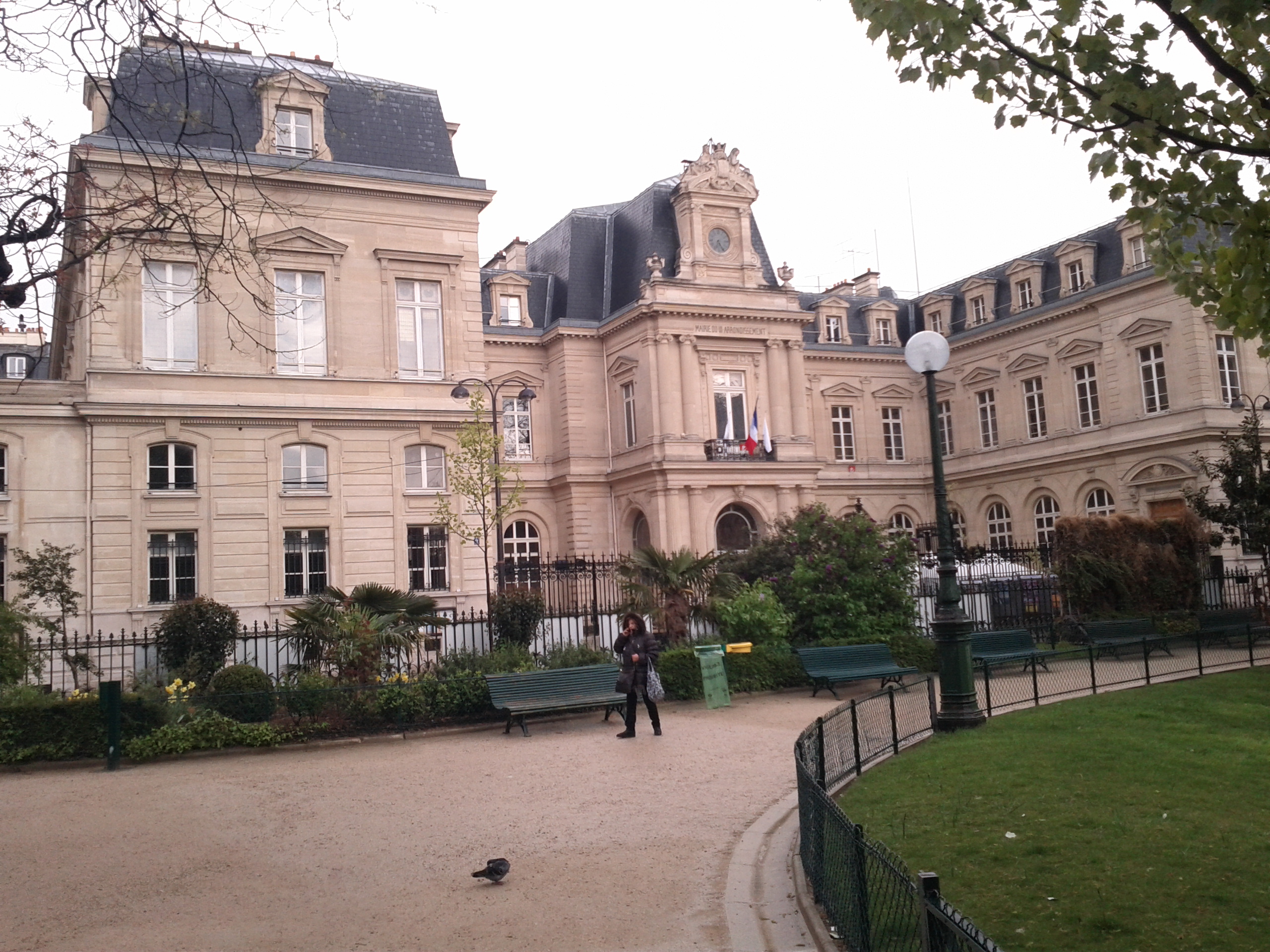
Monumentally friendly the administrative building of this neighbourhood has open doors and rather relaxed appearance, waiting for the elections.

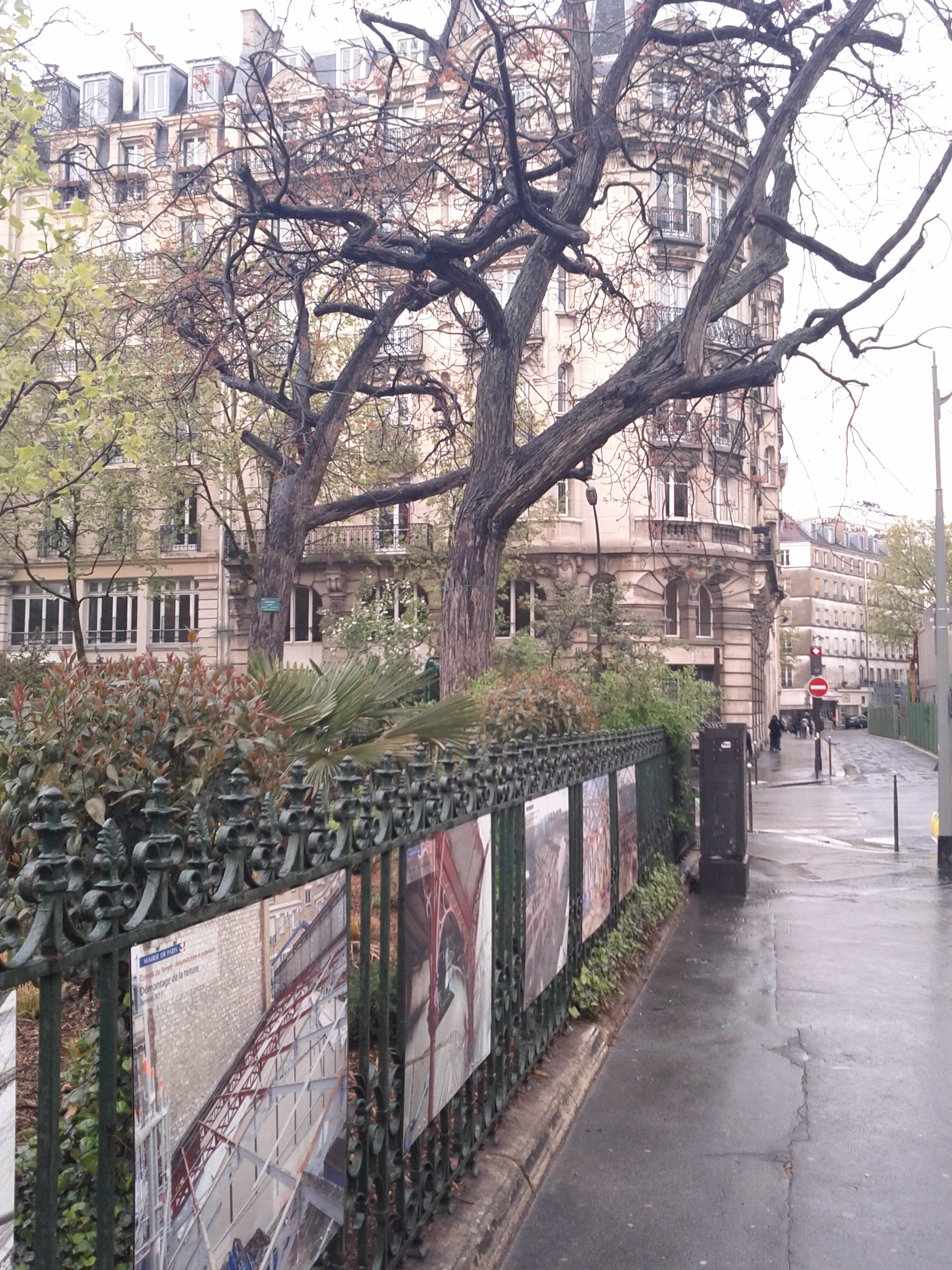

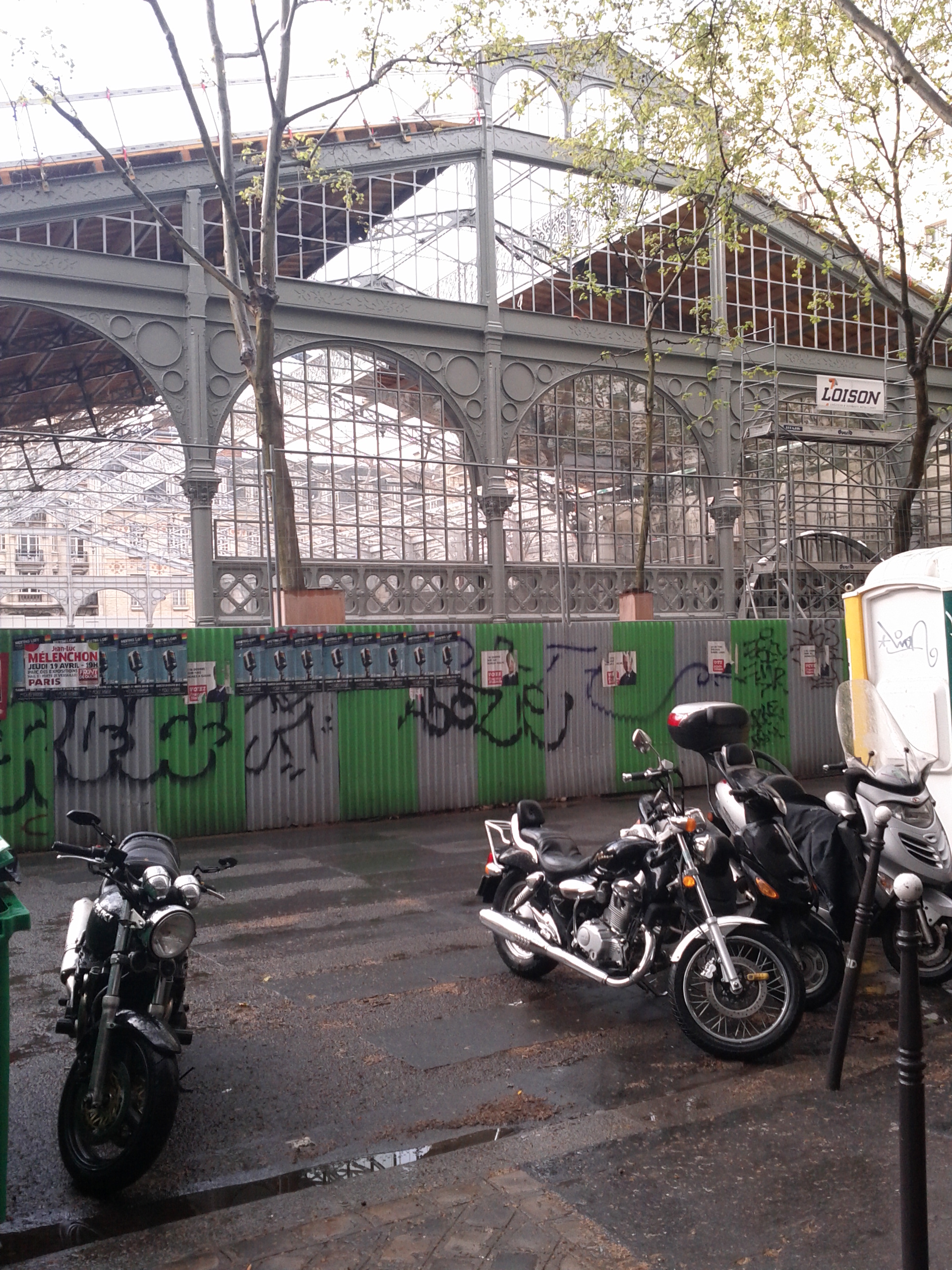
Nearby the steel structure of a covered market is in renovation.

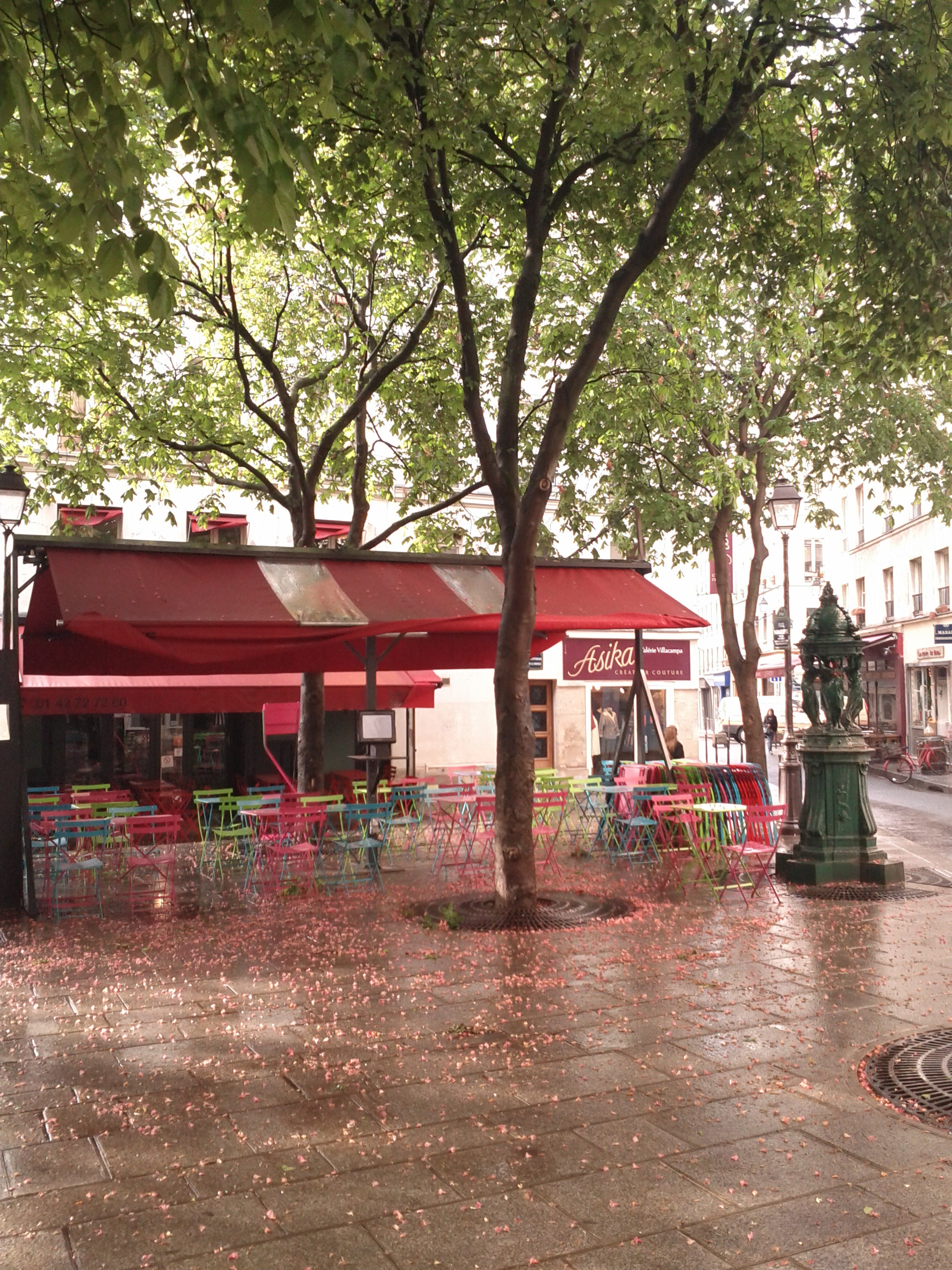
A very small triangular square at the confluence of two streets is the place for trees, an ornamental iron spring and the covered café terrace with coloured chairs. In Paris you can have coffee outside even if it’s raining. Culture is more important than comfort.
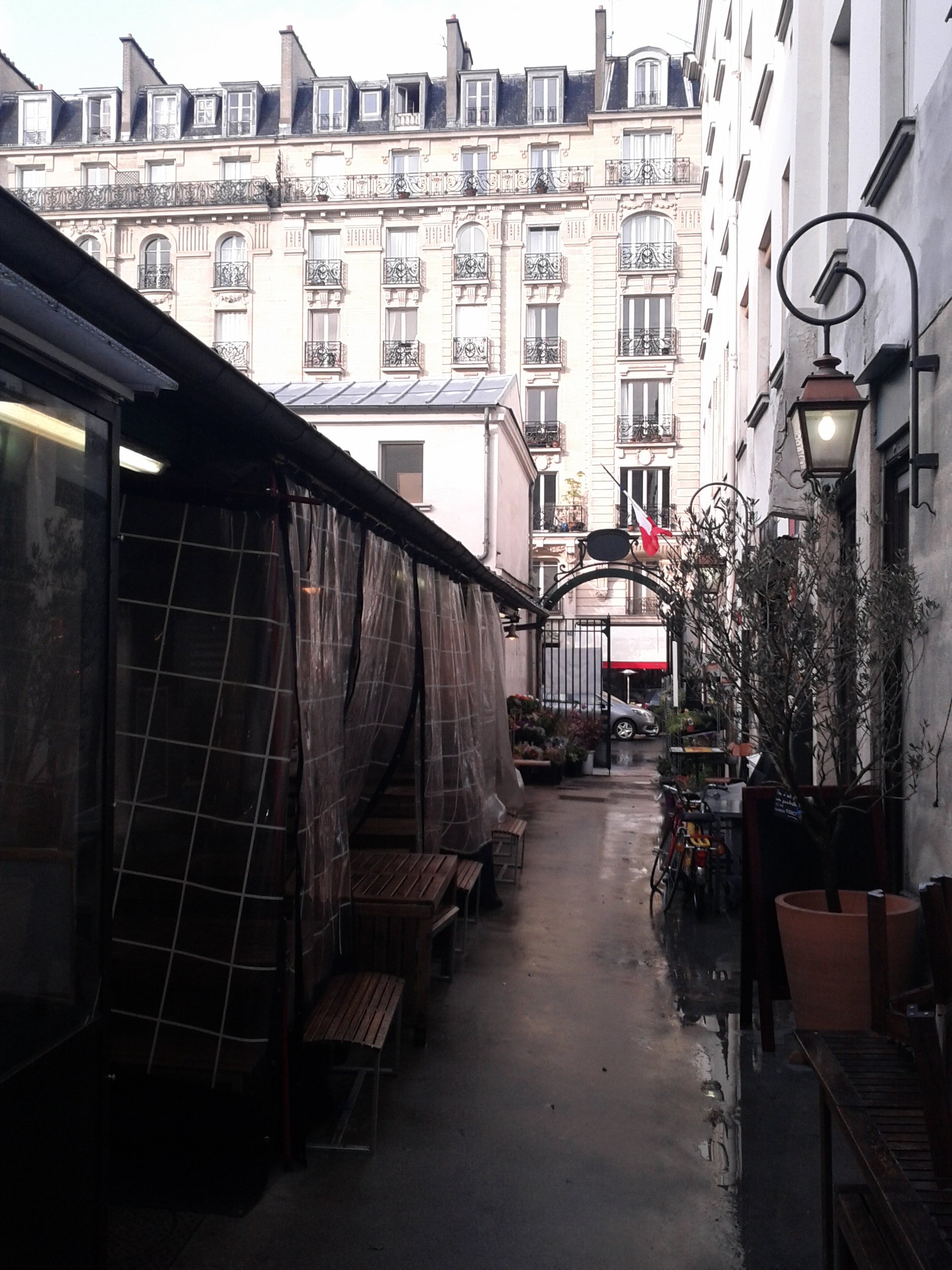
An empty space between buildings, a rare vacant lot along the densely built street front, is occupied by a multicultural and multiethnic market, Le Marché des Enfants Rouge, unfortunately almost closed by the time I arrive.

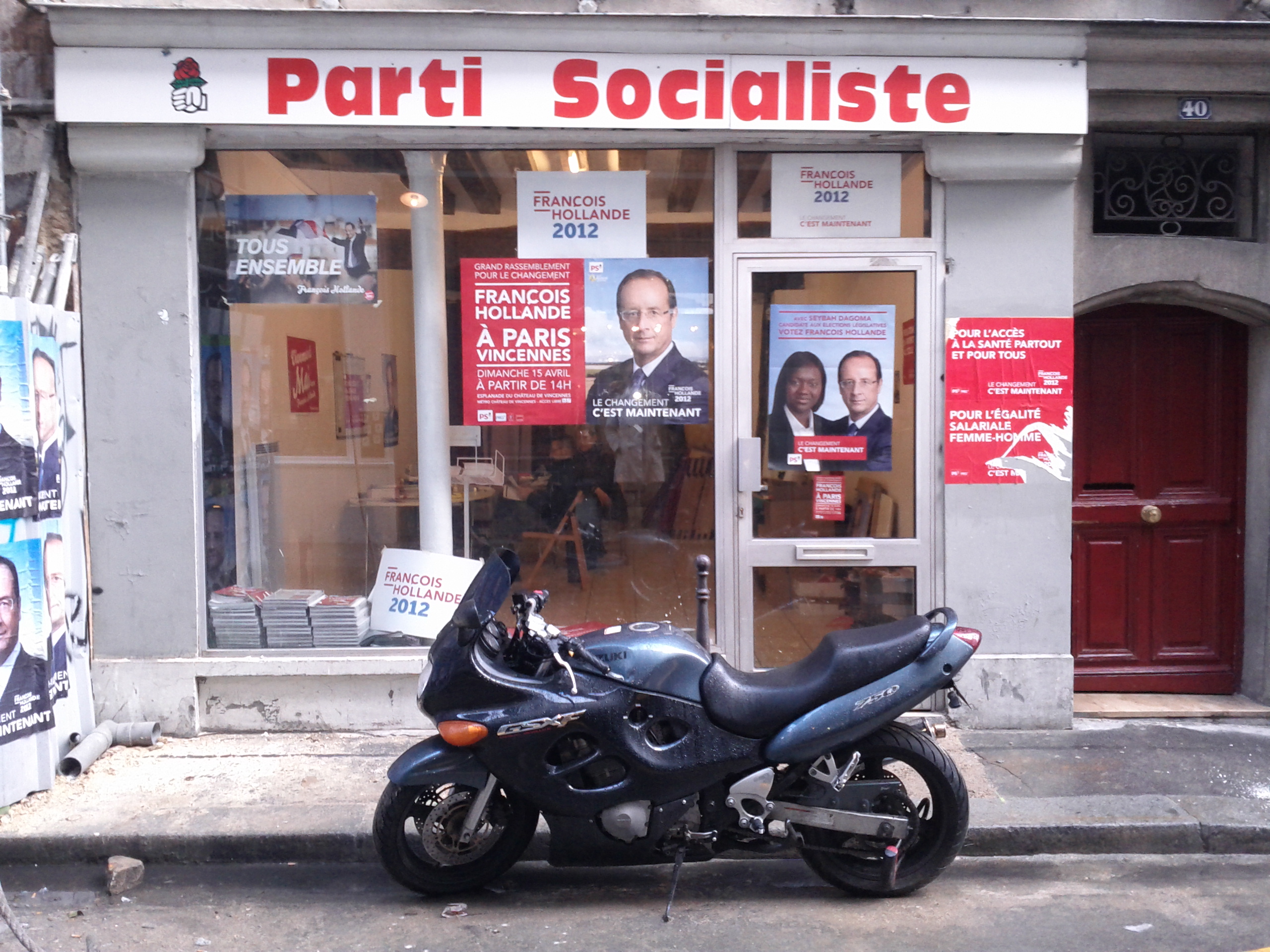
Just on the corner some political activist from the Socialist party. This weekend 44 millions French voters will have to choose a candidate in the first round of the presidential elections. Polls say that the socialist average man will beat the husband of Carla Bruni.
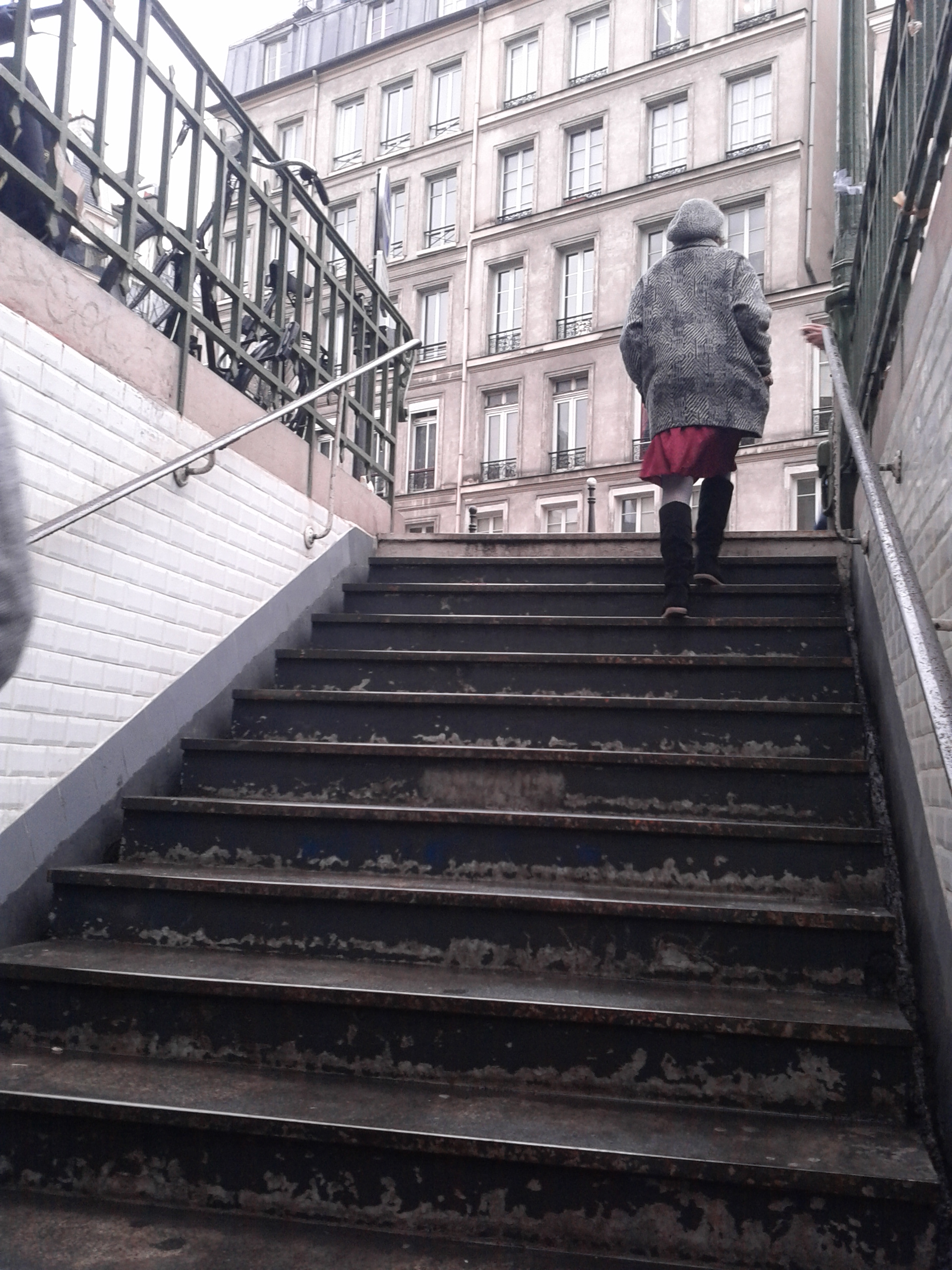
For those who come from the province like me, the subway is the landmark of big cities and the Metropolitain in Paris is the most charming in the world.

Contemporary architecture has a difficult task to cope with historic buildings, even when it is an average pompous neoclassic railway station.
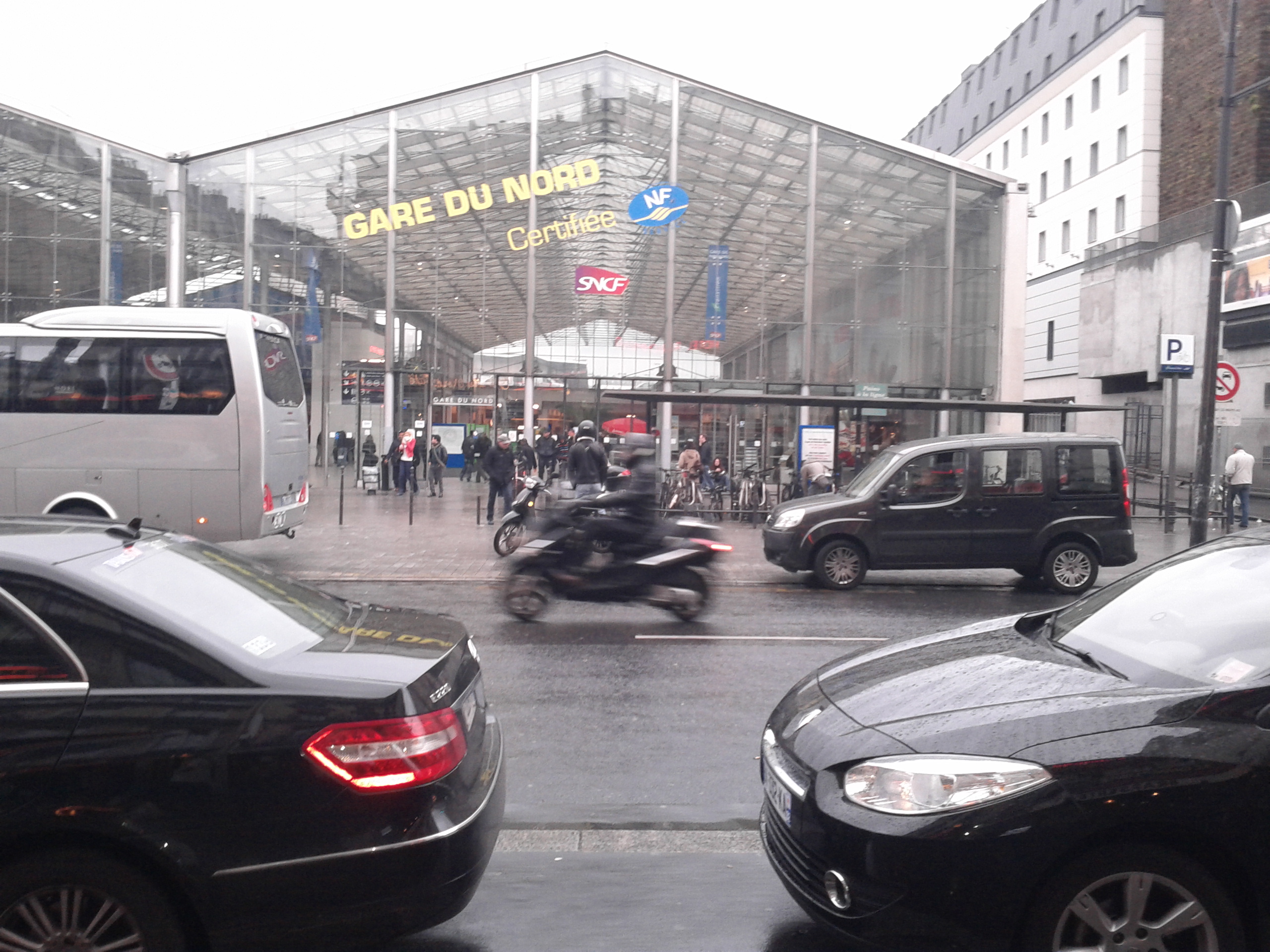
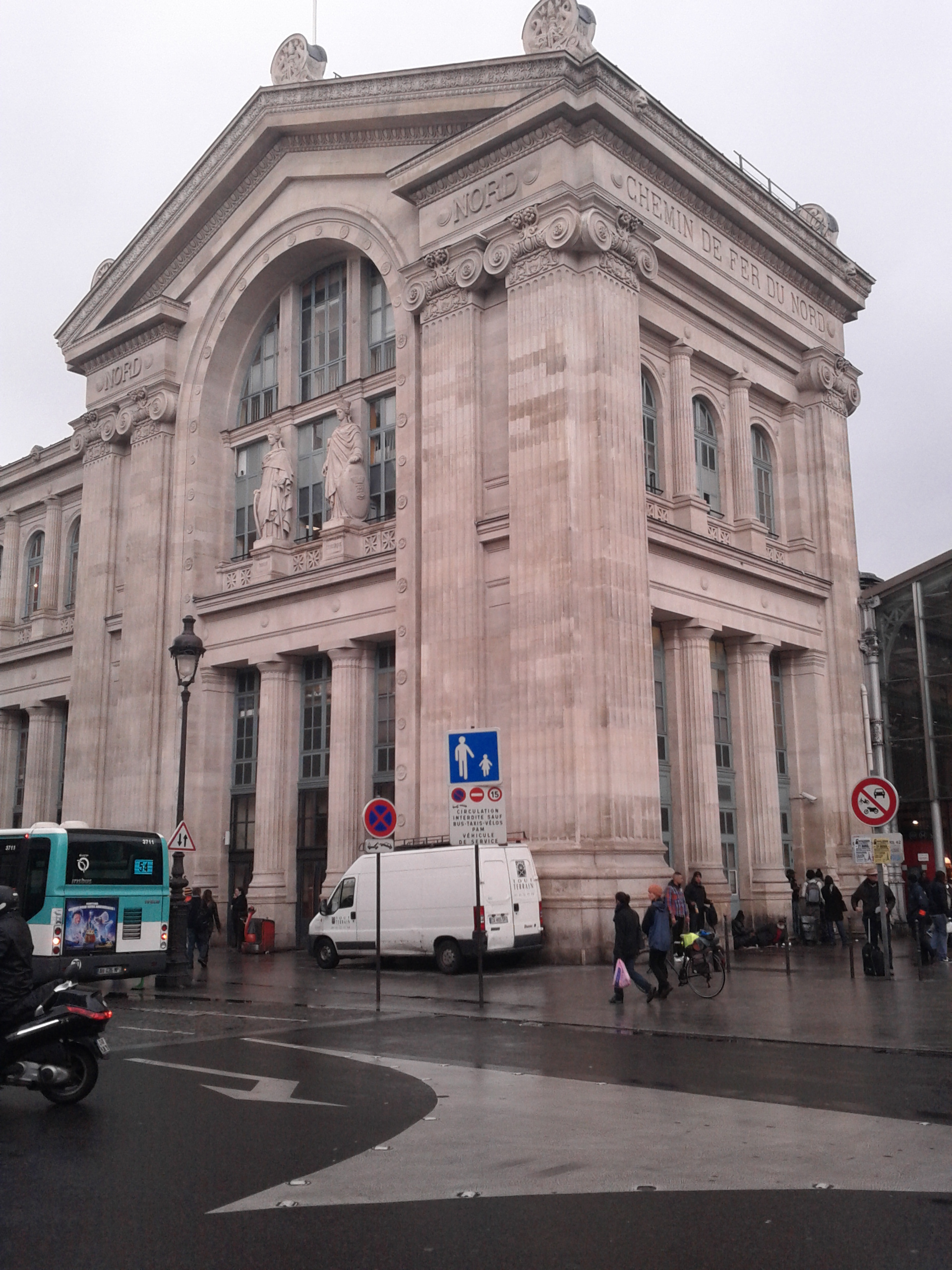
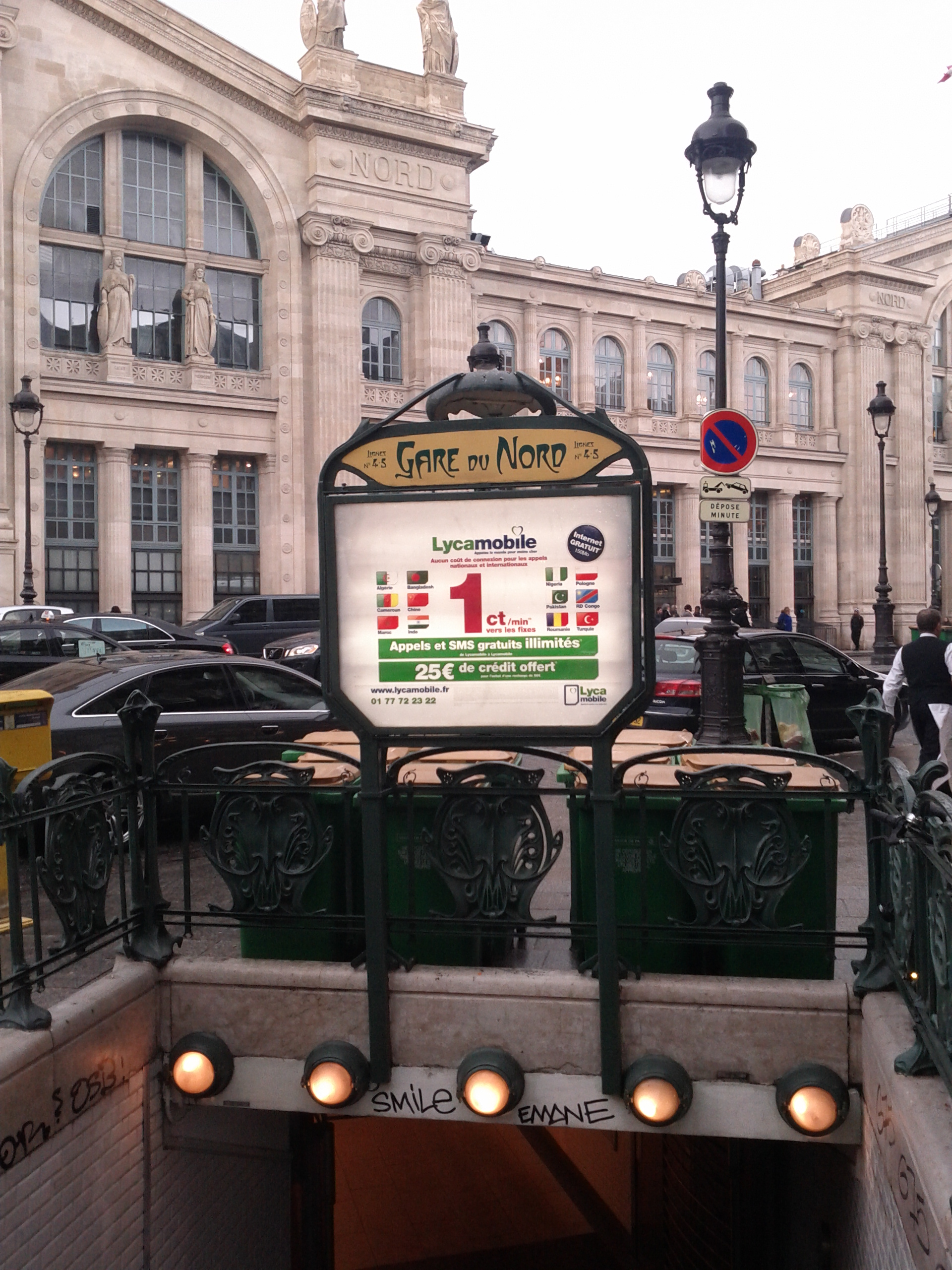
Art Nouveau made an attempt to be modern and decorative at the same time, rather convincing actually. Why has it extinguished so fast?

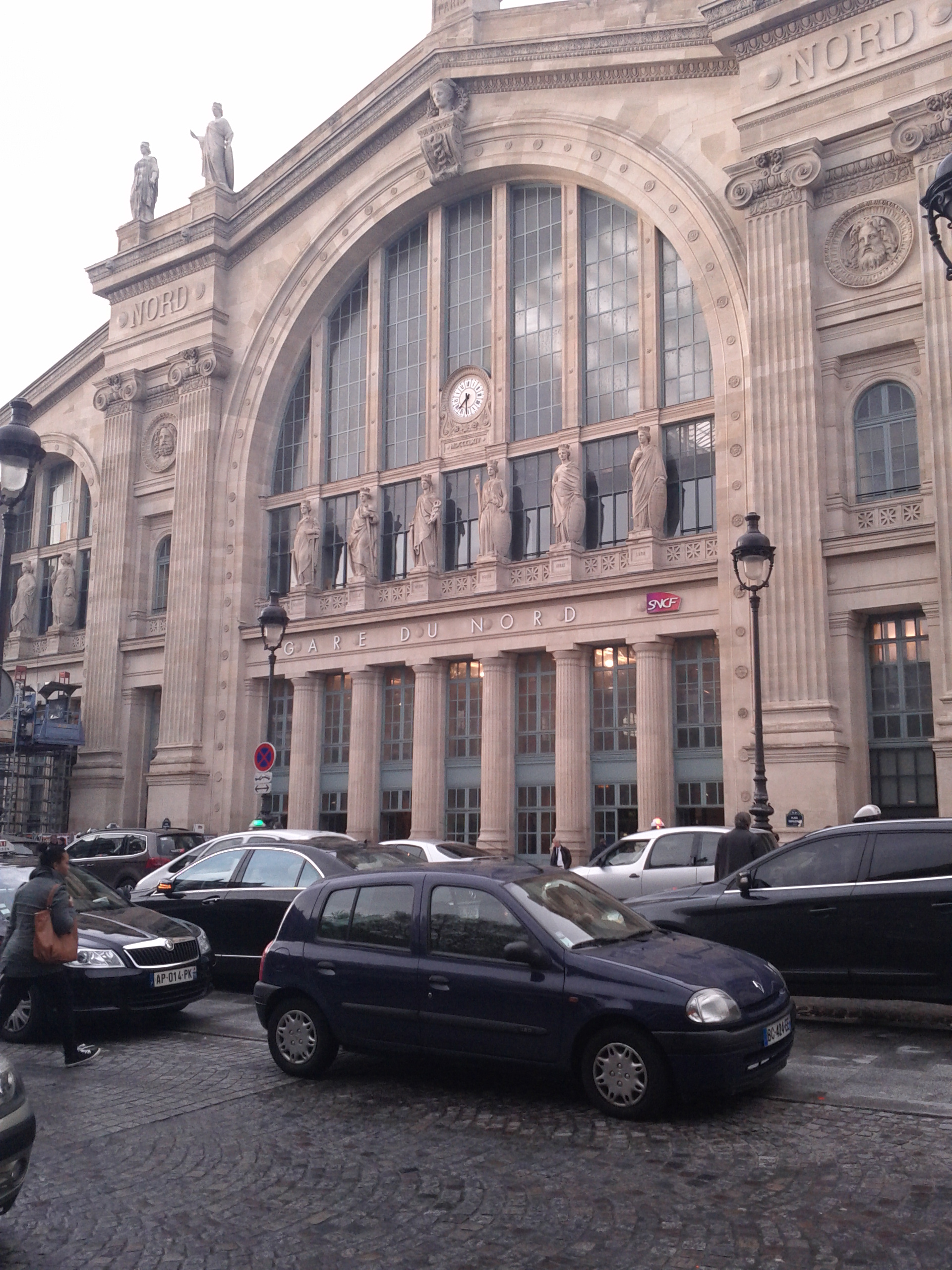
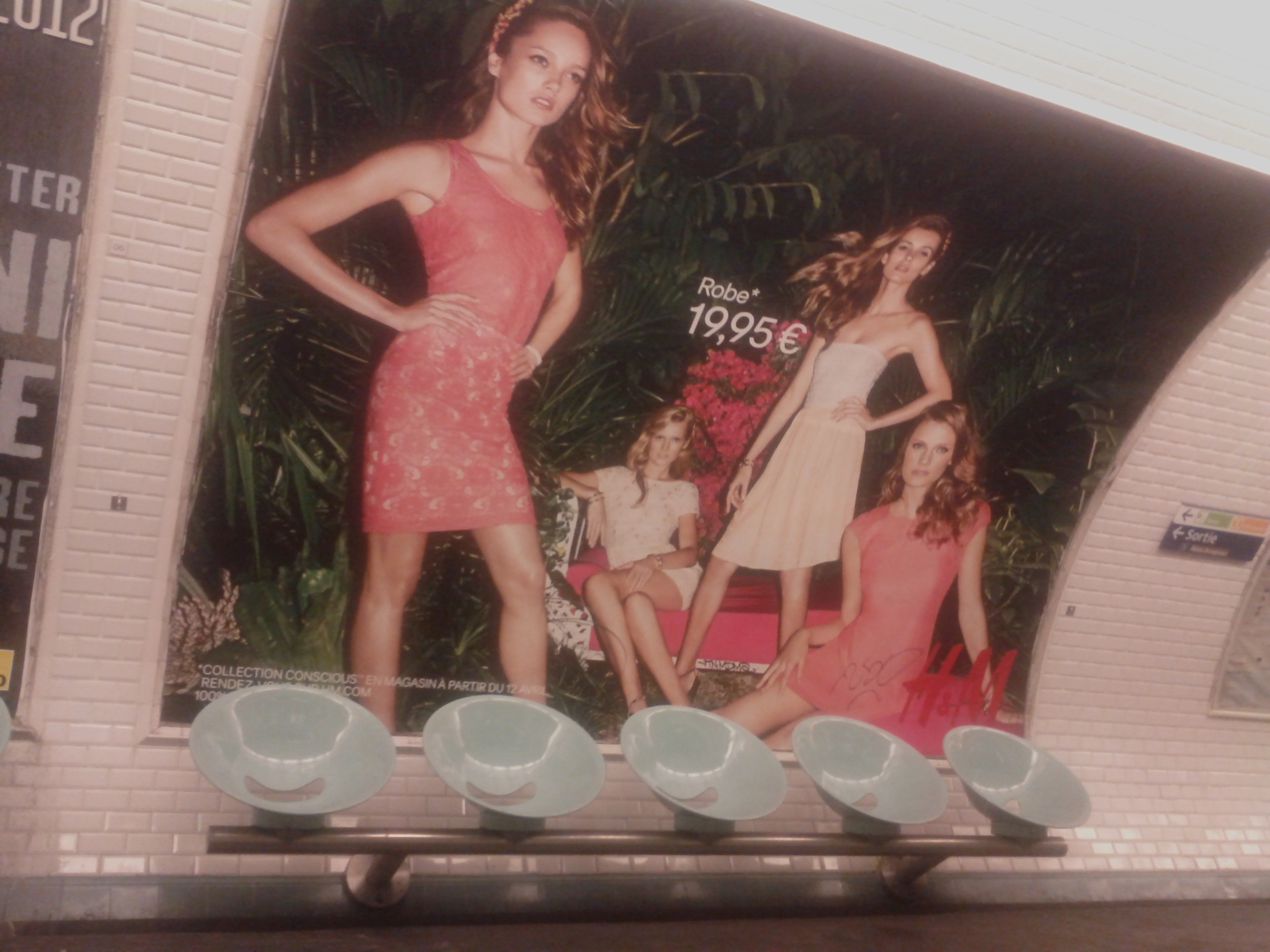
Back in the metro to catch the last flight back home.
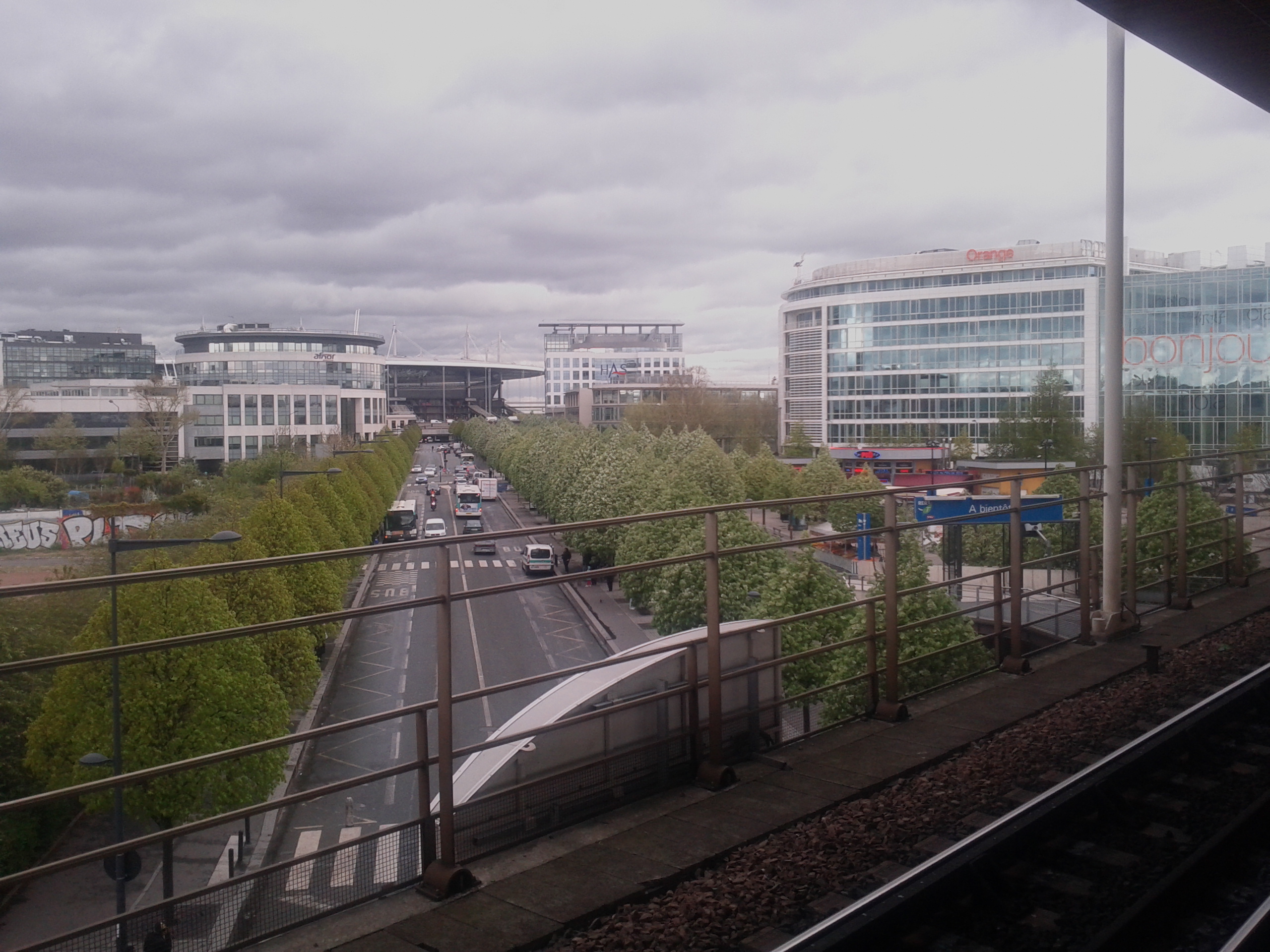
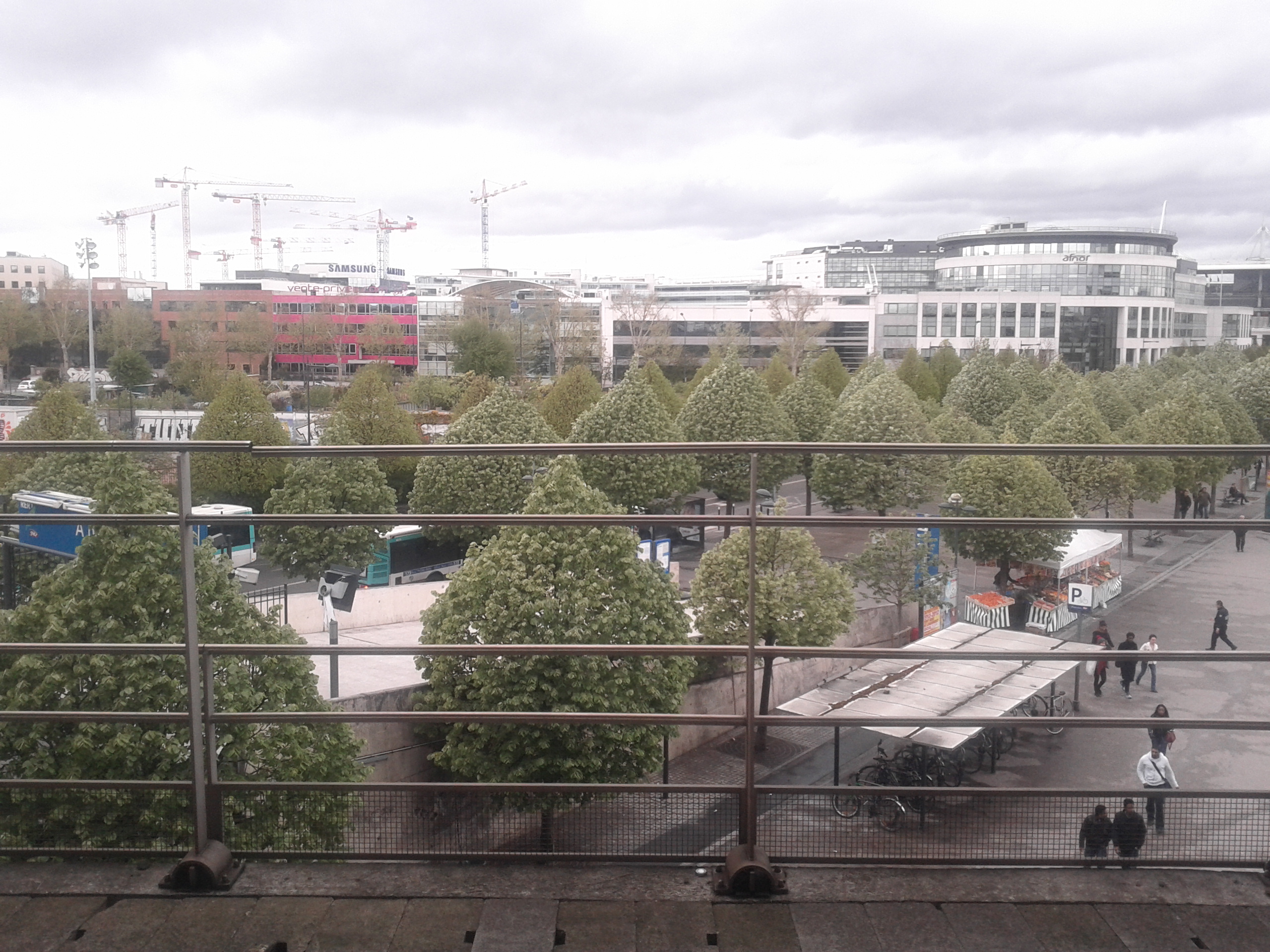
A quick view over the Stade de France, building cranes and the rows of trees along the streets of the northern suburbs on the way to Charles De Gaulle Airport.
Wang Shu Awarded 2012 Pritzker Prize
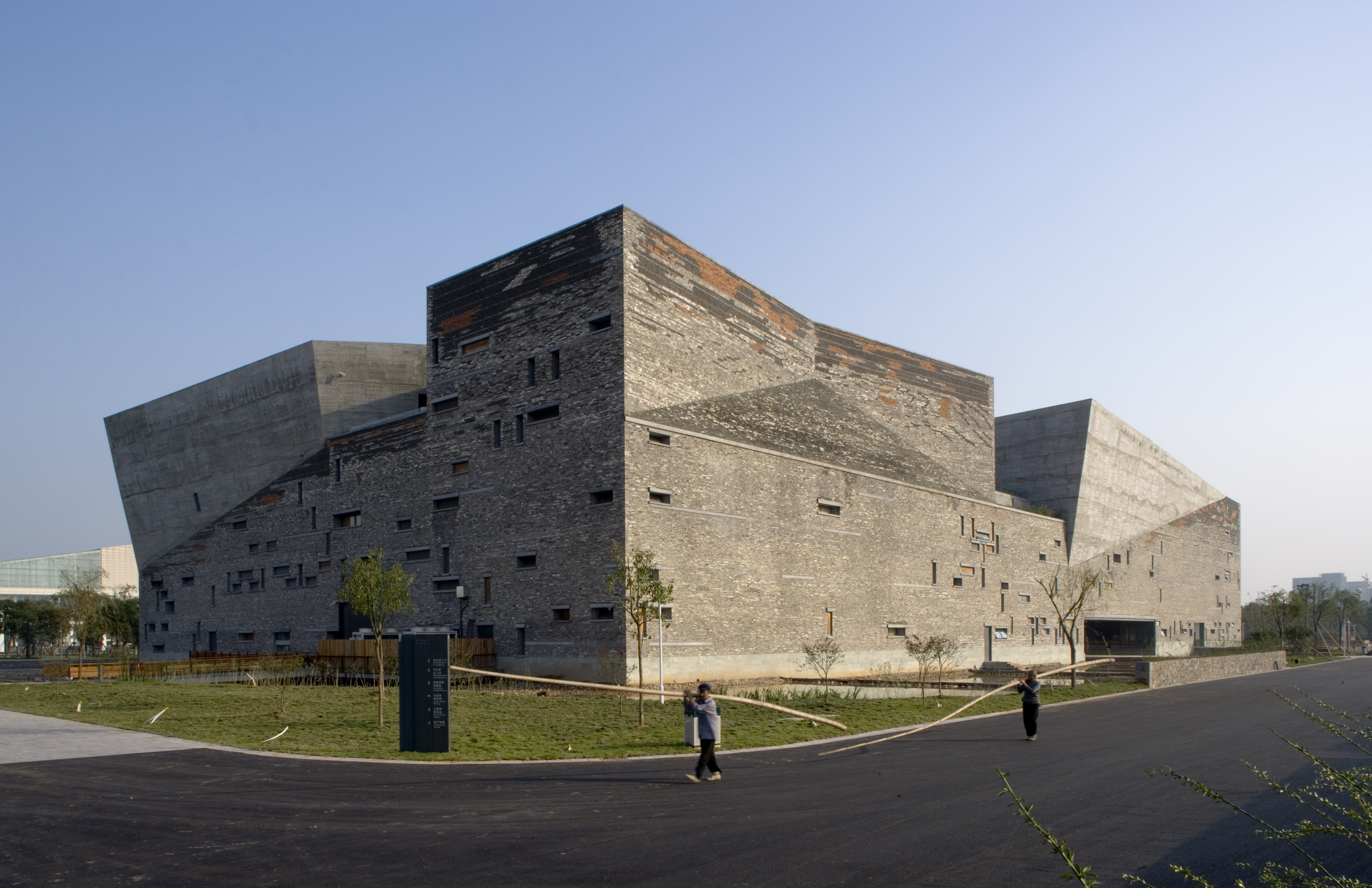
History Museum in Ningbo
Meanwhile I was writing the notes about Ai Wei Wei’s exhibition in Paris the 2012 Pritzker Price was awarded to Wang Shu, architect co-founder of Amateur Architecture Studio. The practise is based in Hangzhou and its main works are the Library of Wenzheng College at the Suzhou University, the Contemporary Art Museum and the History Museum in Ningbo, a Cafe Bar and Gallery in Shanghai, the Campus Building in Xianshan and daring residential developments called Vertical Courtyards. Reasoning on architecture on the basis of just a couple of pictures is not my habit and I am not going to do it. I find the projects very interesting and hope to have the chance to visit some of them, sooner or later, but in the meanwhile I was strucked by the motivation for the award:
“The fact that an architect from China has been selected by the jury, represents a significant step in acknowledging the role that China will play in the development of architectural ideals. In addition, over the coming decades China’s success at urbanization will be important to China and to the world. This urbanization, like urbanization around the world, needs to be in harmony with local needs and culture. China’s unprecedented opportunities for urban planning and design will want to be in harmony with both its long and unique traditions of the past and with its future needs for sustainable development.”
Untill now I thought the Pritzker Prize was a price for architectural design, the aknowledgemennt for the outstanding work of an individual architect. Apparently this is not the case anymore and it has become a matter of foreign affairs. Anyway, congratulations to Whang Shu and all his fellow colleaugues working the new world power and let’s hope that urban development will really become more and more ” in harmony with local needs and culture”, worldwide.
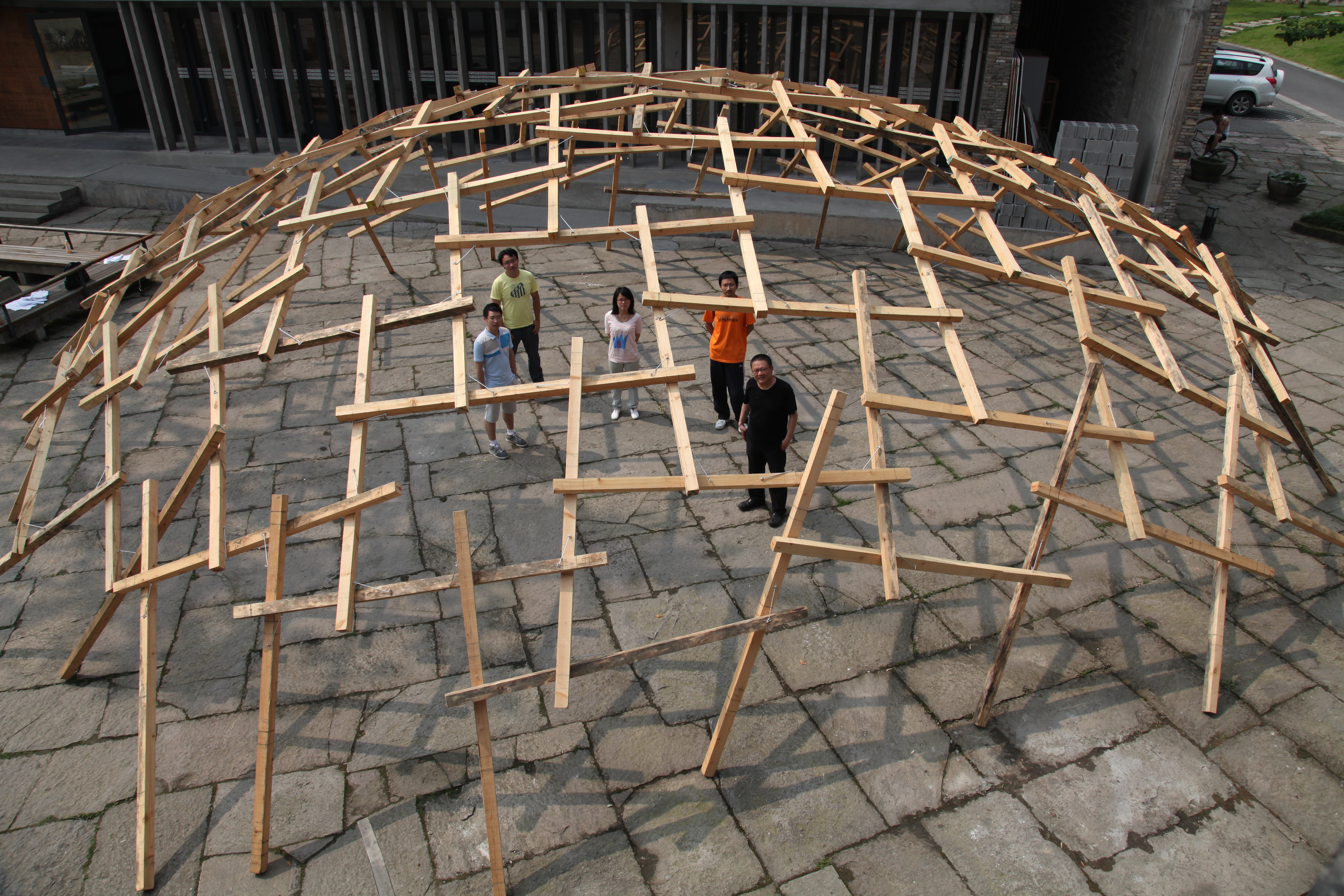
- Decay Dome at the Venice Biennale 2010
Following a statement about the Design Philosophy of the awarded architect and some pictures of his works.
“I design a house instead of a building. The house is the amateur architecture approach to the infinitely spontaneous order. Built spontaneously, illegally and temporarily, amateur architecture is equal to professional architecture. But amateur architecture is just not significant. One problem of professional architecture is, that it thinks too much of a building. A house, which is close to our simple and trivial life, is more fundamental than architecture. Before becoming an architect, I was only a literati. Architecture is part time work to me. For one place, humanity is more important than architecture while simple handicraft is more important than technology. The attitude of amateur architecture, – though first of all being an attitude towards a critical experimental building process -, can have more entire and fundamental meaning than professional architecture. For me, any building activity without comprehensive thoughtfulness will be insignificant.”
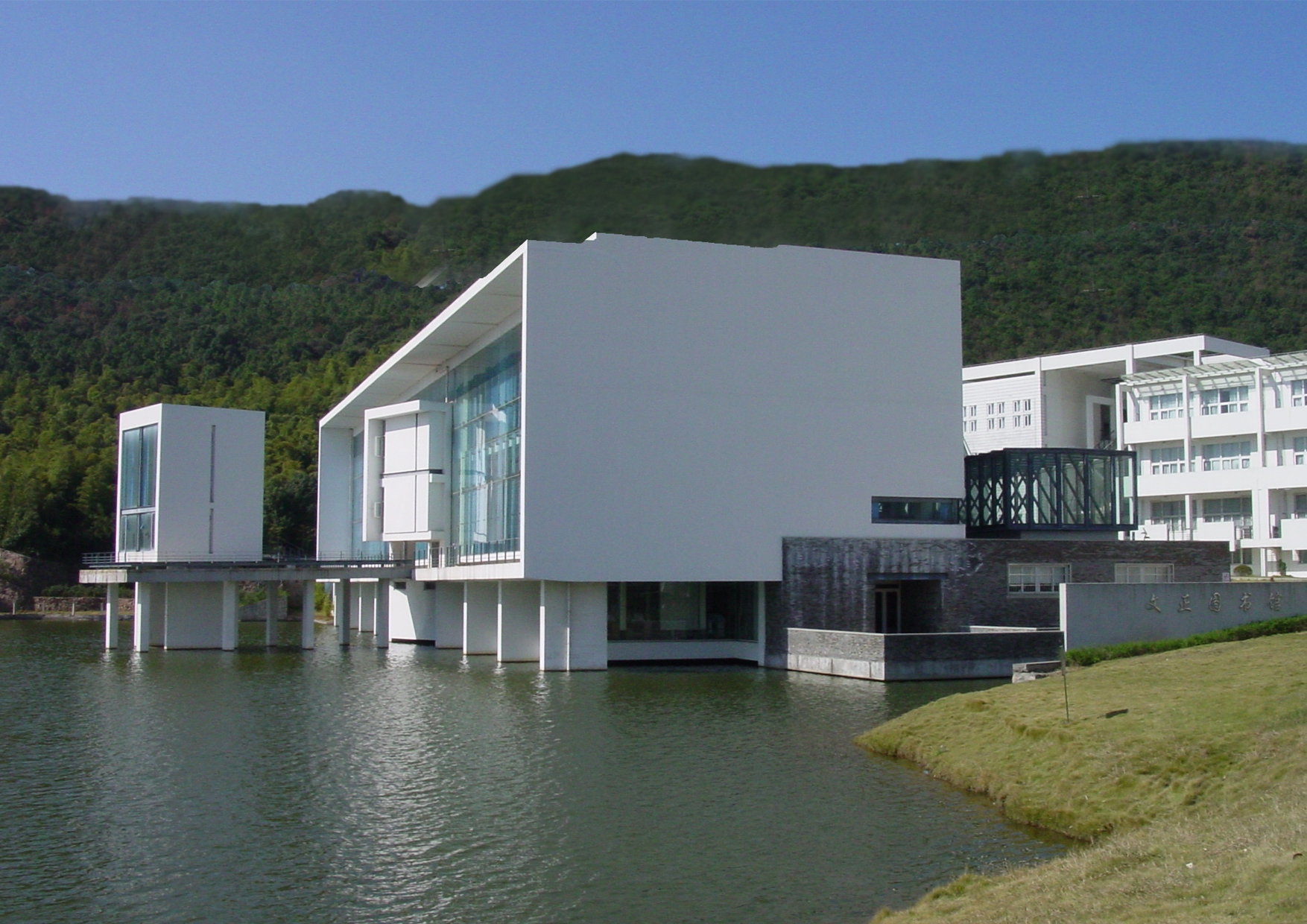
- Library Wenzhang College

- Contemporary Art Museum in Ningbo
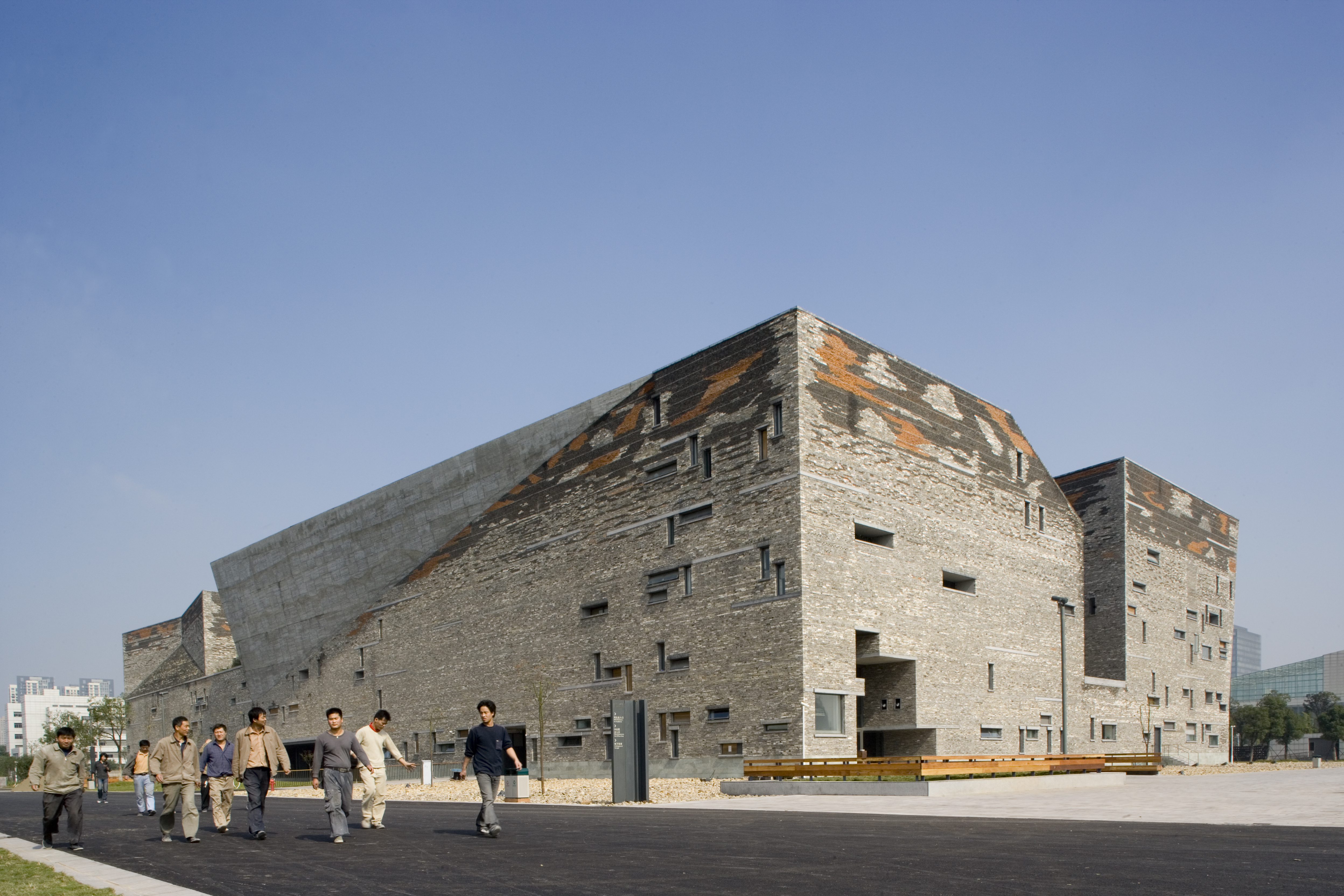
- History Museum in Ningbo

- History Museum in Ningbo
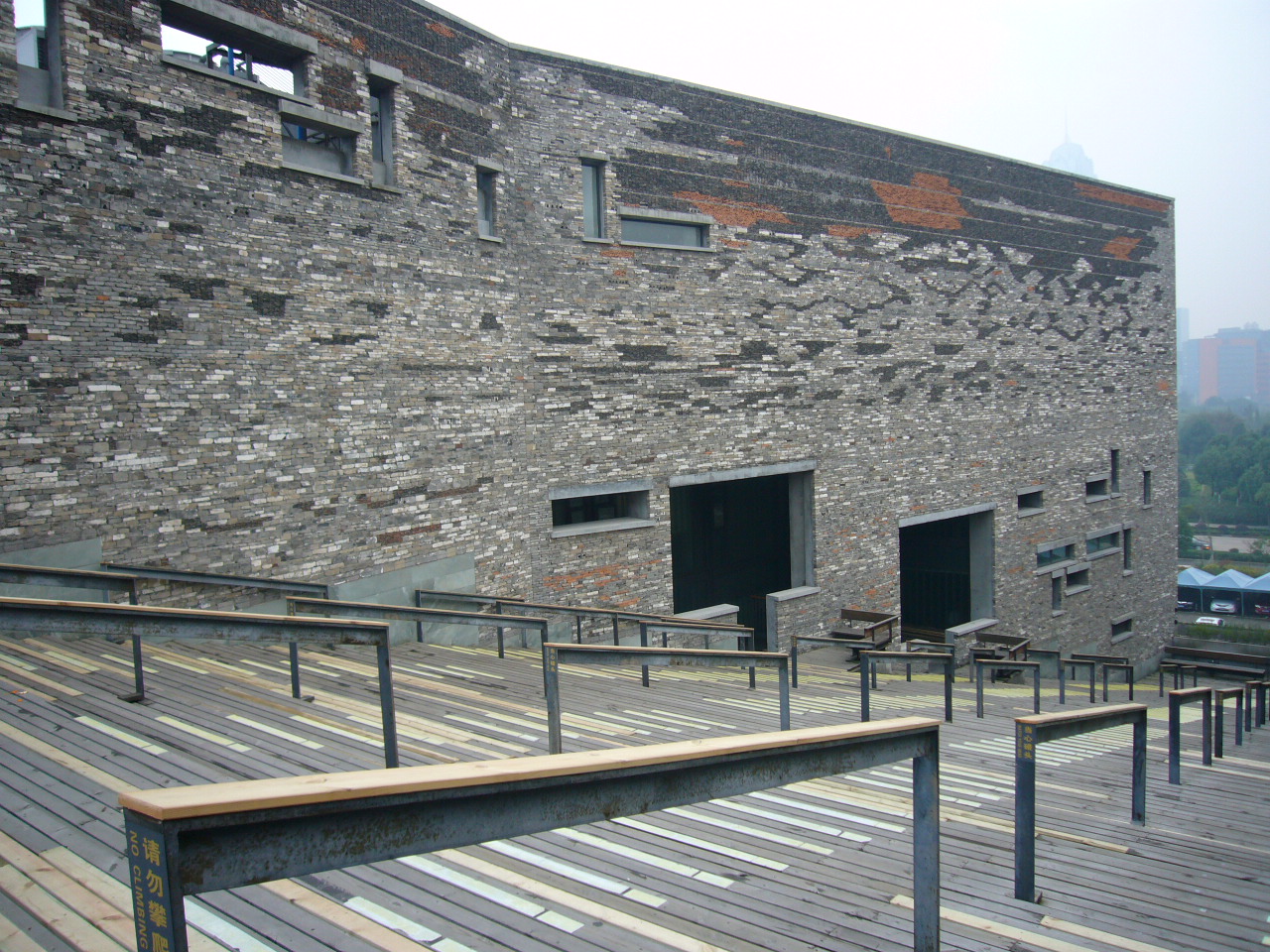
- History Museum in Ningbo
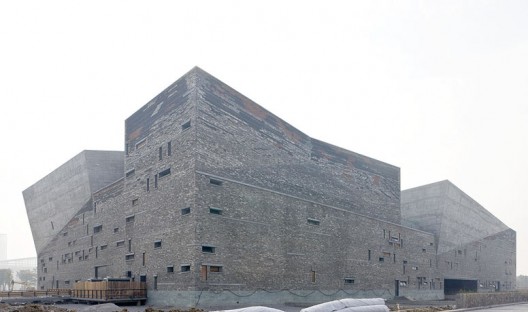
- History Museum in Ningbo

- History Museum in Ningbo

- Vertikal Courtyard

- Campus at Xiangshan
Related articles
- 2012 Pritzker Prize Awarded to Wang Shu – First Chinese Architect to Win the Award (inhabitat.com)
- Pritzker Prize for Wang Shu (djcadchina.wordpress.com)
- Architecture: China’s Wang Shu Wins the 2012 Pritzker Prize (artchicken.wordpress.com)
- Wang Shu Becomes First China-Based Architect To Receive Pritzker Prize (jingdaily.com)
- Chinese architect Wang Shu wins Pritzker Prize (newsok.com)
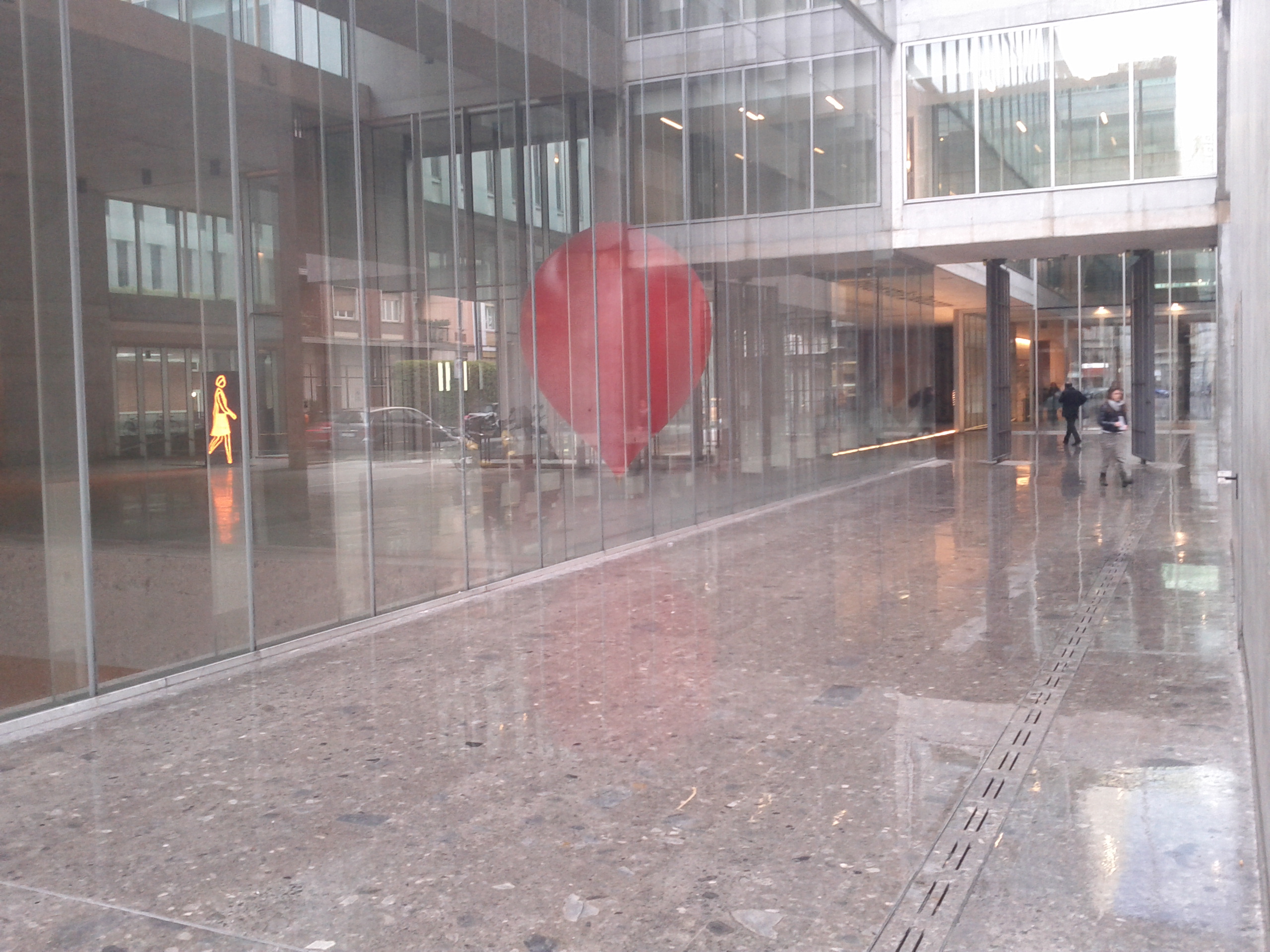
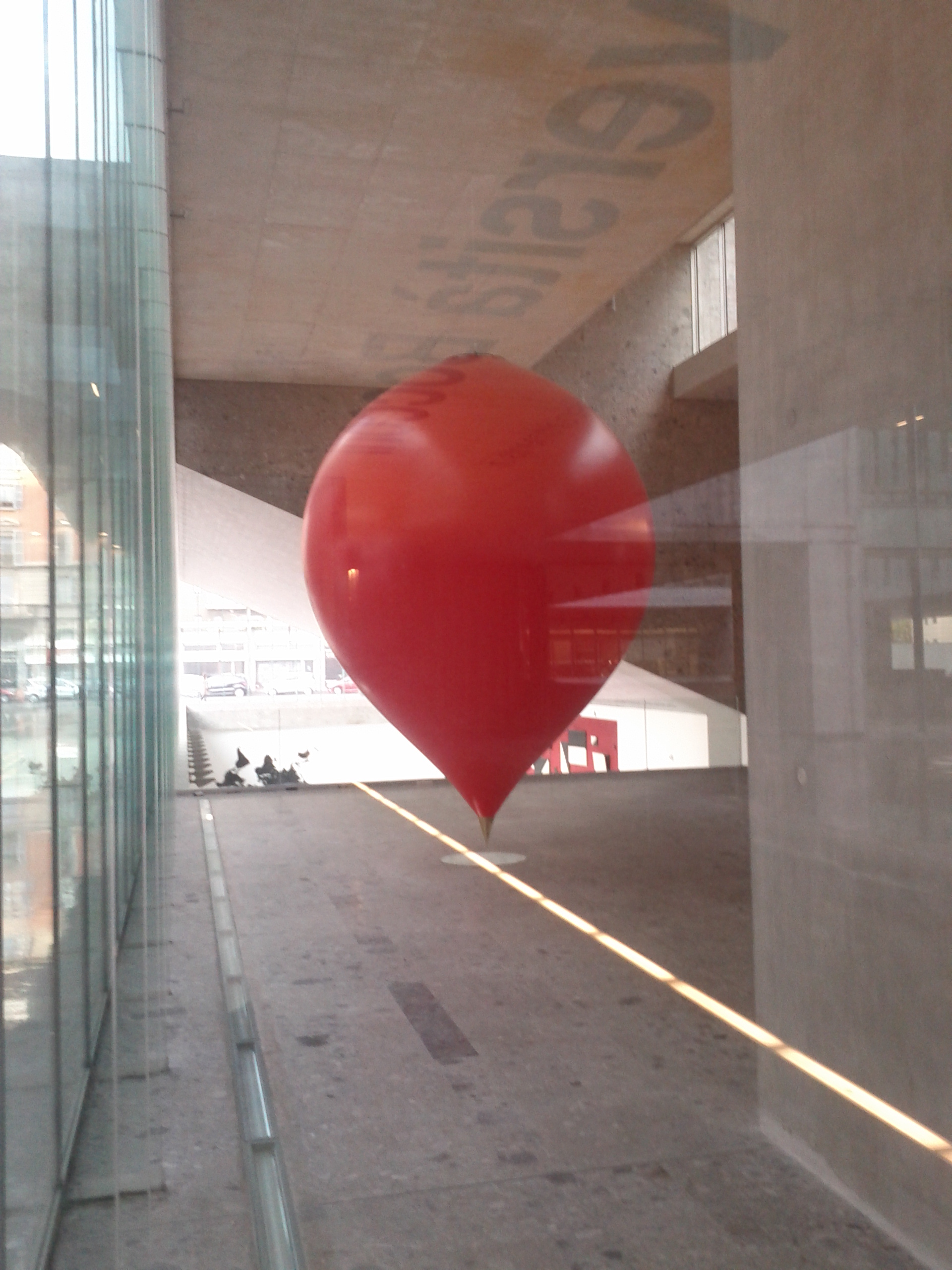
Bocconi Extension by Grafton Architects
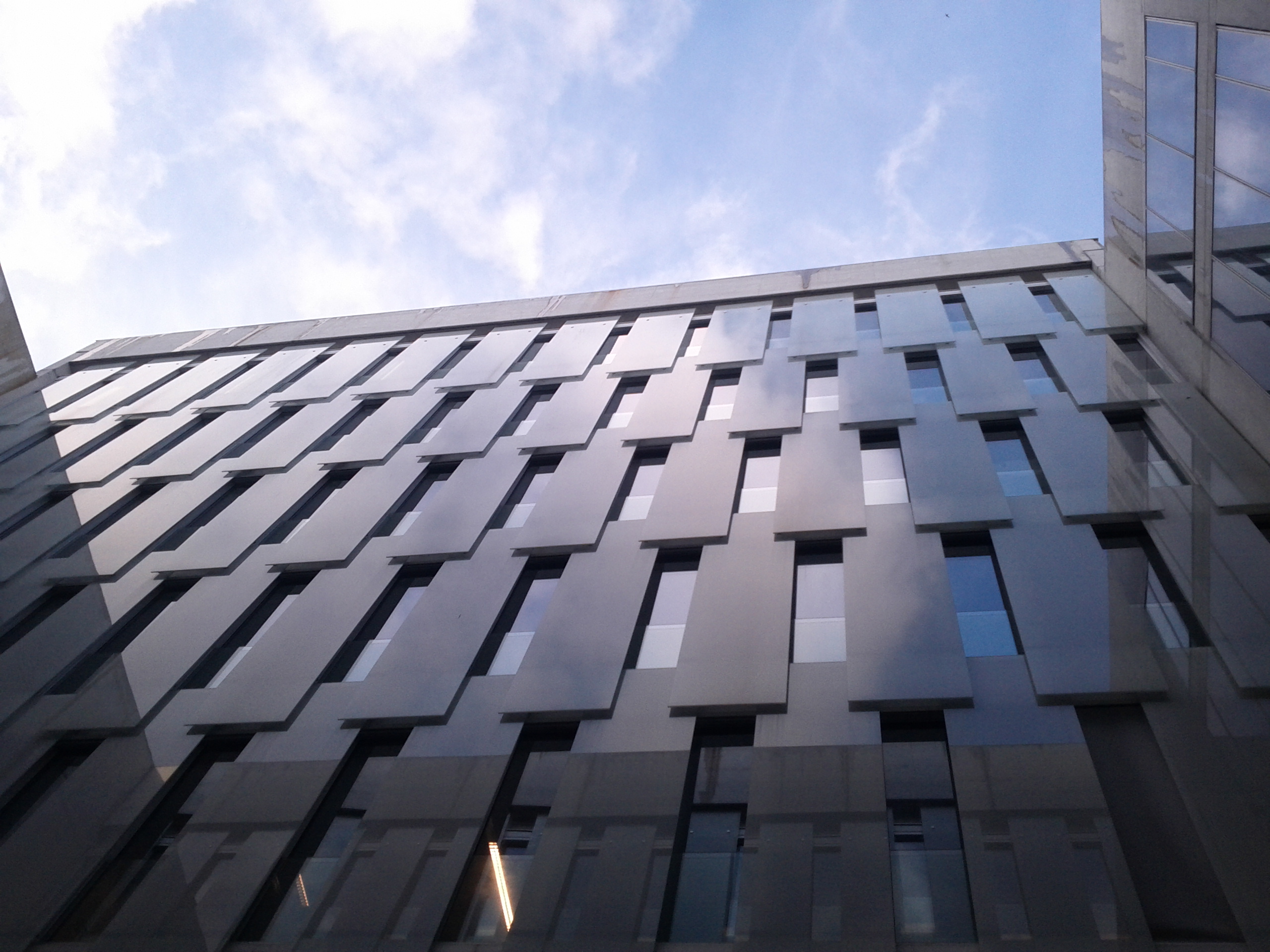
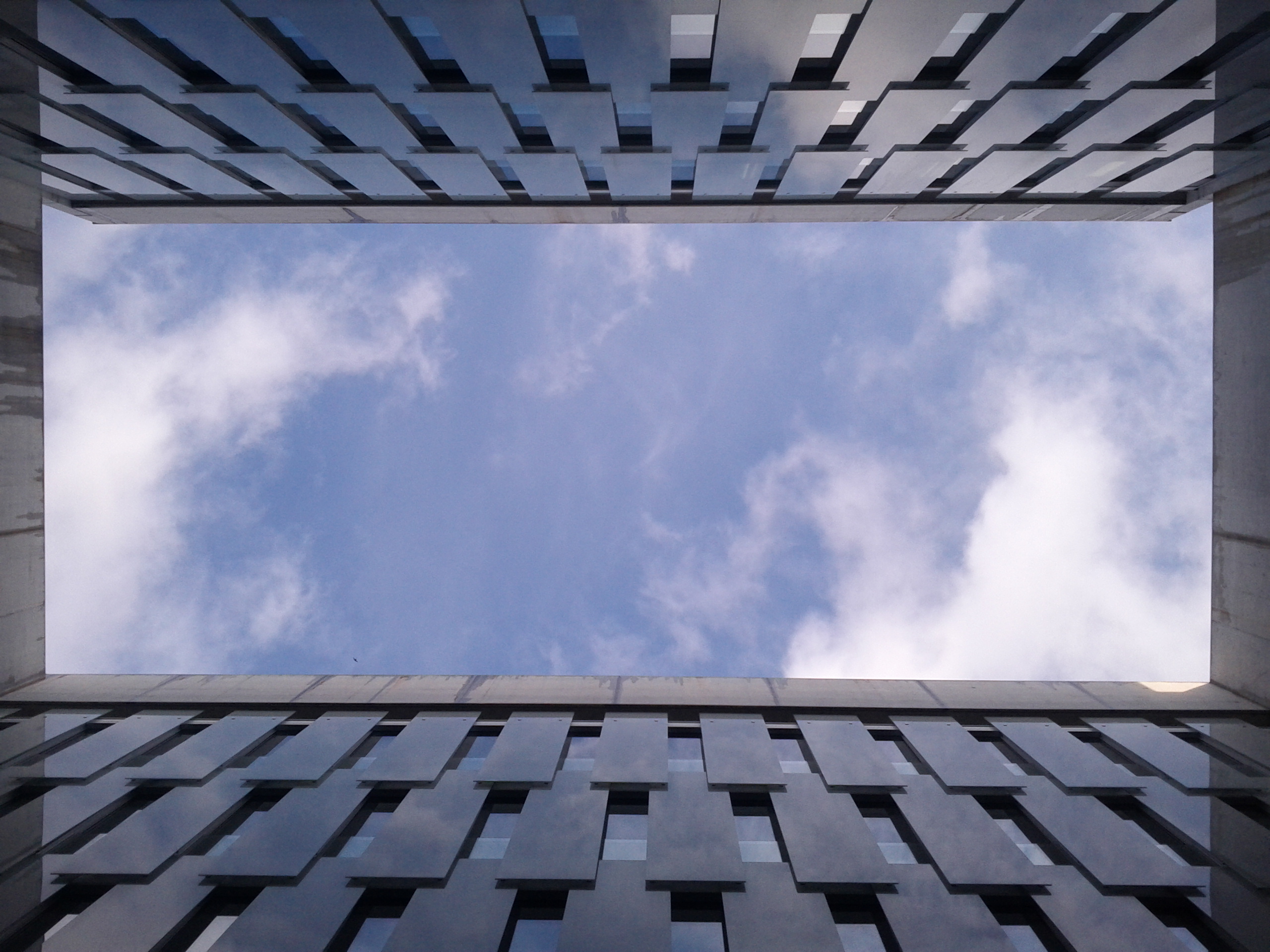
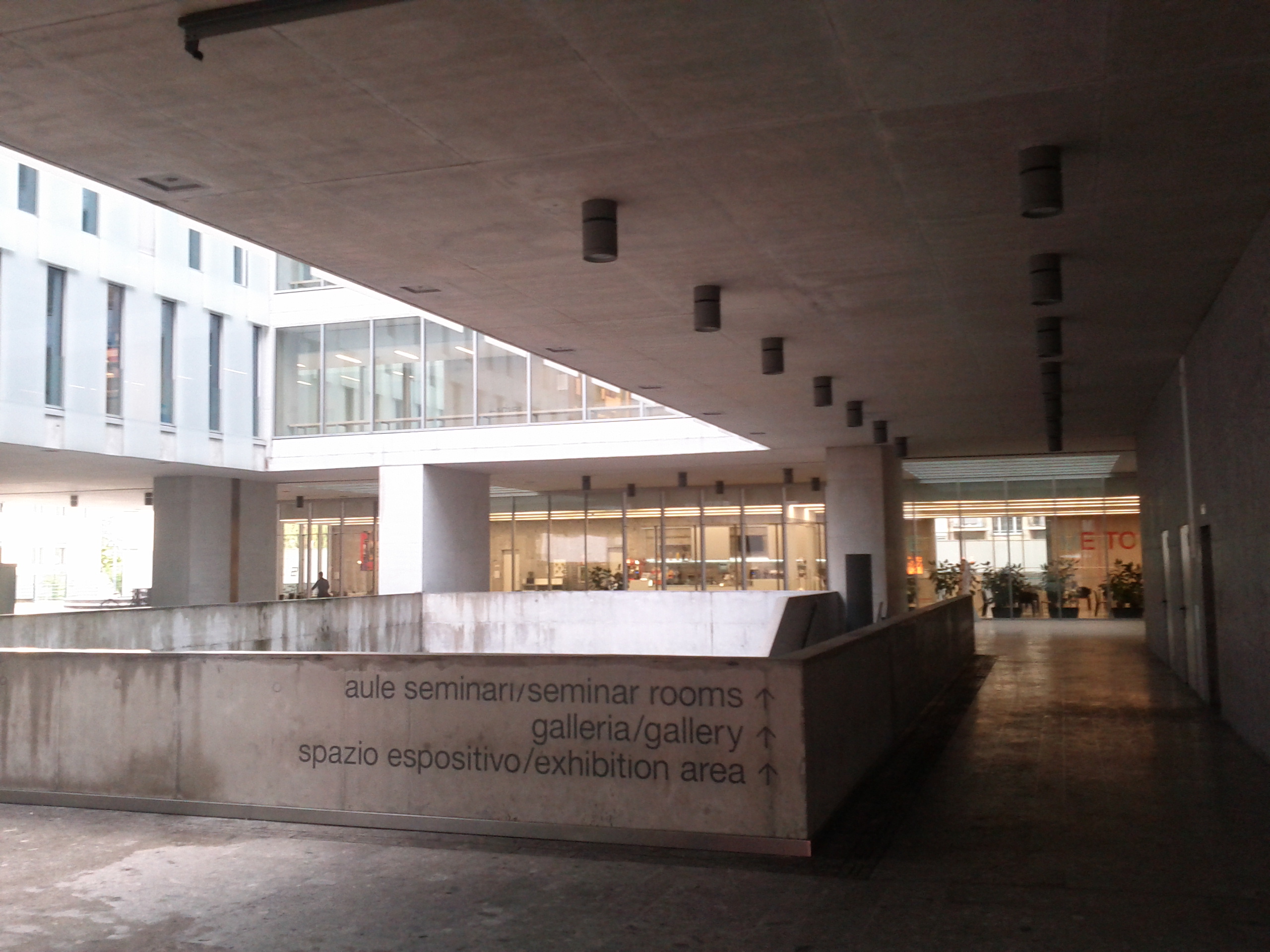
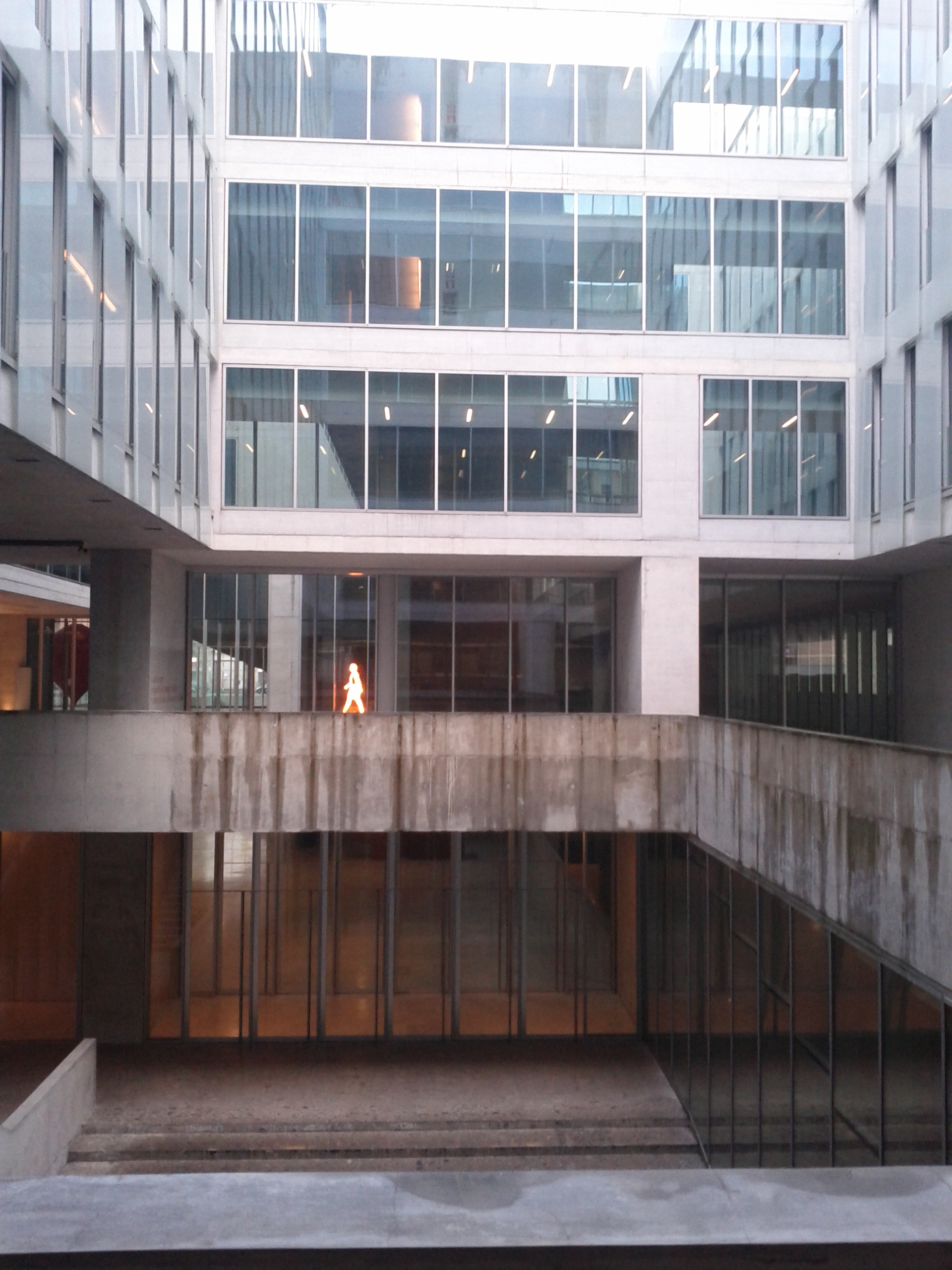
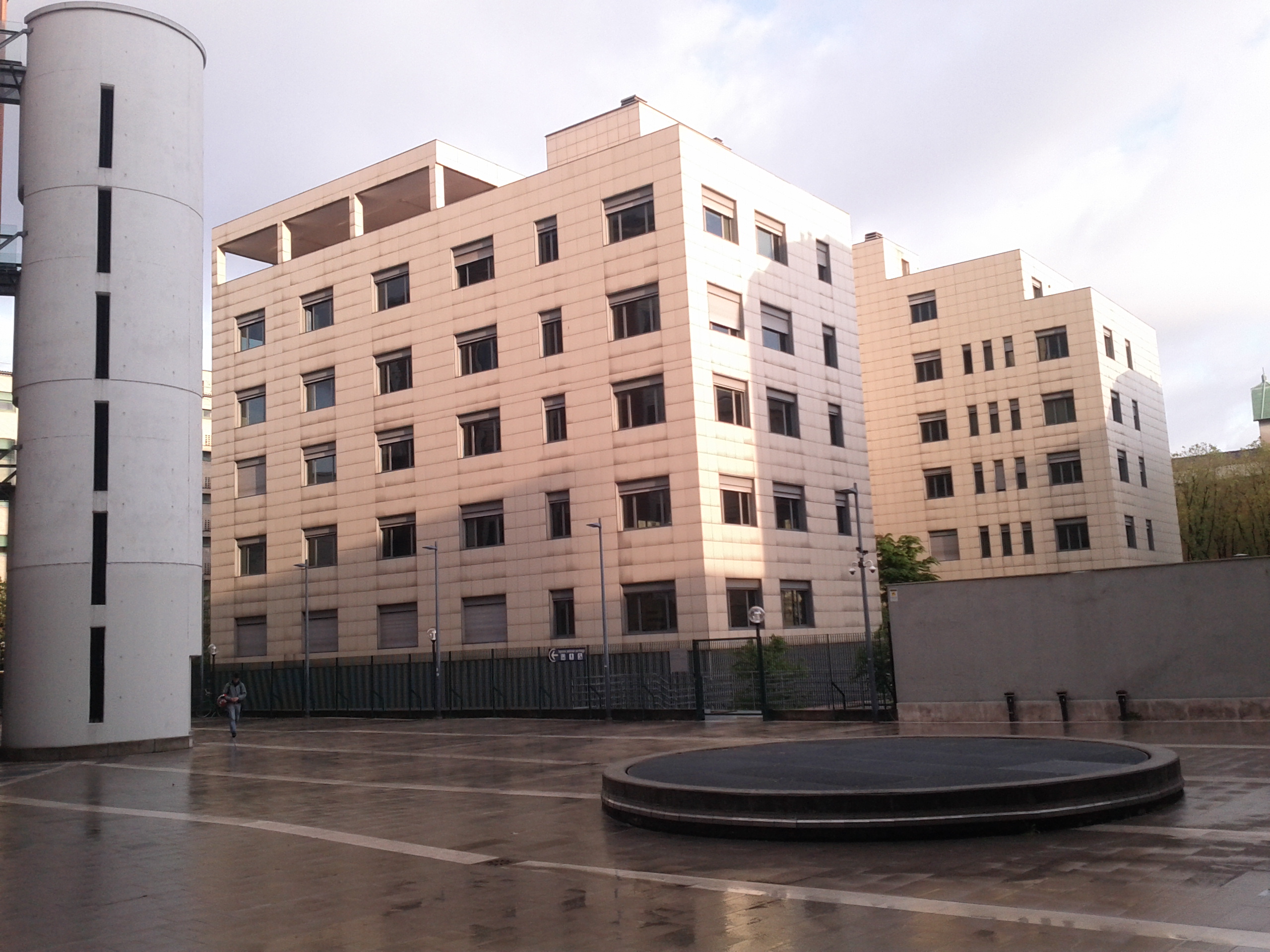
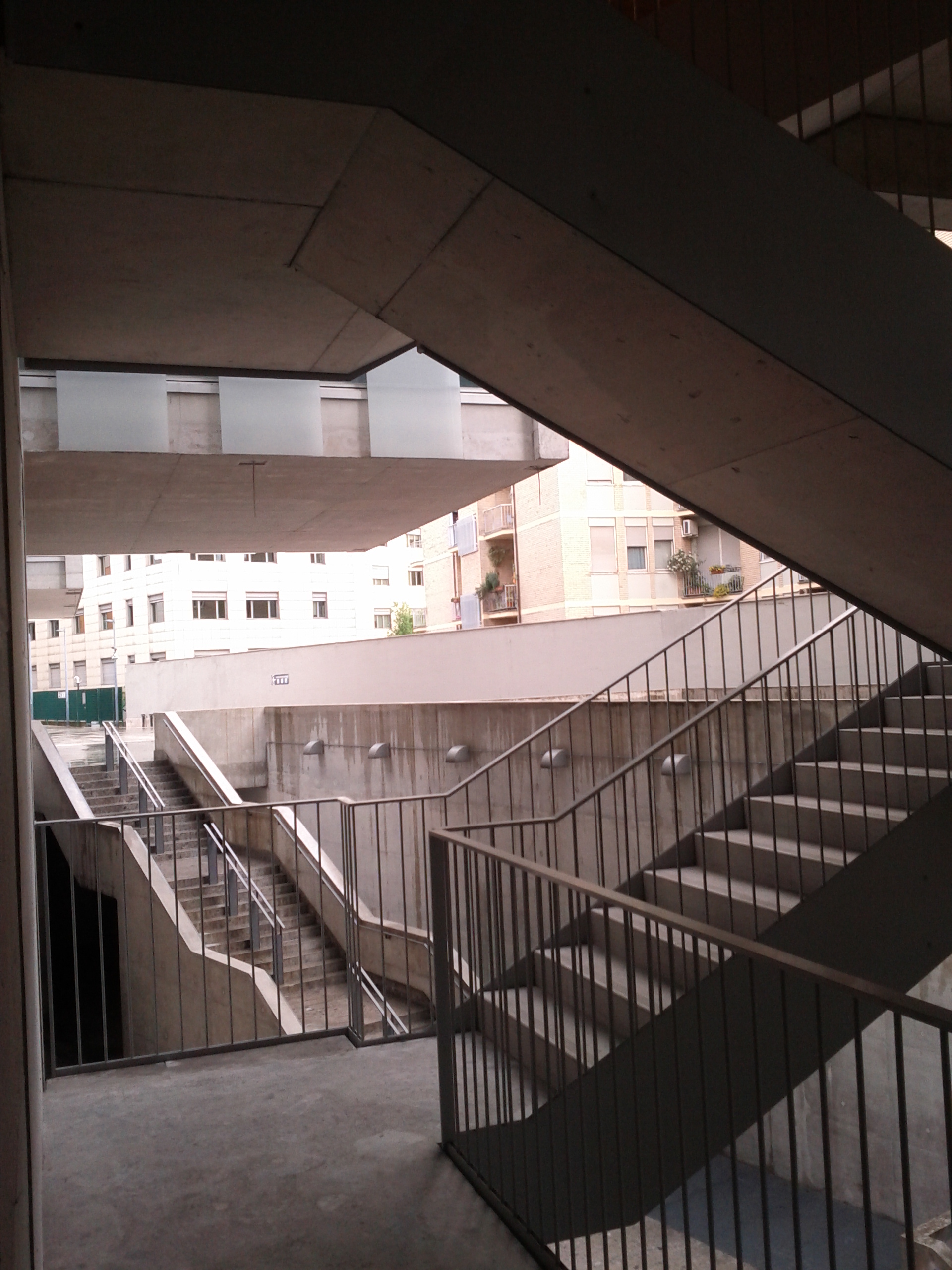
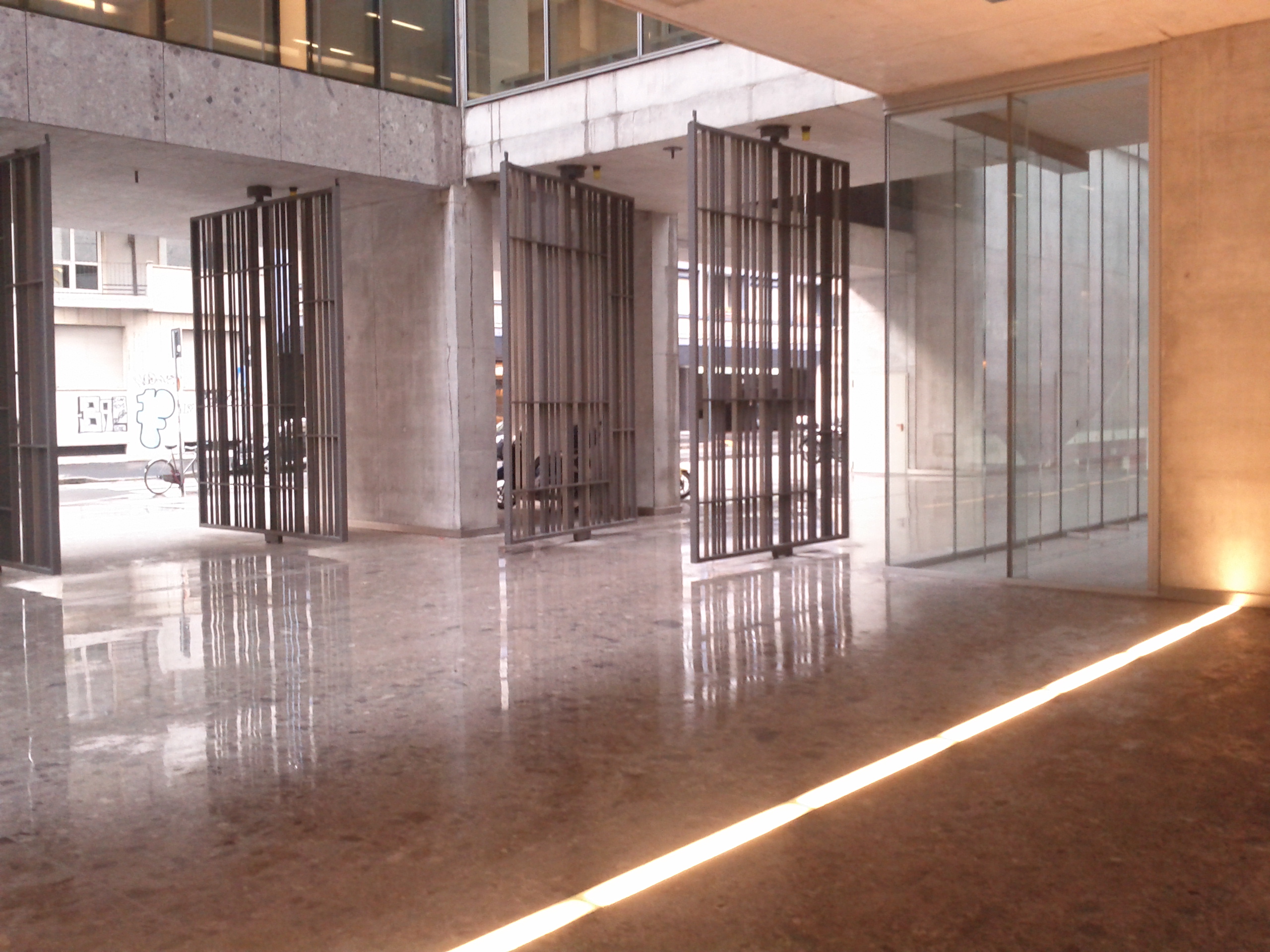
As promised in a previous post I made some rigorously unprofessional pictures of this beautiful building, in a Spring rainy day light. Pictures are taken with my android in the open public space around the building. Despite the bad quality I think they might give an idea of how massive built volumes and transparency, geometric shapes and accidental urban fabric work together well. By the way, to my knowledge this is the only building in Milan without graffiti. It might be because Bocconi School has an excellent defense system, but I like to think of a kind of respect by the writers.




Sunset

UN Issues World Happiness Report

The first ever World Happiness Report, published by Columbia University’s Earth Institute, reflects a new worldwide demand for more attention to happiness and absence of misery as criteria for government policy. Commissioned by the UN General Assembly for United Nations Conference on Happiness, the report “reviews the state of happiness in the world today and shows how the new science of happiness explains personal and national variations in happiness.”
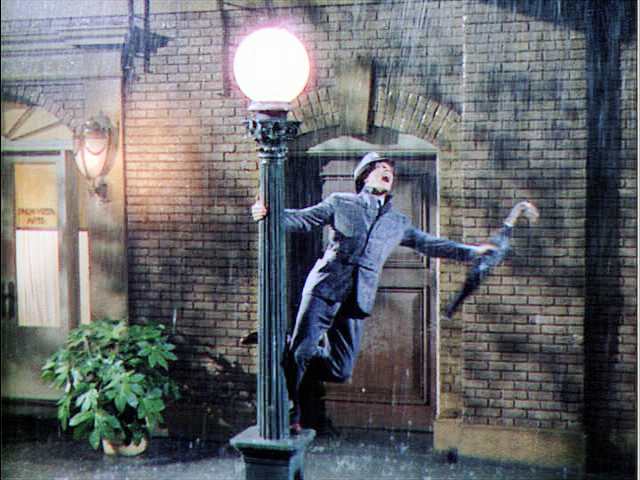
According to the findings of the report, “the happiest countries in the world are all in Northern Europe (Denmark, Norway, Finland, Netherlands). Their average life evaluation score is 7.6 on a 0-to-10 scale. The least happy countries are all poor countries in Sub-Saharan Africa (Togo, Benin, Central African Republic, Sierra Leone) with average life evaluation scores of 3.4.”
Although relative wealth is a clear component in the report’s findings, other factors are equally crucial in determining happiness. “Political freedom, strong social networks and an absence of corruption are together more important than income in explaining well-being differences between the top and bottom countries.”
Why is it important to measure happiness? According to Stewart Patrick, “In recent years, a small but influential group of economists has concluded that traditional measurements of national progress, typically couched in terms of per capita Gross National Product (GNP), don’t actually tell us much about the wellbeing of citizens…In fact, as pioneering researchers like Carol Graham of the Brookings Institution and the University of Maryland have shown, there’s little correlation between national income and contentment. Some of the highest levels of happiness have been recorded in low-income countries in sub-Saharan Africa, for example.”
Read original article by Jonathan Nettler on Planetizen
 Well Designed and Built