Urbanisation in Europe

Besides posting about walkabouts, art exhibitions, videos, cartoons and odd photographs sometimes I like to be serious about Sustainable Urban Development in Europe.
You will find below the link to an article that has been published last October on the European Political Newspaper “New Europe Online”. It was a contribution from the Architects’ Council of Europe (ACE-CAE) to the Special Report on Urbanisation, collecting a.o. contributions from H.E. Mr. Wu Hailong (Ambassador of China to the EU), MEP Jo Leinen, MEP Kriton Arsenis, Nerea Rial (Huawei), Alain Flausch (Secretary General of International Association of Public Transport UITP), Marc Glaudemans (www.stadslab.eu), Alison Partridge (Lead Expert URBACT ESIMeC Network), Vanda Knowles (Eurocities), Kristina Dely (Covenant of Mayors) and Ramón Luis Valcárcel Siso (President of the Committee of the Regions).

Below the text of the article that was originally prepared within the Dipartimento Esteri of the Italian Council of Architects, Planners, Landscape Architects and Conservationists (CNAPPC), as a roadmap for the upcoming activities of the ACE-CAE Workgroup Urban Issues.
SUSTAINABLE URBAN REGENERATION
A Key Contribution to High Quality Built Environment and Adaptation Strategies of European Cities, Lever for Economic Growth and Social Cohesion.
“Cities are key players in the fight against climate change and the main challenge to test our capacity to adapt. Energy consumption in urban areas – mostly in transport and housing – is responsible for a large share of CO2 emissions and at the same time emission per person is much lower in urban areas compared to non-urban areas. The density of urban areas allows for more energy-efficient forms of housing, transport and service provision. Consequently, measures to address climate change may be more efficient and cost-effective in big and compact cities than in less densely built space.”[1]
CO2 REDUCTION and CLIMATE ADAPTATION
The building sector accounts for 40% of the total energy use and for 36% of Europe’s CO2 emissions. It generates 9% of the total EU 27 GDP and 8 % of the total employment. Since the EU aims at reductions in domestic greenhouse gas (GHG) emissions of 80% by 2050 (compared to 1990 level), the building stock – in particular the housing sector – plays a major role in achieving the 20-20-20 strategic targets. Without consequently exploiting the huge savings potential attributed to the building stock, the EU will certainly miss its GHG reduction targets, but there are many other advantages in reducing the environmental footprint of buildings that should be carefully considered.
SOCIAL INCLUSION and QUALITY OF LIFE
As highlighted in the Cities of Tomorrow[2] report, “Energy efficiency in buildings is directly related to social inclusion and the alleviation of energy poverty. […] 90% of social housing consists of buildings in need of refurbishment. These buildings often have low energy efficiency with many tenants living in fuel poverty. Better energy efficiency is key to alleviating the poverty of the most vulnerable, while increasing the quality of life for all citizens. Cities are faced with the challenge of upgrading existing housing stock and finding the most adequate solutions, while knowing that systems will evolve. Solutions, therefore, need to be flexible, cost-effective and sustainable. Energy efficiency may play a particular role in cities of EU-12 Member States where there are still a number of large housing estates with very high energy consumption. In some countries, flats have been privatised, resulting in a lack of effective collective management and very few or no resources for renovation.“
SUSTAINABLE LAND USE MANAGEMENT and SOIL SEALING REDUCTION
The EU shall concretely support the adoption of sustainable land use management plans at national and local level. The European compact city is not only our greatest cultural asset, but also the only way to a safe and healthy built environment. Reducing soil sealing and urban sprawl is imperative for urban adaptation to climate change, to develop safety strategies in case of natural hazards and human caused catastrophes. CO2 emissions alike, soil sealing is a major indicator of the sustainability degree of urban and territorial policies and must become a concrete driver of sustainable urban regeneration at European level. Therefore the guidelines to limit, mitigate and compensate soil sealing, published in April 2012 by the Commission [3] should be consistently embedded in EU urban dimension of cohesion policies.
HERITAGE CONSERVATION and GREEN INNOVATION
European Cities of tomorrow are places of green, ecological or environmental regeneration, but we should also make sure that “the heritage and architectural value of historic buildings and public spaces is exploited together with the development and improvement of the urban scene, landscape and place, and where local residents identify themselves with the urban environment. […] Cities have to build on their past to prepare the future. Some cities build on their specific traditions of production, on their architectural or cultural heritage as well as on their local and regional knowledge base. The specific attractiveness of a given city has to be seen in the context of a forward-looking scenario as an element of a broader urban transition.”
GROWTH AND JOBS
During a Hearing at the EU Parliament in 2009 Dr. Edmundo Werna explained the huge economic and employment potential of the building renovation and restoration sector: “The restoration of buildings, roads and other elements of the built environment with heritage value is a labour-intensive type of activity. Therefore, it has high employment content. Experience has shown that for the same level of investment in local construction, the use of labour-based technologies can create between two and four times more employment. In addition, the use of labour-intensive methods promotes small and medium enterprises, causes the drop of foreign exchange requirements by 50% to 60%, decreases overall cost by 10 to 30%, and reduces environmental impacts. It also implies the increased use of associated local resources.”
FINANCIAL TOOLS and REGULATORY FRAMEWORK
The recast Energy Performance of Buildings Directive has introduced a strong focus on the existing building stock, encouraging the member states to support refurbishment and set higher energy standards for buildings undergoing renovation. “The rate of building renovation needs to be increased, as the existing building stock represents the single biggest potential sector for energy savings. Moreover, buildings are crucial to achieving the EU objective of reducing greenhouse gas emissions by 80-95% by 2050 compared to 1990.”
From the financial point of view it is important to note that a very large share of energy savings potential can be achieved at “negative costs”. Some of them may even produce buildings capable to produce more energy than they need, becoming part of the urban smart grid, but the greatest challenge is energy upgrading of the existing building stock at urban level: lowering energy demand, increasing energy efficiency and integrating renewable energies production at the scale of the urban fabric.
3×20 STRATEGY and EUROPEAN REGIONAL DEVELOPMENT FUNDS
Supporting investment in energy efficiency and renewable energies will be among the top priorities of the next programming period 2014-2020. According to the draft regulations published in late 2011 “in more developed and transition regions, at least 80% of ERDF resources at national level should be allocated to energy efficiency and renewables, innovation and SME support, of which at least 20 % should be allocated to energy efficiency and renewables. Less developed regions will have a broader range of investment priorities to choose from, reflecting their wider development needs. But they will have to devote at least 50 % of ERDF resources to energy efficiency and renewables, innovation and SME support”. Cities have to be prepared to this challenge, strengthening their territorial cohesion policies and sustainable urban development framework plans a.o. to take advantage of the 5 % of ERDF resources earmarked for sustainable urban development
Antonio Borghi
Chairman of the Work Group Urban Issues of ACE-CAE – CNAPPC Delegate
[1] World Energy Outlook, International Energy Agency, IEA, Geneva, 2008.
Related articles
- Heritage as an Opportunity for Energy Efficiency (buildingenergyefficiency.wordpress.com)
- Energy efficiency boosts China’s green shift (chinadaily.com.cn)
- Poverty is urbanising and needs different thinking on development | Lawrence Haddad (guardian.co.uk)
- ‘Urban Planning Must Factor in Biodiversity’ (ipsnews.net)
- Sustainable Urban Development: the Role of the Civil Society (tonetaproject.wordpress.com)
Sandy’s Aftermath on the Lower Manhattan Skyline

What are the questions that will concern our cities in the future? Will a new balance be struck locally between civic involvement and political responsibility? Who must do what today to make sure our cities remain a success model for the future? These are some of the question addressed by the International Conference Städtische Energien/Urban Energies hosted last October 11 and 12 by the German Federal Ministry of Transport, Building and Urban Development.

Haus der Kulturen der Welt
The conference took place in the Haus der Kulturen der Welt in Berlin and was attended by more than 1300 delegates from 30 countries.
Many national and international speakers presented exemplary projects and planning processes and open discussions with the participants took place in parallel “arena” sessions. The Conference marked the 5th anniversary of the Leipzig Charter on Sustainable European Cities, the document adopted by the EU on May 2007 under the German Presidency. The charter recognises the important social, cultural and economic role that cities play.

Urban Energies opening plenary session
Today in Europe almost 80% of the population live in urban areas (it was less than 10% in 1700). And, while when we think of cities we normally refer to the capitals and large urban areas, the majority of people live in medium and small cities. In EU 27 there are about 500 cities or urban agglomerates of more than 100.000 people.
Talking about Urban Energies means to address the cities as living and ever changing organisms. Saskia Sassen, urban sociologist, introduced the idea of thinking of cities through their “urban capabilities”, described as the mix of incompleteness and complexity, of people and space. She called for an “open source urbanism” to avoid the risk of obsolescence and keep track with the rapid urban changes. “The city is a hacker” said Sassen. “A hacker of spaces, of technologies, of individual’s self interest, of excessively rigid technological systems”.

Prof. Jørgen Randers
Jørgen Randers, author of the report to the Club of Rome 2052, A Global Forecast for the Next Forty Years, described his concept of “Ecomodern City”, a urban model forced to confront contemporary challenges like declining fertility and growing age while dealing with new constraints like no growth, need for energy efficiency, optimisation of waste cycles. In the Ecomodern City the use of virtual services will be growing (teleconferencing, shopping, entertainment, social interaction). Long term strategies will have to include wise solutions that have short term advantages. In the social field, efforts shall be made to avoid conflicts between young and old.
Jaime Lerner, former mayor of Curitiba, Brasil, called for a strategic vision and for the joint responsibility of all the actors of the urban scenario. According to Mr. Lerner local sustainability “is an equation between what we save and what we waste”.
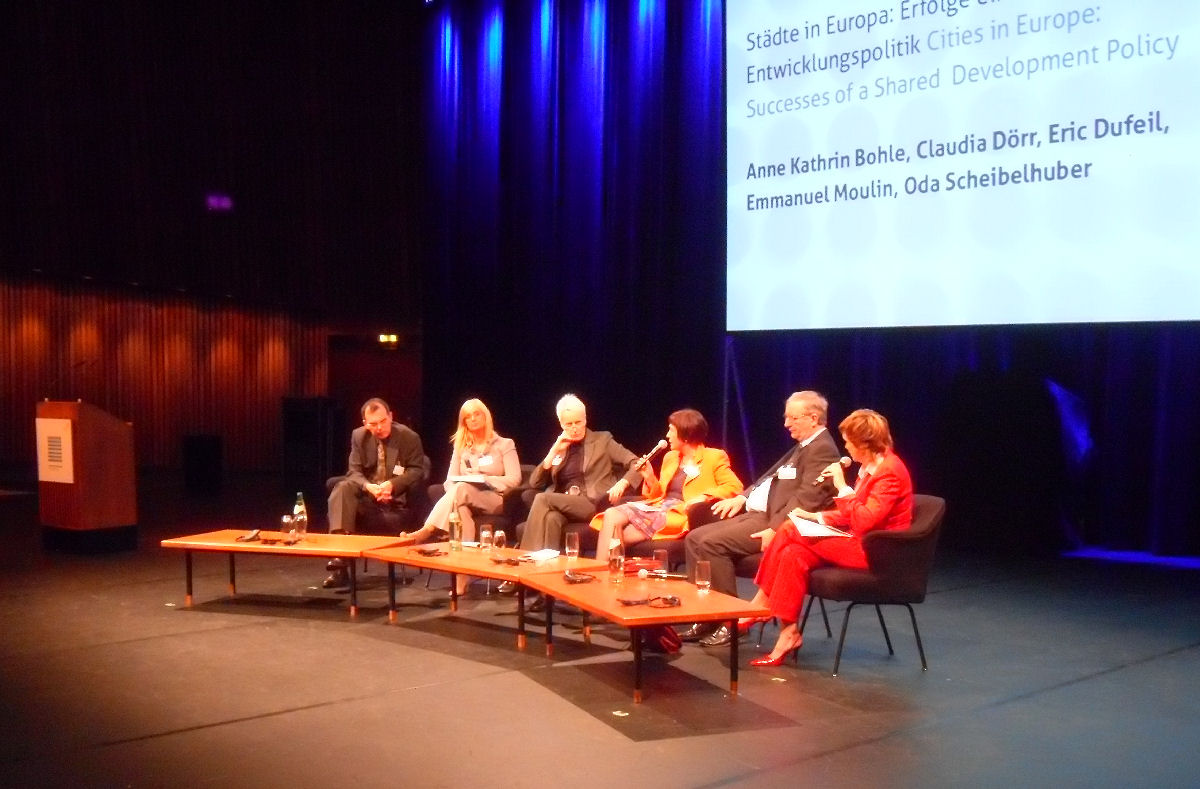
Roundtable Cities in Europe: Successes of a Shared Development Policy
The roundtable Cities in Europe: Successes of a Shared Development Policy included Emmanuel Moulin, Director of the URBACT Secretariat. Mr. Moulin stressed the need of integrated management and multi level governance and pointed out the different development levels of European cities, where for instance in Eastern Europe participation is a new experience. “The exchange of knowledge and expertise across Europe has not worked well” he said. Mr. Moulin also described the uniqueness of URBACT, the only program financed both by the Commission and the Member States.
The conference wrap up included the adoption of the Memorandum Urban Energies – Urban Challenges where four major tasks for sustainable urban development are singled: “firstly, the cautious ecological renewal of buildings and neighbourhoods; secondly, the technological regeneration of urban infrastructures; thirdly, developing a new mobility and fourthly, social integration. These four major tasks have been discussed at length but are usually separated from one another, moreover in various professional and political circles. They must be brought together. The energy transition and the fight against climate change requires not only renewing cities and regions, changes in urban infrastructures, new mobility and socialintegration but also new economic and financial bases and respect for cultural identity. And only when the city and its surrounding hinterland are brought considerably closer can the necessary conversion be successful.” The Memorandum proposes “an alliance for a sustainable city” and calls “upon those responsible in cities, regions, states and international organisations as well as associations, businesses and initiatives to undertake their own programmes and projects to foster a sustainable urban development taking into account the cultural, social, economic and environmental dimensions of cities”, concluding that “the sustainable city is climate-conscious and energy-efficient, adaptable and socially just, economically efficient and, last but not least, creatively unique and beautiful. The sustainable city of tomorrow is the result of our actions today. Conditions, means as well as outcomes of this action are URBAN ENERGIES.
The Pink Blueprint
Awesome Pink Panther cartoon about divergent housing concepts. Enjoy!
Milan by Boat
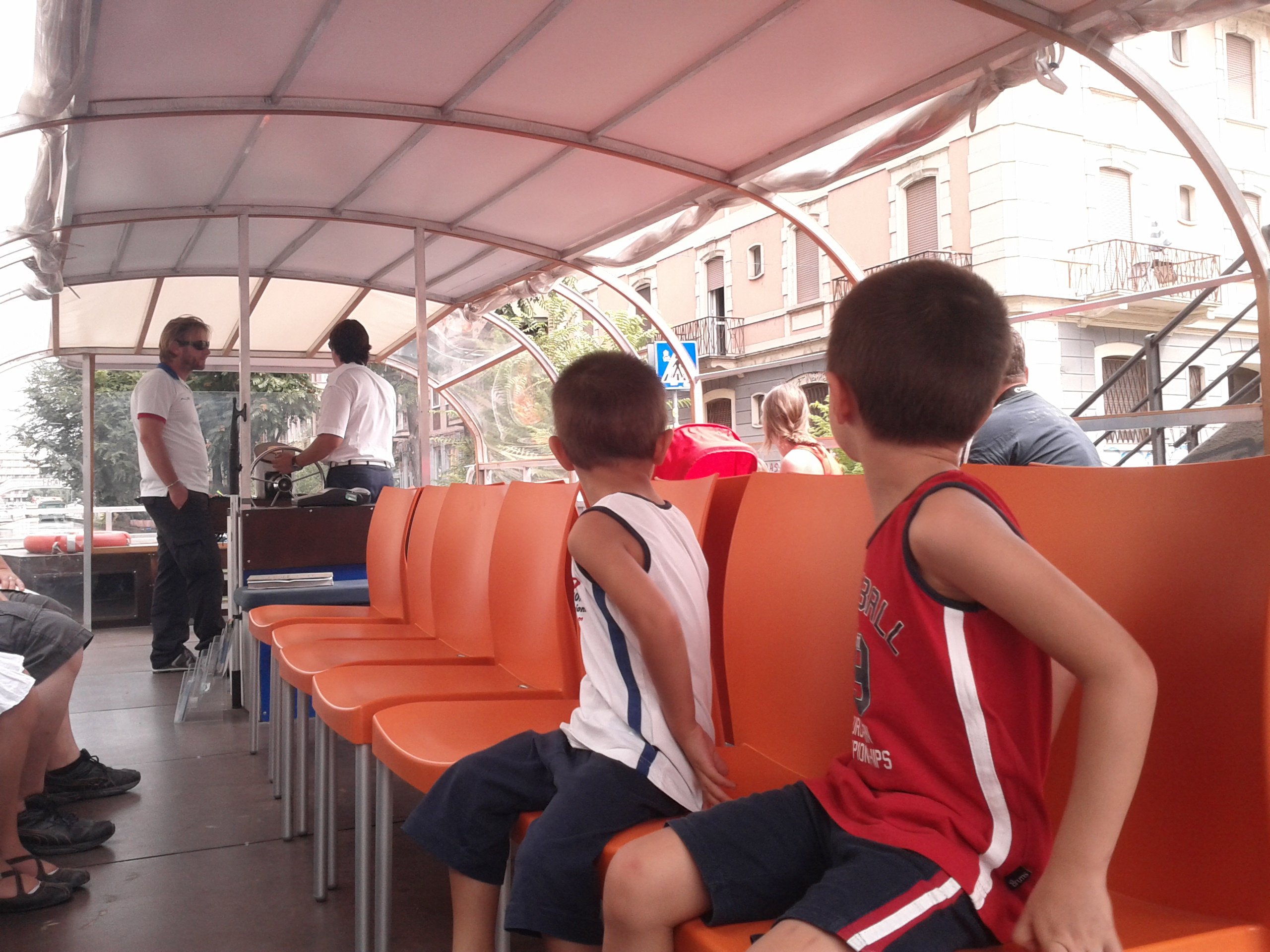
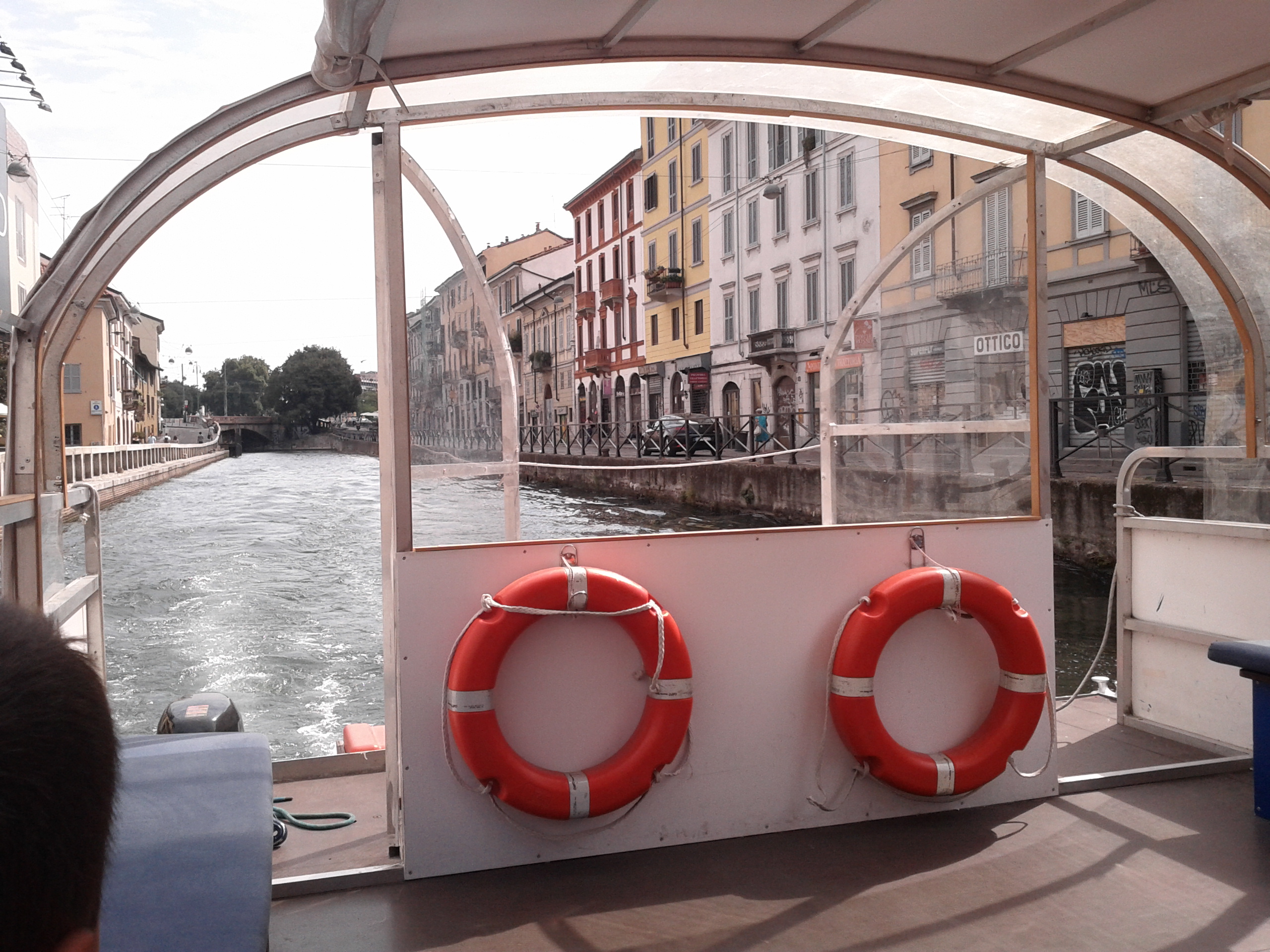
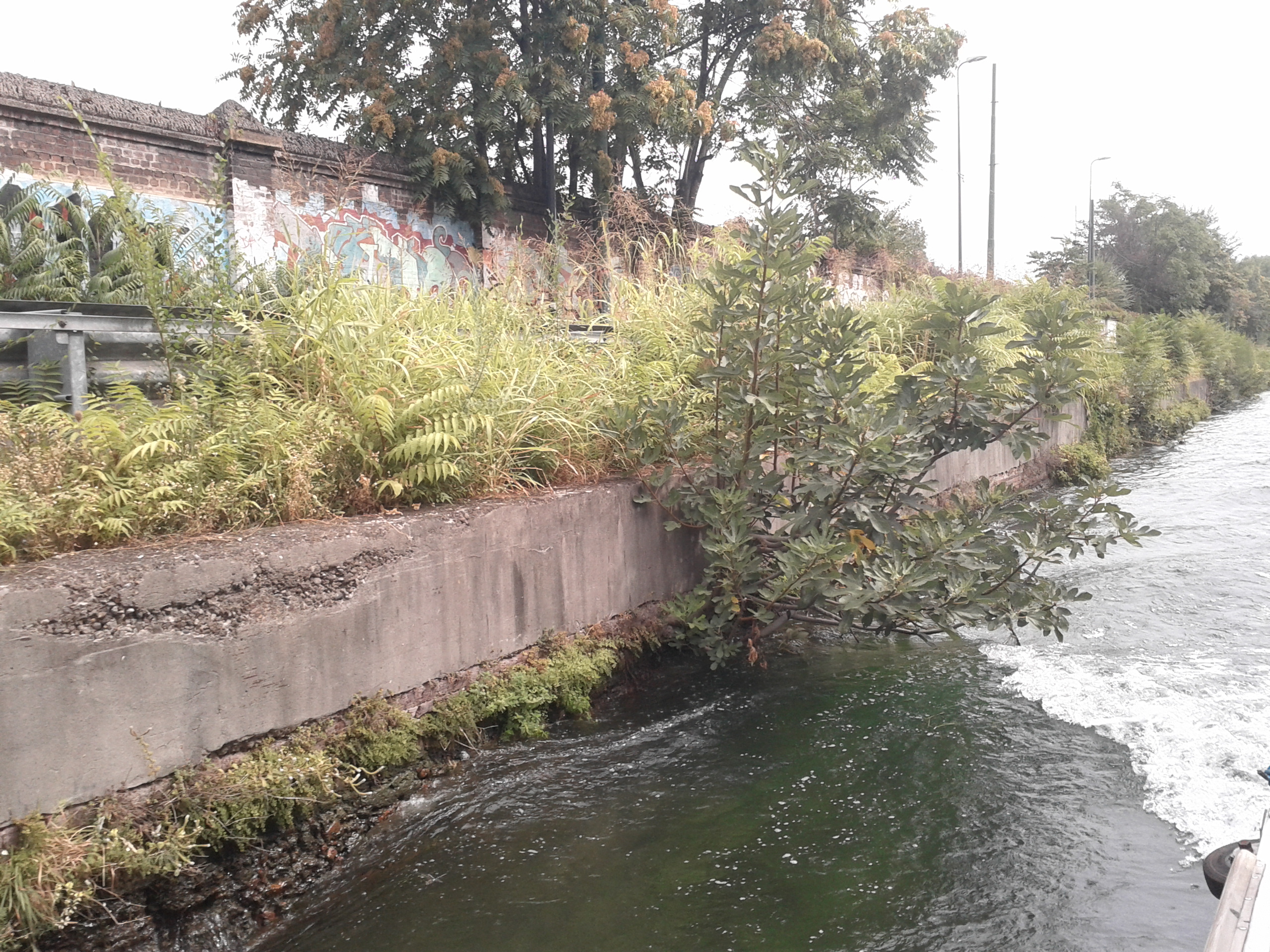
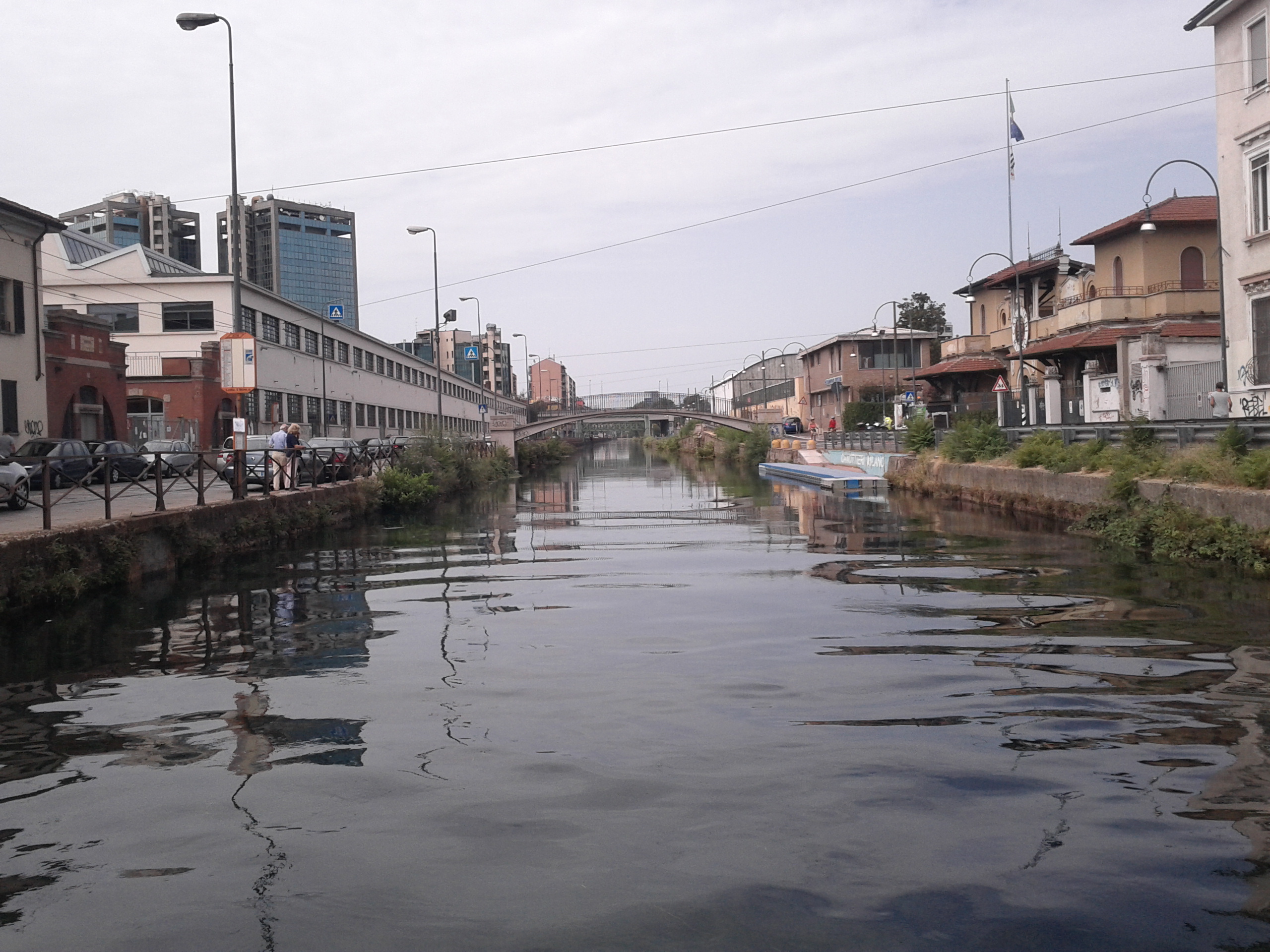
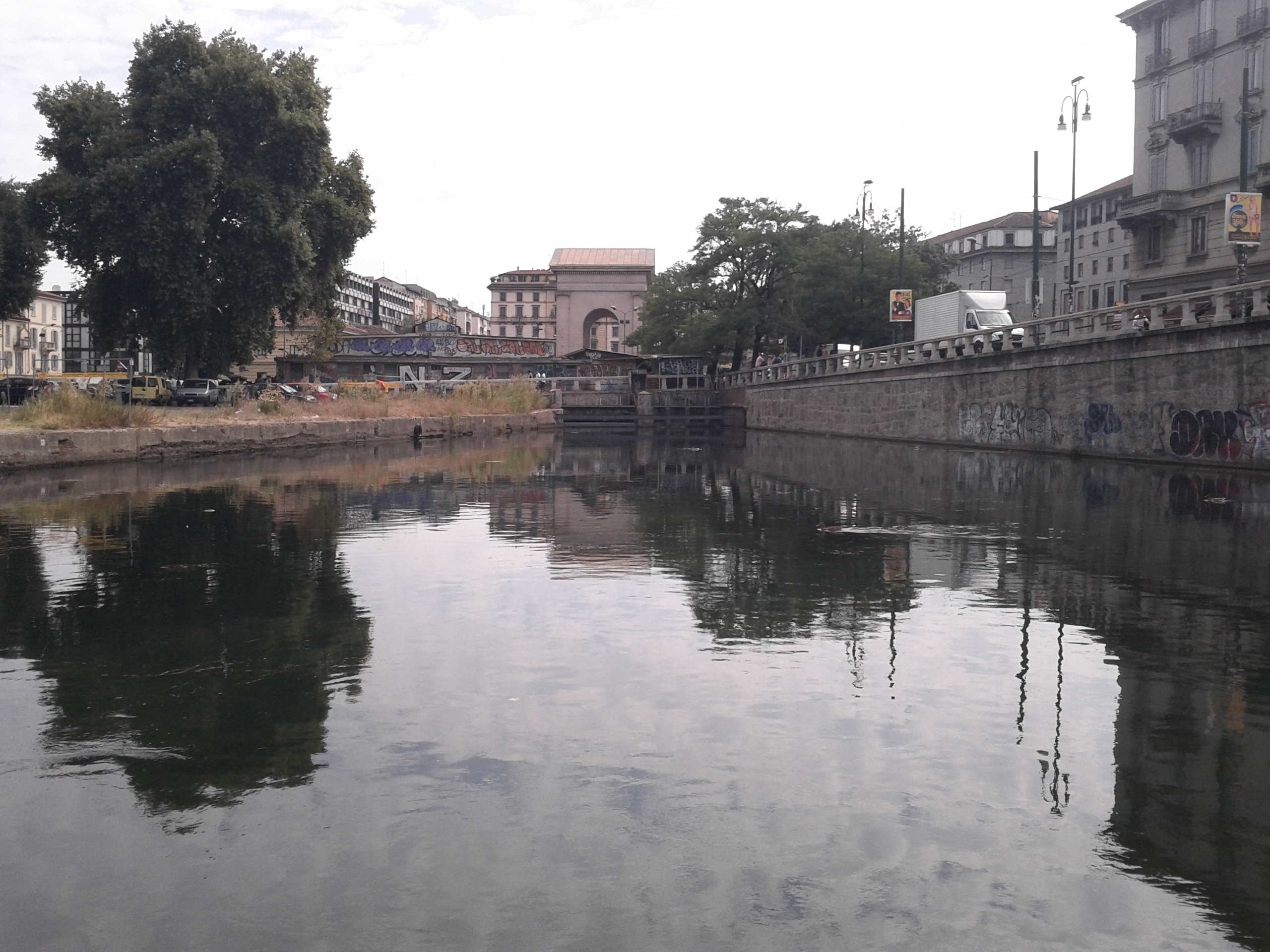
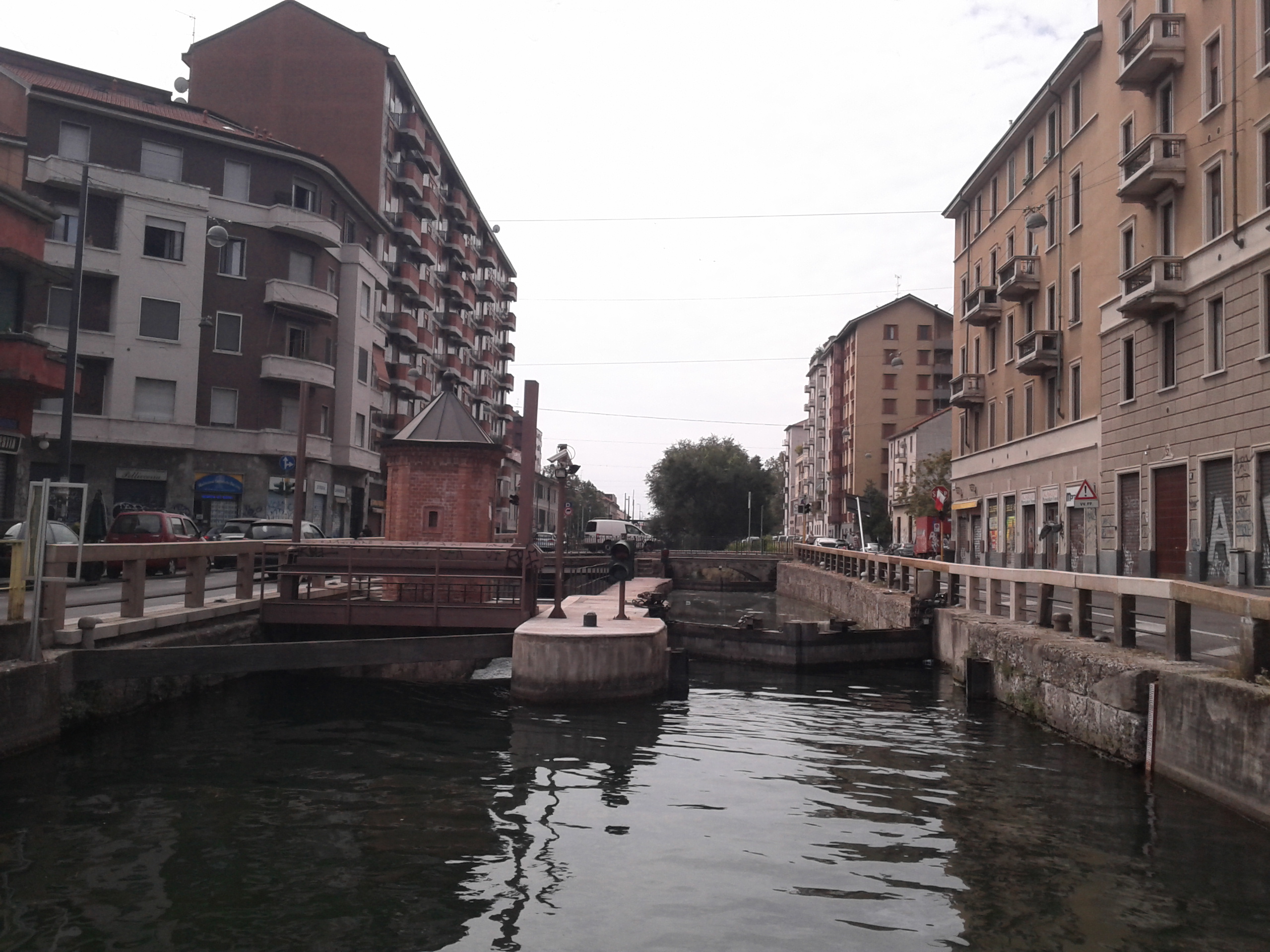
A couple of weeks ago I took my kids for a trip on the waterways of Milano, the so called Navigli. These two canals are the only ones left in the southern part of the city center, bringing water of Ticino river to the Darsena back and fort. Untill the 30es of the last century the efficient waterways network was essential part of Milan’s infrastructure bringing every kind of goods in the city, especially the most hard to be transported like building materials. At the same time the canals worked also as sewage system of the city and for this reasons burying them into underground channels was certainly an improvement.
In recent years some initiatives are trying to bring the waterways of Milano to a new life, to improve quality of urban space having in mind examples such as Amsterdam and other north European cities. Projects are ready to be funded to dig new waterways more or less along the original routes, also as a part of the works to be done ahead of the World Expo in 2015. The tourist boat that we took is one of these initiatives called Navigli Lombardi.
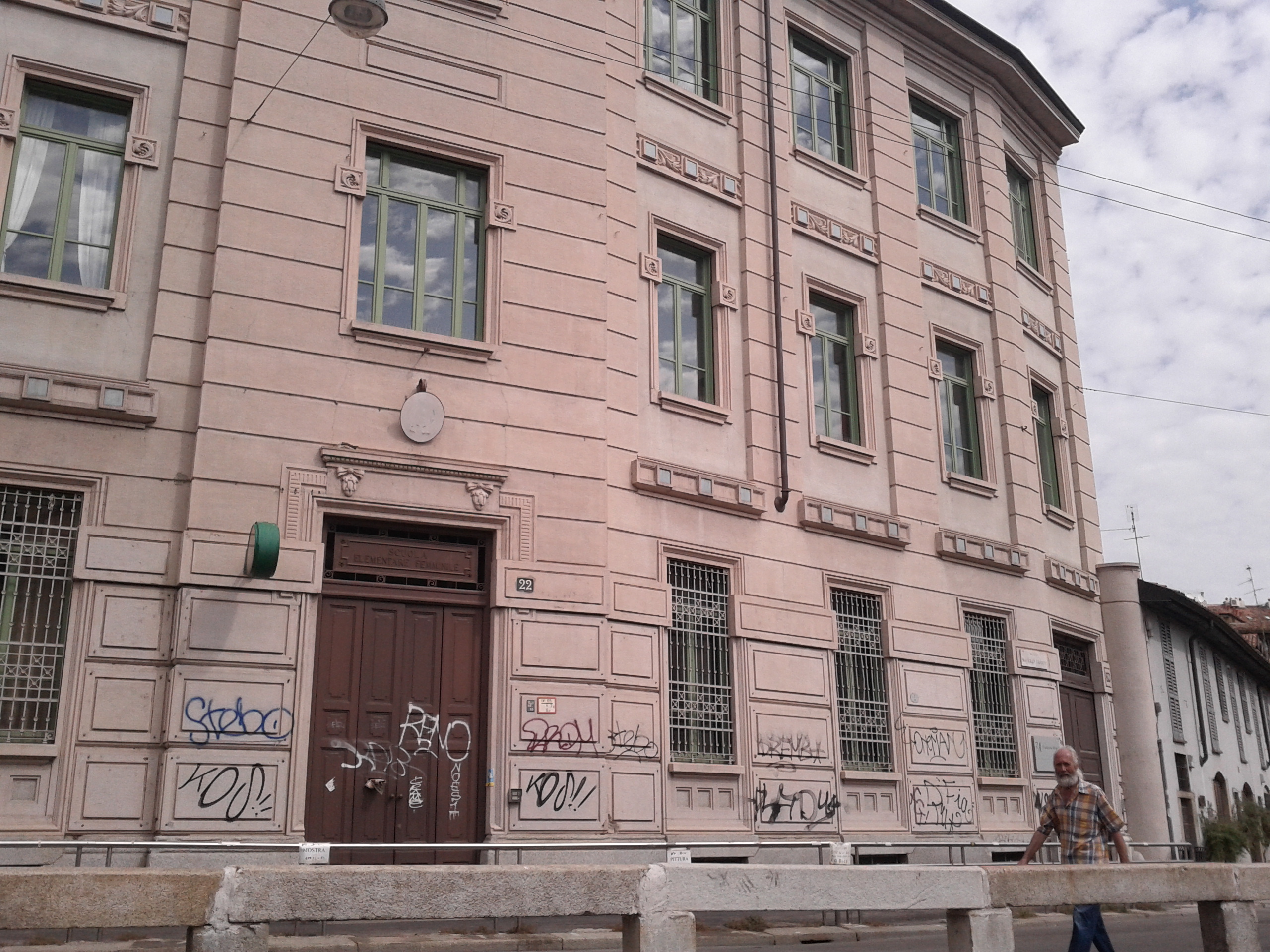
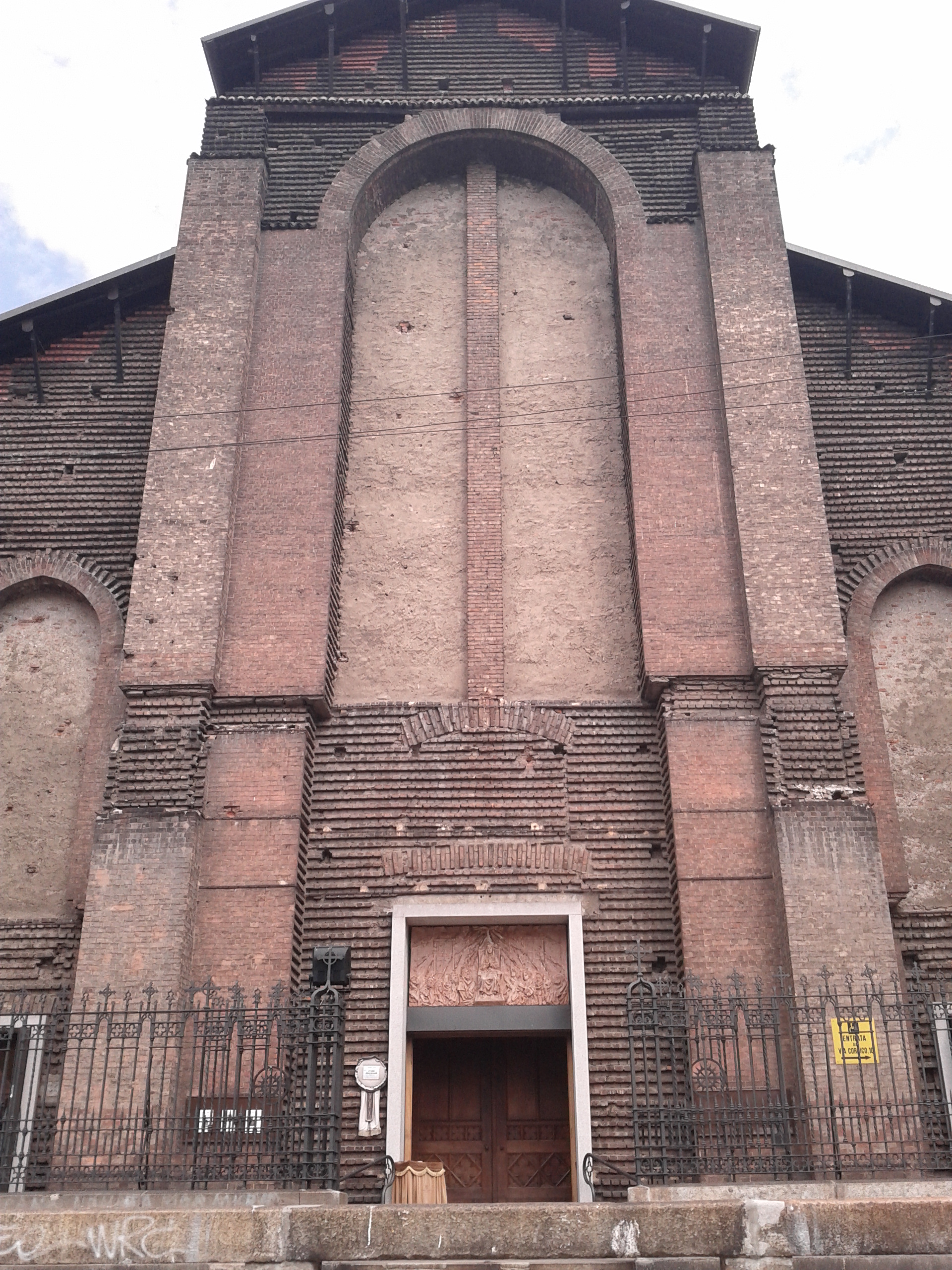
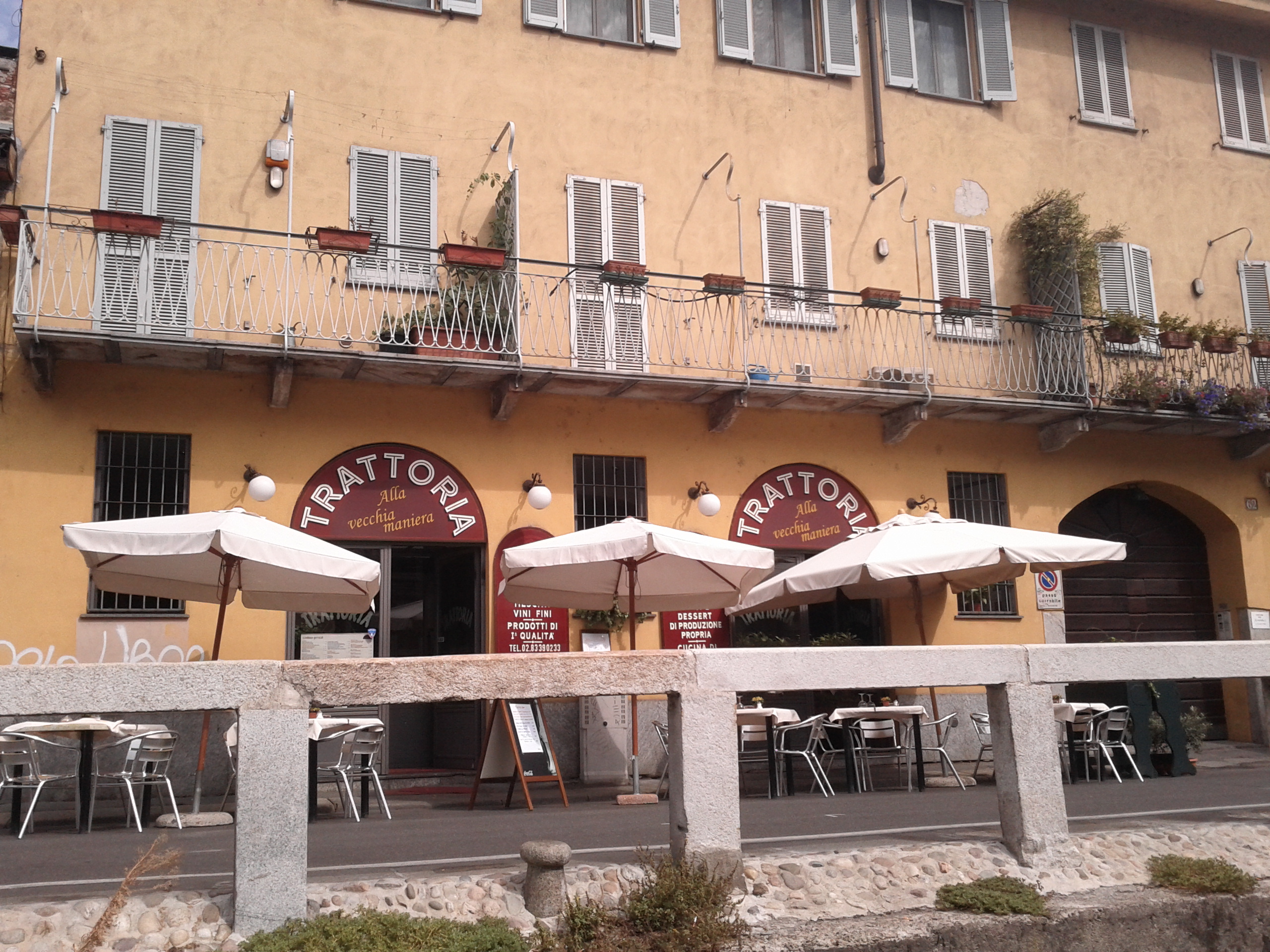
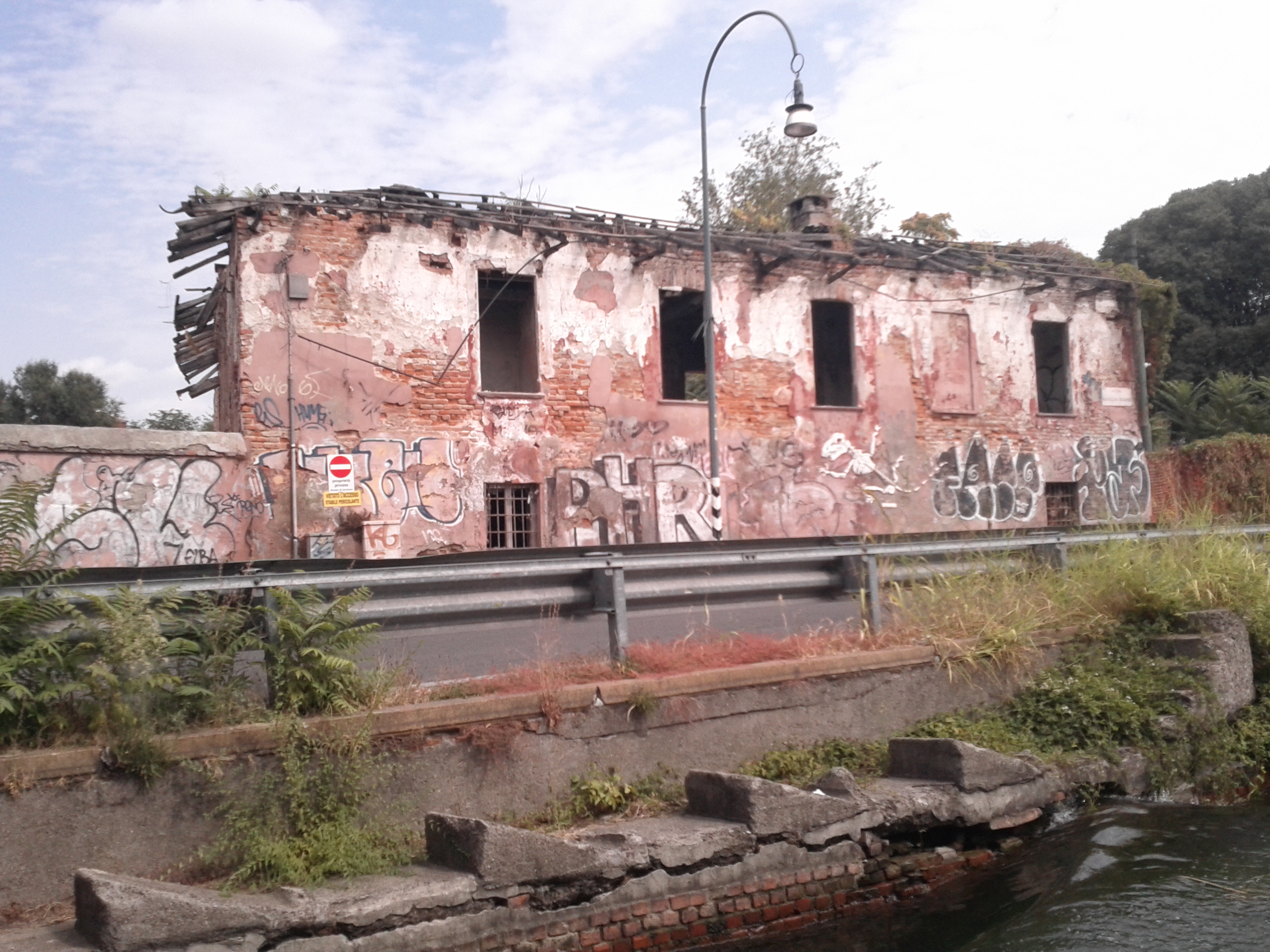
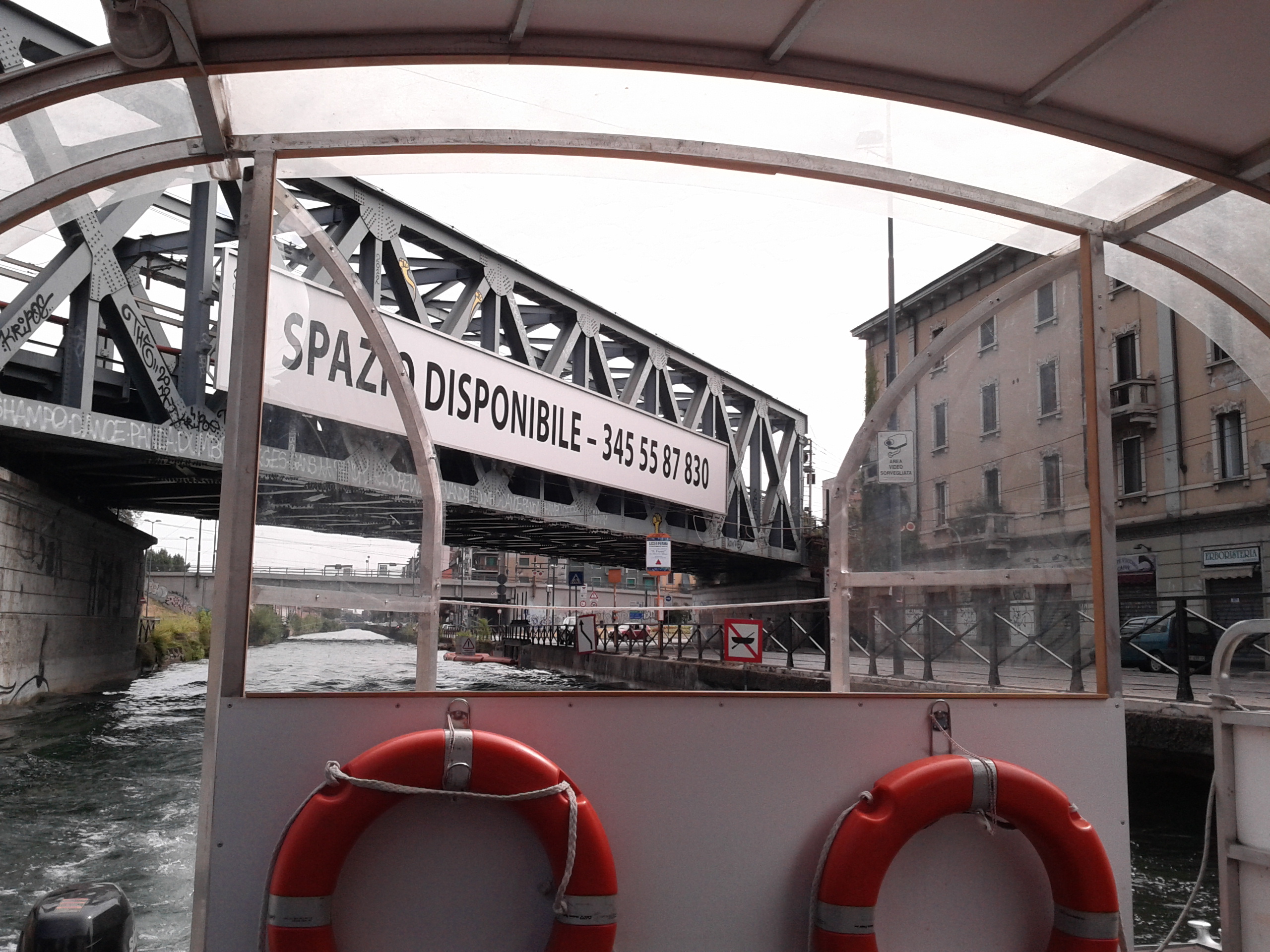
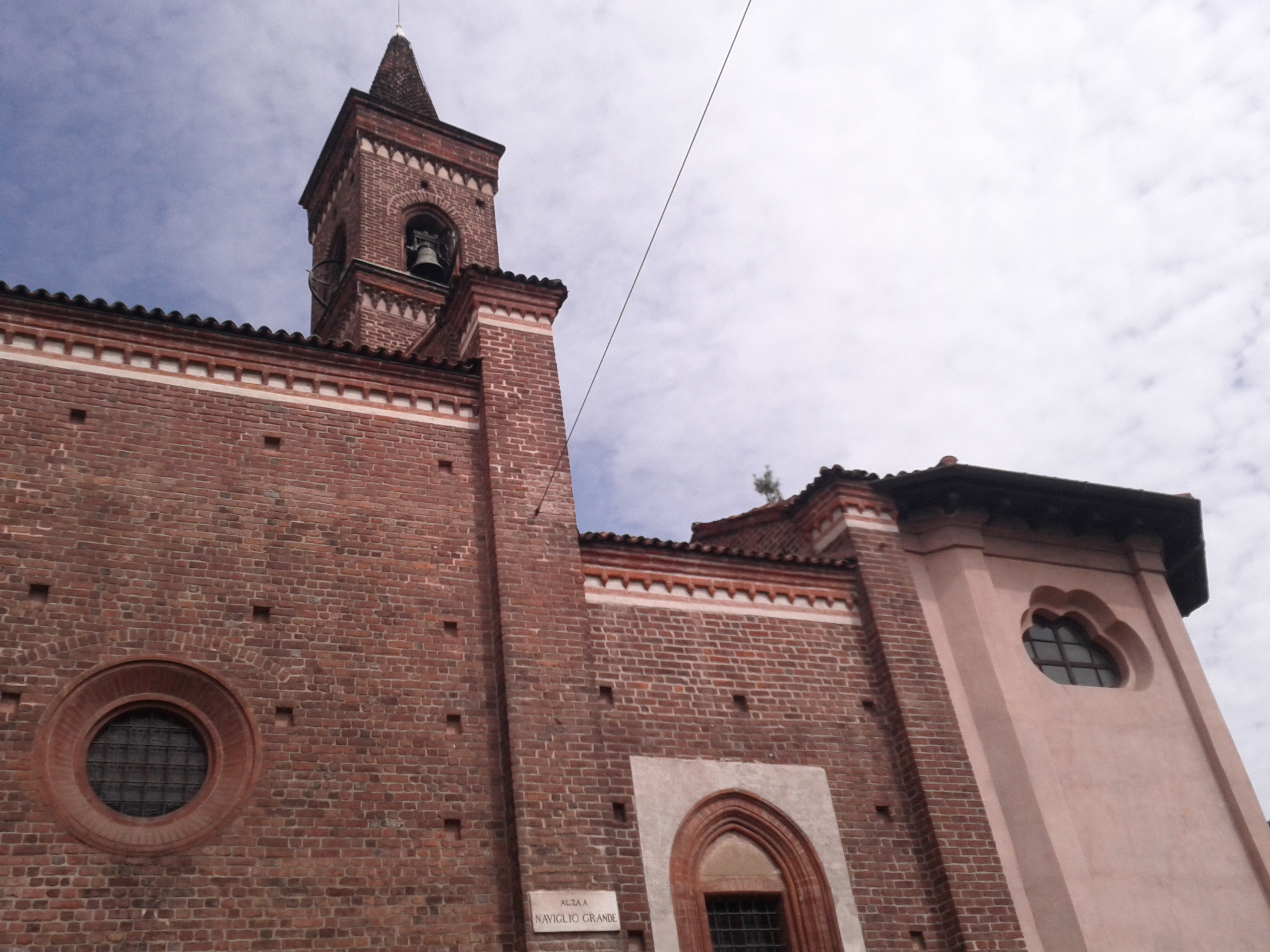
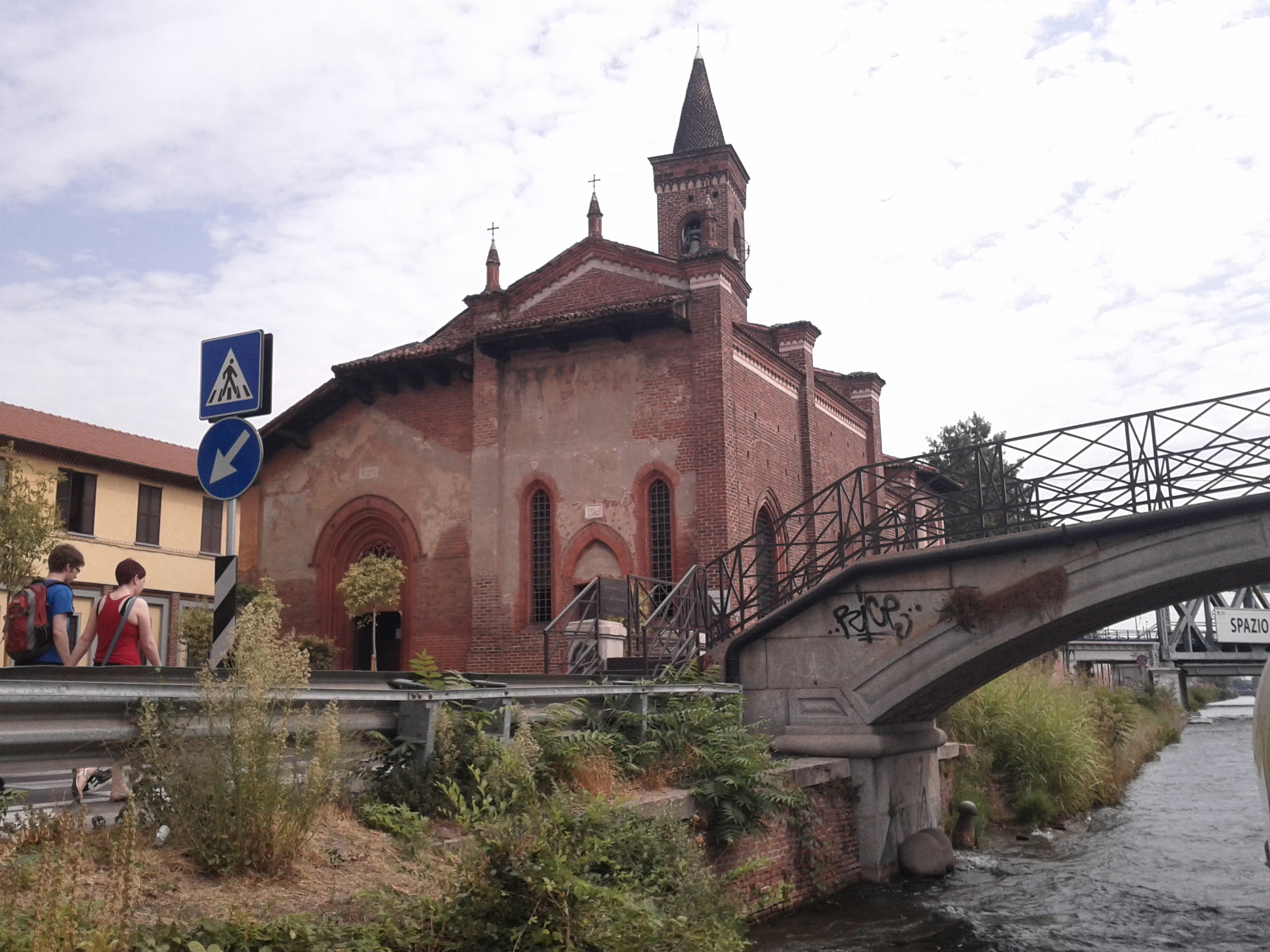
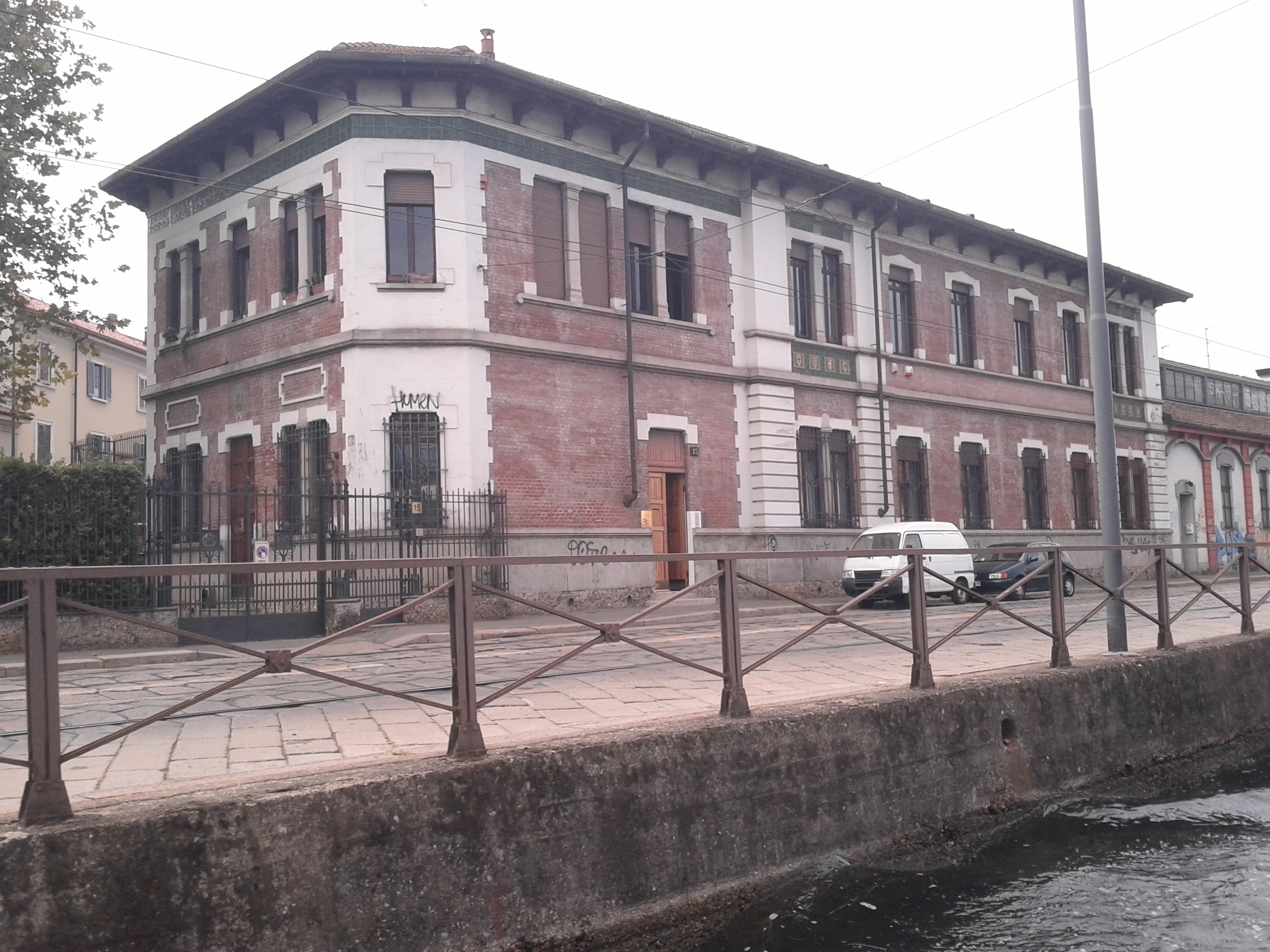
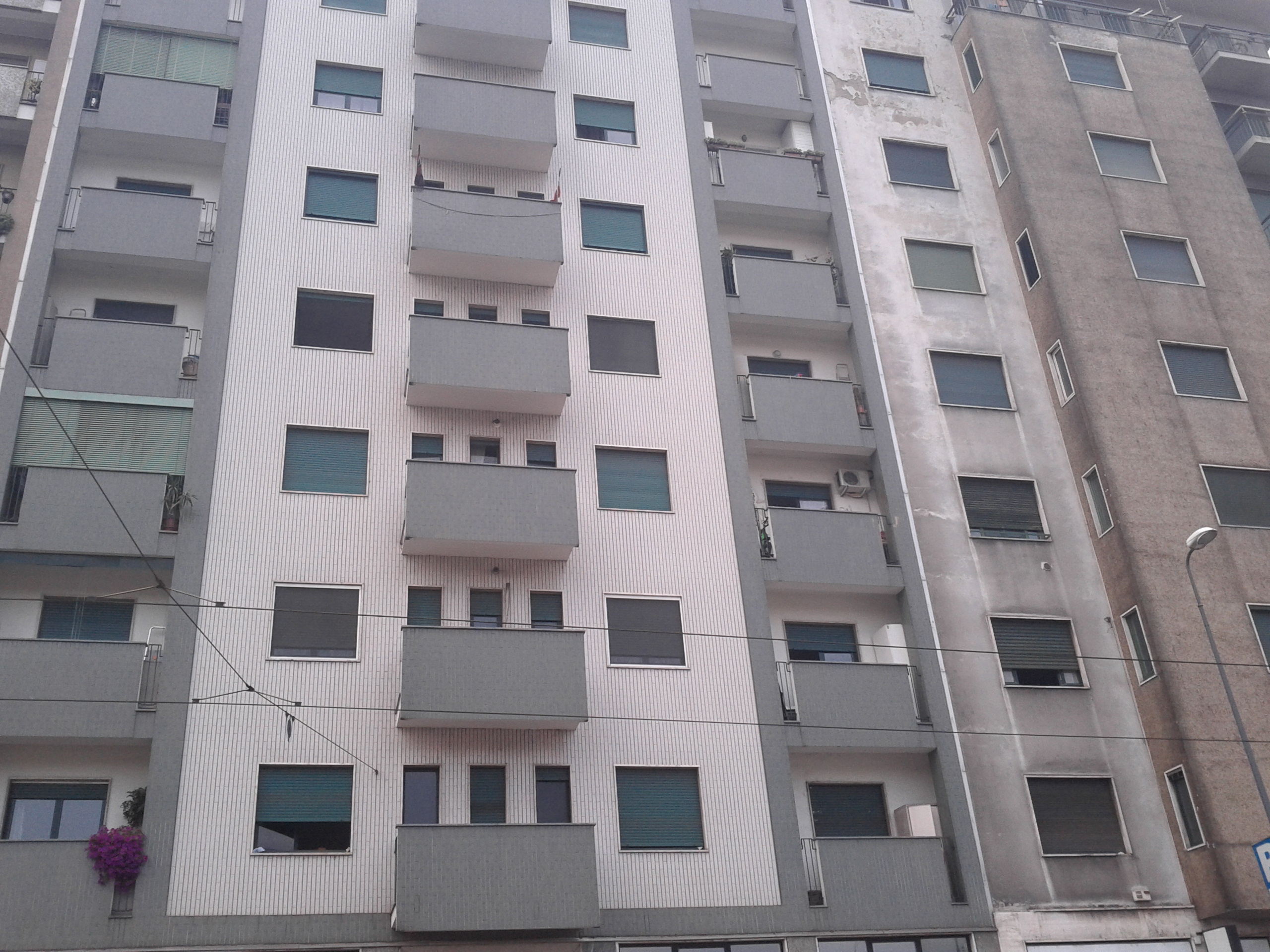
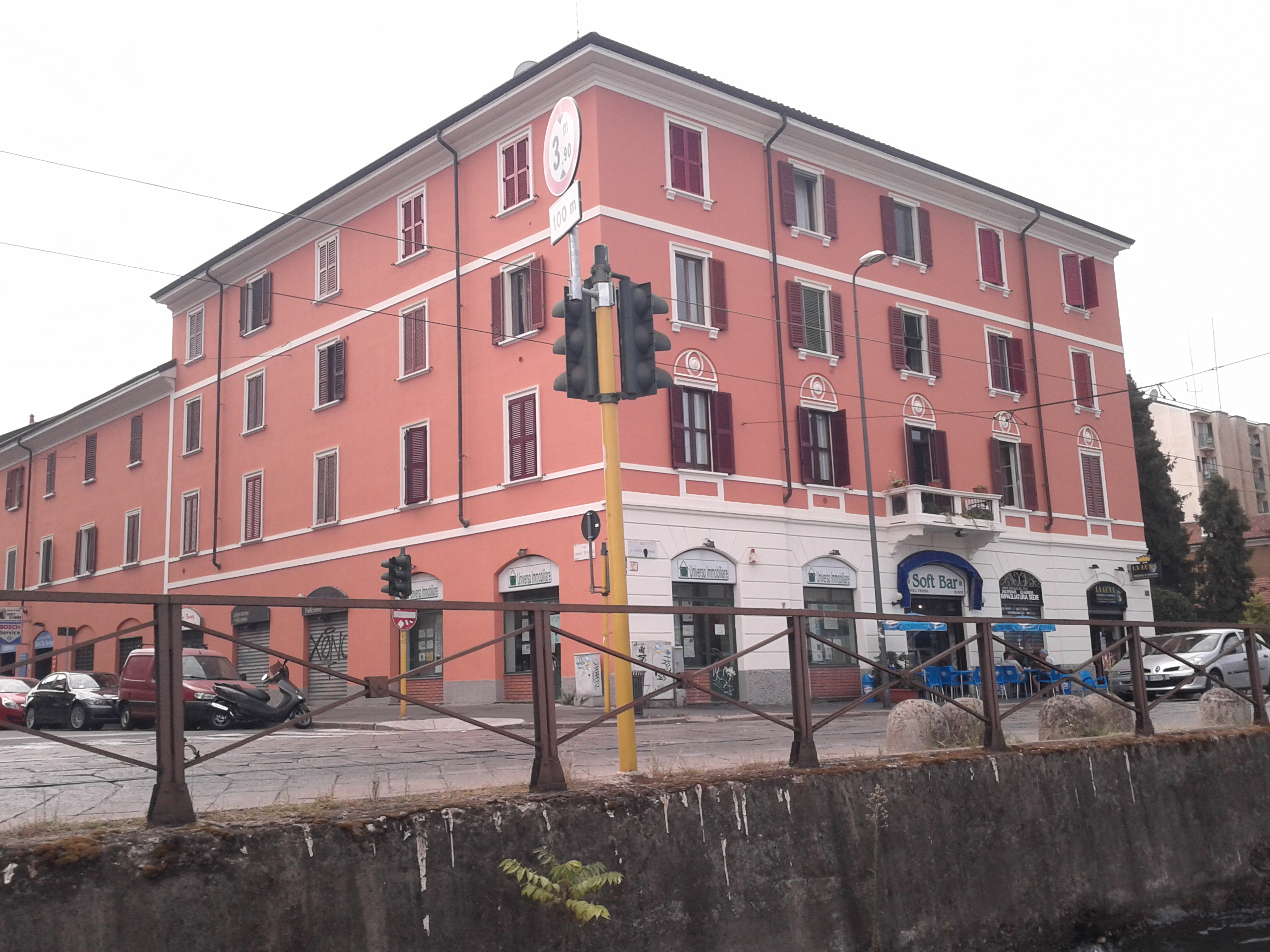
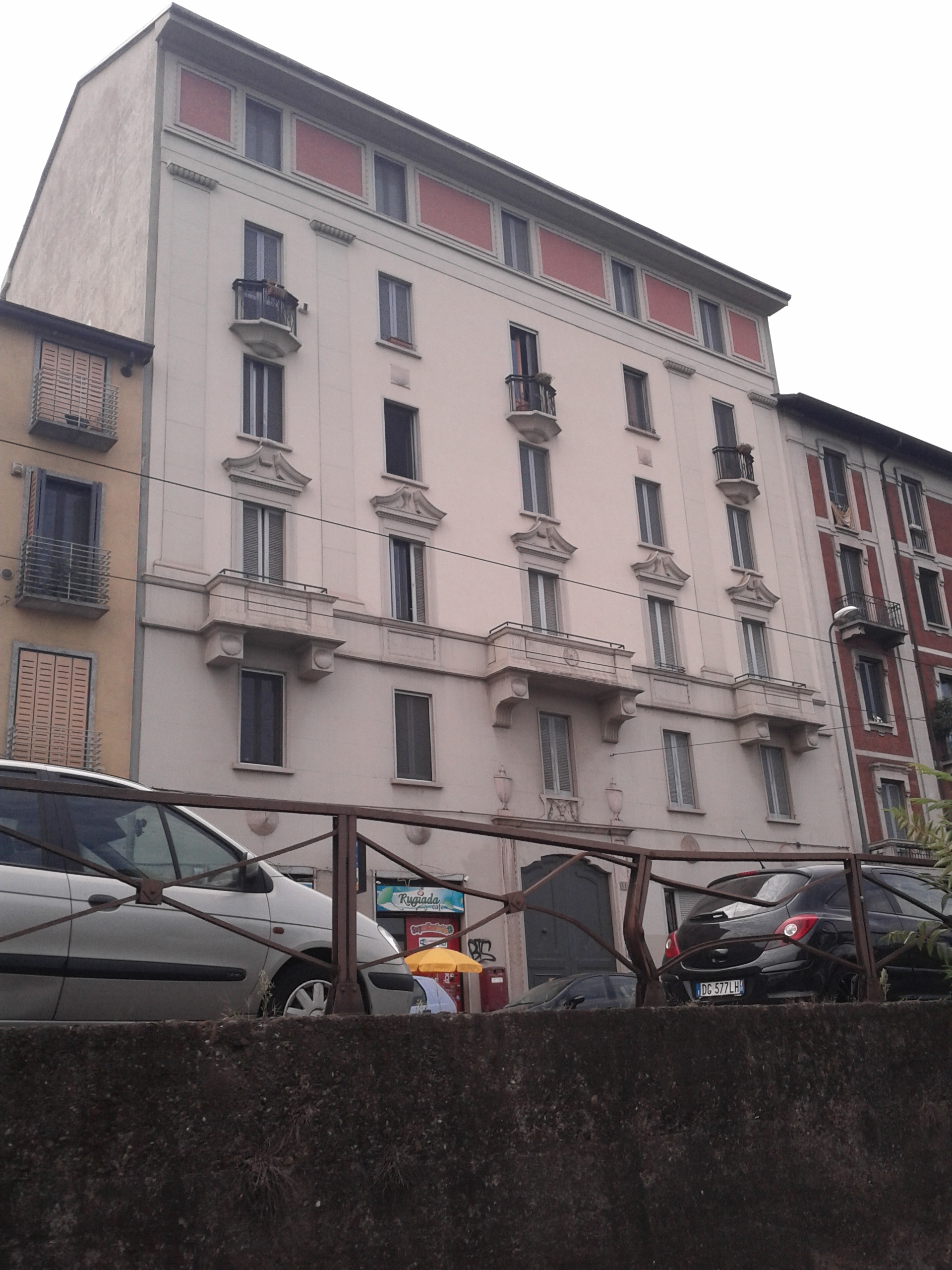
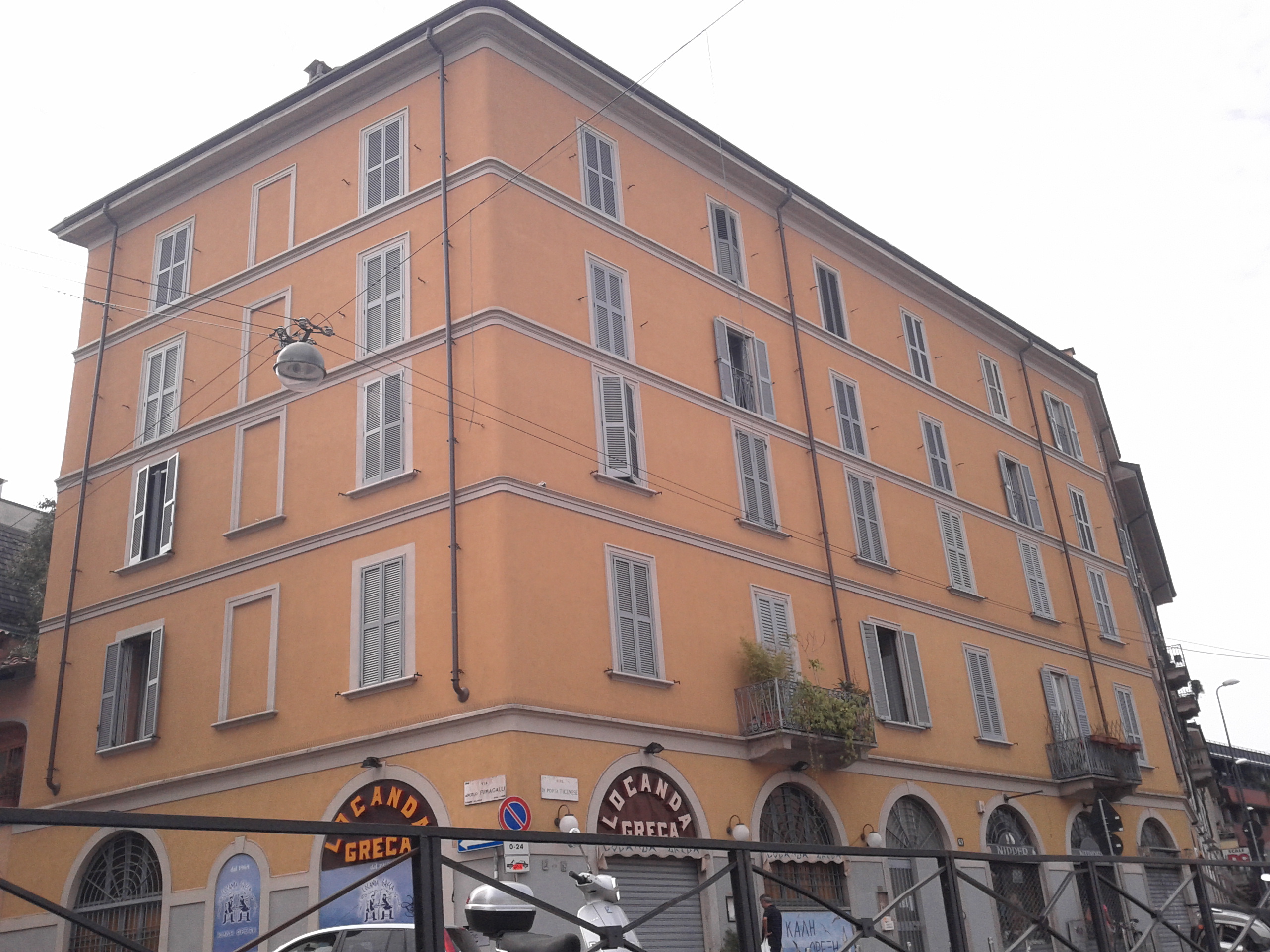
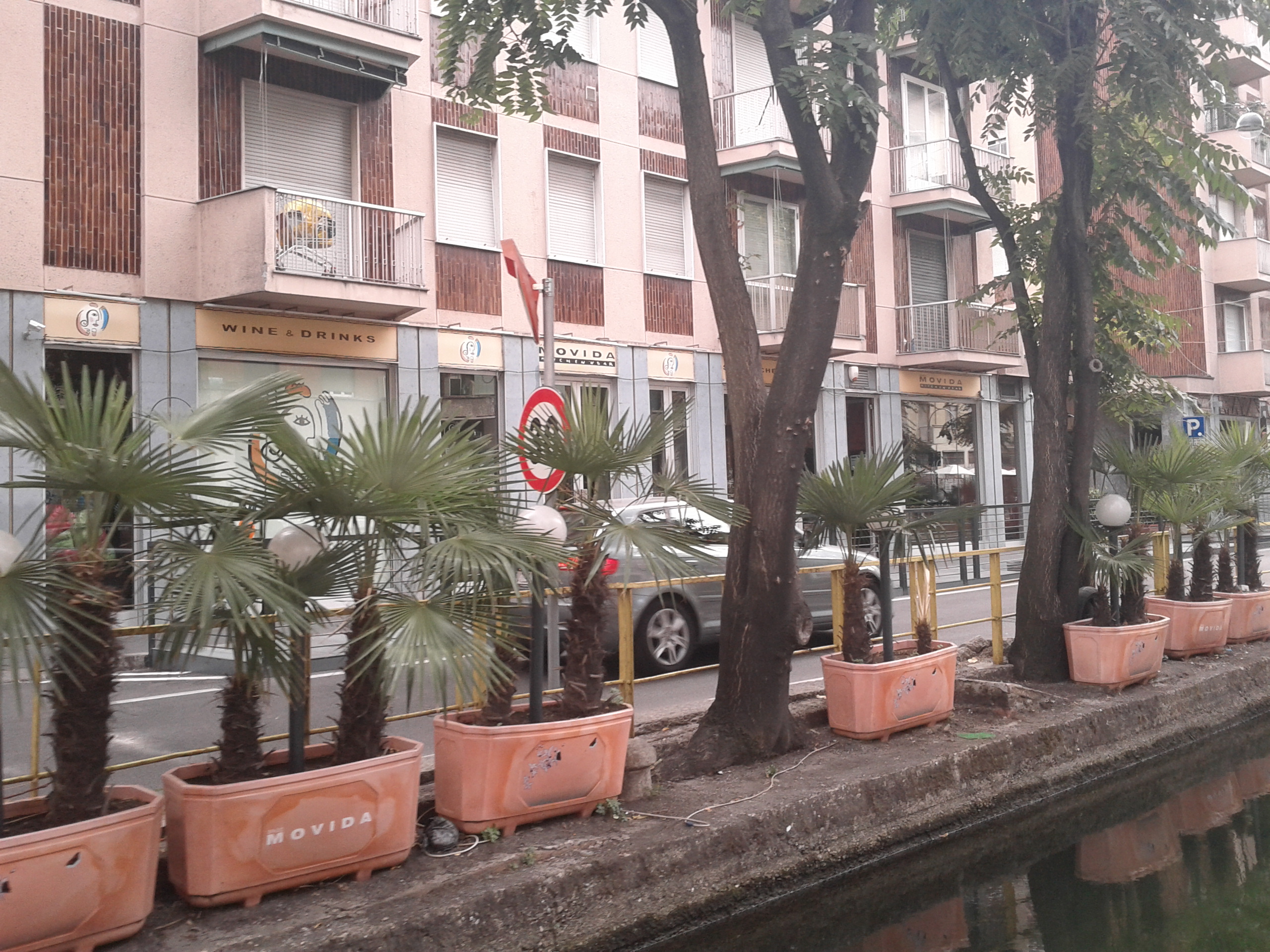
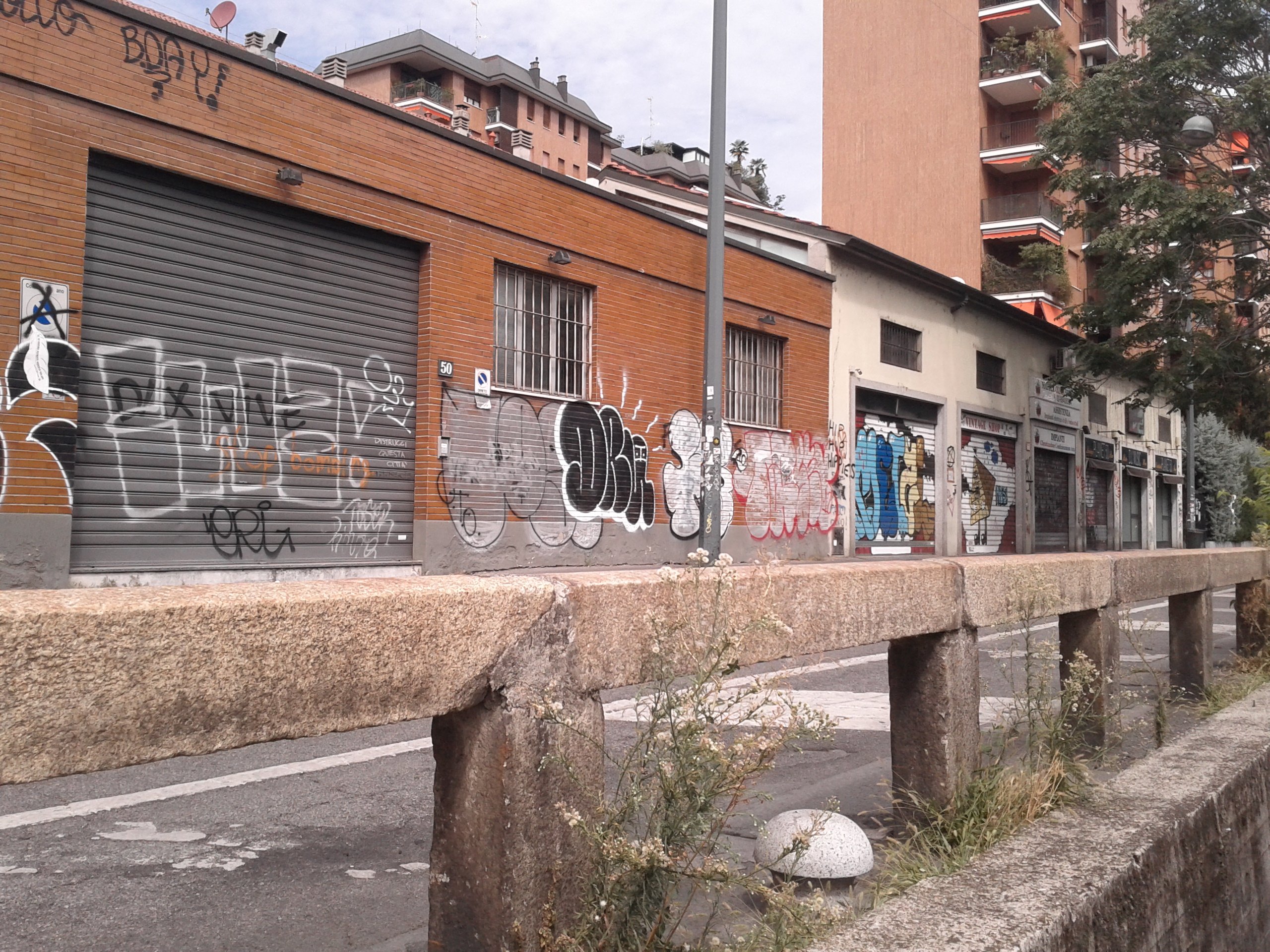
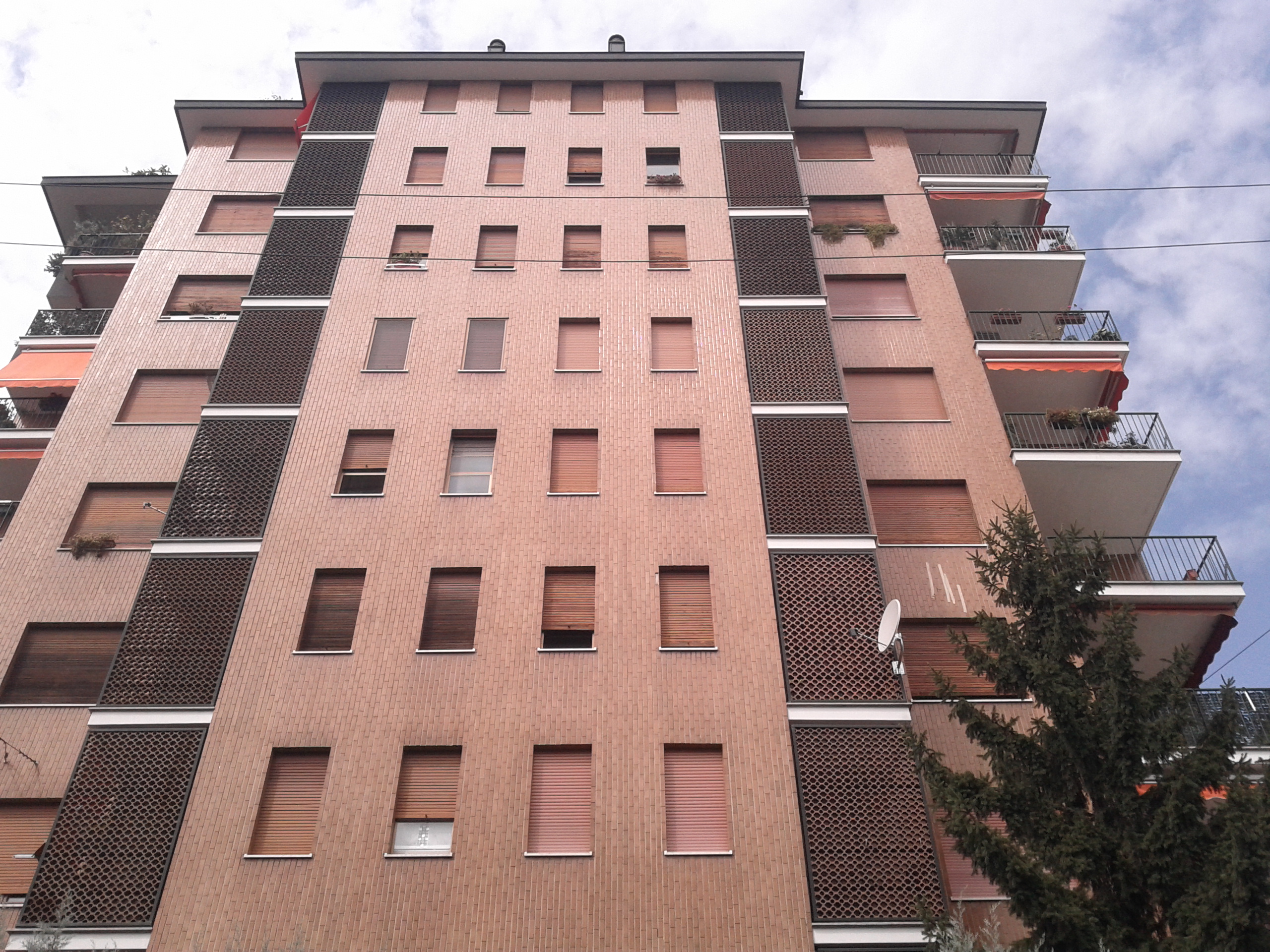
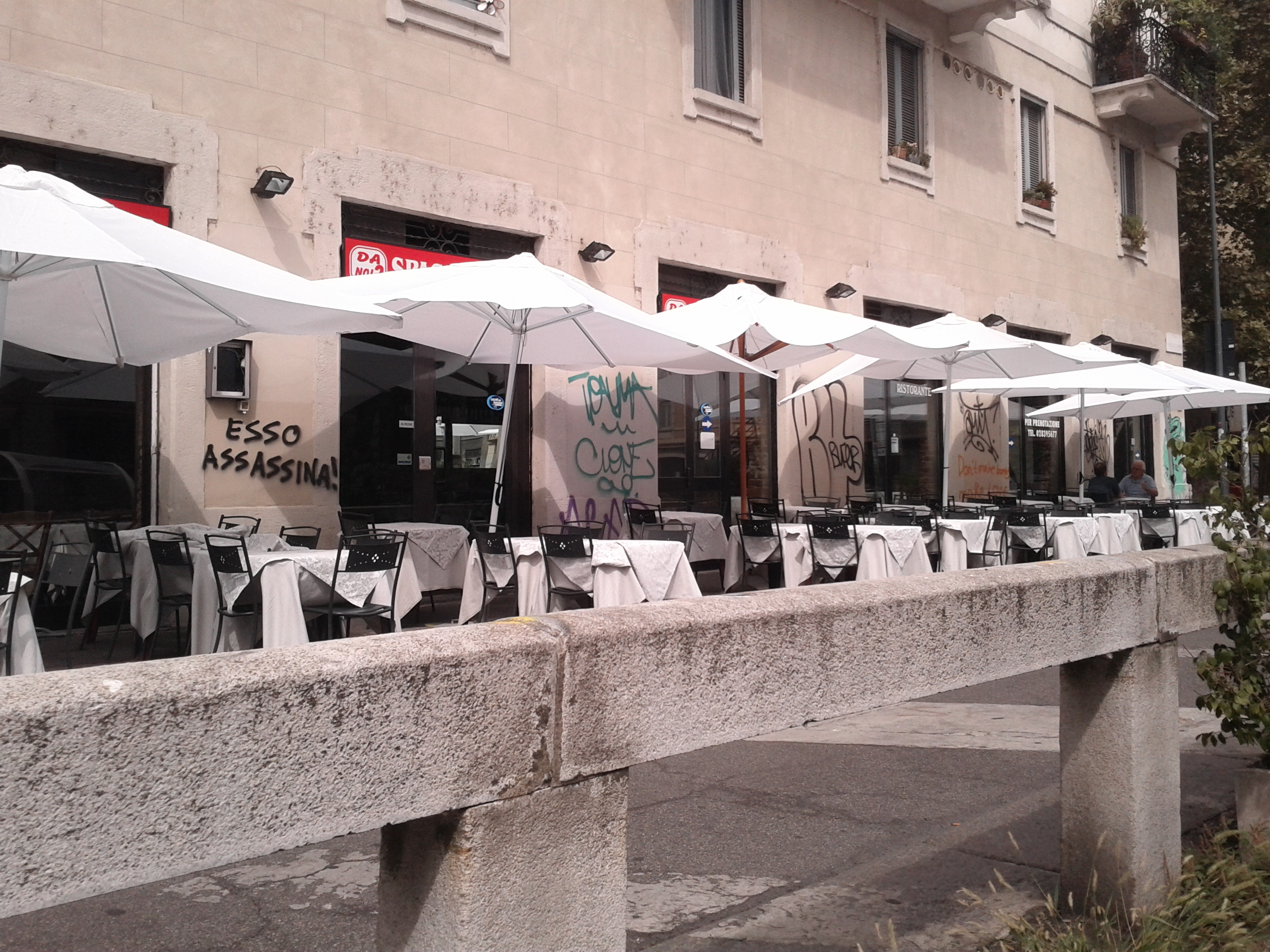
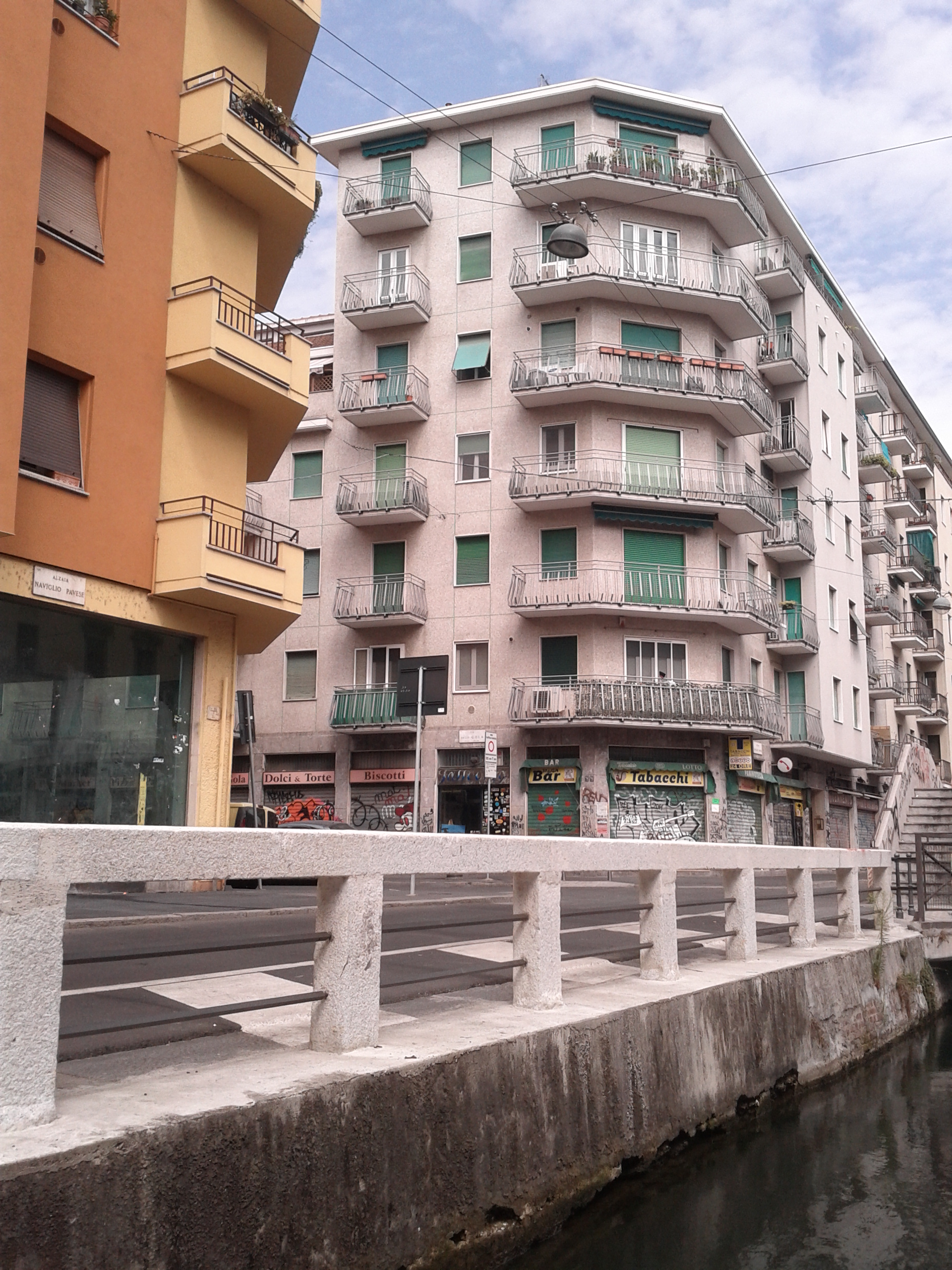
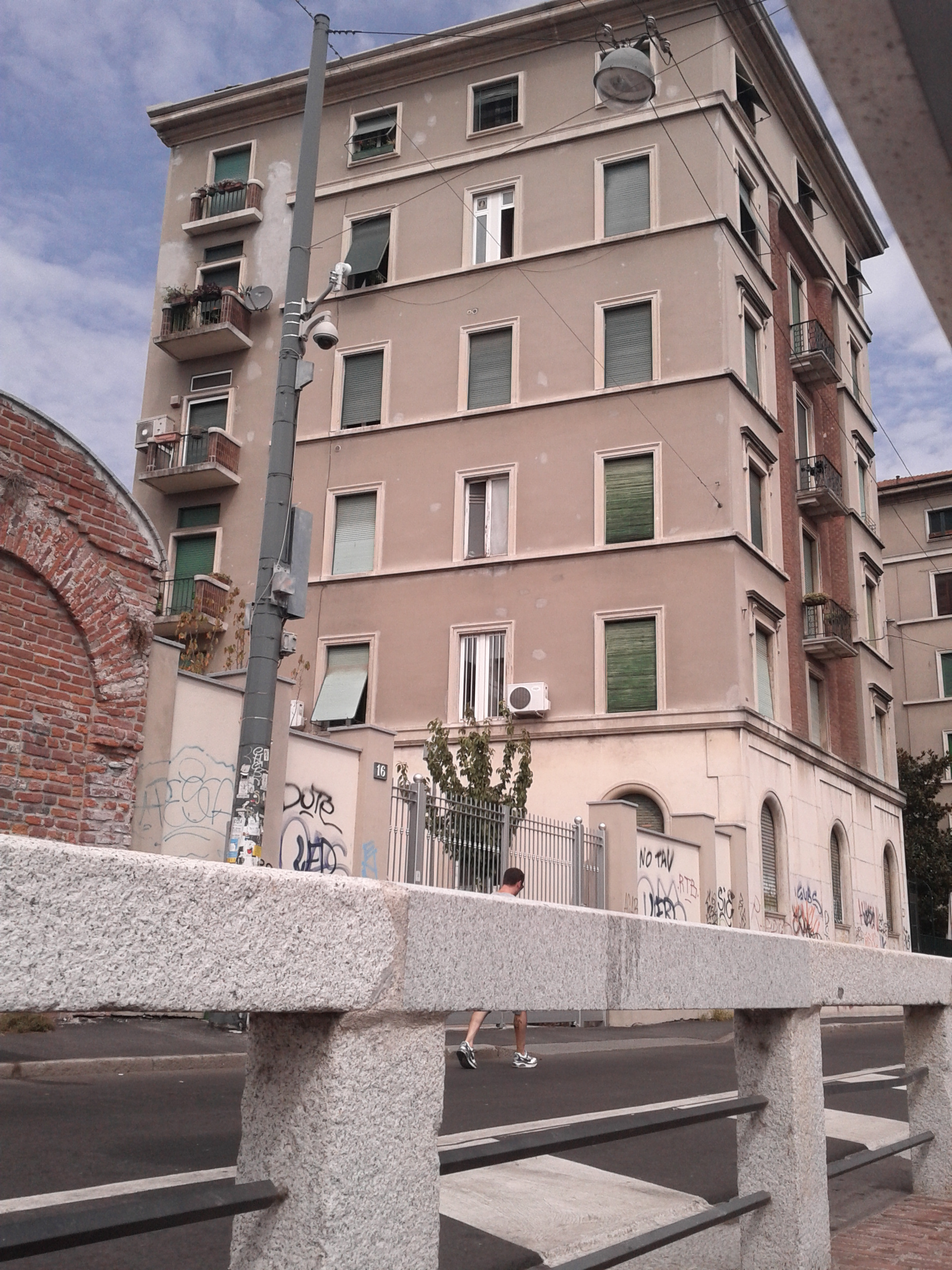
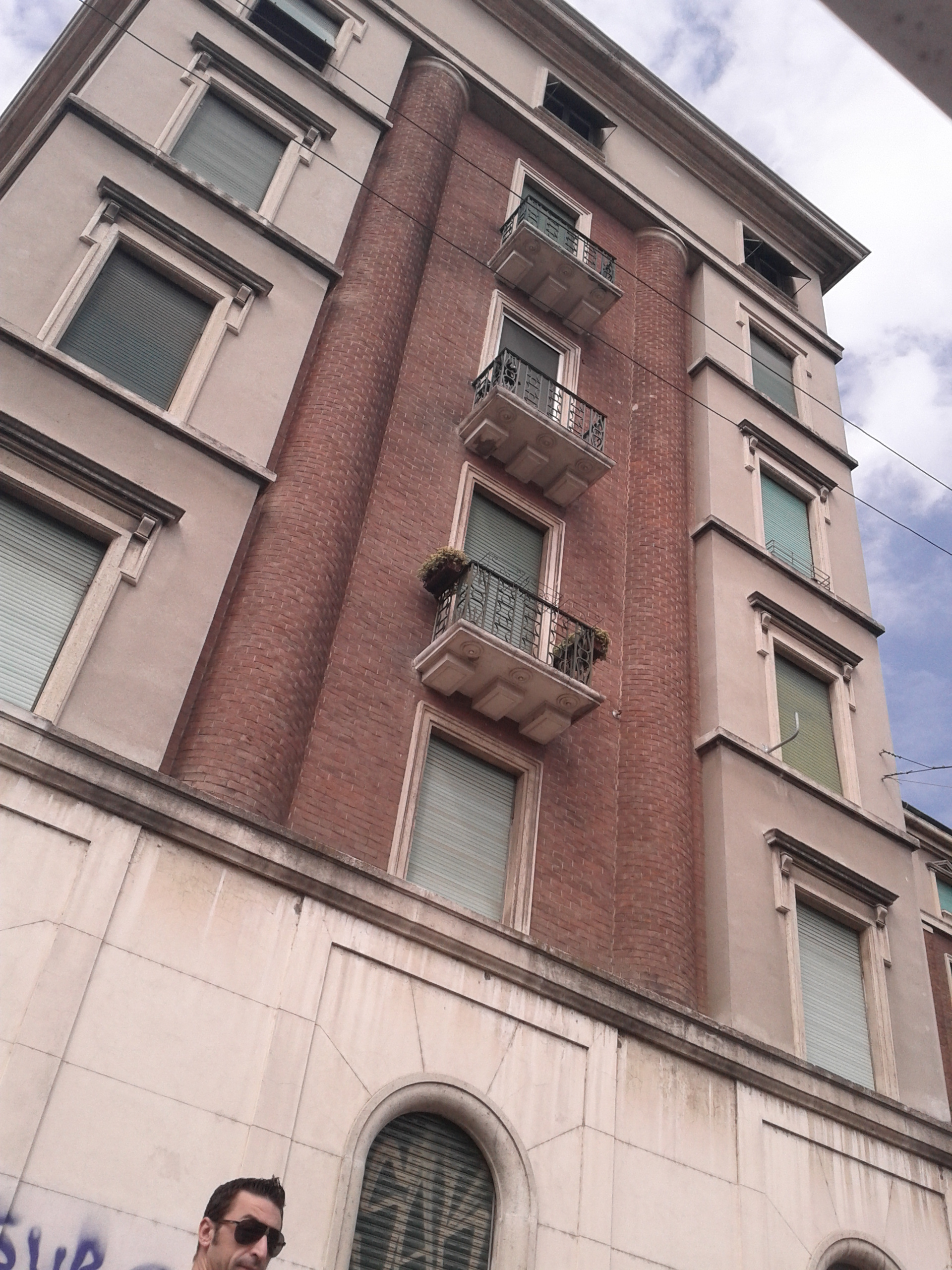
The short trip (45 minutes) on the Naviglio Grande and Naviglio Pavese is certainly not as spectacular as seeing Paris from the Seine, London from the Thames or Berlin from the Spree. However it is a pleasant intimate tour along what used to be the backside of the average Milanese houses, including various kind of bridges, the middle age brick church of San Cristoforo, some vernacular houses (most of which converted into bars or restaurants) but also large condominiums of the 60es and 70es. Maybe these two canals were not buried because the neighbourhood they passed through was not worth enough. Nowadays it is the most beloved and picturesque corner of Milano, with a pleasant mix of tourism, decent nightlife and creative atelier.
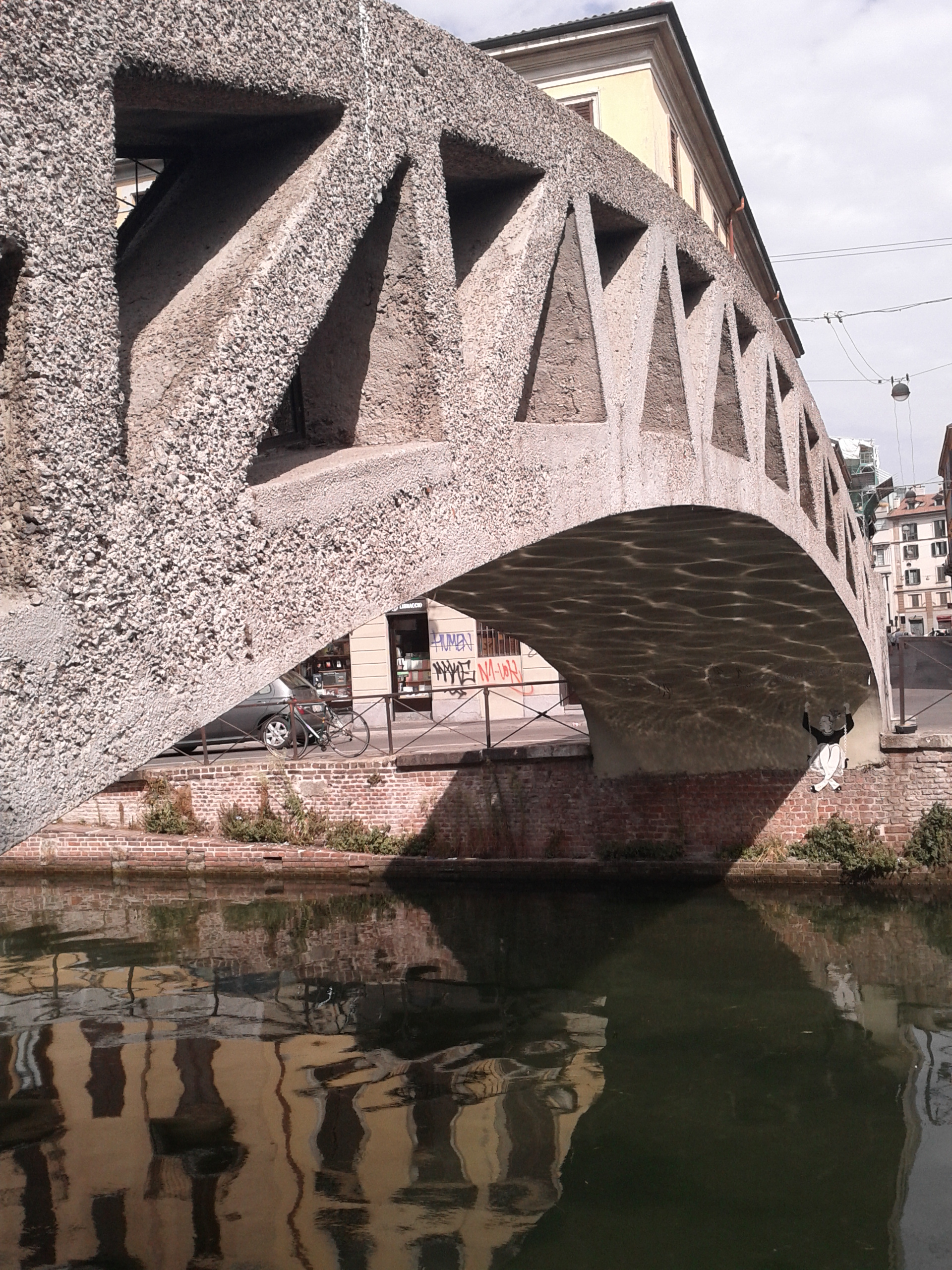
 Well Designed and Built